


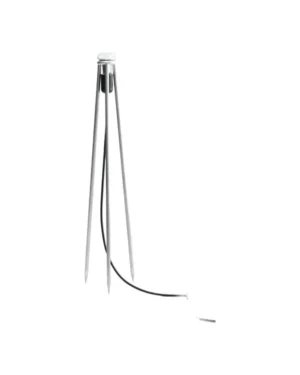

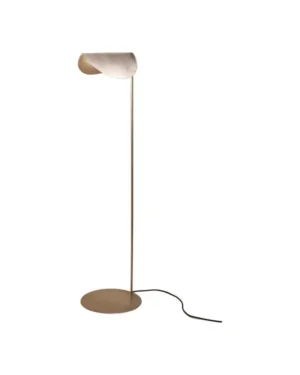
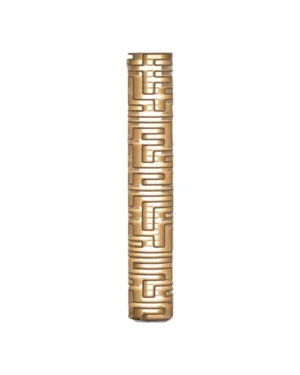
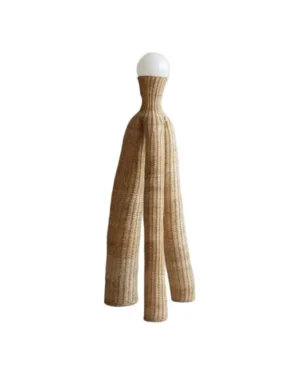
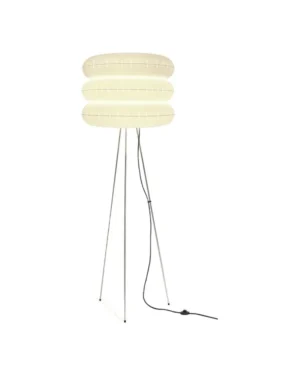
-
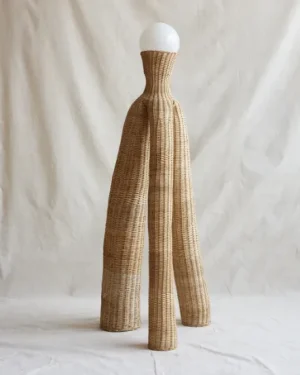
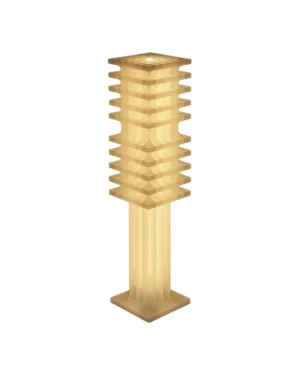
Artefacto Ls 16 Floor Lamp In Woven Wicker Fiber
By LØRDAG & SØNDAG
€1.090 -
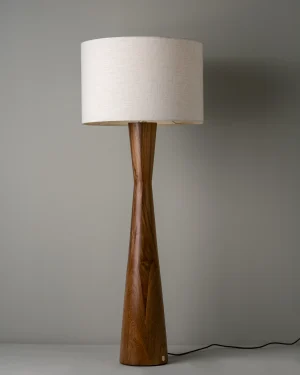
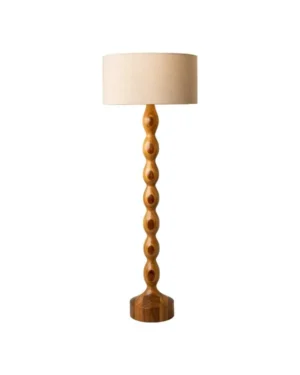
Sabina Floor Lamp in Parota Wood
By Isabel Moncada
€3.802 -

Deas Floor Lamp In Aluminum And Rattan
By Calen Knauf Studio
€1.360 -
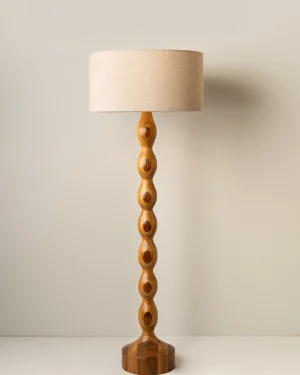
Tamarindo Floor Lamp in Parota Wood and Natural Fibers
By Isabel Moncada
€3.802 -
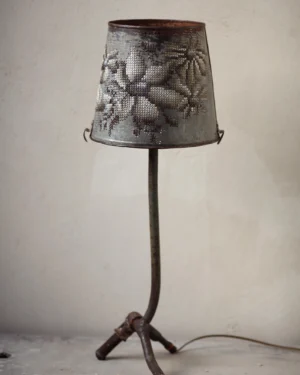
Light Bucket Challenge II Floor Lamp in Metal and Thread
By Severija Inčirauskaitė-Kriaunevičienė
€4.500 -
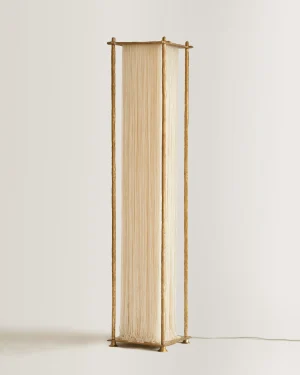
Ito Floor Lamp In Brass And Cotton Thread
By Stem
€6.050 -
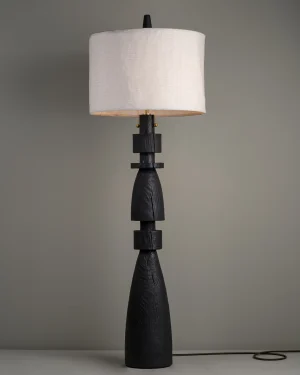
Mezquite Floor Lamp in Pinewood, Linen and Brass
By Isabel Moncada
€4.095 -
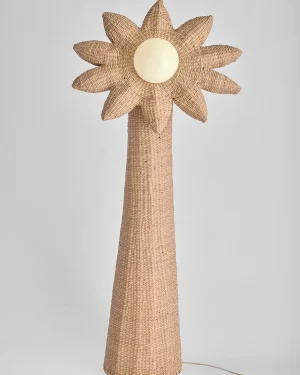
Kuni Floor Lamp in Rattan and Natural Fibers
By Joyful Objects, Yes!
€2.900 -

Curva Floor Lamp in Guarango Wood and Bronze
By Laluz Handcraft
€3.600 -
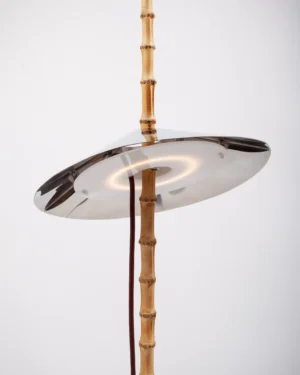
7plates Floor Lamp In Stainless Steel, Bamboo And Aluminum
By Calen Knauf Studio
€1.918 -
 In stock
Thulani Floor Lamp in Terracotta and Rattan
By UAU Studio
€3.400 -

Knock Off Neon Floor Lamp In Aluminum And Silk
By Studio Ebba Lindgren
€800€680 -
 In stock
Steppe Floor Lamp In Felt And Wood
By Danik Uderbekov
€900 -

Willow Floor Lamp in Steel and Cotton
By BOTHI
€455 -

Laco Floor Lamp in Biocomposite and Linen
By PletoStudio
€3.600 -

Original Lamp 1 Floor Lamp in Parota Wood and Textile
By Daniel Orozco Estudio
€1.899 -

Shadow Wool Floor Lamp in Biocomposite and Carpathian Wool
By PletoStudio
€2.200 -

Lomo Floor Lamp In Wool And Ash Wood
By Natural Urbano - Sebastián Beltrán
€565 -
 In stock
Manon Floor Lamp in Rattan
By Heaps & Woods
€2.125 - €2.375 -
 In stock
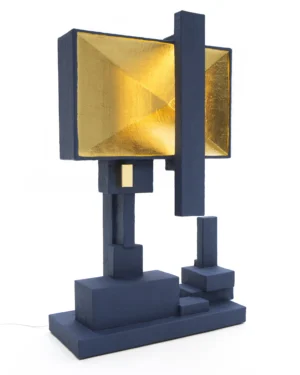
Box-2 Floor Lamp in Blue Cardboard and Gold-leaf
By Studio Josha
€8.995 -

Orbita Floor Lamp in Biocomposite and Bouclé Wool
By PletoStudio
€5.000 -
 In stock
Petita Floor Lamp in Rattan
By Heaps & Woods
€375 - €1.975 -
 In stock
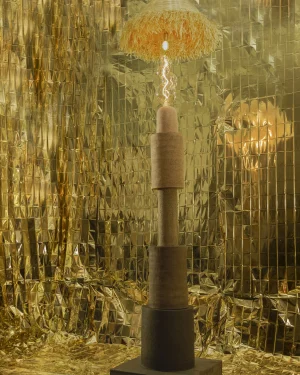
Ic-6 Floor Lamp in Resin, Gold-leaf and Natural Fibers
By Studio Josha
€9.500 -
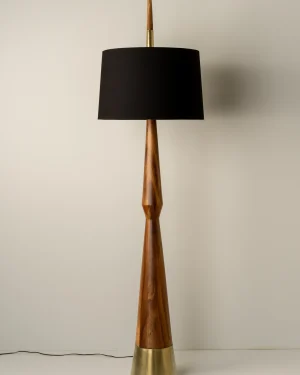
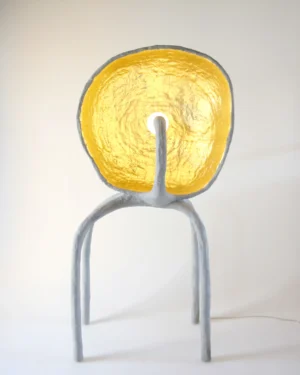
Apolo Floor Lamp in Parota Wood and Fiberglass
By Isabel Moncada
€6.435 -
 In stock
Ic-17 Floor Lamp in Resin, Gold-leaf and Natural Fibers
By Studio Josha
€10.500 -
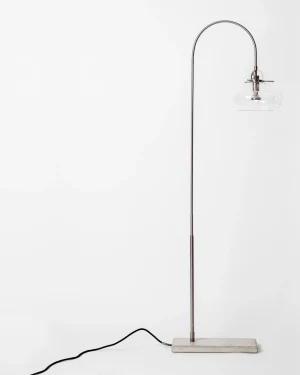
Art Deco Floor Lamp in Glass, Stainless Steel and Concrete
By Szostak Atelier
€2.100€1.995 -

Vereteno Floor Lamp in Biocomposite and Linen
By PletoStudio
€5.800 -

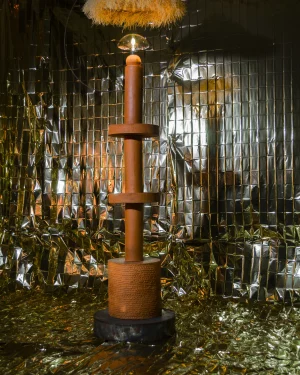
Silva Sculptural Floor Lamp in Biocomposite and Raffia
By PletoStudio
€1.600 -
 In stock
Badru Floor Lamp in Ceramic and Rattan
By UAU Studio
€3.400 -

Silva Soft Floor Lamp in Biocomposite and Cotton
By PletoStudio
€1.100 -
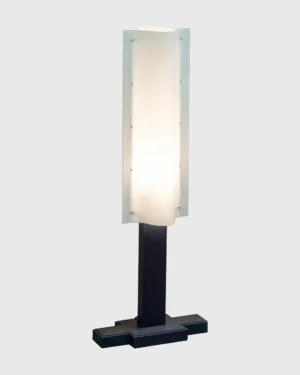
Mora Floor Lamp in Sapele Wood and Recycled Paper
By MESEME by Riya Panchal
€2.676 -

Ember Floor Lamp in Biocomposite and Raffia
By PletoStudio
€3.200 -
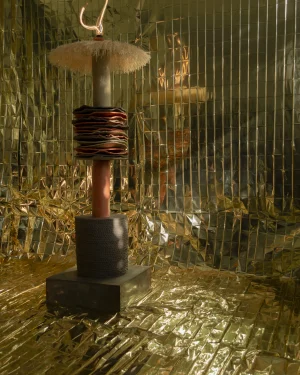 In stock
Nightjar Floor Lamp in Ceramic and Rattan
By UAU Studio
€3.400 -

Pivnich Floor Lamp in Ceramic and Cotton
By FAINA
€7.700 -
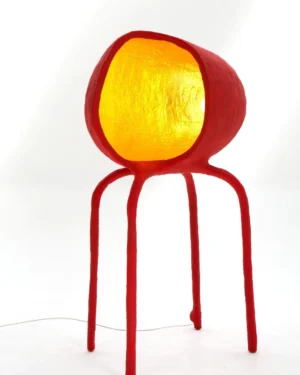 In stock
Ic-12 Floor Lamp in Resin, Gold-leaf and Natural Fibers
By Studio Josha
€8.500 -
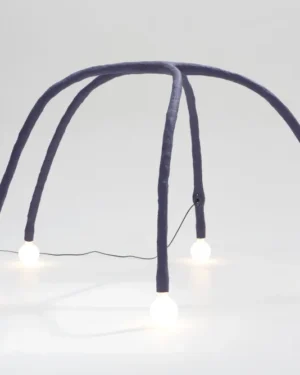 In stock
Ic-13 Floor Lamp In Resin, Foam And Natural Fibers
By Studio Josha
€9.900 -
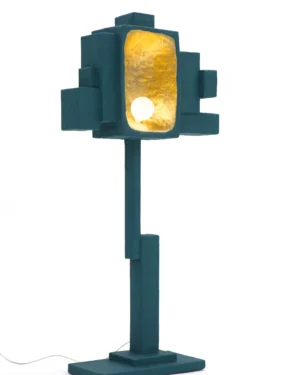 In stock
Box-1 Floor Lamp in Cardboard and Gold-leaf
By Studio Josha
€4.500 -
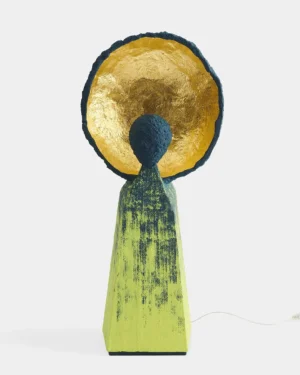 In stock
Ic-15 Floor Lamp in Green Wool and Gold-leaf
By Studio Josha
€6.250 -
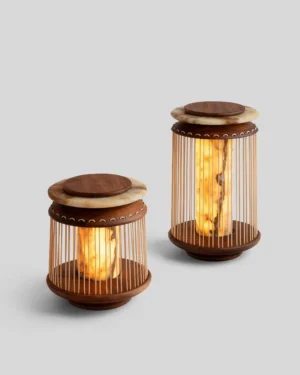
Ebtún Floor Lamp
By Juskani Alonso
€2.890 - €3.340 -
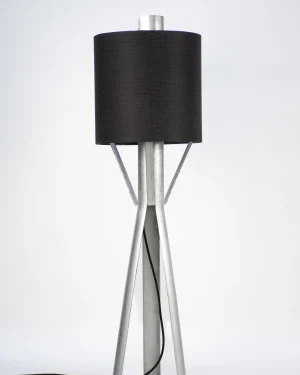
Big Tube Split
By Emil Keller
€2.500 -
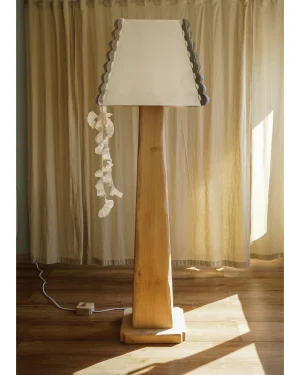
Falbanka Floor Lamp in Aluminum and Oak Wood
By Basia Pruszyńska
Price Upon Request -
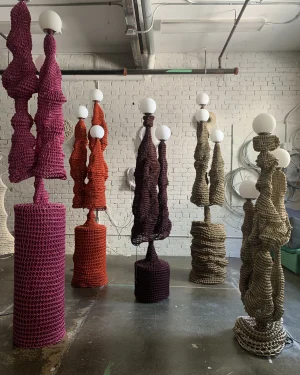
A Tribe Called Sagrada Floor Lamp in Textiles and Glass
By Annie Legault
Price Upon Request
Textile floor lamps are the pieces in this category made from fiber rather than metal, wood or glass, their shades and bases woven, knotted or tufted by studios who work in wool, rattan, hemp and other plant and synthetic fibers. The material sits at the base or the shade, sometimes both, built over an armature of wood or metal that gives the lamp its stance. Because the fiber is visible and often hand-worked, each lamp carries a texture that changes with the angle of the light falling on it.
What defines a textile floor lamp
Natural fiber is the starting point: rattan and hemp for structure, wool and cotton-based textiles for softness, with resin, gilding or metalwork sometimes used to finish a base or edge. Weaving is the technique most pieces share, though some studios work in paperwork, sculpting or biofabrication to build a shade that diffuses light rather than casts it sharply. The result is a glow with less contrast than glass or metal gives, warmer at the edges, softer across a room.
The range found here
Finishes run from undyed, natural tones through gold, black, ivory, white, brown, red, beige and silver, so the fiber can sit quiet in a room or stand out as the main color note. Styles span contemporary, mid-century, rustic, brutalist and neo-artesanal readings of the same materials, which is part of why a woven lamp can read as rough-hewn or refined depending on how tightly it is bound. Editions vary too: some lamps are open editions a studio keeps making, others are limited runs or one-off pieces where no two shades weave up quite the same.
How to choose one
Start with scale. A floor lamp is seen whole, so the width of its shade and the footprint of its base should sit in proportion with the chair or sofa it stands beside, not dwarf it or disappear against it. Height matters for how the light falls: a shade set low pools light downward, one set at seated eye level throws it sideways and softens shadow on a wall.
- Check the fiber's natural color against your existing wood tones, since rattan and hemp read warm and can clash with cool-toned oak or ash.
- Look at how the weave is finished at the base, whether it is left open or tightened, since this affects both the light output and how much dust the piece collects.
- Decide whether the lamp needs to move with you, since a lighter woven base travels more easily between rooms than a stone or cast-metal one.
Placement follows from both: a reading corner wants a lamp tall enough to clear a book held upright, while a spot beside a doorway or console asks for a narrower, less obstructive shape.
Where textile floor lamps work
Woven and tufted lamps suit living rooms built around natural materials, where rattan, linen upholstery and wood furniture share a palette, and they soften a bedroom's light for evening reading without the hard edge a metal shade gives. In a study or hallway, a single textile lamp can carry the warmth that walls and flooring in paint or stone do not provide on their own.
Caring for the material
Keep woven and fiber shades out of direct sun, which dries and fades natural fiber over time, and dust them with a soft brush rather than a damp cloth, since trapped moisture can mark or loosen a weave. Wool and fabric shades benefit from an occasional light vacuum on a low setting. Treated this way, the fiber ages into a softer, slightly muted version of its original tone rather than breaking down.
For the wider range of floor lamps on ADORNO, including metal, wood and glass versions, see all floor lamps, or look across every woven and knotted piece, lamps included, under textile and natural fiber. Related textile pieces for seating, tables and cabinets appear under textile furniture, and other textile-shaded lighting is gathered under textile lighting.
How do I choose a textile floor lamp?
Start with the fiber and the light it gives: tightly woven rattan casts a more directional glow, while loose wool or cotton shades diffuse light softly across a room.
How do you clean and care for a textile floor lamp?
Dust shades and bases with a soft brush or low-suction vacuum attachment, keep them away from direct sun and damp, and spot-clean fabric gently since most natural fibers cannot be washed.
What height and size floor lamp do I need?
Most floor lamps stand between knee and shoulder height so the shade sits above eye level when seated, casting light down and outward rather than directly into view.
Which rooms suit a textile floor lamp?
Living rooms and bedrooms suit them well, anywhere a softer, warmer glow is wanted beside a sofa, chair or reading corner rather than overhead light.
Are textile floor lamps handmade or limited editions?
Many are woven, knotted or tufted by hand, and some studios work in open editions while others make unique pieces or limited runs; details sit on each piece's page.
How does shipping, returns and authenticity work when buying from ADORNO?
Shipping is insured and worldwide, returns are accepted within 14 days except on made-to-order pieces, and every lamp comes with a certificate of authenticity plus a lowest-price guarantee.