


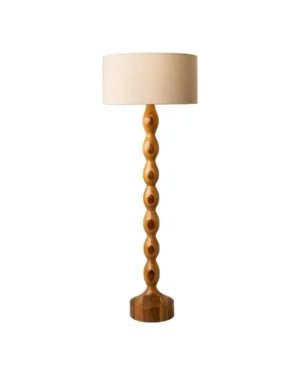
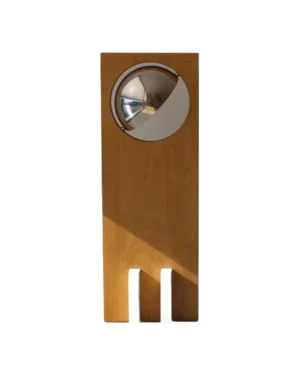
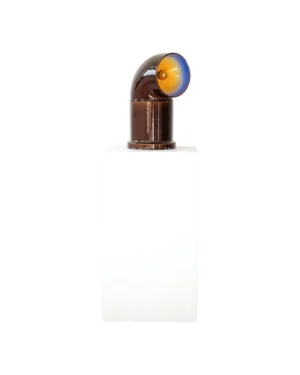
-

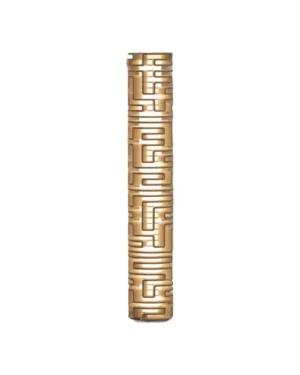
Light Bucket Challenge II Floor Lamp in Metal and Thread
By Severija Inčirauskaitė-Kriaunevičienė
€4.500 -
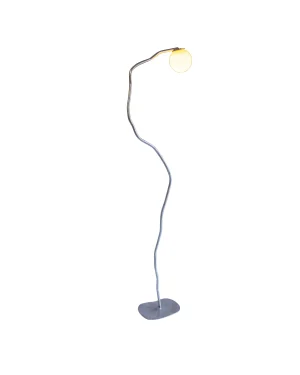
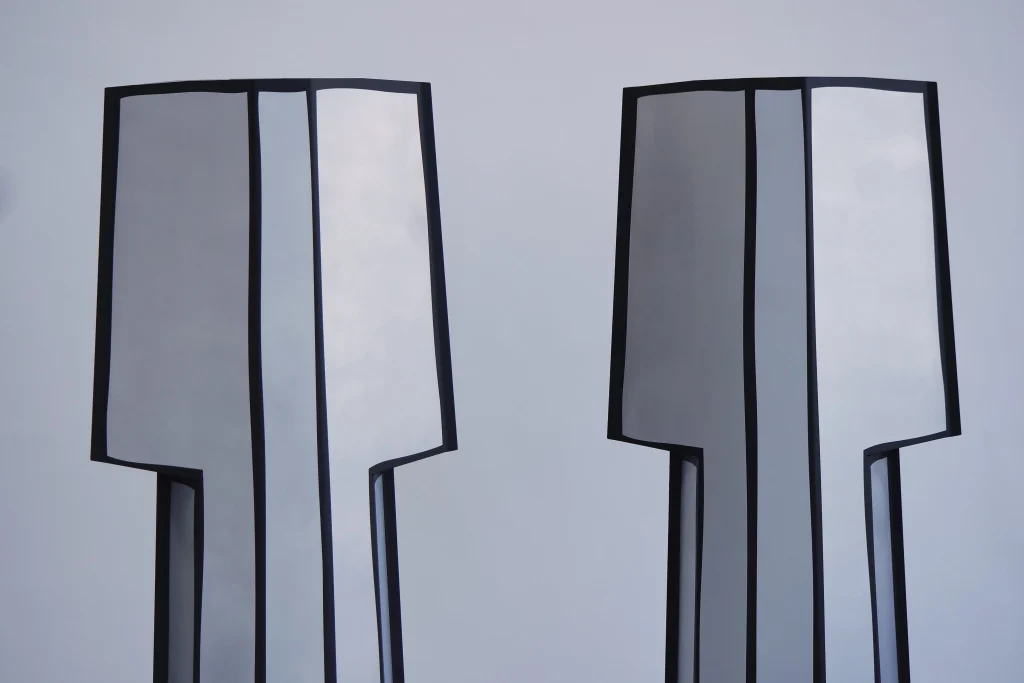
Free Form Floor Lamp in Aluminum
By Six Dots Design
€1.400 -
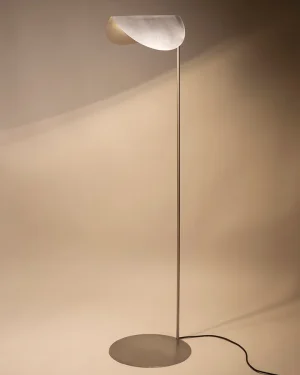
Two Circles No. 1 Floor Lamp in Stainless Steel
By Georgiev Kiril
€995 -
 In stock
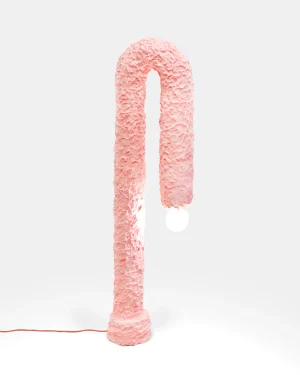
Lampadulure Pink Floor Lamp in Metal
By BehaghelFoiny Studio
€1.700 -

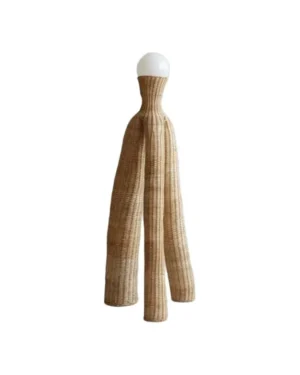
Deas Floor Lamp In Aluminum And Rattan
By Calen Knauf Studio
€1.360 -
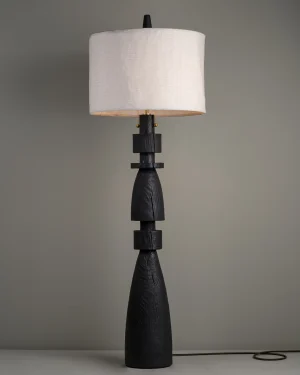
Mezquite Floor Lamp in Pinewood, Linen and Brass
By Isabel Moncada
€4.095 -

Falcon Floor Lamp in Brass and Oak Wood
By Nathan Chintala
€2.105 -
 In stock
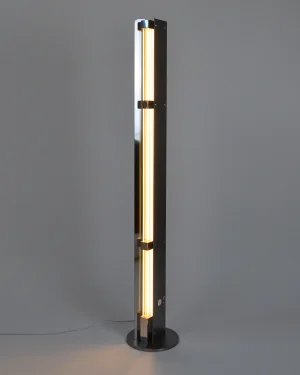
Ne1200/145 Floor Lamp in Acrylic and Stainless Steel
By MLK Furniture
€1.490 -
 In stock
Voguing No. 2 Floor Lamp in Cast Aluminum
By BY JAMPS
€2.500 -
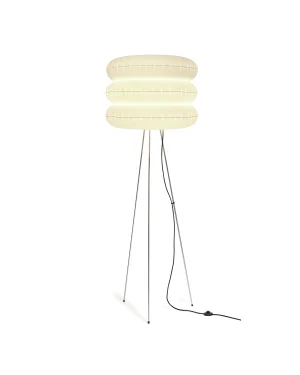 In stock
Big Puff Tripod Floor Lamp in Polyurethane and Steel
By PUFF-BUFF
€800 -
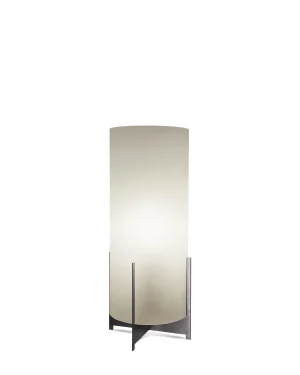 In stock
Lumix Floor Lamp in Stainless Steel and Polycarbonate
By Pablo Sinan Design
€510 -
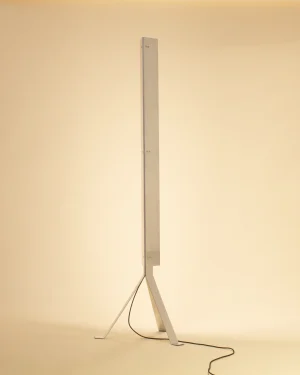
L1 High Floor Lamp in Aluminum
By Luiz Solano
€1.200 -

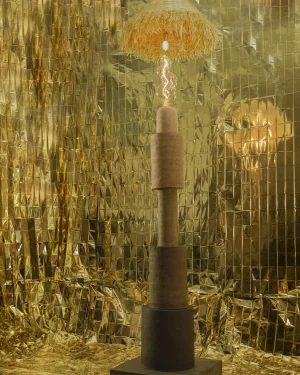
The Queen Double Floor Lamp in Gold-leaf and Rust Steel
By Mammalampa
€1.151 -
 In stock
Thulani Floor Lamp in Terracotta and Rattan
By UAU Studio
€3.400 -
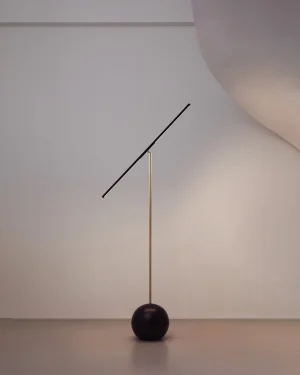 In stock
T-Lamp Floor Lamp in Aluminum, Brass and Oak Wood
By HEAKO
€3.850 -
 In stock
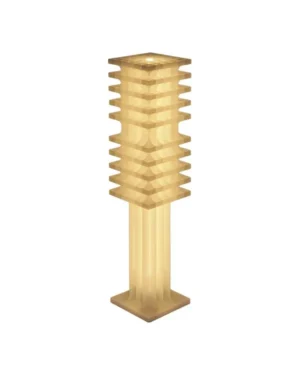
Sigil Tower Floor Lamp in Stainless Steel and Alabaster
By Nitush and Aroosh
€4.150 -
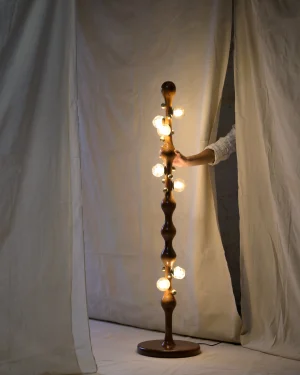
Stem – Teak Wood / Brass Floor Lamp
By Studio Indigene
€2.100 -
 In stock
Mushroom Floor Lamp in Stainless Steel
By Nitush and Aroosh
€2.500 This product has multiple variants. The options may be chosen on the product page -
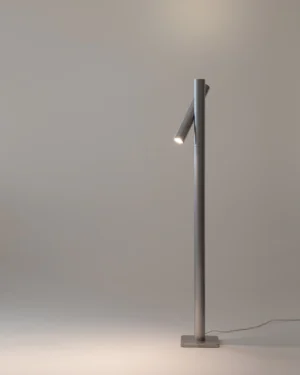
Pivot Floor Lamp In Brass And Aluminum
By Stem
€2.750 - €4.150 This product has multiple variants. The options may be chosen on the product page -

Glow Side Table Floor Lamp in Glass and Stainless Steel
By Ziroru Studio
€1.275 This product has multiple variants. The options may be chosen on the product page -

Lomo Floor Lamp in Wool and Ash Wood
By Natural Urbano - Sebastián Beltrán
€565 -

Pill1200 Floor Lamp in Stainless Steel
By MLK Furniture
€1.690 -
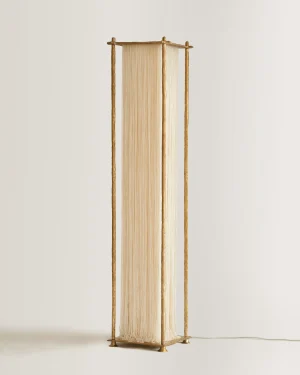
Ito Floor Lamp In Brass And Cotton Thread
By Stem
€6.050 -

Bright Side Table Floor Lamp in Glass and Stainless Steel
By Ziroru Studio
€1.485 This product has multiple variants. The options may be chosen on the product page -
 In stock
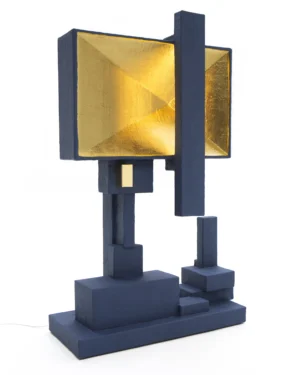
Box-2 Floor Lamp in Blue Cardboard and Gold-leaf
By Studio Josha
€8.995 -
 In stock
Hero Lamp Floor Lamp In Stainless Steel And Acrylic
By Panorammma Atelier
€4.250 This product has multiple variants. The options may be chosen on the product page -
 In stock
Gotham Floor Lamp In Resin And Stainless Steel
By Jürgen Baumann
€3.200 -
 In stock
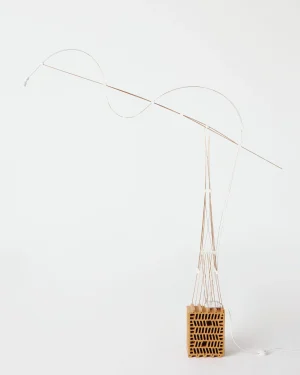
B.A.R.E Series ‘Tall’ Floor Lamp in Brick and Copper
By Lucas Muñoz Muñoz
€780 -
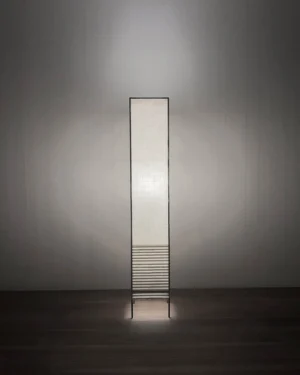
Biiit 003 Floor Lamp in Paper and Brass
By Bo Ah Kim
€1.900 -
 In stock
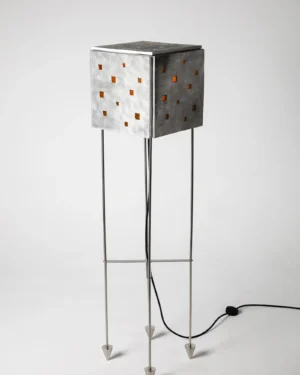
Prisma Massiva Floor Lamp in Cast Aluminum, Resin And Steel
By DONÓ Design
€3.780 -

Willow Floor Lamp in Steel and Cotton
By BOTHI
€455 This product has multiple variants. The options may be chosen on the product page -
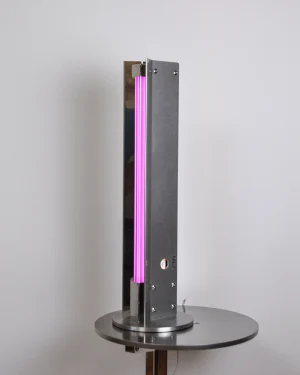
Ne600/145 Floor Lamp in Stainless Steel and Purple Acrylic
By MLK Furniture
€1.090 -
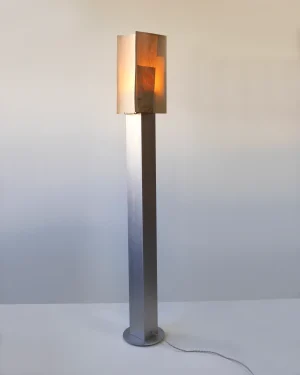
Soft Ply Floor Lamp in Wood and Aluminum
By Sheyang Li
€1.364 -

Sky-Set Floor Lamp in Glass and Stainless Steel
By Dace Sūna
€5.800 -
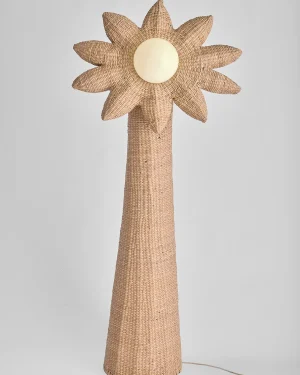
Kuni Floor Lamp in Rattan and Natural Fibers
By Joyful Objects, Yes!
€2.900 -
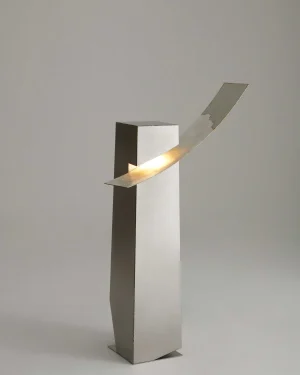
Shining No.2302 Floor Lamp in Stainless Steel
By Park Eunchong Studio
€3.200 -
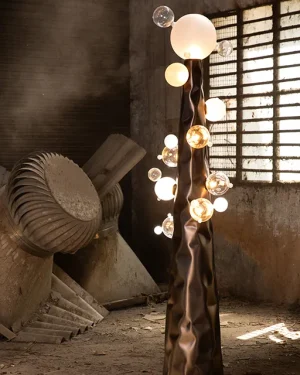 In stock
Molecule Floor Lamp in Stainless Steel and Blown Glass
By Nitush and Aroosh
€4.850 -
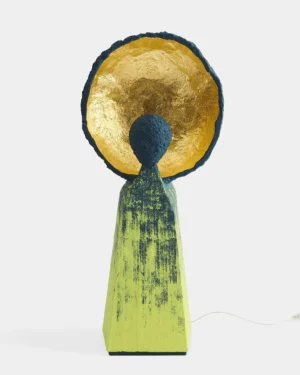 In stock
Ic-15 Floor Lamp in Green Wool and Gold-leaf
By Studio Josha
€6.250 -
 In stock
BY–Lamp Floor Lamp in Glass and Stainless Steel
By Studio Kuhlmann
€2.760 -
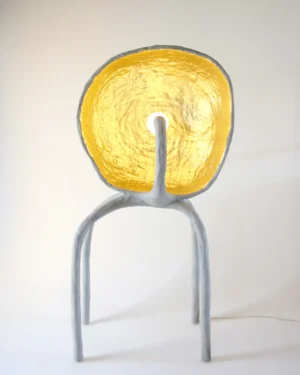 In stock
Ic-17 Floor Lamp in Resin, Gold-leaf and Natural Fibers
By Studio Josha
€10.500 -
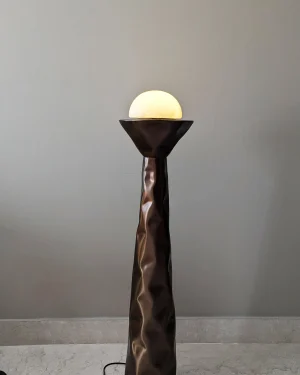 In stock
Oio Pedestal Floor Lamp in Stainless Steel and Alabaster
By Nitush and Aroosh
€2.500 -
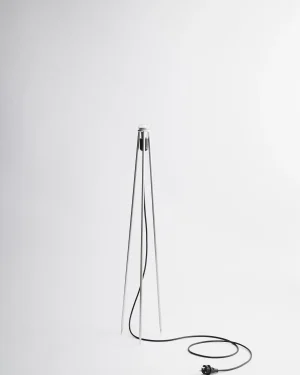
Trilight 100 Floor Lamp in Aluminum
By Obscure Objects
€760 -

Lasso Floor Lamp in Stainless Steel and Glass
By Nitush and Aroosh
€2.850 -
 In stock
Ic-6 Floor Lamp in Resin, Gold-leaf and Natural Fibers
By Studio Josha
€9.500 -
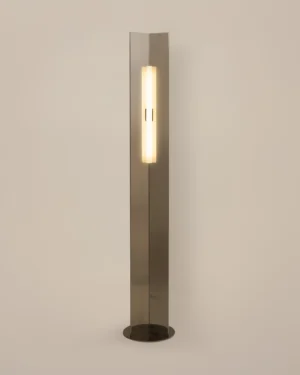
Arrow 158 European Floor Lamp in Polished Steel
By Violaine d'Harcourt Lighting Design
€2.602 - €2.764 This product has multiple variants. The options may be chosen on the product page -
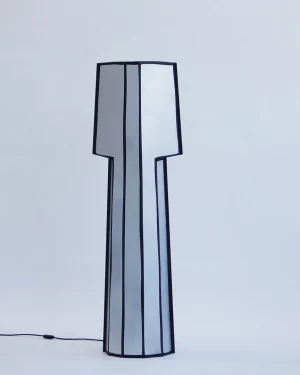
Hex Floor Lamp in Aluminum
By STUDIO GUILTY
€1.256 -

Glow Coffee Table Floor Lamp in Glass and Stainless Steel
By Ziroru Studio
€2.320 -
 In stock
Y–Lamp Table Lamp in Glass and Stainless Steel
By Studio Kuhlmann
€2.260 -
 In stock
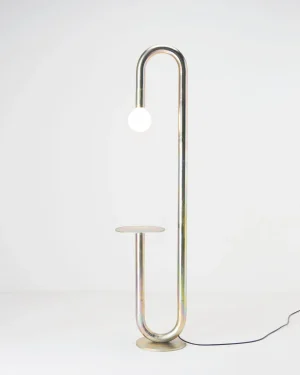
Zinc Floor Lamp Curva
By Cultivado em Casa
€1.700 This product has multiple variants. The options may be chosen on the product page -

Curva Floor Lamp in Guarango Wood and Bronze
By Laluz Handcraft
€3.600 -
 In stock
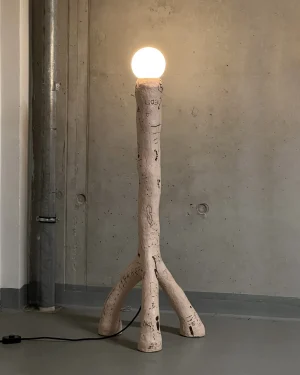
Tattooed Shining Creature Floor Lamp in Paper and Steel
By David Čáp
€1.400 -
 In stock
Condition Sluhach Floor Lamp in Steel, Muslin and ZTISTA
By FAINA
€2.440 -

Bella Pupa Floor Lamp in PVC and Stainless Steel
By PUFF-BUFF
€2.130 -
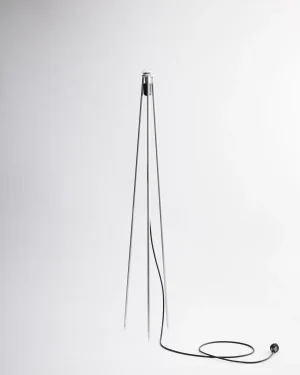
Trilight 130 Floor Lamp in Aluminum
By Obscure Objects
€800
Metal floor lamps take their character from aluminum, steel and brass worked into a stand, a stem and a shade. Studios working in sheet and tube metal choose welding, CNC milling, laser cutting or anodising to turn a flat material into something that holds a bulb at head height and stays put. The result is a light with a visible structure, one you read as an object before you switch it on.
What defines a metal floor lamp
Unlike wood or ceramic, metal can be thin and still carry weight. A base plate a few millimeters thick, a stem no wider than a broom handle, a shade folded from a single sheet: the material lets a studio build a tall, stable light out of very little bulk. That is why so many metal floor lamps read as linear, almost drawn, against a room.
Finish does most of the talking. Raw aluminum stays pale and slightly grained; anodising seals in color without a coating that can chip; steel takes a powder coat in black, white or gray, or is left to show weld lines and tool marks for a neo-industrial look. Brass and copper arrive polished or left to darken, picking up a patina with handling and air that most owners choose to let happen rather than prevent.
The range of materials, finishes and techniques
On ADORNO, metal floor lamps span aluminum, stainless steel, raw aluminum and brass, in finishes from matte black and warm cream to silver and copper tones, occasionally paired with rattan or wood for a base or a diffuser. Styles run from contemporary and minimalist stems to mid-century modern silhouettes, brutalist slabs of folded steel and futuristic forms built around a single curve. Some are open editions, made as ordered; others are limited editions or unique pieces, where the metalwork is finished by hand in smaller runs.
How to choose one
Start with height relative to the seating nearby: a lamp meant to read next to an armchair should put its light source roughly at or just above eye level when seated, while a taller arc lamp is built to lean over a sofa or table from a distance. Check the footprint, too, since a wide base steadies a tall stem but needs floor space a slim tripod does not.
- Match the finish to what else is metal in the room, or let it contrast on purpose, matte black against pale oak, brass against stone.
- Consider the shade material: metal shades throw a harder, more directional light; fabric or paper shades soften it.
- Think about where the switch and cord fall, since a floor lamp has to be reached without rearranging a room each evening.
For a broader look at scale and placement before narrowing by material, the guidance under all floor lamps covers proportion in more depth.
Where metal floor lamps work
A slim steel or aluminum lamp suits a living room corner or a reading chair, where it adds height without crowding the floor. Brass and copper tend to sit well in rooms with warmer wood tones, while anodised or powder-coated pieces in black or white hold their own in a more pared-back space. Those furnishing a seating area specifically might start with living room floor lamps, or narrow by look through the contemporary floor lamps on ADORNO.
Care
Dust metal with a dry or barely damp cloth; anything abrasive will scratch a polished or anodised surface. Brass and copper left unlacquered will darken over time, a change most owners welcome rather than polish away, though a light wax can slow it if a brighter surface is preferred. Keep metal lamps away from damp rooms unless the finish is explicitly treated for it, since moisture speeds tarnish and, on steel, can start rust at welds or joints.
For metal across other kinds of lighting, metal lamps and the wider run of metal pieces on ADORNO show how the same tubes, sheets and castings turn into table lamps, pendants and wall lights.
How do I choose a metal floor lamp?
Start with the base and silhouette, since metal reads as mass and line from across a room. Aluminum and steel suit a pared-back space, brass and copper bring warmth and reflect more light.
What metals are used and how do they age?
Steel, aluminum and brass are most common, often welded or CNC-milled and anodized or left raw. Brass and copper develop a patina over years, steel and aluminum stay largely unchanged with a wipe-down.
How tall should a metal floor lamp be?
Most floor lamps stand between reading and eye height so the shade sits below the ceiling line and above seated eye level. A maker can confirm exact dimensions through chat with the maker on the piece's page.
Which room suits a metal floor lamp best?
Living rooms and reading corners suit them well, where the lamp can anchor a seating group or stand beside a chair. Their fixed footprint also works in hallways and studies that need directional light.
How do I clean and maintain a metal floor lamp?
Dust with a dry or slightly damp cloth, avoiding abrasive cleaners that scratch anodized or polished surfaces. Unlacquered brass and copper will darken with handling and age, which many owners prefer.
What are ADORNO's shipping, returns and authenticity policies?
Shipping is insured and worldwide, with a 14-day return policy excluding made-to-order pieces. Every piece comes with a certificate of authenticity, backed by a lowest-price guarantee.