

-
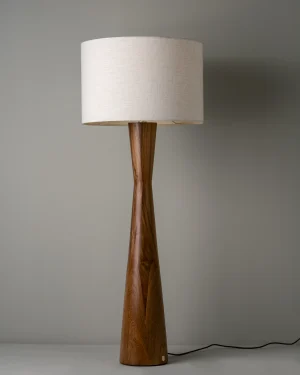
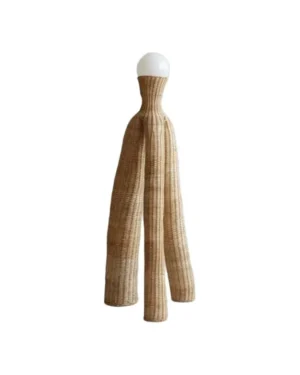
Sabina Floor Lamp in Parota Wood
By Isabel Moncada
€3.802 -
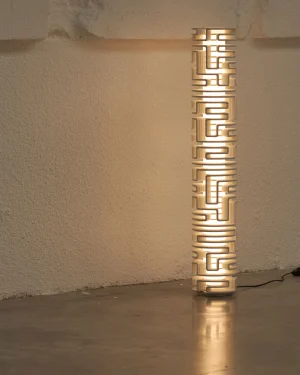
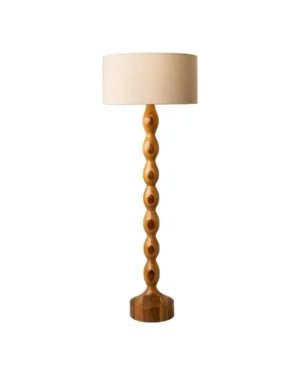
Maze Floorstander Floor Lamp in Recycled Plastic
By Stijn van Aardenne
€1.447 -
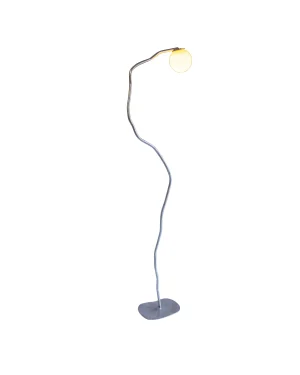
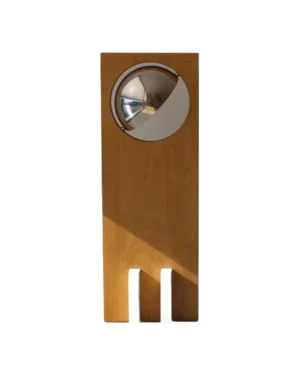
Free Form Floor Lamp in Aluminum
By Six Dots Design
€1.400 -
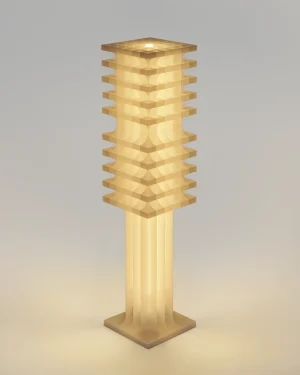
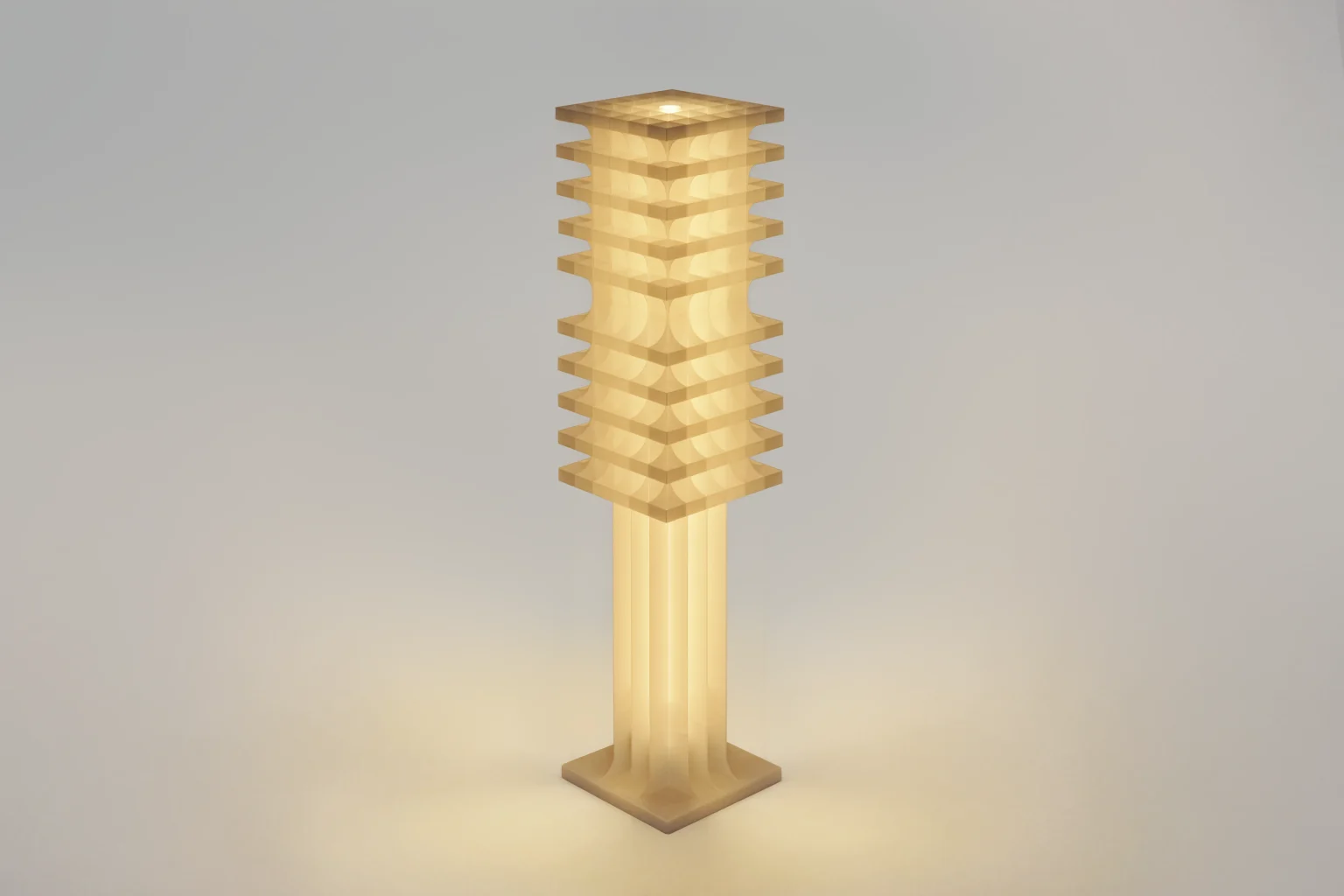
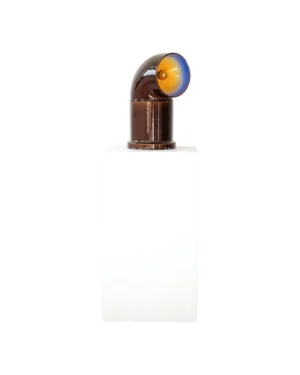
Citadel Floor Lamp in 3D Printed PLA
By Ultramar Studio
€1.260 -
 In stock
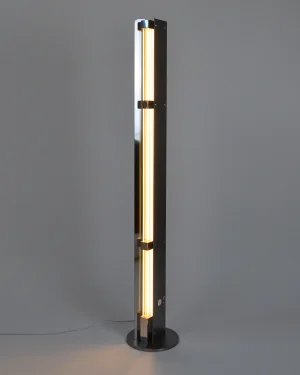
Ne1200/145 Floor Lamp in Acrylic and Stainless Steel
By MLK Furniture
€1.490 -
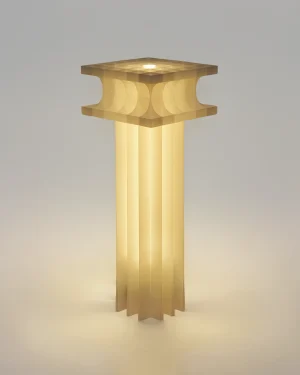
Citadel Table Lamp in 3D printed PLA
By Ultramar Studio
€990 -
 In stock
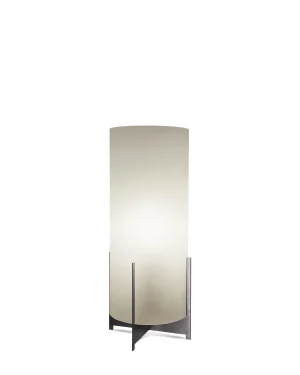
Lumix Floor Lamp in Stainless Steel and Polycarbonate
By Pablo Sinan Design
€510 -
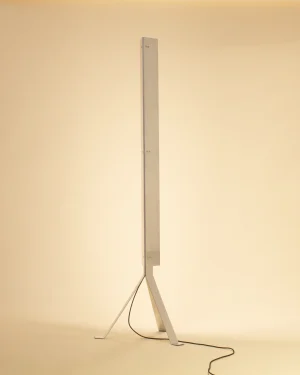
L1 High Floor Lamp in Aluminum
By Luiz Solano
€1.200 -
 In stock
Thulani Floor Lamp in Terracotta and Rattan
By UAU Studio
€3.400 -
 In stock
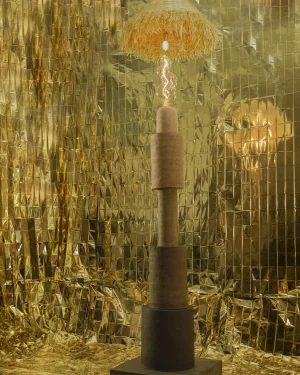
Sigil Tower Floor Lamp in Stainless Steel and Alabaster
By Nitush and Aroosh
€4.150 -
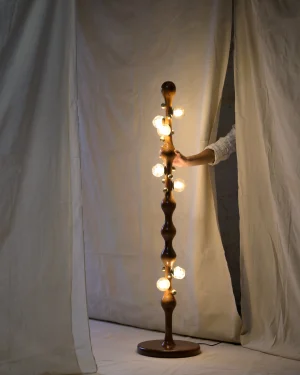
Stem – Teak Wood / Brass Floor Lamp
By Studio Indigene
€2.100 -
 In stock
Mushroom Floor Lamp in Stainless Steel
By Nitush and Aroosh
€2.500 This product has multiple variants. The options may be chosen on the product page -
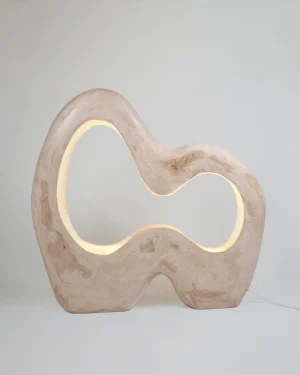
Infinite Floor Lamp in Pigmented Gypsum
By Studio AOAO
€6.000 -

Glow Side Table Floor Lamp in Glass and Stainless Steel
By Ziroru Studio
€1.275 This product has multiple variants. The options may be chosen on the product page -

The Lore Floor Lamp in Wood and Glass
By am.o atelier
€991 -

Lomo Floor Lamp in Wool and Ash Wood
By Natural Urbano - Sebastián Beltrán
€565 -

Aurora Floor Lamp in Cumaru, Sucupira and Cerejeira Wood
By PROSA
€1.800 -

Bright Side Table Floor Lamp in Glass and Stainless Steel
By Ziroru Studio
€1.485 This product has multiple variants. The options may be chosen on the product page -

Exélixi Floor Lamp in Bio Plastic
By Julie Mallet Studio
€1.958 -
 In stock
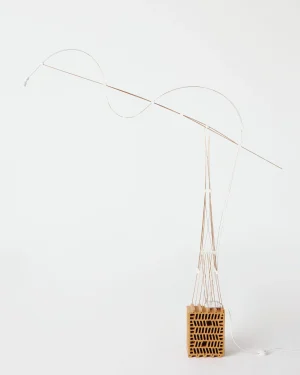
B.A.R.E Series ‘Tall’ Floor Lamp in Brick and Copper
By Lucas Muñoz Muñoz
€780 -

Biggest Floor Lamp in Resin and Epoxy Clay
By Ryan Mercer
€3.488 -
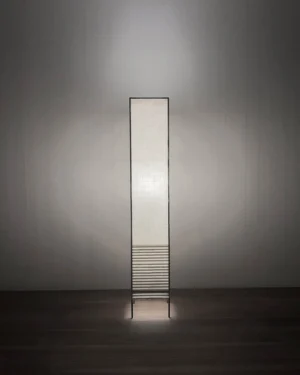
Biiit 003 Floor Lamp in Paper and Brass
By Bo Ah Kim
€1.900 -
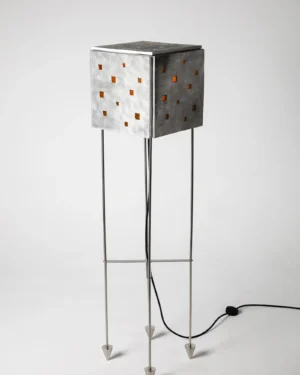 In stock
Prisma Massiva Floor Lamp in Cast Aluminum, Resin And Steel
By DONÓ Design
€3.780 -
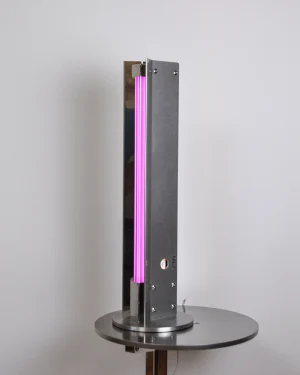
Ne600/145 Floor Lamp in Stainless Steel and Purple Acrylic
By MLK Furniture
€1.090 -
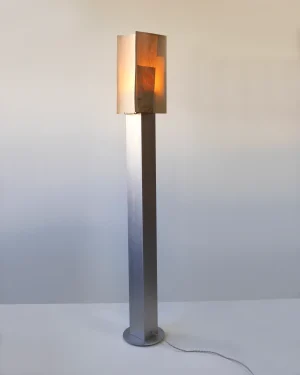
Soft Ply Floor Lamp in Wood and Aluminum
By Sheyang Li
€1.364 -
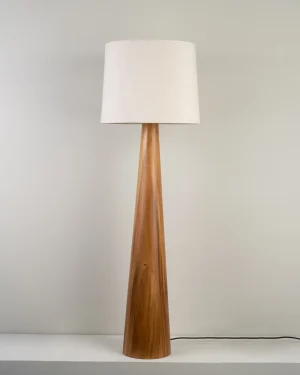
Malva Floor Lamp in Parota Wood
By Isabel Moncada
€3.802 -

Orbita Floor Lamp in Biocomposite and Bouclé Wool
By PletoStudio
€5.000 -

Sea Star Floor Lamp in Biocomposite and Cotton
By PletoStudio
€3.600 -

Laco Floor Lamp in Biocomposite and Linen
By PletoStudio
€3.600 -
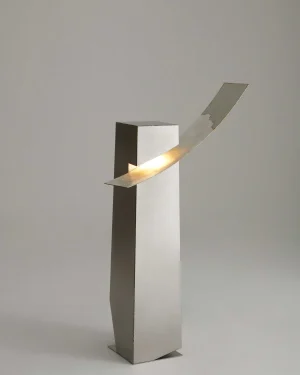
Shining No.2302 Floor Lamp in Stainless Steel
By Park Eunchong Studio
€3.200 -
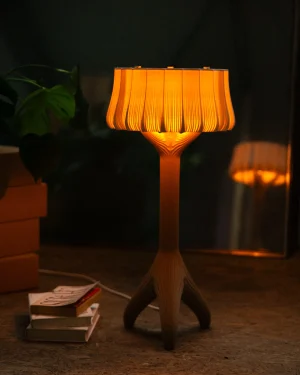 Sold
SoldM-1 Modular Floor Lamp in Bio Polymer
By diploria studio
€450 This product has multiple variants. The options may be chosen on the product page -
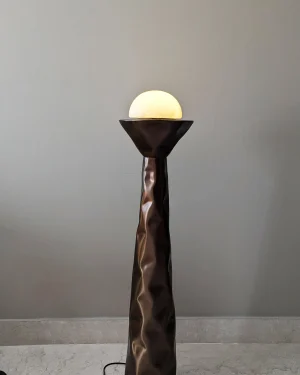 In stock
Oio Pedestal Floor Lamp in Stainless Steel and Alabaster
By Nitush and Aroosh
€2.500 -
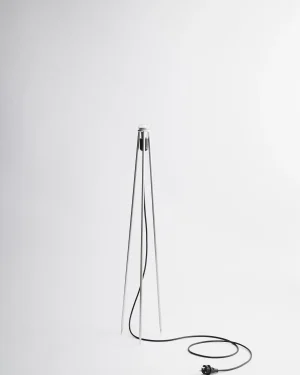
Trilight 100 Floor Lamp in Aluminum
By Obscure Objects
€760 -

Lasso Floor Lamp in Stainless Steel and Glass
By Nitush and Aroosh
€2.850 -

Tentacle Floor Lamp in Resin
By Ryan Mercer
€3.171 -
 In stock
Manon Floor Lamp in Rattan
By Heaps & Woods
€2.125 - €2.375 This product has multiple variants. The options may be chosen on the product page -
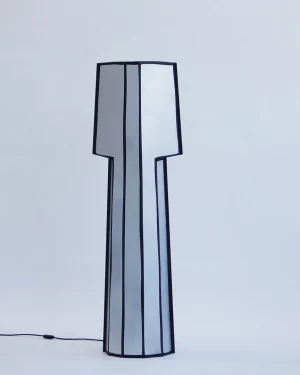
Hex Floor Lamp in Aluminum
By STUDIO GUILTY
€1.256 -

Glow Coffee Table Floor Lamp in Glass and Stainless Steel
By Ziroru Studio
€2.320 -
 In stock
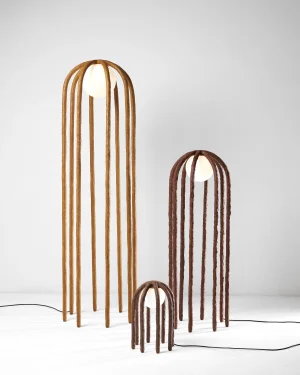
Açafrão and Urucum Floor Lamp in Anatto and Saffron
By Cultivado em Casa
€1.234 - €2.971 This product has multiple variants. The options may be chosen on the product page -
 In stock
Condition Sluhach Floor Lamp in Steel, Muslin and ZTISTA
By FAINA
€2.440 -

Bella Pupa Floor Lamp in PVC and Stainless Steel
By PUFF-BUFF
€2.130 -
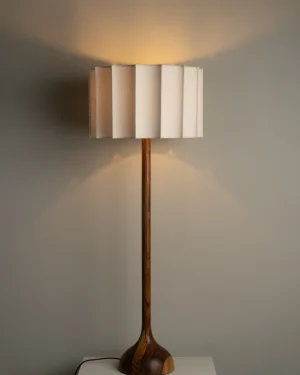
Pata De Elefante Large Floor Lamp in Parota Wood
By Isabel Moncada
€4.095 -
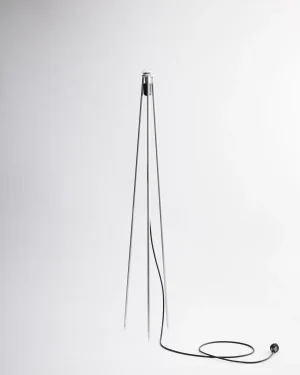
Trilight 130 Floor Lamp in Aluminum
By Obscure Objects
€800 -

X Floor Lamp in Stainless Steel
By ZEMNA
€4.200 -
35% off
 In stock
Petita Floor Lamp in Rattan
By Heaps & Woods
€375 - €1.975€244 - €1.284 This product has multiple variants. The options may be chosen on the product page -
 In stock
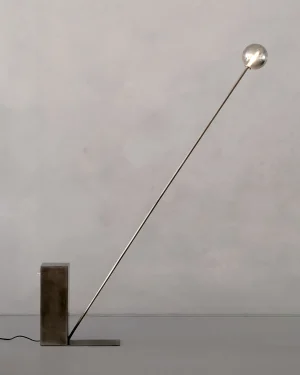
Oblique Glow Floor Lamp in Steel and Acrylic Resin
By HEAKO
€5.500 -
 In stock
Sputnik V Floor Lamp in Steel
By StorqueStudios
€689 -
 In stock
Cheese Floor Lamp in PLA-Woodfill
By M’ama edizioni
€380 -
 In stock
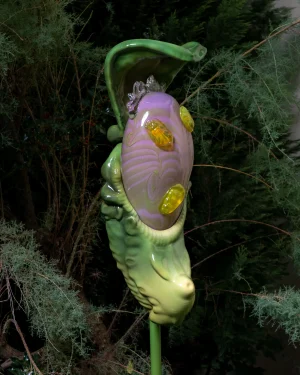
Lapas Paradiso Novo Series Floor Lamp in Blown Glass and PLA
By Anna Jožová
€9.500 -
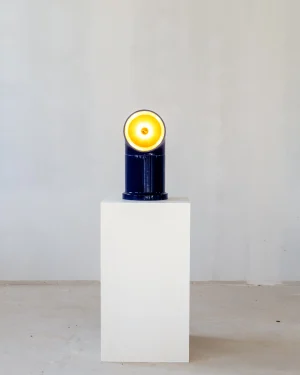
Fat Op No. 002 Two Piece Table Lamp in Ceramic
By Pani Jurek STUDIO
€1.539 -

Fat Op No. 004 Three Piece Floor Lamp in Ceramic
By Pani Jurek STUDIO
€1.926 -

Poser Floor Lamp in Stainless Steel
By Emil Robbrecht
€992 -

Ember Floor Lamp in Biocomposite and Raffia
By PletoStudio
€3.200 -
 In stock
Lucen Floor Lamp in Natural Stone
By Mugen
€6.778
Contemporary floor lamps take their cues from how a room is actually lived in, not from a single historical style: clean geometry, exposed structure and a frank use of material define the look more than ornament does. Studios working in aluminum, steel and stainless steel set that honesty against newer processes — 3D printing, digital fabrication, CNC milling — alongside hand assembly and welding, so the same vocabulary can appear as a cast metal base or a printed PLA shade. What holds the group together is restraint: a visible joint, a plain cylinder, a color chosen to read as one block of tone rather than a pattern.
What defines the contemporary style in a floor lamp
A contemporary floor lamp favors a reduced silhouette over decoration. Bases tend toward simple cones, discs or tripods; shades are often a single unbroken form rather than pleated or trimmed. Color is used sparingly and deliberately, in white, ivory, gray, off-white, copper or transparent, so the lamp reads as sculpture when switched off and as light when switched on. For a broader sense of how this language carries across other rooms and object types, the wider contemporary style on ADORNO is worth comparing against.
Materials, finishes and ways of making
Aluminum and stainless steel lead the material list here, prized for their strength relative to weight and for the sharp edges and flat planes they allow. Raw aluminum is left with a visible grain or mill finish instead of being painted over, which shows the hand of the metalwork behind it. Synthetic fibers and natural fiber turn up woven around a frame, giving a softer, more textile presence without losing the geometric outline, and parota wood appears where a studio wants grain and warmth against all that metal.
Most pieces are open editions, made to a repeatable specification, though limited editions and unique pieces also surface where a studio works in small batches or one-offs. Anyone drawn to metal specifically can narrow further among metal floor lamps, while a one-of-a-kind piece is easier to track down among unique floor lamps.
Choosing the right contemporary floor lamp
Because a floor lamp stands in the room rather than hanging above it, scale is the first decision. A base that is too narrow for its height will look unsteady beside a sofa or armchair; a wide, low base anchors a reading corner more convincingly than a tall, slender one. Height should answer to what sits near it — just above the arm of a chair for reading, taller beside a console or at the edge of a sofa for general fill light.
- Match the finish to nearby metal or wood tones already in the room rather than treating the lamp as an isolated object.
- Leave enough floor space around the base so it can be walked past, not just viewed head-on.
- Check the shade's light output and direction — downlight for a desk-like task, uplight for washing a wall or ceiling.
Where these lamps suit a room
Living rooms are the natural setting, where a contemporary floor lamp can stand beside a reading chair or fill a corner that overhead lighting misses; see the living room floor lamps for pieces sized for that role. The same restrained forms work equally well in a bedroom beside a low dresser, in a study beside a desk, or at the end of a hallway where a single fixed point of light is enough.
Caring for the finish
Aluminum and stainless steel ask for little beyond a dry or lightly damp cloth; avoid abrasive cleaners, which dull a brushed or mill finish over time. Raw aluminum may show light surface marks as it ages, which is part of the material rather than a flaw. Woven natural fiber and synthetic fiber shades should stay out of direct sun and damp rooms, since prolonged moisture and UV exposure can weaken the weave and shift its color. For the full range of forms and finishes beyond this particular style, the complete set of floor lamps on ADORNO is the place to compare further.
How do I choose a contemporary floor lamp?
Start with proportion: the lamp should sit comfortably with the furniture around it, neither dwarfed nor dominating. Then weigh material and form against your room's existing lines, since contemporary pieces favor clean geometry over ornament.
What materials are contemporary floor lamps made from?
Aluminum, steel and raw metal are common, often worked by welding or CNC milling, alongside natural fiber, synthetic weaves and occasional 3D-printed forms. Each material carries its own finish and aging, so check the piece's listing for specifics.
How do I clean and care for a floor lamp like this?
Dust metal and fiber surfaces with a dry or barely damp cloth, and keep woven or printed materials from damaging humidity and direct sun. Avoid harsh solvents, which can dull anodized or painted finishes.
What height or size floor lamp should I get?
Most floor lamps stand between table height and eye level when seated, enough to throw light without blinding anyone nearby. Measure the spot you have in mind and the shade's spread before deciding, since contemporary silhouettes vary widely.
Which rooms suit a contemporary floor lamp?
Living rooms and reading corners take to them naturally, but their lack of wiring also makes them easy to place in bedrooms, studies or entryways. Because they need no fixed position, you can move one as a room changes.
What about shipping, returns and authenticity on ADORNO?
Shipping is insured and worldwide. Returns are accepted within 14 days, excluding made-to-order pieces, and every lamp arrives with a certificate of authenticity, backed by ADORNO's lowest-price guarantee.