


-
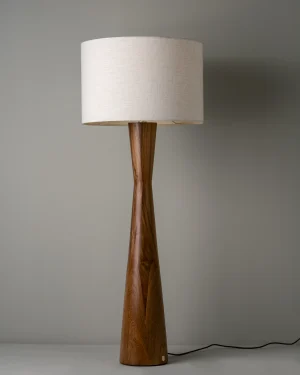
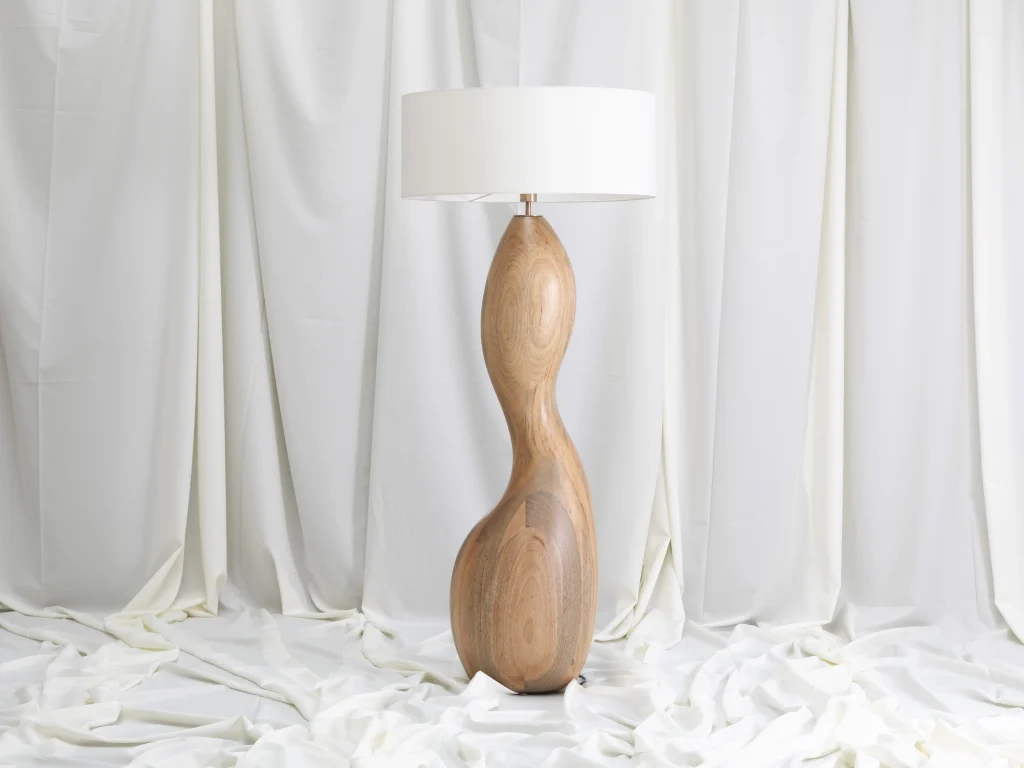
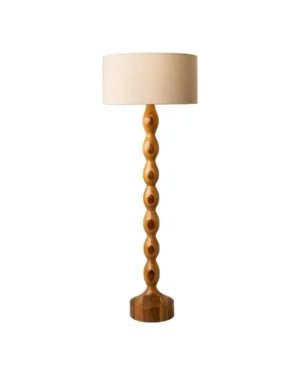
Sabina Floor Lamp in Parota Wood
By Isabel Moncada
€3.802 -
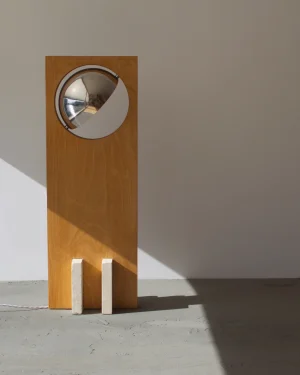
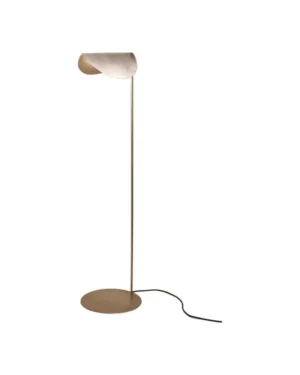
Galileo 2.3 Floor Lamp In Marble And Plywood
By Edoardo Lietti Studio
€1.050 -
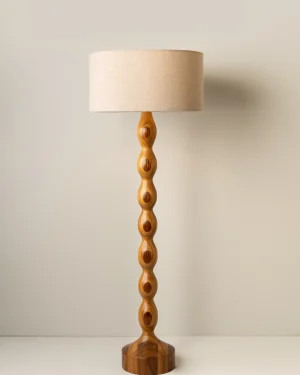
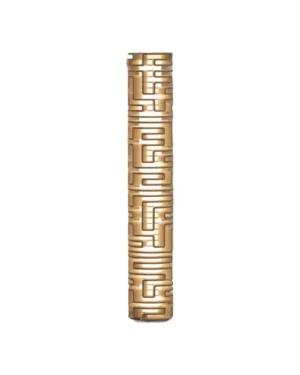
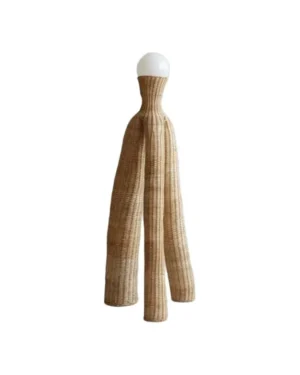
Tamarindo Floor Lamp in Parota Wood and Natural Fibers
By Isabel Moncada
€3.802 -
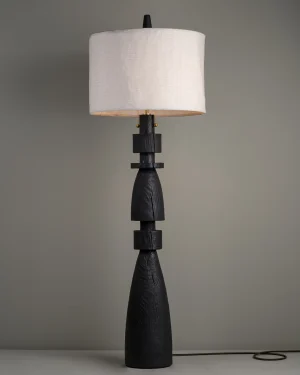
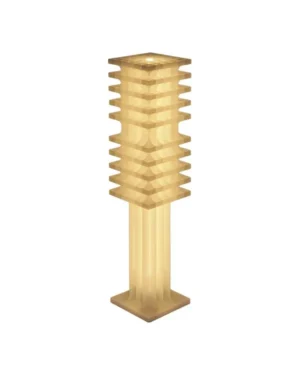
Mezquite Floor Lamp in Pinewood, Linen and Brass
By Isabel Moncada
€4.095 -

Falcon Floor Lamp in Brass and Oak Wood
By Nathan Chintala
€2.105 -

Original Lamp 1 Floor Lamp in Parota Wood and Textile
By Daniel Orozco Estudio
€1.899 This product has multiple variants. The options may be chosen on the product page -
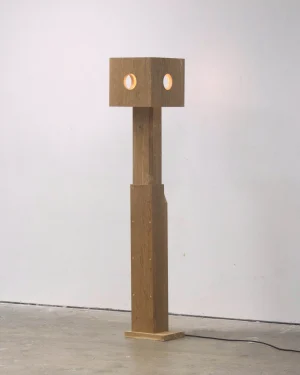 In stock
Sensitive Wood Gavroche Floor Lamp In Brown Oak
By Vital Lainé
€2.500 -
 In stock
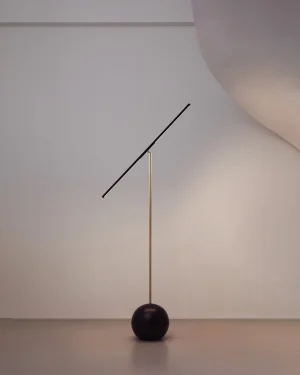
T-Lamp Floor Lamp in Aluminum, Brass and Oak Wood
By HEAKO
€3.850 -
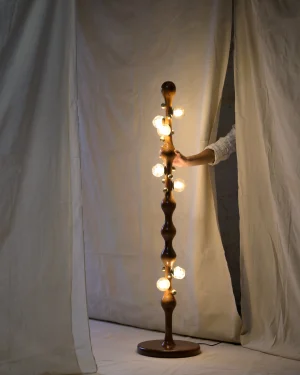
Stem – Teak Wood / Brass Floor Lamp
By Studio Indigene
€2.100 -

The Lore Floor Lamp in Wood and Glass
By am.o atelier
€991 -

Lomo Floor Lamp in Wool and Ash Wood
By Natural Urbano - Sebastián Beltrán
€565 -

Aurora Floor Lamp in Cumaru, Sucupira and Cerejeira Wood
By PROSA
€1.800 -
 In stock
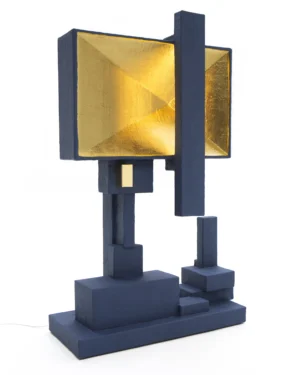
Box-2 Floor Lamp in Blue Cardboard and Gold-leaf
By Studio Josha
€8.995 -
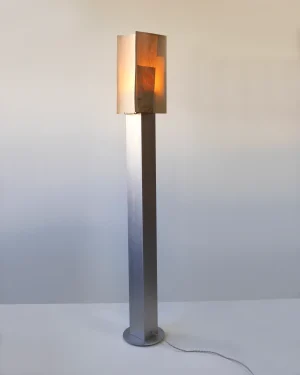
Soft Ply Floor Lamp in Wood and Aluminum
By Sheyang Li
€1.364 -
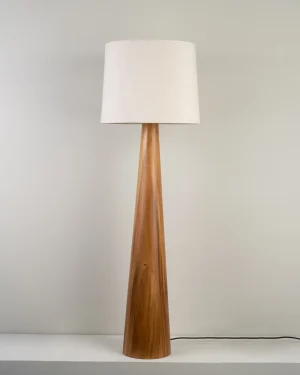
Malva Floor Lamp in Parota Wood
By Isabel Moncada
€3.802 -

Orbita Floor Lamp in Biocomposite and Bouclé Wool
By PletoStudio
€5.000 -

Laco Floor Lamp in Biocomposite and Linen
By PletoStudio
€3.600 -

Shadow Wool Floor Lamp in Biocomposite and Carpathian Wool
By PletoStudio
€2.200 -
 In stock
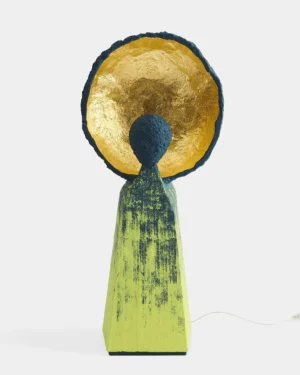
Ic-15 Floor Lamp in Green Wool and Gold-leaf
By Studio Josha
€6.250 -
 In stock
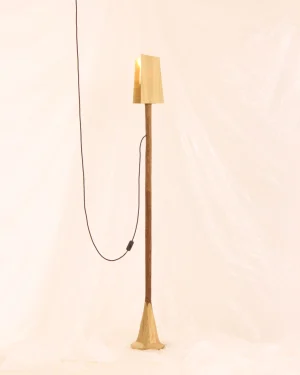
Envol Floor Lamp In Oak Wood
By Vital Lainé
€1.330 -

Silva Soft Floor Lamp in Biocomposite and Cotton
By PletoStudio
€1.100 -

Curva Floor Lamp in Guarango Wood and Bronze
By Laluz Handcraft
€3.600 -
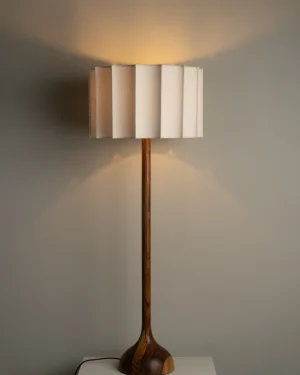
Pata De Elefante Large Floor Lamp in Parota Wood
By Isabel Moncada
€4.095 -
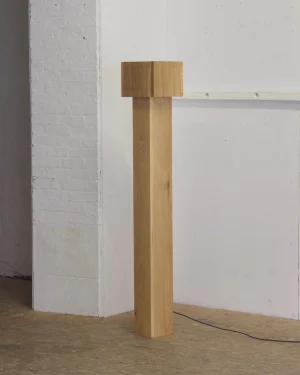 In stock
Sensitive Wood Marguerite Floor Lamp In Oak Wood
By Vital Lainé
€2.500 -
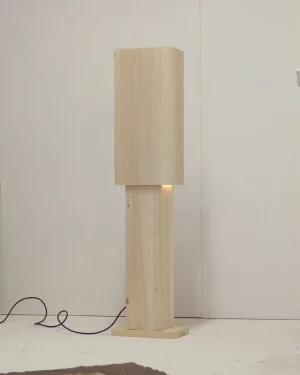 In stock
Sensitive Wood Claire Floor Lamp In Poplar Wood
By Vital Lainé
€1.000 -
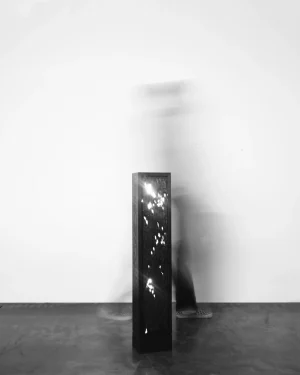 In stock
Byeotnwi Floor Lamp in Ash Wood
By Woohyun Han
€1.800 -
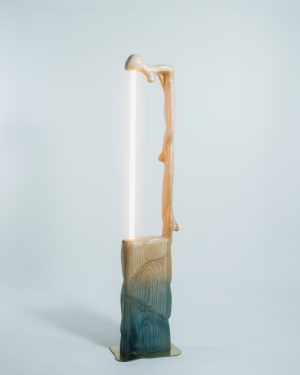 In stock
Blueprint Floor Lamp in Ash Wood
By Studio Kloak
€2.500 -
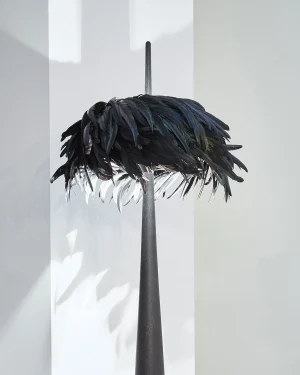
Luna Crescente Floor Lamp in Feathers and Oak Wood
By HEIKE BUCHFELDER
€4.580 -
 In stock
Arinna Floor Lamp In Mardin Stone And Silver-plated Brass
By MARAU
€15.000 -

Ember Floor Lamp in Biocomposite and Raffia
By PletoStudio
€3.200 -

Silva Sculptural Floor Lamp in Biocomposite and Raffia
By PletoStudio
€1.600 -
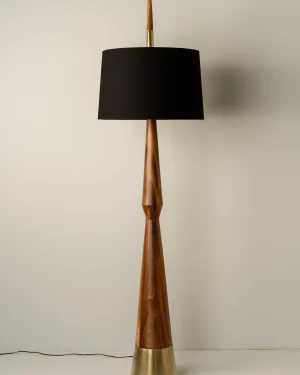
Apolo Floor Lamp in Parota Wood and Fiberglass
By Isabel Moncada
€6.435 -

Peaceful Intuition 2.0 Floor Lamp in MDF
By Studio Fabius Clovis
€1.819 -
 In stock
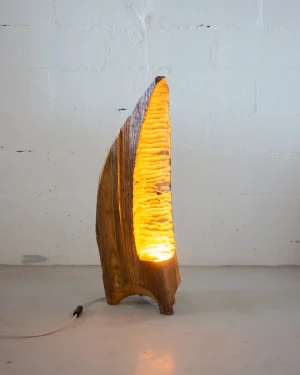
A Plant From My Garden Floor Lamp in Antique Oak
By Atelier Musset
€2.200 -
 In stock
Shy Floor Lamp in Birch Wood and Blown Glass
By Masha Volkova
€3.800 -
 In stock
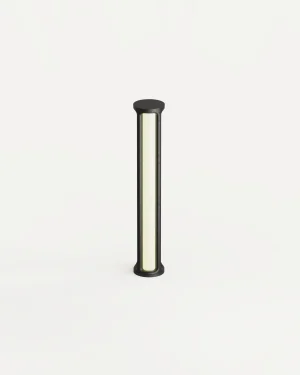
Aion Lamp
By Sebastián Ángeles
€3.942 -

Cypress #1 Floor Lamp in Cypress Wood
By Studio Kloak
€4.600 -

Cypress #2 Floor Lamp in Cypress Wood
By Studio Kloak
€4.000 -
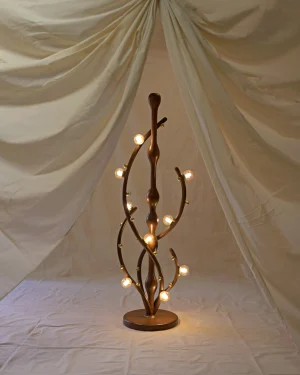
Tendril – Teak Wood / Brass Floor Lamp
By Studio Indigene
€5.400 -

Cactus Floor Lamp
By Studio Indigene
€2.850 -
 In stock
Steppe Floor Lamp in Felt and Wood
By Danik Uderbekov
€900 -
 In stock
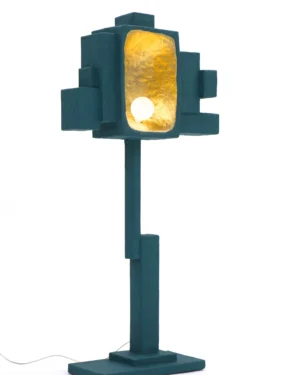
Box-1 Floor Lamp in Cardboard and Gold-leaf
By Studio Josha
€4.500 -

Xxxx
By HEIKE BUCHFELDER
-

Vereteno Floor Lamp in Biocomposite and Linen
By PletoStudio
€5.800 -

Uiara Floor Lamp In Travertine & Wood
By Estudio Leonardo Zanatta
€2.800 - €3.800 This product has multiple variants. The options may be chosen on the product page -
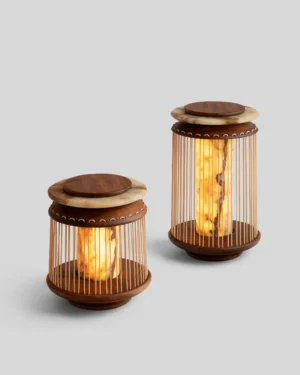
Ebtún Floor Lamp
By Juskani Alonso
€2.890 - €3.340 This product has multiple variants. The options may be chosen on the product page -
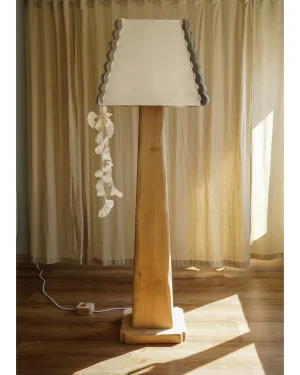
Falbanka Floor Lamp in Aluminum and Oak Wood
By Basia Pruszyńska
Price Upon Request -
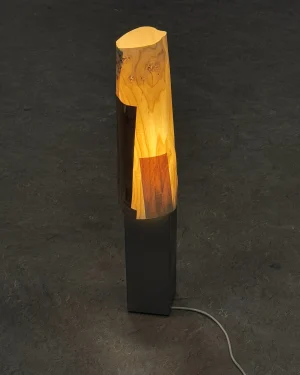 Sold
SoldSoft Ply No. 3 Floor Lamp in Wood and Steel
By Sheyang Li
Price Upon Request -
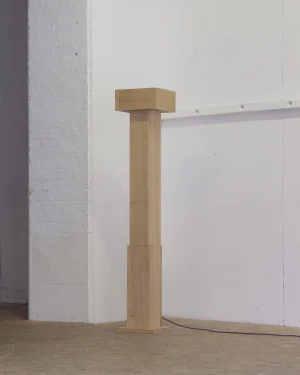 Sold
SoldSensitive Wood Mazarine Floor Lamp In Oak Wood
By Vital Lainé
€2.500 -
 Sold
SoldSoft Ply Floor Lamp in Steel and Wood
By Sheyang Li
Price Upon Request -

Giraffa Floor Lamp In Alder Wood And Paper
By Jonathan Bocca
Price Upon Request
Wooden floor lamps bring a stem, a base and often a shade worked entirely from a single species or built up from staved and jointed sections, so the lamp reads as a piece of furniture before it reads as a light source. The studios working in wood turn, carve or join solid stock by hand, choosing a timber for its grain and weight as much as for how it will hold a socket and shade. Oak, walnut and parota wood all appear in this kind of lamp, each one aging and marking differently once it stands in a room.
What wood does in a floor lamp
Wood is heavier and more stable at floor level than at tabletop height, which is why a wooden base can carry a tall stem without a wide footprint. The grain runs visibly along turned or carved stems, and the same species will look darker or lighter depending on how it was cut and finished. Oak tends toward a cool, open grain; walnut toward a tighter, warmer one; parota wood often shows a bolder, more irregular figure.
Because wood expands and contracts slightly with humidity, a well-made stem is jointed or turned from stock dried to suit this kind of use, which keeps it from splitting under a shade's weight over years of standing in one spot.
The range of wood, finish and making
Within wood, finishes vary from an oiled or waxed surface that keeps the grain visible and matte, to darker stains that push a timber toward black or deep brown without hiding the material underneath. Techniques include cabinetmaking and joinery for angular stems and bases, woodturning for rounded, lathe-worked columns, and wood carving where a surface is worked by hand into texture or relief. Some pieces pair a wooden base with a shade in natural fiber, woven material or handmade paper, carrying the warmth of the wood up through the light itself.
Editions differ by maker: some wooden floor lamps are open editions, remade to the same design over time, others are limited editions produced in a fixed run, and a smaller number are unique pieces, each one worked individually and never repeated.
Choosing a wooden floor lamp for a room
Scale matters most. A floor lamp is seen in full, from across a room, so its height and the proportion between base, stem and shade decide how it reads against a sofa, an armchair or a reading corner. A heavier base and a lower shade suit a seating area meant for close reading light, while a taller, narrower stem works better beside a window or in a corner with more floor around it.
- Match the finish to nearby wood, so a walnut stem does not fight a lighter oak table or floor
- Choose a shade material, fiber, paper or fabric, by how much light should pass through it
- Leave enough clearance around the base for the lamp to be walked around safely
Wooden floor lamps tend to suit living rooms, studies and bedrooms more than hallways, where their footprint and visible grain need room to be seen rather than squeezed past. Placed beside a wooden furniture piece, a wood floor lamp continues a material already present in a room rather than introducing a new one; set against metal or upholstered pieces, it reads as the warmer counterpoint. For a more direct comparison of materials at floor height, metal floor lamps carry the same function in a cooler, harder register.
Caring for a wooden floor lamp
Keep wood away from direct heat sources and out of damp corners, both of which accelerate cracking or warping. An oiled or waxed finish can be refreshed occasionally with the same product the maker used, while a stained or lacquered surface generally needs only dusting. Over years, most solid woods darken slightly with light exposure, which is part of how the piece ages rather than a flaw in it.
For the full range of wooden floor lamps on ADORNO, see every wood piece across categories, or return to all floor lamps to compare materials side by side. Those furnishing a seating area might also look at living room floor lamps more broadly.
How do I choose a wooden floor lamp?
Look at the wood grain and base shape first, since a floor lamp is seen in full from across a room. Match its proportion and tone to nearby furniture rather than to the walls.
How do you care for a wooden floor lamp?
Dust with a dry or slightly damp cloth and keep it away from direct heat or sun, which can dry and fade the wood. Occasional oiling or waxing keeps the grain from drying out over time.
What height should a wooden floor lamp be?
Most floor lamps stand tall enough to cast light over a seated person, typically reaching shoulder height or above when you are seated beside them. Base width also matters, since it determines how stable the lamp feels underfoot.
Which rooms suit a wooden floor lamp?
Wood reads as grounded and warm, so these lamps suit living rooms, reading corners, and bedrooms where the material can sit near other wooden furniture. The visible grain also holds up well in rooms with natural light.
Does ADORNO ship wooden floor lamps internationally?
Yes, shipping is insured and worldwide.
What is ADORNO's return policy on wooden floor lamps?
A 14-day return policy applies, though made-to-order pieces are excluded. Each piece also comes with a certificate of authenticity.