


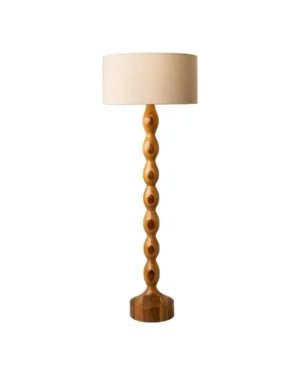
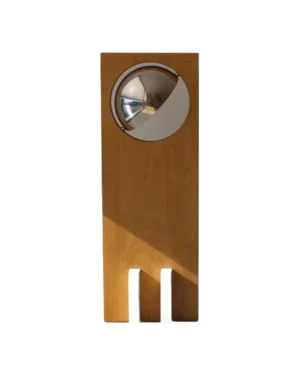
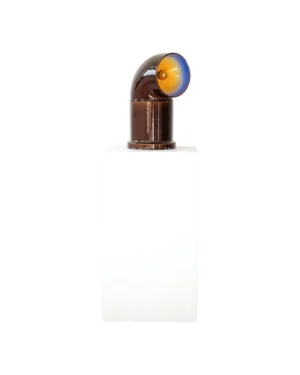
-
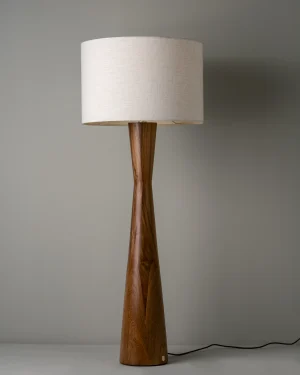
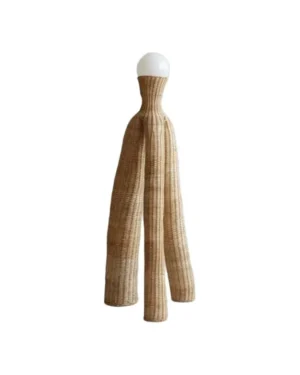
Sabina Floor Lamp in Parota Wood
By Isabel Moncada
€3.802 -
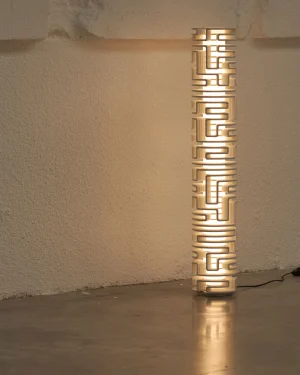
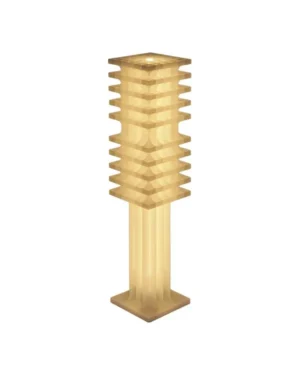
Maze Floorstander Floor Lamp in Recycled Plastic
By Stijn van Aardenne
€1.447 -
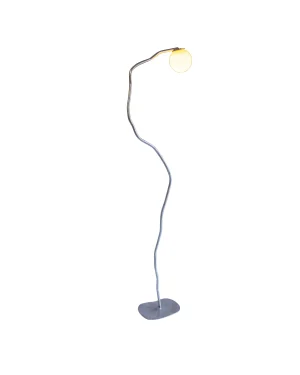
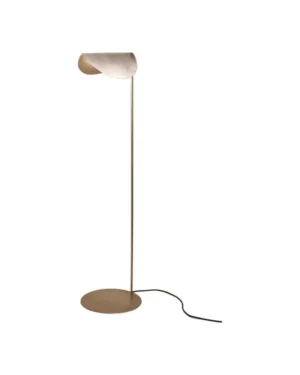
Free Form Floor Lamp in Aluminum
By Six Dots Design
€1.400 -
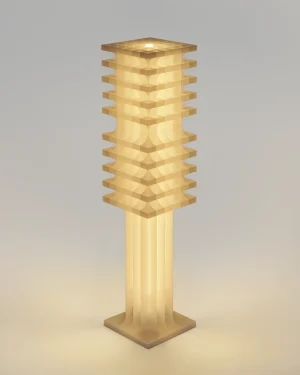
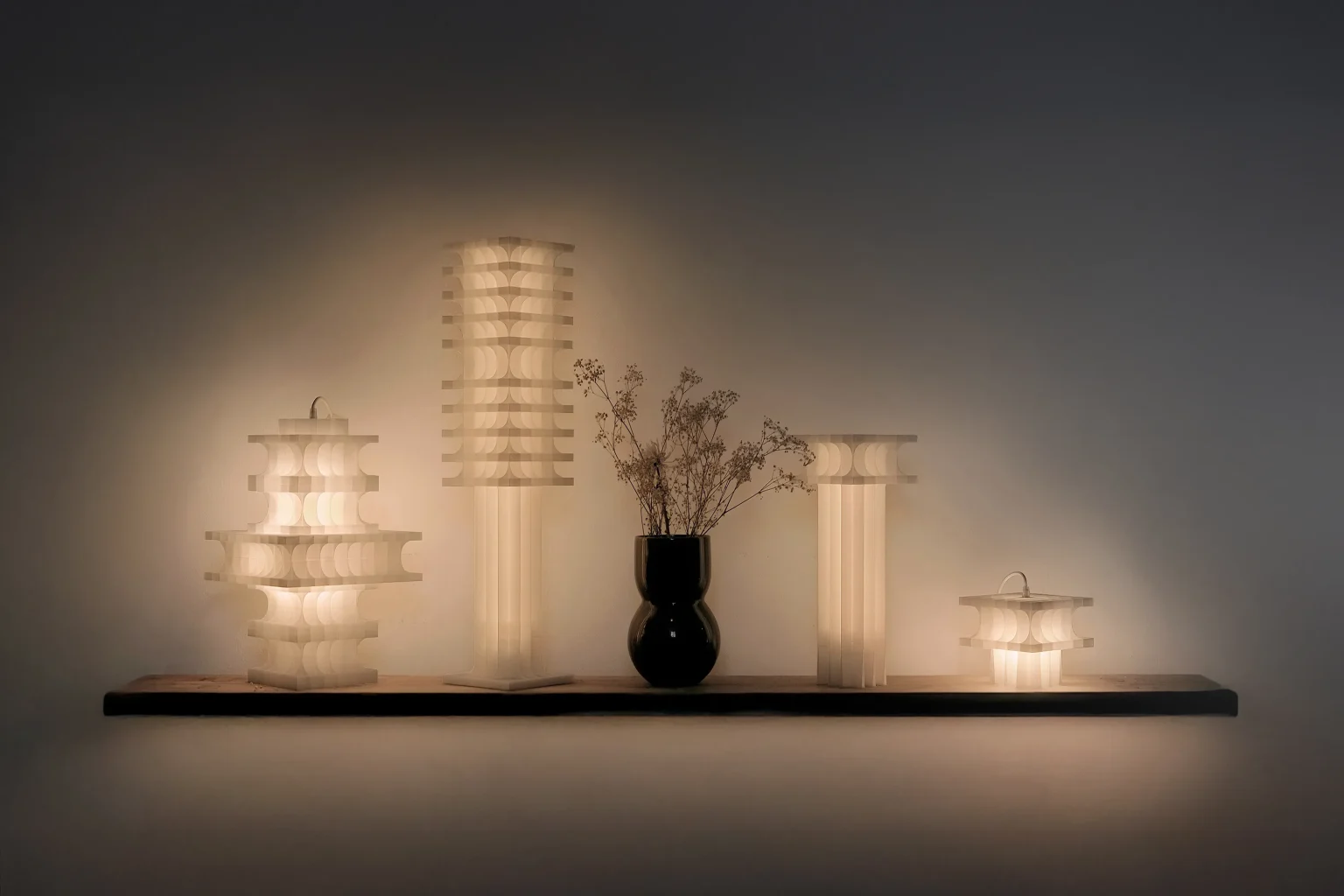
Citadel Floor Lamp in 3D Printed PLA
By Ultramar Studio
€1.260 -
 In stock
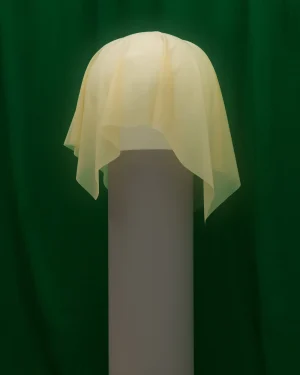
Fetish Carnmarina Floor Lamp in Plastics
By Pierre Klein
€1.250 -
 In stock
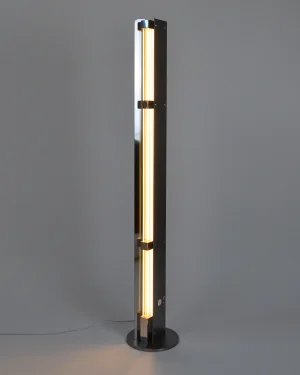
Ne1200/145 Floor Lamp in Acrylic and Stainless Steel
By MLK Furniture
€1.490 -
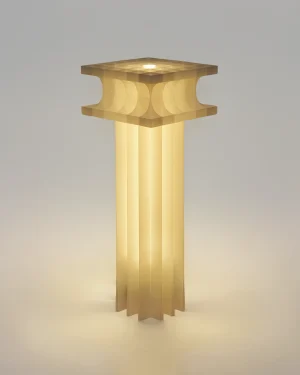
Citadel Table Lamp in 3D printed PLA
By Ultramar Studio
€990 -
 In stock
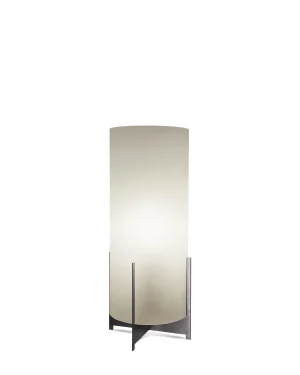
Lumix Floor Lamp in Stainless Steel and Polycarbonate
By Pablo Sinan Design
€510 -
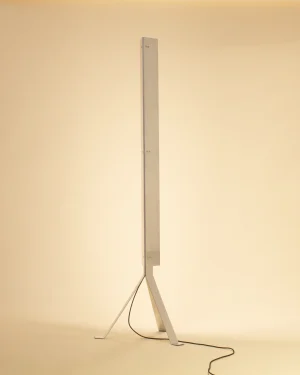
L1 High Floor Lamp in Aluminum
By Luiz Solano
€1.200 -

The Queen Double Floor Lamp in Gold-leaf and Rust Steel
By Mammalampa
€1.151 -
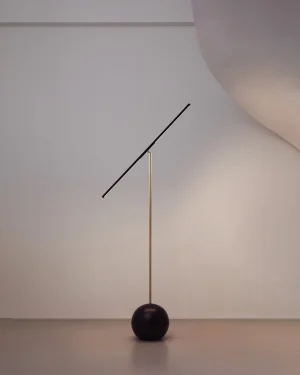 In stock
T-Lamp Floor Lamp in Aluminum, Brass and Oak Wood
By HEAKO
€3.850 -
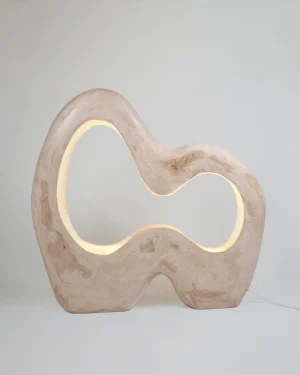
Infinite Floor Lamp in Pigmented Gypsum
By Studio AOAO
€6.000 -

Glow Side Table Floor Lamp in Glass and Stainless Steel
By Ziroru Studio
€1.275 This product has multiple variants. The options may be chosen on the product page -

Aurora Floor Lamp in Cumaru, Sucupira and Cerejeira Wood
By PROSA
€1.800 -

Pill1200 Floor Lamp in Stainless Steel
By MLK Furniture
€1.690 -

Bright Side Table Floor Lamp in Glass and Stainless Steel
By Ziroru Studio
€1.485 This product has multiple variants. The options may be chosen on the product page -

Exélixi Floor Lamp in Bio Plastic
By Julie Mallet Studio
€1.958 -
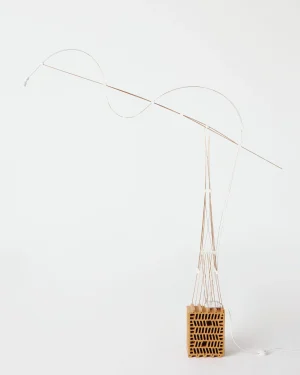 In stock
B.A.R.E Series ‘Tall’ Floor Lamp in Brick and Copper
By Lucas Muñoz Muñoz
€780 -
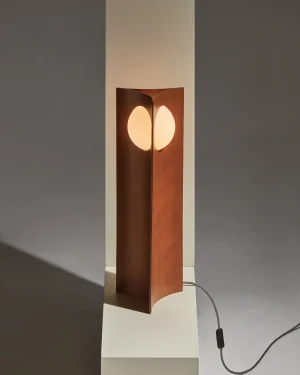
Hecate Floor Lamp in Brown Leather
By Studio Aristotelis Barakos
€610 This product has multiple variants. The options may be chosen on the product page -

Fat Op No. 001 Four Piece Floor Lamp in Ceramic
By Pani Jurek STUDIO
€2.313 -
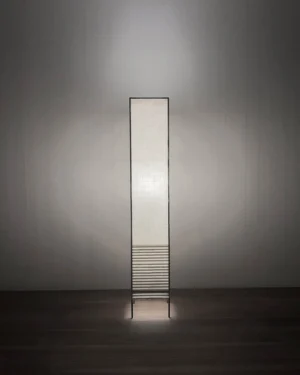
Biiit 003 Floor Lamp in Paper and Brass
By Bo Ah Kim
€1.900 -
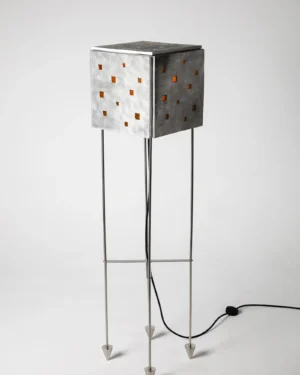 In stock
Prisma Massiva Floor Lamp in Cast Aluminum, Resin And Steel
By DONÓ Design
€3.780 -

Willow Floor Lamp in Steel and Cotton
By BOTHI
€455 This product has multiple variants. The options may be chosen on the product page -
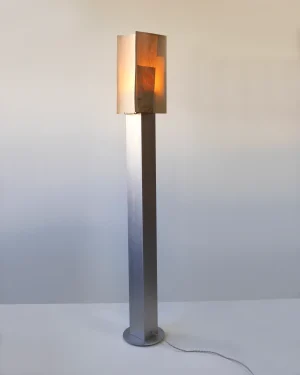
Soft Ply Floor Lamp in Wood and Aluminum
By Sheyang Li
€1.364 -

Laco Floor Lamp in Biocomposite and Linen
By PletoStudio
€3.600 -
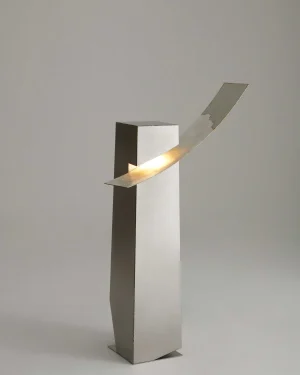
Shining No.2302 Floor Lamp in Stainless Steel
By Park Eunchong Studio
€3.200 -
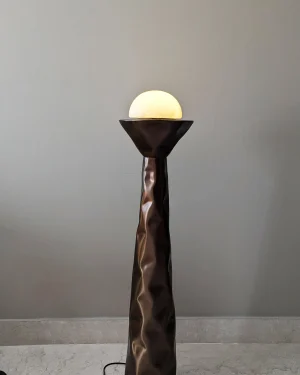 In stock
Oio Pedestal Floor Lamp in Stainless Steel and Alabaster
By Nitush and Aroosh
€2.500 -

Lasso Floor Lamp in Stainless Steel and Glass
By Nitush and Aroosh
€2.850 -
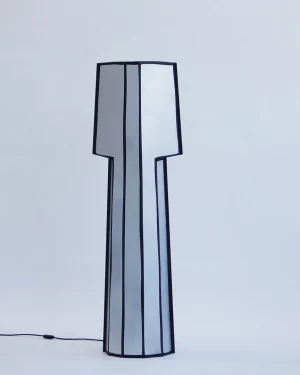
Hex Floor Lamp in Aluminum
By STUDIO GUILTY
€1.256 -

Glow Coffee Table Floor Lamp in Glass and Stainless Steel
By Ziroru Studio
€2.320 -
 In stock
Y–Lamp Table Lamp in Glass and Stainless Steel
By Studio Kuhlmann
€2.260 -

Curva Floor Lamp in Guarango Wood and Bronze
By Laluz Handcraft
€3.600 -
 In stock
Condition Sluhach Floor Lamp in Steel, Muslin and ZTISTA
By FAINA
€2.440 -

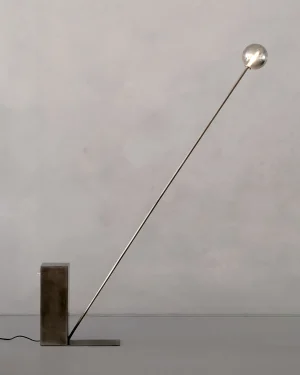
X Floor Lamp in Stainless Steel
By ZEMNA
€4.200 -
 In stock
Oblique Glow Floor Lamp in Steel and Acrylic Resin
By HEAKO
€5.500 -

Fat Op No. 001 Three Piece Floor Lamp in Ceramic
By Pani Jurek STUDIO
€1.926 -

Poser Floor Lamp in Stainless Steel
By Emil Robbrecht
€992 -

Ember Floor Lamp in Biocomposite and Raffia
By PletoStudio
€3.200 -

Too 60 Sculptural Ceramic Floor Lamp
By Katia Langeard
€1.200 -
 In stock
Lucen Floor Lamp in Natural Stone
By Mugen
€6.778 -
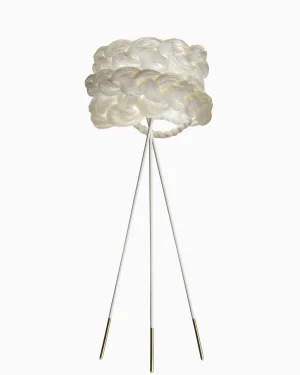
The Bride Floor Lamp in Paper
By Mammalampa
€609 -
 In stock
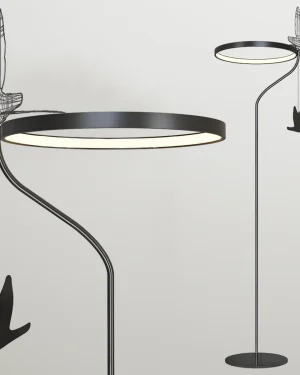
Flight Shadows Floor Lamp in Steel
By SVITANOK
€1.100 - €1.200 This product has multiple variants. The options may be chosen on the product page -
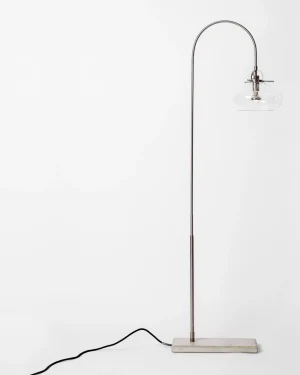
Art Deco Floor Lamp in Glass, Stainless Steel and Concrete
By Szostak Atelier
€2.100 -
 In stock
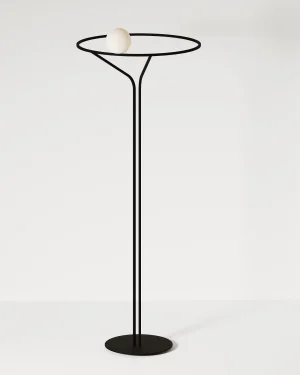
Na Linii Floor Lamp in Steel and Glass
By SVITANOK
€1.100 -
 In stock
Steppe Floor Lamp in Felt and Wood
By Danik Uderbekov
€900 -
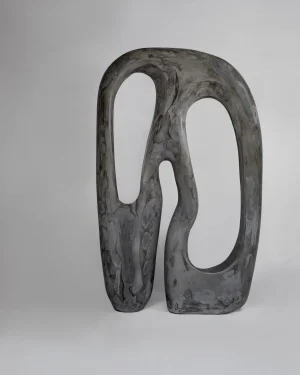
Longing Floor Lamp in Pigmented Gypsum
By Studio AOAO
€8.000 -
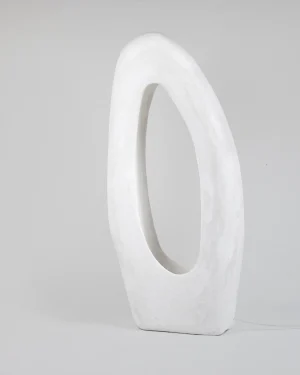
Lacuna Floor Lamp in Natural Stone
By Studio AOAO
€4.500 - €8.500 This product has multiple variants. The options may be chosen on the product page -
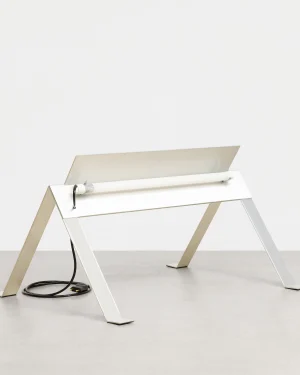
L1 Low Floor Lamp
By Luiz Solano
€900 - €1.200 This product has multiple variants. The options may be chosen on the product page -
 In stock
Destiny Sluhach Floor Lamp in Steel, Muslin and ZTISTA
By FAINA
€3.420 -
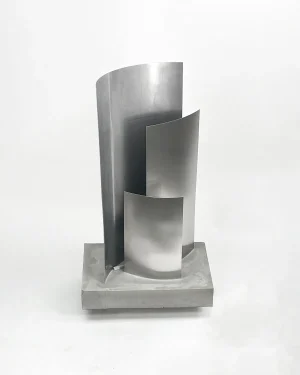 In stock
Essenz Floor Lamp in Concrete and Stainless Steel
By case studios
€1.610 -

Vereteno Floor Lamp in Biocomposite and Linen
By PletoStudio
€5.800 -

Uiara Floor Lamp In Travertine & Wood
By Estudio Leonardo Zanatta
€2.800 - €3.800 This product has multiple variants. The options may be chosen on the product page -

“plume” Floor Lamp in Aluminum
By Giselle Vanessa Johnson
€2.600 This product has multiple variants. The options may be chosen on the product page -

Loop Floor Lamp in Steel
By noknok
€5.500 This product has multiple variants. The options may be chosen on the product page
Minimalist floor lamps reduce light to its structural parts: a base, a stem, a source, with nothing added for ornament. Studios working this way favor metal, aluminum and raw aluminum, sometimes paired with paper, synthetic fiber or molded PLA, letting a single material and a clean line carry the whole piece. The result reads as quiet and architectural rather than decorative, so it holds its place in a room without competing for attention.
What defines the minimalist approach
A minimalist floor lamp strips the form to what the light needs to stand, bend or diffuse. Joints are hidden or honest, never dressed up, and the silhouette is usually a single sweep or a stack of simple geometric volumes. Color stays close to the material itself: black, white, off-white, gray, bronze, brown or transparent, so the lamp reads as one continuous object instead of a set of parts.
The materials and techniques behind these pieces
Metalwork and welding produce the stems and bases that give a minimalist floor lamp its stance, often in steel, aluminum or stainless steel left raw or finished flat. Some studios turn to digital fabrication and 3D printing, building shades and bodies from PLA in forms that would be difficult to cut or cast by hand. Others work paper into shades through careful paperwork, or use synthetic fibers for diffusers that soften the light without adding pattern. Editions vary by studio: some pieces are produced as open editions, others as limited editions or unique pieces, so the making itself can run from repeatable fabrication to one-off construction.
How to choose a minimalist floor lamp
Start with height relative to the seating or surface nearby: a lamp meant to read beside a sofa sits lower than one meant to wash a wall or stand alone in a corner. Look at the base footprint next, since a wide, heavy base carries weight visually and physically, while a slender stem on a small foot asks for a calmer spot away from traffic.
- Finish: matte metal recedes into a room, polished or raw aluminum catches light and reflects its surroundings
- Scale: a tall, single-stem lamp anchors an empty corner; a shorter, wider one suits a reading chair
- Light quality: paper or fiber shades diffuse and soften; open metal or exposed bulbs give a harder, more directional light
- Placement: floor lamps need no wiring or ceiling box, so position is never fixed and can change with the room
Because a floor lamp is seen in full, from base to shade, proportion matters more here than on a table or pendant. A piece that looks right in a photograph can still feel too slight or too heavy once it stands on your own floor, so check height and footprint against the furniture it will sit beside.
Where these lamps work
Minimalist floor lamps suit living rooms, studies and bedrooms equally, since their restraint lets them sit beside almost any other furniture without clashing. A single lamp in raw steel or matte black reads well against wood furniture or stone surfaces, while a paper or fiber shade softens a room already heavy with hard materials. For dedicated seating areas, pieces built for living room floor lamps tend to run lower and closer to a sofa's arm height.
Care, by material
Metal stems and bases need only a dry cloth; damp cleaning can mark raw aluminum or dull a brushed finish over time. Paper and fiber shades should stay away from direct moisture and strong sun, which weakens fiber and yellows paper. PLA and other printed components tolerate normal handling but soften near heat, so keep them clear of radiators and direct bulb contact.
For the wider range of forms within this style, see minimalist furniture and minimalist lighting, or narrow by material through metal floor lamps. The full set of styles sits within floor lamps generally, and every minimalist piece across categories can be found under minimalist design.
How do I choose a minimalist floor lamp?
Look for a single clear form, one material and a silhouette that reads clearly from across the room. Check the base width against the floor space, since a reduced shape still needs enough footprint to stand steady.
What materials are minimalist floor lamps made from?
Most are metal: aluminum, stainless steel or raw steel, often finished in black, white or bronze. Some pair metal with paper, synthetic fiber or wood for the shade or base, keeping the palette to one or two materials.
How do I care for a metal or aluminum floor lamp?
Wipe with a dry or slightly damp cloth and keep away from damp rooms to prevent corrosion on raw or untreated metal. Avoid abrasive cleaners, which can dull a painted or anodized finish.
What height should a minimalist floor lamp be?
Most sit between reading-chair height and eye level when seated, tall enough to throw light downward without glare. The maker can confirm exact dimensions with Chat with the maker on the piece's page.
Which rooms suit a minimalist floor lamp?
Their reduced form suits living rooms, studies and bedroom corners where a clean line reads against open wall or floor space. They also work well beside a sofa or chair, standing in for a side-table lamp.
What are ADORNO's shipping and return policies?
Shipping is insured and worldwide. Returns are accepted within 14 days, except for made-to-order pieces, and every piece arrives with a certificate of authenticity.