

-
 In stock
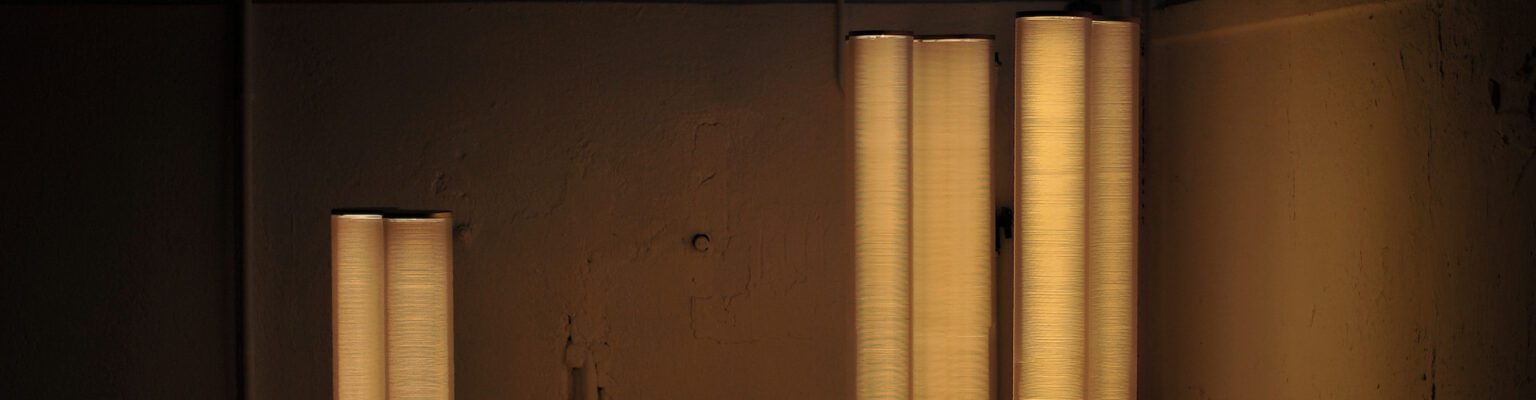
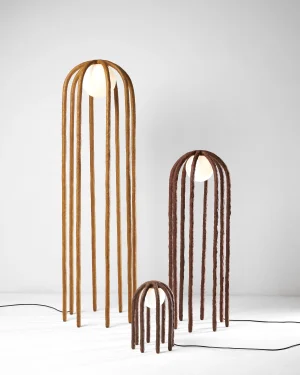
Açafrão and Urucum Floor Lamp in Anatto and Saffron
By Cultivado em Casa
€1.234 - €2.971 -

Deas Floor Lamp In Aluminum And Rattan
By Calen Knauf Studio
€1.360 -
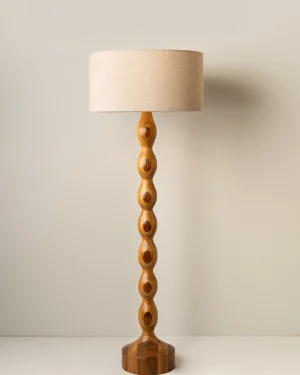
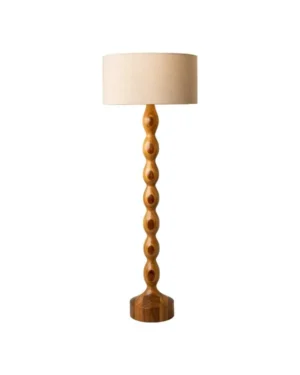
Tamarindo Floor Lamp in Parota Wood and Natural Fibers
By Isabel Moncada
€3.802 -
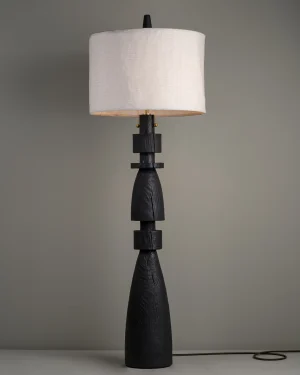
Mezquite Floor Lamp in Pinewood, Linen and Brass
By Isabel Moncada
€4.095 -

Peaceful Intuition 2.0 Floor Lamp in MDF
By Studio Fabius Clovis
€1.819 -

Fat Op No. 001 Floor Lamp In Ceramic
By Pani Jurek STUDIO
€1.539 -
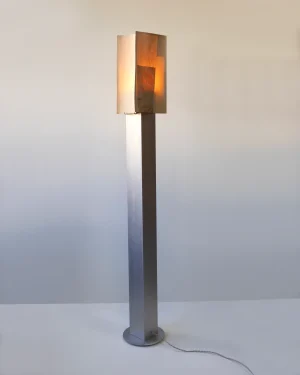
Soft Ply Floor Lamp in Wood and Aluminum
By Sheyang Li
€1.364 -
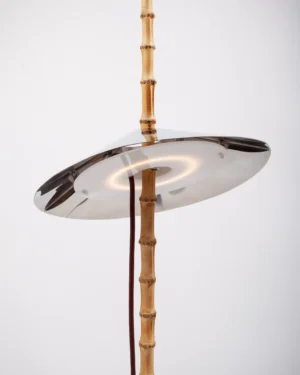
7plates Floor Lamp In Stainless Steel, Bamboo And Aluminum
By Calen Knauf Studio
€1.918 -
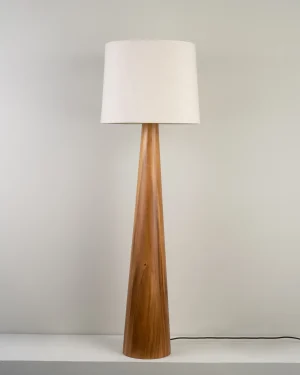
Malva Floor Lamp in Parota Wood
By Isabel Moncada
€3.802 -

Exélixi Floor Lamp In Bio Plastic
By Julie Mallet Studio
€1.958 -
 In stock
Voguing No. 2 Floor Lamp in Cast Aluminum
By BY JAMPS
€2.500 -

Nucleation Floor Lamp in Steel
By Drusch Design
€2.760 -

Rakis Floor Lamp In Ceramic
By Catalin Filip
€1.900 -
 In stock
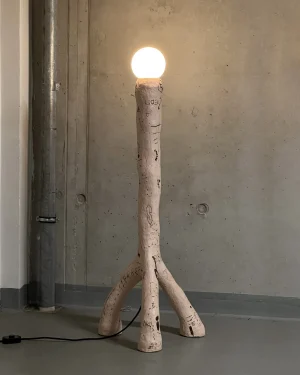
Tattooed Shining Creature Floor Lamp In Paper And Steel
By David Čáp
€1.400 -

Sky-set Floor Light
By Dace Sūna
€5.800 -
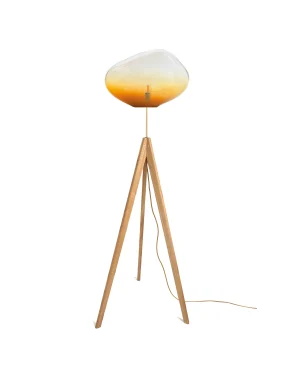
Statix Amber Iridescent Floor Lamp In Blown Glass
By ELOA - Unique Lights
€6.360 - €6.910 -
 In stock
Sigil Tower Floor Lamp in Stainless Steel and Alabaster
By Nitush and Aroosh
€4.150 -
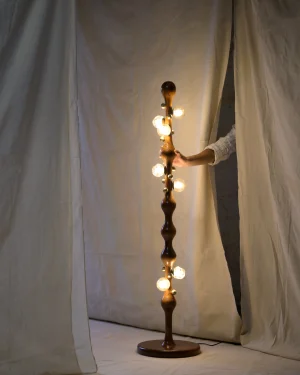
Stem – Teak Wood / Brass Floor Lamp
By Studio Indigene
€2.100 -
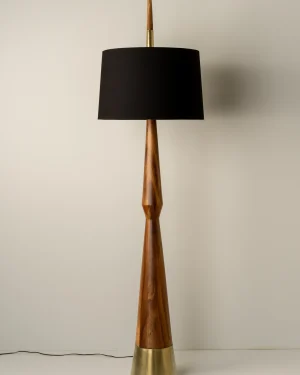
Apolo Floor Lamp in Parota Wood and Fiberglass
By Isabel Moncada
€6.435 -
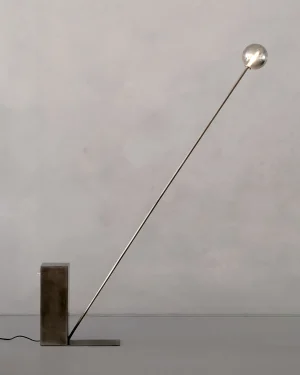 In stock
Oblique Glow Floor Lamp in Steel and Acrylic Resin
By HEAKO
€5.500 -
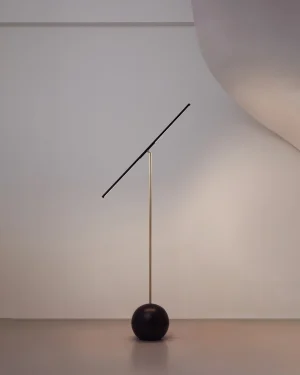 In stock
T-Lamp Floor Lamp in Aluminum, Brass and Oak Wood
By HEAKO
€3.850 -

Fat Op No. 001 Three Piece Floor Lamp In Ceramic
By Pani Jurek STUDIO
€1.926 -

Poser Floor Lamp in Stainless Steel
By Emil Robbrecht
€992 -
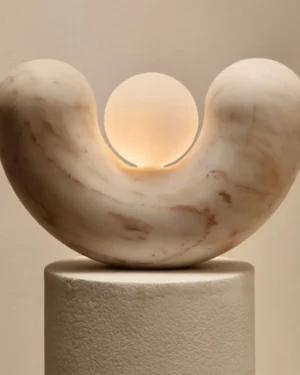
Estremoz Floor Lamp In Marble And Glass
By Joana Vilaça Studio
€3.800 -
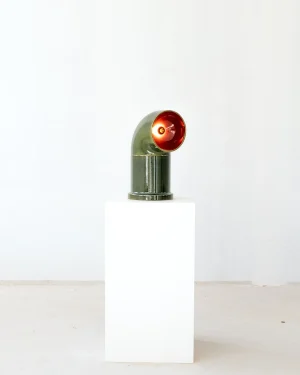
Fat Op No. 003 Two Piece Table Lamp In Ceramic
By Pani Jurek STUDIO
€1.539 -

Moon Forty – Alabaster Floor Lamp
By A.D.U. Studios
€3.720 -
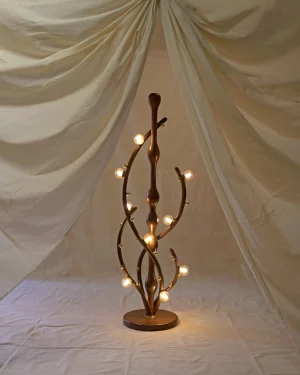
Tendril – Teak Wood / Brass Floor Lamp
By Studio Indigene
€5.400 -
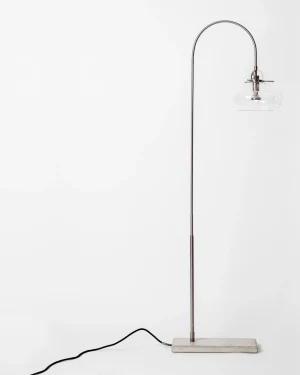
Art Deco Floor Lamp in Glass, Stainless Steel and Concrete
By Szostak Atelier
€2.100€1.995 -

Slim Op Table Lamp In Ceramics
By Pani Jurek STUDIO
€765 -
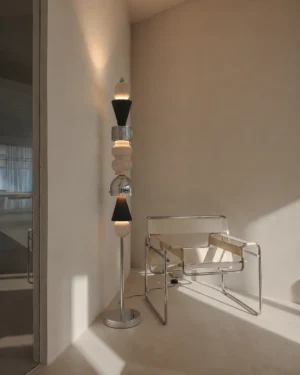 In stock
Arinna Floor Lamp
By MARAU
€15.000 -

Luna Crescente Floor Lamp in Feathers and Oak Wood
By HEIKE BUCHFELDER
€4.580 -

Cactus Floor Lamp
By Studio Indigene
€2.850 -
 In stock
Totem Floor Lamp
By Gábor Góbi
€2.390 -
 In stock
Wrench Standing Floor Lamp In Aluminum And Iron
By Iyo Hasegawa
€2.300 -
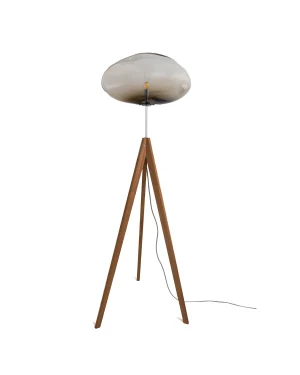
Statix Silver Smoke Floor Lamp In Blown Glass
By ELOA - Unique Lights
€6.360 - €6.910 -
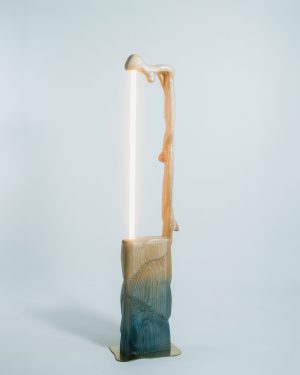 In stock
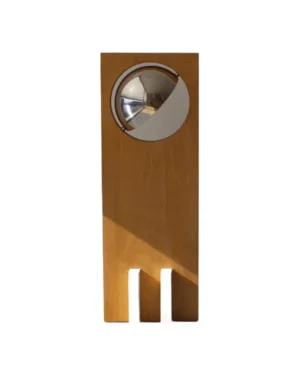
Blueprint Floor Lamp in Ash Wood
By Studio Kloak
€2.500 -
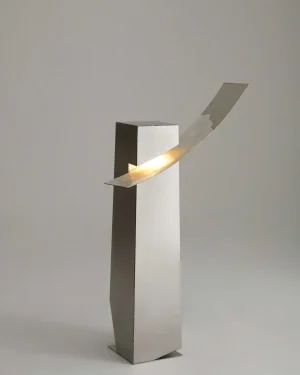
Shining No.2302 Floor Lamp in Stainless Steel
By Park Eunchong Studio
€3.200 -

Pivnich Floor Lamp in Ceramic and Cotton
By FAINA
€7.700 -
 In stock
Destiny Sluhach Floor Lamp in Steel, Muslin and ZTISTA
By FAINA
€3.420 -
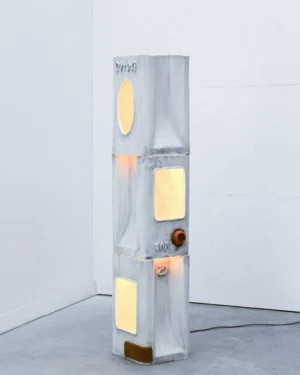 In stock
Vestigi 01 – Stoneware Floor Lamp
By Pierre Klein
€7.200 -
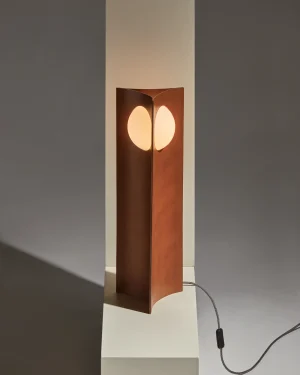
Hecate Floor Lamp In Brown Leather
By Studio Aristotelis Barakos
€610 -
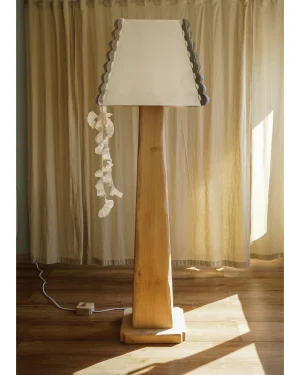
Falbanka Floor Lamp in Aluminum and Oak Wood
By Basia Pruszyńska
Price Upon Request -

Fat Op No. 004 Two Piece Table Lamp in Ceramic
By Pani Jurek STUDIO
€1.539 -
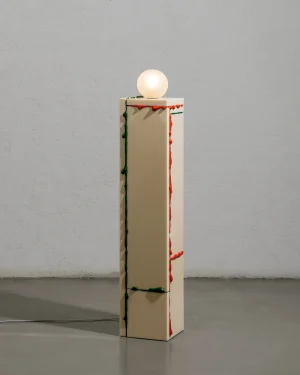 In stock
B.S.P Series Floor Lamp in Recycled Plastic
By Atelier SOHN
Price Upon Request -
 In stock
Untitled Ii Floor Lamp In Steel And Bronze
By aeny studio
Price Upon Request -
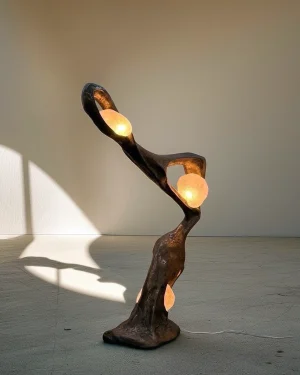
Untitled Iii Floor Lamp In Steel And Bronze
By aeny studio
Price Upon Request -

Untitled I Floor Lamp In Steel And Bronze
By aeny studio
Price Upon Request -
 Sold
Soft Ply Floor Lamp in Steel and Wood
By Sheyang Li
Price Upon Request
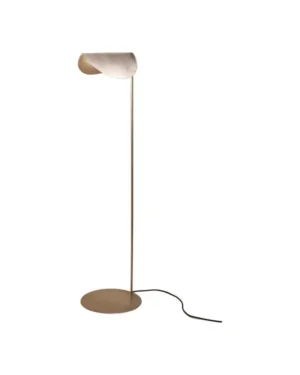
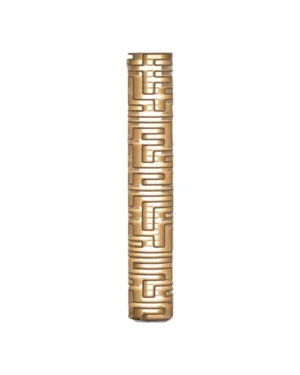
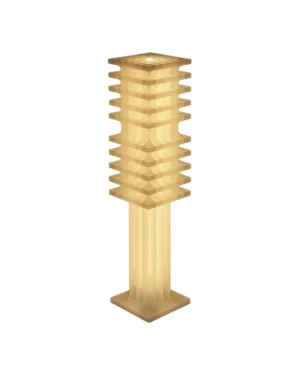
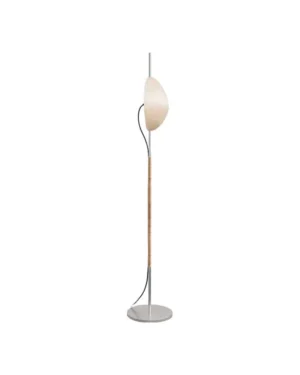
Reading room floor lamps are built to stand beside a single chair and throw light downward onto a page, not outward into a room. Independent studios shape them in steel, aluminum, bronze and cast resin, working metal by hand and casting resin in small batches rather than stamping out a run. The result is a lamp with weight and a fixed posture, something closer to a small piece of furniture than a fixture.
What defines a reading lamp in metal or resin
A reading lamp earns its place through restraint. The shade is narrow enough to direct light onto a lap or an open book, the arm often adjustable so the beam can be angled without moving the lamp itself. Steel and aluminum bodies carry that adjustment well: welded or turned joints hold a position once set, and a wide or weighted base keeps the whole thing from tipping when the arm swings out.
Cast resin works differently. Poured into a mold and left to cure, it takes a matte or faintly translucent finish that reads as stone or bone rather than plastic, and it holds a sculptural silhouette that metalwork cannot easily match. Bronze, where it appears, darkens and takes on a soft patina with handling over years, which some owners prize rather than polish away.
The range found here
Finishes run from black and matte silver to ivory, brown and bronze, with the occasional dark orange or pale yellow shade for a softer glow. Styles lean contemporary, mid-century modern and minimalist, though a few lamps take a wabi-sabi or surrealist turn, with an asymmetric arm or a shade set at a tilt. Editions vary: some lamps are produced to order in open runs, others appear as limited editions or one-off casts, so a finish you like may not repeat once it sells through. For a broader view of the same materials across every room, the metal floor lamps and minimalist floor lamps both draw from this same vocabulary of steel, aluminum and pared-back form.
How to choose one
Start with the chair. A reading lamp should sit just behind the shoulder, with the shade low enough that the bulb itself stays out of sight but high enough to clear an armrest. Measure the chair's arm height before judging a lamp on photographs alone, since a base a few inches too short will throw light across the ceiling instead of the page.
- Choose a heavier steel or stone-filled base if the lamp will sit on a rug, where a light aluminum foot can rock.
- Pick a warmer bronze or ivory finish for a room with wood furniture, and a black or matte silver body where the walls and shelving are already pale.
- Favor an adjustable arm over a fixed one if the chair will ever move, or if more than one person reads in the same spot.
Where it stands
These lamps belong beside an armchair, a daybed or a built-in window seat, anywhere a single reader sits still for long stretches. Reading room floor lamps also work in a bedroom, set by a headboard in place of a table lamp, or in a study where general ceiling light is too flat for close work. For adjoining pieces built on the same idea, reading room lighting extends from wall-mounted versions to table and pendant options in the same room group.
Care for steel, aluminum and resin
Steel and aluminum bodies need little beyond a dry cloth; a damp wipe handles dust, and any factory lacquer should be kept away from solvents. Cast resin resists moisture but scratches more easily than metal, so lift rather than drag a resin base across hard flooring. Bronze will darken on its own; if an even tone matters more than the patina, a light wax applied by hand keeps the color from shifting unevenly between the parts a hand touches and the parts it does not.
For the wider range of floor-standing lighting across every room, floor lamps covers the full set of materials and forms, while reading room pieces gather lamps alongside the bookends, mirrors and small objects suited to the same quiet corner.
How do I choose a reading room floor lamp?
Look for a narrow shade that directs light downward onto a lap or page, and an adjustable arm so the beam can be angled without moving the base. A weighted or wide base keeps the lamp steady when the arm swings out.
What materials are reading floor lamps made from?
Most are steel, aluminum, bronze or cast resin. Metal bodies hold an adjusted position through welded or turned joints, while resin is poured into molds for a matte, stone-like finish.
How do I care for a metal or resin reading lamp?
Wipe steel and aluminum with a dry or slightly damp cloth to avoid water spotting, and dust resin shades gently since abrasive cleaners can dull the surface. Bronze will darken and patina naturally with handling over time.
What height should a reading floor lamp be?
A reading lamp typically sits at a height that brings the shade level with or just above shoulder height when seated, so light falls directly onto the page rather than across the room.
Can a reading room floor lamp work in other rooms?
Yes, its narrow beam and adjustable arm suit a bedside chair or a living room corner as well as a reading nook, anywhere a single seat needs focused, steady light.
Does ADORNO offer shipping and returns on floor lamps?
Shipping is insured and worldwide. Pieces can be returned within 14 days, though made-to-order lamps are excluded, and each one arrives with a certificate of authenticity.