




-
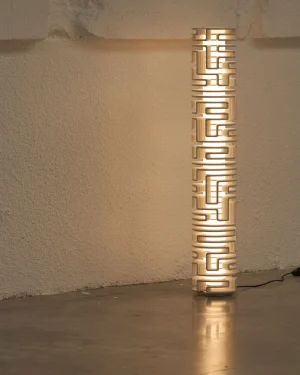
Maze Floorstander Floor Lamp in Recycled Plastic
By Stijn van Aardenne
€1.447 -
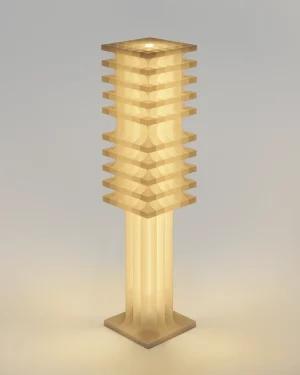
Citadel Floor Lamp in 3D Printed PLA
By Ultramar Studio
€1.400 -

Citadel Table Lamp in 3D printed PLA
By Ultramar Studio
€1.100 -

Curva Floor Lamp in Guarango Wood and Bronze
By Laluz Handcraft
€3.600 -
 In stock
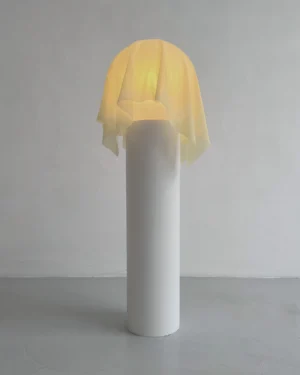
Carnmarina Floor Lamp In Plastics
By Pierre Klein
€1.500 -
 In stock
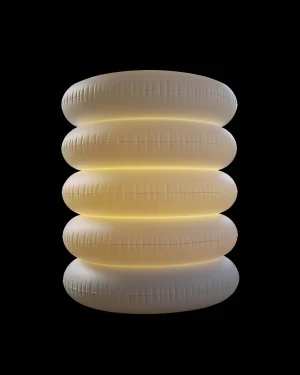
Big Puff Floor Lamp in Polyurethane
By PUFF-BUFF
€690 -
 In stock
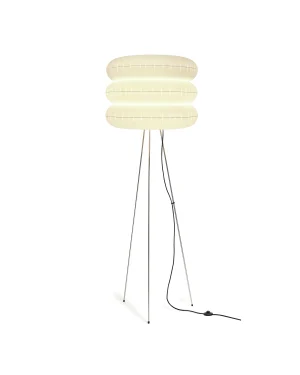
Big Puff Tripod Floor Lamp in Polyurethane and Steel
By PUFF-BUFF
€800 -
 In stock
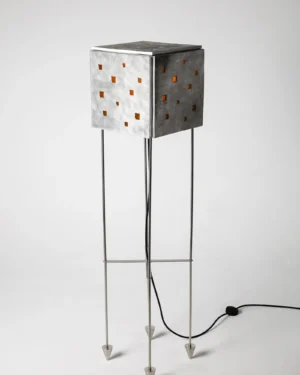
Hero Lamp Floor Lamp In Stainless Steel
By Panorammma Atelier
€4.850 -
 In stock
Prisma Massiva Floor Lamp in Cast Aluminum, Resin And Steel
By DONÓ Design
€3.780 -
 In stock
Crush On You Floor Lamp in 3D Printed PLA
By M’ama edizioni
€380 -

Vine Floor Lamp In Epoxy
By Ryan Mercer
€3.805€3.044 -

Exélixi Floor Lamp In Bio Plastic
By Julie Mallet Studio
€1.958 -
Tentacle Floor Lamp In Resin
By Ryan Mercer
€3.171 -
 In stock
Cheese Floor Lamp in PLA-Woodfill
By M’ama edizioni
€380 -
 In stock
Lapas Paradiso Novo Series Floor Lamp in Blown Glass and PLA
By Anna Jožová
€9.500 -
 In stock
Gotham Floor Lamp In Resin And Stainless Steel
By Jürgen Baumann
€3.200 -
 In stock
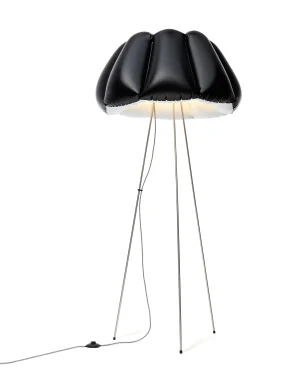
Orca Floor Lamp in PVC and Stainless Steel
By PUFF-BUFF
€650 -
Biggest Floor Lamp In Resin And Epoxy Clay
By Ryan Mercer
€4.566 -
 In stock
Box-2 Floor Lamp in Blue Cardboard and Gold-leaf
By Studio Josha
€8.995 -
 In stock
Ic-6 Floor Lamp in Resin, Gold-leaf and Natural Fibers
By Studio Josha
€9.500 -
 In stock
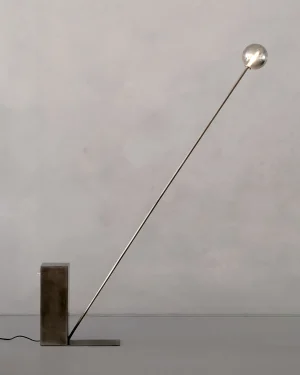
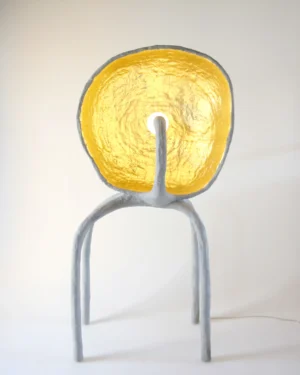
Oblique Glow Floor Lamp in Steel and Acrylic Resin
By HEAKO
€5.500 -
 In stock
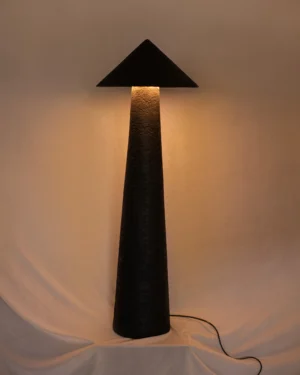
Ic-17 Floor Lamp in Resin, Gold-leaf and Natural Fibers
By Studio Josha
€10.500 -
Kasa (m) Lamp In Clay Paste And Mild Steel
By Harshita Jhamtani Designs
€1.460 -

Baile Large Floor Lamp in Metallic Tape and Glass
By Cultivado em Casa
€7.870 -

Bella Pupa Floor Lamp in PVC and Stainless Steel
By PUFF-BUFF
€2.130 -
 In stock
“Object 03” Lamp from the “Play” Collection
By Hot Wire Extensions
€1.670 -
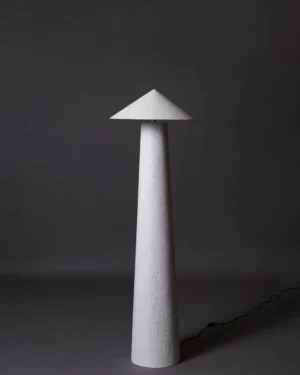
Kasa Floor Lamp In Clay Paste And Mild Steel
By Harshita Jhamtani Designs
€2.130 -
 In stock
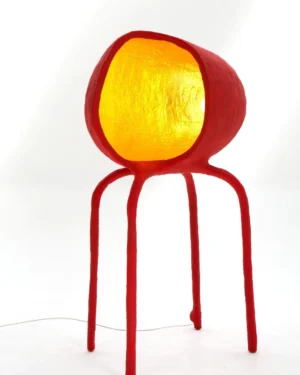
“Random Light”
By Hot Wire Extensions
€1.250 -
 In stock
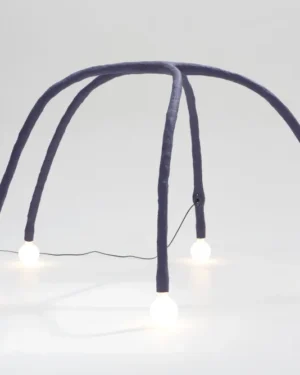
Ic-12 Floor Lamp in Resin, Gold-leaf and Natural Fibers
By Studio Josha
€8.500 -
 In stock
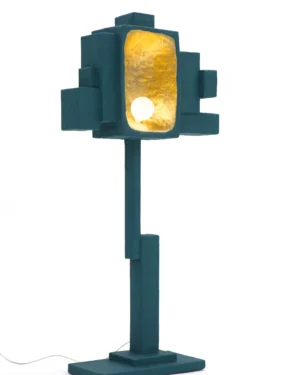
Ic-13 Floor Lamp In Resin, Foam And Natural Fibers
By Studio Josha
€9.900 -
 In stock
Box-1 Floor Lamp in Cardboard and Gold-leaf
By Studio Josha
€4.500 -
 In stock
Baile Medium Floor Lamp in Metallic Tape and Glass
By Cultivado em Casa
€6.260 -
 In stock
Ic-15 Floor Lamp in Green Wool and Gold-leaf
By Studio Josha
€6.250 -
 Sold
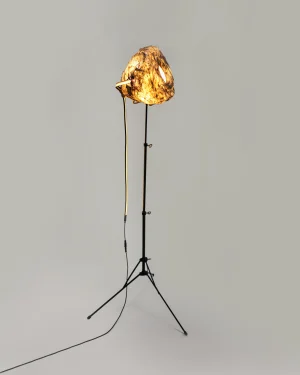
Microbiome I Floor Lamp in Bio Plastic
By Sabrina Merayo Nuñez
€3.800 -
 Sold
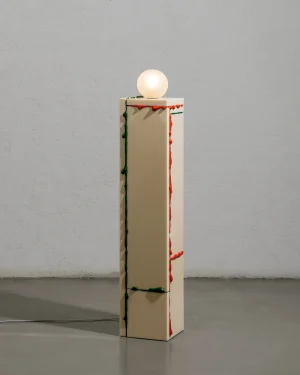
Microbiome II Floor Lamp in Bio Plastic
By Sabrina Merayo Nuñez
€3.000 -
 In stock
B.S.P Series Floor Lamp in Recycled Plastic
By Atelier SOHN
Price Upon Request -
 Sold
Siamese Twins I Floor Lamp in Bioplastic
By Sabrina Merayo Nuñez
€6.000 -
 In stock
Untitled Ii Floor Lamp In Steel And Bronze
By aeny studio
Price Upon Request -

Untitled Iii Floor Lamp In Steel And Bronze
By aeny studio
Price Upon Request -

Untitled I Floor Lamp In Steel And Bronze
By aeny studio
Price Upon Request
Plastic floor lamps bring resin, bio-polymer and molded forms to the task of standing light, giving studios a way to work in color and curve that wood, metal and glass rarely allow. Independent designers cast resin, mold polyurethane, sculpt foam cores and print layers in PLA to build bodies that are light to move yet hold their shape at full height. The material reads as sculpture first, light source second, which is why these pieces tend to anchor a room rather than disappear into a corner.
What defines a plastic or polymer floor lamp
Plastic covers a wide family here, not one look. Resin casting produces dense, often translucent forms that catch light inside the material itself, while molded polyurethane gives a matte, almost soft-touch surface that reads closer to stone than to synthetic. Digital fabrication and 3D printing build up geometric or organic shapes layer by layer, something no mold could easily repeat in wood or metal, and open editions of this kind sit alongside unique pieces and limited runs where a studio treats each cast or print as one-off.
Color is where the material does its clearest work. Transparent and off-white bodies let the bulb's glow pass through the shade itself, cream and matte whites keep a form quiet, and bronze, gold or red resin pulls a lamp toward the eclectic or futuristic end of a room's palette. Gilding on a resin or foam base adds a second material language, metal over polymer, for studios working across both.
How to choose a plastic floor lamp for scale and placement
A floor lamp carries its own footprint the way a side table or chair does, so proportion matters before finish. A tall, narrow resin column suits a reading corner where it needs to throw light down without taking floor space, while a wider sculptural base in foam or polyurethane asks for open floor around it to read as an object in its own right.
- Measure the clearance a wide or asymmetric base needs so it does not compete with seating or a rug edge.
- Match finish to light levels: transparent and white resin diffuse more evenly, while bronze or matte surfaces direct light more than they scatter it.
- Check the switch position and cord length against where the lamp will stand, since plastic bodies are often cast around the wiring rather than built to hide it later.
Where these pieces suit a room
A sculptural resin or PLA form holds its own in a living room where it can be seen in full across the space, the kind of placement covered among living room floor lamps. In a bedroom, a softer off-white or cream polyurethane shade gives a quieter glow suited to low light use. Those drawn to a pared-back silhouette in the same material family can look toward contemporary floor lamps for related forms in wood, metal and stone alongside plastic.
Care for resin, polyurethane and printed plastics
Most plastics and polymers used here resist moisture and do not need the oiling or waxing a wood lamp body would, which makes them straightforward to keep. Wipe surfaces with a dry or barely damp cloth, since solvents and abrasive cleaners can dull a gilded or matte finish or cloud a transparent resin over time. Keep cast and printed forms out of direct, sustained sun, as UV exposure can yellow white or transparent plastics and fade bronze or red pigments unevenly.
For a fuller view of the material across lighting and furniture, the full range of plastic and polymer pieces spans table lamps, seating and objects, and smaller-scale options sit among plastic table lamps. For the full standing-light range in every material, see all floor lamps on ADORNO.
How do I choose a plastic floor lamp?
Start with how the body is made: cast resin reads dense and glossy, molded polyurethane feels matte and soft-touch, 3D-printed forms show visible layered geometry. Pick the surface and color that suit the room before the shade style.
How do you clean and care for a plastic floor lamp?
Wipe the body with a dry or barely damp cloth, avoiding solvents that can dull or cloud resin and polyurethane surfaces. Keep away from direct heat sources, which can soften or warp the material over time.
Does plastic yellow or fade over time?
Untreated resin and polyurethane can yellow slightly with prolonged direct sunlight, while pigmented or matte finishes tend to hold color longer. Keeping a lamp out of constant direct sun slows this change.
What size or height floor lamp should I get?
A floor lamp's footprint and height work like furniture, so measure the floor space and the sightline from seating before choosing one that anchors rather than crowds the room.
Which rooms suit a plastic floor lamp?
Their sculptural bodies and color work well as a focal point in living rooms, reading corners or entryways where the form is seen in full, rather than tucked against a wall.
What are ADORNO's shipping and return policies?
Shipping is insured and worldwide. Pieces can be returned within 14 days, except made-to-order items, and each arrives with a certificate of authenticity.