

















-
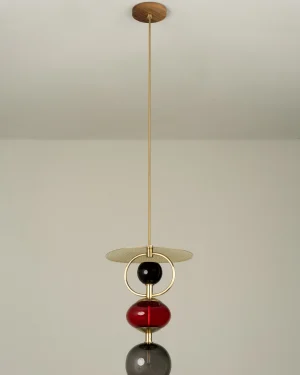
Vitrea Pendant Lamp in Glass and Brass
By Isabel Moncada
€3.802 This product has multiple variants. The options may be chosen on the product page -
 In stock
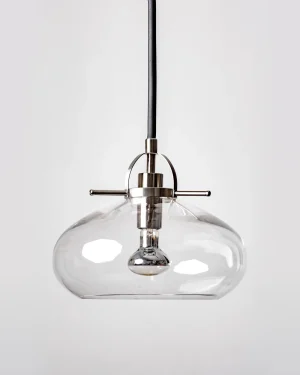
Art Deco Pendant Lamp in Glass and Stainless Steel
By Szostak Atelier
€1.000 This product has multiple variants. The options may be chosen on the product page -

Trn / Model E1 Pendant Lamp in Ceramic
By Pani Jurek STUDIO
€1.430 This product has multiple variants. The options may be chosen on the product page -
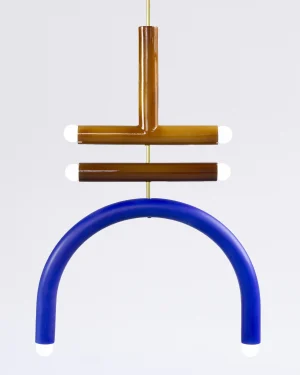
Trn / Model F2 Pendant Lamp in Ceramic
By Pani Jurek STUDIO
€1.600 This product has multiple variants. The options may be chosen on the product page -
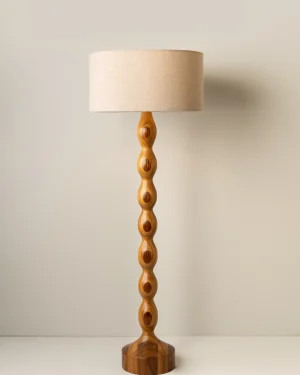
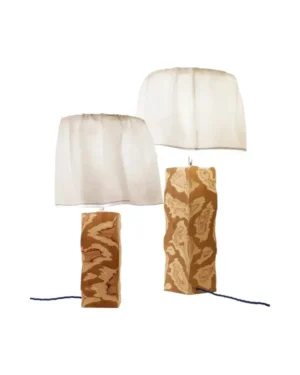
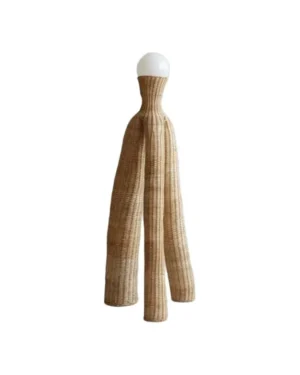
Tamarindo Floor Lamp in Parota Wood and Natural Fibers
By Isabel Moncada
€3.802 -
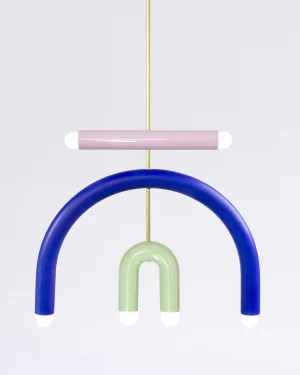
Trn / Model F3 Pendant Lamp in Ceramic
By Pani Jurek STUDIO
€1.600 This product has multiple variants. The options may be chosen on the product page -
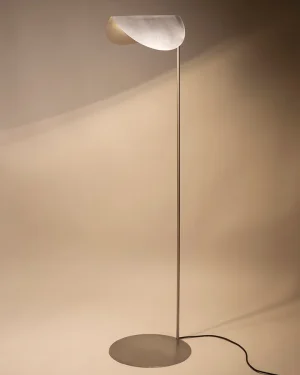
Two Circles No. 1 Floor Lamp in Stainless Steel
By Georgiev Kiril
€995 -

Trn / Model C2 Pendant Lamp in Ceramic
By Pani Jurek STUDIO
€880 This product has multiple variants. The options may be chosen on the product page -
 In stock
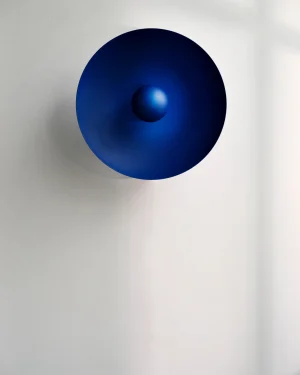
Blue Moon Wall Lamp in Aluminum
By Anne Nowak
€1.675 -
 In stock
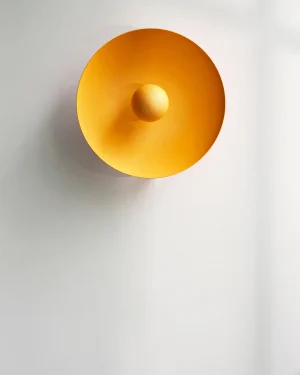
Sun Wall Lamp in Aluminum
By Anne Nowak
€1.340 -
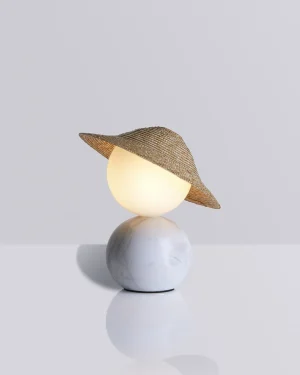 In stock
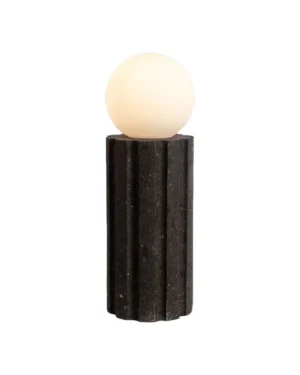
Théros 0.2 Table Lamp in Blown Glass and Marble
By Studio Aristotelis Barakos
€950 -
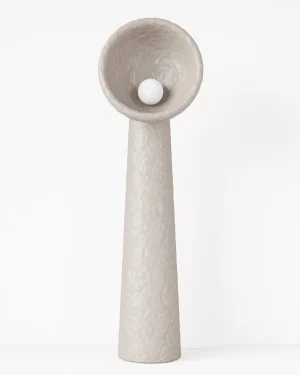 In stock
Soniah Floor Lamp in ZTISTA
By FAINA
€7.000 This product has multiple variants. The options may be chosen on the product page -
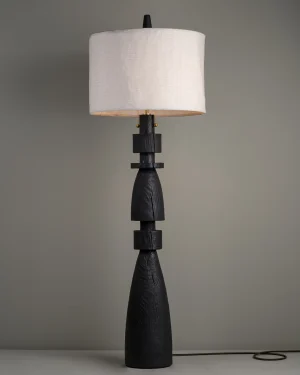
Mezquite Floor Lamp in Pinewood, Linen and Brass
By Isabel Moncada
€4.095 -

Falcon Floor Lamp in Brass and Oak Wood
By Nathan Chintala
€2.105 -
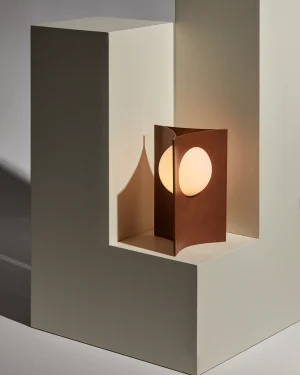
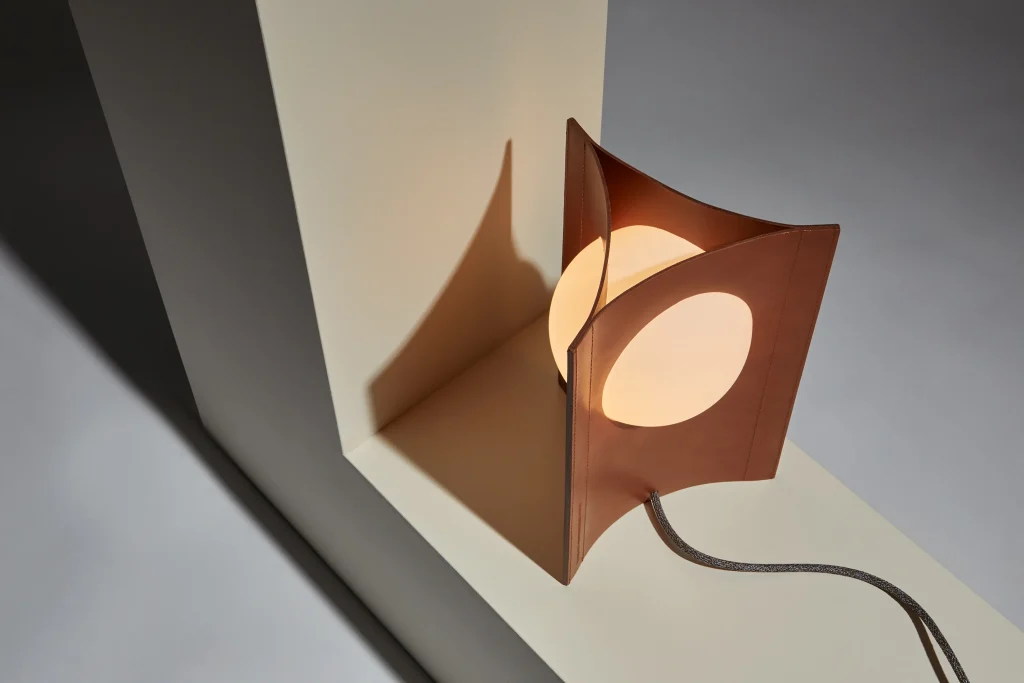
Hecate Table Lamp in Leather and Glass
By Studio Aristotelis Barakos
€480 This product has multiple variants. The options may be chosen on the product page -
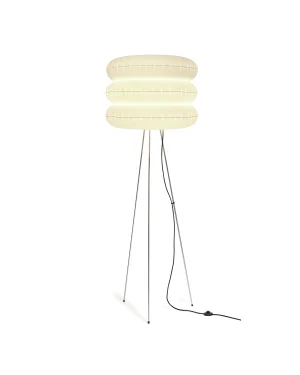 In stock
Big Puff Tripod Floor Lamp in Polyurethane and Steel
By PUFF-BUFF
€800 -

Trn / Model A2 Pendant Lamp in Ceramic
By Pani Jurek STUDIO
€470 This product has multiple variants. The options may be chosen on the product page -
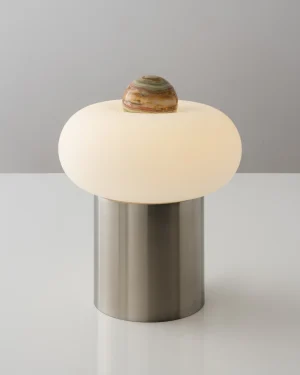 In stock
Capsula 01 Table Lamp in Blown Glass and Onyx
By Noiro Studio
€1.100 -

The Queen Double Floor Lamp in Gold-leaf and Rust Steel
By Mammalampa
€1.151 -
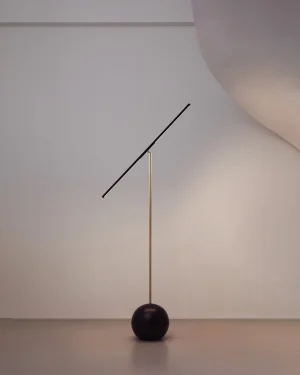 In stock
T-Lamp Floor Lamp in Aluminum, Brass and Oak Wood
By HEAKO
€3.850 -
 In stock
Sigil Tower Floor Lamp in Stainless Steel and Alabaster
By Nitush and Aroosh
€4.150 -
 In stock
Mushroom Floor Lamp in Stainless Steel
By Nitush and Aroosh
€2.500 This product has multiple variants. The options may be chosen on the product page -
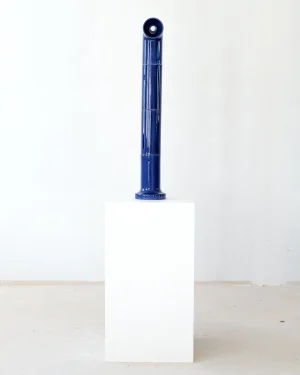
Slim Op Four Piece Floor Lamp in Ceramics and Porcelain
By Pani Jurek STUDIO
€1.045 This product has multiple variants. The options may be chosen on the product page -

Pill1200 Floor Lamp in Stainless Steel
By MLK Furniture
€1.690 -
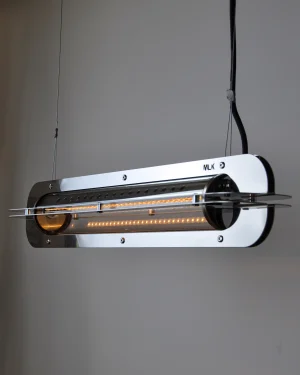
Pill600 Pendant Lamp in Mirror Stainless Steel
By MLK Furniture
€1.090 -

Fat Op No. 002 Four Piece Floor Lamp in Ceramic
By Pani Jurek STUDIO
€2.313 -
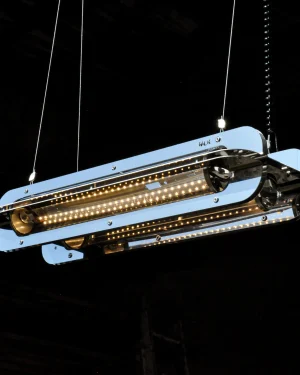
Pill600x2 Pendant Lamp in Mirror Stainless Steel
By MLK Furniture
€1.890 -
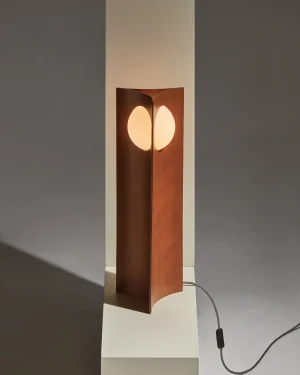
Hecate Floor Lamp in Brown Leather
By Studio Aristotelis Barakos
€610 This product has multiple variants. The options may be chosen on the product page -

Fat Op No. 001 Four Piece Floor Lamp in Ceramic
By Pani Jurek STUDIO
€2.313 -
 In stock
Handrail Table Lamp in Stainless Steel
By studio re.d
€440 -
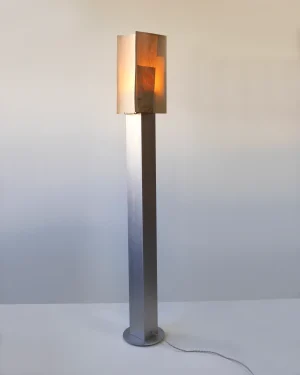
Soft Ply Floor Lamp in Wood and Aluminum
By Sheyang Li
€1.364 -
 In stock
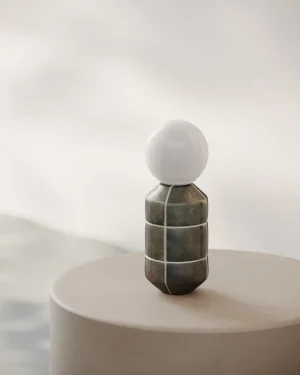
Navazi Table Lamp in Ceramic
By SVITANOK
€440 - €670 This product has multiple variants. The options may be chosen on the product page -

Fat Op No. 001 Floor Lamp in Ceramic
By Pani Jurek STUDIO
€1.539 -
 In stock
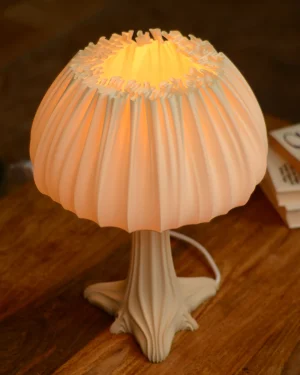
M 2 Table Lamp in Bio Plastic and Sand
By diploria studio
€335 -
 In stock
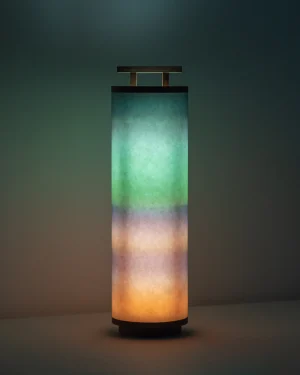
Torii G Pala Table Lamp in Washi Paper and Walnut
By Prangé
€1.232 -
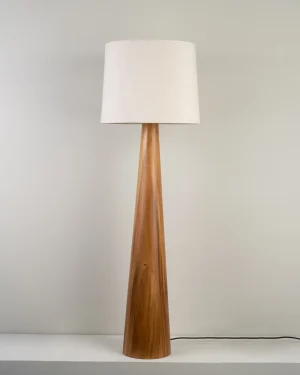
Malva Floor Lamp in Parota Wood
By Isabel Moncada
€3.802 -
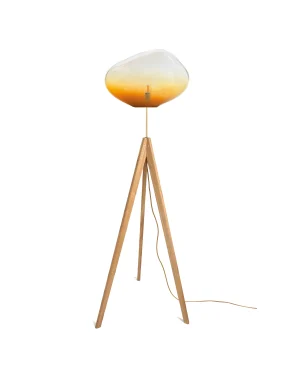
Statix Amber Iridescent Floor Lamp in Blown Glass
By ELOA - Unique Lights
€6.360 - €6.910 This product has multiple variants. The options may be chosen on the product page -
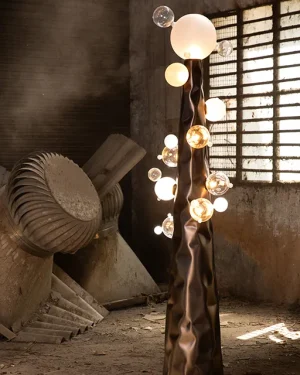 In stock
Molecule Floor Lamp in Stainless Steel and Blown Glass
By Nitush and Aroosh
€4.850 -
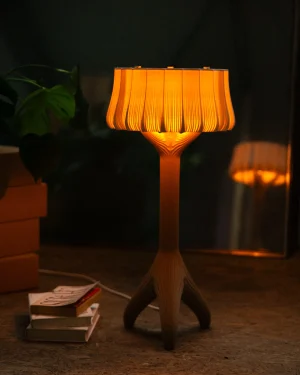 Sold
SoldM-1 Modular Floor Lamp in Bio Polymer
By diploria studio
€450 This product has multiple variants. The options may be chosen on the product page -
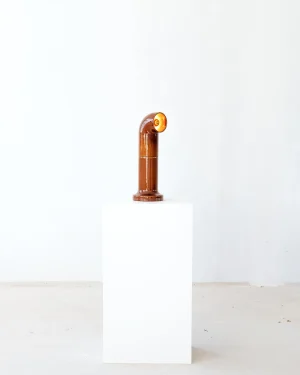
Slim Op Table Lamp in Ceramics and Porcelain
By Pani Jurek STUDIO
€765 This product has multiple variants. The options may be chosen on the product page -
 In stock
Mujo P Iver Wall Sconce in Walnut Wood and Washi Paper
By Prangé
€948 -

Soniah Small Floor Lamp in ZTISTA
By FAINA
€5.600 This product has multiple variants. The options may be chosen on the product page -
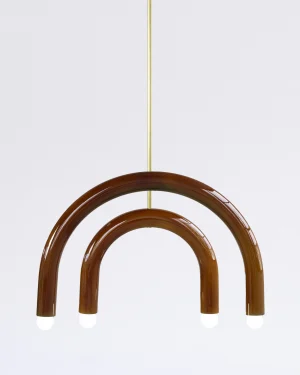
Trn / Model E3 Pendant Lamp in Ceramic
By Pani Jurek STUDIO
€1.430 This product has multiple variants. The options may be chosen on the product page -
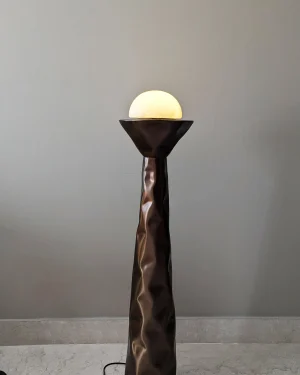 In stock
Oio Pedestal Floor Lamp in Stainless Steel and Alabaster
By Nitush and Aroosh
€2.500 -
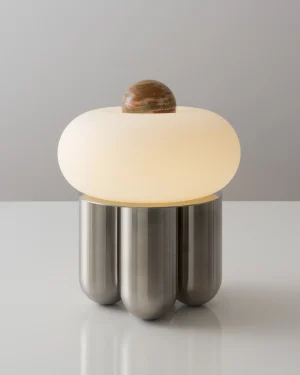
Capsula Table Lamp in Blown Glass, Onyx and Stainless Steel
By Noiro Studio
€1.320 -

Lasso Floor Lamp in Stainless Steel and Glass
By Nitush and Aroosh
€2.850 -
 In stock
Svitlotin Brush Strokes Pendant Lamp in Stainless Steel
By SVITANOK
€1.020 - €1.400 This product has multiple variants. The options may be chosen on the product page -
 In stock
Svitlotin Olive Pendant Lamp in Stainless Steel
By SVITANOK
€890 - €960 This product has multiple variants. The options may be chosen on the product page -
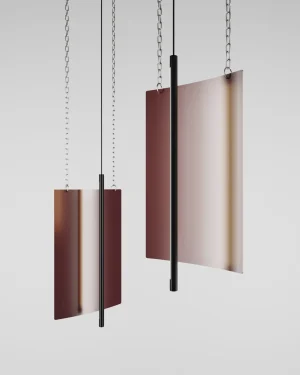 In stock
Custom Wine Red Ceiling Lamp in Steel
By SVITANOK
€890 - €1.150 This product has multiple variants. The options may be chosen on the product page -
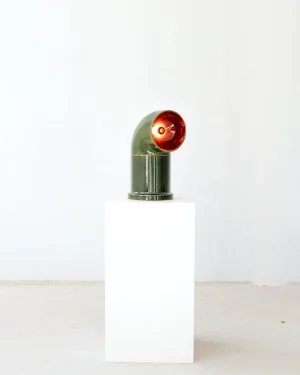
Fat Op No. 003 Two Piece Table Lamp in Ceramic
By Pani Jurek STUDIO
€1.539 -
 In stock
Mujo M Aray Wall Sconce in Walnut Wood and Washi Paper
By Prangé
€1.706 -
 In stock
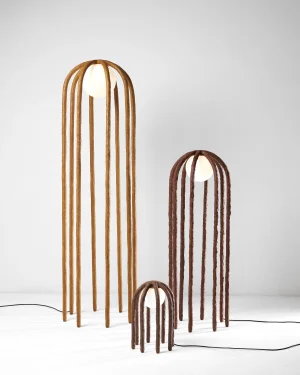
Açafrão and Urucum Floor Lamp in Anatto and Saffron
By Cultivado em Casa
€1.234 - €2.971 This product has multiple variants. The options may be chosen on the product page -
 In stock
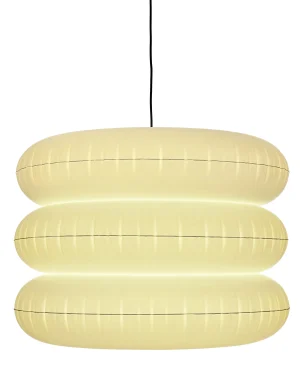
Big Puff Pendant Lamp in Polyurethane
By PUFF-BUFF
€550 -
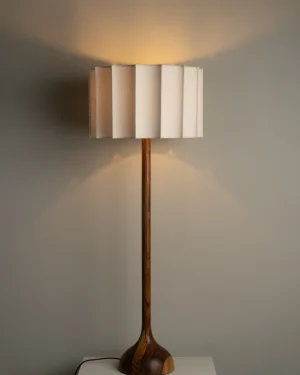
Pata De Elefante Large Floor Lamp in Parota Wood
By Isabel Moncada
€4.095
Mid-century modern lighting on ADORNO follows the vocabulary set down in the 1950s and 60s: slender brass or steel arms, globes and shades in blown or pressed glass, forms that show their joints rather than hiding them. The studios working in this style favor metalwork and glassblowing, often finishing brass to a warm, low-gloss patina instead of a mirror shine. Wood turning and cabinetmaking show up too, in bases and stems that set walnut or oak against a metal fitting.
What defines the style
The look rests on proportion rather than decoration. A tripod base, a saucer shade, a swing arm that pivots on a single visible screw — these pieces rely on the honesty of their construction to carry the design. Brass is left to darken with handling, glass is left clear or lightly frosted, and steel is usually blackened or left in its own finish rather than painted over.
Because the material sits so close to the surface, mid-century modern lighting tends to age rather than date. A brass arm that has picked up a decade of fingerprints reads as settled, not worn out, and a glass globe keeps its shape and color for as long as it stays unbroken.
The materials and techniques behind the range
Across the lighting on ADORNO, a handful of materials recur, each handled in ways particular to the period:
- Brass and steel, shaped through metalwork and blacksmithing into arms, shades and bases
- Blown or cast glass, for globes, shades and diffusers in clear or tinted finishes
- Ceramic and glazed stoneware, hand-built or thrown, for table lamp bases with a matte or glossy surface
- Turned or carved wood, paired with metal fittings for stems and feet
Editions vary by studio and by piece: some fixtures are produced in open runs, others in limited numbers or as one-offs, so the same silhouette rarely repeats twice in exactly the same finish. For a fuller view of brass, steel and other metal fixtures across styles, the metal lighting and ceramic lighting pages are worth a look.
How to choose a lamp or pendant
Scale decides whether a fixture anchors a room or disappears into it. A table lamp should sit roughly at eye level when seated nearby, so its shade shields the bulb rather than exposing it; a pendant hung over a console or sideboard should clear the surface by a hand's width or more.
Finish matters as much as form. A warm brass arm reads differently next to black steel, and either will shift the tone of a glass or ceramic shade placed near it. It helps to choose the metal finish first, then build the rest of the room's hardware — door pulls, picture frames, other lamps — to match or deliberately contrast with it.
Where this lighting belongs
Mid-century modern lighting suits rooms built around seating and conversation more than task-heavy spaces. A pair of table lamps flanking a sofa, a floor lamp with an adjustable arm beside a reading chair, or a low pendant over a dining table all draw on the same restraint: a few warm sources at different heights rather than one bright one overhead. The living room lighting works particularly well alongside furniture from the same period — see the full range of mid-century modern furniture for pieces that share the same proportions.
Caring for brass, glass and wood fixtures
Brass left unlacquered will darken on its own; a soft cloth and an occasional metal polish will slow this if a brighter finish is preferred, but many owners let the patina develop. Glass shades need only a wipe with a dry or slightly damp cloth, since grease and dust show quickly on a clear surface. Wood bases should stay away from direct heat and standing water, and an occasional pass of furniture oil will keep the grain from drying out.
For the full range of fixtures in this style, including lamps sized for a desk or a side table, see every mid-century modern piece on ADORNO, the mid-century modern lamps specifically, or step back to all lighting to compare against other styles and materials.
How do I choose a mid-century modern light fixture?
Look for clean lines, warm materials like brass or wood, and a form that reads as sculpture even when switched off. Match the finish to existing metals in the room and favor warm bulbs over cool ones.
What materials are mid-century modern lights usually made from?
Brass, steel, glass and wood dominate, often paired with ceramic or ceramic glaze. Brass develops a soft patina over time; wood needs occasional oiling, and glass or ceramic shades just need a dry dusting.
What size pendant or lamp do I need for my room?
A pendant over a table should hang so its base sits about 30 to 36 inches above the surface, scaled to the table's width. For floor and table lamps, match the shade height roughly to seated eye level.
Which rooms suit mid-century modern lighting best?
Living rooms and studies take well to the warm, low-profile forms; dining spaces benefit from a single sculptural pendant over the table. Bedrooms work with a pair of matching table lamps for even, soft light.
Does ADORNO ship mid-century modern lighting worldwide?
Yes, shipping is insured and worldwide. Each piece arrives with a certificate of authenticity, and ADORNO offers a lowest-price guarantee.
Can I return a mid-century modern light if it doesn't fit?
Most pieces can be returned within 14 days of delivery; made-to-order pieces are excluded. For specifics on a particular light, use Chat with the maker on its page.