
-
 In stock
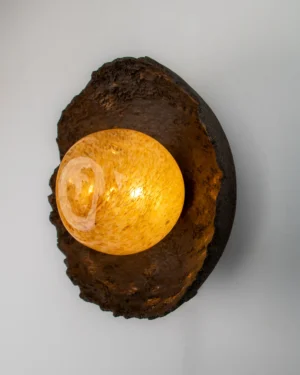
Asea No. 23 Dark Honey Wall Sconce in Stoneware and Glass
By Ceren Gürkan
€800 -
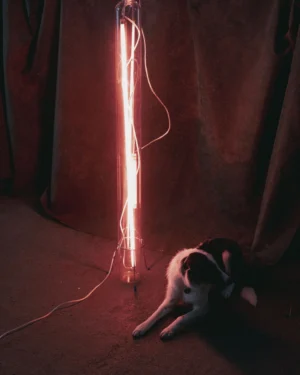 In stock
Äther Wall Lamp In Borosilicate Glass
By TUNK I Busra Tunc
€850 -
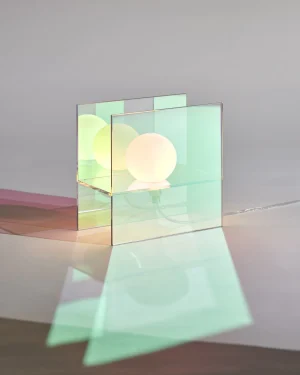 In stock
Euphoria Table Lamp in Coloured Glass
By Studio Monsoleil
€800 -
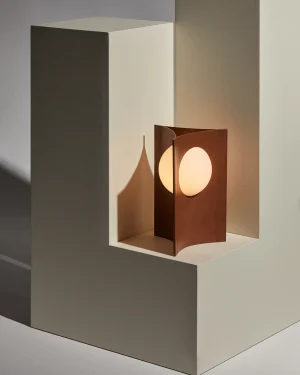
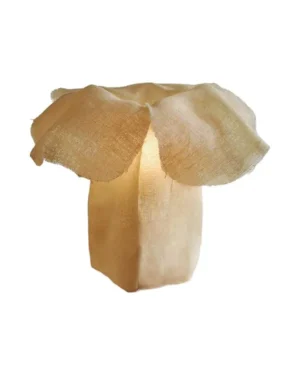
Hecate Table Lamp in Leather and Glass
By Studio Aristotelis Barakos
€480 -
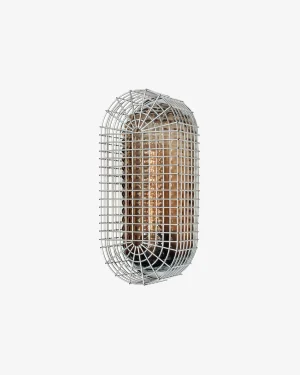
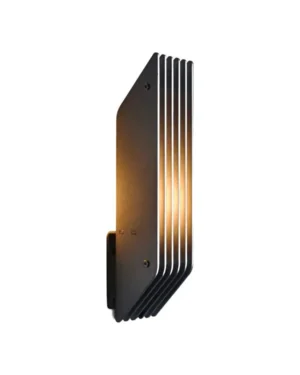
Chastity Wall Sconce In Stainless Steel And Handblown Glass
By Studio S II
€1.980 -
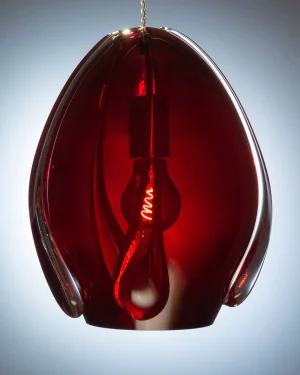
Glass Drop Pendant Lamp in Blown Glass
By Georgiev Kiril
€1.050 -
 In stock
Y30 Ceiling Lamp in Blown Glass and Brass
By Clara Viladecans
€786 -
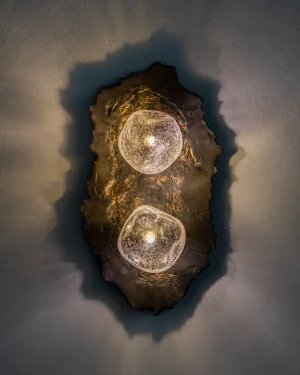 In stock
Asea No. 25 Wall Sconce In Blown Glass And Stoneware
By Ceren Gürkan
€1.100 -
Black Friday −15%
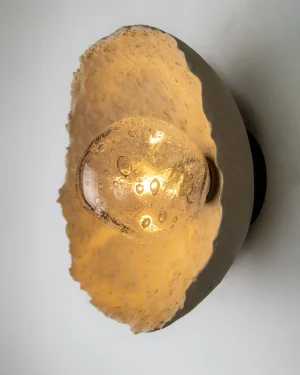
Asea No. 23 Wall Sconce In Stoneware And Blown Glass
By Ceren Gürkan
€800 (−15% applied at checkout) -
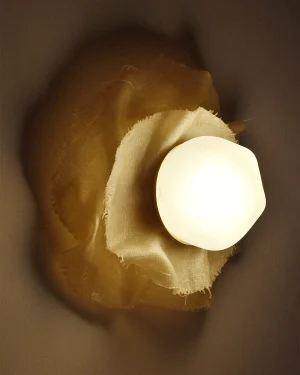
Liora II Wall Sconce in Glass, Brass and Fabric
By Atelier Alz
€350 -
 In stock
Sluren Table Lamp in Blown Glass
By Sara Sjöbäck
€1.450 - €1.850 -
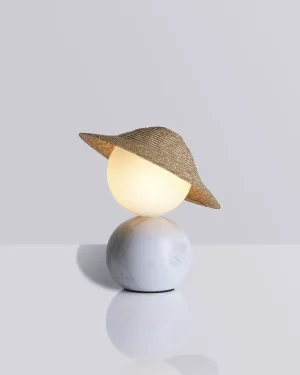 In stock
Théros 0.2 Table Lamp in Blown Glass and Marble
By Studio Aristotelis Barakos
€950 -
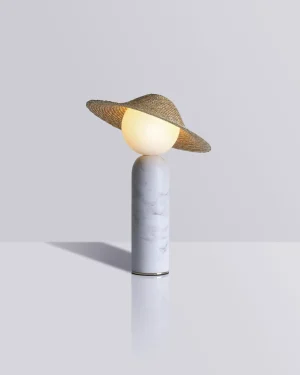 In stock
Théros 0.3 Table Lamp In Borosilicate Glass
By Studio Aristotelis Barakos
€1.100 -
5% off
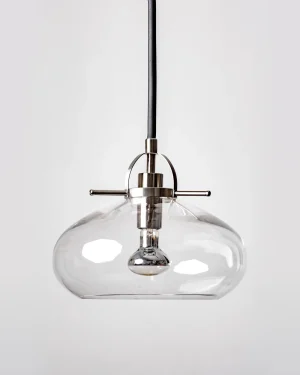
Art Deco Pendant Lamp in Glass and Stainless Steel
By Szostak Atelier
€1.000€950 -
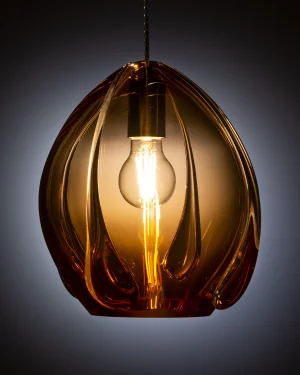
Glass Drops Fire Opal Pendant Lamp in Blown Glass
By Georgiev Kiril
€1.050 -
 In stock
Ines Ceiling Lamp in Blown Glass And Brass
By Clara Viladecans
€550 -

Marsha 02 Pendant Lamp in Blown Glass and Steel
By MESEME by Riya Panchal
€810 -
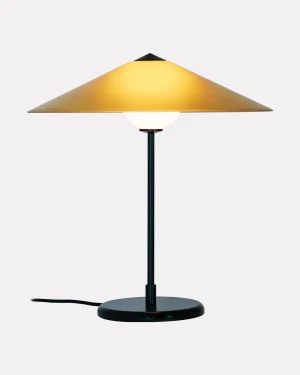
Marsha Table Lamp in Glass and Metal
By MESEME by Riya Panchal
€1.015 -
 In stock
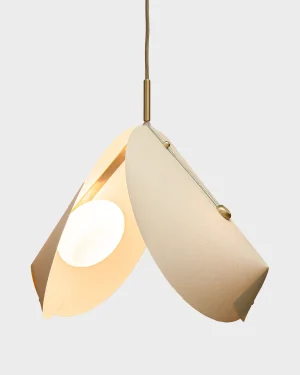
Concha Model 03 Pendant Lamp in Brass and Blown Glass
By MESEME by Riya Panchal
€434 -
 In stock
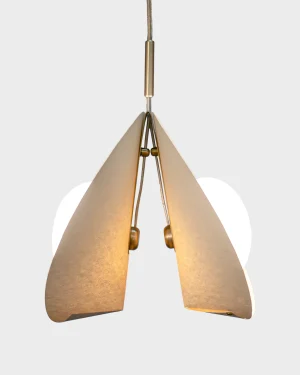
Concha Model 01 Pendant Lamp in Paper, Metals and Glass
By MESEME by Riya Panchal
€375 -
 In stock
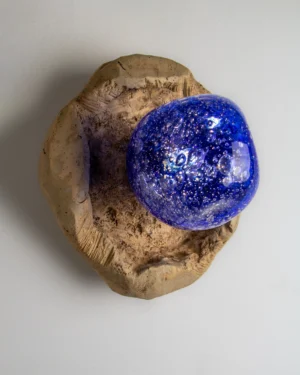
Asea No.13 Wall Sconce In Stoneware And Blown Glass
By Ceren Gürkan
€1.300 -
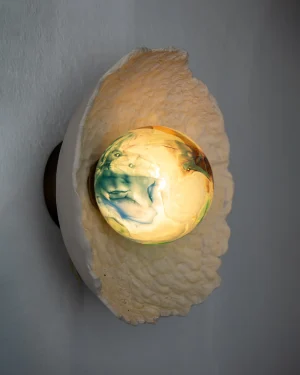 In stock
Asea No.16 Wall Sconce In Stoneware And Blown Glass
By Ceren Gürkan
€900 -

Lasso Floor Lamp In Stainless Steel And Glass
By Nitush and Aroosh
€2.850 -
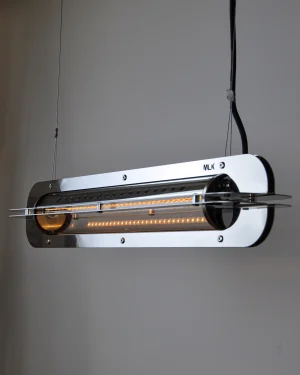
Pill600 Pendant Lamp In Mirror Stainless Steel
By MLK Furniture
€1.090 -
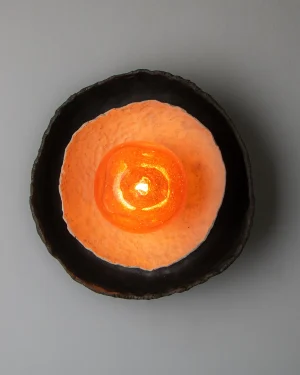 In stock
Asea No. 26 Red Wall Sconce In Blown Glass And Stoneware
By Ceren Gürkan
€1.100 -
Black Friday −15%

Asea No.40 Wall Sconce In Stoneware And Blown Glass
By Ceren Gürkan
€1.200 (−15% applied at checkout) -

Florance I Ceiling Lamp in Brass, Glass and Fabric
By Atelier Alz
€575 -

Marsha 01 Pendant Lamp in Glass and Steel
By MESEME by Riya Panchal
€839 -
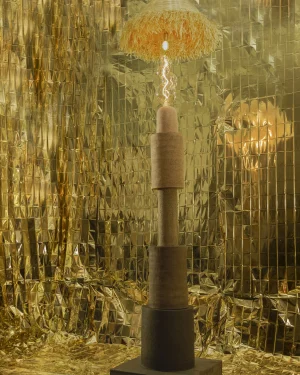 In stock
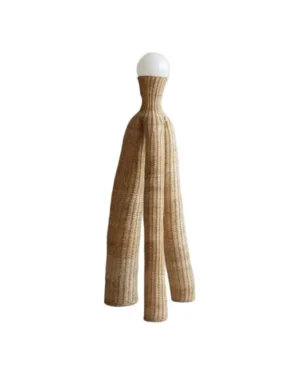
Thulani Floor Lamp in Terracotta and Rattan
By UAU Studio
€3.400 -

Mingling Table Lamp in Blown Glass
By Sticky Glass
€6.867 - €7.331 -
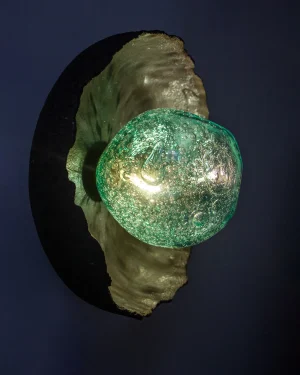 In stock
Asea No. 12 Green Wall Sconce In Stoneware And Blown Glass
By Ceren Gürkan
€800 -

Collier S1 Wall Sconce in Glass and Aluminum
By Darka
€1.050 -

Pill1200 Floor Lamp In Stainless Steel
By MLK Furniture
€1.690 -
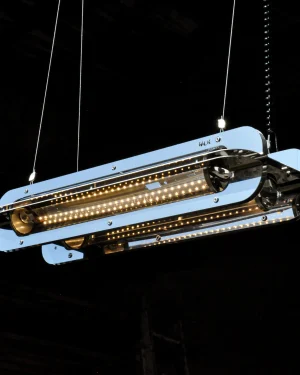
Pill600x2 Pendant Lamp In Mirror Stainless Steel
By MLK Furniture
€1.890 -
 In stock
Large Pendant Lamp in Blown Glass and Textiles
By SVITANOK
€375 - €500 -
Black Friday −15%

The Mesia Table Lamp In Ceramics And Glass
By Luis Gimeno Design
€1.600 (−15% applied at checkout) -
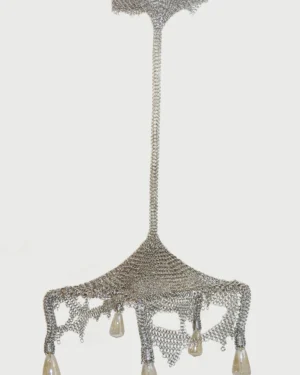
Chainmail Cobweb Chandelier In Glass And Steel
By Panorammma Atelier
€4.250 -
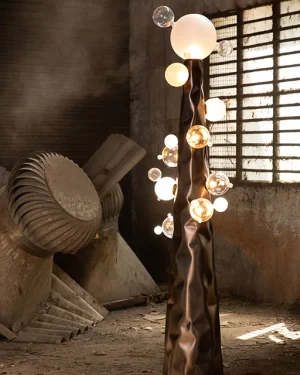 In stock
Molecule Floor Lamp In Stainless Steel And Blown Glass
By Nitush and Aroosh
€4.850 -

Bright Side Table Floor Lamp in Glass and Stainless Steel
By Ziroru Studio
€1.485 -
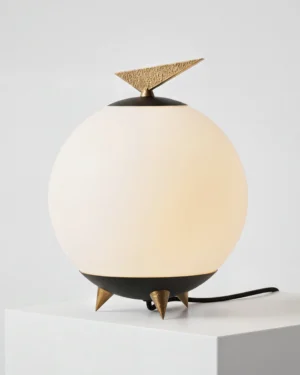 In stock
Eoni Table Lamp In Steel, Brass And White Glass
By Balance Lamp
€410 -
 In stock
Root No. 3 Wall Sconce In Steel, Paper And Glass
By Natalie Dubrovska
€1.573 -
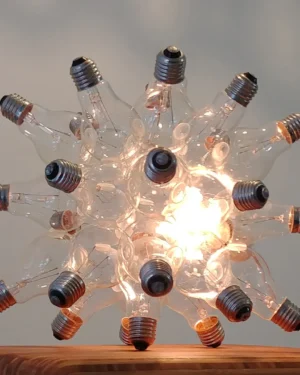 In stock
“spare” Table Lamp Constructed From 26 Lightbulbs
By JAN PAUL
€220 -

Kalia Table Lamp in Glass and Resin
By Justyna Poplawska
€536 -
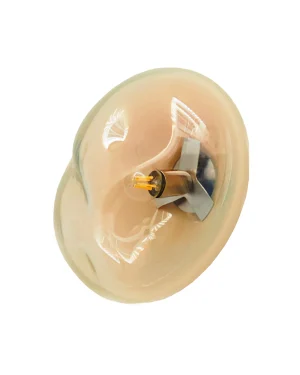
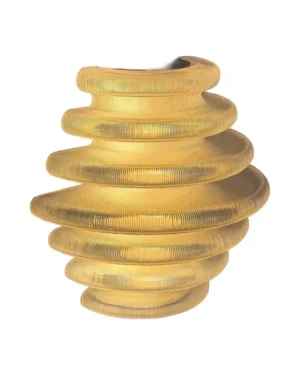
Haumea Amorph Wall Sconce In Amber Blown Glass
By ELOA - Unique Lights
€2.330 - €4.085 -
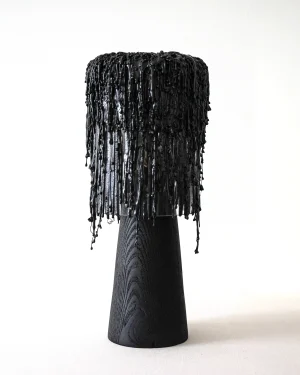
Leaky Lamp III Table Lamp in Ash Wood and Biomaterial
By Pablo Ejarque-González
€1.085 -
Black Friday −15%

Fractical Neon Table Lamp In Glass
By Dace Sūna
€1.000 (−15% applied at checkout) -
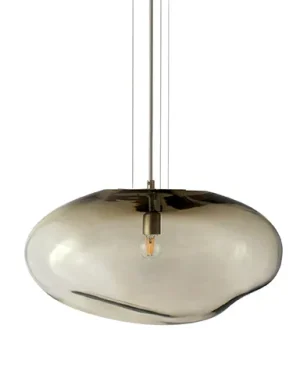
Haumea Amorph Pendant Lamp (silver Smoke) In Blown Glass
By ELOA - Unique Lights
€2.330 - €4.085 -
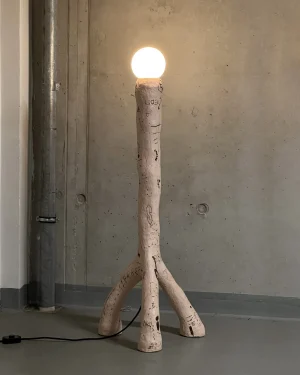 In stock
Tattooed Shining Creature Floor Lamp In Paper And Steel
By David Čáp
€1.400 -
 In stock
Nova Wall Sconce In Blown Glass And Steel
By Ceren Gürkan
€700 -
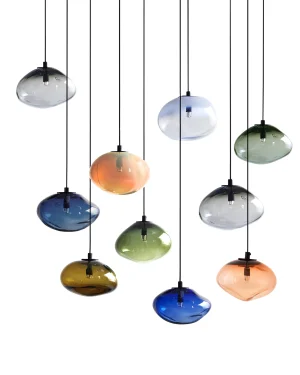
10 Starglow Pendant Lamp In Blown Glass
By ELOA - Unique Lights
€12.980 - €13.270 -
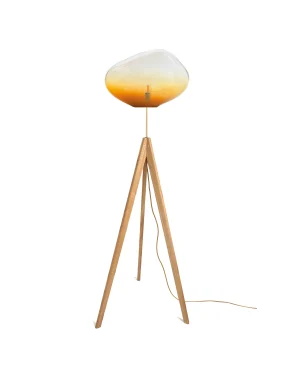
Statix Amber Iridescent Floor Lamp In Blown Glass
By ELOA - Unique Lights
€6.360 - €6.910 -
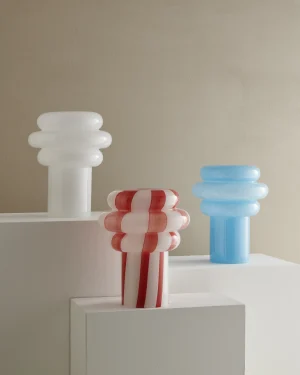 In stock
Lolli Table Lamp in Blown Glass
By Studio Monsoleil
€700 - €900 -

Collier P2 Ceiling Lamp in Glass and Aluminum
By Darka
€1.950 -
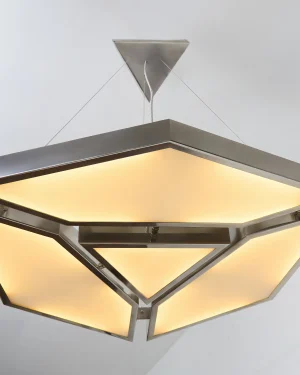
Alban Chandelier in Stainless Steel and Glass
By Nathan Chintala
€5.066
Glass lighting on ADORNO comes from studios working in blown, cast and hand-built glass, each approach giving a different relationship between the shade and the bulb inside it. Some pieces are blown into soft, irregular forms with a single breath of air, others cast in molds for a heavier, more architectural result. What they share is a material that does not block light so much as negotiate with it, scattering, magnifying or softening it depending on thickness and finish.
What defines glass as a lighting material
Glass behaves differently from metal or ceramic shades because it is never fully opaque. Even deeply colored or sandblasted surfaces let some light pass through, so a glass pendant or table lamp tends to glow rather than simply illuminate. Clear glass throws sharp, direct light and shows the bulb itself; amber, gray or bronze tints warm the light and blur the filament into a softer halo.
Thickness and surface treatment change the character further. Thin, hand-blown walls catch small imperfections and air bubbles that scatter light unevenly, which is part of the appeal rather than a flaw. Thicker cast pieces hold more weight and diffuse light more evenly, often used where a steadier, more ambient glow is wanted.
How glass lighting is made
Glassblowing remains the most common technique behind the pieces found here: molten glass gathered on a blowpipe, shaped by breath and tooling while still hot, then annealed slowly to relieve stress in the material. Glass casting takes a different route, pouring or pressing glass into a mold for a denser, more uniform shape, often favored for bases, geometric shades or sculptural forms that would be difficult to blow freehand. Hand-building, less common but present among some makers, involves assembling glass elements cold, sometimes combined with metalwork or blacksmithing for structural frames, brass or stainless steel fittings, and aluminum or metal armatures that hold the glass in place.
The range of finishes, colors and editions
Color runs from clear and amber through smoked gray, bronze and black, each shifting how warm or cool the light reads in a room. Pieces pair glass with brass, stoneware, stainless steel or plastic components, and span styles from Mid-Century Modern and Art Deco silhouettes to Neo-Industrial and Futuristic forms, with plenty of Minimalist and Contemporary shapes in between.
- Open editions, made on a continuing basis by studios who keep the design in production
- Limited editions, produced in a fixed run before the mold or process is retired
- Unique pieces, each one blown or cast individually so no two are quite alike
Anyone drawn to a specific tint or technique can look through every glass piece on ADORNO to compare how different studios treat the same material.
Choosing a piece and where it works
Scale matters more with glass than with most materials, since a shade that is too large can look heavy despite being visually light. Measure the space above a dining table or beside a bed before choosing a pendant or lamp, and consider hanging or placement height so the glass sits at eye level rather than overhead glare. A clear or lightly tinted shade suits a reading corner where direct light helps, while a smoked or amber finish works well in a living room or bedroom where a softer glow is wanted in the evening.
Glass lighting fits equally into living room lighting and bedroom lighting, and reads well against both pared-back and warmer, textured interiors. Those building a quieter scheme might look at minimalist lighting for simpler forms, while anyone wanting the broader picture can start from all lighting before narrowing down to glass.
Care
Glass is stable against sunlight and does not yellow or fade, but it chips and cracks if knocked, so pieces are best kept away from high-traffic edges. Dust with a soft, dry cloth and avoid abrasive cleaners that can scratch sandblasted or colored surfaces. Let bulbs cool before handling a shade, since sudden temperature changes can stress glass that has already been annealed once in the making.
How do I choose the right glass light fixture?
Think about the quality of light you want: clear glass throws sharp, direct light, while amber, gray or bronze tints soften it into a warmer glow. Blown glass scatters light unevenly for character, cast glass diffuses it more steadily.
How do you clean and care for glass lighting?
Dust with a soft, dry cloth and clean fingerprints with a damp cloth and mild soap, avoiding abrasive cleaners that can dull the surface. Let bulbs cool before handling, since sudden temperature changes can stress glass.
What size glass light should I get for a room?
Larger, thicker glass shades suit open living areas where steady, ambient light is wanted, while smaller blown pieces work well as focused task or accent lighting. The maker can confirm exact dimensions on the piece's page.
Which rooms suit glass lighting best?
Glass lighting works wherever its glow adds character rather than flat illumination, from dining tables and living rooms to bedside tables and hallways. Clear glass suits reading areas, tinted glass suits spaces meant to feel warmer.
Is glass lighting fragile and hard to ship?
Glass is more fragile than metal or ceramic, so it travels in reinforced, custom packing. Shipping is insured and worldwide, and any damage in transit is covered.
What is ADORNO's return and authenticity policy for glass lighting?
A 14-day return policy applies, though made-to-order pieces are excluded. Every piece ships with a certificate of authenticity and a lowest-price guarantee.