
-
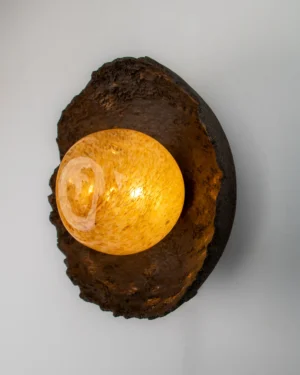 In stock
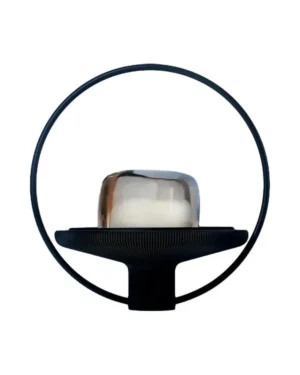
Asea No. 23 Dark Honey Wall Sconce in Stoneware and Glass
By Ceren Gürkan
€800 -
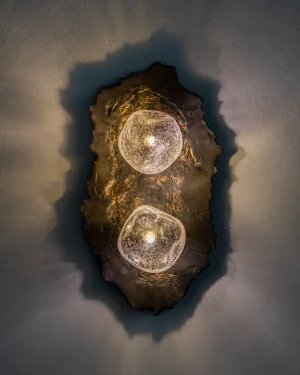 In stock
Asea No. 25 Wall Sconce In Blown Glass And Stoneware
By Ceren Gürkan
€1.100 -
Black Friday −15%
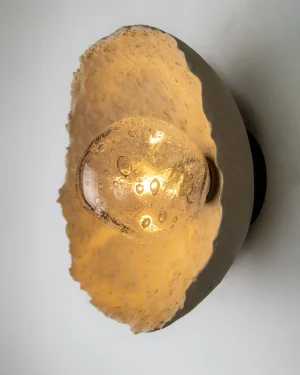
Asea No. 23 Wall Sconce In Stoneware And Blown Glass
By Ceren Gürkan
€800 -

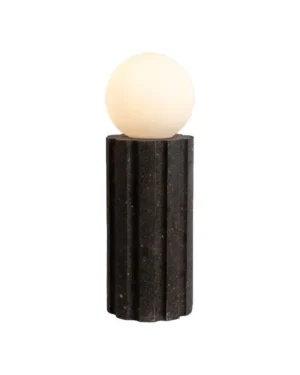
Rakis Lite Table Lamp – Black Stoneware Ceramic
By Catalin Filip
€455 -
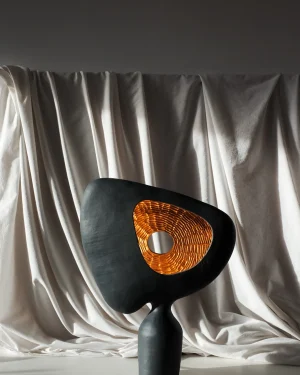
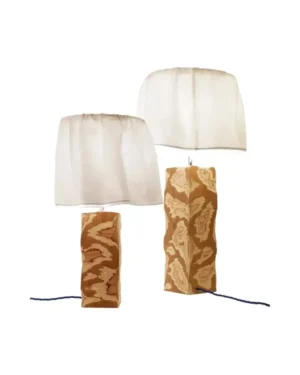
Olethros Table Lamp in Stoneware
By Andrei Clontea STUDIO
€1.000 -
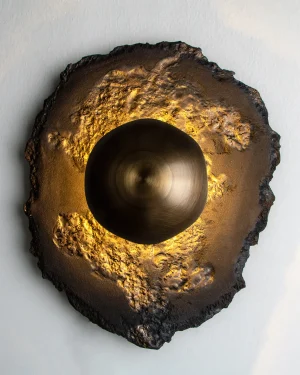 In stock
Asea No. 7 Wall Sconce In Stoneware And Brass
By Ceren Gürkan
€800 -
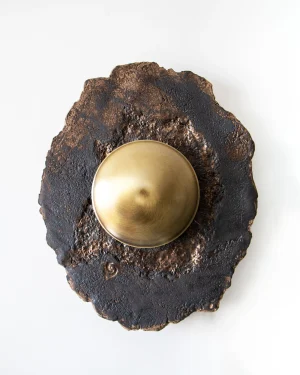 In stock
Asea No. 10 Wall Sconce In Stoneware And Brass
By Ceren Gürkan
€900 -
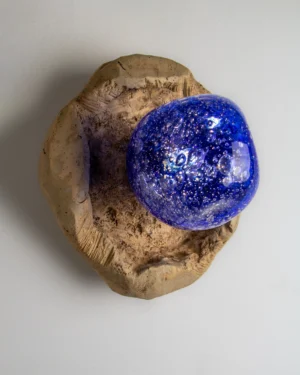 In stock
Asea No.13 Wall Sconce In Stoneware And Blown Glass
By Ceren Gürkan
€1.300 -
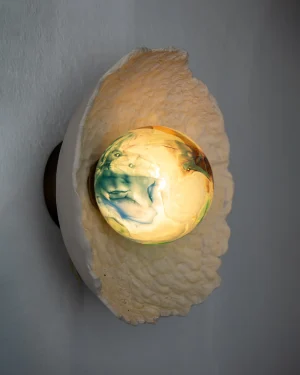 In stock
Asea No. 17 Wall Sconce In Stoneware And Blown Glass
By Ceren Gürkan
€900 -
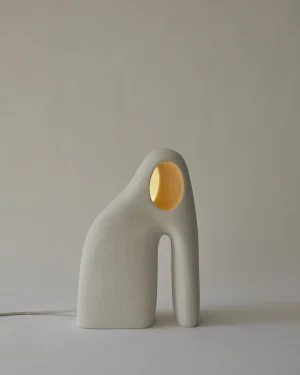
Nomad Ⅱ:02 Table Lamp in Stoneware
By SK - Sofia Karnukaeva
€2.480 -
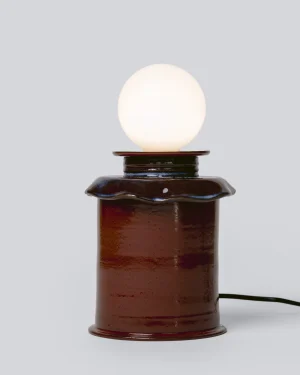
Baby Tutu Table Lamp in Glazed Stoneware
By Slō
€750 -
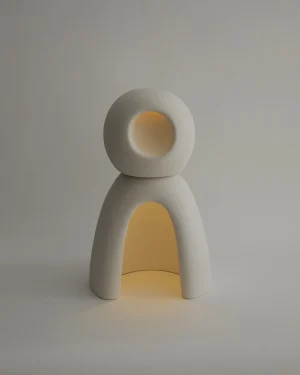
Nomad Ⅱ:09 Table Lamp in Ceramics and Stoneware
By SK - Sofia Karnukaeva
€2.780 -
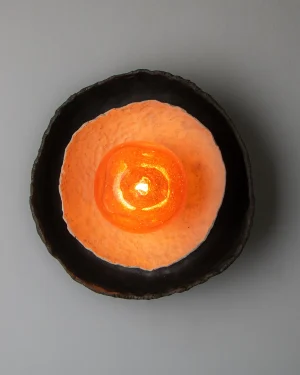 In stock
Asea No. 26 Red Wall Sconce In Blown Glass And Stoneware
By Ceren Gürkan
€1.100 -
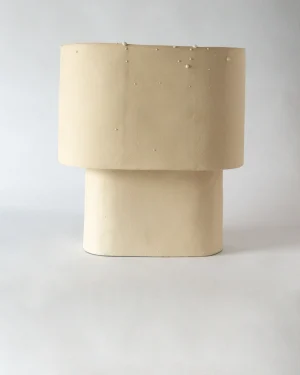 In stock
Lampe Beige Large Table Lamp in Glazed Stoneware
By Huillet Lucas
€1.900 -
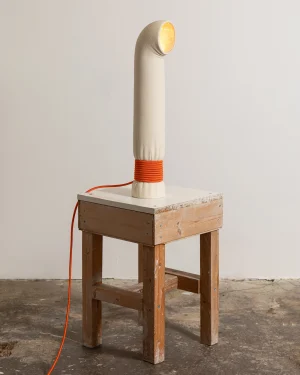
Knotto_01 Table Lamp In Glazed Stoneware And Synthetic Fibers
By Catalin Filip
€800 -
 In stock
La Bergère Table Lamp In Glazed Ceramic
By Mina Wright
€686 -
Black Friday −15%

Asea No.40 Wall Sconce In Stoneware And Blown Glass
By Ceren Gürkan
€1.200 -
Black Friday −15%

El Joyero De Odette Table Lamp In Stoneware
By Mina Wright
€810 -
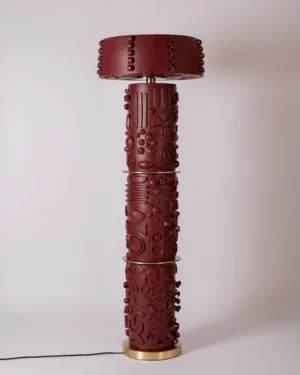
Sculpt Floor Lamp In Hand-built Stoneware
By Harshita Jhamtani Designs
€7.880 -
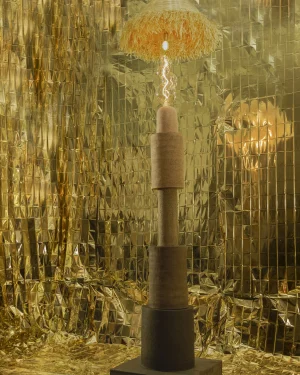 In stock
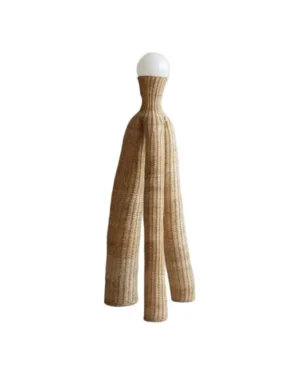
Thulani Floor Lamp in Terracotta and Rattan
By UAU Studio
€3.400 -
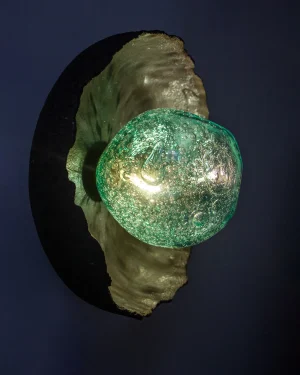 In stock
Asea No. 12 Green Wall Sconce In Stoneware And Blown Glass
By Ceren Gürkan
€800 -
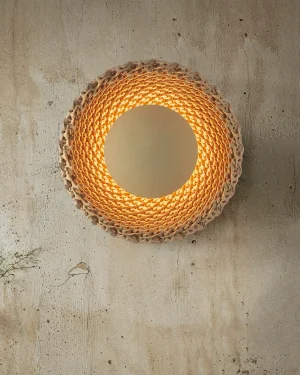 In stock
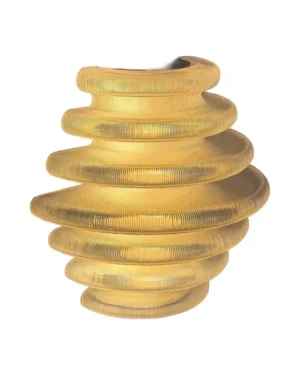
Sun V2-b – 3d Printed Wall Lamp
By Rollo Studio
€6.049 -

Motion — Sculptural Wall Light In Ceramics
By Katia Langeard
€700 -

Layered Landscape – Ceramic Wall Lights
By Katia Langeard
€450 -
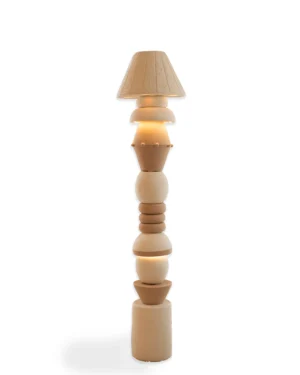
Totem Floor Lamp In Stoneware And Clay Paste
By Harshita Jhamtani Designs
€2.570 -
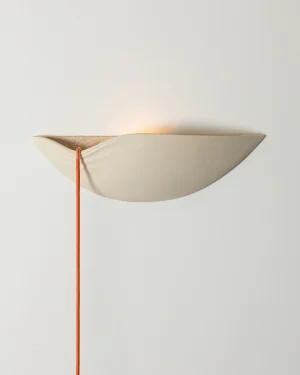
Loma Wall Sconce In Stoneware
By Catalin Filip
€450 -

Too 60 Sculptural Ceramic Floor Lamp
By Katia Langeard
€1.200 -
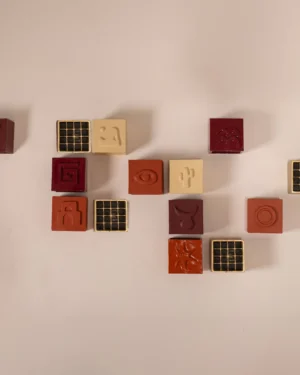
Oasis Wall Light In Hand-sculpted Stoneware
By Harshita Jhamtani Designs
€410 -
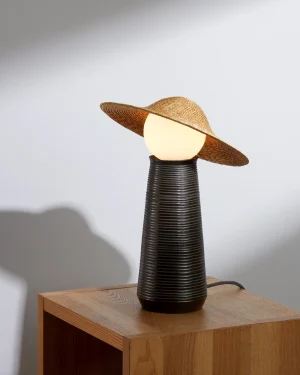 In stock
Théros Orbita Table Lamp
By Studio Aristotelis Barakos
€590 - €780 -
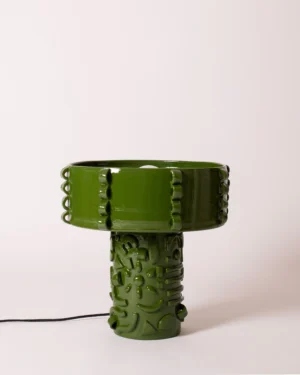
Sculpt Table Lamp In Glazed Stoneware
By Harshita Jhamtani Designs
€3.600 -
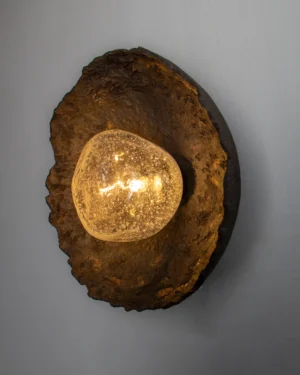
Asea No. 23 Dark Wall Sconce in Stoneware and Blown Glass
By Ceren Gürkan
€800 -
10% off
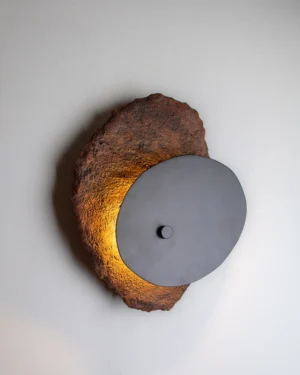
Asea No. 1 Cherry Dark Wall Sconce in Stoneware and Metal
By Ceren Gürkan
€1.000€900 -
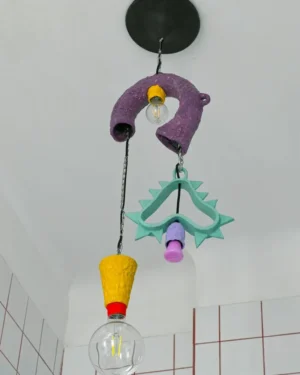 In stock
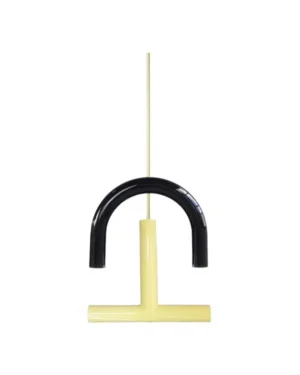
“Chanka-Hanka” Mobile Chandelier in Stoneware and Metal
By UAU Studio
€2.000 -
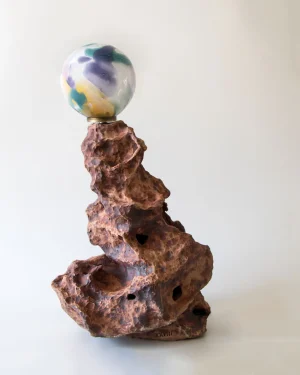 In stock
Abyss No. 28 Sculptural Table Lamp In Stoneware
By Ceren Gürkan
€1.400 -
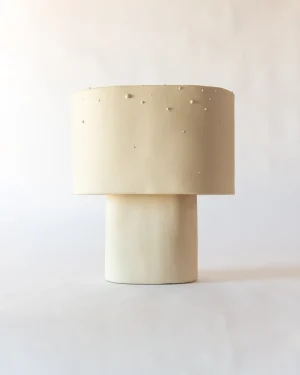
Lampe Beige Medium Table Lamp in Glazed Stoneware
By Huillet Lucas
€1.300 -
 In stock
Asea No. 26 Pink Wall Sconce In Stoneware And Blown Glass
By Ceren Gürkan
€1.000 -
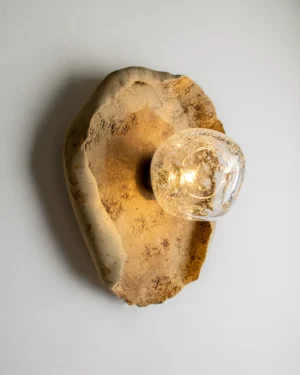 In stock
Asea No. 41 Wall Sconce in Stoneware and Blown Glass
By Ceren Gürkan
€1.000 -

My Stone Flower Ceramic Wall Light
By Katia Langeard
€380 -
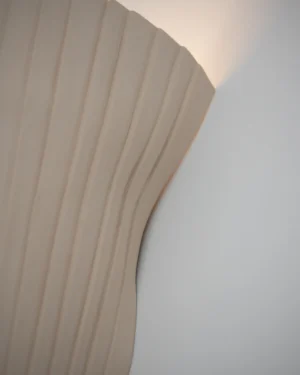 In stock
Tenderness Sconce | Large
By Studio Ēeme
€1.300 -
10% off
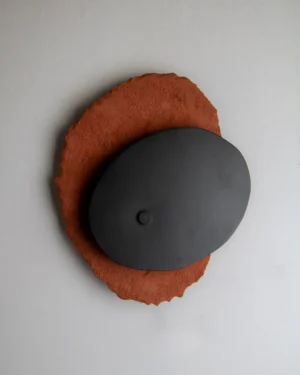
Asea No.1 Cherry Wall Sconce In Stoneware And Metal
By Ceren Gürkan
€1.000€900 -
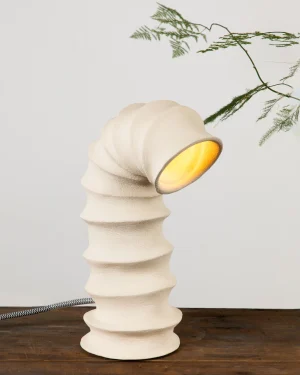
Rakis Lite – Table Lamp In White Stoneware
By Catalin Filip
€455 -
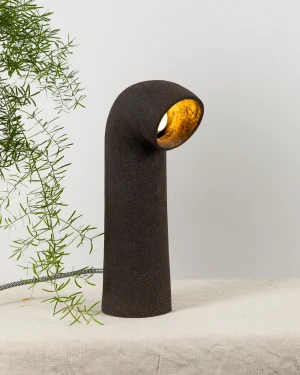
Melo C Table Lamp In Black Ceramic
By Catalin Filip
€270 -
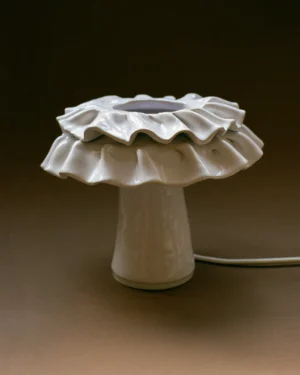 In stock
Lulu Table Lamp In Stoneware
By Mina Wright
€670 -
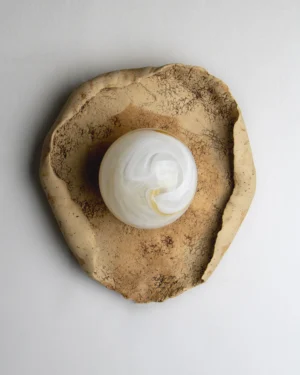 In stock
Asea No. 41 Pearl Wall Sconce in Stoneware and Blown Glass
By Ceren Gürkan
€1.000 -
10% off
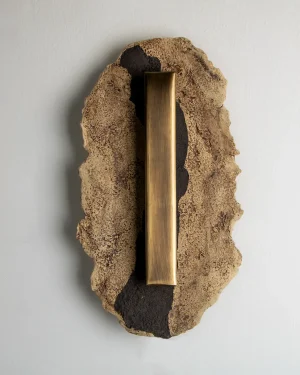
Asea No. 6 Wall Sconce In Stoneware And Brass
By Ceren Gürkan
€900€810 -
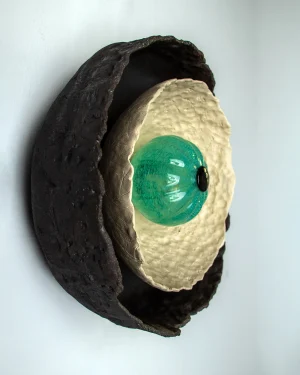 In stock
Asea No. 26 Eye Wall Sconce In Porcelain And Blown Glass
By Ceren Gürkan
€1.100 -

Canyon Table Lamp In Ceramics
By Katia Langeard
€900 -
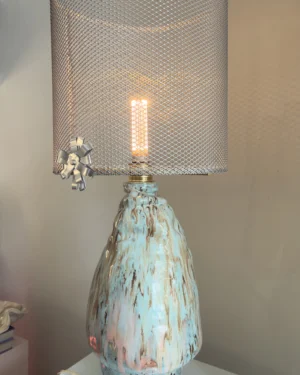 In stock
Veil Iii Tide Table Lamp In Aluminum And Ceramics
By Hania Jneid Design Studio
€2.900 -
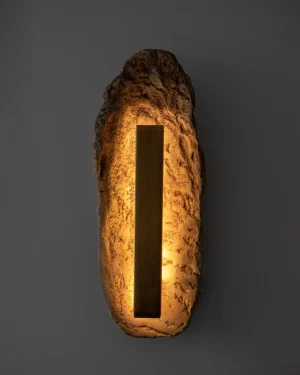 In stock
Asea No. 2 Wall Sconce In Stoneware And Brass
By Ceren Gürkan
€1.000 -
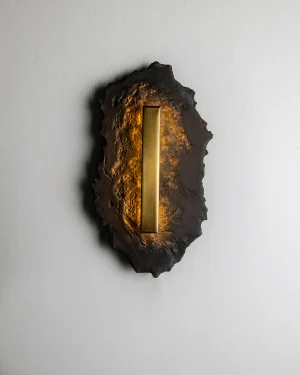 In stock
Asea No. 16 Wall Sconce In Stoneware And Brass
By Ceren Gürkan
€900 -
 In stock
Abyss No. 1 Pendant Lamp In Stoneware
By Ceren Gürkan
€900 -
 In stock
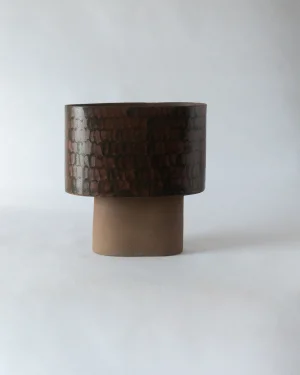
Lampe Brown Small Table Lamp in Glazed Stoneware
By Huillet Lucas
€1.100 -
20% off

My Stone Flower 2 Ceramic Table Lamp
By Katia Langeard
€1.000€800 -
 In stock
Abyss No. 31 Sculptural Table Lamp In Stoneware
By Ceren Gürkan
€1.400
Stoneware lighting starts with clay dense enough to hold a heavy glaze and an open flame of color, then rises through hand-building or wheel throwing before firing locks the form in place. Studios working in this material pair the fired clay body with brass fittings, blown glass diffusers or stone bases, so one lamp carries both the weight of earth and the precision of metalwork. Set beside the rest of lighting on ADORNO, these pieces read as objects first and fixtures second.
What defines stoneware lighting
Stoneware fires at high heat, which vitrifies the clay and leaves it dense, heavy for its size and resistant to chipping once cooled. That density is what lets a base carry real weight without tipping, and what gives the surface its particular, slightly grainy touch even under a glossy glaze.
Glaze is where each lamp earns its character. White, black, amber, brown, ochre and beige glazes pool thicker in the grooves left by hand-building and thin out over raised ridges, so no two firings read quite the same, even from a single mold. Black and white combinations and silver glazes tend to sharpen the form's edges, while ochre and amber soften it.
The range of materials, finishes and editions
Across the full range of stoneware pieces on ADORNO, the clay body rarely stands alone. Expect it set against:
- Brass or other metalwork, for stems, rings and hardware that take on their own patina over time
- Blown glass, for diffusers and shades that soften the light the stoneware base throws
- Stone or beech wood, for grounding plinths and bases
- Hand-building, wheel throwing, glazing, sculpting and hand assembly, often combined within one lamp
Editions run from open runs produced to a standing design, through limited editions fired in small, declared batches, to unique pieces that exist as single objects. Where a listing states a limited run or a one-off, that status comes from the glaze work and hand finishing, not from scarcity alone. The same clay bodies and glazes extend into other stoneware pieces, including vessels and vases filed under stoneware decor.
How to choose a stoneware lamp
Scale first: a dense clay base reads as substantial even at a modest height, so measure the surface it will stand on before the lamp itself. A table lamp needs enough surface depth to sit back from the edge; a floor lamp needs floor space clear of traffic.
Finish second: matte and unglazed stoneware absorb light and recede into a room, while glossy or pale glazes bounce it and draw the eye. Among the stoneware lamps built for tables and floors, pick a glaze that either matches or deliberately breaks from the surrounding palette, since the clay's texture will carry either choice well.
Where stoneware lighting fits in a room
Dense, grounded forms suit rooms where a lamp is meant to be looked at as well as switched on. A table lamp with a thick stoneware base anchors a console or sideboard in a living room; a stoneware wall sconce takes the same weight off the floor and onto a hallway or bedroom wall, where its shadow and glaze texture catch low light.
Bathrooms and kitchens call for glazed rather than raw stoneware, since a sealed surface resists moisture far better than an unglazed one.
Caring for stoneware fixtures
Wipe glazed stoneware with a dry or barely damp cloth; avoid soaking a base where the glaze meets any wiring or metal fitting. Unglazed or partly glazed surfaces can stain if liquid sits on them, so keep these lamps away from direct splash zones. Handle by the body rather than any shade or glass fitting, since the clay carries the weight and the attachments do not.
How do I choose a stoneware lamp?
Look at the base first, since its weight and footprint decide where the lamp can stand, then let the glaze color set the mood, from pale white and beige to deep black or amber.
Is stoneware lighting hard to maintain?
No. Wipe the fired clay body with a dry or slightly damp cloth, avoid abrasive cleaners on the glaze, and keep brass or metal fittings away from excess moisture to slow patina.
What size stoneware lamp suits a table or floor?
Table lamps generally sit low and dense enough to anchor a side table, while floor versions carry more height and weight; check each listing or chat with the maker for exact dimensions.
Which rooms work best with stoneware lighting?
The weight and texture of stoneware suit living rooms and bedrooms where a lamp can stand still and hold attention, though sealed glazes also tolerate bathroom humidity well.
Can I order a custom stoneware lamp?
Some studios take custom requests for glaze color or scale; chat with the maker on the piece's page to ask directly, since this varies by studio and edition.
How does shipping, returns and authenticity work at ADORNO?
Shipping is insured and worldwide, returns are accepted within 14 days except on made-to-order pieces, and every lamp arrives with a certificate of authenticity plus a lowest-price guarantee.