
-
 In stock
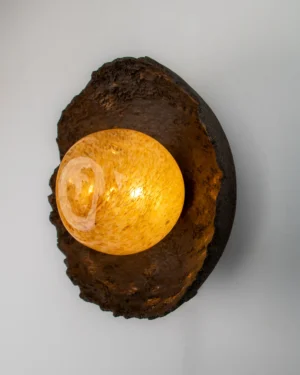
Asea No. 23 Dark Honey Wall Sconce in Stoneware and Glass
By Ceren Gürkan
€800 -
 In stock
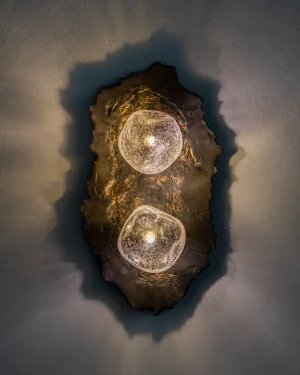
Asea No. 25 Wall Sconce In Blown Glass And Stoneware
By Ceren Gürkan
€1.100 -
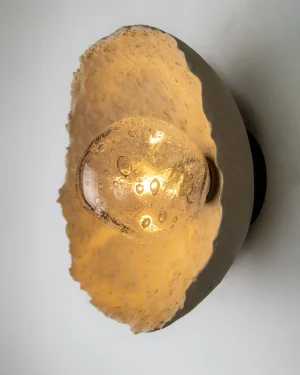 In stock
Asea No. 23 Wall Sconce In Stoneware And Blown Glass
By Ceren Gürkan
€800 -
 In stock
Asea No. 7 Wall Sconce in Stoneware and Brass
By Ceren Gürkan
€900 -
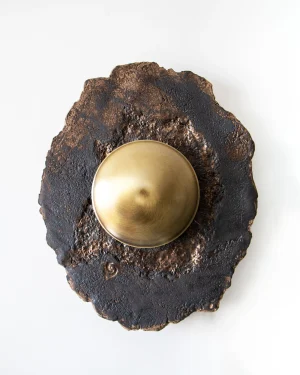 In stock
Asea No. 10 Wall Sconce in Stoneware and Brass
By Ceren Gürkan
€900 -
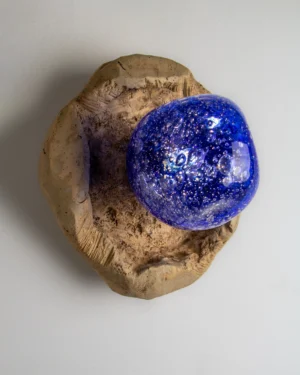 In stock
Asea No.13 Wall Sconce in Stoneware and Blown Glass
By Ceren Gürkan
€1.300 -
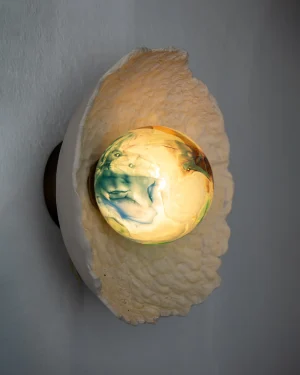 In stock
Asea No. 17 Wall Sconce In Stoneware And Blown Glass
By Ceren Gürkan
€900 -
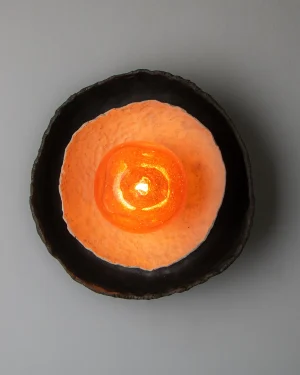
Asea No. 26 Red Wall Sconce in Blown Glass and Stoneware
By Ceren Gürkan
€1.100 -
 In stock
Asea No.40 Wall Sconce In Stoneware And Blown Glass
By Ceren Gürkan
€1.200 -
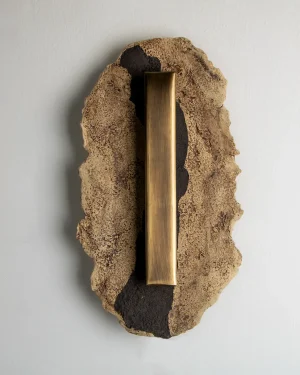 In stock
Asea No. 6 Wall Sconce in Stoneware and Brass
By Ceren Gürkan
€900 -
 In stock
Asea No. 12 Green Wall Sconce In Stoneware And Blown Glass
By Ceren Gürkan
€800 -

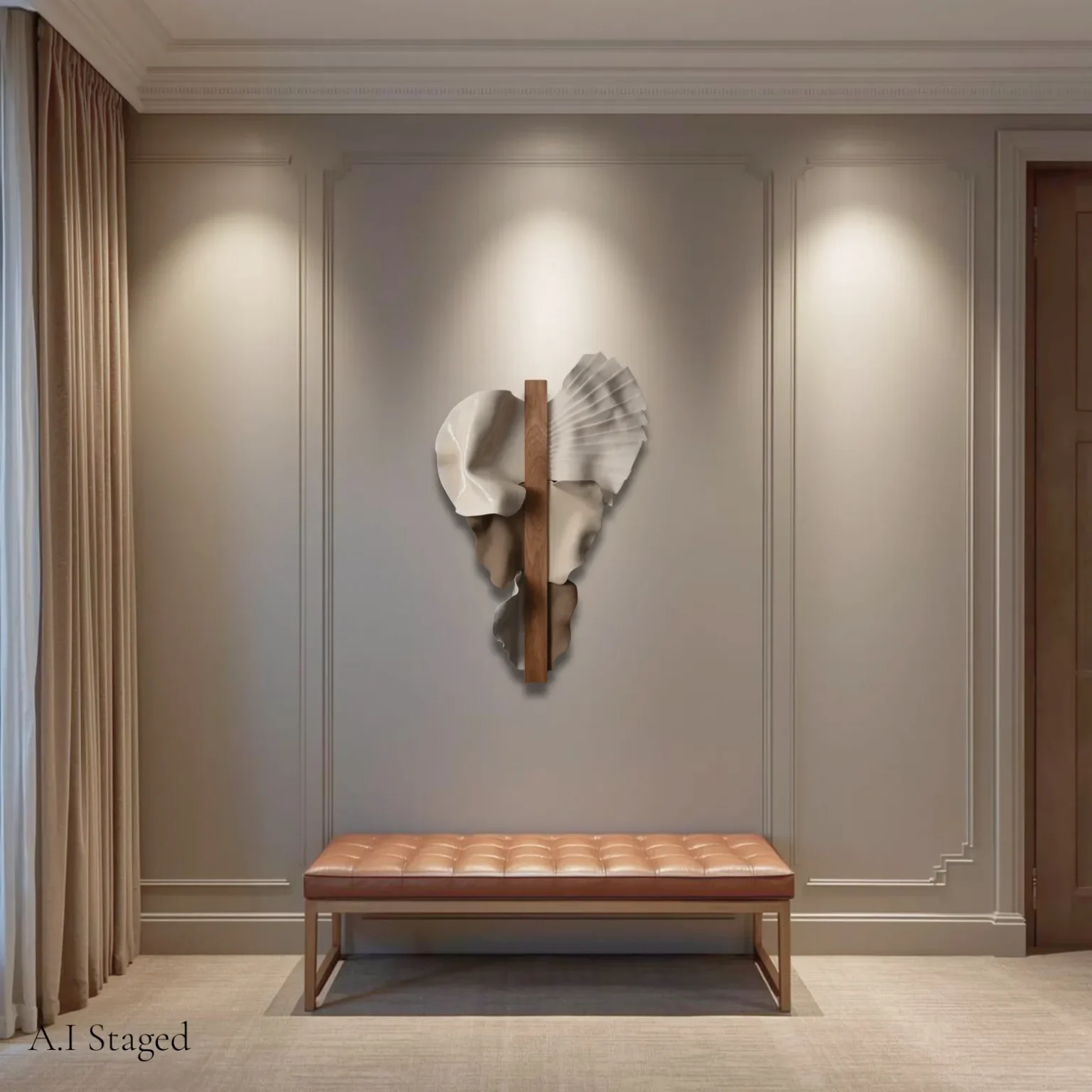
Motion — Sculptural Wall Light
By Katia Langeard
€700 -
 In stock
Asea No. 35 Wall Sconce In Stoneware And Blown Glass
By Ceren Gürkan
€1.000 -
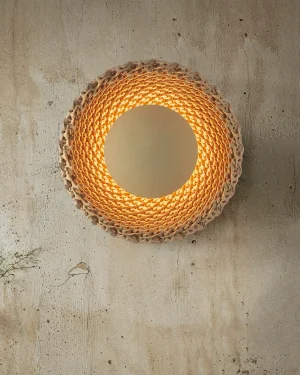 In stock
Sun V2-b – 3d Printed Wall Lamp
By Rollo Studio
€6.049 -
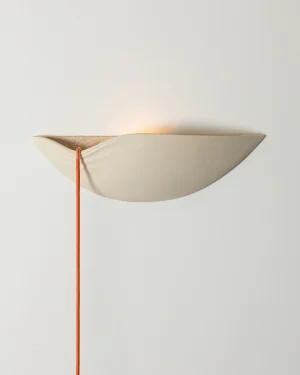
Loma Wall Sconce In Stoneware
By Catalin Filip
€450 -
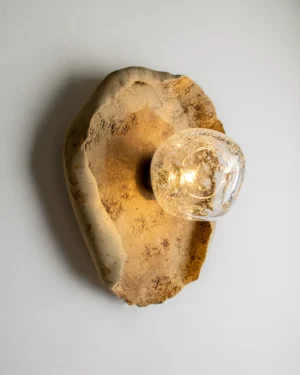 In stock
Asea No. 41 Wall Sconce in Stoneware and Blown Glass
By Ceren Gürkan
€1.000 -
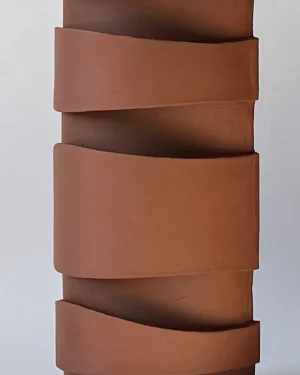
Layered Landscape – Ceramic Wall Lights
By Katia Langeard
€450 -
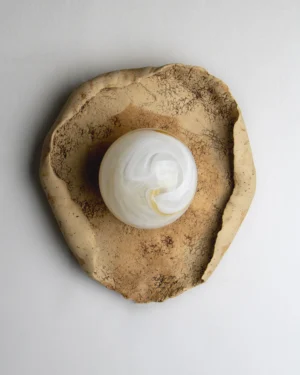 In stock
Asea No. 41 Pearl Wall Sconce in Stoneware and Blown Glass
By Ceren Gürkan
€1.000 -
10% off
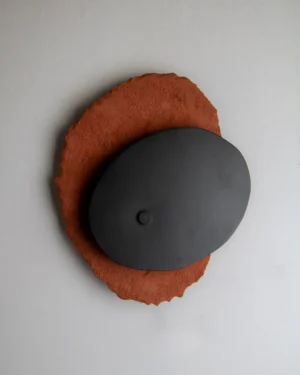
Asea No.1 Cherry Wall Sconce In Stoneware And Metal
By Ceren Gürkan
€1.000€900 -

L’Été Ceramic Wall Light
By Katia Langeard
€380 -
10% off
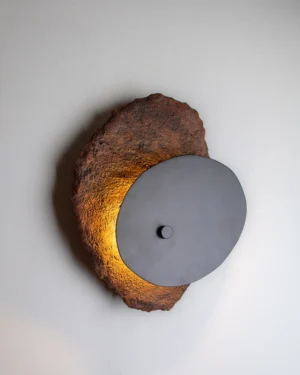
Asea No. 1 Cherry Dark Wall Sconce in Stoneware and Metal
By Ceren Gürkan
€1.000€900 -
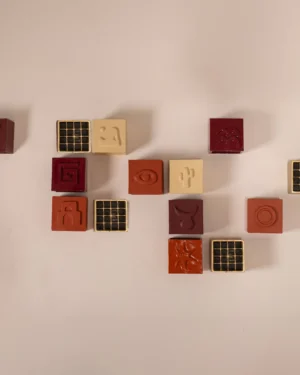
Oasis Wall Light In Hand-sculpted Stoneware
By Harshita Jhamtani Designs
€410 -
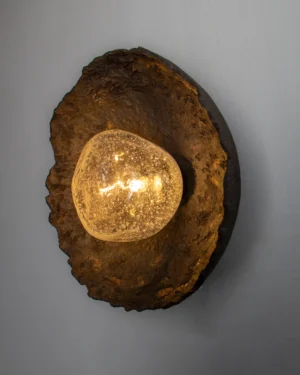
Asea No. 23 Dark Wall Sconce in Stoneware and Blown Glass
By Ceren Gürkan
€800 -
 In stock
Asea No. 26 Pink Wall Sconce in Stoneware and Blown Glass
By Ceren Gürkan
€1.000 -
 In stock
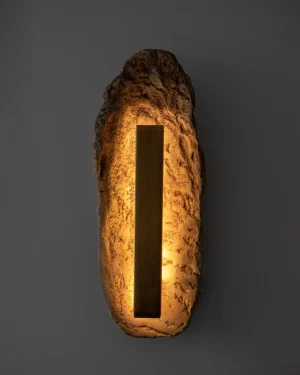
Asea No. 2 Wall Sconce in Stoneware and Brass
By Ceren Gürkan
€1.000 -
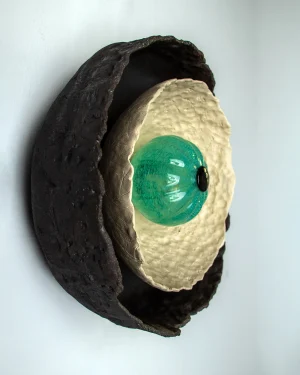 In stock
Asea No. 26 Eye Wall Sconce in Porcelain and Blown Glass
By Ceren Gürkan
€1.100 -
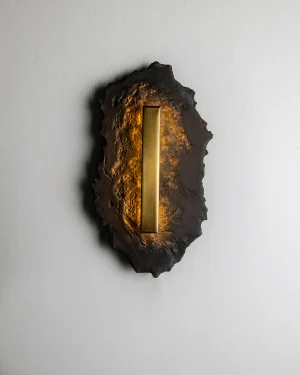 In stock
Asea No. 16 Wall Sconce in Stoneware and Brass
By Ceren Gürkan
€900 -
 In stock
Asea No. 20 Wall Sconce in Stoneware and Brass
By Ceren Gürkan
€700 -
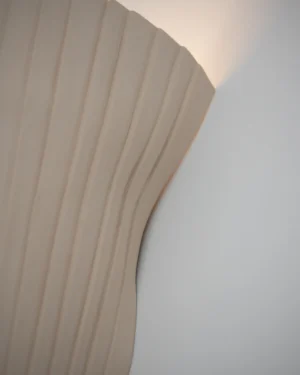 In stock
Tenderness Sconce | Large
By Studio Ēeme
€1.300 -
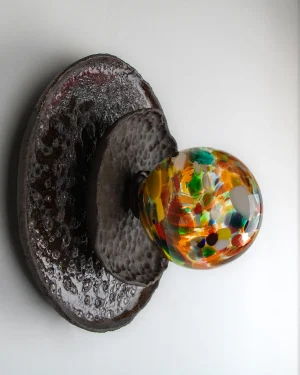 In stock
Asea No. 34 Wall Sconce in Stoneware and Blown Glass
By Ceren Gürkan
€1.000 -
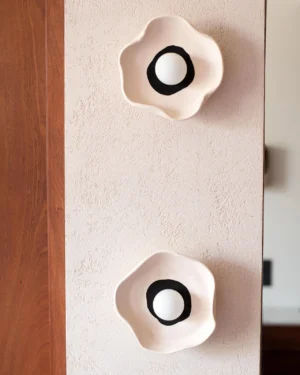
Flower Wall Sconce In Stoneware
By Harshita Jhamtani Designs
€360 -
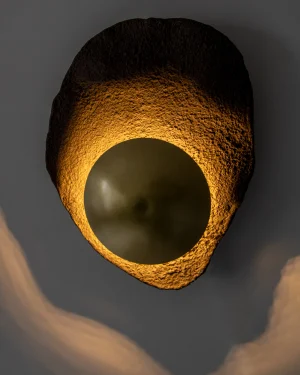 In stock
Asea No. 8 Wall Sconce in Stoneware and Brass
By Ceren Gürkan
€700 -
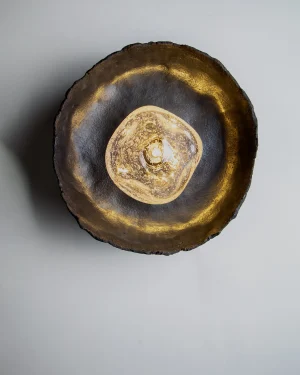 In stock
Asea No. 12 Wall Sconce In Stoneware And Blown Glass
By Ceren Gürkan
€800 -
 In stock
Asea No. 27 Blue Wall Sconce in Stoneware and Blown Glass
By Ceren Gürkan
€1.000 -
 In stock
Asea No. 35 Moss Wall Sconce in Stoneware and Blown Glass
By Ceren Gürkan
€1.200 -
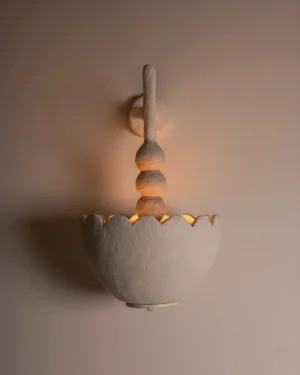
Scallop Wall Sconce In Stoneware And Clay
By Harshita Jhamtani Designs
€1.080 -
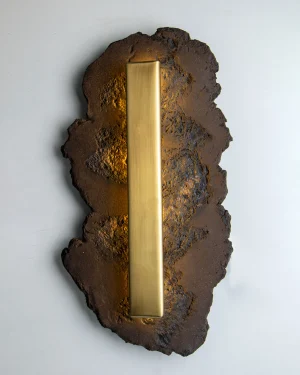 In stock
Asea No. 3 Wall Sconce in Stoneware and Brass
By Ceren Gürkan
€900 -
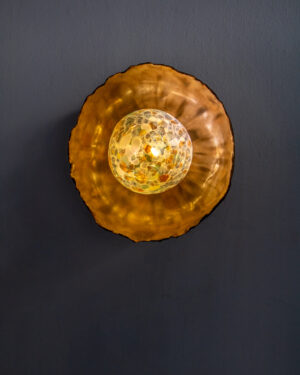 In stock
Asea No. 12 Sand Wall Sconce in Stoneware and Blown Glass
By Ceren Gürkan
€800 -
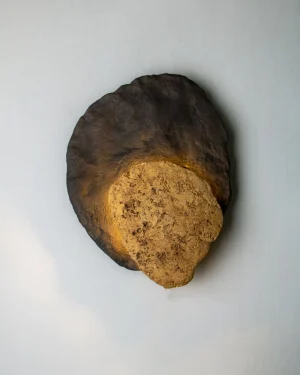 In stock
Asea No. 21 Wall Sconce in Stoneware
By Ceren Gürkan
€800 -
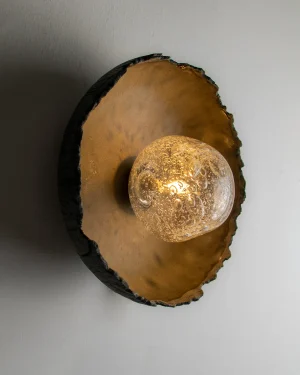
Asea No. 12 Moss Wall Sconce in Stoneware and Blown Glass
By Ceren Gürkan
€800 -
 In stock
Asea No. 14 Wall Sconce in Stoneware and Metal
By Ceren Gürkan
€900 -
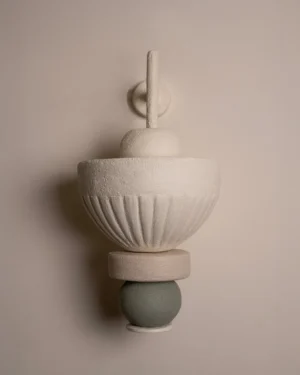
Pebble Wall Sconce In Stoneware And Clay
By Harshita Jhamtani Designs
€1.080 -
 In stock
Asea No. 4 Wall Sconce in Stoneware and Brass
By Ceren Gürkan
€700 -
 In stock
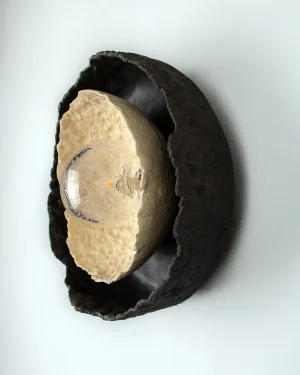
Asea No. 25 Wall Sconce in Porcelain and Blown Glass
By Ceren Gürkan
€1.100 -
 In stock
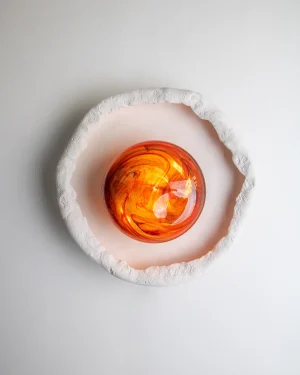
Asea No. 35 Wall Sconce in Porcelain and Blown Glass
By Ceren Gürkan
€1.200 -
 In stock
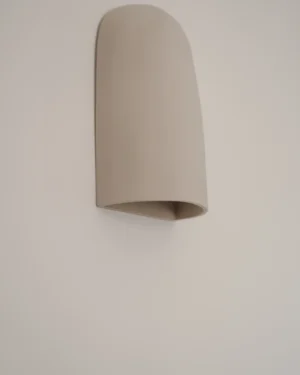
Arte Wall Sconce in Stoneware
By TERA CERAMIC
€290 -
 In stock
Asea No. 11 Wall Sconce in Stoneware and Brass
By Ceren Gürkan
€1.100 -
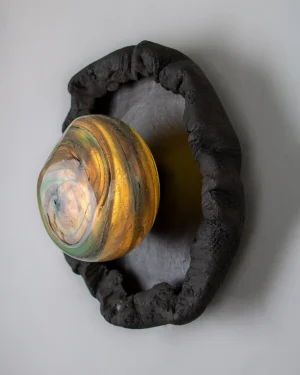 In stock
Asea No. 27 Wall Sconce in Stoneware and Blown Glass
By Ceren Gürkan
€1.000 -
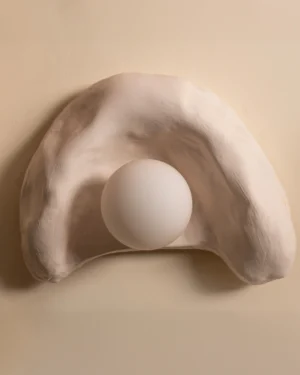
Mini Blob Wall Sconce In Stoneware
By Harshita Jhamtani Designs
€400 -
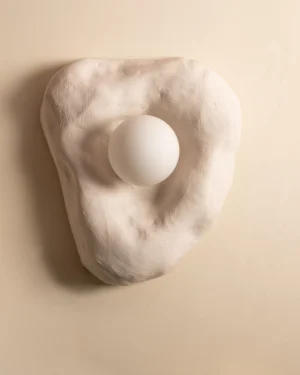
Blob Wall Sconce In Stoneware
By Harshita Jhamtani Designs
€450 -
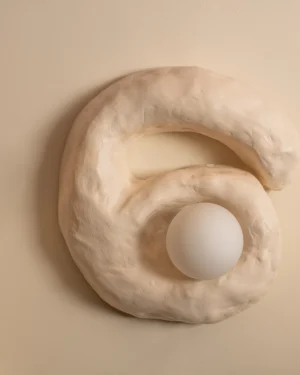
Spiral Wall Sconce In Stoneware
By Harshita Jhamtani Designs
€450 -
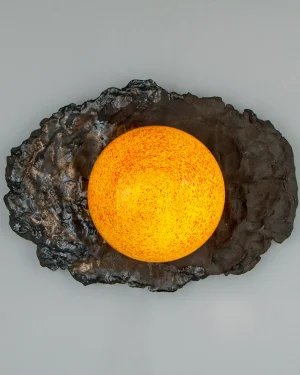 In stock
Asea No. 28 Wall Sconce in Stoneware and Blown Glass
By Ceren Gürkan
€1.200 -
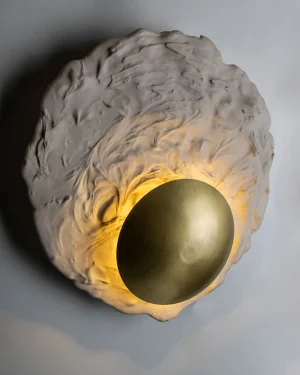 In stock
Asea No. 9 Wall Sconce in Stoneware and Brass
By Ceren Gürkan
€1.100 -
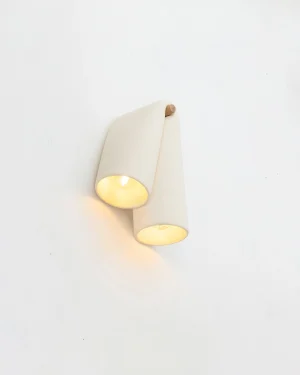
Melo Wall Sconce In Stoneware And Beech Wood
By Catalin Filip
€350
Stoneware wall sconces bring together dense, vitrified clay with the uneven surface that hand-building leaves behind, each piece shaped, fired and glazed by an independent studio rather than pressed from a mold. The clay body is fired at high temperature until it turns hard and non-porous, which is why stoneware holds its shape against heat from a bulb and resists the chipping that lighter earthenware shows over time. What reaches the wall carries a quiet weight, in both the literal sense and in how it reads against plaster.
What Defines Stoneware in a Wall Light
Stoneware sits between earthenware and porcelain: coarser than porcelain, heavier and more stable than earthenware. Hand-building, the technique most studios use for sconces, leaves faint ridges, thumb marks or a slightly uneven rim, so no two pieces glaze in exactly the same way even when the recipe is identical. That variation is the point, not a flaw to be smoothed out.
The Range of Finishes and Techniques on ADORNO
Alongside stoneware, the wider world of wall sconces includes blown glass, clay, brass, stone and beech wood, each handled with its own technique: glassblowing, metalwork, glazing, cabinetmaking, slip casting or sculpting. Stoneware pieces themselves run from matte, chalky off-white and beige surfaces to deeper burgundy and grey glazes, some left with the raw clay visible at an edge. Studios work mostly in open editions, so a given glaze or silhouette can be found again, though unique pieces also surface where a maker treats each sconce as a one-off.
Choosing Scale, Height and Finish
A stoneware sconce reads heavier than a metal or glass one of the same size, so scale matters more here than in other materials. Smaller, cup-shaped forms suit tight corners and narrow walls; wider, shell-like bodies need enough bare plaster around them to register as the object the eye lands on. Matte glazes absorb light and soften it against the wall, while glossier finishes throw a sharper, more directional glow.
- Hang at roughly eye level in hallways and entryways, where the light is meant to be seen as much as to see by
- Lower the fixture slightly either side of a bed, so the glazed surface, not the bulb, sits in view
- Leave at least a hand's width of wall around the piece so its texture stays legible from across the room
Where Stoneware Sconces Work
Because they throw light sideways rather than down, these pieces suit rooms where floor and tabletop space is already spoken for. In a bedroom, a pair flanking the bed replaces table lamps without adding clutter to a nightstand. In a hallway or entryway, stoneware's muted, earthen color sits comfortably against most wall tones, from raw plaster to painted drywall, and its texture catches light differently through the day. The same qualities carry it into a wabi-sabi or biophilic room, where an uneven, handmade surface is part of the intended look rather than something to disguise.
Living With and Caring for Stoneware
Glazed stoneware is close to non-porous once fired, so it resists moisture and does not absorb odors or oil from the air the way some unglazed ceramics do. Dust it with a dry or barely damp cloth; avoid abrasive cleaners on matte glazes, which can scratch the surface and dull the finish unevenly. Because the clay body is dense, these pieces carry real weight for their size, so wall anchors rated for the fixture matter more than they would with a lighter material.
For the full range of clay and ceramic lighting, including pieces that sit outside the sconce format, the stoneware material page gathers work across vessels, lamps and wall pieces from studios working in this material.
How do I choose a stoneware wall sconce?
Match the glaze to your wall color and the silhouette to how much light spread you want, since stoneware reads heavier and more textured than glass or metal.
How do you clean and care for a stoneware sconce?
Wipe the glazed surface with a dry or barely damp cloth, avoid abrasive cleaners on unglazed edges, and let any raw clay areas stay dry to prevent staining.
How high should a wall sconce be mounted?
Most sconces sit around eye level, roughly 60 to 65 inches from the floor, though hallways and stairwells often sit a few inches lower or higher depending on the space.
Which rooms suit stoneware wall sconces?
Their weight and texture work well in bedrooms, hallways and living rooms, anywhere a wall needs presence rather than a bright, even wash of light.
Does ADORNO ship stoneware sconces safely and offer returns?
Shipping is insured and worldwide, with a 14-day return policy on everything except made-to-order pieces, and every sconce arrives with a certificate of authenticity.
Can I order a custom stoneware sconce?
Some studios take custom glazes or sizes on request. Chat with the maker on the piece's page to confirm what is possible.