
-
 In stock
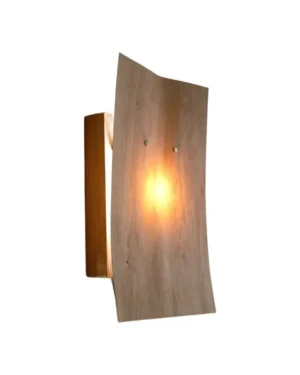
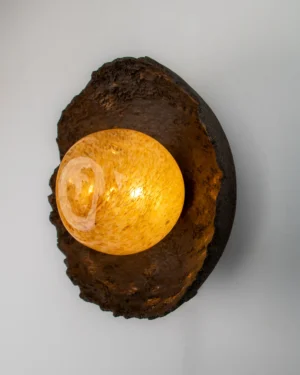
Asea No. 23 Dark Honey Wall Sconce in Stoneware and Glass
By Ceren Gürkan
€800 -
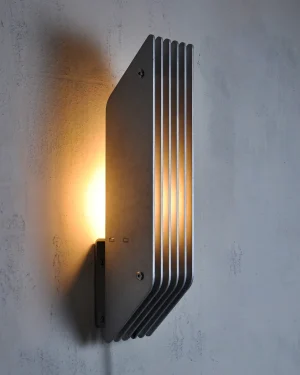
Rln460 Wall Lamp In Matte Aluminium
By MLK Furniture
€390 -
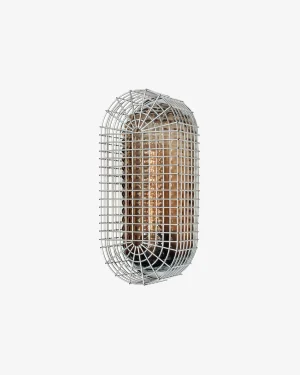
Chastity Wall Sconce In Stainless Steel And Handblown Glass
By Studio S II
€1.980 -

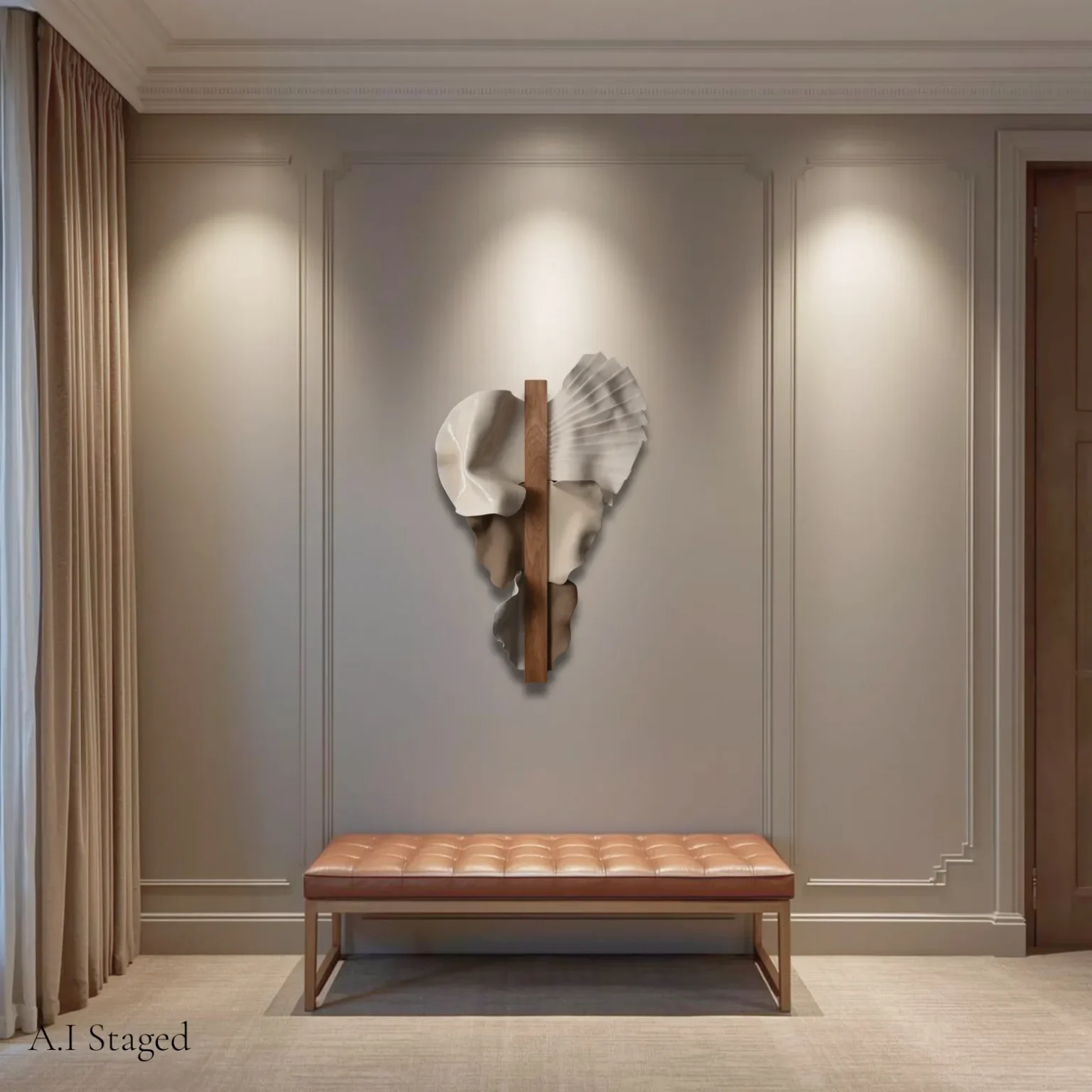
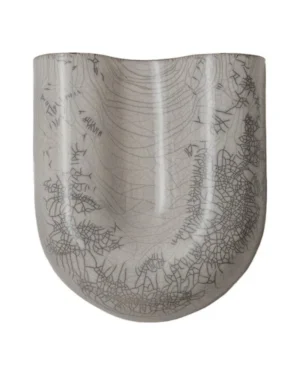
Onda Sconce In Raku White Ceramic
By arrived aliens
€2.200 -
 In stock
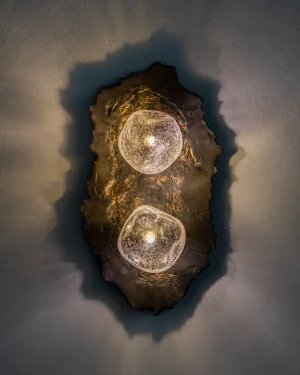
Asea No. 25 Wall Sconce In Blown Glass And Stoneware
By Ceren Gürkan
€1.100 -
 In stock
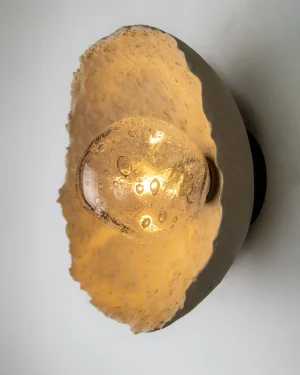
Asea No. 23 Wall Sconce In Stoneware And Blown Glass
By Ceren Gürkan
€800 -
 In stock
Coral Wall Lamp – Clay Sconce
By Dzovag Kotchian
€900 -
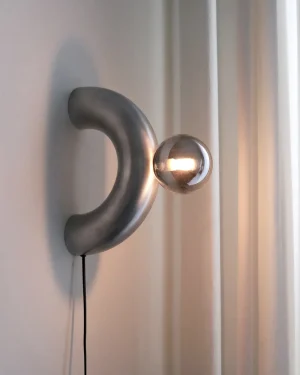
Arcora Toplight Wall Sconce in Aluminum
By HEAKO
€1.650 -
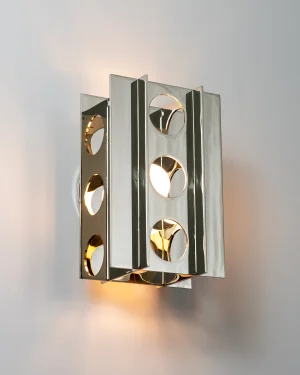
Tenfold 3T Mirror Wall Sconce in Steel and Aluminum
By Luft Tanaka Studio
€1.540 -
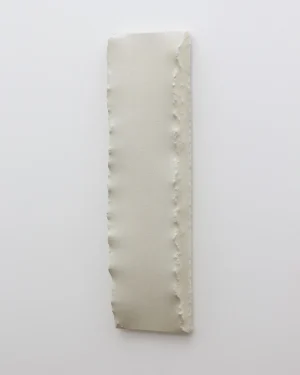 In stock
Edges 20-75 T8-60 Wall Sconce In Paper Pulp
By David Čáp
€400 -

Edges 20-105 T8-90 Wall Sconce In Paper Pulp
By David Čáp
€500 -
 In stock
Asea No.40 Wall Sconce In Stoneware And Blown Glass
By Ceren Gürkan
€1.200 -
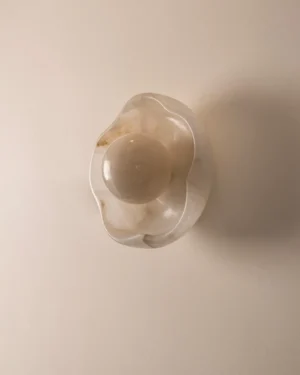
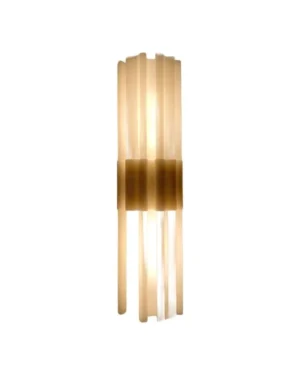
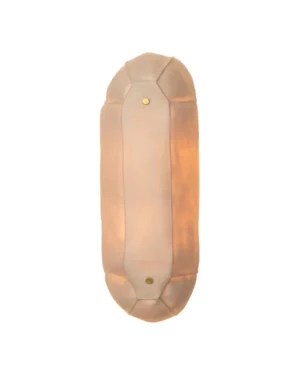
Flower Wall Sconce In Alabaster
By Harshita Jhamtani Designs
€700 -
 In stock
Asea No. 12 Green Wall Sconce In Stoneware And Blown Glass
By Ceren Gürkan
€800 -
 In stock
Edges Ellipse 36-96 T8-60 Wall Sconce In Paper Pulp
By David Čáp
€550 -
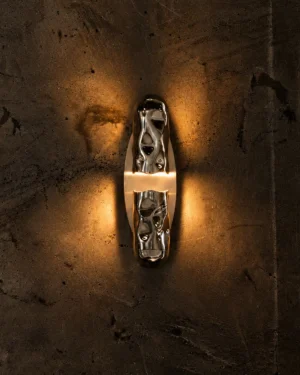 In stock
Vela Wall Sconce In Stainless Steel
By Nitush and Aroosh
€700 -
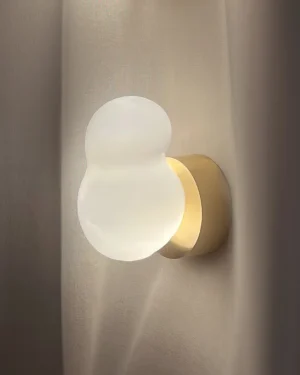
Vv Applique Wall Sconce in Brass and Blown Glass
By Clara Viladecans
€451 -
 In stock
Onda Cosmic Wall Sconce In Glazed Ceramic
By arrived aliens
€2.200 -
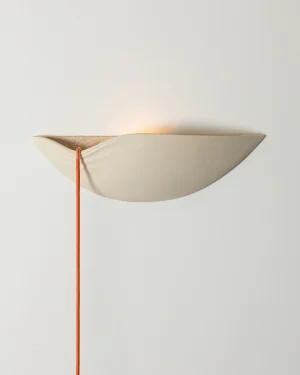
Loma Wall Sconce In Stoneware
By Catalin Filip
€450 -
 In stock
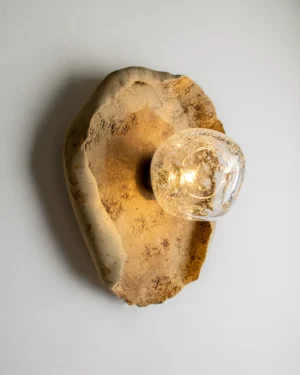
Asea No. 41 Wall Sconce in Stoneware and Blown Glass
By Ceren Gürkan
€1.000 -
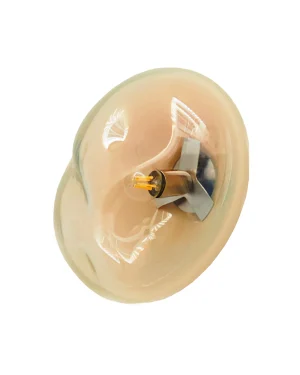
Haumea Amorph Wall Sconce In Amber Blown Glass
By ELOA - Unique Lights
€2.330 - €4.085 -
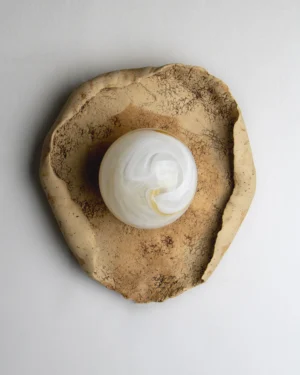 In stock
Asea No. 41 Pearl Wall Sconce in Stoneware and Blown Glass
By Ceren Gürkan
€1.000 -
10% off
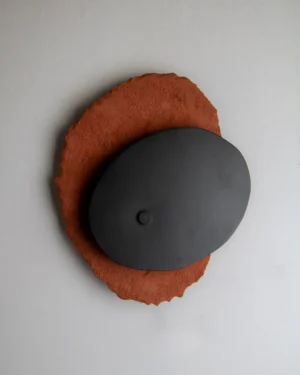
Asea No.1 Cherry Wall Sconce In Stoneware And Metal
By Ceren Gürkan
€1.000€900 -
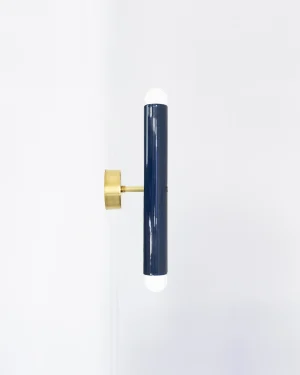 In stock
Trn Wall Sconce in Glazed Ceramic
By Pani Jurek STUDIO
€470 -
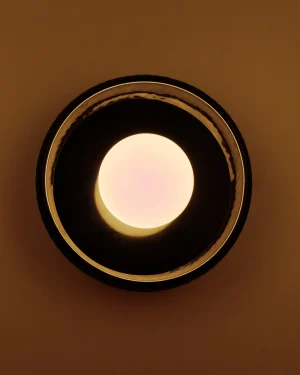
Macrame Wall Sconce in Ceramic
By Saadia Design
€332 -
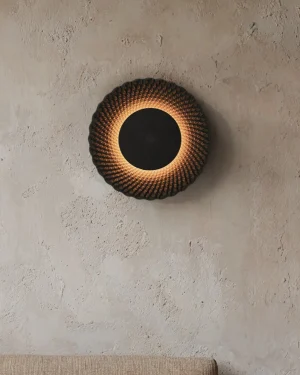 In stock
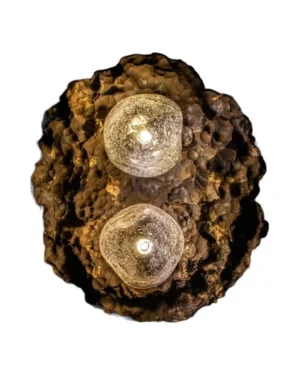
Sun Vxs 05 — Sculptural Wall Lamp In 3d-printed Sand
By Rollo Studio
€1.080 -
10% off
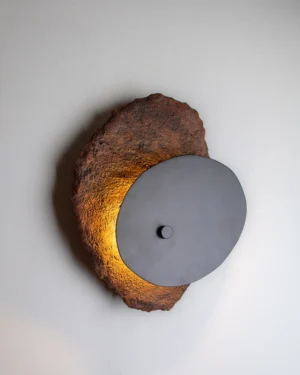
Asea No. 1 Cherry Dark Wall Sconce in Stoneware and Metal
By Ceren Gürkan
€1.000€900 -
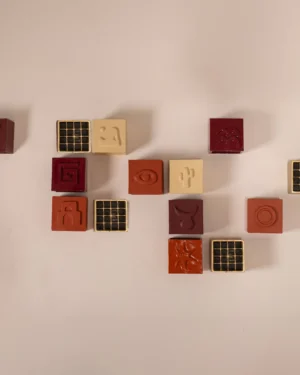
Oasis Wall Light In Hand-sculpted Stoneware
By Harshita Jhamtani Designs
€410 -
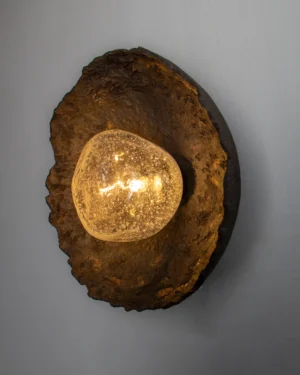
Asea No. 23 Dark Wall Sconce in Stoneware and Blown Glass
By Ceren Gürkan
€800 -
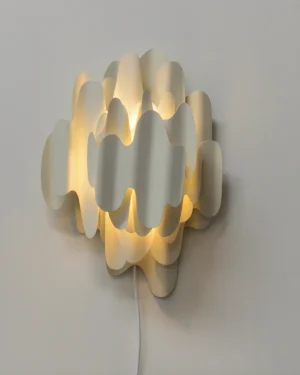 In stock
Fantasma Wall Sconce In Painted Steel
By Natural Urbano - Sebastián Beltrán
€950 -
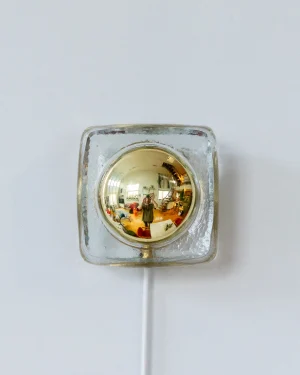 In stock
Starburst Wall Sconce in Brass and Blown Glass
By Voidfill Studio
€1.635 -
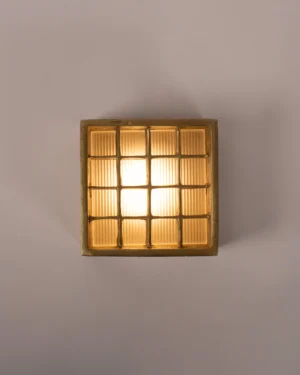
Oasis Mirage Wall Light In Cast Aluminum And Fluted Glass
By Harshita Jhamtani Designs
€620 -
 In stock
Pearl Wall Lamp – Clay Sconce
By Dzovag Kotchian
€1.200 -

Onda Copper Wall Sconce In Raku Ceramic
By arrived aliens
€2.200 -
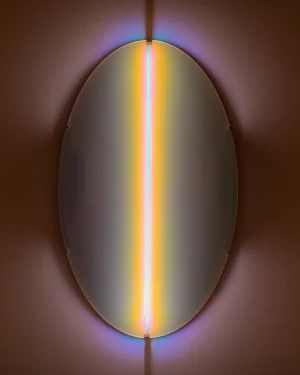
Aurora Gloss Wall Sconce in Acrylic and Aluminum
By Catrinel Sabaciag
€1.341 -
 In stock
Edges 20-75 T8-60 Wall Sconce In Black Paper Pulp
By David Čáp
€550 -
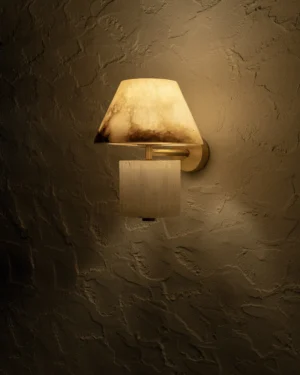
Rio Wall Lamp In Alabaster And Brass
By Harshita Jhamtani Designs
€1.150 -
 In stock
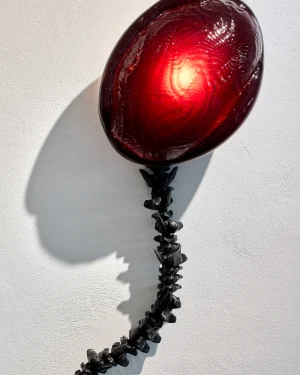
Dysplasio Wall Sconce in Blown Glass
By Anna Jožová
€2.000 - €3.300 -
 In stock
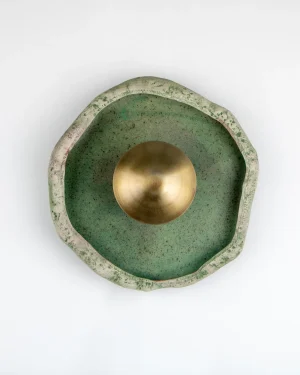
Asea No. 18 Green Wall Sconce In Porcelain And Brass
By Ceren Gürkan
€600 -
 In stock
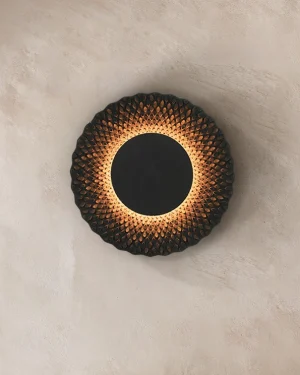
Sun Vxs 08 — Sculptural Wall Lamp In 3d-printed Sand
By Rollo Studio
€1.080 -
 In stock
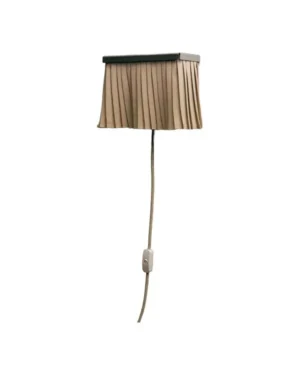
Brown Mud Ellipse Wall Sconce In Textiles And Wood
By David Čáp
€550 -

Totem Wall Sconce in Aluminum and Acrylic Glass
By Catrinel Sabaciag
€1.326 -
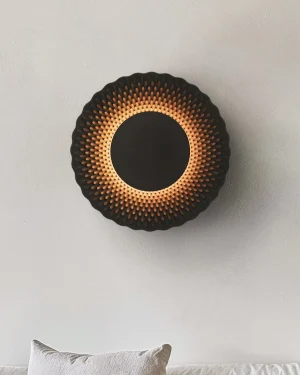 In stock
Sun Vxs 07 — Sculptural Wall Lamp In 3d-printed Sand
By Rollo Studio
€1.080 -
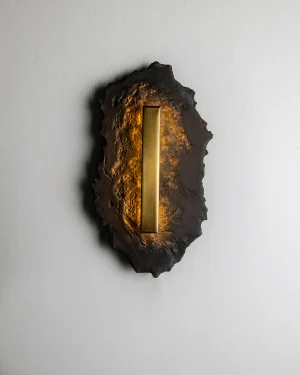 In stock
Asea No. 16 Wall Sconce in Stoneware and Brass
By Ceren Gürkan
€900 -
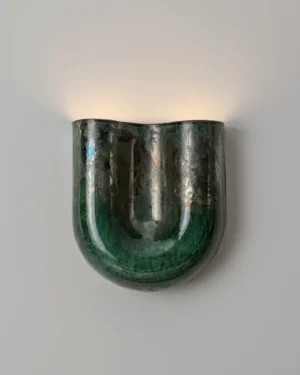
Onda Green Wall Sconce In Raku Ceramic
By arrived aliens
€2.200 -
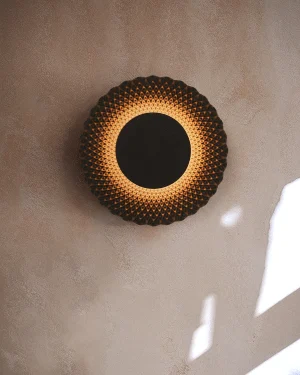 In stock
Sun Vxs 06 — Sculptural Wall Lamp In 3d-printed Sand
By Rollo Studio
€1.080 -
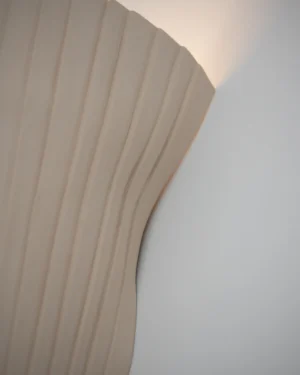 In stock
Tenderness Sconce | Large
By Studio Ēeme
€1.300 -
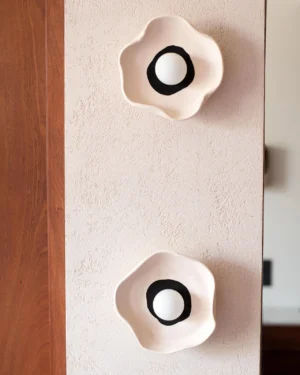
Flower Wall Sconce In Stoneware
By Harshita Jhamtani Designs
€360 -
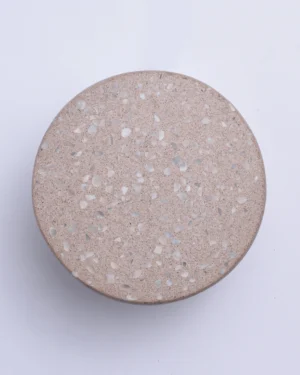
Wilo Nude Wall Sconce In Terrazzo, Aluminum And Silicone
By Harshita Jhamtani Designs
€220 -
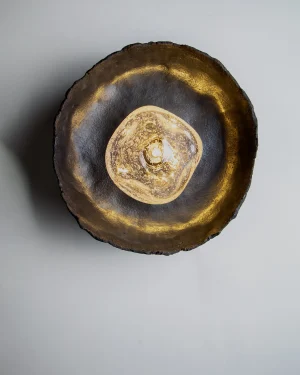 In stock
Asea No. 12 Wall Sconce In Stoneware And Blown Glass
By Ceren Gürkan
€800 -
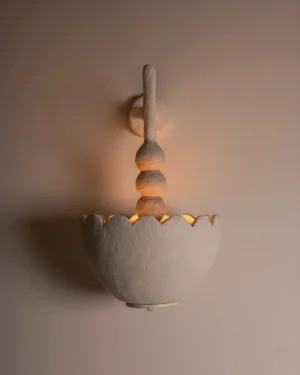
Scallop Wall Sconce In Stoneware And Clay
By Harshita Jhamtani Designs
€1.080 -
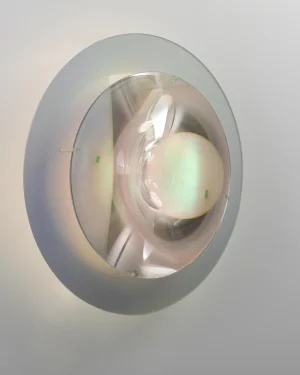
Noosphere Wall Sconce in Aluminum and Acrylic Glass
By Catrinel Sabaciag
€1.072 - €1.112 -

Discus – Set Of 3 Wooden Wall Lights
By Studio Indigene
€1.350 -
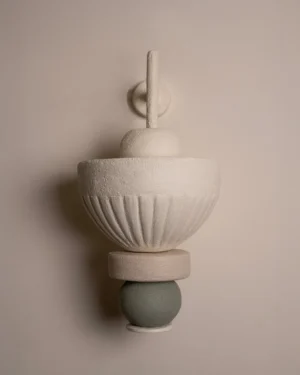
Pebble Wall Sconce In Stoneware And Clay
By Harshita Jhamtani Designs
€1.080
Entryway wall sconces solve the first problem a front hall presents: there is rarely a surface to spare for a lamp. Independent studios answer with hand-built stoneware, hand-blown glass, and brass or aluminum bodies, each piece fixed flat to the wall and throwing light sideways instead of down. The making shows in the surface, whether that is a glaze pulled thin at the rim or a seam left along folded metal.
What defines the material here
Stoneware and ceramic sconces come from hand-building, then glazing and a kiln firing that sets the surface for good. Glass pieces are blown while still soft, which is why no two have quite the same thickness or bubble pattern, and why the clear or smoked finish catches light differently depending on where you stand. Metal bodies in aluminum, brass, or stainless steel are raised, cut, or cast, then left raw to darken slowly or sealed to hold a brighter shine.
The range, by material and technique
- Hand-built stoneware and ceramic, glazed or left in raw clay, sometimes fired raku-style for a smoked, uneven finish
- Hand-blown glass in clear or soft color, paired with brass, aluminum, or steel fittings
- Metalwork in brass, aluminum, or stainless steel, polished, brushed, or left to patina
- Cotton or paper shades built by hand over a wire or metal frame, giving a softer, diffused light
- Open editions alongside limited runs and unique pieces, so availability varies by maker
Styles span contemporary and minimalist bodies with a single clean line, boho chic pieces built from woven or folded textile, neo-industrial fixtures left with visible joints, and wabi-sabi stoneware that keeps the mark of the hand. A hallway with low ceilings or a narrow stair often calls for the plainer end of that range; if you want something closer to a glowing object on the wall, look toward the glass and paper pieces instead. For a wider view of wall-mounted lighting across every room, the full range of wall sconces covers materials and styles beyond what suits an entry specifically.
Choosing scale, height, and finish
Scale matters more than style in a hallway. A sconce reads differently in a tight vestibule than in a wide foyer with a run of wall either side of a mirror, so measure the flat run you have before settling on size. Most entryway fixtures sit at roughly eye level, high enough to clear coats and umbrellas but low enough that the light does something other than wash the ceiling.
Finish should answer to what else sits nearby: a stoneware sconce in a warm glaze reads well against painted plaster or wood paneling, while brass and aluminum pick up whatever hardware is already on the door or the console. If the entry opens straight onto a living or dining space, matching metal tone across the pieces in view keeps the transition calm rather than busy; you can compare metal options directly on the metal wall sconces page.
Where else these pieces work
A sconce built for an entry generally travels well into a hallway, a stair landing, or a narrow powder room, anywhere floor and tabletop space is short and a flat wall is going spare. For longer passages, the hallway wall sconces group shows how studios handle a run of several fixtures along one corridor. To round out the rest of the entry beyond lighting, pieces gathered under entryway furniture and decor cover tables, mirrors, and small objects made for the same spot by the door, and entryway lighting as a whole brings in table and floor options alongside the wall-mounted kind.
Care, by material
Stoneware and ceramic hold up to a dry cloth; avoid soaking a raw or raku-fired surface, since an unglazed body can absorb moisture and stain. Glass wants nothing more than an occasional wipe to clear dust from the inside curve where light pools. Brass left unlacquered will darken over months of handling and air exposure, which most owners let happen rather than polish away, while stainless steel and sealed aluminum keep their finish with just a soft cloth.
How do I choose a wall sconce for an entryway?
Look at the wall space and the mood you want at the door. A pair flanking a mirror reads formal, while a single sconce beside the entry gives a softer, off-center glow.
How do I clean and care for a wall sconce?
Dust ceramic and glass with a dry cloth, and wipe metal bodies with a soft cloth to keep oils from the hand off the surface. Raw metal will darken over time; sealed finishes hold their color longer.
How high should an entryway wall sconce be mounted?
Most sit at eye level, roughly 60 to 66 inches from the floor, so the light throws sideways across the wall rather than down into your eyes.
Can wall sconces work in other rooms besides the entryway?
Yes. The same fixed, eye-level light suits hallways, bedrooms and living rooms wherever floor or tabletop space is limited.
Can I request a custom finish or size for a sconce?
Some studios take custom requests on finish, color or scale. Use Chat with the maker on the piece's page to ask directly.
What about shipping, returns and authenticity through ADORNO?
Shipping is insured and worldwide. Returns are accepted within 14 days, except on made-to-order pieces, and every purchase comes with a certificate of authenticity and a lowest-price guarantee.