

-
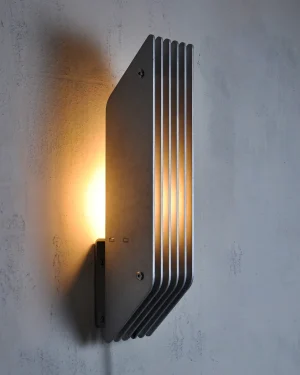
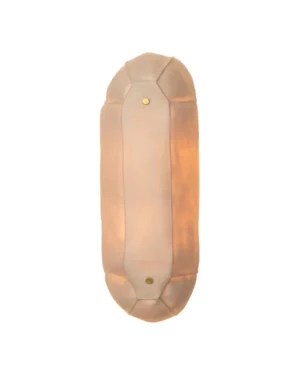
Rln460 Wall Lamp In Matte Aluminium
By MLK Furniture
€390 -

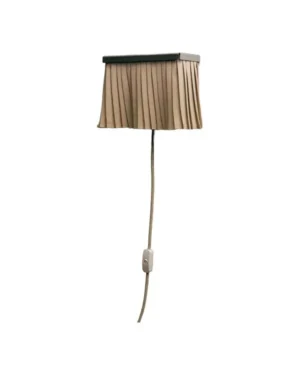
Pleated Sconce In Stainless Steel And Polyester
By BOTHI
€330 -
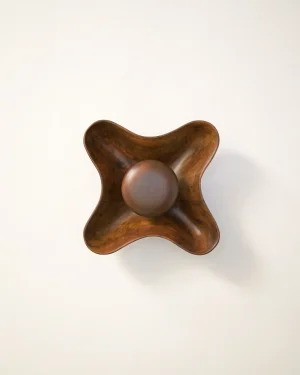
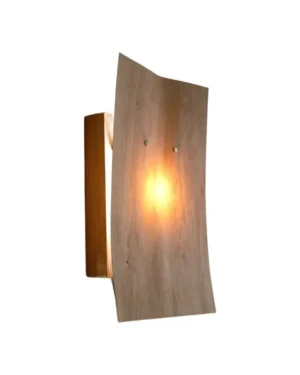
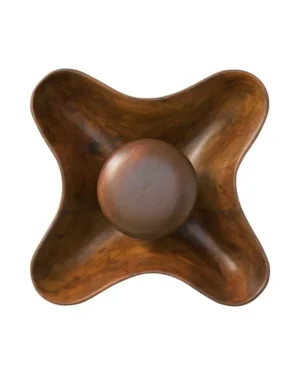
Compass Sconce in Teak Wood
By Studio Indigene
€550 -

Onda Sconce In Raku White Ceramic
By arrived aliens
€2.200 -
 In stock
Object 02 Sconce in Nylon and Sand
By Hot Wire Extensions
€1.460 -
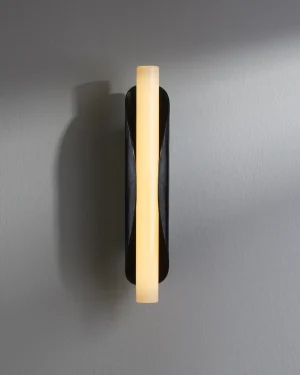
Taco De Luz Wall Sconce in Black Patinated Brass
By Studio Aristotelis Barakos
€980 -
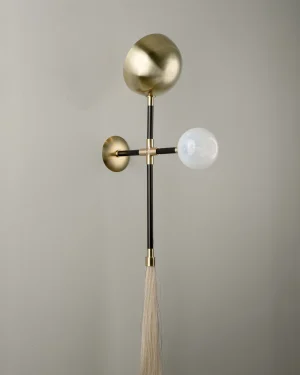
Gogo Wall Sconce in Brass, Blown Glass and Natural Fibers
By Isabel Moncada
€2.880 - €4.036 -
 In stock
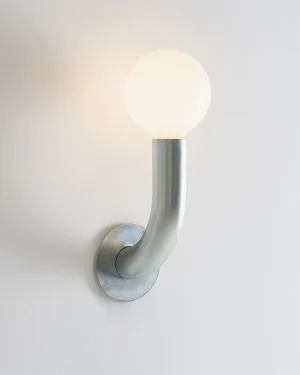
Curva Wall Sconce in Zinc
By Cultivado em Casa
€512 -
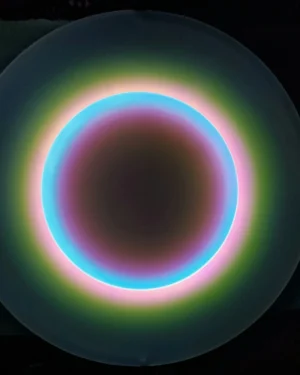
Event Horizon L Wall Sconce in Acrylic Glass
By Catrinel Sabaciag
€1.963 -
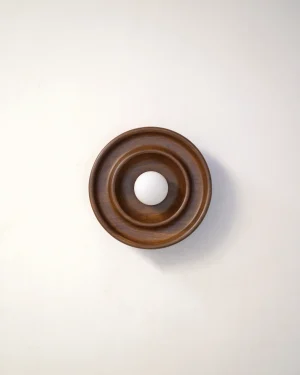
Discus Sconce in Teak Wood
By Studio Indigene
€450 -
 In stock
Asea No. 7 Wall Sconce in Stoneware and Brass
By Ceren Gürkan
€900 -
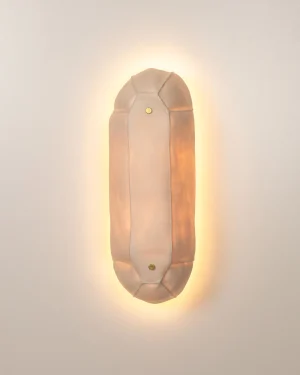
Kawa Series 01 Wall Sconce in Porcelain and Brass
By Luft Tanaka Studio
€1.600 -
 In stock
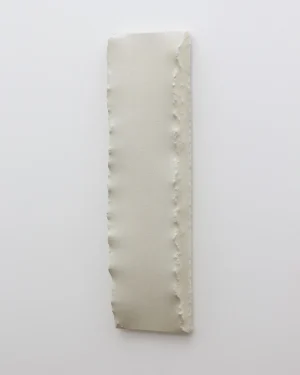
Edges 20-75 T8-60 Wall Sconce In Paper Pulp
By David Čáp
€400 -

Edges 20-105 T8-90 Wall Sconce In Paper Pulp
By David Čáp
€500 -

Soft Ply Wall Sconce in Birch Wood and Brass
By Sheyang Li
€264 -
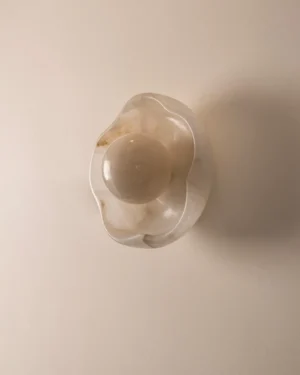
Flower Wall Sconce In Alabaster
By Harshita Jhamtani Designs
€700 -
 In stock
Edges Ellipse 36-96 T8-60 Wall Sconce In Paper Pulp
By David Čáp
€550 -

The Flare Wall Sconce in Oak Wood
By COSEINCORSO
€680 -
 In stock
Mini Sombrilla Wall Sconce in 3D Printed PLA
By Studio Parenthesis
€330 -
 In stock
Onda Cosmic Wall Sconce In Glazed Ceramic
By arrived aliens
€2.200 -
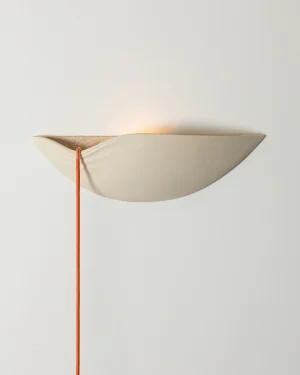
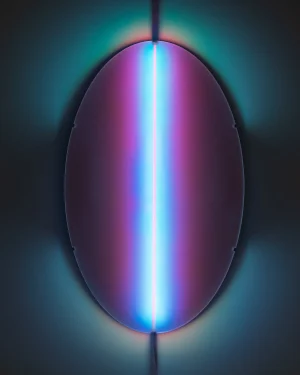
Loma Wall Sconce In Stoneware
By Catalin Filip
€450 -
 In stock
Aurora Frosted Wall Sconce in Acrylic and Aluminum
By Catrinel Sabaciag
€1.352 -
 In stock
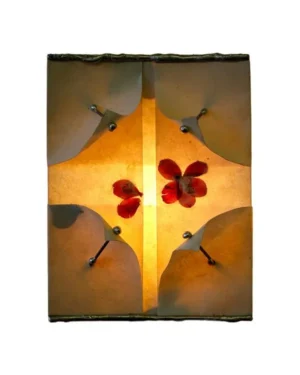
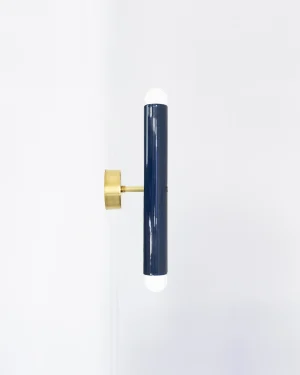
Herbarium Mini Lunaria Annua Wall Sconce In Glass And Plywood
By Mateusz Wappa
€1.200 -
 In stock
Trn Wall Sconce in Glazed Ceramic
By Pani Jurek STUDIO
€470 -
 In stock
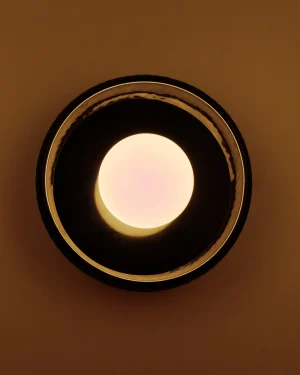
Herbarium Mini Daucus Carota Wall Sconce In Glass And Plywood
By Mateusz Wappa
€1.200 -
Macrame Wall Sconce in Ceramic
By Saadia Design
€332 -

L’Été Ceramic Wall Light
By Katia Langeard
€380 -
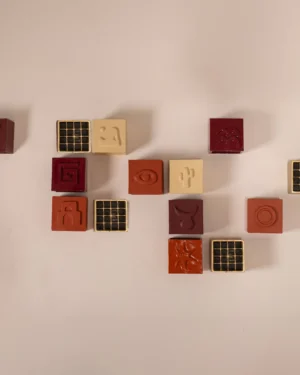
Oasis Wall Light In Hand-sculpted Stoneware
By Harshita Jhamtani Designs
€410 -
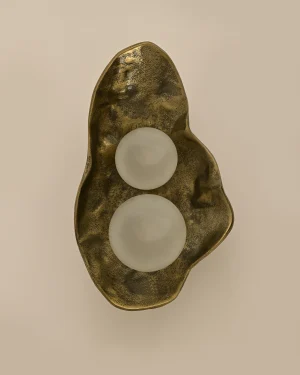
Celestial Tears Wall Sconce in Aluminum
By LMNOH
€710 -
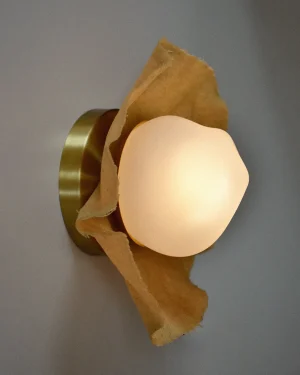 In stock
Liora I Wall Sconce in Glass and Brass
By Atelier Alz
€350 -
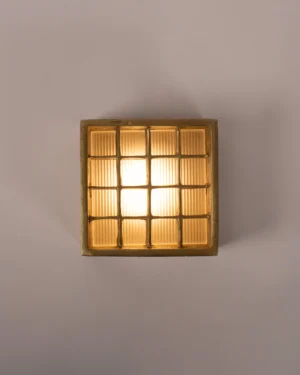
Oasis Mirage Wall Light In Cast Aluminum And Fluted Glass
By Harshita Jhamtani Designs
€620 -

Onda Copper Wall Sconce In Raku Ceramic
By arrived aliens
€2.200 -
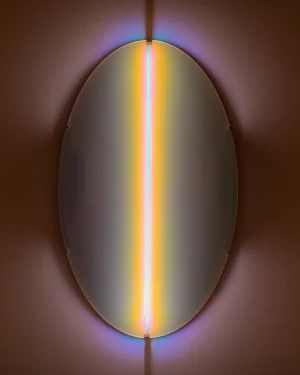
Aurora Gloss Wall Sconce in Acrylic and Aluminum
By Catrinel Sabaciag
€1.341 -
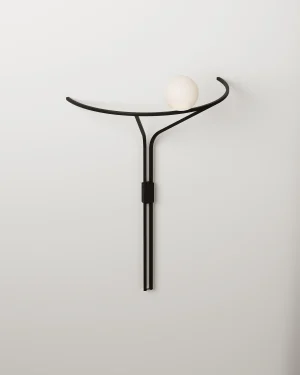 In stock
Na Linii Wall Sconce in Steel
By SVITANOK
€1.050 -
 In stock
Edges 20-75 T8-60 Wall Sconce In Black Paper Pulp
By David Čáp
€550 -
 In stock
Herbarium Eryngium Planum Wall Sconce In Glass And Plywood
By Mateusz Wappa
€2.000 -
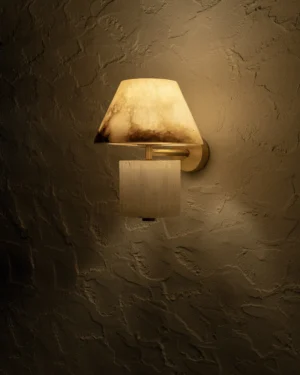
Rio Wall Lamp In Alabaster And Brass
By Harshita Jhamtani Designs
€1.150 -
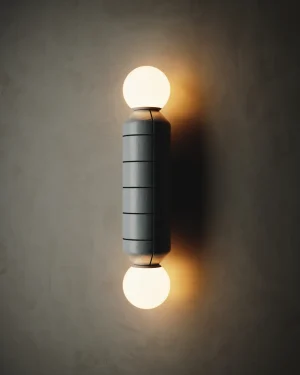 In stock
Navazi Wall Sconce in Glass and Ceramic
By SVITANOK
€1.130 - €1.260 -
 In stock
Brown Mud Ellipse Wall Sconce In Textiles And Wood
By David Čáp
€550 -
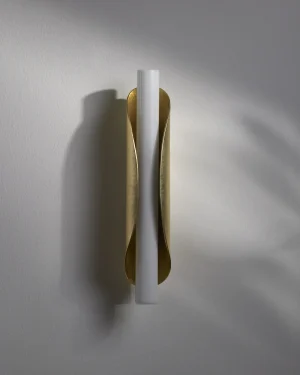
Taco De Luz 30cm Wall Sconce in Satin Brass
By Studio Aristotelis Barakos
€870 -

Totem Wall Sconce in Aluminum and Acrylic Glass
By Catrinel Sabaciag
€1.326 -

Small Wall Sconce in Brass and Blown Glass
By Naama Hofman
€700 -
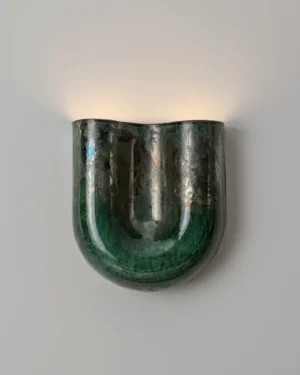
Onda Green Wall Sconce In Raku Ceramic
By arrived aliens
€2.200 -
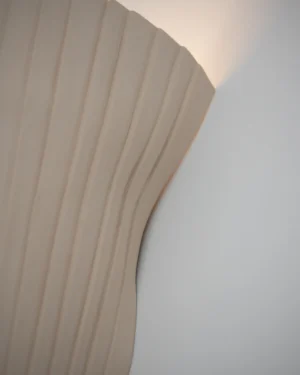 In stock
Tenderness Sconce | Large
By Studio Ēeme
€1.300 -

Paten Wall Sconce in Teak Wood
By Studio Indigene
€450 -

Dyptich Wall Sconce in Brass and Recycled Plastic
By SIGNATURE OBJECTS
€1.800 -
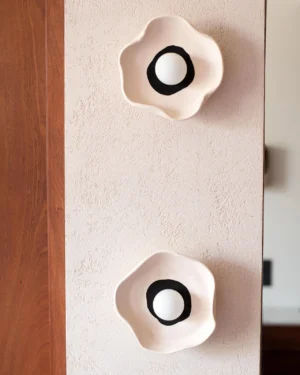
Flower Wall Sconce In Stoneware
By Harshita Jhamtani Designs
€360 -
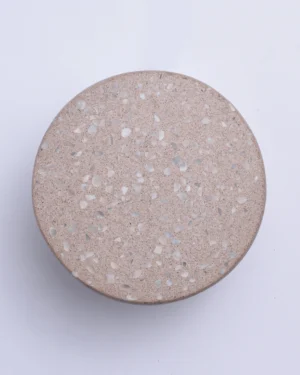
Wilo Nude Wall Sconce In Terrazzo, Aluminum And Silicone
By Harshita Jhamtani Designs
€220 -
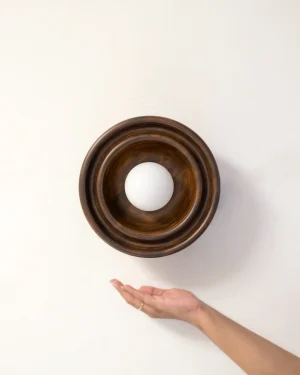
Discus – Xs Teak Wood Wall Light
By Studio Indigene
€350 -
 In stock
Herbarium Rumex Acetosa Wall Sconce In Glass And Plywood
By Mateusz Wappa
€2.000 -
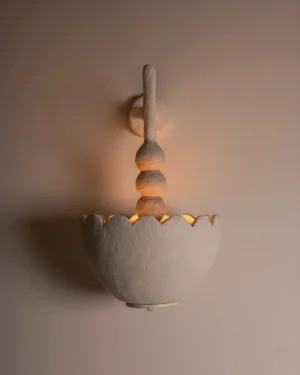
Scallop Wall Sconce In Stoneware And Clay
By Harshita Jhamtani Designs
€1.080 -

Discus – Set Of 3 Wooden Wall Lights
By Studio Indigene
€1.350 -
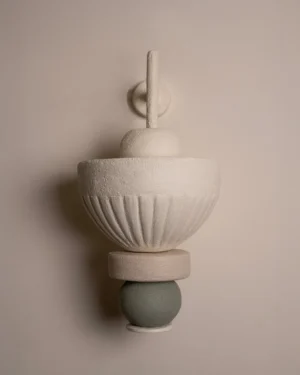
Pebble Wall Sconce In Stoneware And Clay
By Harshita Jhamtani Designs
€1.080 -
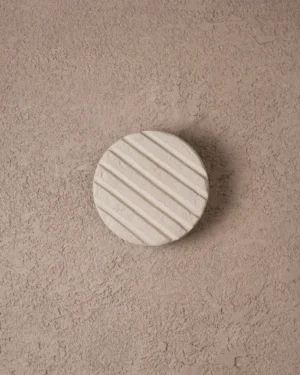
Wilo Fluted Egg White Wall Sconce In Clay And Aluminum
By Harshita Jhamtani Designs
€230
Minimalist wall sconces keep the fixture itself quiet so the light does the talking: a single arm or plate in brass, ceramic, wood or painted metal, set flush or slightly away from the wall, with no visible ornament to catch the eye before the glow does. Studios working in metalwork, hand-building and wood and cabinetmaking favor one clean form over several decorative ones, often in a single material and a single finish. The result sits close to the plaster, reads as a line or a disc by day, and becomes a quiet wash of light by night.
What makes a wall sconce read as minimalist
Materials, finishes and editions found here
The range runs mostly through brass and other metals finished in black, charcoal or left raw to patina over years, through stoneware and other ceramic bodies glazed white, off-white, beige or a flat color, and through teak and other woods worked by hand or machine into bars, discs and brackets. A smaller number of pieces use cotton shades, paper pulp or cast metal, each carrying its own texture even inside a reduced form. Most sconces are made as open editions, produced on an ongoing basis by a studio's own workshop; a smaller number are built as unique pieces, with no second example made to the same specification.
- Metalwork and metal casting, for brass, steel and aluminum bodies that hold a sharp edge or a hand-hammered surface
- Hand-building, for stoneware and ceramic shades glazed in white, brown or charcoal
- Wood and cabinetmaking, for teak, oak and walnut arms and backplates
- Papermaking and 3D printing, for lighter paper-pulp and sand-printed shades
How to choose a minimalist wall sconce
Start with the wall itself: a sconce mounted at or just above eye level throws its light outward rather than down into a shadow, which matters more in a hallway than in a room lit from several points. Scale the backplate to the wall it sits on, a narrow stair or corridor taking a slim vertical form, a wider living room wall carrying a disc or a pair set further apart. Match the finish to what already sits on that wall: warmed brass and oak read warmer against plaster, black steel and charcoal stoneware sit flatter and cooler. Where the sconce is a reading or task light rather than pure ambience, check that the arm or shade can be angled or swiveled, since a fixed minimalist form offers no other way to redirect the beam.
Where these sconces work
A pair of sconces either side of a bed does the work a table lamp would, without taking up space on a nightstand, which is why they turn up so often among bedroom wall sconces. In a narrow run or stairwell, the same fixture spaced at intervals replaces a run of floor lamps that would only be in the way; see how that plays out among hallway wall sconces. In a living room, a single sconce beside a sofa or reading chair gives a pool of light without a lamp base cluttering a side table, and the plainer the form, the less it competes with whatever hangs near it.
Living with the material
Brass left unlacquered will darken and spot with handling and air; wipe it with a soft dry cloth and leave the patina if you like the way it ages, or use a brass polish on a regular schedule if you prefer it to stay bright. Glazed ceramic and stoneware need only a damp cloth, since their surface will not fade or stain under normal light. Oak and walnut arms should stay out of direct damp and be dusted rather than scrubbed, which keeps the grain from raising. For the wider spread of finishes and forms this style covers beyond sconces, the minimalist style page and minimalist lighting are worth a look, alongside the full range of wall sconces and, for an all-metal take on the same restraint, metal wall sconces.
How do I choose a minimalist wall sconce?
Pick one material and finish rather than a decorative shade, since restraint is the point. Match brass, ceramic or wood to what's already on the wall, and let the fixture sit flush or close to the plaster.
What materials are minimalist wall sconces made from?
Most are brass, ceramic, stoneware or wood such as teak, each left in a single finish: polished or darkened brass, flat-glazed ceramic, or a plain worked block of wood.
How do I care for a brass, ceramic or wood sconce?
Wipe brass dry to control patina or leave it to darken naturally, dust ceramic and wood with a soft cloth, and keep any wood body away from direct moisture or heat.
How high should I hang a wall sconce?
Eye level generally works best, with bedside sconces set lower and hallway or living room sconces set higher to wash light across the wall rather than down a surface.
Which rooms suit minimalist wall sconces?
Bedrooms, hallways, entryways and living rooms all work well, since the fixture reads as a quiet line or disc by day and a soft wash of light at night.
Does ADORNO ship these sconces internationally, and can I return one?
Shipping is insured and worldwide. Pieces can be returned within 14 days, except made-to-order sconces, and each arrives with a certificate of authenticity.