
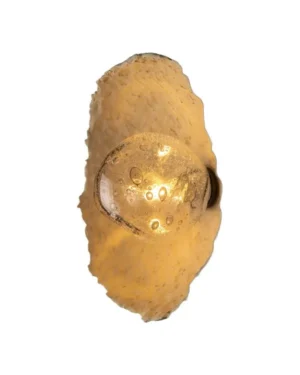

-
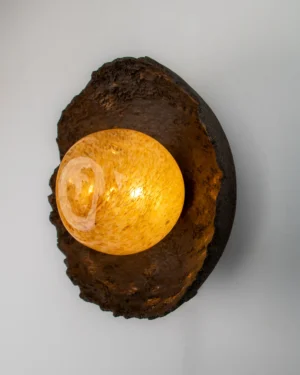 In stock
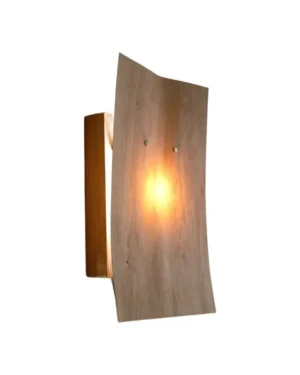
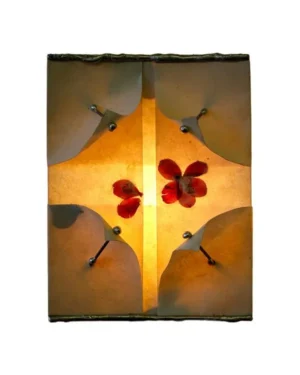
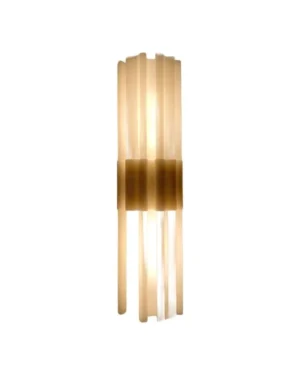
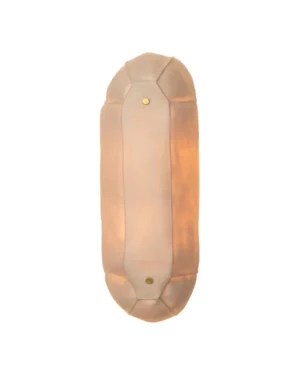
Asea No. 23 Dark Honey Wall Sconce in Stoneware and Glass
By Ceren Gürkan
€800 -

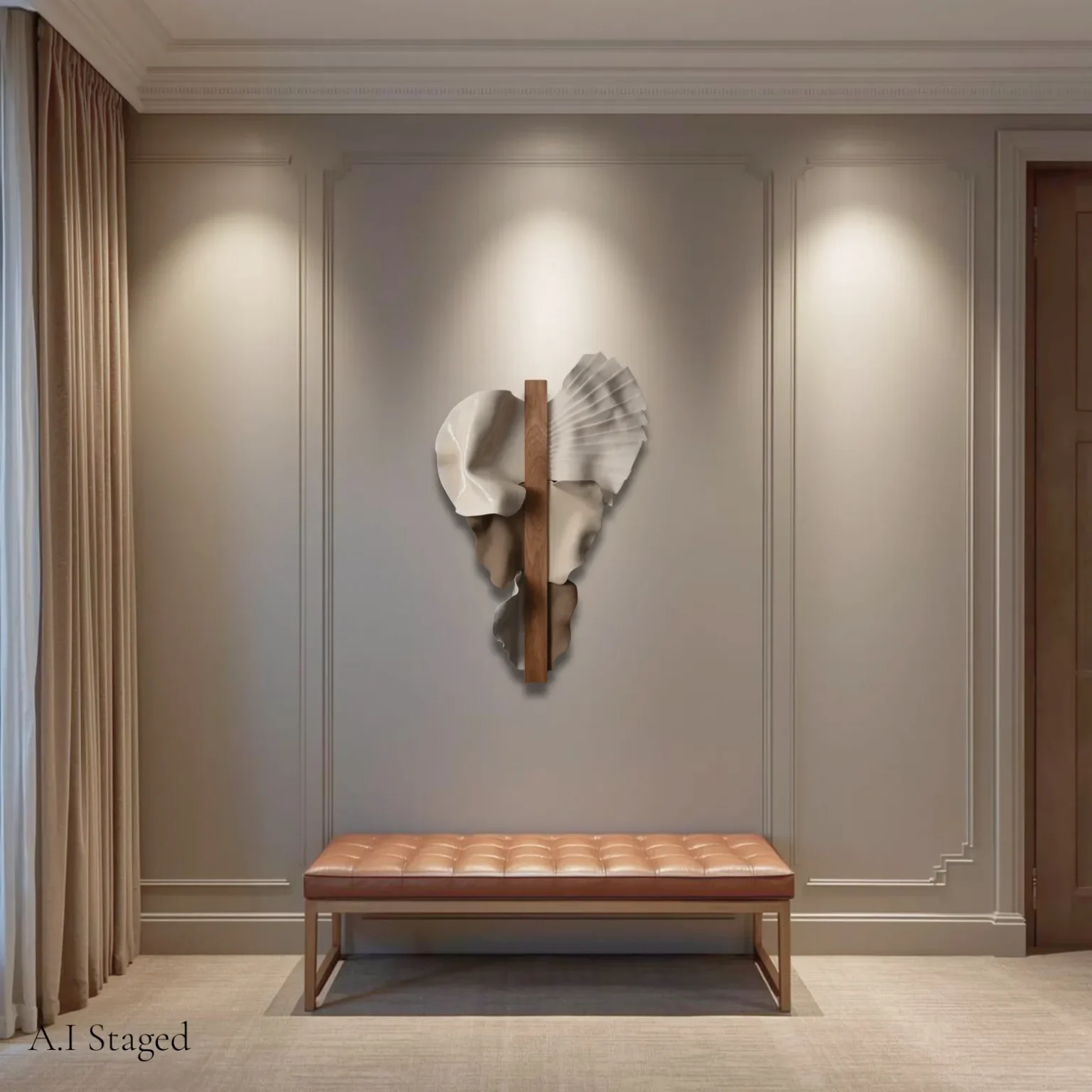
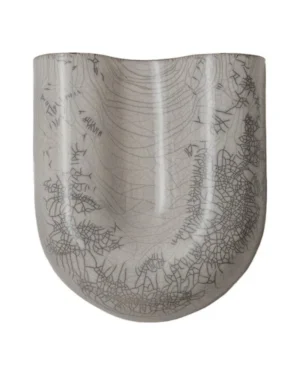
Onda Sconce In Raku White Ceramic
By arrived aliens
€2.200 -
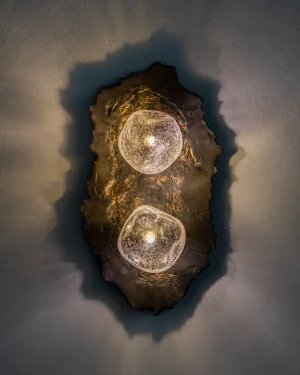 In stock
Asea No. 25 Wall Sconce In Blown Glass And Stoneware
By Ceren Gürkan
€1.100 -
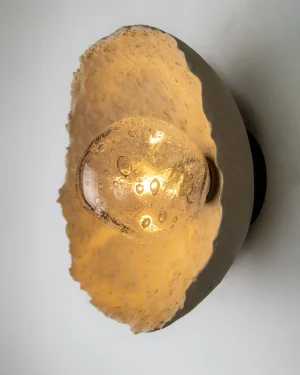 In stock
Asea No. 23 Wall Sconce In Stoneware And Blown Glass
By Ceren Gürkan
€800 -
 In stock
Coral Wall Lamp – Clay Sconce
By Dzovag Kotchian
€900 -
 In stock
Asea No. 7 Wall Sconce in Stoneware and Brass
By Ceren Gürkan
€900 -
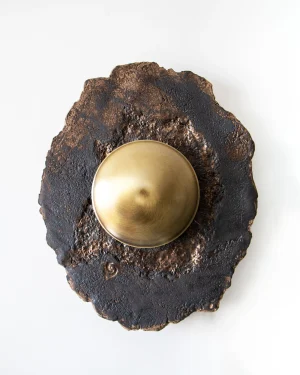 In stock
Asea No. 10 Wall Sconce in Stoneware and Brass
By Ceren Gürkan
€900 -
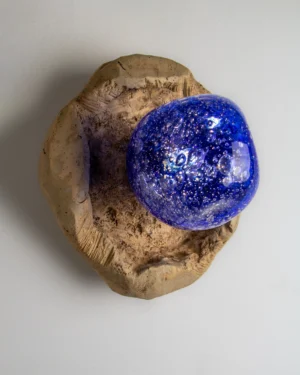 In stock
Asea No.13 Wall Sconce in Stoneware and Blown Glass
By Ceren Gürkan
€1.300 -
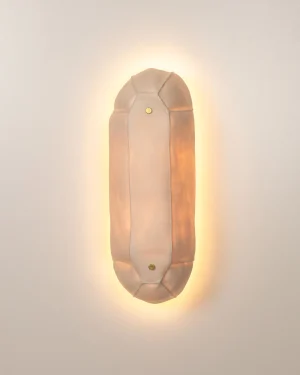
Kawa Series 01 Wall Sconce in Porcelain and Brass
By Luft Tanaka Studio
€1.600 -
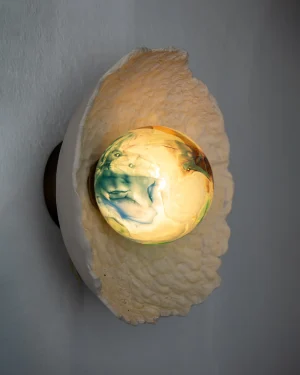 In stock
Asea No. 17 Wall Sconce In Stoneware And Blown Glass
By Ceren Gürkan
€900 -
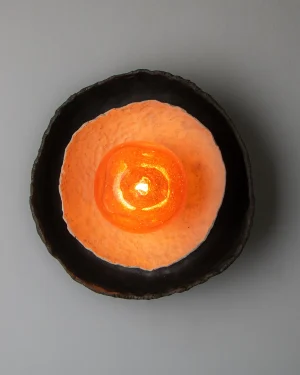
Asea No. 26 Red Wall Sconce in Blown Glass and Stoneware
By Ceren Gürkan
€1.100 -
 In stock
Asea No.40 Wall Sconce In Stoneware And Blown Glass
By Ceren Gürkan
€1.200 -
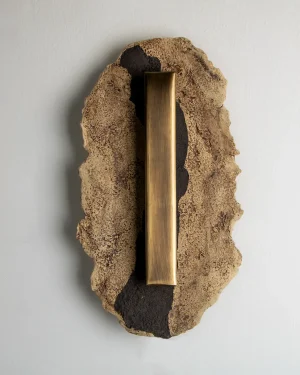 In stock
Asea No. 6 Wall Sconce in Stoneware and Brass
By Ceren Gürkan
€900 -
 In stock
Asea No. 12 Green Wall Sconce In Stoneware And Blown Glass
By Ceren Gürkan
€800 -

Motion — Sculptural Wall Light
By Katia Langeard
€700 -
 In stock
Asea No. 35 Wall Sconce In Stoneware And Blown Glass
By Ceren Gürkan
€1.000 -
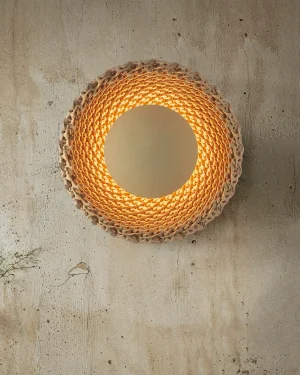 In stock
Sun V2-b – 3d Printed Wall Lamp
By Rollo Studio
€6.049 -
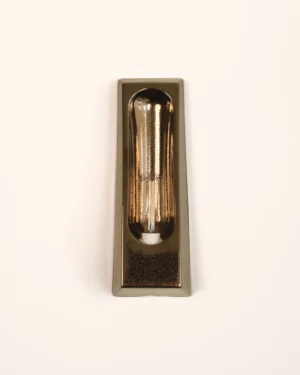 In stock
Alcove European Wall Sconce In Glazed Ceramic
By Violaine d'Harcourt Lighting Design
€252 -
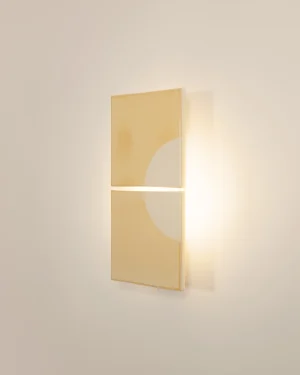 In stock
Tiles Moon European Wall Sconce in Ceramic and Metal
By Violaine d'Harcourt Lighting Design
€260 -
 In stock
Onda Cosmic Wall Sconce In Glazed Ceramic
By arrived aliens
€2.200 -
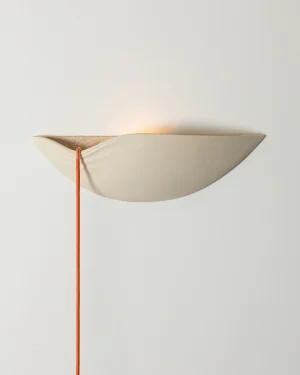
Loma Wall Sconce In Stoneware
By Catalin Filip
€450 -
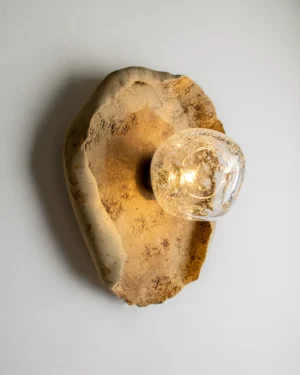 In stock
Asea No. 41 Wall Sconce in Stoneware and Blown Glass
By Ceren Gürkan
€1.000 -
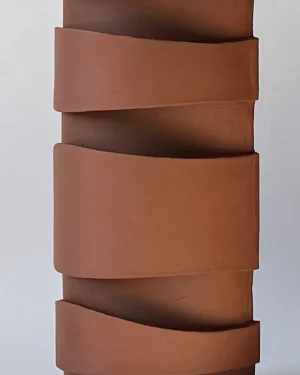
Layered Landscape – Ceramic Wall Lights
By Katia Langeard
€450 -
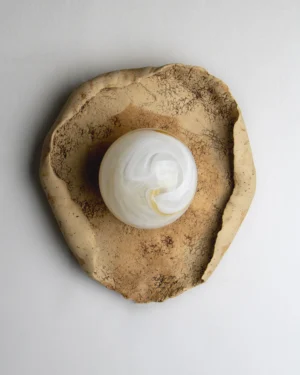 In stock
Asea No. 41 Pearl Wall Sconce in Stoneware and Blown Glass
By Ceren Gürkan
€1.000 -
10% off
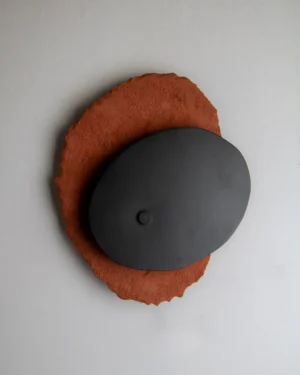
Asea No.1 Cherry Wall Sconce In Stoneware And Metal
By Ceren Gürkan
€1.000€900 -
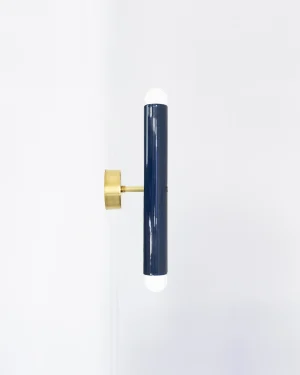 In stock
Trn Wall Sconce in Glazed Ceramic
By Pani Jurek STUDIO
€470 -
 In stock
Tiles Line European Wall Sconce in Ceramic and Metal
By Violaine d'Harcourt Lighting Design
€260 -
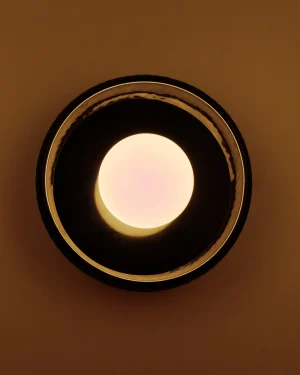
Macrame Wall Sconce in Ceramic
By Saadia Design
€332 -

L’Été Ceramic Wall Light
By Katia Langeard
€380 -
10% off
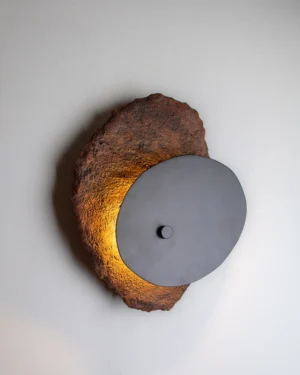
Asea No. 1 Cherry Dark Wall Sconce in Stoneware and Metal
By Ceren Gürkan
€1.000€900 -
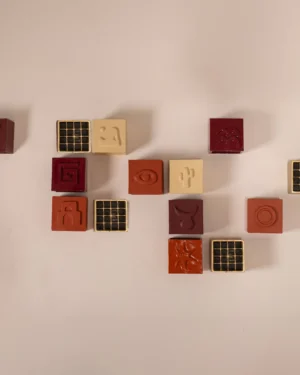
Oasis Wall Light In Hand-sculpted Stoneware
By Harshita Jhamtani Designs
€410 -
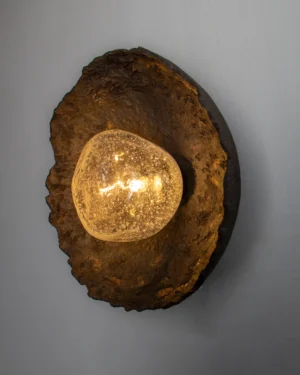 In stock
Asea No. 23 Dark Wall Sconce in Stoneware and Blown Glass
By Ceren Gürkan
€800 -
 In stock
Asea No. 26 Pink Wall Sconce in Stoneware and Blown Glass
By Ceren Gürkan
€1.000 -
 In stock
Pearl Wall Lamp – Clay Sconce
By Dzovag Kotchian
€1.200 -
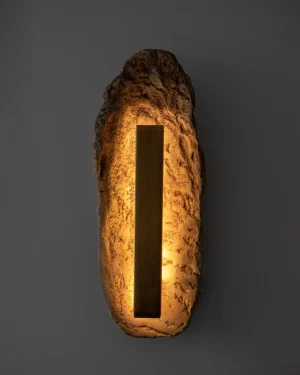 In stock
Asea No. 2 Wall Sconce in Stoneware and Brass
By Ceren Gürkan
€1.000 -

Onda Copper Wall Sconce In Raku Ceramic
By arrived aliens
€2.200 -
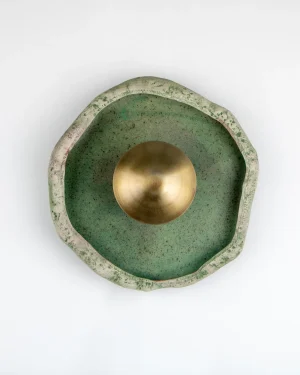 In stock
Asea No. 18 Green Wall Sconce In Porcelain And Brass
By Ceren Gürkan
€600 -
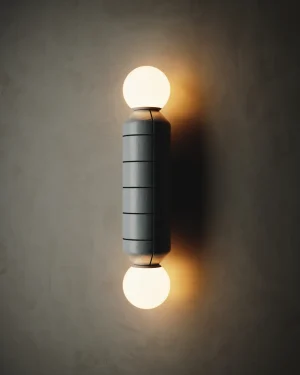 In stock
Navazi Wall Sconce in Glass and Ceramic
By SVITANOK
€1.130 - €1.260 -
 In stock
Tiles Door European Wall Sconce in Ceramic and Metal
By Violaine d'Harcourt Lighting Design
€260 -
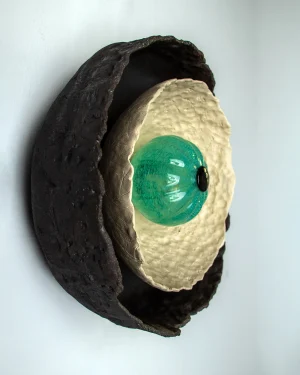 In stock
Asea No. 26 Eye Wall Sconce in Porcelain and Blown Glass
By Ceren Gürkan
€1.100 -
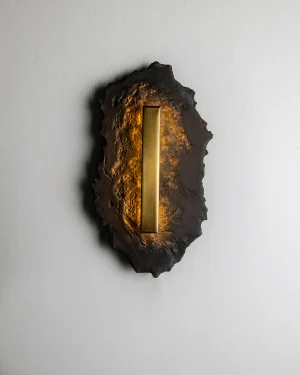 In stock
Asea No. 16 Wall Sconce in Stoneware and Brass
By Ceren Gürkan
€900 -
 In stock
Asea No. 20 Wall Sconce in Stoneware and Brass
By Ceren Gürkan
€700 -
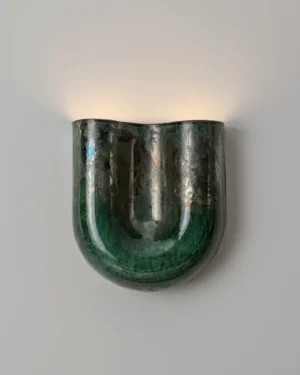
Onda Green Wall Sconce In Raku Ceramic
By arrived aliens
€2.200 -
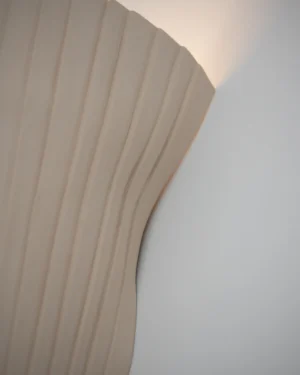 In stock
Tenderness Sconce | Large
By Studio Ēeme
€1.300 -
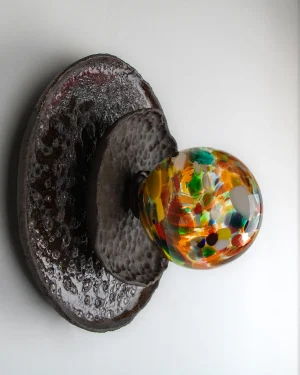 In stock
Asea No. 34 Wall Sconce in Stoneware and Blown Glass
By Ceren Gürkan
€1.000 -
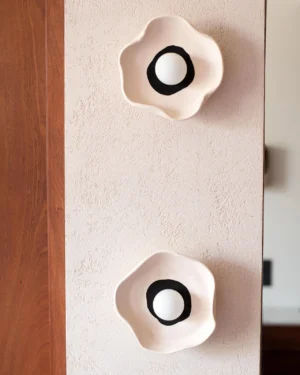
Flower Wall Sconce In Stoneware
By Harshita Jhamtani Designs
€360 -
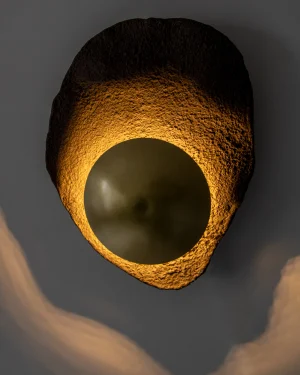 In stock
Asea No. 8 Wall Sconce in Stoneware and Brass
By Ceren Gürkan
€700 -
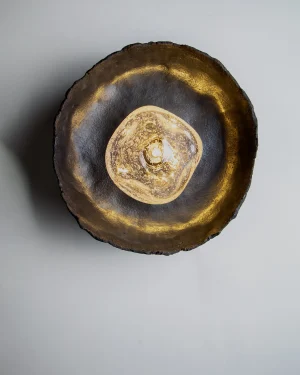 In stock
Asea No. 12 Wall Sconce In Stoneware And Blown Glass
By Ceren Gürkan
€800 -
 In stock
Asea No. 27 Blue Wall Sconce in Stoneware and Blown Glass
By Ceren Gürkan
€1.000 -
 In stock
Asea No. 35 Moss Wall Sconce in Stoneware and Blown Glass
By Ceren Gürkan
€1.200 -
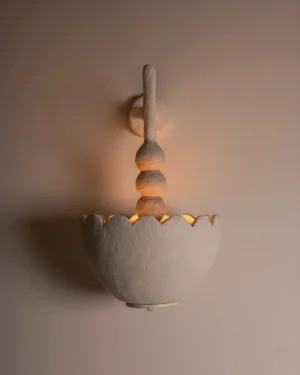
Scallop Wall Sconce In Stoneware And Clay
By Harshita Jhamtani Designs
€1.080 -
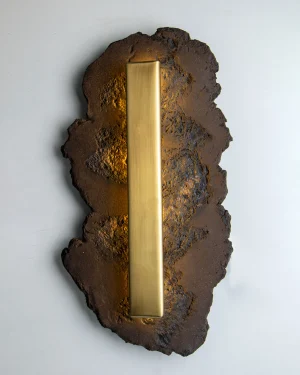 In stock
Asea No. 3 Wall Sconce in Stoneware and Brass
By Ceren Gürkan
€900 -
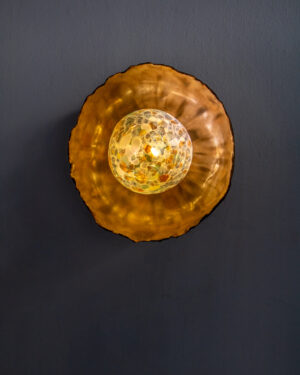 In stock
Asea No. 12 Sand Wall Sconce in Stoneware and Blown Glass
By Ceren Gürkan
€800 -
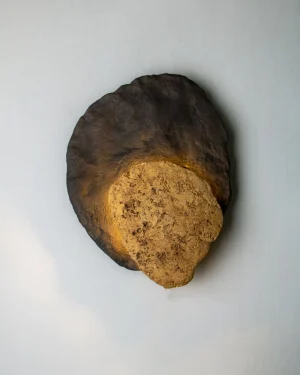 In stock
Asea No. 21 Wall Sconce in Stoneware
By Ceren Gürkan
€800
Ceramic wall sconces are shaped from clay that is hand-built or slip cast, then fired and glazed before any wiring goes in. Studios working this way choose stoneware or earthenware bodies for their weight and heat tolerance, finishing each shell with a glaze that softens or scatters the light passing through it. No two kilns run identical, so color and surface shift slightly from one firing to the next.
What shapes a ceramic sconce
Clay carries light differently than glass or metal. A thick-walled stoneware shade holds a warm, diffuse glow, while a thinner slip-cast body lets more light pass through its surface, picking out the texture left by the mold or the maker's hand. Glazing adds another layer: a matte white or beige glaze absorbs light and quiets a wall, while a glossy burgundy or deep stone tone throws small reflections across plaster.
Raku firing, where pieces are pulled from the kiln while still hot and smoked in sawdust, leaves a cracked, blackened surface that no other process reproduces. Pieces made this way read closer to wabi-sabi than to a polished, contemporary finish, and each one carries its own pattern of cracking.
The range of materials and finishes on ADORNO
Alongside stoneware and earthenware, the wall sconces here draw on blown glass shades, brass and other metal fittings, stone bases and beech wood backplates, often paired with the ceramic body rather than replacing it. Finishes run from white, off-white and beige-and-grey through to deeper burgundy and stone tones, in styles that move from wabi-sabi and raku-fired work to contemporary, minimalist, coastal and boho interiors.
- Techniques: hand-building, slip casting, glazing, raku, with metalwork or wood and cabinetmaking where fittings call for it
- Finishes: matte and glossy glazes, smoked raku surfaces, unglazed stoneware
- Editions: open editions, limited editions and one-off, unique pieces
For a wider view of what independent studios are doing with this material beyond lighting, every ceramic and clay piece on ADORNO's ceramic and clay collection spans vases, mirrors and objects as well as sconces.
How to choose a ceramic wall sconce
Scale and mounting height matter more with a wall-mounted light than with almost any other kind, since the piece sits at eye level and close to a surface people pass daily. Choosing a ceramic wall sconce starts with that scale: a small shade works well as one of a pair flanking a mirror or doorway, while a larger, heavier-bodied sconce can stand alone on an otherwise empty wall.
Check how the glaze or finish reads in the room's existing light, since a surface chosen under daylight can look markedly cooler or warmer once the sconce is switched on. Among all wall sconces on ADORNO, ceramic pieces suit walls that need texture as well as light, rather than a purely graphic form; for a sharper, more reflective alternative, metal bodies carry light differently again.
Where ceramic sconces work
Ceramic wall sconces earn their keep in rooms where floor and tabletop space are limited: a narrow corridor, the run of wall beside a bed, or the wall a guest sees first on entering. Paired sconces either side of a headboard free the nightstand for other things, an arrangement covered in more depth among bedroom wall sconces.
In a hallway, a single sconce or a spaced run of them can replace an overhead fixture entirely, a use shown among hallway wall sconces. In a living room, a matte stoneware piece holds its own on a bare stretch of wall without competing with paintings or shelving nearby, in keeping with the broader contemporary wall sconces on ADORNO.
Caring for glazed ceramic
Glazed ceramic wall sconces resist moisture better than raw clay, but the body beneath can still absorb damp if left wet, so wipe shades dry rather than leaving water to sit. Dust settles into textured or raku-cracked surfaces more readily than it does on glass or polished metal; a soft, dry brush lifts it without scratching the glaze.
How do I choose a ceramic wall sconce?
Wall thickness decides the glow: thick stoneware diffuses light into a warm wash, thin slip-cast bodies let more light through and show surface texture. Glaze finish, matte or glossy, decides how much the wall absorbs or reflects.
How do I clean and care for a ceramic wall sconce?
Dust with a dry cloth and wipe glazed surfaces with a barely damp one; avoid soaking unglazed stoneware or earthenware, which can absorb moisture. Keep raku-fired pieces away from direct water, their smoked surface stays porous.
How high should I mount a ceramic wall sconce?
Most sconces sit near eye level, roughly 60 to 66 inches from the floor to the fixture's center, with hallway and bedside placements often a little lower. The maker can confirm an exact fit through the chat on the piece's page.
Which rooms suit ceramic wall sconces?
Their diffuse, upward glow suits bedrooms, hallways and entryways, where soft light softens plaster without taking up floor or table space. Living rooms also carry the warmth of fired clay well.
Can I order a custom ceramic wall sconce?
Some studios offer made-to-order sizes or glazes, though this varies by maker. Chat with the maker on the piece's page to confirm what is possible.
What is ADORNO's shipping and return policy for ceramic wall sconces?
Shipping is insured and worldwide. Returns are accepted within 14 days, except made-to-order pieces, and each sconce arrives with a certificate of authenticity. ADORNO also offers a lowest-price guarantee.