
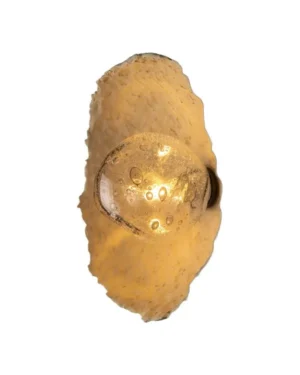

-
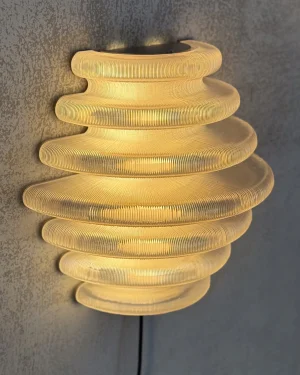
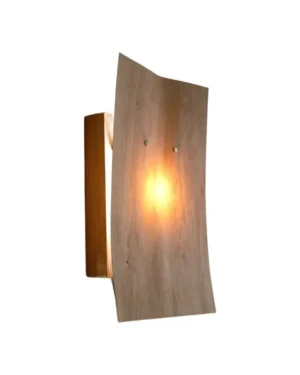
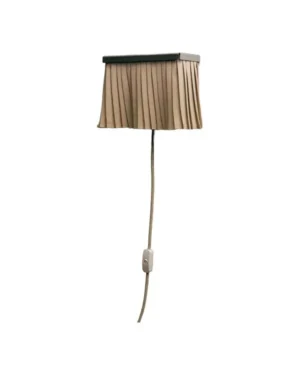
Hive Wall Lamp In Recycled Plastic And Stainless Steel
By Stijn van Aardenne
€805 -
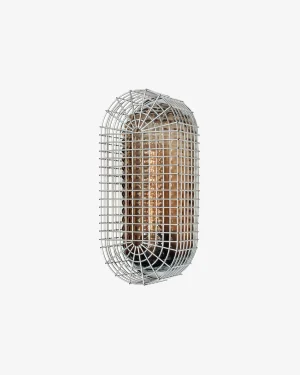
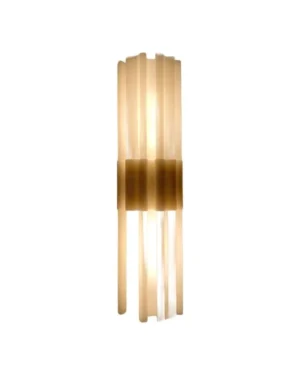
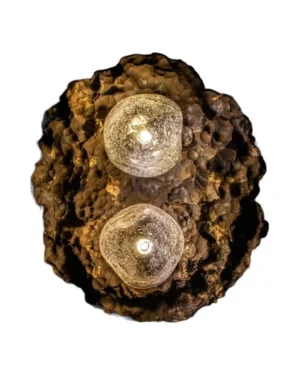
Chastity Wall Sconce In Stainless Steel And Handblown Glass
By Studio S II
€1.980 -

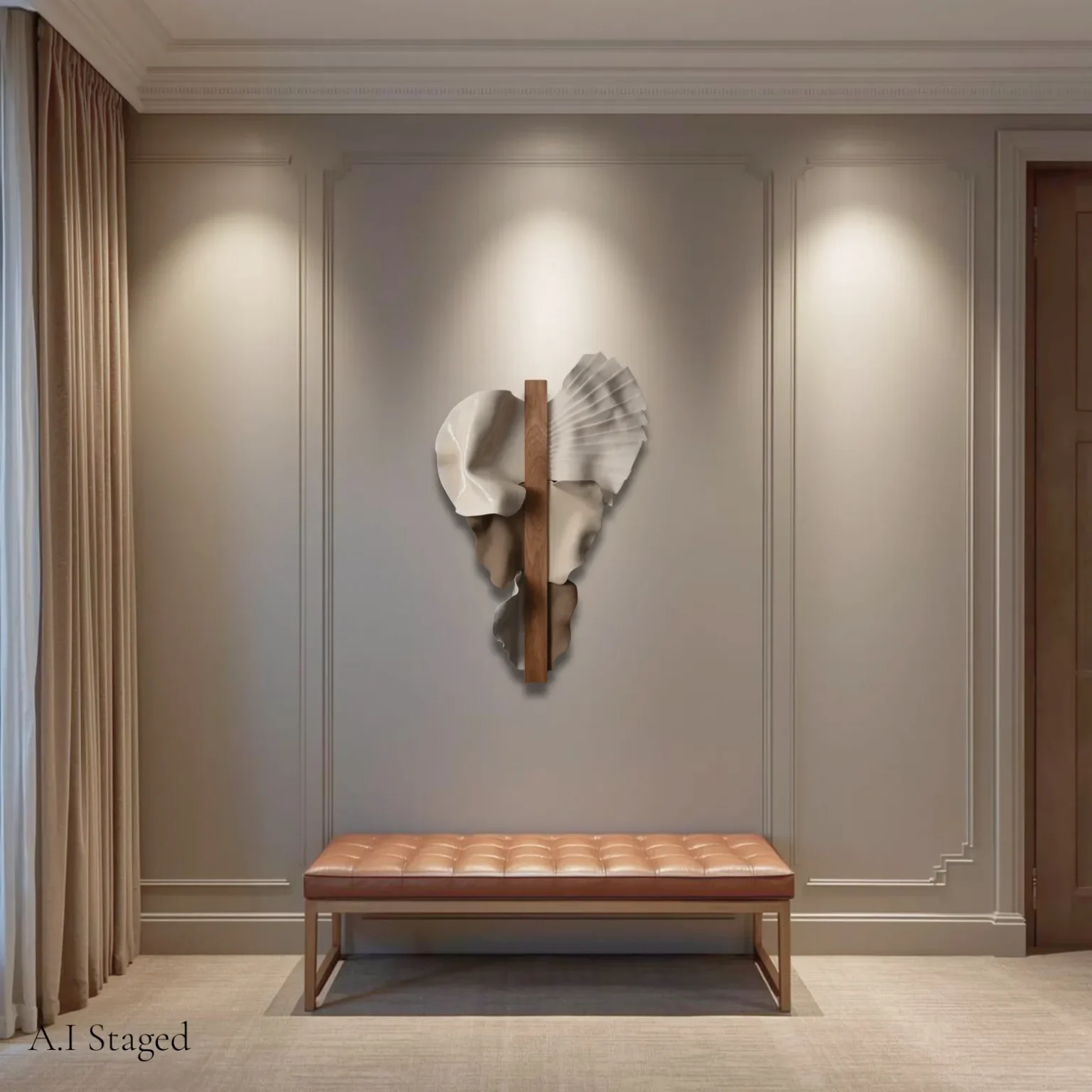
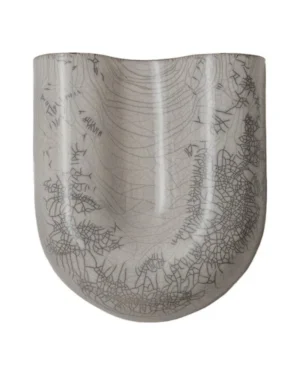
Onda Sconce In Raku White Ceramic
By arrived aliens
€2.200 -
 In stock
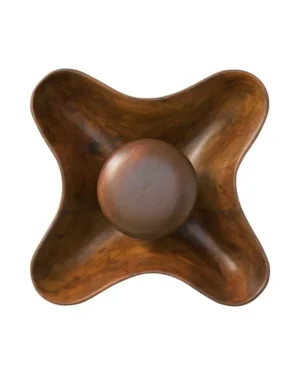
Coral Wall Lamp – Clay Sconce
By Dzovag Kotchian
€900 -
 In stock
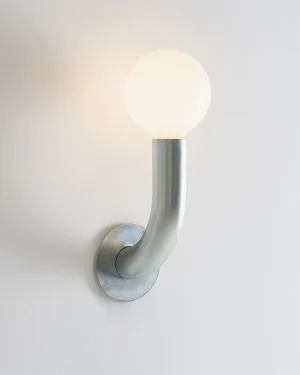
Curva Wall Sconce in Zinc
By Cultivado em Casa
€512 -
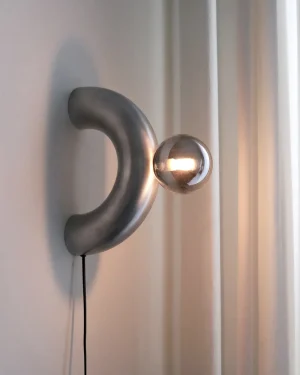
Arcora Toplight Wall Sconce in Aluminum
By HEAKO
€1.650 -
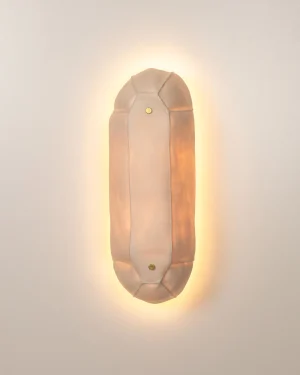
Kawa Series 01 Wall Sconce in Porcelain and Brass
By Luft Tanaka Studio
€1.600 -
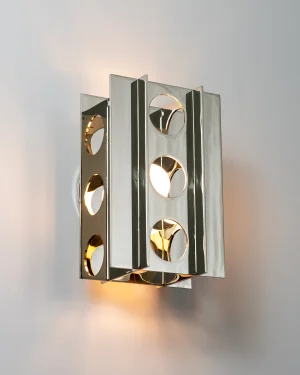
Tenfold 3T Mirror Wall Sconce in Steel and Aluminum
By Luft Tanaka Studio
€1.540 -
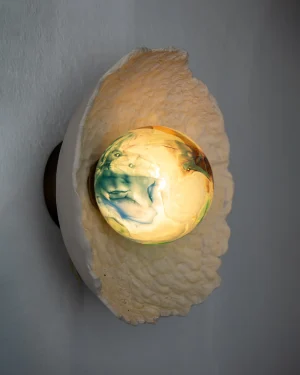 In stock
Asea No. 17 Wall Sconce In Stoneware And Blown Glass
By Ceren Gürkan
€900 -
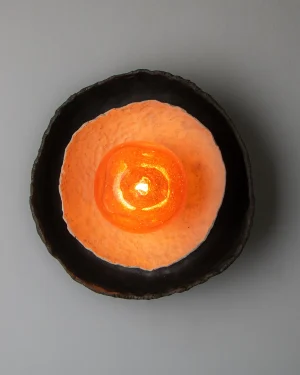
Asea No. 26 Red Wall Sconce in Blown Glass and Stoneware
By Ceren Gürkan
€1.100 -
 In stock
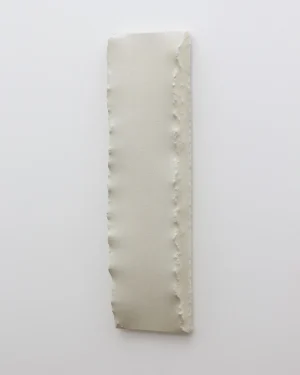
Edges 20-75 T8-60 Wall Sconce In Paper Pulp
By David Čáp
€400 -

Edges 20-105 T8-90 Wall Sconce In Paper Pulp
By David Čáp
€500 -
 In stock
Asea No.40 Wall Sconce In Stoneware And Blown Glass
By Ceren Gürkan
€1.200 -
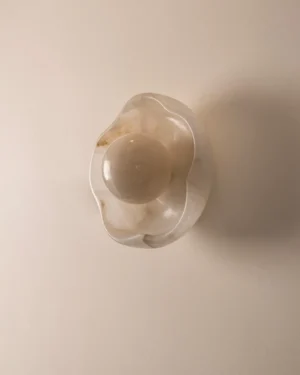
Flower Wall Sconce In Alabaster
By Harshita Jhamtani Designs
€700 -
 In stock
Asea No. 12 Green Wall Sconce In Stoneware And Blown Glass
By Ceren Gürkan
€800 -
 In stock
Sigil Crest Wall Sconce in Stainless Steel and Selenite
By Nitush and Aroosh
€1.800 -
 In stock
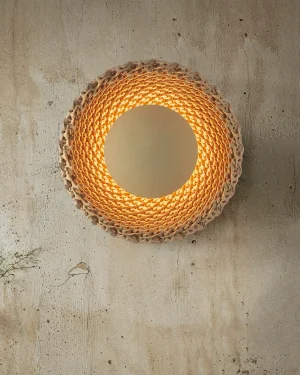
Edges Ellipse 36-96 T8-60 Wall Sconce In Paper Pulp
By David Čáp
€550 -
 In stock
Sun V2-b – 3d Printed Wall Lamp
By Rollo Studio
€6.049 -
 In stock
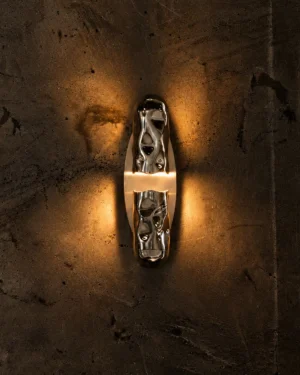
Nova Wall Sconce in Blown Glass and Steel
By Ceren Gürkan
€700 -
 In stock
Vela Wall Sconce In Stainless Steel
By Nitush and Aroosh
€700 -
 In stock
Onda Cosmic Wall Sconce In Glazed Ceramic
By arrived aliens
€2.200 -
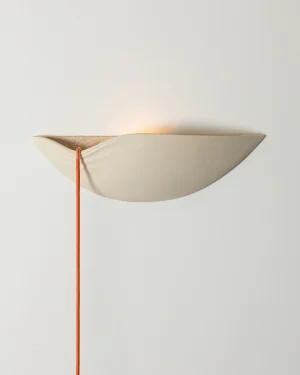
Loma Wall Sconce In Stoneware
By Catalin Filip
€450 -
 In stock
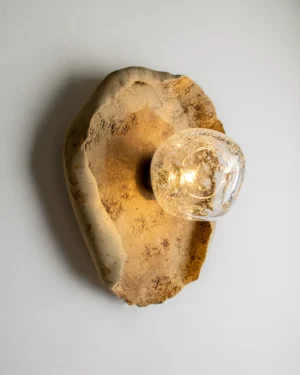
Asea No. 41 Wall Sconce in Stoneware and Blown Glass
By Ceren Gürkan
€1.000 -
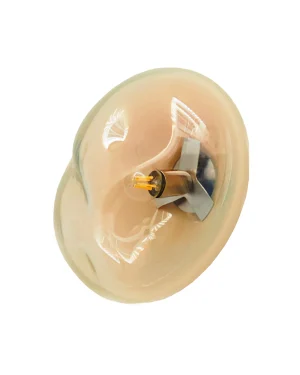
Haumea Amorph Wall Sconce In Amber Blown Glass
By ELOA - Unique Lights
€2.330 - €4.085 -
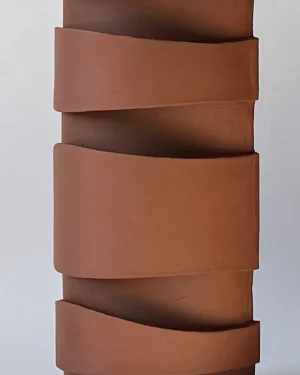
Layered Landscape – Ceramic Wall Lights
By Katia Langeard
€450 -
 In stock
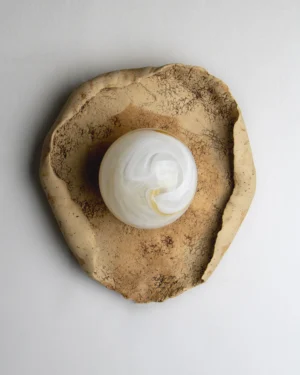
Asea No. 41 Pearl Wall Sconce in Stoneware and Blown Glass
By Ceren Gürkan
€1.000 -
10% off
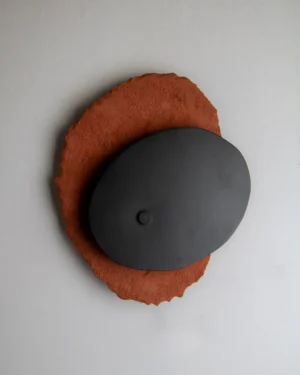
Asea No.1 Cherry Wall Sconce In Stoneware And Metal
By Ceren Gürkan
€1.000€900 -
 In stock
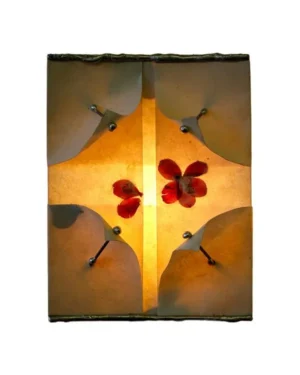
Herbarium Mini Lunaria Annua Wall Sconce In Glass And Plywood
By Mateusz Wappa
€1.200 -
 In stock
Herbarium Mini Daucus Carota Wall Sconce In Glass And Plywood
By Mateusz Wappa
€1.200 -

L’Été Ceramic Wall Light
By Katia Langeard
€380 -
10% off
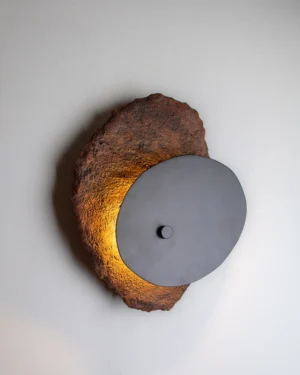
Asea No. 1 Cherry Dark Wall Sconce in Stoneware and Metal
By Ceren Gürkan
€1.000€900 -
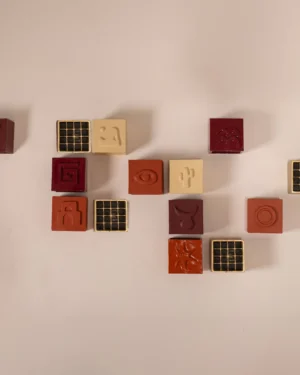
Oasis Wall Light In Hand-sculpted Stoneware
By Harshita Jhamtani Designs
€410 -
 In stock
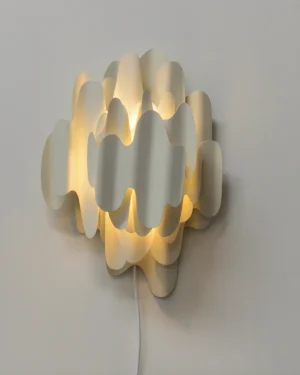
Fantasma Wall Sconce In Painted Steel
By Natural Urbano - Sebastián Beltrán
€950 -
 In stock
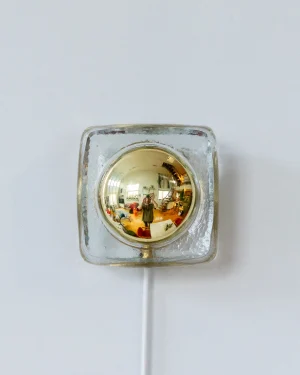
Starburst Wall Sconce in Brass and Blown Glass
By Voidfill Studio
€1.635 -
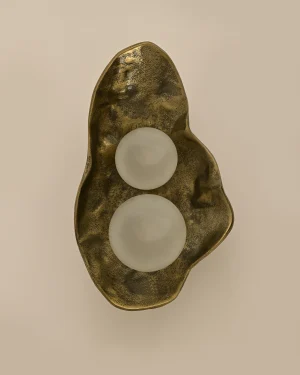
Celestial Tears Wall Sconce in Aluminum
By LMNOH
€710 -
 In stock
Asea No. 26 Pink Wall Sconce in Stoneware and Blown Glass
By Ceren Gürkan
€1.000 -
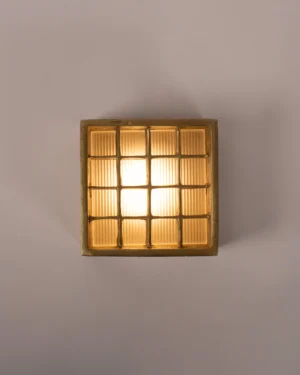
Oasis Mirage Wall Light In Cast Aluminum And Fluted Glass
By Harshita Jhamtani Designs
€620 -
 In stock
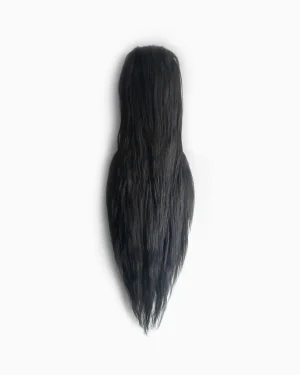
Scalp Wall Sconce in Fur and Lamb Leather
By Studio S II
€1.335 -
 In stock
Pearl Wall Lamp – Clay Sconce
By Dzovag Kotchian
€1.200 -

Onda Copper Wall Sconce In Raku Ceramic
By arrived aliens
€2.200 -
 In stock
Edges 20-75 T8-60 Wall Sconce In Black Paper Pulp
By David Čáp
€550 -
 In stock
Herbarium Eryngium Planum Wall Sconce In Glass And Plywood
By Mateusz Wappa
€2.000 -
 In stock
Nova Blue Wall Sconce in Blown Glass and Steel
By Ceren Gürkan
€700 -
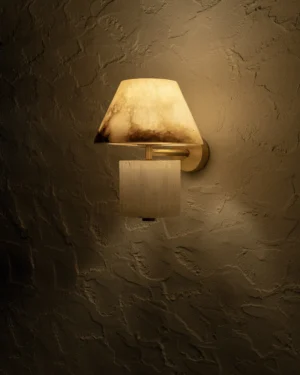
Rio Wall Lamp In Alabaster And Brass
By Harshita Jhamtani Designs
€1.150 -
 In stock
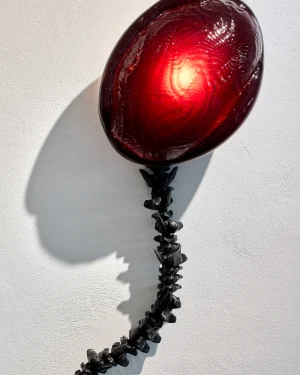
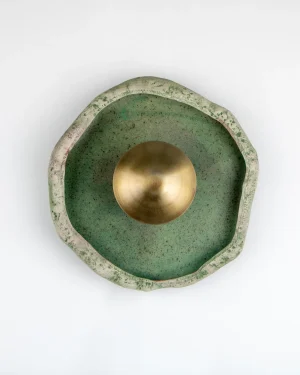
Dysplasio Wall Sconce in Blown Glass
By Anna Jožová
€2.000 - €3.300 -
 In stock
Asea No. 18 Green Wall Sconce In Porcelain And Brass
By Ceren Gürkan
€600 -
 In stock
Brown Mud Ellipse Wall Sconce In Textiles And Wood
By David Čáp
€550 -
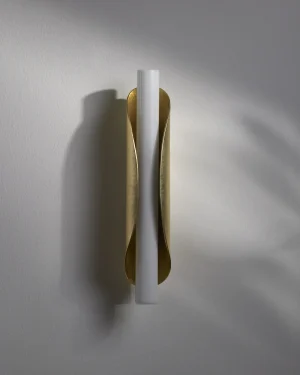
Taco De Luz 30cm Wall Sconce in Satin Brass
By Studio Aristotelis Barakos
€870 -
 In stock
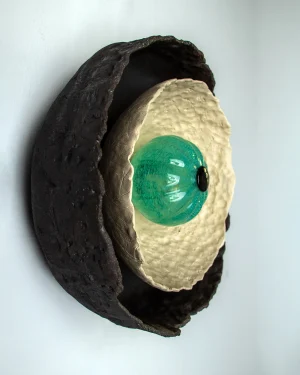
Asea No. 26 Eye Wall Sconce in Porcelain and Blown Glass
By Ceren Gürkan
€1.100 -
 In stock
Asea No. 20 Wall Sconce in Stoneware and Brass
By Ceren Gürkan
€700 -
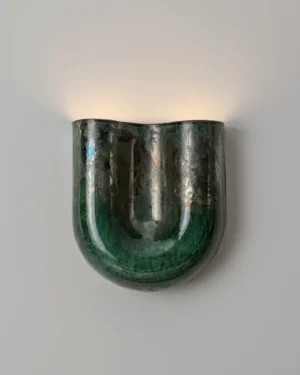
Onda Green Wall Sconce In Raku Ceramic
By arrived aliens
€2.200 -
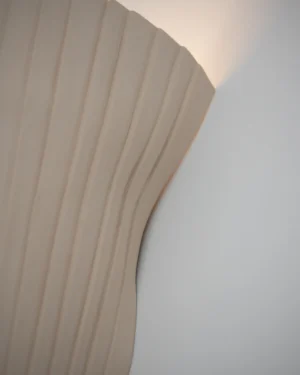 In stock
Tenderness Sconce | Large
By Studio Ēeme
€1.300 -
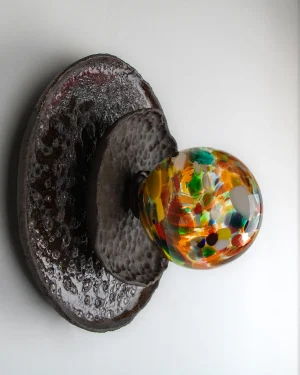 In stock
Asea No. 34 Wall Sconce in Stoneware and Blown Glass
By Ceren Gürkan
€1.000 -
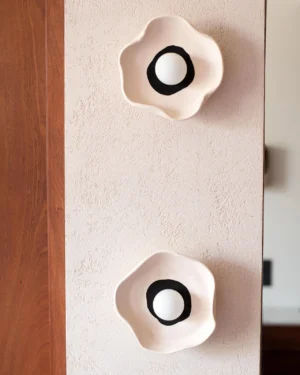
Flower Wall Sconce In Stoneware
By Harshita Jhamtani Designs
€360
Hallway wall sconces are fixtures built to run along a corridor wall rather than sit on a surface, so the studios behind them favor materials that read clearly from a distance: hand-built stoneware, hand-blown glass, and brass or aluminum worked into shades and brackets. Because a hallway is walked through rather than lived in, these pieces are made to catch the eye in passing, with a glaze, a patina or a cast form that holds up under a quick glance as well as a lingering one. Wiring stays hidden behind the wall, so the sconce itself is pure surface and shape.
What defines the material and the making
Stoneware and ceramic sconces are hand-built, then fired and glazed, which gives each shade a slightly uneven edge and a surface that scatters light instead of throwing a hard beam. Blown glass works the opposite way, built around a molten gather that cools into a form light passes through rather than off, so the glow softens at the edges. Brass, steel and aluminum are worked by metalsmiths into brackets and shades that take a brushed, polished or oxidized finish, and that finish keeps changing with handling and air long after the piece leaves the studio.
The range of finishes and colors
Color here tends toward the quiet end: white, off-white, beige and brown stoneware; clear, transparent or bronze-tinted glass; silver-toned steel and aluminum. These sit alongside warmer brass tones that darken with age. Styles run from pared-back minimalist and contemporary shades to wabi-sabi pieces that keep the maker's hand visible, with occasional art deco or futuristic forms for a hallway that wants more presence. Some pieces come from open editions, others from limited runs or as unique pieces, so finish and exact form vary piece to piece even within a single studio's work.
How to choose a sconce for a hallway
Scale matters more in a corridor than almost anywhere else, since there is little room to step back and take in a large fixture. A shade that sits close to the wall and throws light up or sideways tends to suit a narrow passage better than one that projects out into the walking path. Eye level or slightly above is the usual mounting height, close enough to read the glaze or metal finish without glare.
Spacing along a long hallway matters as much as the sconce itself: even intervals create rhythm, while a single fixture works as a marker near a turn or a doorway. Metal finishes read differently under daylight than under a warm bulb, so it is worth matching the fixture's tone to the hallway's other fittings, including metal wall sconces already in use elsewhere in the house, or to the broader run of contemporary wall sconces if the space leans toward a cleaner look.
Where else these pieces work
A sconce built for a hallway reads just as well in a stairwell, a long entry or any transitional space where floor lamps and table lamps have no footing. The same stoneware or glass shades that line a corridor can flank a front door or mark a landing, since the fixture asks only for a flat wall and a fixed point of light. For the full spread of fixtures and furnishings suited to these in-between spaces, the hallway pieces on ADORNO and the wider hallway lighting are worth a look, as is the full set of wall sconces for comparison.
Caring for stoneware, glass and metal sconces
Stoneware and ceramic shades should be dusted with a dry or barely damp cloth, since standing water can seep into an unglazed foot and stain it. Blown glass takes the same light dusting and benefits from occasional cleaning with a glass cleaner that will not leave streaks under direct light. Brass will darken and spot with handling and humidity; left alone it develops an even patina, or it can be polished back with a dedicated brass cleaner if a brighter finish is wanted. Aluminum and steel need little beyond an occasional wipe, since both resist tarnishing far better than brass does.
How do I choose a wall sconce for a hallway?
Pick a shade that reads clearly from a distance, since a hallway is walked through rather than lingered in. Stoneware and glass scatter light softly, while brass or aluminum shades throw a sharper, more directional glow.
What height should hallway wall sconces be installed at?
Eye level is standard, roughly five to six feet from the floor, so light spreads across the wall rather than down onto it. The maker can confirm exact placement for a specific piece.
How do I care for a stoneware, glass or metal sconce?
Dust ceramic and glass shades with a dry or barely damp cloth, avoiding abrasive cleaners that dull the glaze. Brass and steel can be left to patina naturally or wiped with a metal-safe polish to keep their original finish.
Do wall sconces work well in narrow or dark hallways?
Yes, since they mount flush to the wall and leave the floor clear, which matters most in tight passageways. Lifting light to eye level also helps a narrow hallway feel wider and less closed in.
Can hallway wall sconces be used in other rooms too?
Yes, the same fixtures suit bedrooms, entryways and living rooms, anywhere a wall needs light without taking up floor or surface space. Finish and glow are the main things to match to the room.
What are ADORNO's shipping, returns and authenticity policies?
Shipping is insured and worldwide. Returns are accepted within 14 days, excluding made-to-order pieces, and every piece comes with a certificate of authenticity plus a lowest-price guarantee.