
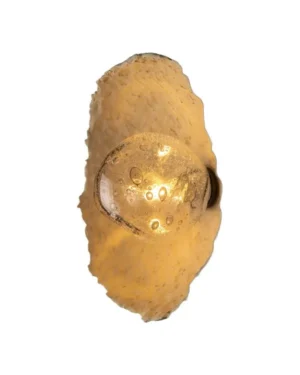

-
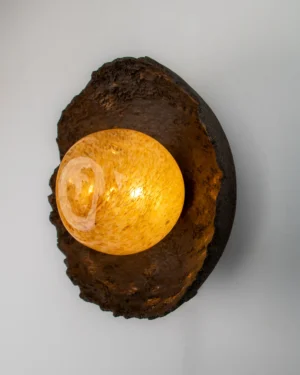 In stock
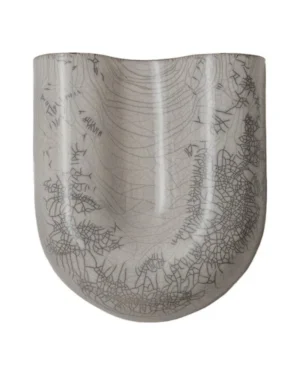
Asea No. 23 Dark Honey Wall Sconce in Stoneware and Glass
By Ceren Gürkan
€800 -
 In stock
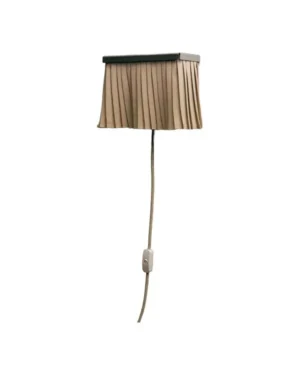
Held In Tension No. 01 Wall Sconce In Metal And Paper
By Aysenur Dagdelen
€170 -
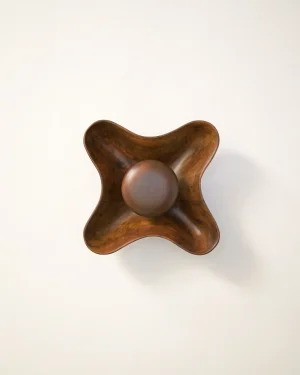
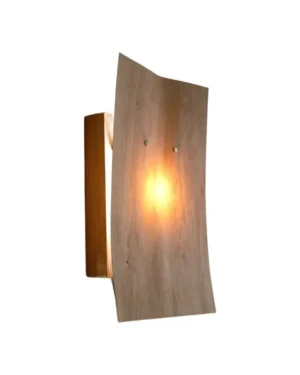
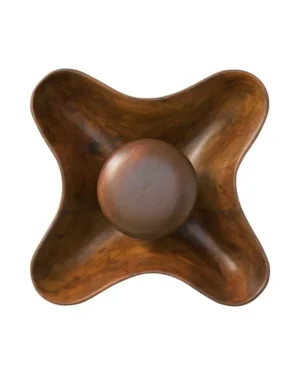
Compass Sconce in Teak Wood
By Studio Indigene
€550 -
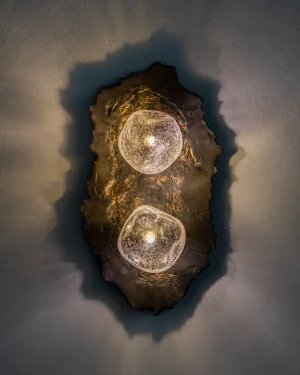 In stock
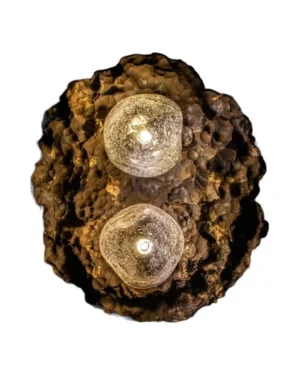
Asea No. 25 Wall Sconce In Blown Glass And Stoneware
By Ceren Gürkan
€1.100 -
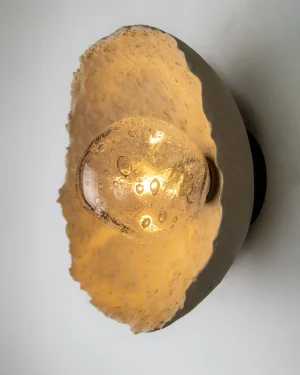 In stock
Asea No. 23 Wall Sconce In Stoneware And Blown Glass
By Ceren Gürkan
€800 -
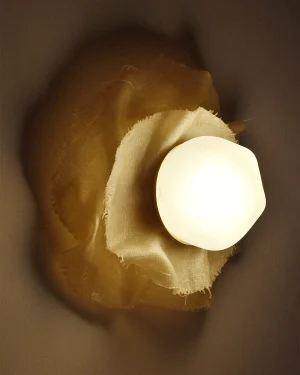
Liora II Wall Sconce in Glass, Brass and Fabric
By Atelier Alz
€350 -
 In stock
Object 02 Sconce in Nylon and Sand
By Hot Wire Extensions
€1.460 -
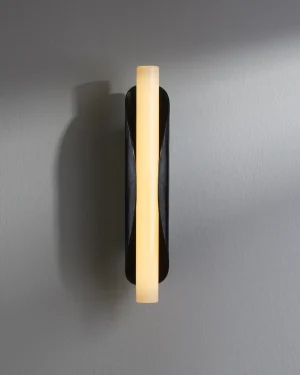
Taco De Luz Wall Sconce in Black Patinated Brass
By Studio Aristotelis Barakos
€980 -
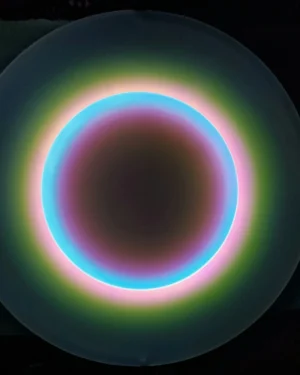
Event Horizon L Wall Sconce in Acrylic Glass
By Catrinel Sabaciag
€1.963 -
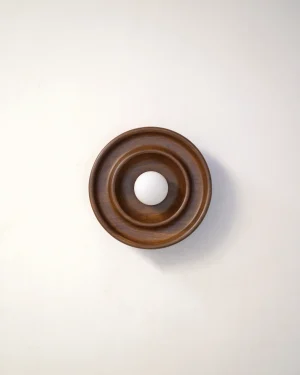
Discus Sconce in Teak Wood
By Studio Indigene
€450 -
 In stock
Asea No. 7 Wall Sconce in Stoneware and Brass
By Ceren Gürkan
€900 -
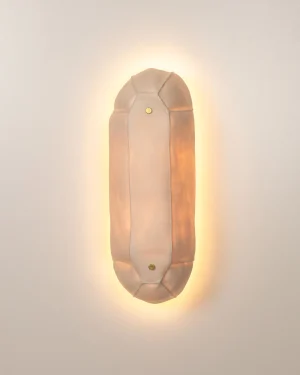
Kawa Series 01 Wall Sconce in Porcelain and Brass
By Luft Tanaka Studio
€1.600 -
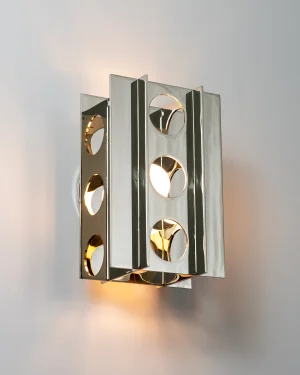
Tenfold 3T Mirror Wall Sconce in Steel and Aluminum
By Luft Tanaka Studio
€1.540 -
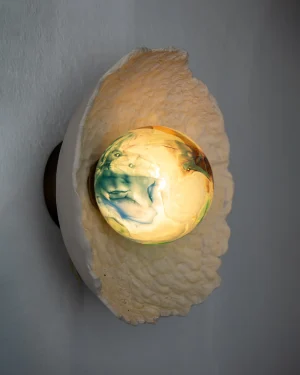 In stock
Asea No. 17 Wall Sconce In Stoneware And Blown Glass
By Ceren Gürkan
€900 -
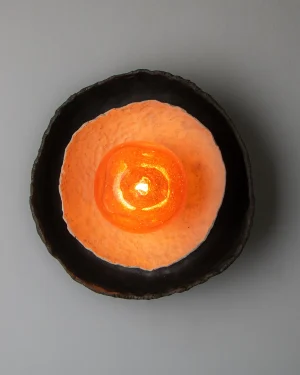
Asea No. 26 Red Wall Sconce in Blown Glass and Stoneware
By Ceren Gürkan
€1.100 -
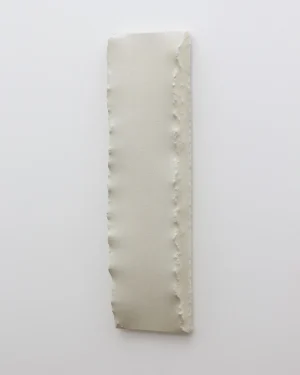 In stock
Edges 20-75 T8-60 Wall Sconce In Paper Pulp
By David Čáp
€400 -
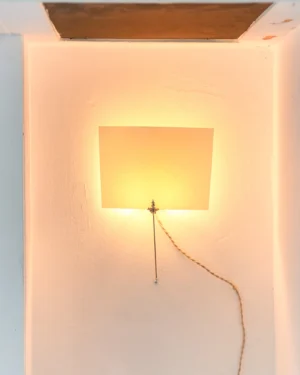
Held In Tension No. 02 Wall Sconce In Metal And Paper
By Aysenur Dagdelen
€160 -

Edges 20-105 T8-90 Wall Sconce In Paper Pulp
By David Čáp
€500 -

Soft Ply Wall Sconce in Birch Wood and Brass
By Sheyang Li
€264 -
 In stock
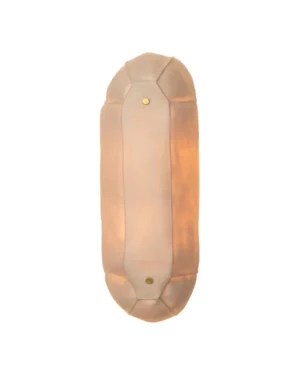
Sigil Crest Wall Sconce in Stainless Steel and Selenite
By Nitush and Aroosh
€1.800 -
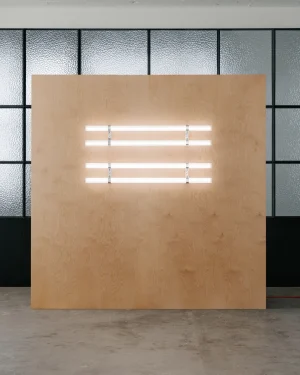
Collier S2 Pendant Lamp in Glass and Aluminum
By Darka
€1.700 -

Motion — Sculptural Wall Light
By Katia Langeard
€700 -
 In stock
Edges Ellipse 36-96 T8-60 Wall Sconce In Paper Pulp
By David Čáp
€550 -
 In stock
Asea No. 35 Wall Sconce In Stoneware And Blown Glass
By Ceren Gürkan
€1.000 -
 In stock
Mini Sombrilla Wall Sconce in 3D Printed PLA
By Studio Parenthesis
€330 -
 In stock
Nova Wall Sconce in Blown Glass and Steel
By Ceren Gürkan
€700 -
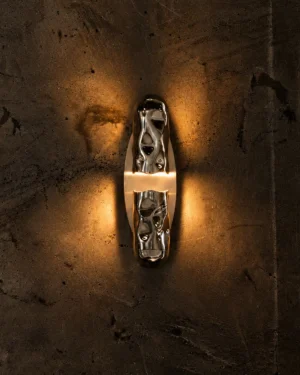 In stock
Vela Wall Sconce In Stainless Steel
By Nitush and Aroosh
€700 -
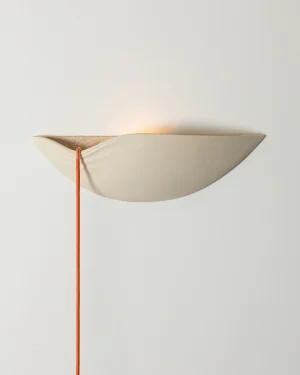
Loma Wall Sconce In Stoneware
By Catalin Filip
€450 -

Collier S1 Wall Sconce in Glass and Aluminum
By Darka
€1.050 -
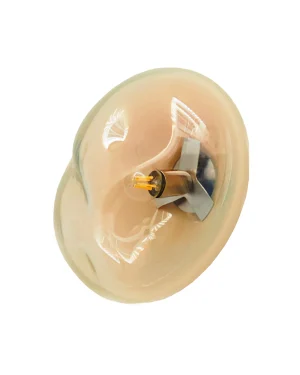
Haumea Amorph Wall Sconce In Amber Blown Glass
By ELOA - Unique Lights
€2.330 - €4.085 -
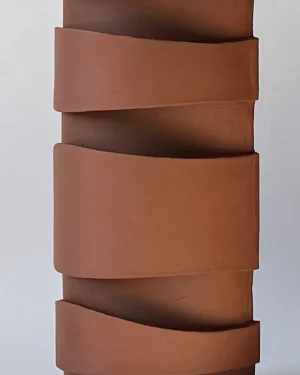
Layered Landscape – Ceramic Wall Lights
By Katia Langeard
€450 -
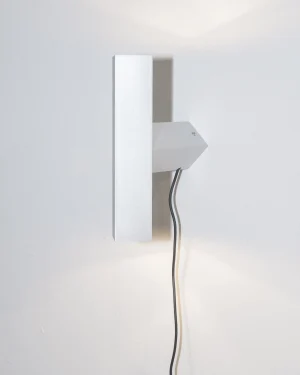 In stock
Sculptural Wall Sconce in Aluminum
By NOSTUDIO
€420 - €450 -
10% off
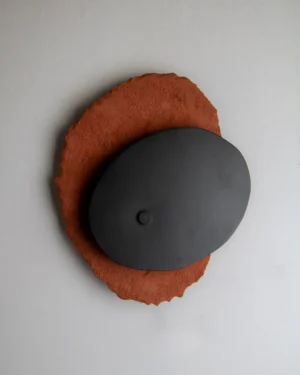
Asea No.1 Cherry Wall Sconce In Stoneware And Metal
By Ceren Gürkan
€1.000€900 -

L’Été Ceramic Wall Light
By Katia Langeard
€380 -
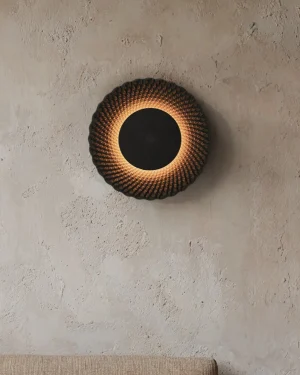 In stock
Sun Vxs 05 — Sculptural Wall Lamp In 3d-printed Sand
By Rollo Studio
€1.080 -
10% off
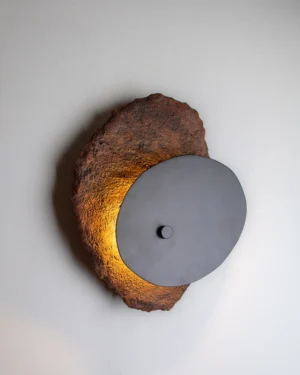
Asea No. 1 Cherry Dark Wall Sconce in Stoneware and Metal
By Ceren Gürkan
€1.000€900 -
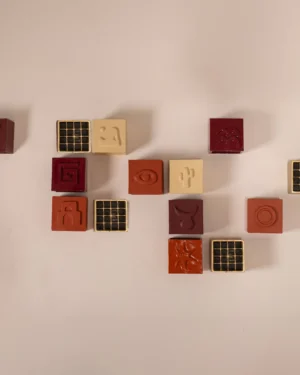
Oasis Wall Light In Hand-sculpted Stoneware
By Harshita Jhamtani Designs
€410 -
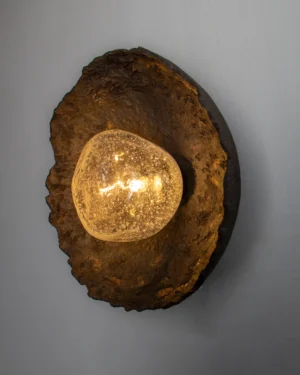
Asea No. 23 Dark Wall Sconce in Stoneware and Blown Glass
By Ceren Gürkan
€800 -
 In stock
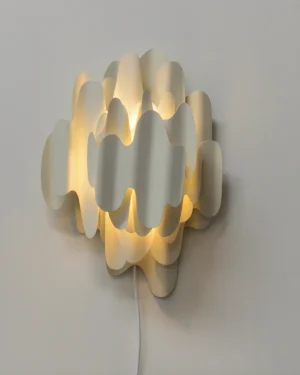
Fantasma Wall Sconce In Painted Steel
By Natural Urbano - Sebastián Beltrán
€950 -
 In stock
Asea No. 26 Pink Wall Sconce in Stoneware and Blown Glass
By Ceren Gürkan
€1.000 -
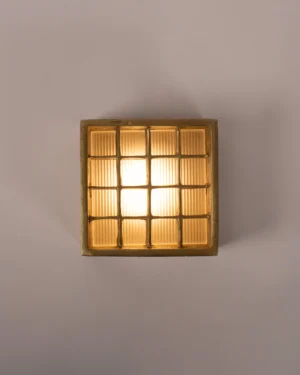
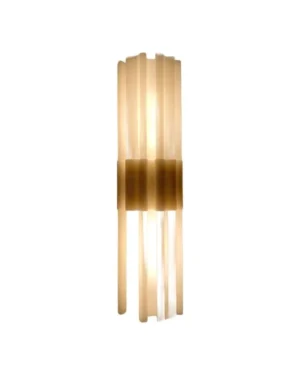
Oasis Mirage Wall Light In Cast Aluminum And Fluted Glass
By Harshita Jhamtani Designs
€620 -
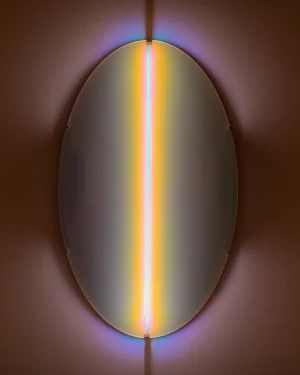
Aurora Gloss Wall Sconce in Acrylic and Aluminum
By Catrinel Sabaciag
€1.341 -
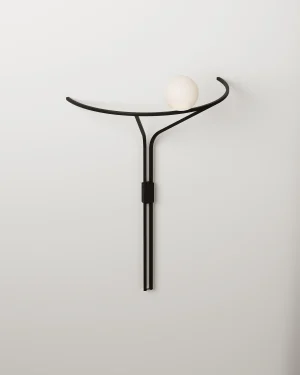 In stock
Na Linii Wall Sconce in Steel
By SVITANOK
€1.050 -
 In stock
Edges 20-75 T8-60 Wall Sconce In Black Paper Pulp
By David Čáp
€550 -
 In stock
Nova Blue Wall Sconce in Blown Glass and Steel
By Ceren Gürkan
€700 -
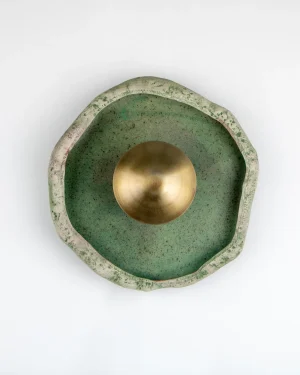 In stock
Asea No. 18 Green Wall Sconce In Porcelain And Brass
By Ceren Gürkan
€600 -
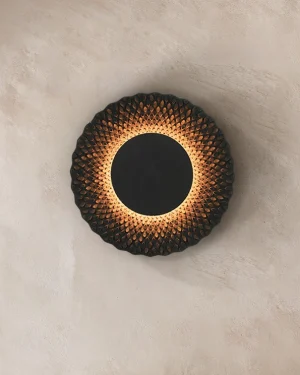 In stock
Sun Vxs 08 — Sculptural Wall Lamp In 3d-printed Sand
By Rollo Studio
€1.080 -
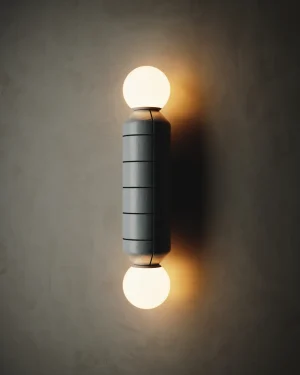 In stock
Navazi Wall Sconce in Glass and Ceramic
By SVITANOK
€1.130 - €1.260 -
 In stock
Brown Mud Ellipse Wall Sconce In Textiles And Wood
By David Čáp
€550 -

Totem Wall Sconce in Aluminum and Acrylic Glass
By Catrinel Sabaciag
€1.326 -
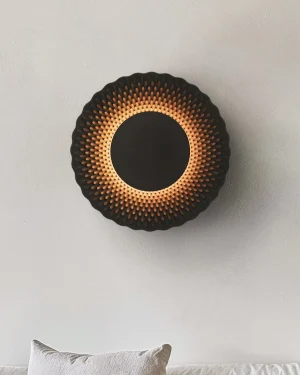 In stock
Sun Vxs 07 — Sculptural Wall Lamp In 3d-printed Sand
By Rollo Studio
€1.080 -
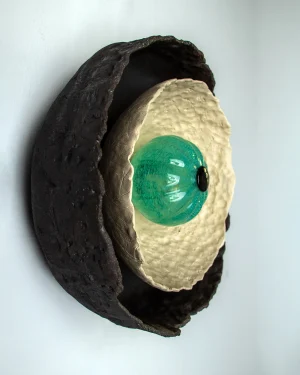 In stock
Asea No. 26 Eye Wall Sconce in Porcelain and Blown Glass
By Ceren Gürkan
€1.100 -

Small Wall Sconce in Brass and Blown Glass
By Naama Hofman
€700 -
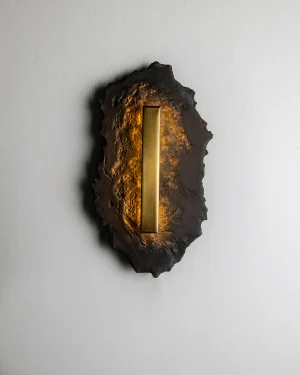 In stock
Asea No. 16 Wall Sconce in Stoneware and Brass
By Ceren Gürkan
€900
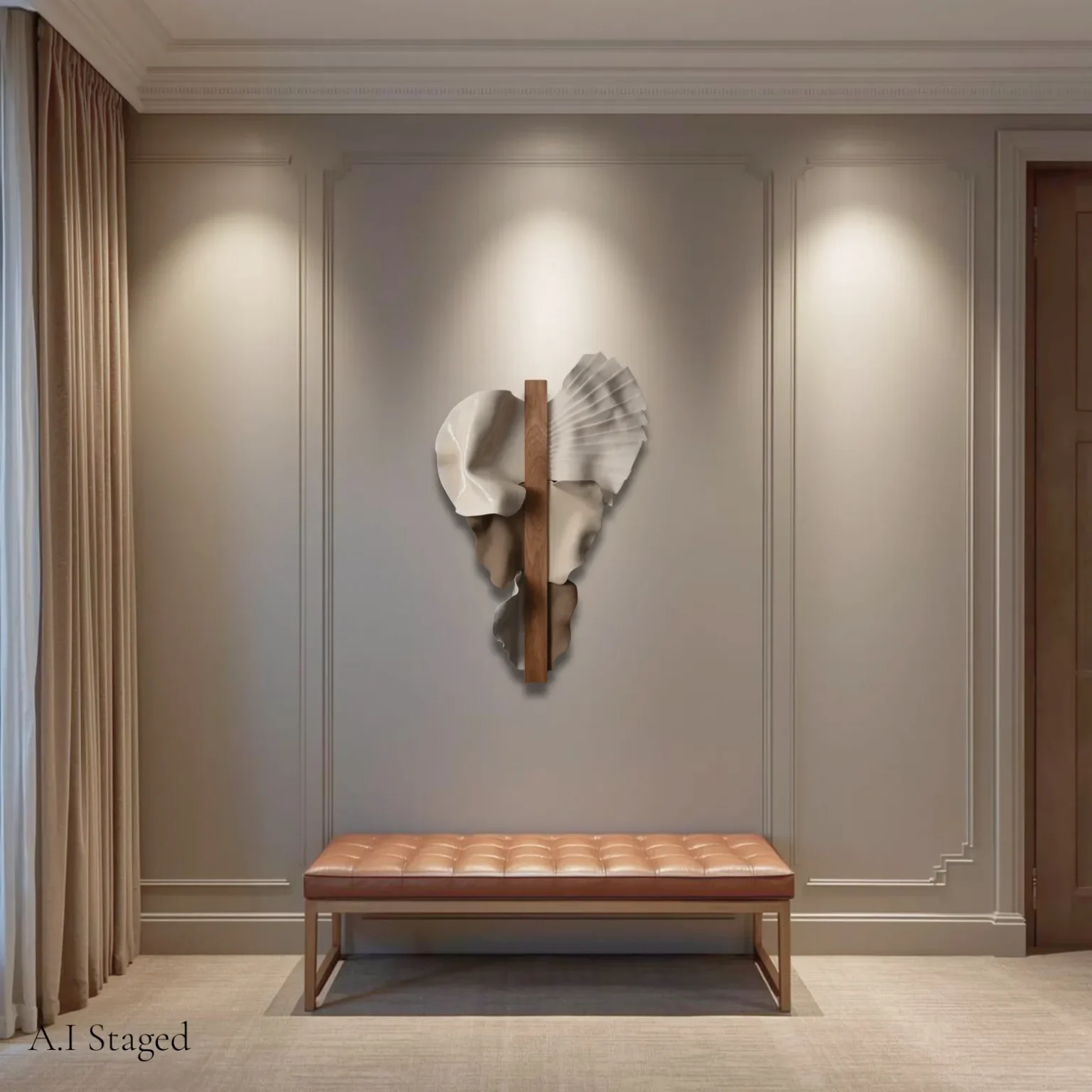
Contemporary wall sconces bring together hand-built stoneware, blown glass, brass, steel and wood, shaped by independent studios that favor clean volumes and visible material over applied ornament. What ties the pieces together is restraint: a single dome of glass, a cylinder of ceramic, a bent plane of metal, each built to catch light rather than compete with it. The result sits close to the wall and reads as sculpture by day, as illumination by night.
What defines the contemporary style here
Materials, finishes and the way they are made
Stoneware and ceramic sconces come from hand-building, each one fired and glazed in small batches, so color runs from chalky white and beige to deeper charcoal and the occasional aqua or purple glaze. Blown glass pieces depend on glassblowing, giving each shade a faint variation in thickness that changes how light scatters across plaster. Brass, steel and aluminum sconces are shaped through metalwork, left raw to patinate or finished in brushed silver, while teak, oak and walnut bodies come from wood and cabinetmaking and darken slightly with age and light. A smaller number of studios work in paper, built up through papermaking or paperwork for a soft, diffused glow, or in 3D-printed sand pushed through digital fabrication for shapes that would be hard to cast by hand. Editions run from open production to one-off, unique pieces, so availability and exact finish can shift from one sconce to the next within the same material family.
How to choose a sconce for your wall
Start with scale: a sconce reads as an object in daylight, so its diameter should feel proportionate to the wall it sits on, neither lost on an expansive surface nor crowding a narrow one. Mounting height matters more than with floor or table lighting, since the fixture sits permanently at eye level; a common approach is to hang sconces at roughly seated or standing eye height, adjusted for the room's ceiling and furniture. Consider the finish against your wall color: pale stoneware and tinted glass soften against white or off-white plaster, while brass or charcoal metal reads more sharply against darker paint. Where two sconces flank a mirror, doorway or headboard, matching pairs keep the wall symmetrical; a single asymmetric piece works better beside a reading chair or stair landing.
Where these sconces work
Because a sconce needs no floor or tabletop space, it suits rooms where every surface is already spoken for. In a bedroom, a pair mounted beside the bed frees the nightstand for books and water glasses; see the options built for bedroom wall sconces. In a hallway or stairwell, evenly spaced sconces give rhythm to a long run of wall without narrowing the passage, a use covered by hallway wall sconces. Living rooms and studies benefit from one mounted beside a sofa or shelf for reading light that does not compete with an overhead fixture. For a narrower look at metal finishes across all rooms, the metal wall sconces group is worth a look.
Caring for ceramic, glass, brass and wood sconces
Stoneware and ceramic shades need only a dry cloth, since water can draw salts to the glaze surface over time. Blown glass should be dusted gently and never cleaned with abrasive sponges, which can scratch a matte finish. Raw brass will patinate unevenly if touched often with bare hands; a light coat of wax slows this if an even tone is wanted, while steel and aluminum wipe clean with a damp cloth. Teak, oak and walnut bodies benefit from being kept away from direct heat sources, which dry and crack wood over years, and from an occasional pass of furniture oil to keep the grain from graying.
For the full range of forms and finishes beyond the contemporary style, the wall sconces category covers every material and period on ADORNO, while contemporary pieces across lighting, seating and objects show how the same restraint carries into other rooms of the house.
How do I choose a contemporary wall sconce?
Start with the wall it will sit against and the mood you want: a glass dome scatters soft light outward, while a ceramic cylinder or metal half-dome throws a tighter pool.
How do I clean and care for a wall sconce?
Dust glass and ceramic shades with a dry or barely damp cloth, and wipe raw brass or steel with a soft cloth to slow fingerprints without stopping the natural darkening. Avoid abrasive cleaners on glazed stoneware and unlacquered metal.
What height should a wall sconce be mounted at?
Most contemporary sconces sit at eye level, roughly 60 to 66 inches from the floor to the center of the fixture, though hallway and bedside placements often sit lower. The maker can confirm exact mounting guidance for a specific piece on its page.
Which rooms suit contemporary wall sconces?
Hallways, bedrooms, living rooms and entryways all benefit, since the light sits off the floor and clears tabletop space entirely. A single sconce can anchor a reading corner, while a pair often frames a doorway or bed.
Does ADORNO ship wall sconces internationally and offer returns?
Yes, shipping is insured and worldwide. Returns are accepted within 14 days, except for made-to-order pieces, and every sconce arrives with a certificate of authenticity.
Can I order a custom finish or size for a wall sconce?
Some studios take custom requests on finish, color or scale, others work only in fixed editions. Use Chat with the maker on the piece's page to ask directly.