

-
 In stock
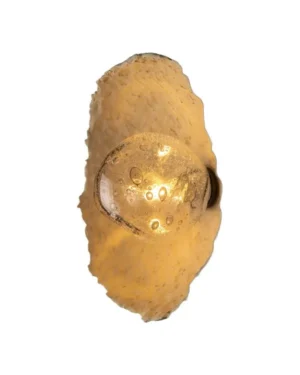
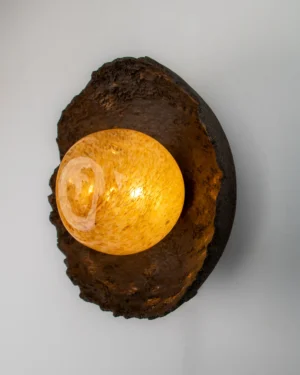
Asea No. 23 Dark Honey Wall Sconce in Stoneware and Glass
By Ceren Gürkan
€800 -
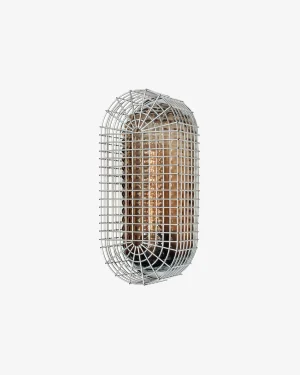
Chastity Wall Sconce In Stainless Steel And Handblown Glass
By Studio S II
€1.980 -
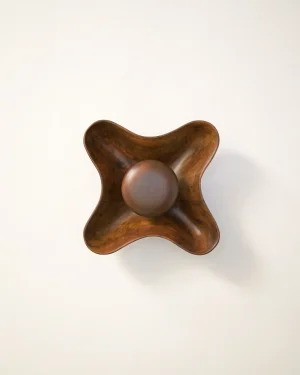
Compass Sconce in Teak Wood
By Studio Indigene
€550 -
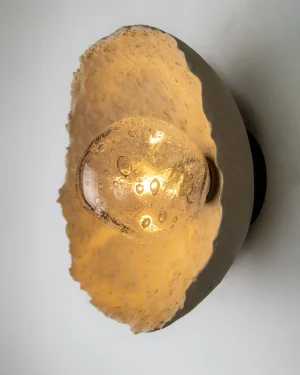 In stock
Asea No. 23 Wall Sconce In Stoneware And Blown Glass
By Ceren Gürkan
€800 -
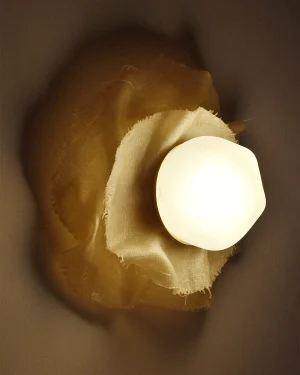
Liora II Wall Sconce in Glass, Brass and Fabric
By Atelier Alz
€350 -
 In stock
Object 02 Sconce in Nylon and Sand
By Hot Wire Extensions
€1.460 -
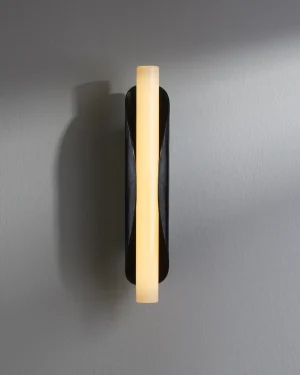
Taco De Luz Wall Sconce in Black Patinated Brass
By Studio Aristotelis Barakos
€980 -
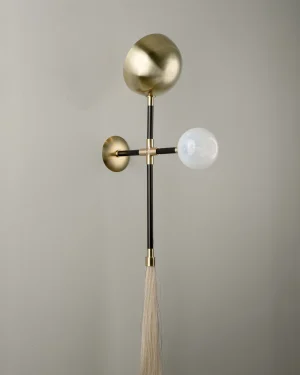
Gogo Wall Sconce in Brass, Blown Glass and Natural Fibers
By Isabel Moncada
€2.880 - €4.036 -
 In stock
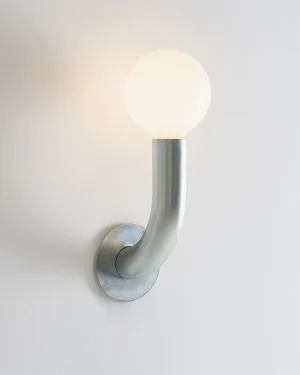
Curva Wall Sconce in Zinc
By Cultivado em Casa
€512 -
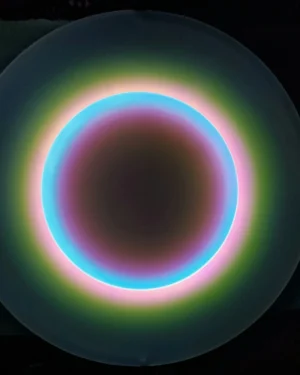
Event Horizon L Wall Sconce in Acrylic Glass
By Catrinel Sabaciag
€1.963 -
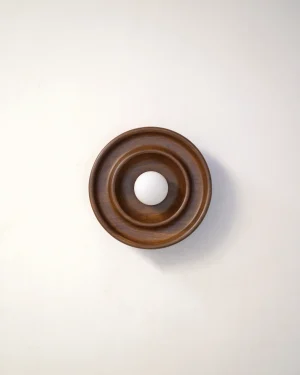
Discus Sconce in Teak Wood
By Studio Indigene
€450 -
 In stock
Asea No. 7 Wall Sconce in Stoneware and Brass
By Ceren Gürkan
€900 -
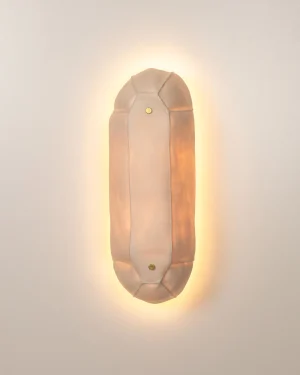
Kawa Series 01 Wall Sconce in Porcelain and Brass
By Luft Tanaka Studio
€1.600 -
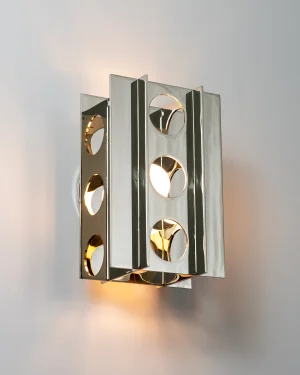
Tenfold 3T Mirror Wall Sconce in Steel and Aluminum
By Luft Tanaka Studio
€1.540 -
 In stock
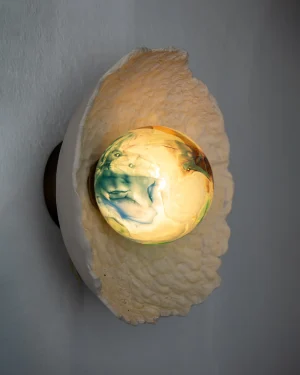
Asea No. 17 Wall Sconce In Stoneware And Blown Glass
By Ceren Gürkan
€900 -
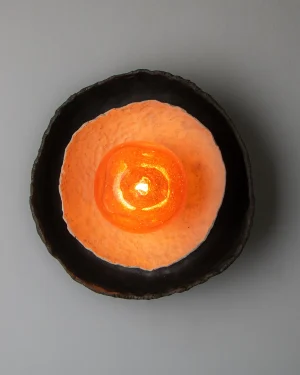
Asea No. 26 Red Wall Sconce in Blown Glass and Stoneware
By Ceren Gürkan
€1.100 -
 In stock
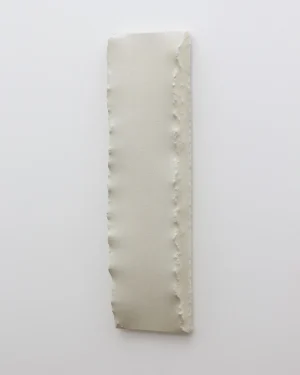
Edges 20-75 T8-60 Wall Sconce In Paper Pulp
By David Čáp
€400 -

Edges 20-105 T8-90 Wall Sconce In Paper Pulp
By David Čáp
€500 -
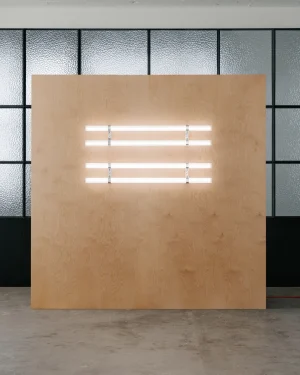
Collier S2 Pendant Lamp in Glass and Aluminum
By Darka
€1.700 -
 In stock
Edges Ellipse 36-96 T8-60 Wall Sconce In Paper Pulp
By David Čáp
€550 -
 In stock
Nova Wall Sconce in Blown Glass and Steel
By Ceren Gürkan
€700 -
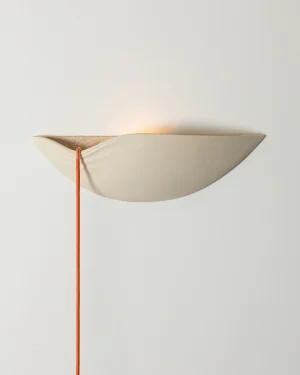
Loma Wall Sconce In Stoneware
By Catalin Filip
€450 -

Collier S1 Wall Sconce in Glass and Aluminum
By Darka
€1.050 -
 In stock
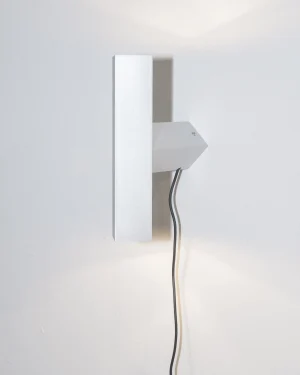
Sculptural Wall Sconce in Aluminum
By NOSTUDIO
€420 - €450 -
10% off
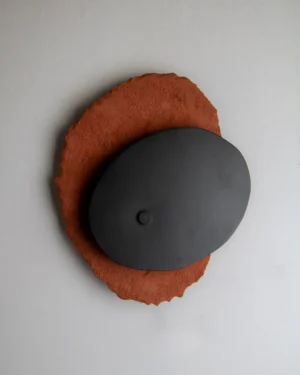
Asea No.1 Cherry Wall Sconce In Stoneware And Metal
By Ceren Gürkan
€1.000€900 -

L’Été Ceramic Wall Light
By Katia Langeard
€380 -
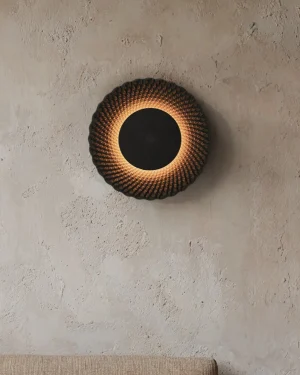 In stock
Sun Vxs 05 — Sculptural Wall Lamp In 3d-printed Sand
By Rollo Studio
€1.080 -
10% off
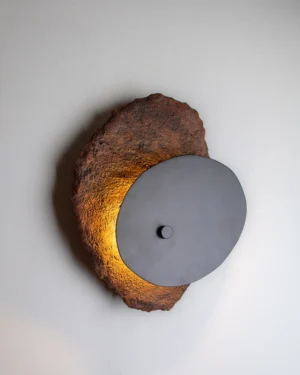
Asea No. 1 Cherry Dark Wall Sconce in Stoneware and Metal
By Ceren Gürkan
€1.000€900 -
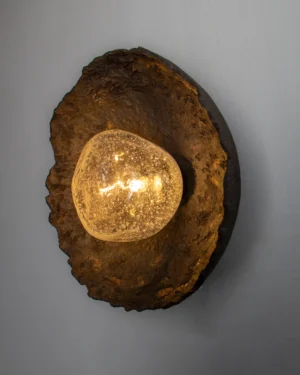
Asea No. 23 Dark Wall Sconce in Stoneware and Blown Glass
By Ceren Gürkan
€800 -
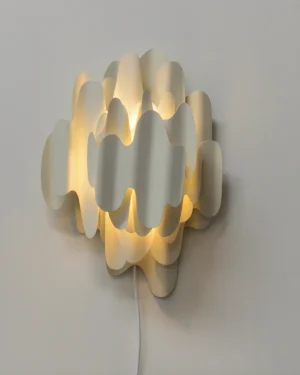 In stock
Fantasma Wall Sconce In Painted Steel
By Natural Urbano - Sebastián Beltrán
€950 -
 In stock
Asea No. 26 Pink Wall Sconce in Stoneware and Blown Glass
By Ceren Gürkan
€1.000 -
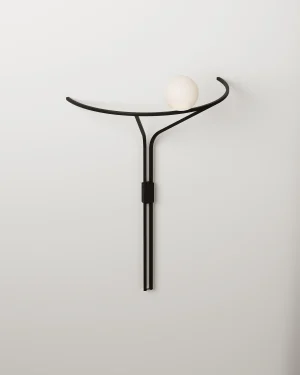 In stock
Na Linii Wall Sconce in Steel
By SVITANOK
€1.050 -
 In stock
Edges 20-75 T8-60 Wall Sconce In Black Paper Pulp
By David Čáp
€550 -
 In stock
Nova Blue Wall Sconce in Blown Glass and Steel
By Ceren Gürkan
€700 -
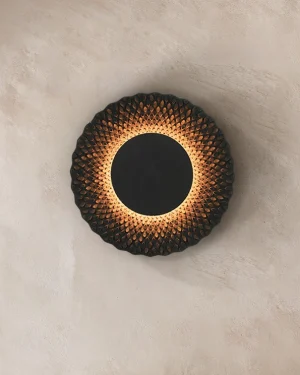 In stock
Sun Vxs 08 — Sculptural Wall Lamp In 3d-printed Sand
By Rollo Studio
€1.080 -
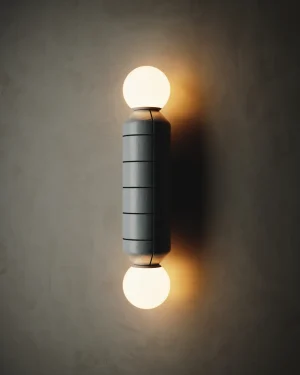 In stock
Navazi Wall Sconce in Glass and Ceramic
By SVITANOK
€1.130 - €1.260 -
 In stock
Brown Mud Ellipse Wall Sconce In Textiles And Wood
By David Čáp
€550 -
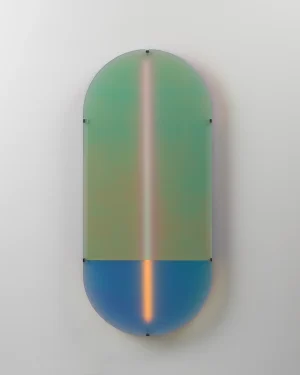
Totem Wall Sconce in Aluminum and Acrylic Glass
By Catrinel Sabaciag
€1.326 -
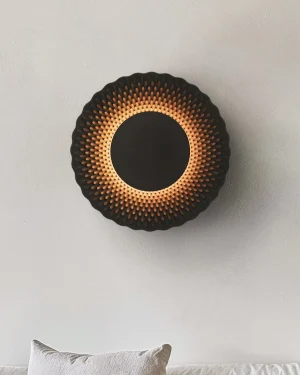 In stock
Sun Vxs 07 — Sculptural Wall Lamp In 3d-printed Sand
By Rollo Studio
€1.080 -
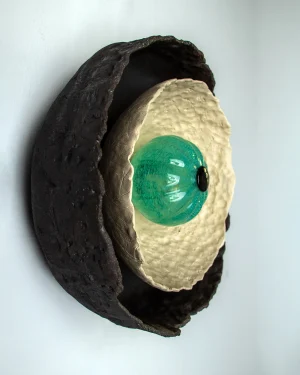 In stock
Asea No. 26 Eye Wall Sconce in Porcelain and Blown Glass
By Ceren Gürkan
€1.100 -

Small Wall Sconce in Brass and Blown Glass
By Naama Hofman
€700 -
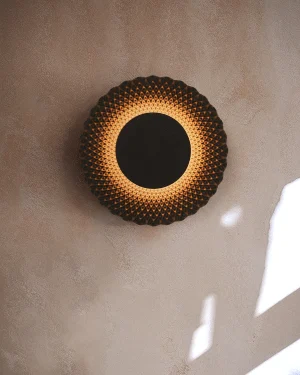 In stock
Sun Vxs 06 — Sculptural Wall Lamp In 3d-printed Sand
By Rollo Studio
€1.080 -
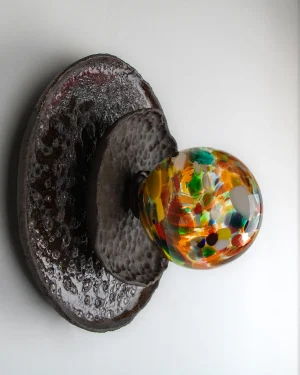 In stock
Asea No. 34 Wall Sconce in Stoneware and Blown Glass
By Ceren Gürkan
€1.000 -

Paten Wall Sconce in Teak Wood
By Studio Indigene
€450 -

Dyptich Wall Sconce in Brass and Recycled Plastic
By SIGNATURE OBJECTS
€1.800 -
 In stock
Asea No. 27 Blue Wall Sconce in Stoneware and Blown Glass
By Ceren Gürkan
€1.000 -
 In stock
Asea No. 35 Moss Wall Sconce in Stoneware and Blown Glass
By Ceren Gürkan
€1.200 -
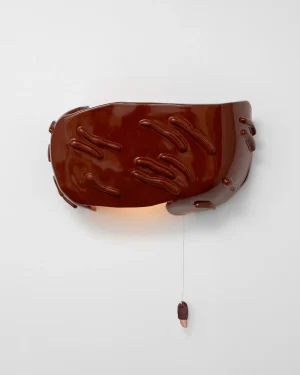
Killing the Mood Wall Sconce in Ceramic
By Studio AOAO
€2.200 -
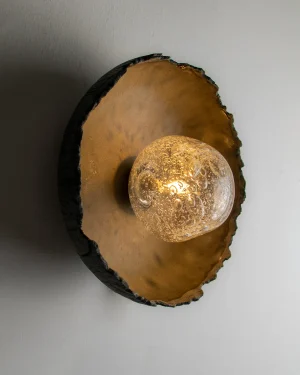
Asea No. 12 Moss Wall Sconce in Stoneware and Blown Glass
By Ceren Gürkan
€800 -
 In stock
Asea No. 14 Wall Sconce in Stoneware and Metal
By Ceren Gürkan
€900 -

Discus – Ash Wood Wall Light
By Studio Indigene
€450 -
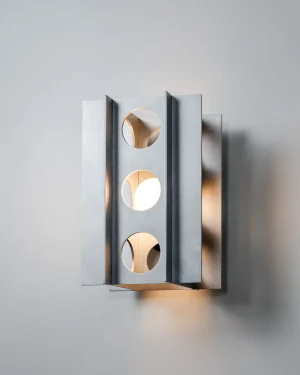
Tenfold 3T Satin Wall Sconce in Steel and Aluminum
By Luft Tanaka Studio
€865 -
 In stock
Insect Wall Sconce in Aluminum and Ash Wood
By BY JAMPS
€5.000 -
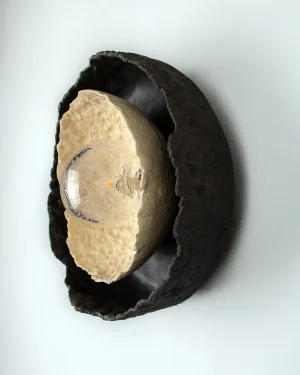 In stock
Asea No. 25 Wall Sconce in Porcelain and Blown Glass
By Ceren Gürkan
€1.100
Modern wall sconces favor plain geometry over ornament: a drum, a dome, a flat disc or a bent arm, worked in brass, blown glass, stoneware or sheet metal by independent studios who keep the line clean and the hardware out of sight. Each piece is made to throw light sideways across a wall rather than down onto a surface, so the material and the finish carry the whole effect. What you are buying, in practical terms, is a fixture where the body of the thing is also the decoration.
What gives this style its look
Brass shows up more than anything else, usually left to darken on its own or sealed to hold a brushed or polished surface over years of handling. Blown glass is paired with it often, a clear or tinted shade that softens the bulb and keeps the metal arm from reading as industrial. Stoneware sconces, hand-built and fired, bring a matte, grounded weight that brass and glass do not, and sit well against warmer wall colors.
Aluminum and stainless steel turn up where a studio wants a harder, more reflective surface, often paired with a neo-industrial or futuristic line rather than a soft one. Teak wood is rarer in this attribute but appears where a studio wants the fixture to read as furniture rather than hardware, especially against charcoal or beige walls.
The range of materials, finishes and techniques
Across wall sconces on ADORNO, the making techniques track the materials: metalwork for brass, steel and aluminum bodies, glassblowing or glass casting for shades, hand-building for stoneware, and wood and cabinetmaking or wood carving where teak is involved. Some studios work in folded paper or digitally fabricated sand, which turns up less in modern pieces than in boho chic or art deco ones, but the hand-building and metalwork methods repeat throughout.
Editions vary by studio. Some sconces are open editions, made as ongoing production; others are limited editions or one-off, hand-finished pieces, which is worth checking before you plan a pair for a hallway or stairwell, since a one-off will not be easy to match later.
How to choose a wall sconce
Scale against the wall before anything else: a small disc reads as a detail, a wide shade or long arm reads as the main event. Mounting height matters more here than with floor or table lighting, since the light throws outward from wherever the fixture sits.
- Reading or bedside sconces generally sit at or just above seated eye level, so the shade shields the bulb from view.
- Hallway and entryway sconces sit higher, closer to head height, where they light the space without crowding anyone walking through.
- Pairs should match in height and projection even if the finish varies slightly piece to piece, since brass and stoneware both age unevenly.
Where modern wall sconces work
They belong anywhere floor and tabletop space is tight or precious: bedroom wall sconces free up nightstands, hallway sconces light a passage without a chain of lamps, and in a living room a pair either side of a sofa or mirror does the work a floor lamp would otherwise take on. They also suit entryways and stairwells, anywhere a wall needs a reason to hold your attention.
Living with the material
Brass left unsealed will darken and spot with handling and humidity; wipe it with a dry or barely damp cloth and let the patina develop, or polish it back if you want to keep the original shine. Blown glass shades need only dusting and an occasional wipe with glass cleaner, away from the socket. Stoneware is fired hard enough for daily wear but can chip at the edge, so mount and dust it with the same care you would give any ceramic object.
For a wider view of the style, the full range of modern pieces on ADORNO spans lighting, seating and tables in the same clean, functional outlook, and modern lighting beyond sconces follows the same material logic: brass, glass and metal, shaped to do one job plainly.
How do I choose a modern wall sconce?
Start with the wall it will sit against: brass and glass read softer, stoneware adds matte weight, aluminum or steel suit a harder, more reflective look. Let the room's existing materials and wall color guide the choice.
How do I care for a brass or metal wall sconce?
Unsealed brass darkens with handling and air over time, which most owners leave alone. Sealed brass, aluminum and stainless steel need only a dry or lightly damp cloth, no abrasive or chemical cleaners.
How do I care for a stoneware or glass sconce?
Stoneware takes a dry dusting or a barely damp cloth, since standing water can mark the glaze. Blown glass shades wipe clean with a soft cloth and should be handled by the base, not the rim.
How high should a wall sconce be mounted?
Most sconces sit at roughly eye level, around 60 to 66 inches from the floor to the fixture's center, though hallways and bedside placements often sit lower. A piece's maker can confirm the right height on the piece's page via Chat with the maker.
Which rooms suit modern wall sconces?
Hallways, bedrooms, entryways and living rooms all benefit, since a sconce lights a wall rather than taking up floor or tabletop space. Narrow or small rooms gain the most from light pushed outward instead of down.
What is ADORNO's shipping, returns and authenticity policy?
Shipping is insured and worldwide. Returns are accepted within 14 days, excluding made-to-order pieces, and every purchase includes a certificate of authenticity along with a lowest-price guarantee.