



















-
 In stock
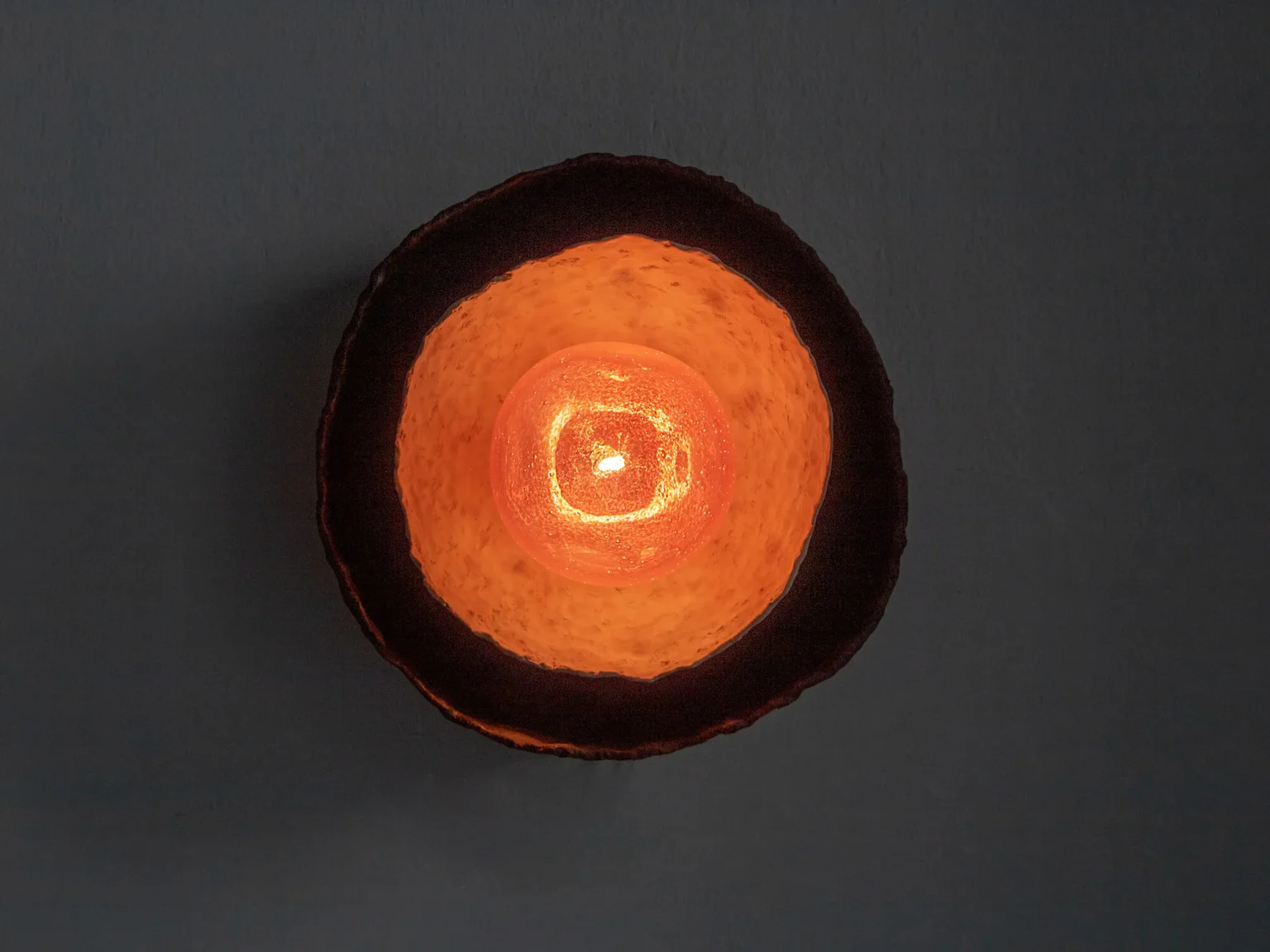
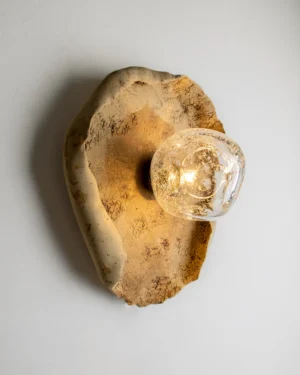
Asea No. 41 Wall Sconce in Stoneware and Blown Glass
By Ceren Gürkan
€1.000 -
 In stock
Asea No.40 Wall Sconce In Stoneware And Blown Glass
By Ceren Gürkan
€1.200 -
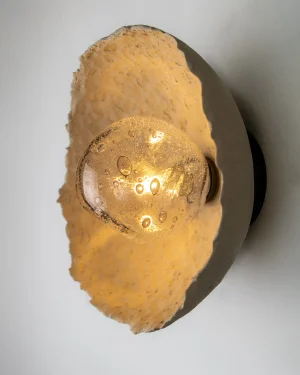 In stock
Asea No. 23 Wall Sconce in Stoneware and Blown Glass
By Ceren Gürkan
€800 -
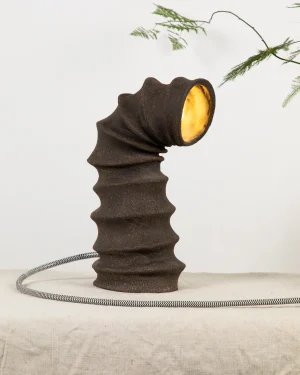
Rakis Lite Table Lamp – Black Stoneware Ceramic
By Catalin Filip
€455 -
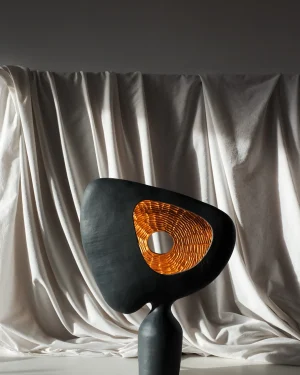
Olethros Table Lamp in Stoneware
By Andrei Clontea STUDIO
€1.000 -
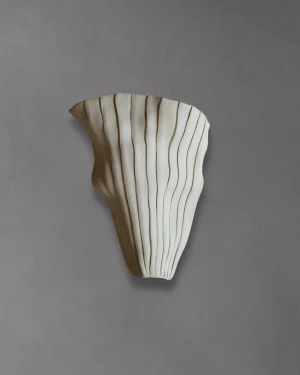 In stock
Tenderness Wall Sconce in Stoneware
By Studio Ēeme
€750 - €800 This product has multiple variants. The options may be chosen on the product page -
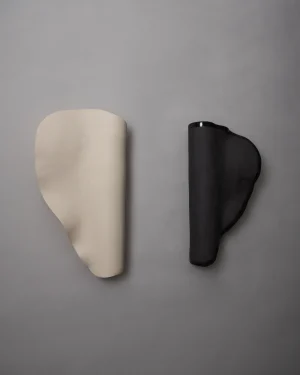
Folding and Unfolding Wall Sconce in Stoneware
By Studio Ēeme
€425 - €455 This product has multiple variants. The options may be chosen on the product page -
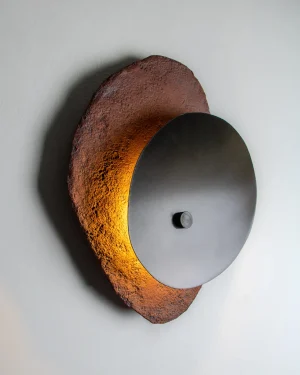
Asea No.1 Cherry Wall Sconce in Stoneware and Metal
By Ceren Gürkan
€1.000 -
 In stock
L’Été Ceramic Wall Light
By Katia Langeard
€350 This product has multiple variants. The options may be chosen on the product page -
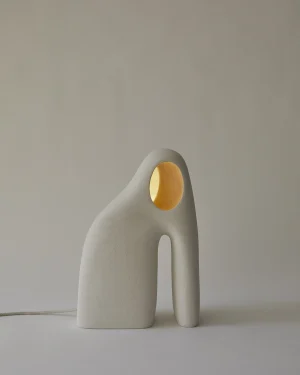
Nomad Ⅱ:02 Table Lamp in Stoneware
By SK - Sofia Karnukaeva
€2.480 -
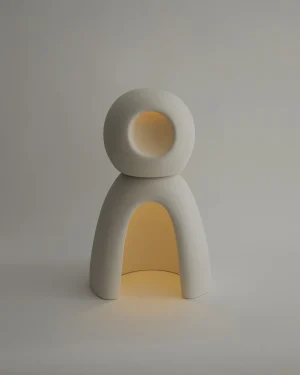
Nomad Ⅱ:09 Table Lamp in Ceramics and Stoneware
By SK - Sofia Karnukaeva
€2.780 -
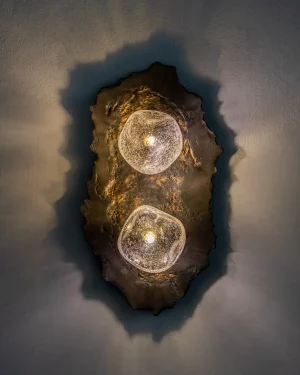
Asea No. 25 Wall Sconce in Blown Glass and Stoneware
By Ceren Gürkan
€1.100 -
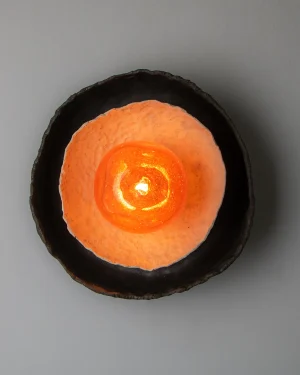
Asea No. 26 Red Wall Sconce in Blown Glass and Stoneware
By Ceren Gürkan
€1.100 -
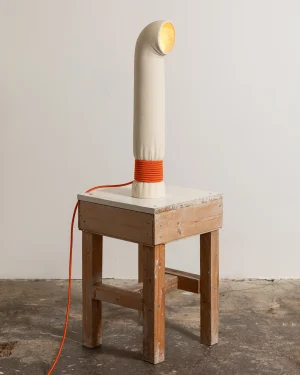
Knotto_01 Table Lamp In Glazed Stoneware And Synthetic Fibers
By Catalin Filip
€800 -
 In stock
La Bergère Table Lamp In Glazed Ceramic
By Mina Wright
€686 -

El Joyero De Odette Table Lamp In Stoneware
By Mina Wright
€770 -
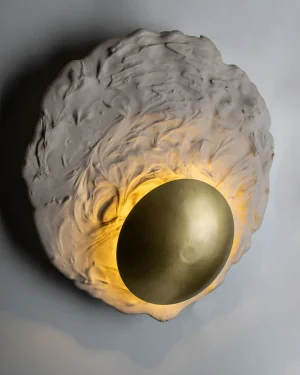 In stock
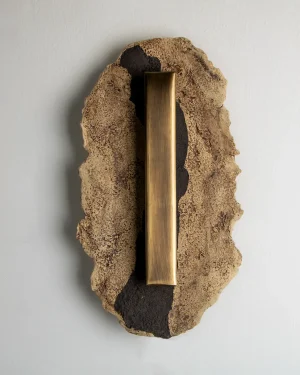
Asea No. 9 Wall Sconce in Stoneware and Brass
By Ceren Gürkan
€1.100 -
 In stock
Asea No. 6 Wall Sconce in Stoneware and Brass
By Ceren Gürkan
€900 -
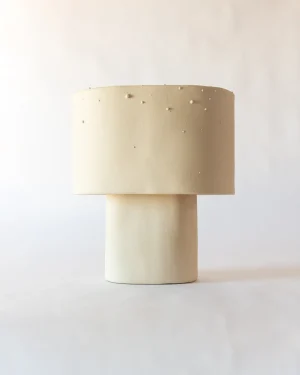
Lampe Beige Medium Table Lamp in Glazed Stoneware
By Huillet Lucas
€1.300 -
 In stock
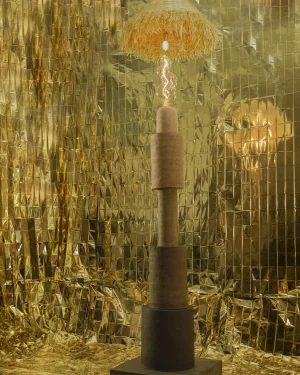
Thulani Floor Lamp in Terracotta and Rattan
By UAU Studio
€3.400 -
 In stock
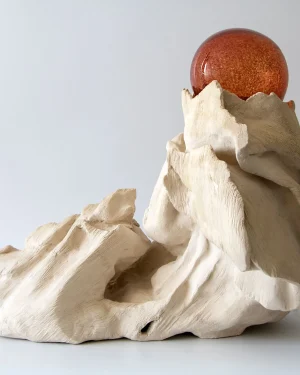
Abyss No. 23 Table Lamp in Stoneware
By Ceren Gürkan
€2.500 -
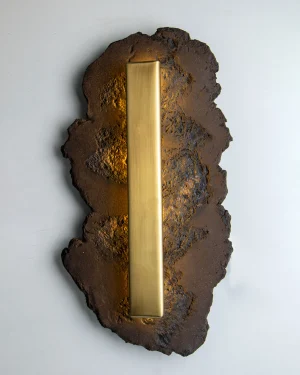 In stock
Asea No. 3 Wall Sconce in Stoneware and Brass
By Ceren Gürkan
€900 -
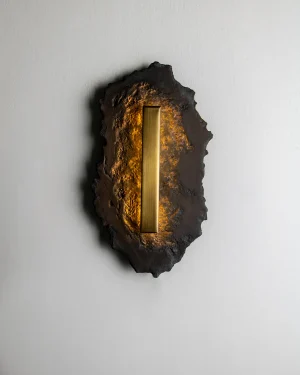 In stock
Asea No. 16 Wall Sconce in Stoneware and Brass
By Ceren Gürkan
€900 -
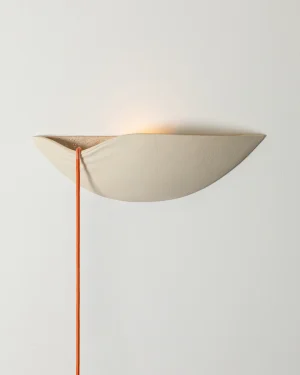
Loma Wall Sconce in Stoneware
By Catalin Filip
€450 This product has multiple variants. The options may be chosen on the product page -
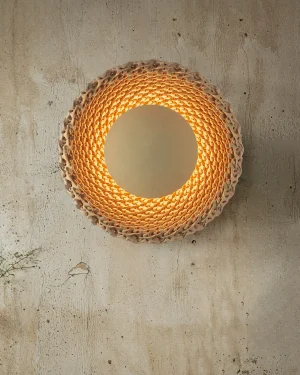 In stock
Sun V2-b – 3d Printed Wall Lamp
By Rollo Studio
€6.049 -

Arcy Floor Lamp In Lava Stone
By MERCOEUR EDITION
€5.640 -
 In stock
Abyss No. 12 Table Lamp in Stoneware
By Ceren Gürkan
€1.800 -
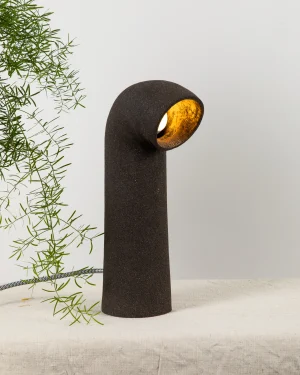
Melo C Table Lamp In Black Ceramic
By Catalin Filip
€270 This product has multiple variants. The options may be chosen on the product page -

Basalte Table Lamp In Glazed Lava Stone
By Clemence Birot
€3.370 -
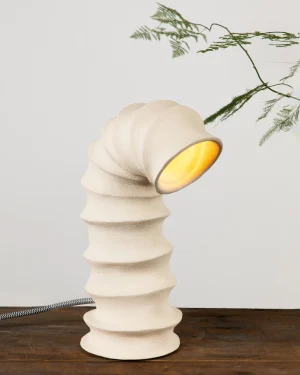
Rakis Lite – Table Lamp In White Stoneware
By Catalin Filip
€455 -
 In stock
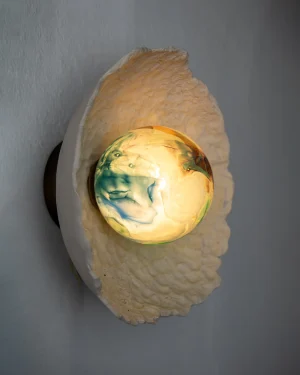
Asea No. 17 Wall Sconce in Stoneware and Blown Glass
By Ceren Gürkan
€900 -

Layered Landscape – Ceramic Wall Lights
By Katia Langeard
€348 -
 In stock
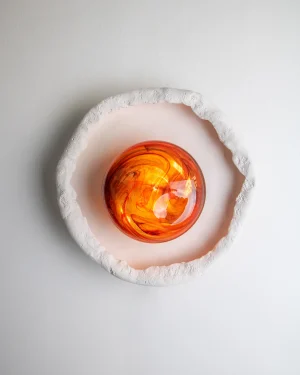
Asea No. 35 Wall Sconce in Porcelain and Blown Glass
By Ceren Gürkan
€1.200 -
 In stock
AnKa Colors of Dawn Table Lamp in Ceramic
By UAU Studio
€1.500 -
 In stock
Abyss No. 1 Pendant Lamp in Stoneware
By Ceren Gürkan
€900 -

Motion — Sculptural Wall Light
By Katia Langeard
€700 -
Arcy Floor Lamp In Lava Stone
By MERCOEUR EDITION
€5.640 -
 In stock
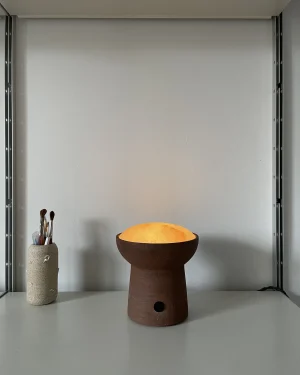
Stoneware Salt Lamp
By Isabella Artale
€600 -
 In stock
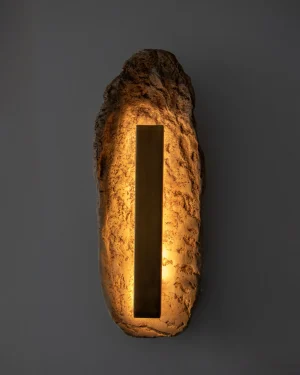
Asea No. 2 Wall Sconce in Stoneware and Brass
By Ceren Gürkan
€1.000 -
 In stock
Asea No. 8 Wall Sconce in Stoneware and Brass
By Ceren Gürkan
€700 -
 In stock
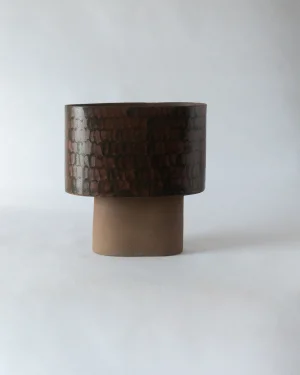
Lampe Brown Small Table Lamp in Glazed Stoneware
By Huillet Lucas
€1.100 -
 In stock
“Chanka-Hanka” Mobile Chandelier in Stoneware and Metal
By UAU Studio
€2.000 This product has multiple variants. The options may be chosen on the product page -
 In stock
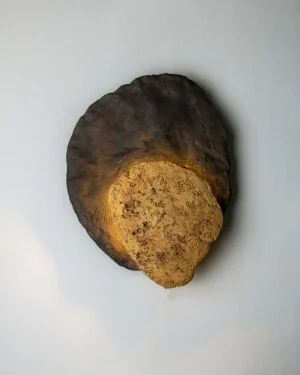
Asea No. 21 Wall Sconce in Stoneware
By Ceren Gürkan
€800 -
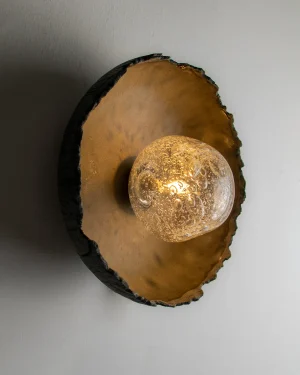
Asea No. 12 Moss Wall Sconce in Stoneware and Blown Glass
By Ceren Gürkan
€800 -
 In stock
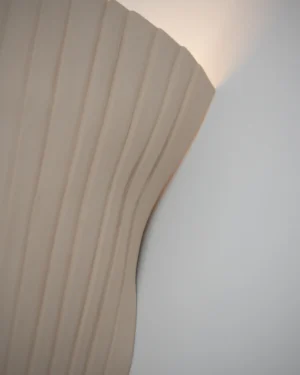
Tenderness Sconce | Large
By Studio Ēeme
€1.300 This product has multiple variants. The options may be chosen on the product page -
 In stock
Asea No. 35 Wall Sconce in Stoneware and Blown Glass
By Ceren Gürkan
€1.200 -

Layers Bedside Lamp In Glazed Ceramic
By Katia Langeard
€750 -
 In stock
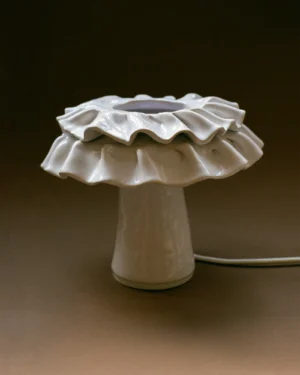
Lulu Table Lamp In Stoneware
By Mina Wright
€670 -

Melo M Table Lamp In Ceramic
By Catalin Filip
€455 -
 In stock
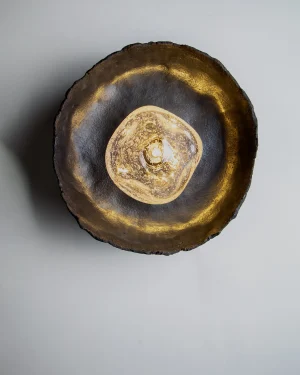
Asea No. 12 Wall Sconce in Stoneware and Blown Glass
By Ceren Gürkan
€800 -
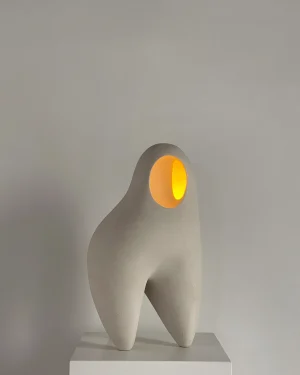 In stock
Nomad II:08 Table Lamp in White Stoneware
By SK - Sofia Karnukaeva
€2.480 -

My Stone Flower Ceramic Table Lamp
By Katia Langeard
€580 -
 In stock
Asea No. 27 Blue Wall Sconce in Stoneware and Blown Glass
By Ceren Gürkan
€1.000 -
 In stock
Asea No. 26 Pink Wall Sconce in Stoneware and Blown Glass
By Ceren Gürkan
€900
Stoneware lamps are built from a dense, high-fired clay that studios throw on the wheel or build by hand, then glaze and fire again until the surface turns glassy or stays matte depending on the finish chosen. The body is thicker and heavier than earthenware, so the base carries real weight in the hand and on a table. Because each piece passes through a human hand at some stage, no two lamp bases glaze in exactly the same way, even within a single run.
What stoneware brings to a lamp base
Stoneware is fired at a higher temperature than most ceramics, which closes the clay body and makes it resistant to chipping and moisture in ordinary use. That density gives a lamp a grounded, almost architectural presence; it anchors a console or side table rather than perching on it. The same clay that looks rough and sandy unglazed can be dressed in a glaze that turns glassy, speckled or chalk-matte, so the material reads differently depending on how a studio finishes it.
Finishes, colors and editions
Glazing is where most of the character comes from. A clear or tinted glaze lets the clay's natural tone show through in cream, brown or ochre; an opaque glaze covers it in white, black or amber, sometimes with the glaze pooling thicker near the base where it was dipped. Some studios leave a band of raw stoneware exposed against a glazed shoulder, pairing the matte and the glassy in one piece.
Stoneware lamps turn up across a wide range of approaches, from pieces built up by hand with visible seams to ones thrown on the wheel until perfectly round. Editions vary too: some studios produce open runs of a single form, others fire a limited number of a glaze test and stop once the batch is used up, and a few turn out one-off bases where no two firings were meant to match.
How to choose a stoneware lamp
Scale and height decide more than finish does. A squat, wide base reads as sculptural and sits well next to seating at arm's reach, while a taller cylindrical base works better as a reading light beside a chair or bed. Weight is worth checking too, since a heavier base is harder to knock over on a narrow shelf.
- Match the glaze tone to what sits near it: a glossy black base holds its own against dark wood, a chalky white one softens a room with a lot of metal and glass.
- Think about where the shade sits relative to eye level when seated, since that is what decides whether the light reads as task lighting or as ambient glow.
- Check the base diameter against the surface it will stand on, since stoneware lamps are often wider at the foot than metal or glass equivalents.
Where stoneware lamps work
Their weight and warmth suit rooms built around textiles and wood rather than hard, reflective surfaces. A stoneware base reads naturally in a living room, on a sideboard, or flanking a bed, anywhere a lamp needs to feel settled rather than decorative. Paired with woven fabric or oiled wood, the matte and the glazed finishes both soften a room instead of adding shine to it; for a brighter, more reflective option in the same clay family, ceramic lamps with a glossier glaze sit at the other end of the same spectrum.
Caring for stoneware
Stoneware is fired hard enough to resist everyday knocks, but a glaze can still chip if the base is dragged across a hard surface. Wipe the body with a dry or slightly damp cloth; avoid soaking the foot, since unglazed stoneware left wet for long periods can absorb moisture. Keep the cord and socket dry and let the piece come to room temperature before cleaning if it has sat near a cold window.
Stoneware lamps sit within a broader group of clay-based lighting; the full range of shapes and glazes can be seen among stoneware lighting generally, while every stoneware object on the site, lit or not, is gathered under stoneware as a material. For comparison against other bases and shades, the wider lamps category covers glass, metal and wood alongside clay.
How do I choose a stoneware lamp?
Look at the base first: a wide, heavy foot anchors a side table, while a tall, narrow form suits a console or floor corner. Match the glaze tone to the room's existing clay, wood or stone surfaces.
How do you care for a stoneware lamp?
Dust the glaze with a dry or barely damp cloth, and keep unglazed bases away from standing water, which can seep into the porous body. Avoid sudden temperature changes near the bulb housing.
What size stoneware lamp do I need?
A table lamp generally sits between 20 and 30 inches tall, keeping the shade at eye level when seated. Floor versions run taller, often 55 to 65 inches, to clear a sofa arm or reading chair.
Which rooms suit stoneware lamps best?
Their weight and matte or glazed surfaces work well in living rooms, bedrooms and entryways, anywhere light needs to feel grounded rather than sharp. Paired with wood or linen, they soften a space without competing for attention.
Can I get a stoneware lamp custom made or in a different glaze?
Some makers offer this. Chat with the maker on the piece's page to confirm glaze options, lead time and any custom requests.
What are ADORNO's shipping and return terms for stoneware lamps?
Shipping is insured and sent worldwide, with a 14-day return policy, though made-to-order pieces are excluded. Each lamp arrives with a certificate of authenticity and ADORNO's lowest-price guarantee.