









-
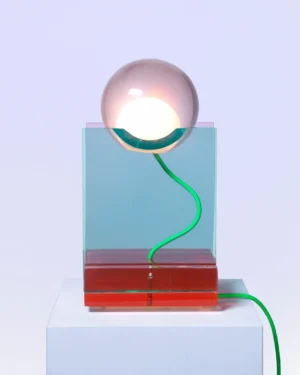
Rotonda Table Lamp in Resin
By Adrian Cruz
€2.420 -
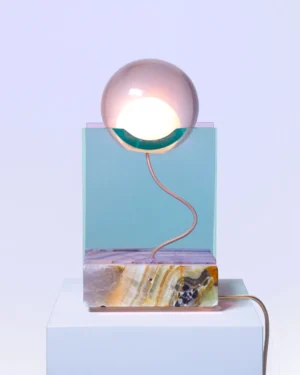
Rotonda Table Lamp in Resin
By Adrian Cruz
€2.380 -
 In stock
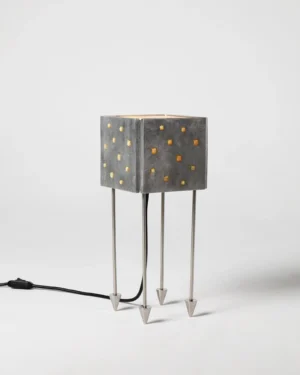
Prisma Massiva Table Lamp in Cast Aluminum, Resin & Steel
By DONÓ Design
€1.898 -
 In stock
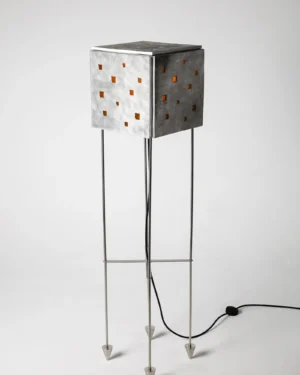
Prisma Massiva Floor Lamp in Cast Aluminum, Resin And Steel
By DONÓ Design
€3.780 -
 In stock
Grid Table Lamp In Cotton And Resin
By Basia Pruszyńska
€2.000 -

Kalia Table Lamp in Glass and Resin
By Justyna Poplawska
€536 -

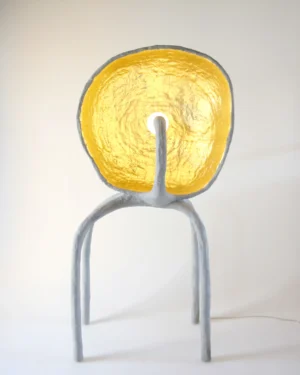
Tentacle Floor Lamp In Resin
By Ryan Mercer
€3.171 -
 In stock
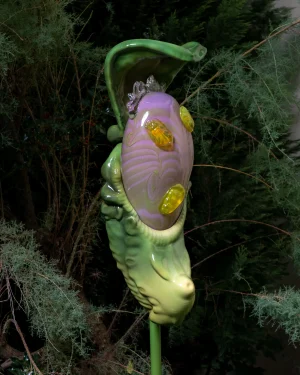
Lapas Paradiso Novo Series Floor Lamp in Blown Glass and PLA
By Anna Jožová
€9.500 -
 In stock
Gotham Floor Lamp In Resin And Stainless Steel
By Jürgen Baumann
€3.200 -

Biggest Floor Lamp In Resin And Epoxy Clay
By Ryan Mercer
€4.566 -
 In stock
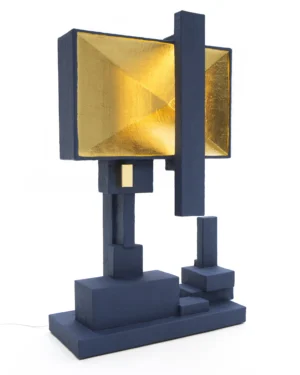
Box-2 Floor Lamp in Blue Cardboard and Gold-leaf
By Studio Josha
€8.995 -
 In stock
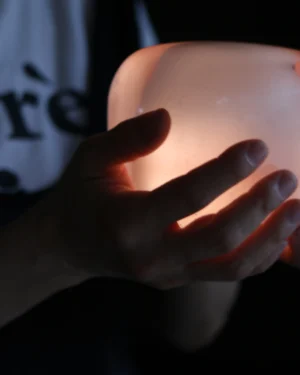
Lullaby And The Ring Cradle Table Lamp in Resin
By BDCI
€570 -
 In stock
Acesa Luminária Em Papel Machê
By Sandro Vieira studio
€550 -
 In stock
Ic-6 Floor Lamp in Resin, Gold-leaf and Natural Fibers
By Studio Josha
€9.500 -
 In stock
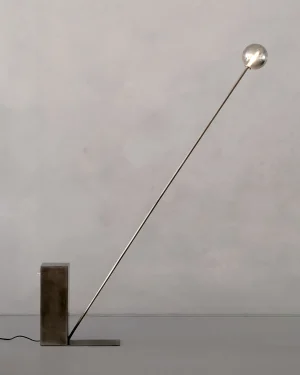
Oblique Glow Floor Lamp in Steel and Acrylic Resin
By HEAKO
€5.500 -
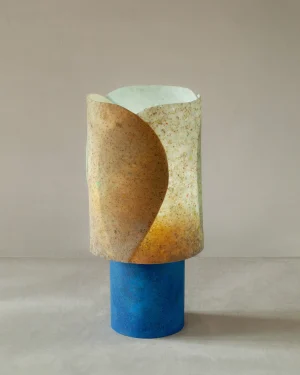
Verve Mint Table Lamp In Bio-based Resin
By Justyna Poplawska
€1.900 -
 In stock
Ic-17 Floor Lamp in Resin, Gold-leaf and Natural Fibers
By Studio Josha
€10.500 -

Beggar Table Lamp In Acrylic Resin
By Ieva Gudelaitytė
€400 -

Totem Wall Sconce in Aluminum and Acrylic Glass
By Catrinel Sabaciag
€1.326 -
 In stock
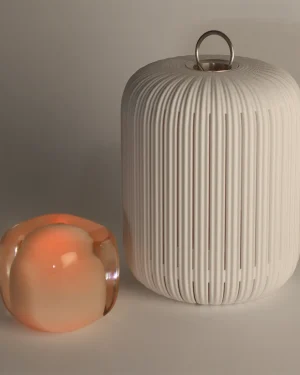
Lullaby and Promenade High Table Lamp in Resin
By BDCI
€2.200 -
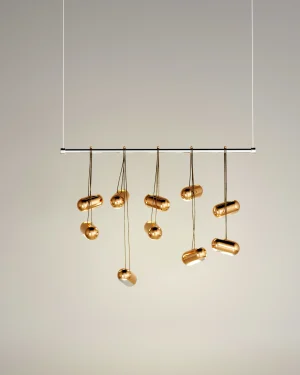
Tere Chandelier in Stainless Steel, Bronze and Acrylic Resin
By Design VA
€12.432 -

Eclipse Pendant Light
By Rollo Studio
€2.400 -
 In stock
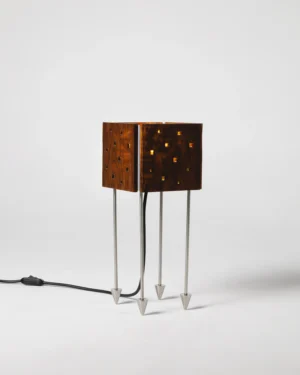
Prisma Massiva Table Lamp in Imbuia Wood, Resin & Steel
By DONÓ Design
€1.602 -
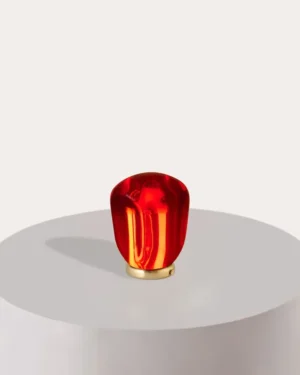
Pomy Table Lamp In Resin And Stainless Steel
By Nama Home
€2.320 -
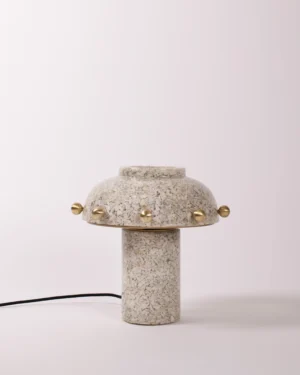
Second Tide Table Lamp In White Recycled Plastic And Brass
By Harshita Jhamtani Designs
€1.340 -
 In stock
Square Table Lamp in Epoxy Resin
By Ragna Ragnarsdottir
€1.900 -
 In stock
Ic-3 Table Lamp In Resin, Foam And Natural Fibers
By Studio Josha
€5.450 -
 In stock
Lullaby and Hygge Pendant Lamp in Resin and Steel
By BDCI
€1.400 -
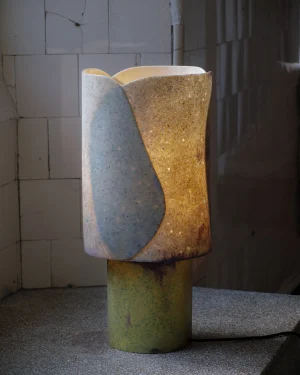
Verve Green Table Lamp in Bio-based Resin
By Justyna Poplawska
€1.900 -
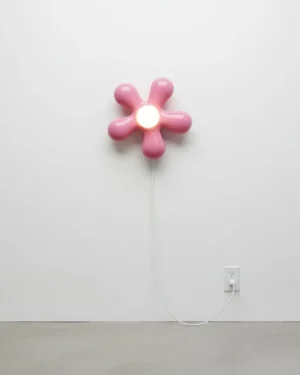
Bloom Wall Sconce In Resin
By Ryan Mercer
€1.268 -
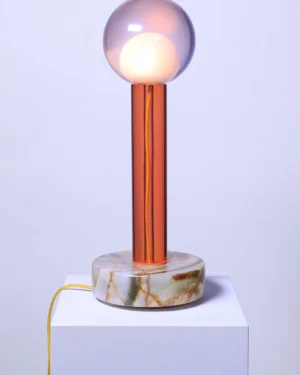
Tallo Table Lamp in Resin and Onyx
By Adrian Cruz
€2.380 -
 In stock
Lullaby And Hygge Standing Table Lamp in Resin
By BDCI
€1.550 -
 In stock
Figa Luminária Em Papel Machê
By Sandro Vieira studio
€580 -
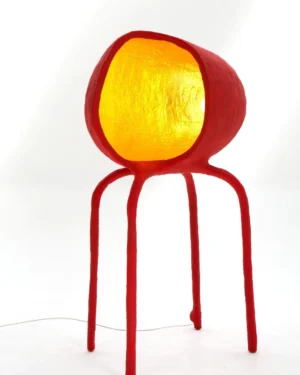 In stock
Ic-12 Floor Lamp in Resin, Gold-leaf and Natural Fibers
By Studio Josha
€8.500 -
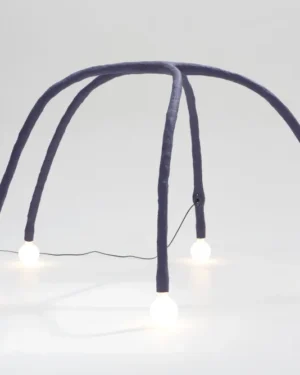 In stock
Ic-13 Floor Lamp In Resin, Foam And Natural Fibers
By Studio Josha
€9.900 -
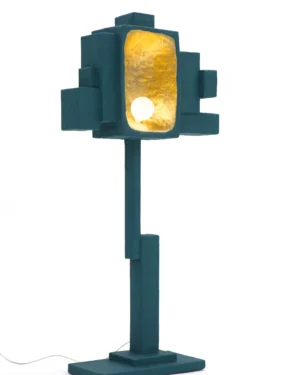 In stock
Box-1 Floor Lamp in Cardboard and Gold-leaf
By Studio Josha
€4.500 -
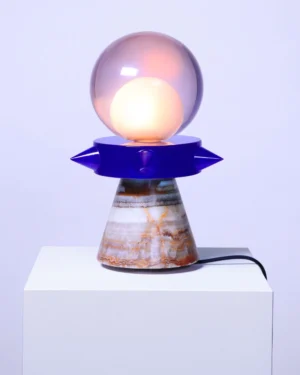
Tona Table Lamp in Onyx and Resin
By Adrian Cruz
€2.420 -
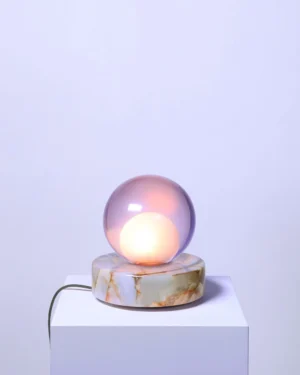
Bulbe Table Lamp in Resin and Onyx
By Adrian Cruz
€1.580 -
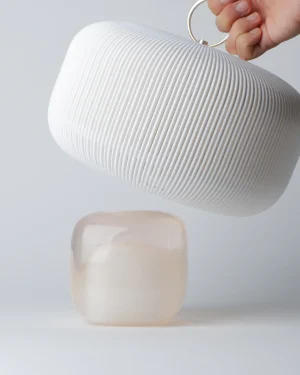 In stock
Lullaby And Promenade Low Table Lamp in Resin
By BDCI
€2.200 -
 In stock
Ic-4 Pendant Lamp In Resin, Foam And Natural Fibers
By Studio Josha
€8.250 -
 In stock
Ic-15 Floor Lamp in Green Wool and Gold-leaf
By Studio Josha
€6.250 -
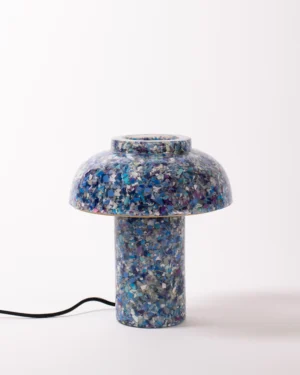
Second Tide Table Lamp In Blue Recycled Plastic And Brass
By Harshita Jhamtani Designs
€1.340 -
 In stock
Ic 1 Table Lamp In Resin, Foam And Natural Fibers
By Studio Josha
€3.700 -

The Omphalos Lamp
By Zoran Strijbosch
€600 -
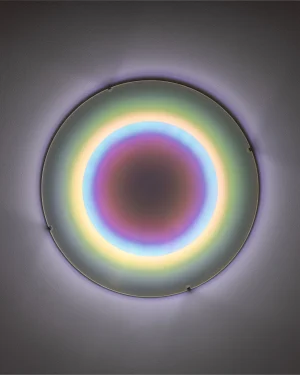
Event Horizon S : Eclipse Gradient Acrylic Glass Lamp
By Catrinel Sabaciag
€981 -
 Sold
Sentry Light Sculpture Table Lamp in Resin
By Ultramar Studio
Price Upon Request -
 In stock
Untitled Ii Floor Lamp In Steel And Bronze
By aeny studio
Price Upon Request -
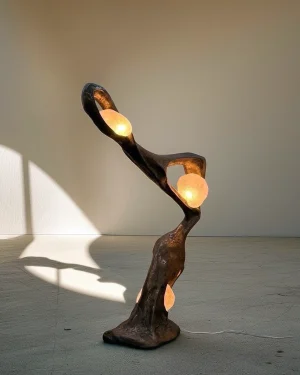
Untitled Iii Floor Lamp In Steel And Bronze
By aeny studio
Price Upon Request -

Untitled I Floor Lamp In Steel And Bronze
By aeny studio
Price Upon Request
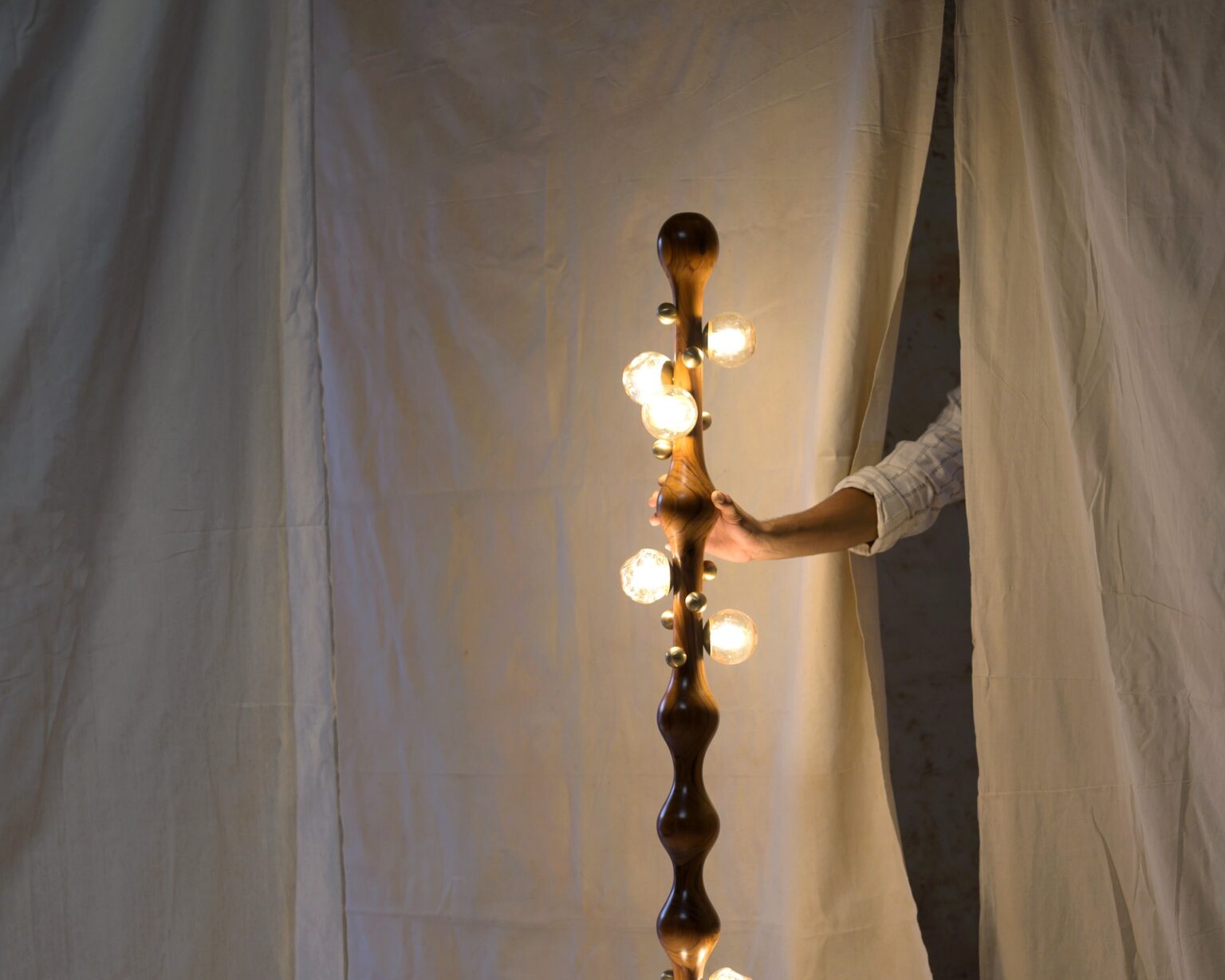
Resin lighting brings together pigment and light inside a cast, glossy body, poured by hand and cured until solid. Studios working in this material pour liquid resin into molds, suspend pigment or metal leaf inside it, and polish the surface until it holds a wet-look shine. The result sits somewhere between a lamp and a small sculpture.
What defines resin lighting
Resin is a cast material, not a carved or machined one. A designer mixes a liquid compound with color, sometimes with gold leaf or ground stone, and pours it into a mold around a light source or wiring channel. As it cures, the resin can trap bubbles, veining or swirls of pigment on purpose, so no two pours read quite the same even within an open edition. Some studios cast each piece as a one-off, which is why unique pieces sit alongside open editions within the same material.
Colors, finishes and techniques in the range
Within resin lighting on ADORNO, color carries most of the character: transparent casts that let a bulb glow through like amber, saturated red or green tones, cloudy whites, and pieces that mimic green onyx or stone veining through pigment alone. Finishes range from a high gloss polish to a softer, matte cure. Beyond resin casting itself, some makers pair it with gilding for metallic edges, or set it against aluminum, stainless steel or wood bases for contrast and weight at the foot of a lamp.
- Resin casting: liquid pigment set into a mold, polished once cured
- Gilding: gold leaf or metallic powder worked into or onto the surface
- Mixed bases: resin bodies paired with wood, stone or metal fittings
Choosing a resin lamp for scale and placement
Scale matters more with resin than with most materials, because a cast body reads as an object even when it is switched off. A tall floor lamp with a resin column can anchor an empty corner, while a smaller table lamp works best doing double duty as a surface piece, set among books or ceramics rather than alone. Check the base width against the surface you have in mind, since resin feeds and bases are often shallow and light, and look at how the shade or diffuser directs output, since cloudy or heavily pigmented resin softens light more than a transparent cast does.
Contemporary and minimalist takes on the material tend to favor clean cylinders or spheres with little ornament, letting the pigment do the work, while more sculptural, surrealist pieces lean into irregular, poured forms. Either direction suits a room built around a few considered objects rather than many small ones.
Where resin lighting fits in a room
A cast resin lamp works well wherever it can be seen up close: a console in an entry, a nightstand, a reading corner, or a low table beside a sofa. In living room lighting, a resin table lamp or sculptural resin lamp often stands in for a side table object, holding its own even when unlit. Transparent or pale resin lightens a small space, while deep red or green tones give a room a single strong note without needing more than one piece.
Caring for resin pieces
Resin resists water better than wood or unsealed stone, so it tolerates a damp living room or bathroom shelf, but direct, prolonged sun can yellow pale or transparent casts over time. Clean the surface with a soft, slightly damp cloth rather than abrasive cleaners, which can dull the polish. Keep gilded or metal-trimmed pieces away from constant moisture, since the fittings, not the resin, are what tarnish first.
For the full range of cast and poured lighting, see every resin piece on ADORNO, browse the wider lighting offering, or look at resin lamps, contemporary lighting and resin decor for related forms in the same material.
How do I choose a resin lighting piece?
Start with color and glow: transparent casts let light pass through like amber, while saturated or cloudy pigments cast a softer light. Then consider the base material, since wood, stone or metal feet add weight and contrast.
How do you clean and care for resin lighting?
Wipe the cast surface with a soft, dry or barely damp cloth, and avoid harsh solvents, which can dull the polish. Keep pieces out of direct, prolonged sun, as some pigments shift tone with heat and UV exposure over time.
What size or height should a resin lamp be?
Height depends on placement: a table lamp usually sits low enough for the shade or glow to fall below eye level, while floor pieces carry more presence. Chat with the maker on the piece's page for exact dimensions.
Which rooms suit resin lighting best?
Resin lighting works wherever its glow and sculptural form can be seen up close, so living rooms, bedrooms and entryways suit it well. Its cast color also reads strongly against plain walls or dark surfaces.
Can I order a custom resin lighting piece?
Some makers take custom color or size requests since each pour is made individually. Chat with the maker on the piece's page to ask directly.
What about shipping, returns and authenticity?
Shipping is insured and worldwide. Returns are accepted within 14 days, excluding made-to-order pieces, and every piece comes with a certificate of authenticity alongside ADORNO's lowest-price guarantee.