





-
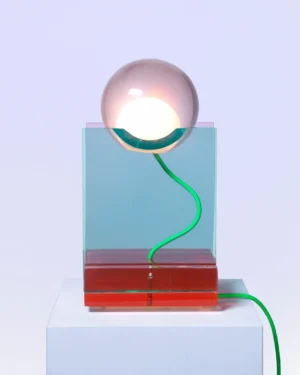
Rotonda Table Lamp in Resin
By Adrian Cruz
€2.420 -
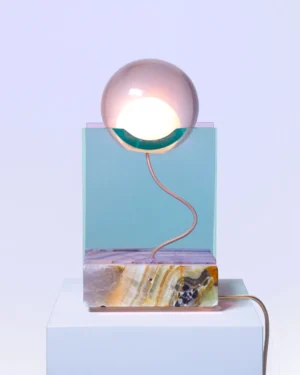
Rotonda Table Lamp in Resin
By Adrian Cruz
€2.380 -
 In stock
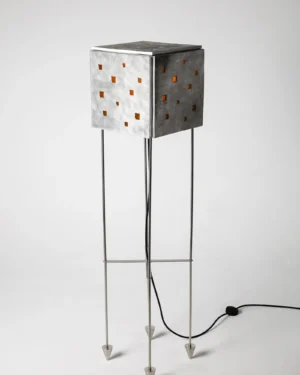
Prisma Massiva Table Lamp in Cast Aluminum, Resin & Steel
By DONÓ Design
€1.898 -
 In stock
Prisma Massiva Floor Lamp in Cast Aluminum, Resin And Steel
By DONÓ Design
€3.780 -
 In stock
Grid Table Lamp In Cotton And Resin
By Basia Pruszyńska
€2.000 -

Kalia Table Lamp in Glass and Resin
By Justyna Poplawska
€536 -

Tentacle Floor Lamp In Resin
By Ryan Mercer
€3.171 -
 In stock
Lapas Paradiso Novo Series Floor Lamp in Blown Glass and PLA
By Anna Jožová
€9.500 -
 In stock
Gotham Floor Lamp In Resin And Stainless Steel
By Jürgen Baumann
€3.200 -

Biggest Floor Lamp In Resin And Epoxy Clay
By Ryan Mercer
€4.566 -
 In stock
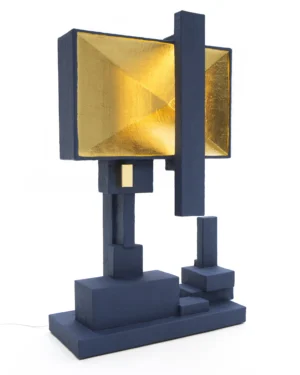
Box-2 Floor Lamp in Blue Cardboard and Gold-leaf
By Studio Josha
€8.995 -
 In stock
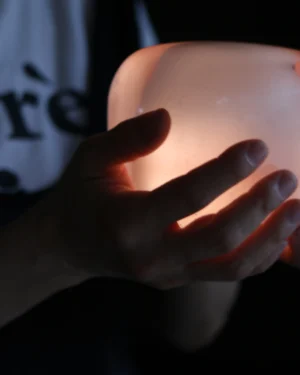
Lullaby And The Ring Cradle Table Lamp in Resin
By BDCI
€570 -
 In stock
Acesa Luminária Em Papel Machê
By Sandro Vieira studio
€550 -
 In stock
Ic-6 Floor Lamp in Resin, Gold-leaf and Natural Fibers
By Studio Josha
€9.500 -
 In stock
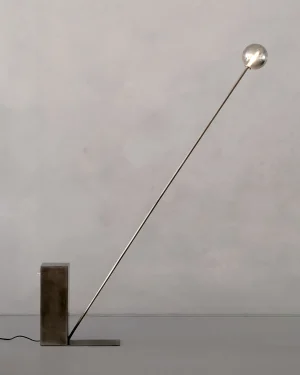
Oblique Glow Floor Lamp in Steel and Acrylic Resin
By HEAKO
€5.500 -
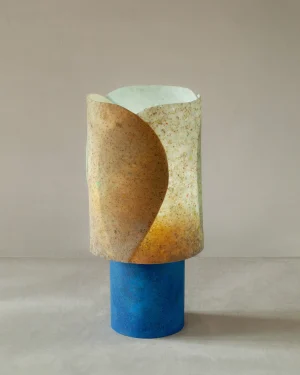
Verve Mint Table Lamp In Bio-based Resin
By Justyna Poplawska
€1.900 -
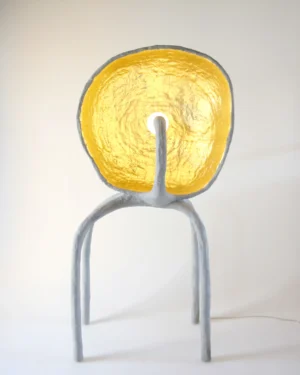 In stock
Ic-17 Floor Lamp in Resin, Gold-leaf and Natural Fibers
By Studio Josha
€10.500 -

Beggar Table Lamp In Acrylic Resin
By Ieva Gudelaitytė
€400 -

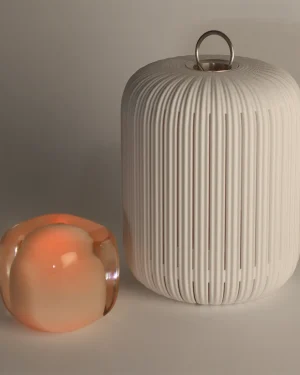
Totem Wall Sconce in Aluminum and Acrylic Glass
By Catrinel Sabaciag
€1.326 -
 In stock
Lullaby and Promenade High Table Lamp in Resin
By BDCI
€2.200 -
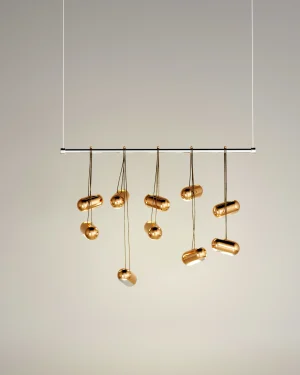
Tere Chandelier in Stainless Steel, Bronze and Acrylic Resin
By Design VA
€12.432 -

Eclipse Pendant Light
By Rollo Studio
€2.400 -
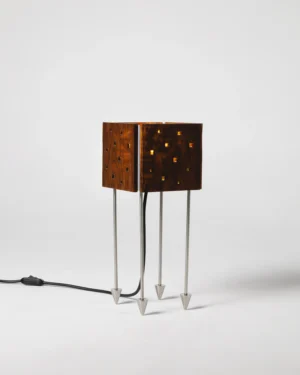 In stock
Prisma Massiva Table Lamp in Imbuia Wood, Resin & Steel
By DONÓ Design
€1.602 -
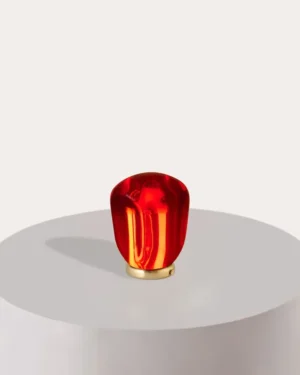
Pomy Table Lamp In Resin And Stainless Steel
By Nama Home
€2.320 -
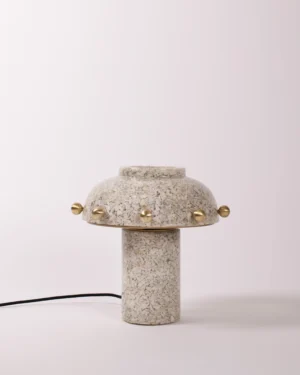
Second Tide Table Lamp In White Recycled Plastic And Brass
By Harshita Jhamtani Designs
€1.340 -
 In stock
Square Table Lamp in Epoxy Resin
By Ragna Ragnarsdottir
€1.900 -
 In stock
Ic-3 Table Lamp In Resin, Foam And Natural Fibers
By Studio Josha
€5.450 -
 In stock
Lullaby and Hygge Pendant Lamp in Resin and Steel
By BDCI
€1.400 -
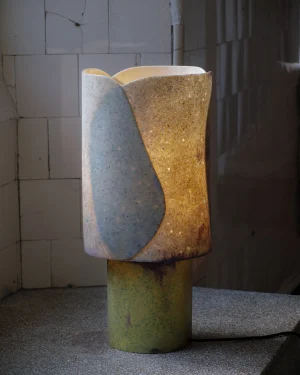
Verve Green Table Lamp in Bio-based Resin
By Justyna Poplawska
€1.900 -
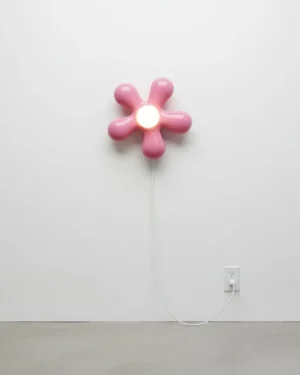
Bloom Wall Sconce In Resin
By Ryan Mercer
€1.268 -
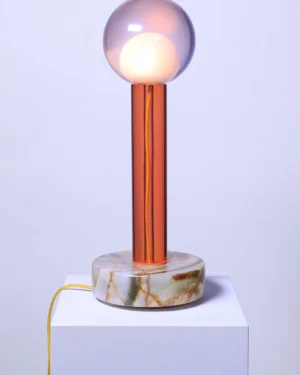
Tallo Table Lamp in Resin and Onyx
By Adrian Cruz
€2.380 -
 In stock
Lullaby And Hygge Standing Table Lamp in Resin
By BDCI
€1.550 -
 In stock
Figa Luminária Em Papel Machê
By Sandro Vieira studio
€580 -
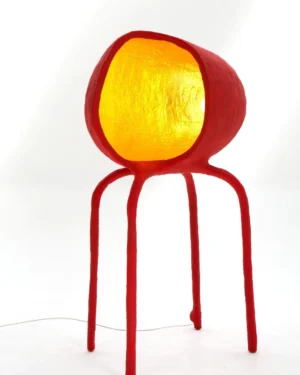 In stock
Ic-12 Floor Lamp in Resin, Gold-leaf and Natural Fibers
By Studio Josha
€8.500 -
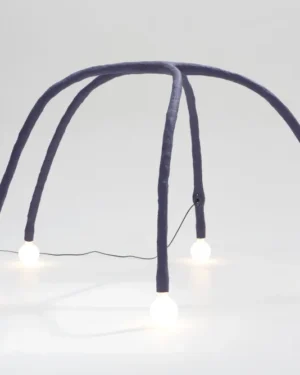 In stock
Ic-13 Floor Lamp In Resin, Foam And Natural Fibers
By Studio Josha
€9.900 -
 In stock
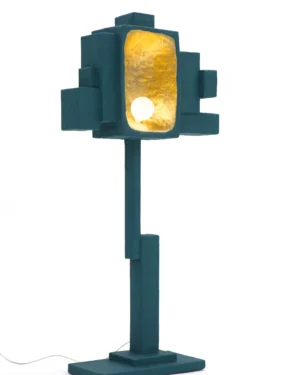
Box-1 Floor Lamp in Cardboard and Gold-leaf
By Studio Josha
€4.500 -
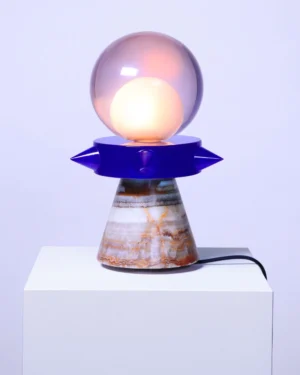
Tona Table Lamp in Onyx and Resin
By Adrian Cruz
€2.420 -
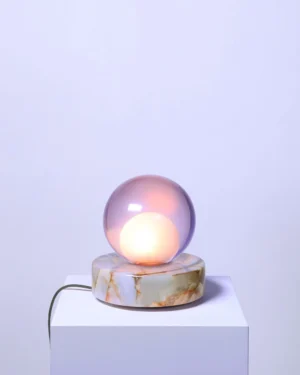
Bulbe Table Lamp in Resin and Onyx
By Adrian Cruz
€1.580 -
 In stock
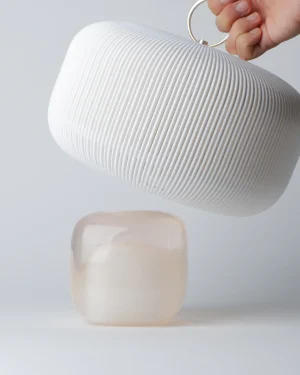
Lullaby And Promenade Low Table Lamp in Resin
By BDCI
€2.200 -
 In stock
Ic-4 Pendant Lamp In Resin, Foam And Natural Fibers
By Studio Josha
€8.250 -
 In stock
Ic-15 Floor Lamp in Green Wool and Gold-leaf
By Studio Josha
€6.250 -
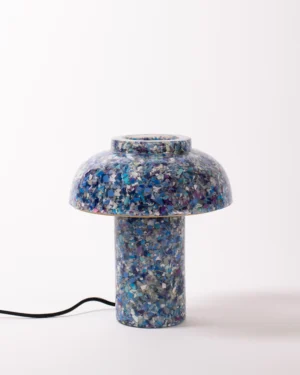
Second Tide Table Lamp In Blue Recycled Plastic And Brass
By Harshita Jhamtani Designs
€1.340 -
 In stock
Ic 1 Table Lamp In Resin, Foam And Natural Fibers
By Studio Josha
€3.700 -

The Omphalos Lamp
By Zoran Strijbosch
€600 -
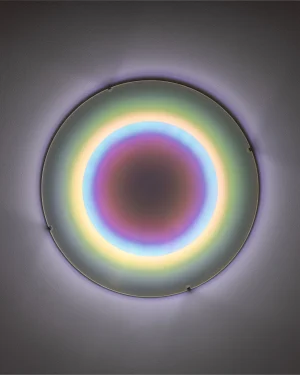
Event Horizon S : Eclipse Gradient Acrylic Glass Lamp
By Catrinel Sabaciag
€981 -
 Sold
Sentry Light Sculpture Table Lamp in Resin
By Ultramar Studio
Price Upon Request -
 In stock
Untitled Ii Floor Lamp In Steel And Bronze
By aeny studio
Price Upon Request -
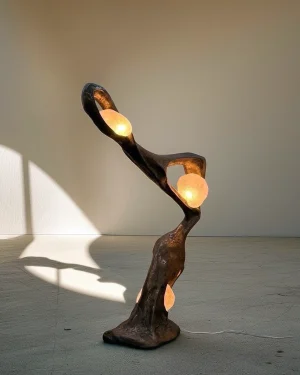
Untitled Iii Floor Lamp In Steel And Bronze
By aeny studio
Price Upon Request -

Untitled I Floor Lamp In Steel And Bronze
By aeny studio
Price Upon Request
Resin lamps take their shape from casting: liquid resin poured or layered into molds, pigmented before it sets, then finished by hand once it cures. The material lets designers trap color, texture or even small objects inside a solid, light-catching form, which is why so many of these pieces read more like sculpture than fixtures. Studios working in resin often work in small editions or make one-offs, since each pour can be tinted or shaped slightly differently.
What defines resin as a lighting material
Resin is a synthetic polymer that starts as a liquid and cures into a hard, glossy solid, which gives designers a freedom that wood, metal or ceramic cannot match. It takes pigment evenly, so color sits deep in the material rather than on its surface, and it can be poured around pre-formed objects, layered in bands or carved once set. Cast correctly, resin diffuses light softly, so a lamp often glows from within rather than throwing a hard beam.
Because it is poured rather than thrown or welded, resin allows forms that other materials resist: rounded bases, irregular silhouettes, stone-like surfaces or transparent sections that reveal the bulb inside. Some studios finish resin with gilding or metalwork, setting gold or metal details into or onto the cast surface.
Colors, finishes and ways of making
On ADORNO, resin lamps appear in a wide range of colors and finishes: transparent and smoked tones that let light pass straight through, saturated reds, greens, purples and blues that hold it, and gold-toned or metallic surfaces built through gilding. Some pieces mimic onyx or other veined stone, cast to carry the layered translucency of the mineral without its weight or fragility. Techniques range from resin casting and sand casting to sculpting and stone carving on top of a cured block, often finished within a contemporary, wabi-sabi or Japandi outlook that favors irregular, handmade-looking surfaces over flawless symmetry.
Editions vary by studio: some lamps are one-offs, shaped or poured individually so no two are quite alike, while others are open editions, repeatable because the mold itself does the work of consistency. For a broader view of the material across furniture and objects, the resin pieces on ADORNO extend well past lighting, into tables, trays and decorative objects cast the same way.
Choosing a resin lamp
Scale and height matter more with resin than with most lamp materials, since a cast form reads as a solid mass rather than an open structure. A tall floor-standing piece anchors a room the way a sculpture would, while a smaller table lamp works best near eye level, where its color and translucency catch the light directly.
- Check how the lamp behaves lit and unlit: transparent or pale resin changes character once switched on, while deeply pigmented resin stays bold either way.
- Match the finish to the room: glossy, mirror-like surfaces suit a more contemporary setting, while carved or stone-like finishes sit comfortably in a quieter, wabi-sabi interior.
- Place it where it will be seen from more than one angle, since the cast form and any embedded color or texture often change depending on where the light hits.
Rooms and care
Resin lamps suit living rooms and bedrooms equally well, bringing color and sculptural weight without the cost of stone or the upkeep of natural wood finishes. A saturated or sculptural piece can work as a focal point among living room lamps, while a smaller, softer-toned lamp suits a bedside table where its glow is seen up close.
Resin resists moisture and does not need oiling or sealing the way wood does, but it can scratch, yellow slightly with prolonged UV exposure, or dull if cleaned with abrasive products. A soft, dry cloth and a spot out of direct, constant sunlight keep its color and shine intact for years. For other lighting shapes in the same material, the wider resin lighting works alongside these lamps, and for other lamp types entirely, the full range of lamps on ADORNO spans wood, ceramic, glass and metal besides.
How do I choose a resin lamp?
Start with color and how much light you want passing through: transparent and smoked tones let light travel, saturated pigments hold it close. Then think about where it will sit, since cast forms range from compact table pieces to larger floor-standing shapes.
How do you care for a resin lamp?
Wipe with a soft, dry or slightly damp cloth, and avoid harsh solvents, which can dull or cloud the surface. Keep it out of direct sun for long periods, since some pigments shift tone with prolonged UV exposure.
Does resin fade or yellow over time?
Some resins can yellow slightly with age and constant sunlight, particularly clear or pale tones, though pigmented pieces resist this better. Placing a lamp away from direct, all-day sun slows the process considerably.
What size resin lamp suits a living room or bedroom?
Table versions suit sideboards, nightstands and shelves, while taller cast forms can anchor a reading corner or sit beside seating. For exact dimensions on a specific piece, chat with the maker on its page.
Which rooms work best for resin lamps?
Their soft, inner glow suits living rooms and bedrooms, where diffused light matters more than strong task lighting. Sculptural forms also read well on entryway consoles or shelving, where they double as objects in daylight.
What about shipping, returns and authenticity when buying from ADORNO?
Shipping is insured and worldwide. Returns are accepted within 14 days, excluding made-to-order pieces, and every lamp comes with a certificate of authenticity plus a lowest-price guarantee.