

















-
 In stock
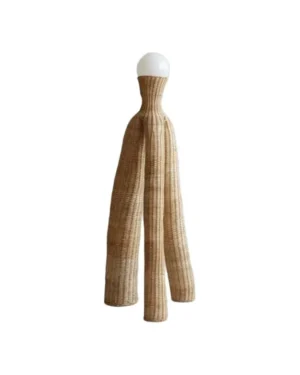
Object 02 Sconce in Nylon and Sand
By Hot Wire Extensions
€1.460 This product has multiple variants. The options may be chosen on the product page -
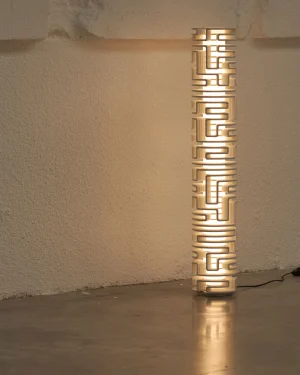
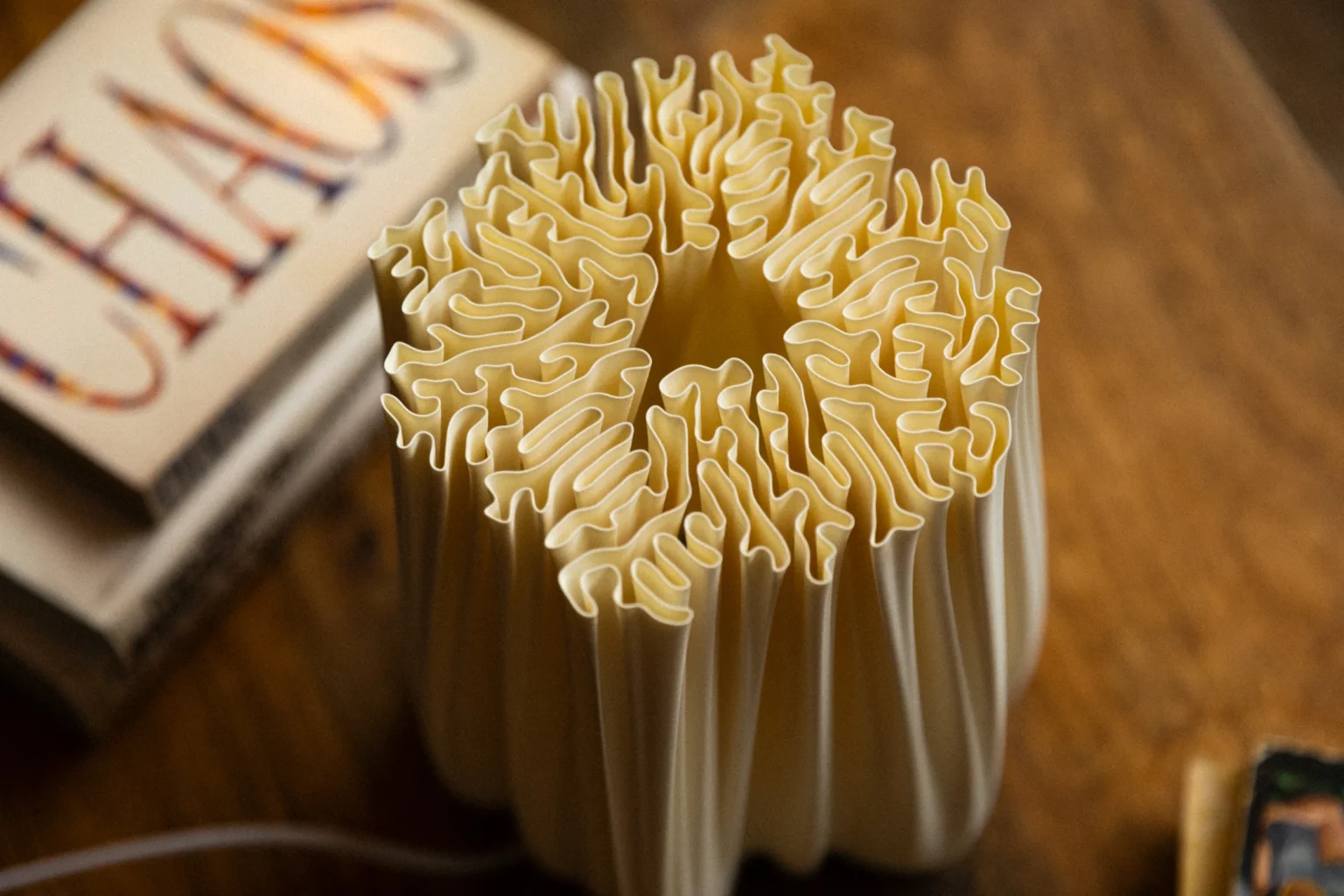
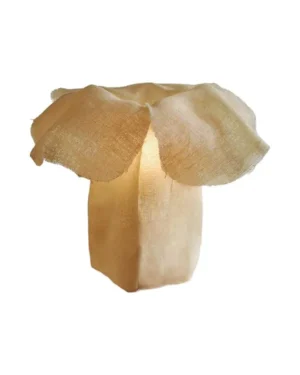
Maze Floorstander Floor Lamp in Recycled Plastic
By Stijn van Aardenne
€1.447 -
 In stock
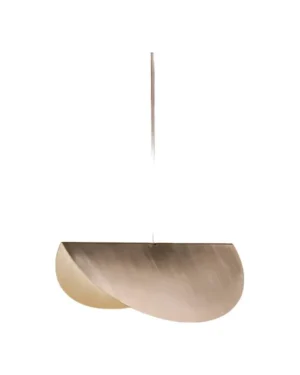
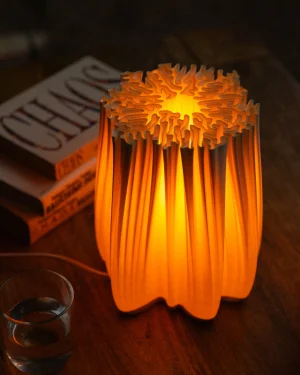
S X 1 Table Lamp In Ivory White Bio Polymer
By diploria studio
€235 -
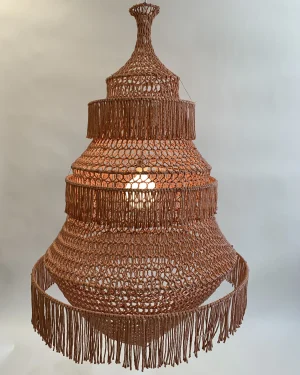
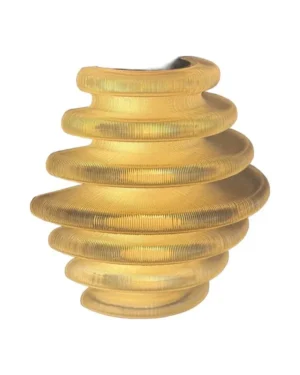
Typha Pendant Lamp in Cotton Rope
By Annie Legault
€1.907 -
 In stock
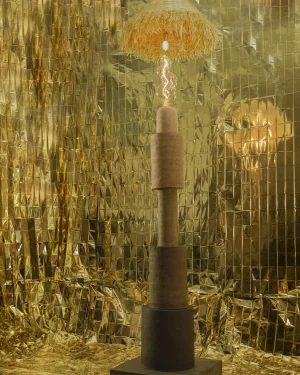
Thulani Floor Lamp in Terracotta and Rattan
By UAU Studio
€3.400 -

Exélixi Floor Lamp in Bio Plastic
By Julie Mallet Studio
€1.958 -
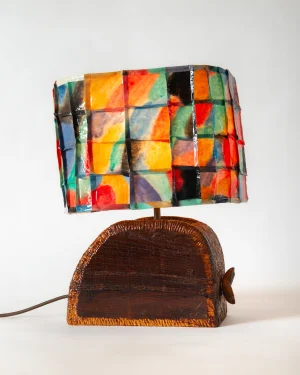
Bamboo & Mashi Table Lamp in Paper
By Yuxuan Huang Studio
€3.000 -

Coralight Table Lamp in Bio Plastic
By Cornu Design
€129 -

Sky-set Mini Table Lamp in Opalescent Glass
By Dace Sūna
€2.800 -

Sky-Set Floor Lamp in Glass and Stainless Steel
By Dace Sūna
€5.800 -

Mori Table Lamp in Bio Plastic
By Julie Mallet Studio
€146 -
 In stock
Off-form Lamp, Cube
By Nao Iyama
€1.350 -
 In stock
Off-form Lamp, Cuboid
By Nao Iyama
€1.800 -
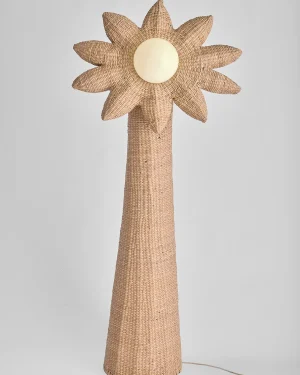
Kuni Floor Lamp in Rattan and Natural Fibers
By Joyful Objects, Yes!
€2.900 -

Coralight Table Lamp in High Density Bio Polymer
By Cornu Design
€129 -

Dyptich Wall Sconce in Brass and Recycled Plastic
By SIGNATURE OBJECTS
€1.800 -

Sculptural Illumination Table Lamp in Paper Pulp
By Donatas Žukauskas
€520 -
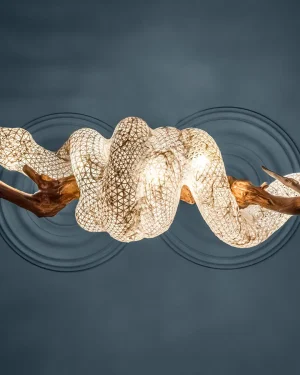
The Staff of Asclepius Chandelier in PLA and Wool
By Danik Uderbekov
€2.500 -
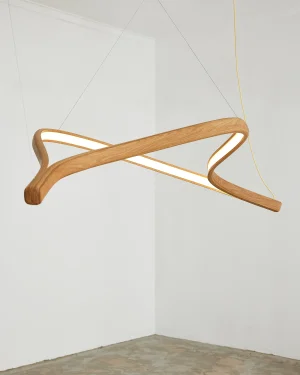 In stock
Perola Pendant Lamp in Oak Wood
By Poémia
€8.000 -
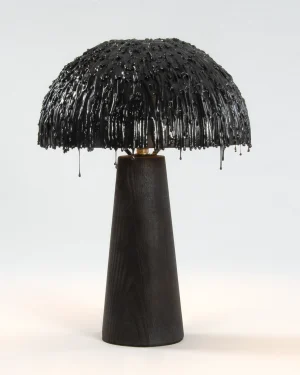
Leaky Lamp I Table Lamp in Ash Wood and Bioplastic
By Pablo Ejarque-González
€1.050 -
 In stock
Mini Sombrilla Wall Sconce in 3D Printed PLA
By Studio Parenthesis
€330 -
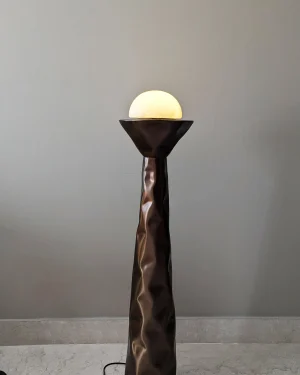 In stock
Oio Pedestal Floor Lamp in Stainless Steel and Alabaster
By Nitush and Aroosh
€2.500 -
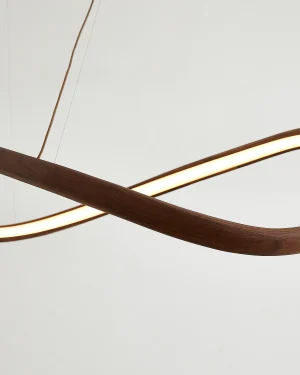 In stock
Horizonte Pendant Lamp in Walnut Wood
By Poémia
€8.450 -
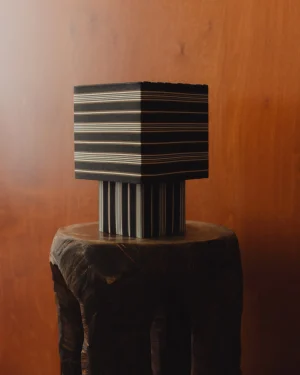
La Petite Boîte Cameron Black Table Lamp in Cotton
By mattina moderna
€285 -
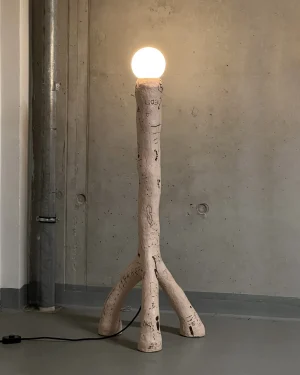 In stock
Tattooed Shining Creature Floor Lamp in Paper and Steel
By David Čáp
€1.400 -

Bavo Floor Lamp in Biocomposite and Cotton
By PletoStudio
€1.400 -
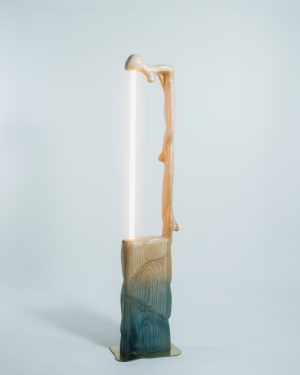 In stock
Blueprint Floor Lamp in Ash Wood
By Studio Kloak
€2.500 -
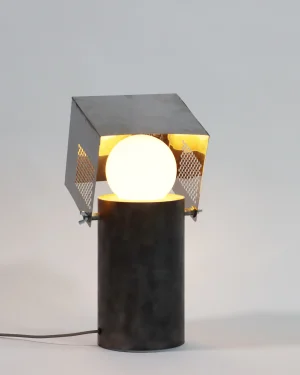 In stock
Hood Light Table Lamp in Stainless Steel
By Nolan Talbot-Kelly
€900 -
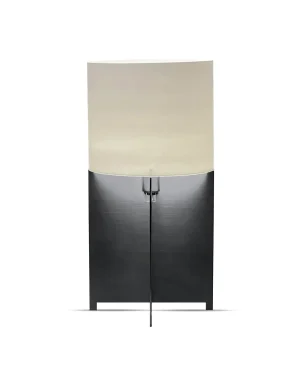
Lumix Table Lamp in Stainless Steel
By Pablo Sinan Design
€390 -
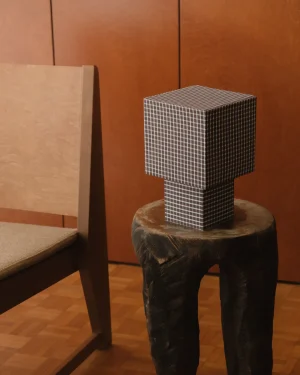
La Petite Boîte Table Lamp in Tartan Cotton
By mattina moderna
€285 -
 In stock
Lumix Table Lamp in Poplar Wood
By Pablo Sinan Design
€550 -
 In stock
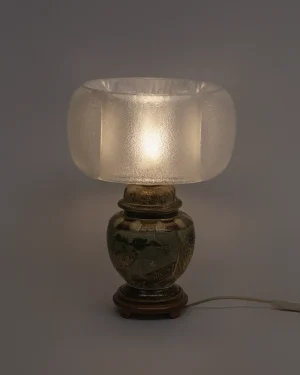
Pascal Table Lamp in Plastics
By 91-92
€193 This product has multiple variants. The options may be chosen on the product page -

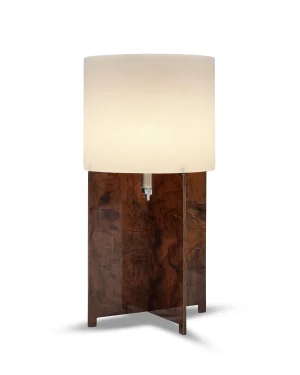
Luma Table Lamp in Oxidized Copper
By Emilia Tombolesi
€1.150 -
 In stock
Lumix Table Lamp in Walnut Wood
By Pablo Sinan Design
€550 -
 In stock
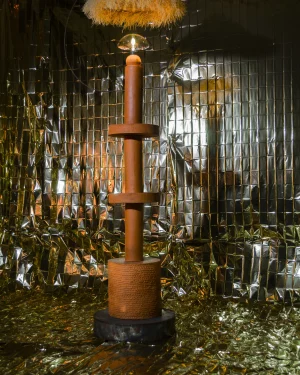
Off-form Lamp, Cube S
By Nao Iyama
€760 -
 In stock
Badru Floor Lamp in Ceramic and Rattan
By UAU Studio
€3.400 -

Cypress #1 Floor Lamp in Cypress Wood
By Studio Kloak
€4.600 -
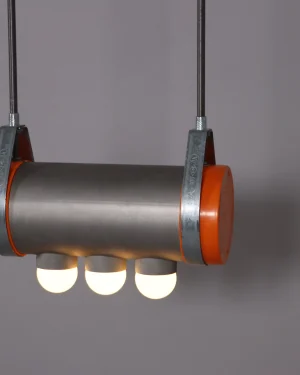 In stock
Three Bulb Upcycled Pendant Lamp in Raw Steel
By Nolan Talbot-Kelly
€2.100 -
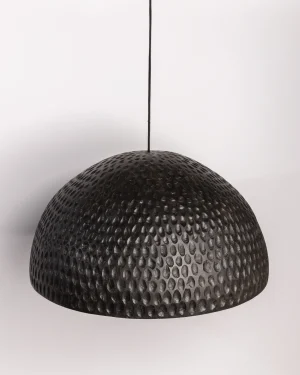
Chema Pendant Lamp in Parota Wood
By Daniel Orozco Estudio
€1.154 -
 In stock
Brisa Pendant Lamp in White Ash Wood
By Poémia
€5.750 -
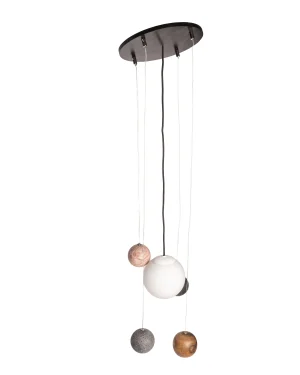
Planeta Ceiling Lamp in Marble and Volcanic Stone
By Daniel Orozco Estudio
€1.260 -
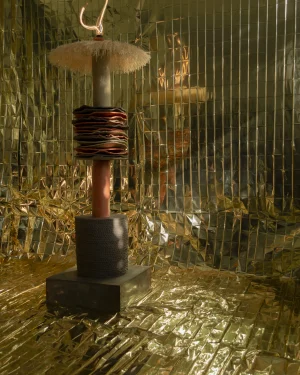 In stock
Nightjar Floor Lamp in Ceramic and Rattan
By UAU Studio
€3.400 -
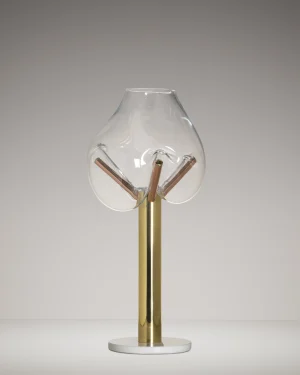
Carambola Table Lamp
By Carol Gay
€1.730 - €1.745 This product has multiple variants. The options may be chosen on the product page -

Vereteno Floor Lamp in Biocomposite and Linen
By PletoStudio
€5.800 -

Diplo Wall Sconce in Bio Plastic
By Julie Mallet Studio
€375 This product has multiple variants. The options may be chosen on the product page -

“xoria” Floor Lamp in Chrome and Linen
By Giselle Vanessa Johnson
€1.600 - €2.400 This product has multiple variants. The options may be chosen on the product page -
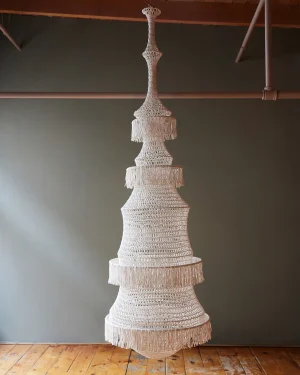
Luzule Pendant Lamp in Cotton Rope
By Annie Legault
Price Upon Request -
 In stock
B. S. P Series Table Lamp in Recycled Plastic
By Atelier SOHN
Price Upon Request -
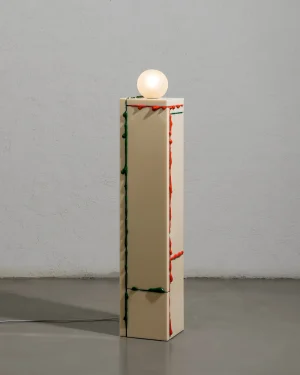 In stock
B.S.P Series Floor Lamp in Recycled Plastic
By Atelier SOHN
Price Upon Request -
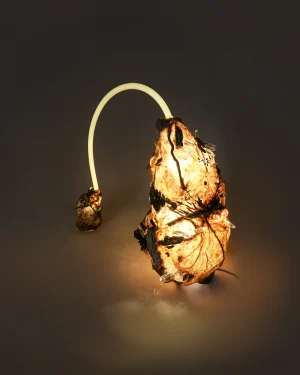 Sold
SoldSiamese Twins I Floor Lamp in Bioplastic
By Sabrina Merayo Nuñez
€6.000 -

Ms Eclipse M (25cm) Pendant Lamp in Marbled Salts
By MARBLEDSALTS studio
Price Upon Request -
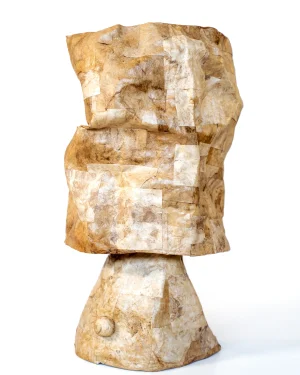
Traditional Paper-making Lamp
By Samuel Aguirre
Price Upon Request This product has multiple variants. The options may be chosen on the product page -
 In stock
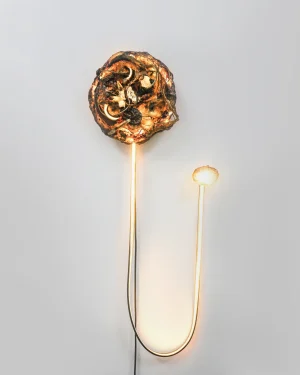
Siamese Twins II Wall Lamp in Bioplastic
By Sabrina Merayo Nuñez
Price Upon Request -
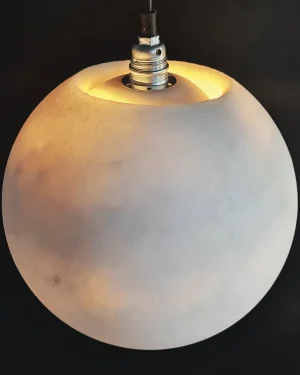
Marbled Salts Ceiling Lamp in Marbled Salts
By MARBLEDSALTS studio
Price Upon Request
Sustainable lighting on ADORNO is lighting made with an eye on what it costs the planet to produce, not just what it costs to buy: bioplastics and PLA grown or spun rather than drilled, washi paper pressed by hand, cotton and other natural fiber woven into shades, recycled plastic given a second life as a diffuser or base. The studios working in this space choose material first, often building with waste streams, agricultural byproducts or biodegradable compounds, and letting the making process itself carry the environmental argument. The result sits quietly in a room, doing the ordinary work of a lamp while asking less of the earth to get there.
What defines sustainable lighting
There is no single look to this group, because the shared ground is process rather than style. A shade might be 3D printed in PLA, a base might be hand-built from sand-cast material, a paper fixture might be folded and glued by hand from washi sheets. What ties them together is intent: material chosen for how it degrades, how little waste it leaves, or how easily it can be repaired instead of replaced.
Materials and finishes found here
Bioplastic and PLA turn up most often, usually shaped through 3D printing or other digital fabrication, which lets a studio prototype and produce in small runs without tooling waste. Washi paper and natural fiber bring a softer, more textile-led approach, often through paperwork or textilework techniques that rely on hand assembly rather than machinery. Recycled plastic, nylon and even sand appear in smaller numbers, usually where a studio is working through biofabrication or generative design to turn an unlikely input into a stable, lasting object.
Color tends to stay close to the material's own voice: white, beige and black dominate, with transparent and multicolor pieces where a studio wants the making process visible, and occasional blue or aqua accents. Editions run from open runs, for studios producing steadily, to limited editions and unique pieces, where the material or hand process makes exact repetition difficult.
How to choose a sustainable light
Scale first: a pendant or floor light should sit in proportion to the room, not dominate it, so measure the space before the fixture. Think about the quality of light a material gives off, since paper and fiber shades diffuse and warm a bulb's output, while transparent bioplastic lets more of it through unaltered.
- For a reading corner or bedside, choose a smaller table lamp with a soft, fiber or paper shade.
- For a dining table or living room, a pendant in molded bioplastic or woven natural fiber can anchor the space without adding visual weight.
- For a hallway or studio, a single sculptural floor light in cast or printed material can stand in for several smaller sources.
Placement follows function as much as looks: a light that will be switched on and off often should be easy to reach, and one that will sit near a window should be checked for how its material responds to direct sun over time.
Where it works in a room
These pieces suit living rooms and studies where a warm, considered glow matters more than raw brightness, and they pair naturally with other low-impact choices across a space. A paper or fiber pendant works well alongside the kind of pieces found in living room lighting, layered with smaller table or floor lamps rather than used alone. Anyone building a room around the same principle can look to sustainable furniture for seating and tables made with the same intent.
Caring for these materials
Paper and natural fiber shades should stay away from direct moisture and strong sun, which can yellow or weaken them over years. Bioplastic and recycled plastic surfaces wipe clean with a dry or barely damp cloth, since solvents can dull or distort the material. Dust gently rather than scrubbing, and keep any hand-built or printed base away from sharp knocks, since repair is often more practical than replacement here.
For more of the same approach applied to lamps specifically, see sustainable lamps, or step back to view all lighting on ADORNO. Every sustainable piece across categories, not only lighting, sits together under sustainable design.
How do I choose a sustainable lighting piece?
Start with the room's existing light and the material's tone, then let the base or shade material guide the rest: bioplastic and recycled plastic read as light and graphic, paper and natural fiber read as warm and soft.
What materials are used in sustainable lighting and how do I care for them?
Expect bioplastic, PLA, washi paper, recycled plastic, cotton and natural fiber. Dust with a dry or barely damp cloth, keep paper and fiber shades away from direct moisture, and avoid bulbs that run hotter than the fixture recommends.
What size or height should a sustainable lamp be?
Table and floor lamps generally sit between 20 and 65 inches; pendants hang so the shade clears head height, usually 28 to 40 inches above a table or counter. The maker can confirm exact dimensions on the piece's page.
Which rooms suit sustainable lighting best?
Living rooms and bedrooms take well to soft, diffused sources in paper, fiber or bioplastic, while kitchens and workspaces benefit from recycled plastic or nylon fixtures that hold a sharper, more direct light.
Are these sustainable lighting pieces handmade or produced in limited runs?
Many are made through 3D printing, digital fabrication, biofabrication or hand-building, and some are offered as open editions, limited editions or unique pieces. Specifics vary by maker and are confirmed on each piece's page.
How does shipping, returns and authenticity work when buying from ADORNO?
Shipping is insured and worldwide. Returns are accepted within 14 days, except made-to-order pieces, and every purchase comes with a certificate of authenticity plus a lowest-price guarantee.