
-

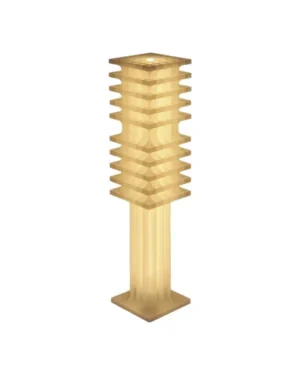
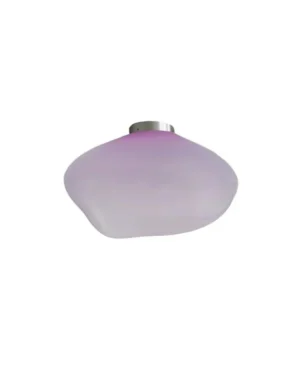
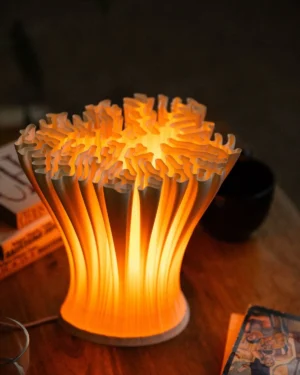
Maze Floorstander Floor Lamp in Recycled Plastic
By Stijn van Aardenne
€1.447 -
 In stock
S 5 Table Lamp In Ivory White Bio Polymer
By diploria studio
€295 -
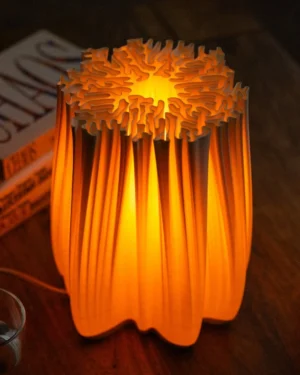 In stock
S X 1 Table Lamp In Ivory White Bio Polymer
By diploria studio
€275 -
 In stock
S 1 Table Lamp In Bio Polymer
By diploria studio
€245 -
 In stock
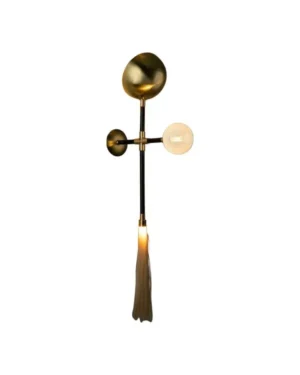
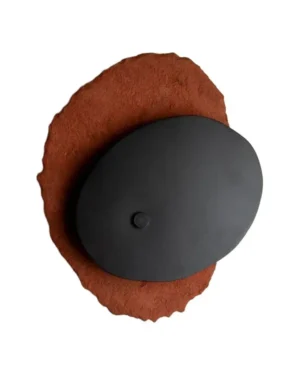
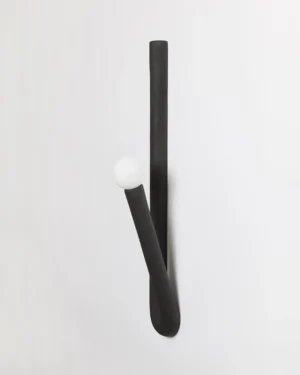
Object 02 Sconce in Nylon and Sand
By Hot Wire Extensions
€1.460 -
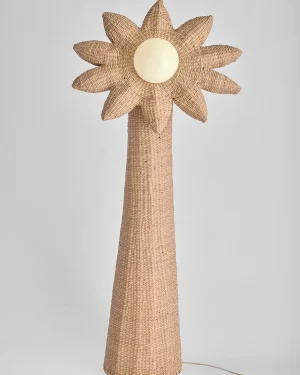
Kuni Floor Lamp in Rattan and Natural Fibers
By Joyful Objects, Yes!
€2.900 -
 In stock
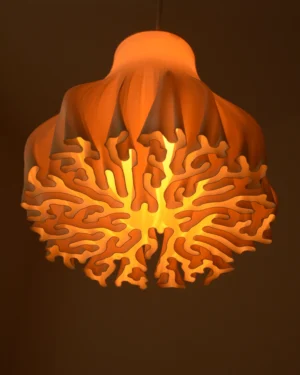
H 1 Pendant Lamp In Bio Polymer
By diploria studio
€295 - €495 -
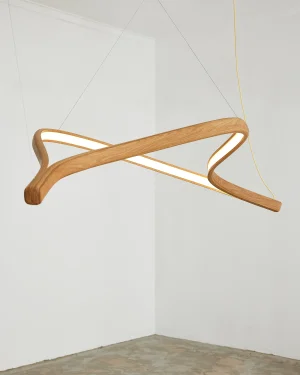
Perola Pendant Lamp in Oak Wood
By Poémia
€8.000 -
 In stock
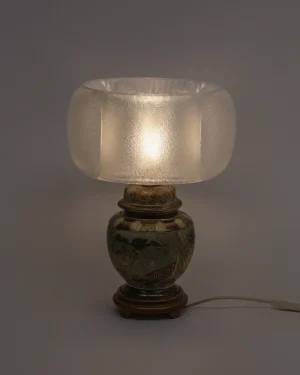
Horizonte Pendant Lamp in Walnut Wood
By Poémia
€8.450 -
 In stock
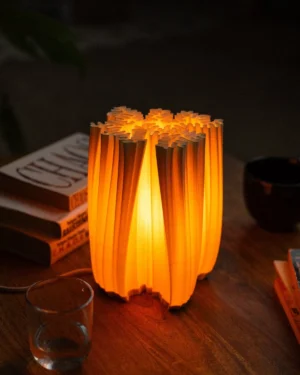
Pascal Table Lamp in Plastics
By 91-92
€193 -
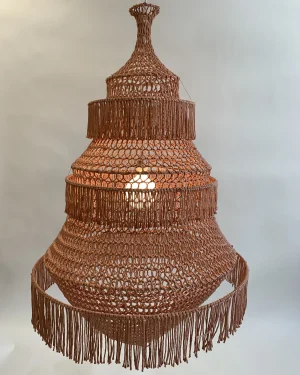
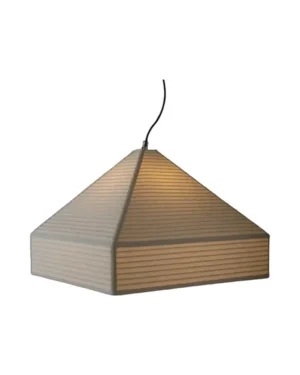
Typha Pendant Lamp in Cotton Rope
By Annie Legault
€1.907 -
 In stock
S 2 Table Lamp In Bio Polymer
By diploria studio
€245 -
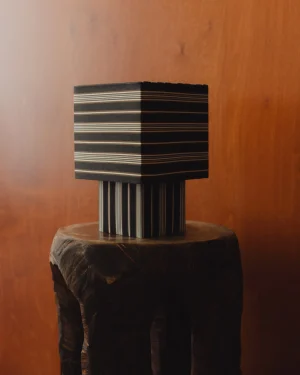
La Petite Boîte Cameron Black Table Lamp in Cotton
By mattina moderna
€285 -
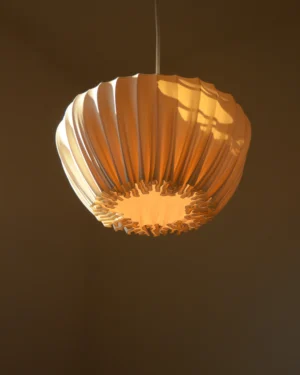
M 2 H Pendant Lamp In Bio Polymer
By diploria studio
€295 -
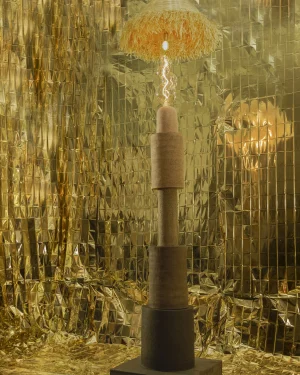 In stock
Thulani Floor Lamp in Terracotta and Rattan
By UAU Studio
€3.400 -

Pendulum Triptych Ceiling Lamp In Bio Plastic
By Julie Mallet Studio
€792 -
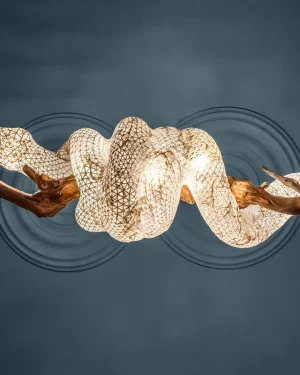
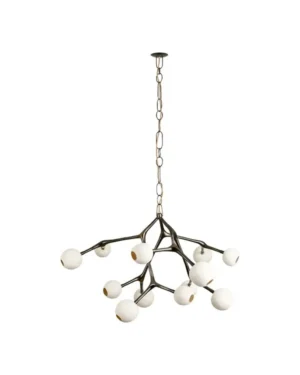
The Staff Of Asclepius Chandelier In Pla And Wool
By Danik Uderbekov
€2.500 -
 In stock
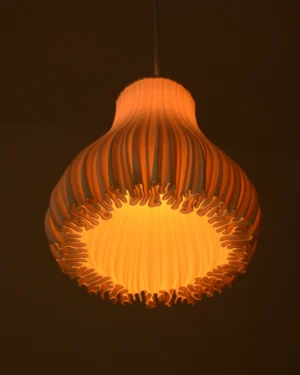
H 2 Pendant Lamp In Bio Polymer
By diploria studio
€295 - €495 -

Exélixi Floor Lamp In Bio Plastic
By Julie Mallet Studio
€1.958 -

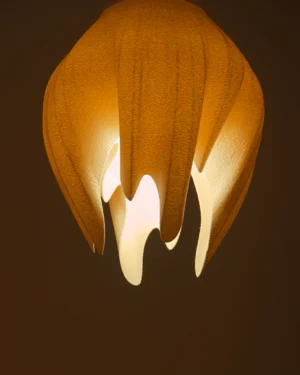
Coralight Table Lamp in Bio Plastic
By Cornu Design
€129 -
 In stock
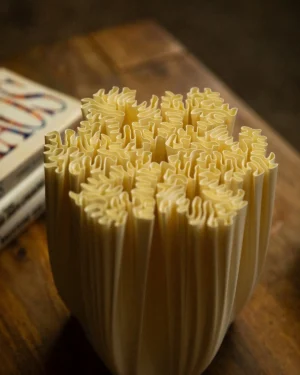
Medusa Pendant Lamp In Bio Polymer
By diploria studio
€245 - €495 -
 In stock
S X 2 Table Lamp In Biopolymer
By diploria studio
€295 -
 In stock
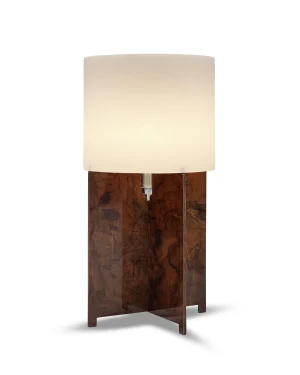
Mini Sombrilla Wall Sconce in 3D Printed PLA
By Studio Parenthesis
€330 -
 In stock
Lumix Table Lamp in Walnut Wood
By Pablo Sinan Design
€550 -
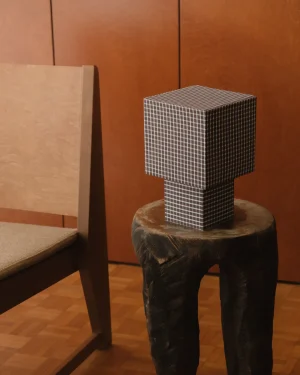
La Petite Boîte Table Lamp in Tartan Cotton
By mattina moderna
€285 -

Coralight Table Lamp in High Density Bio Polymer
By Cornu Design
€129 -
 In stock
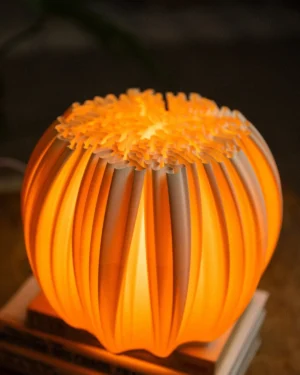
Off-form Lamp, Cube
By Nao Iyama
€1.350 -
 In stock
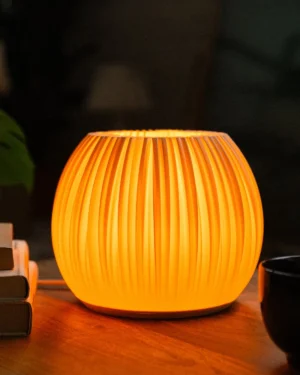
S X 3 Table Lamp In Biopolymer
By diploria studio
€295 -
 In stock
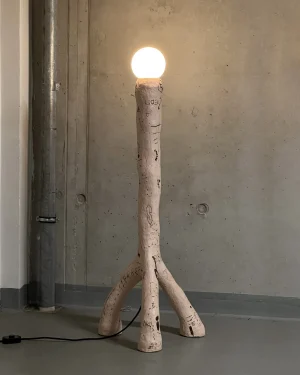
B 1 Table Lamp In Biopolymer
By diploria studio
€295 -
 In stock
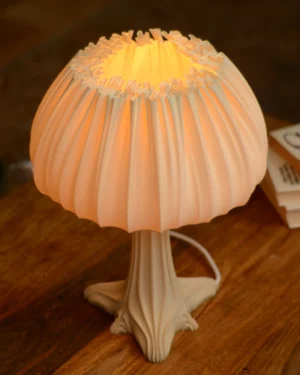
Tattooed Shining Creature Floor Lamp In Paper And Steel
By David Čáp
€1.400 -
 In stock
M 2 Table Lamp In Bio Polymer And Sand
By diploria studio
€395 -
 In stock
H 3 Pendant Lamp In Bio Polymer
By diploria studio
€395 -

Mori Table Lamp In Bio Plastic
By Julie Mallet Studio
€146 -

Vira Triptych Ceiling Lamp In Bio Plastic
By Julie Mallet Studio
€567 -

Sky-set Floor Light
By Dace Sūna
€5.800 -

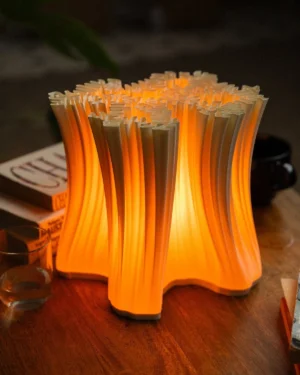
Bavo Floor Lamp in Biocomposite and Cotton
By PletoStudio
€1.400 -
 In stock
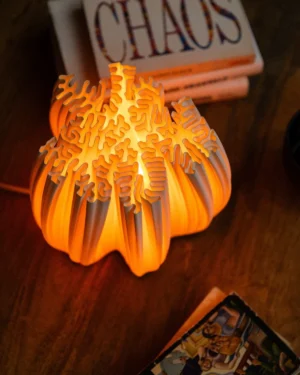
S 6 Table Lamp In Bio Polymer
By diploria studio
€295 -
 In stock
S 3 Table Lamp In Biopolymer
By diploria studio
€275 -
 In stock
Lumix Table Lamp in Poplar Wood
By Pablo Sinan Design
€550 -
 In stock
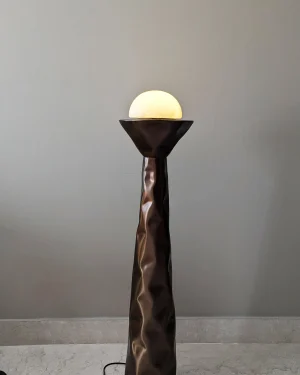
Oio Pedestal Floor Lamp in Stainless Steel and Alabaster
By Nitush and Aroosh
€2.500 -
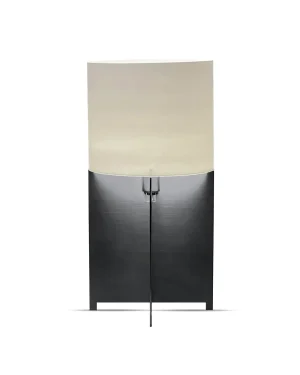
Lumix Table Lamp in Stainless Steel
By Pablo Sinan Design
€390 -
 In stock
Brisa Pendant Lamp In White Ash Wood
By Poémia
€5.750 -
 In stock
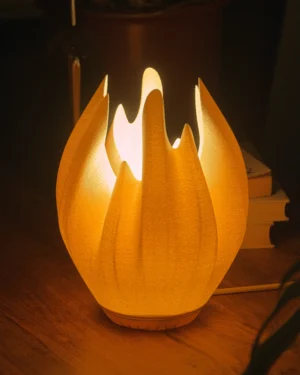
Off-form Lamp, Cuboid
By Nao Iyama
€1.800 -
 In stock
Medusa Table Lamp In Bio Polymer
By diploria studio
€295 - €545 -
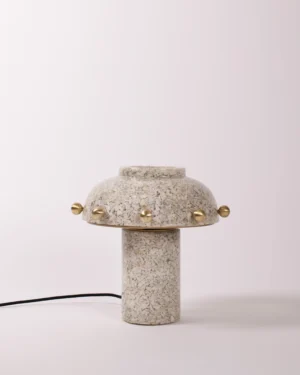
Second Tide Table Lamp In White Recycled Plastic And Brass
By Harshita Jhamtani Designs
€1.340 -
 In stock
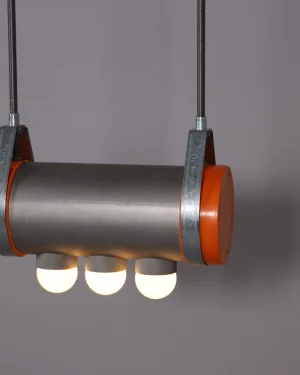
Three Bulb Upcycled Pendant Lamp In Raw Steel
By Nolan Talbot-Kelly
€2.100 -
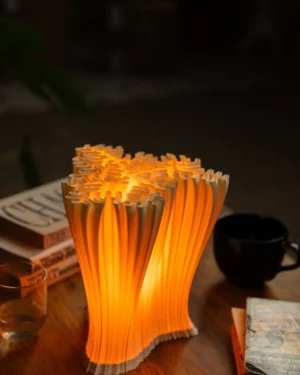 In stock
S 4 Table Lamp In Bio Polymer
By diploria studio
€275 -

Vereteno Floor Lamp in Biocomposite and Linen
By PletoStudio
€5.800 -
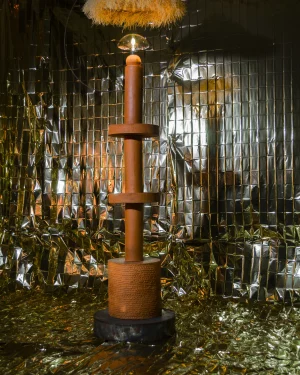 In stock
Badru Floor Lamp in Ceramic and Rattan
By UAU Studio
€3.400 -

Luma Table Lamp in Oxidized Copper
By Emilia Tombolesi
€1.150 -
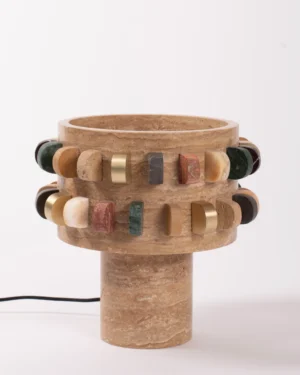
Outcasts Table Lamp In Marble And Travertine
By Harshita Jhamtani Designs
€2.140 -
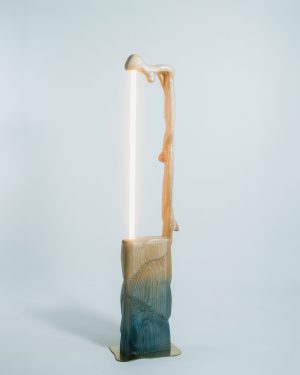 In stock
Blueprint Floor Lamp in Ash Wood
By Studio Kloak
€2.500 -
 In stock
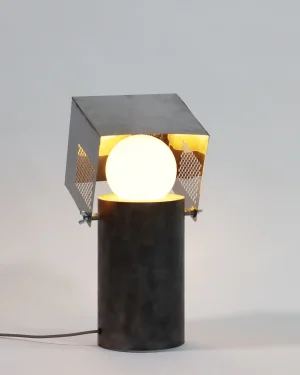
Hood Light Table Lamp In Stainless Steel
By Nolan Talbot-Kelly
€900 -
 In stock
Off-form Lamp, Cube S
By Nao Iyama
€760
Sustainable lamps are built from materials chosen as much for what they leave out as for what they give a room: recycled plastic reground and reset, bioplastic grown from plant starch, cotton and natural fiber wound over a frame. Independent studios work these materials by hand or feed them through digital fabrication and biofabrication processes, so a shade can be cast in a mold one week and generated from a parametric file the next. The results sit in open editions, limited runs and unique pieces, and each depends on a material that was chosen to return to the earth more easily, or never to have left a mine or a well in the first place.
What makes a lamp sustainable
The term covers the material and the process together. Recycled plastic is reclaimed from packaging or industrial offcuts, melted and pressed into new shells and bases, so a slight variation in tone from one lamp to the next is a sign of origin rather than a flaw. Bioplastic is grown, often from algae, corn starch or cellulose, and it will degrade under the right conditions instead of persisting for centuries.
Natural fiber and cotton are knotted or woven over armatures, a technique close to macramé and textilework that leaves visible knots and a soft, matte surface where a glass or metal shade would give a hard one. Marble and brass also appear here, used in smaller quantities or reclaimed, paired with lower-impact shades to keep the weight of the piece down without losing the cool, grounding presence stone and metal bring to a base.
How these lamps behave, lit and unlit
Bioplastic and recycled plastic shades tend to be translucent or semi-opaque, so daylight shows the texture of the mold and evening use shows a warmer, more diffuse glow than glass gives. Natural fiber shades filter light rather than scatter it, casting a dappled pattern on a nearby wall or ceiling that changes with the knot or weave. Resin, used for casting small bases and details, can trap color or fiber inside it, so the object reads differently depending on whether the bulb is on.
Choosing a sustainable lamp for a room
Scale and height matter before material does. A table lamp for a nightstand or console sits lower and casts a tighter pool of light, while a floor lamp needs enough height to clear a sofa arm and throw light up or across a room. Measure the surface it will stand on and the distance to a seat or headboard before choosing a shade width, since a shade that is too wide for its base will unbalance visually even if it is structurally sound.
- Living rooms suit a larger floor or table lamp in fiber or bioplastic, where the diffused light works well against a sofa or reading chair.
- Bedrooms suit a smaller lamp close to the bed, often in recycled plastic or resin, kept low enough not to glare at eye level.
- Studies and desks suit a more directional lamp, where a metal or marble base keeps the piece stable under repeated adjustment.
Caring for recycled and natural materials
Recycled plastic and bioplastic should be wiped with a damp cloth rather than harsh solvents, which can dull or soften the surface over time. Natural fiber and cotton shades collect dust in their weave, so a soft brush or low-suction vacuum attachment works better than a damp cloth, which can leave water marks on unsealed fiber. Keep any lamp with a bioplastic component out of direct, prolonged sun, since the same qualities that let it biodegrade can make it more sensitive to heat and ultraviolet light than conventional plastic.
Where to look next
For other lit pieces in the same spirit, the wider run of sustainable lighting spans pendants, wall lights and sconces alongside lamps. Within lamps generally, the full collection of designer lamps shows how these same materials sit alongside hand-blown glass, ceramic and solid wood. Every sustainable lamp belongs to a larger set of sustainable design across furniture and objects, and a living room built around one of these lamps often continues with a sustainable seating piece or a sustainable table nearby.
How do I choose a sustainable lamp?
Start with the material a room already leans on: woven fiber softens a space with wood and textiles, while recycled plastic or marble suits a harder, more graphic setting. Light output and shade shape matter as much as the material itself.
How do I care for a sustainable lamp?
Dust recycled plastic and bioplastic shells with a dry cloth and keep them from direct heat, which can soften the material. Woven cotton or natural fiber shades should be vacuumed gently or brushed, never soaked.
Will a bioplastic or recycled plastic lamp degrade over time?
Bioplastic breaks down under specific composting conditions, not on a shelf at home, so a lamp stays stable through normal use. Recycled plastic is simply reprocessed material and behaves like any durable plastic once formed.
What size or height lamp do I need?
Table lamps generally sit between 18 and 30 inches tall, floor lamps between 50 and 65 inches, though exact dimensions vary by piece. Check the specific measurements on each lamp's page, or chat with the maker directly.
Which rooms suit sustainable lamps best?
Woven fiber and cotton shades carry warmth into living rooms and bedrooms, while recycled plastic and marble read cleaner in a study or hallway. Most of these materials tolerate normal indoor humidity without issue.
What happens when I order a sustainable lamp from ADORNO?
Shipping is insured and worldwide, and a certificate of authenticity comes with every lamp. Returns are accepted within 14 days, except for made-to-order pieces, and ADORNO guarantees the lowest price.