


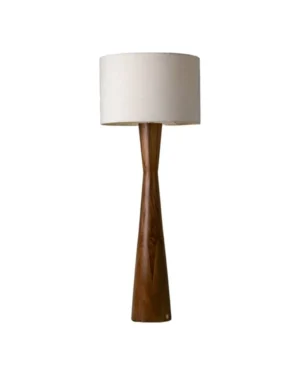
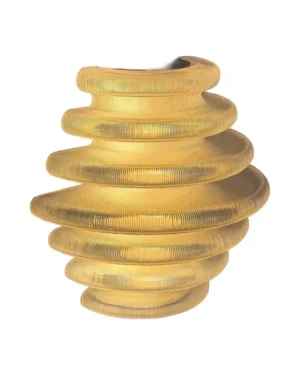
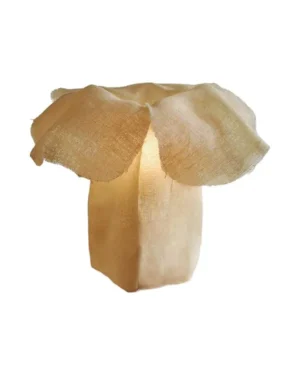

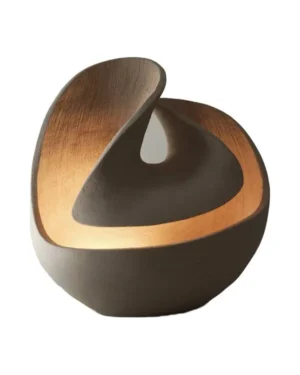
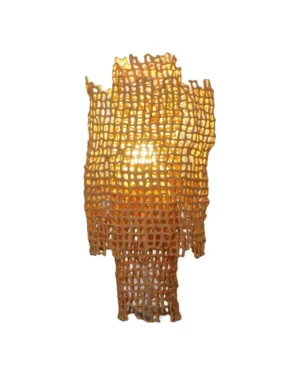

-

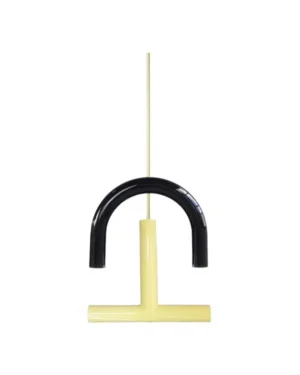
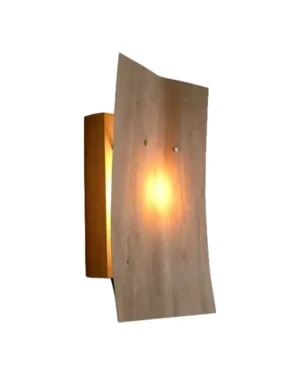
Held In Tension No. 01 Wall Sconce In Metal And Paper
By Aysenur Dagdelen
€170€153 -
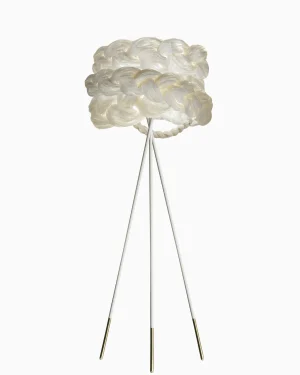
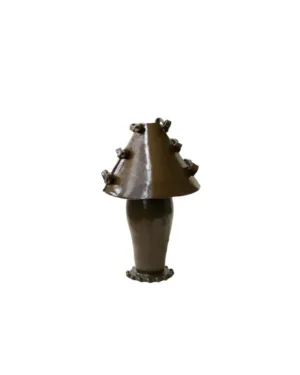
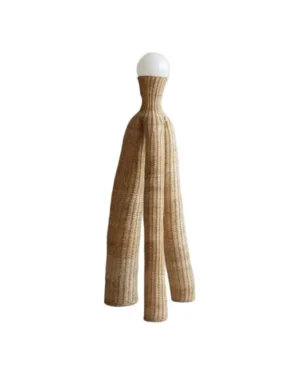
The Bride Floor Lamp in Paper
By Mammalampa
€609 -
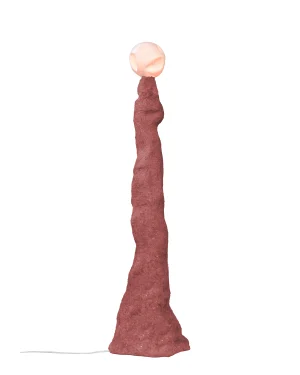
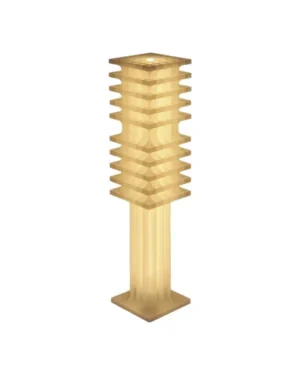
Meteora Floor Lamp in Paper Pulp
By Jonathan Bocca
€3.000 -
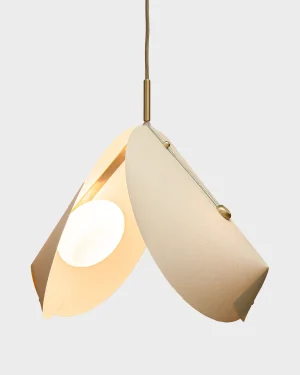 In stock
Concha Model 03 Pendant Lamp in Brass and Blown Glass
By MESEME by Riya Panchal
€434 -
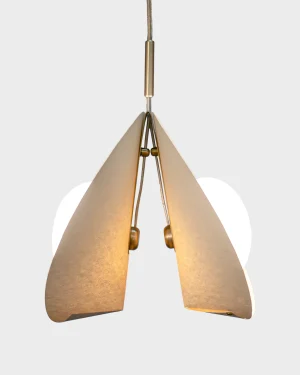 In stock
Concha Model 01 Pendant Lamp in Paper, Metals and Glass
By MESEME by Riya Panchal
€375 -
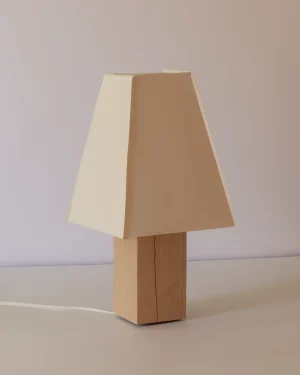
PL – 1 Table Lamp in Beech Wood and Paper
By Sergio Enríquez Industrial Design Office
€1.500 -
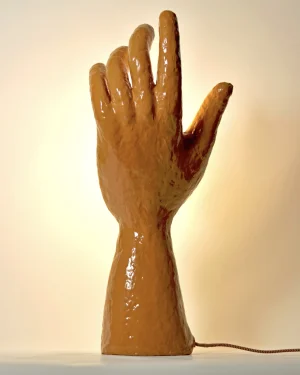
Luminária Luz Sobre Mão Table Lamp in Paper Pulp
By Sandro Vieira studio
€410 -
 In stock
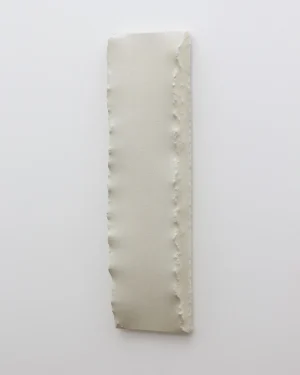
Edges 20-75 T8-60 Wall Sconce In Paper Pulp
By David Čáp
€400 -
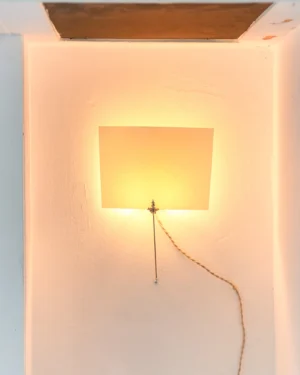
Held In Tension No. 02 Wall Sconce In Metal And Paper
By Aysenur Dagdelen
€160€144 -

Edges 20-105 T8-90 Wall Sconce In Paper Pulp
By David Čáp
€500€450 -
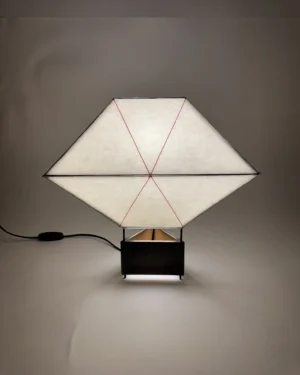
Biiit 005 Table Lamp In Paper And Brass
By Bo Ah Kim
€1.750 -
 In stock
Mujo P Iver Wall Sconce in Walnut Wood and Washi Paper
By Prangé
€948 -
 In stock
Edges Ellipse 36-96 T8-60 Wall Sconce In Paper Pulp
By David Čáp
€550 -
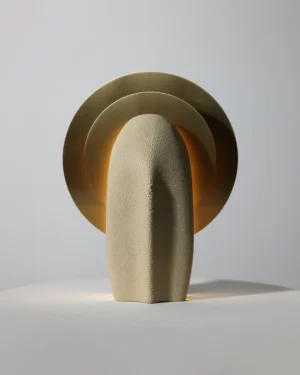
Mother of the Light Table Lamp in Galuchat and Brass
By PALUCKI Studio
€3.300 -

Biiit 010 Wall Sconce in Paper and Brass
By Bo Ah Kim
€1.400 -
 In stock
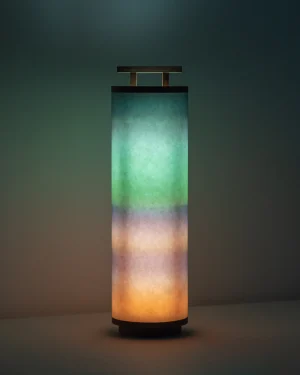
Torii G Pala Table Lamp in Washi Paper and Walnut
By Prangé
€1.232 -
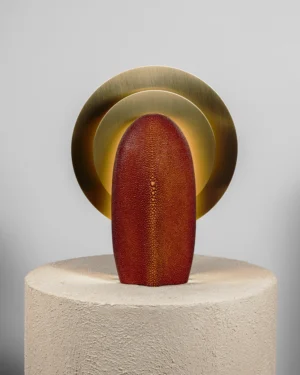
Mother of the Light Cognac Table Lamp in Galuchat and Brass
By PALUCKI Studio
€3.500 -

Frame M European Wall Sconce in Paper and Steel
By Violaine d'Harcourt Lighting Design
€740 - €805 -
 In stock
Root No. 3 Wall Sconce in Steel, Paper and Glass
By Natalie Dubrovska
€1.573 -
 In stock
Off-form Lamp, Cube
By Nao Iyama
€1.350 -
 In stock
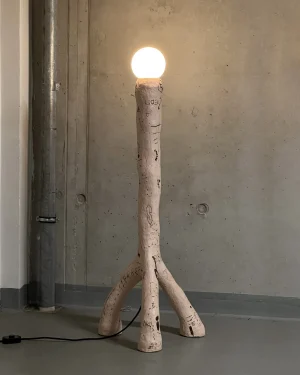
Tattooed Shining Creature Floor Lamp In Paper And Steel
By David Čáp
€1.400 -
 In stock
Biiit 001 Table Lamp In Paper And Brass
By Bo Ah Kim
€2.100 -
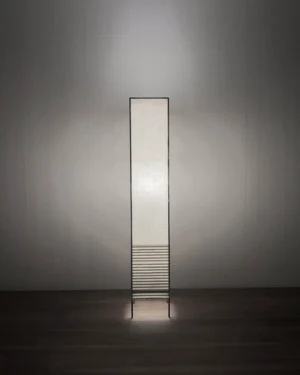
Biiit 003 Floor Lamp in Paper and Brass
By Bo Ah Kim
€1.900 -
 In stock
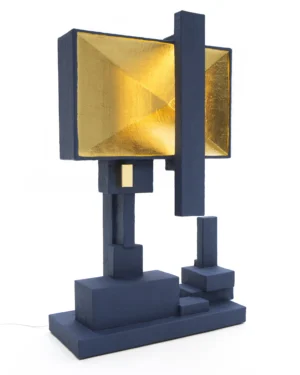
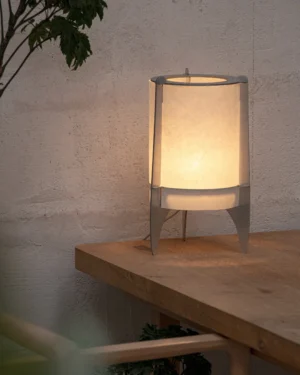
Box-2 Floor Lamp in Blue Cardboard and Gold-leaf
By Studio Josha
€8.995 -
 In stock
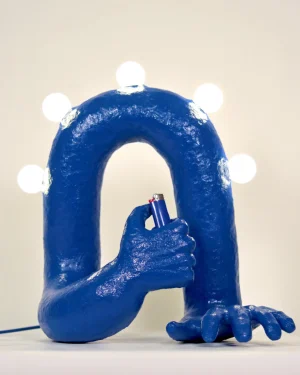
Capsule Table Lamp in Aluminum and Washi Paper
By Valentine Maurice
€1.200 -
 In stock
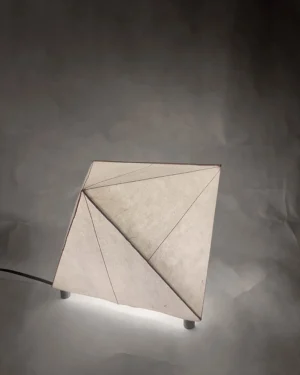
Acesa Luminária Em Papel Machê
By Sandro Vieira studio
€550 -
Biiit 006 Table Lamp In Paper And Brass
By Bo Ah Kim
€1.100 -
 In stock
Peony Floor Lamp In Fiber-cement
By Donatas Žukauskas
€2.450 -
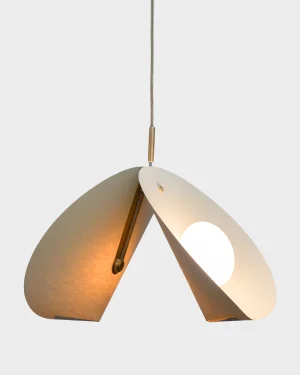
Concha Model 02 (Medium) Pendant Lamp in Paper and Brass
By MESEME by Riya Panchal
€434 -
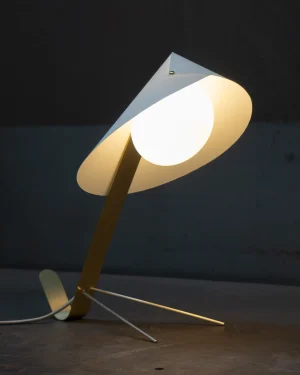
Mantis Table Lamp in Layered Paper and Brass
By MESEME by Riya Panchal
€405 -
 In stock
Edges 20-75 T8-60 Wall Sconce In Black Paper Pulp
By David Čáp
€550 -
 In stock
Mujo M Reol Wall Sconce in Walnut Wood and Washi Paper
By Prangé
€1.706 -
 In stock
Off-form Lamp, Cuboid
By Nao Iyama
€1.800 -
 In stock
Brown Mud Ellipse Wall Sconce In Textiles And Wood
By David Čáp
€550 -

Biiit 011 Wall Sconce in Paper and Brass
By Bo Ah Kim
€2.100 -

Frame S European Wall Sconce in Paper and Steel
By Violaine d'Harcourt Lighting Design
€577 - €724 -
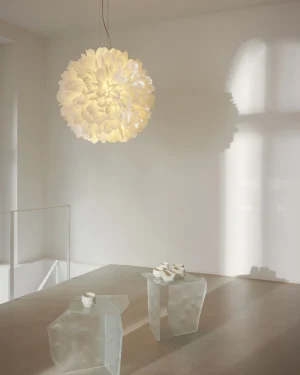
Blossom Pendant Lamp in Washi Paper
By HEIKE BUCHFELDER
€2.933 -
 In stock
Mujo M Aray Wall Sconce in Walnut Wood and Washi Paper
By Prangé
€1.706 -
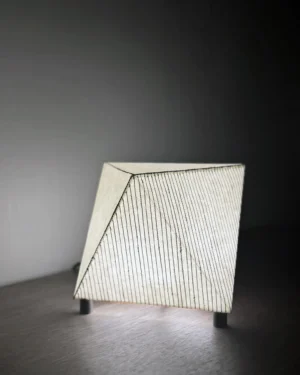
Biiit 007 Table Lamp In Paper And Brass
By Bo Ah Kim
€1.000 -
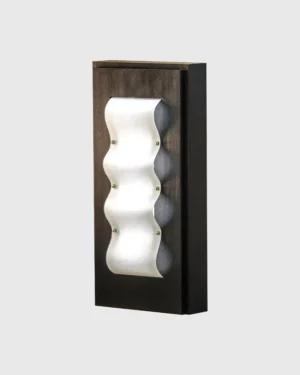 In stock
Mora Table Lamp in Sapele Wood and Recycled Paper
By MESEME by Riya Panchal
€1.397 -
Mantis Table Lamp in Layered Paper
By MESEME by Riya Panchal
€365 -
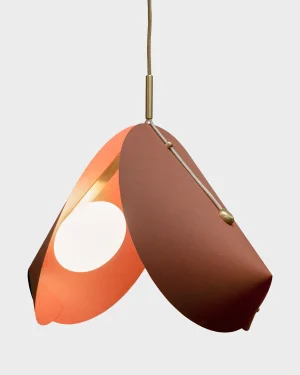
Concha Model 03 (Large) Pendant Lamp in Paper and Brass
By MESEME by Riya Panchal
€521 -
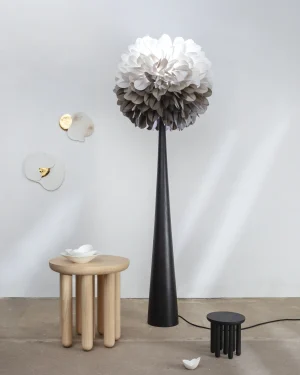
Blossom Floor Lamp in Washi Paper
By HEIKE BUCHFELDER
€5.618 -
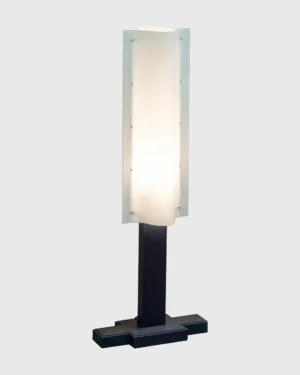
Mora Floor Lamp in Sapele Wood and Recycled Paper
By MESEME by Riya Panchal
€2.676 -
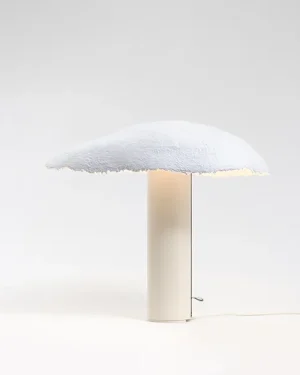
Overcast Table Lamp In Aluminum, Leather And Paper Pulp
By Calen Knauf Studio
€1.570 -
 In stock
Off-form Lamp, Cube S
By Nao Iyama
€760 -

Frame L European Wall Sconce in Paper and Steel
By Violaine d'Harcourt Lighting Design
€1.163 - €1.301 -
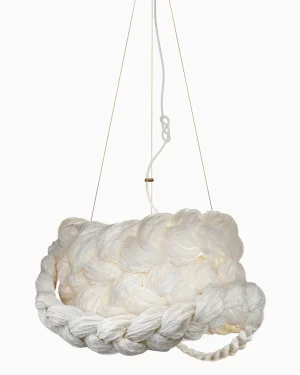 In stock
The Bride Pendant Lamp in Paper
By Mammalampa
€393 - €646 -
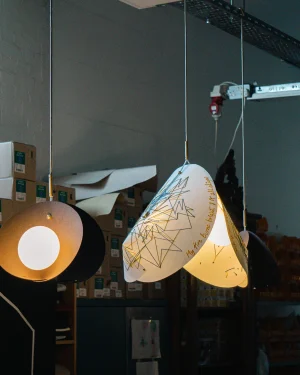 In stock
Concha Embroidure Pendant Lamp in Paper and Brass
By MESEME by Riya Panchal
€788 -
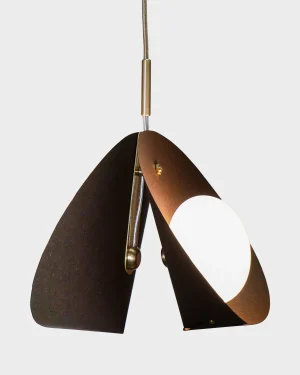
Concha Model 01 (Medium) Pendant Lamp in Paper and Brass
By MESEME by Riya Panchal
€434 -
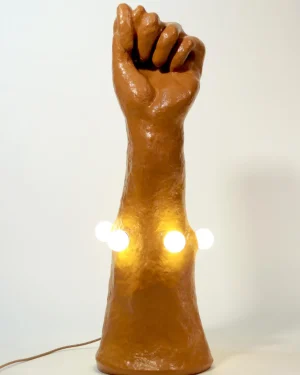 In stock
Figa Luminária Em Papel Machê
By Sandro Vieira studio
€580 -
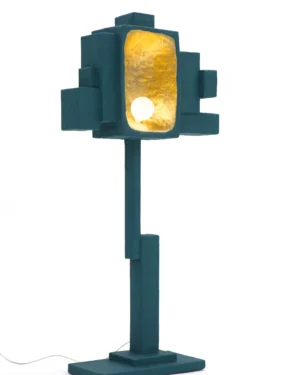 In stock
Box-1 Floor Lamp in Cardboard and Gold-leaf
By Studio Josha
€4.500 -
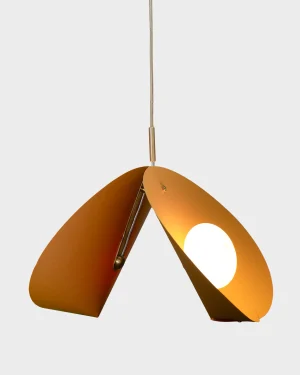
Concha Model 02 (Small) Pendant Lamp in Paper and Brass
By MESEME by Riya Panchal
€375 -
 In stock
Biiit 002 Table Lamp In Paper And Brass
By Bo Ah Kim
€1.500
Paper lighting turns one of the oldest materials into one of the softest sources of light in a room. Studios build these pieces from paper pulp, layered sheets or papier-mâché, pressing and drying the material over molds or armatures until it holds its own shape. The result sits somewhere between a lamp and a sculpture, letting light pass through its walls rather than bounce off them.
What defines paper as a lighting material
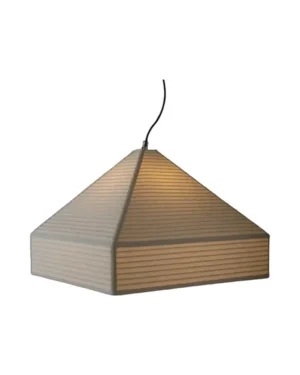
Paper diffuses light instead of directing it. Where metal or glass shades throw a sharp pool of light, a paper shade spreads it evenly, softening shadows and warming the color of the bulb inside. Thickness and layering control how much light escapes: thin, single-ply shades glow almost translucent, while pulped or papier-mâché forms let through only a faint wash of light through their surface.
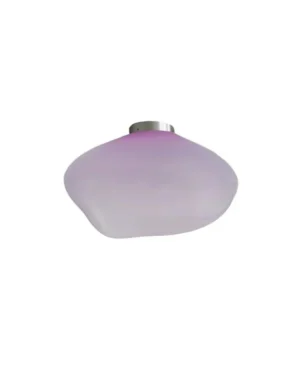
Color tends to stay close to the material itself. Off-white, beige, ochre and brown dominate, since most studios leave the paper unbleached or lightly tinted to keep its fiber visible. Some pieces take on white, silver or pink through pigment added at the pulp stage, but the finish rarely strays far from the raw material's own tone.
How these pieces are made
Two techniques account for most of what is found in paper lighting: papermaking, where sheets are built up wet and shaped while still pliable, and papier-mâché, where strips or pulp are layered over a form and left to dry hard. Some studios pair paper with brass, aluminum or wood for a frame or base, giving a soft shade a stable structure to sit on or hang from. Others work paper alone, relying on the dried material's own rigidity to hold a sphere, cone or irregular form without support.
Editions vary by studio. Some pieces are made in open runs from repeatable molds, others in limited editions where small variations in pulp thickness or folding show through, and a few are built as one-offs shaped entirely by hand.
Choosing a piece for scale, height and placement
Scale matters more with paper than with denser materials, since a larger shade reads as lighter in a room than its size suggests. A floor lamp with a generous paper shade can anchor a seating area without the visual weight of a stone or metal base. Wall-mounted pieces work well where floor or table space is limited, casting a gentler, more directional glow than a pendant.
Consider how the piece will read when switched off as well as lit. Paper holds texture, folds and seams that remain visible in daylight, so a shade can double as a quiet sculptural object on a side table or shelf even without its bulb on.
- Living rooms and bedrooms suit paper shades best, where softened light is welcome over close, functional work
- Pair a paper shade with a wood or aluminum base for rooms with other warm or neutral materials
- Choose heavier pulp forms for a more sculptural, boho chic or eclectic feel, and thinner, single-sheet shades for a quieter, contemporary look
Living with and caring for paper lighting
Paper is light but not durable in the way metal or glass is. Keep shades away from direct moisture and avoid placing them where they might be brushed against often, since creases and tears do not reverse easily. Dust with a soft, dry brush or a low setting on a vacuum attachment rather than a damp cloth, and keep bulbs within the wattage a studio recommends to avoid scorching the material from the inside.
For the full range of finishes and forms, see every paper piece on ADORNO, including paper lamps and paper wall sconces suited to living room lighting and bedroom lighting. For other materials and finishes, the wider lighting range covers metal, glass and wood alongside paper.
How do I choose a paper lighting piece?
Think about how much light should pass through: thin, single-ply shades glow almost translucent, while pulped or papier-mâché forms give a softer, dimmer wash of light.
Is paper lighting durable and how do I care for it?
Paper holds its shape once dried over a mold or armature, but it stays sensitive to moisture and direct handling. Dust gently and keep pieces away from damp rooms or direct water contact.
What size or height of paper lighting should I pick?
Sizes and proportions vary by piece, since studios shape each shade or sconce over its own mold. Chat with the maker on a piece's page to confirm exact dimensions.
Which rooms suit paper lighting best?
Paper diffuses light evenly, which makes it suited to living rooms, bedrooms and reading corners where soft, warm light matters more than a sharp, directed beam.
Can I order a custom paper lighting piece?
Some studios take custom requests, others work in open or limited editions only. Chat with the maker on a piece's page to ask directly.
What about shipping, returns and authenticity on ADORNO?
Shipping is insured and worldwide. Returns are accepted within 14 days, except for made-to-order pieces, and every piece comes with a certificate of authenticity.