



















-
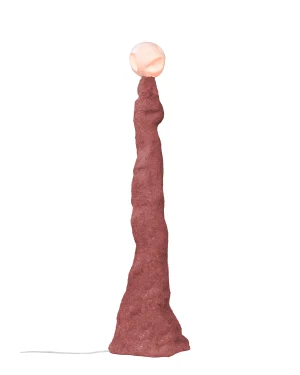
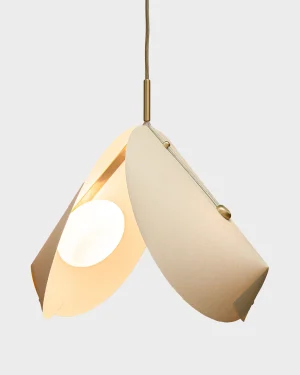
Meteora Floor Lamp in Paper Pulp
By Jonathan Bocca
€2.400 -
 In stock
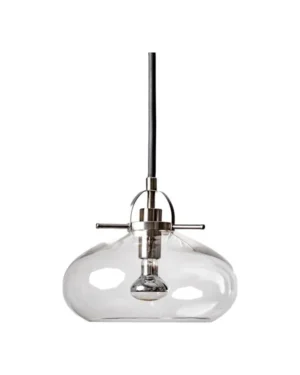
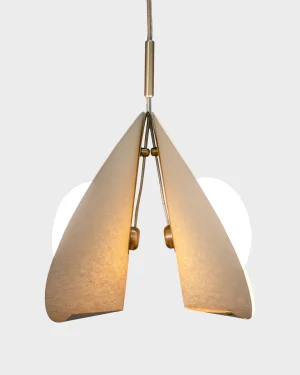
Concha Model 03 Pendant Lamp in Brass and Blown Glass
By MESEME by Riya Panchal
€434 This product has multiple variants. The options may be chosen on the product page -
 In stock
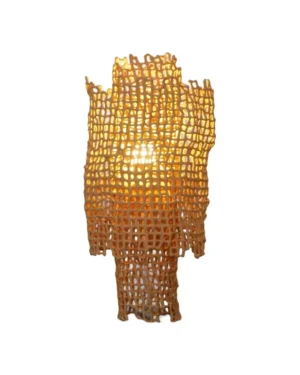
Concha Model 01 Pendant Lamp in Paper, Metals and Glass
By MESEME by Riya Panchal
€375 This product has multiple variants. The options may be chosen on the product page -
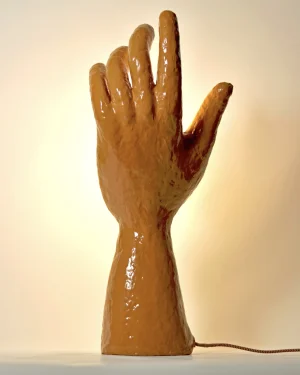
Luminária Luz Sobre Mão Table Lamp in Paper Pulp
By Sandro Vieira studio
€410 -
 In stock
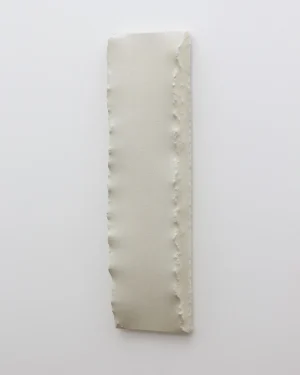
Edges 20-75 T8-60 Wall Sconce in Paper Pulp
By David Čáp
€400 -
5% off

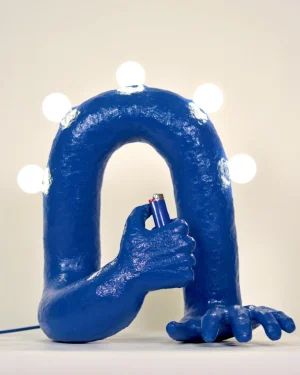
Held in Tension No. 01 Wall Sconce in Metal and Paper
By Aysenur Dagdelen
€170€162 -
 In stock
Acesa Luminária Em Papel Machê
By Sandro Vieira studio
€550 -

Edges 20-105 T8-90 Wall Sconce in Paper Pulp
By David Čáp
€500 -
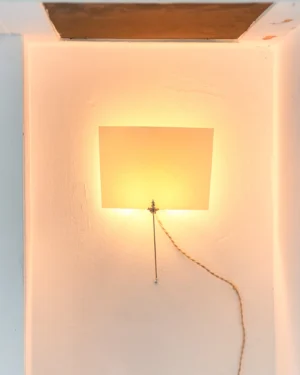
Held in Tension No. 02 Wall Sconce in Metal and Paper
By Aysenur Dagdelen
€160 -
 In stock
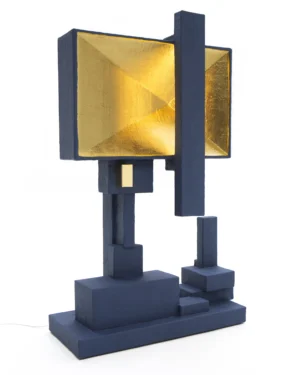
Box-2 Floor Lamp in Blue Cardboard and Gold-leaf
By Studio Josha
€8.995 -
 In stock
Root No. 3 Wall Sconce in Steel, Paper and Glass
By Natalie Dubrovska
€1.573 -
 In stock
Brown Mud Ellipse Wall Sconce in Textiles and Wood
By David Čáp
€550 -
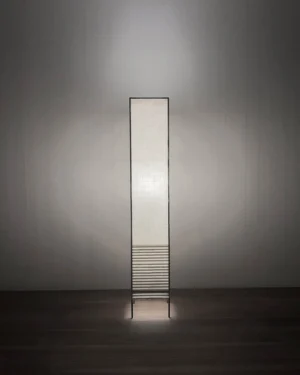
Biiit 003 Floor Lamp in Paper and Brass
By Bo Ah Kim
€1.900 -

Frame M European Wall Sconce in Paper and Steel
By Violaine d'Harcourt Lighting Design
€740 - €805 This product has multiple variants. The options may be chosen on the product page -
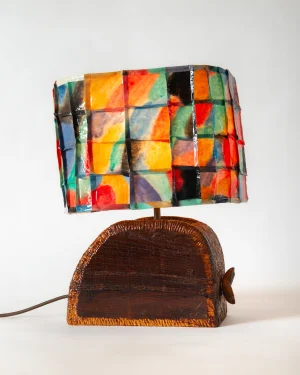
Bamboo & Mashi Table Lamp in Paper
By Yuxuan Huang Studio
€3.000 -

Biiit 010 Wall Sconce in Paper and Brass
By Bo Ah Kim
€1.400 -
 In stock
Off-form Lamp, Cube
By Nao Iyama
€1.350 -
 In stock
Off-form Lamp, Cuboid
By Nao Iyama
€1.800 -
 In stock
Biiit 002 Table Lamp In Paper And Brass
By Bo Ah Kim
€1.500 -
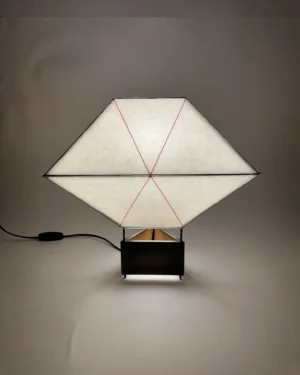
Biiit 005 Table Lamp In Paper And Brass
By Bo Ah Kim
€1.750 -
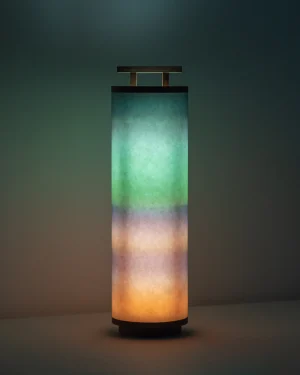 In stock
Torii G Pala Table Lamp in Washi Paper and Walnut
By Prangé
€1.232 -

Sculptural Illumination Table Lamp in Paper Pulp
By Donatas Žukauskas
€520 -
 In stock
Mujo P Iver Wall Sconce in Walnut Wood and Washi Paper
By Prangé
€948 -
 In stock
Biiit 001 Table Lamp In Paper And Brass
By Bo Ah Kim
€2.100 -
 In stock
Mujo M Aray Wall Sconce in Walnut Wood and Washi Paper
By Prangé
€1.706 -
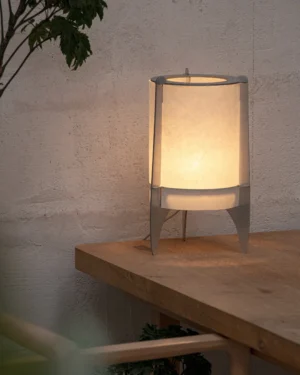 In stock
Capsule Table Lamp in Aluminum and Washi Paper
By Valentine Maurice
€1.200 -
 In stock
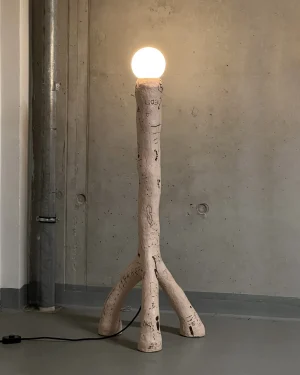
Tattooed Shining Creature Floor Lamp in Paper and Steel
By David Čáp
€1.400 -
 In stock
Edges Ellipse 36-96 T8-60 Wall Sconce in Paper Pulp
By David Čáp
€550 -
 In stock
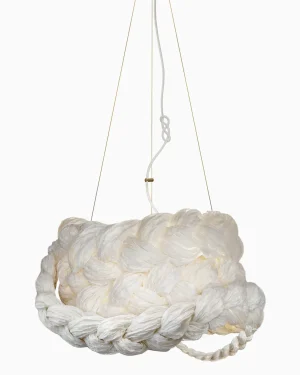
The Bride Pendant Lamp in Paper
By Mammalampa
€393 - €646 This product has multiple variants. The options may be chosen on the product page -
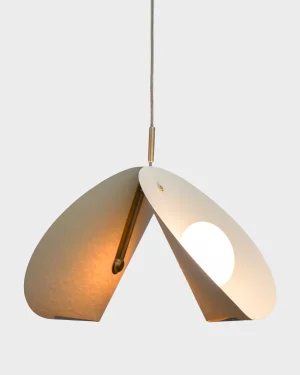
Concha Model 02 (Medium) Pendant Lamp in Paper and Brass
By MESEME by Riya Panchal
€434 This product has multiple variants. The options may be chosen on the product page -
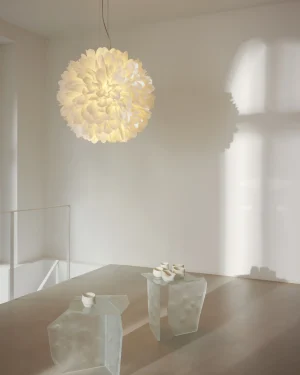
Blossom Pendant Lamp in Washi Paper
By HEIKE BUCHFELDER
€2.933 -
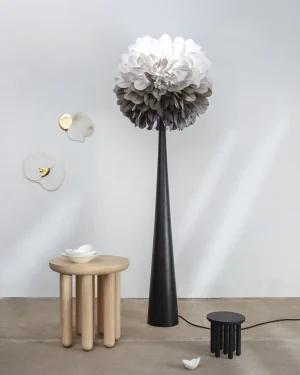
Blossom Floor Lamp in Washi Paper
By HEIKE BUCHFELDER
€5.618 -
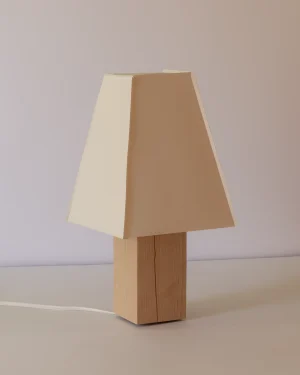
PL – 1 Table Lamp in Beech Wood and Paper
By Sergio Enríquez Industrial Design Office
€1.500 -
 In stock
Edges 20-75 T8-60 Wall Sconce in Black Paper Pulp
By David Čáp
€550 -
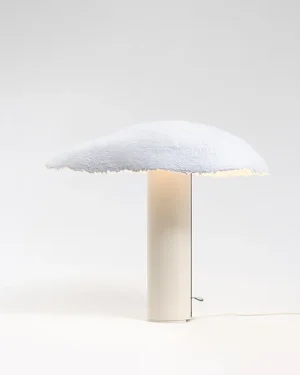
Overcast Table Lamp In Aluminum, Leather And Paper Pulp
By Calen Knauf Studio
€1.570 -
 In stock
Mujo M Reol Wall Sconce in Walnut Wood and Washi Paper
By Prangé
€1.706 -
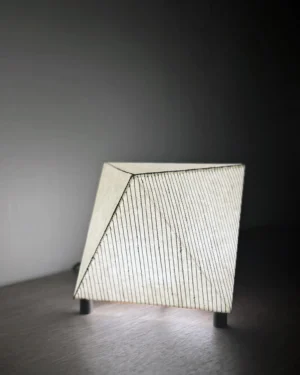
Biiit 007 Table Lamp In Paper And Brass
By Bo Ah Kim
€1.000 -
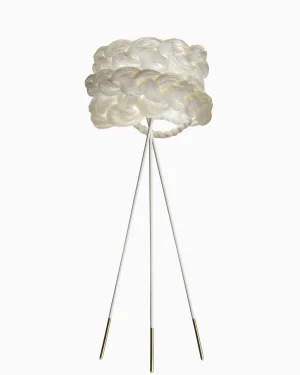
The Bride Floor Lamp in Paper
By Mammalampa
€609 -
 In stock
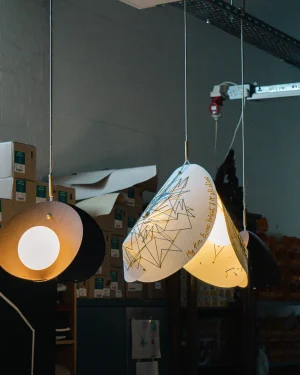
Concha Embroidure Pendant Lamp in Paper and Brass
By MESEME by Riya Panchal
€788 -
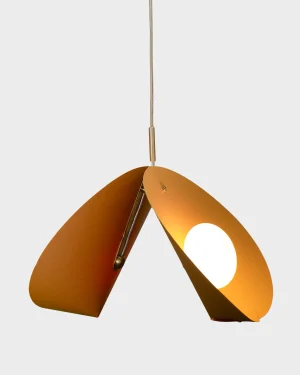
Concha Model 02 (Small) Pendant Lamp in Paper and Brass
By MESEME by Riya Panchal
€375 This product has multiple variants. The options may be chosen on the product page -
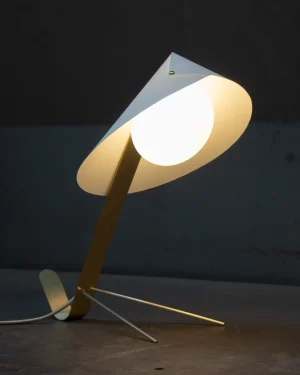
Mantis Table Lamp in Layered Paper and Brass
By MESEME by Riya Panchal
€405 -
 In stock
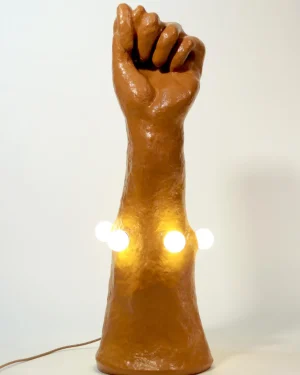
Figa Luminária Em Papel Machê
By Sandro Vieira studio
€580 -
 In stock
Off-form Lamp, Cube S
By Nao Iyama
€760 -

Frame S European Wall Sconce in Paper and Steel
By Violaine d'Harcourt Lighting Design
€577 - €724 This product has multiple variants. The options may be chosen on the product page -

Frame L European Wall Sconce in Paper and Steel
By Violaine d'Harcourt Lighting Design
€1.163 - €1.301 This product has multiple variants. The options may be chosen on the product page -
 In stock
Peony Floor Lamp in Fiber-cement
By Donatas Žukauskas
€2.450 -
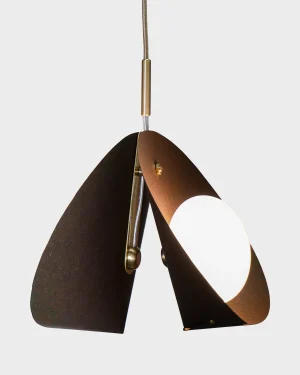
Concha Model 01 (Medium) Pendant Lamp in Paper and Brass
By MESEME by Riya Panchal
€434 This product has multiple variants. The options may be chosen on the product page -
 In stock
Biiit004 Table Lamp In Paper And Brass
By Bo Ah Kim
€1.750 -
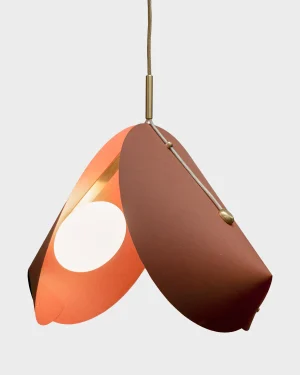
Concha Model 03 (Large) Pendant Lamp in Paper and Brass
By MESEME by Riya Panchal
€521 This product has multiple variants. The options may be chosen on the product page -
Mantis Table Lamp in Layered Paper
By MESEME by Riya Panchal
€365 -
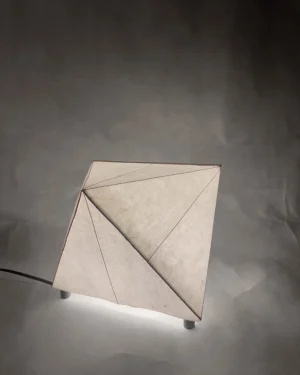
Biiit 006 Table Lamp In Paper And Brass
By Bo Ah Kim
€1.100 -

Biiit 011 Wall Sconce in Paper and Brass
By Bo Ah Kim
€2.100 -
 In stock
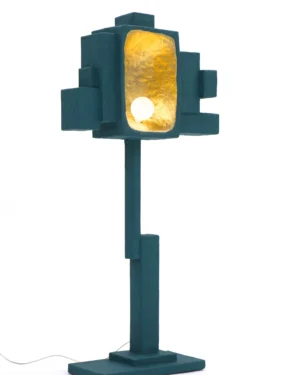
Box-1 Floor Lamp in Cardboard and Gold-leaf
By Studio Josha
€4.500 -

Xxxx
By HEIKE BUCHFELDER
Paper lamps are built from a material older than most other lighting components, shaped by hand into shades, globes and diffusers that soften a bulb's glare into something closer to candlelight. Independent studios fold, layer or pulp sheets around a frame of wire, bamboo or metal, so the structure disappears and the paper itself becomes the visible form. Some pieces stay close to a single sheet, creased and tensioned; others are built up from pulp, wet-molded and dried into a shell with real thickness.
What paper does as a light source
Unlit, a paper shade reads as sculpture: a fold line, a seam, a slight asymmetry in a hand-formed globe. Lit, the same surface turns translucent and the structure underneath, a rib, a spiral of wire, a stitched edge, shows through as shadow. This is the quality that sets paper apart from glass or metal shades, which either block light sharply or scatter it evenly; paper diffuses it unevenly, warmly, with grain and texture still visible.
The range of paper lamps on ADORNO
Most paper lamps here start from paper itself, in sheet form or worked into pulp, and are often paired with metal for the armature, aluminum or brass most often, or with cotton where a shade needs a woven backing. Colors run toward the natural end of the spectrum: off-white, beige, ochre, brown, with gold or crimson appearing where a studio gilds an edge or dyes a sheet. Techniques vary by studio:
- Papermaking and paperwork, where sheets are cast, pressed or folded by hand
- Papier-mâché, built up in layers over a mold for a shade with real body
- Hand assembly, joining paper to a metal or wood frame
- Gilding, applied in small amounts to an edge or seam
Editions range from open runs, where a studio keeps a form in ongoing production, to limited editions and unique pieces, where each shade carries small variations from the hand that made it. A studio working in papier-mâché, for instance, rarely produces two shades with identical surface texture, since the pulp settles differently each time it dries.
Choosing a paper lamp for scale and placement
Paper shades read larger than their footprint suggests, because the eye follows the glow rather than the object, so a pendant that looks modest on a shelf can dominate a low ceiling once wired and lit. Measure the drop against the ceiling height before buying a hanging piece, and check a table lamp's shade diameter against the surface it will sit on; a shade wider than its base tends to look unstable in person even when it is perfectly balanced. Finish matters too: a tightly pleated shade throws light in narrow bands, while a smooth pulp shell gives a single even wash.
Where paper lamps work and how to keep them
Paper suits rooms where light needs softening rather than directing: a bedroom, a reading corner, a living space in the evening. It pairs naturally with the kind of contemporary lighting found among contemporary lamps and sits comfortably in a living room, where a floor or table piece can anchor a seating area without the weight of metal or ceramic equivalents; see the options grouped under living room lamps for scale references.
Paper is light-sensitive and moisture-sensitive, so keep it away from direct sun, which yellows and weakens the sheet over time, and away from damp bathrooms or kitchens, where humidity can soften glue joints and warp a shade's shape. Dust with a soft, dry brush rather than a damp cloth, and avoid bulbs that run hot enough to scorch the paper from inside. For the full range of paper-based lighting, including wall-mounted versions, see paper wall sconces or the broader set of paper pieces across every lamp in the category.
How do I choose a paper lamp?
Consider how the shade reads unlit and lit: pleated or layered paper scatters light softly, while smoother sheets glow more evenly. Match the frame's scale and color, beige, white or ochre, to the room around it.
Are paper lamps durable and how do I care for them?
Paper shades resist daily handling well when kept dry and away from direct moisture or strong sun, which can yellow or weaken the fibers over time. Dust gently with a soft, dry brush or cloth.
What size paper lamp suits my space?
A table lamp generally sits near eye level when seated, while floor and pendant lamps scale to ceiling height and the furniture nearby. The maker can confirm exact dimensions through Chat with the maker on the piece's page.
Which rooms work best with paper lamps?
Their soft, diffused glow suits living rooms and bedrooms, where gentler light is welcome at the end of the day. Many also hold their own as a quiet accent in an entryway or reading corner.
Can I order a custom paper lamp through ADORNO?
Some makers take custom requests depending on the piece and technique. Chat with the maker directly on the piece's page to ask about options.
What are ADORNO's shipping and return policies for paper lamps?
Shipping is insured and worldwide, and a certificate of authenticity comes with every order. Returns are accepted within 14 days, except for made-to-order pieces, and ADORNO offers a lowest-price guarantee.