

















-
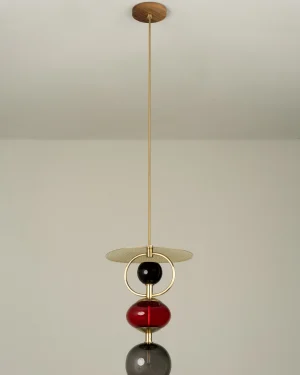
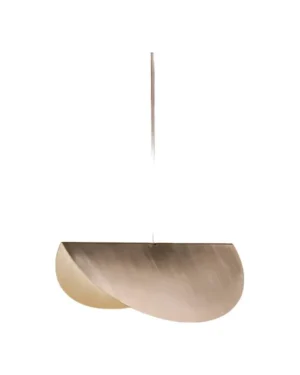
Vitrea Pendant Lamp in Glass and Brass
By Isabel Moncada
€3.802 This product has multiple variants. The options may be chosen on the product page -
 In stock
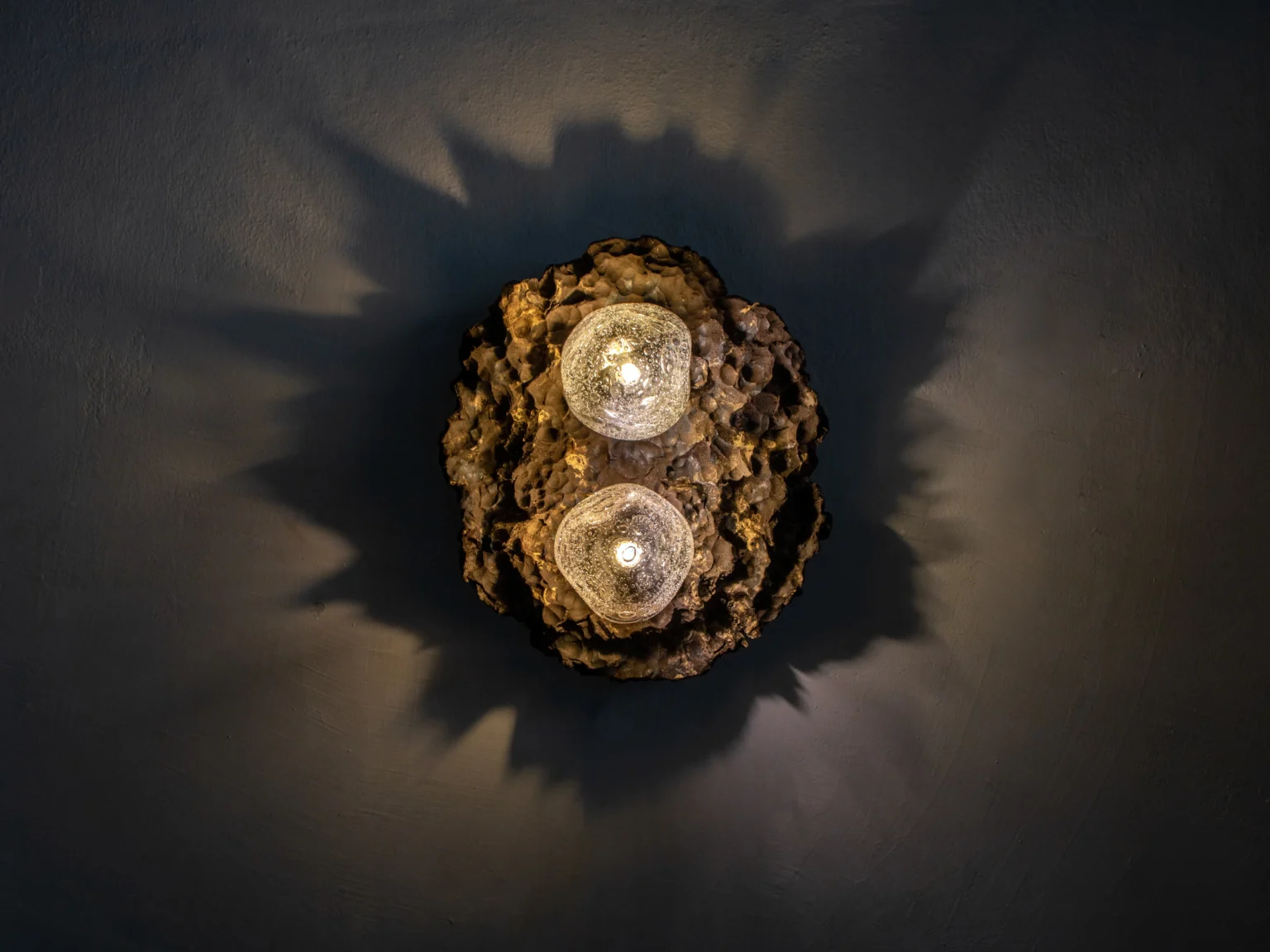
Asea No.40 Wall Sconce In Stoneware And Blown Glass
By Ceren Gürkan
€1.200 -
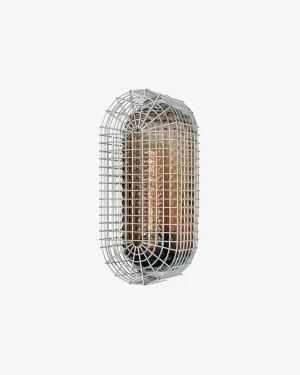
Chastity Wall Sconce in Stainless Steel and Blown Glass
By Studio S II
€1.946 -
 In stock
Y30 Ceiling Lamp in Blown Glass and Brass
By Clara Viladecans
€786 This product has multiple variants. The options may be chosen on the product page -
 In stock
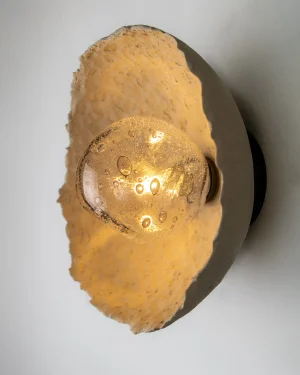
Asea No. 23 Wall Sconce in Stoneware and Blown Glass
By Ceren Gürkan
€800 -
 In stock
Sluren Table Lamp in Blown Glass
By Sara Sjöbäck
€1.450 - €1.850 This product has multiple variants. The options may be chosen on the product page -
 In stock
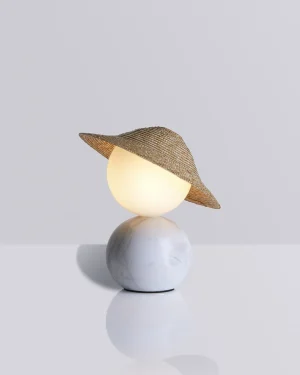
Théros 0.2 Table Lamp in Blown Glass and Marble
By Studio Aristotelis Barakos
€950 -
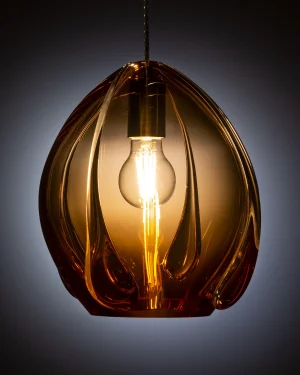
Glass Drops Fire Opal Pendant Lamp in Blown Glass
By Georgiev Kiril
€1.050 -
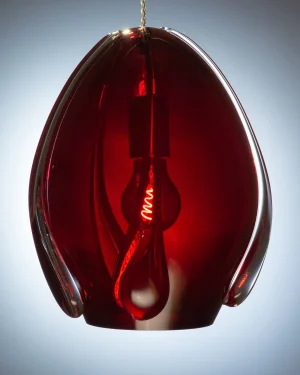
Glass Drop Pendant Lamp in Blown Glass
By Georgiev Kiril
€1.050 -
 In stock
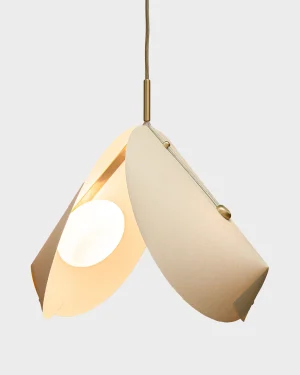
Concha Model 03 Pendant Lamp in Brass and Blown Glass
By MESEME by Riya Panchal
€434 This product has multiple variants. The options may be chosen on the product page -
 In stock
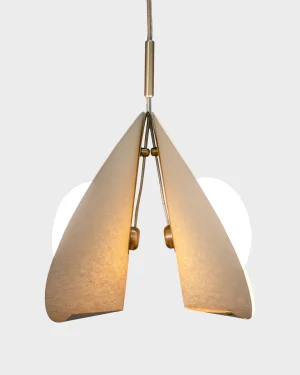
Concha Model 01 Pendant Lamp in Paper, Metals and Glass
By MESEME by Riya Panchal
€375 This product has multiple variants. The options may be chosen on the product page -
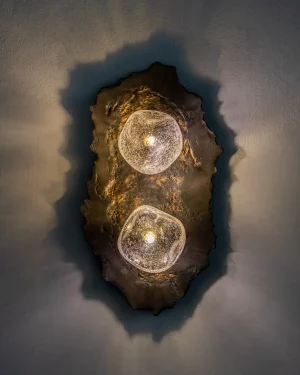
Asea No. 25 Wall Sconce in Blown Glass and Stoneware
By Ceren Gürkan
€1.100 -
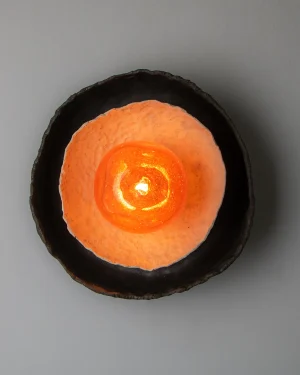
Asea No. 26 Red Wall Sconce in Blown Glass and Stoneware
By Ceren Gürkan
€1.100 -
 In stock
Dahlia Blossom Wall Sconce in Blown Glass and Steel
By Toro Manifesto
€1.500 -
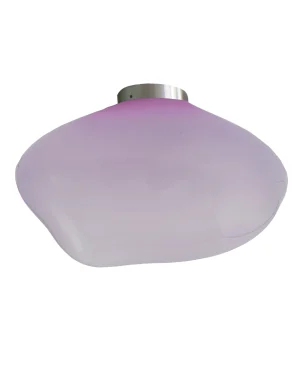
Haumea Convex Ceiling Lamp (Flieder Opaque) in Blown Glass
By ELOA - Unique Lights
€2.330 - €4.085 This product has multiple variants. The options may be chosen on the product page -
 In stock
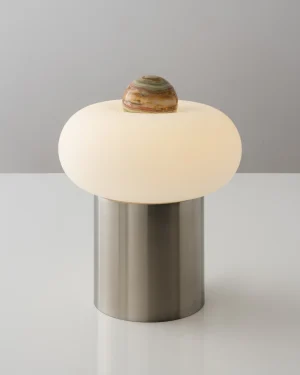
Capsula 01 Table Lamp in Blown Glass and Onyx
By Noiro Studio
€1.100 -
 In stock
Medium Pendant Lamp in Blown Glass and Textiles
By SVITANOK
€300 - €415 This product has multiple variants. The options may be chosen on the product page -
In stock
Large Pendant Lamp in Blown Glass and Textiles
By SVITANOK
€375 - €500 This product has multiple variants. The options may be chosen on the product page -
 In stock
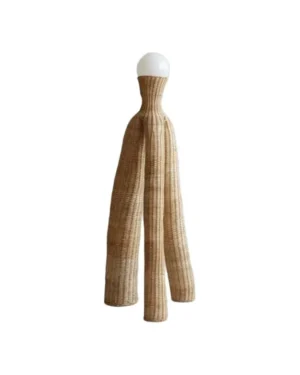
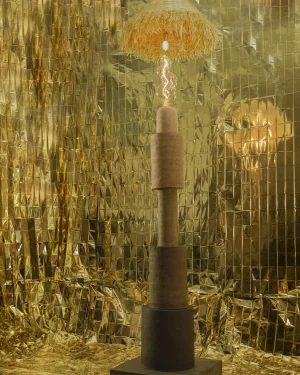
Thulani Floor Lamp in Terracotta and Rattan
By UAU Studio
€3.400 -

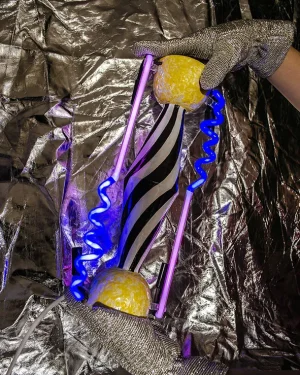
Fractical Neon Table Lamp in Glass
By Dace Sūna
€1.000 -

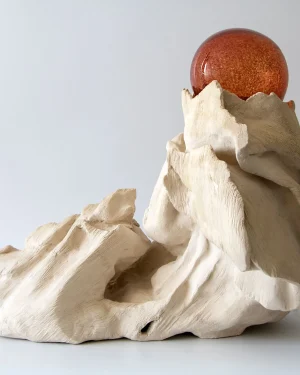
The Mesia Table Lamp in Ceramics and Glass
By Luis Gimeno Design
€1.400 This product has multiple variants. The options may be chosen on the product page -
 In stock
Abyss No. 23 Table Lamp in Stoneware
By Ceren Gürkan
€2.500 -
 In stock
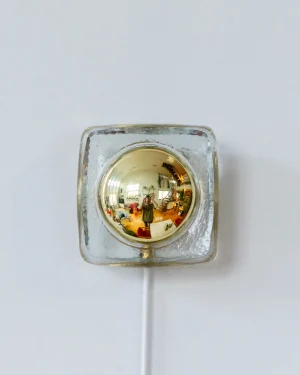
Starburst Wall Sconce in Brass and Blown Glass
By Voidfill Studio
€1.635 -

Florance I Ceiling Lamp in Brass, Glass and Fabric
By Atelier Alz
€575 -
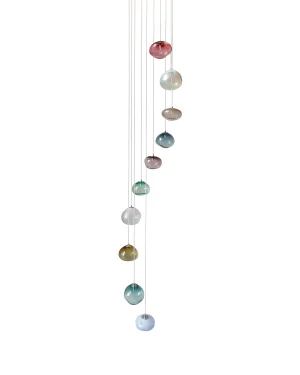
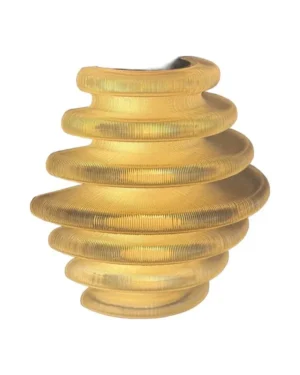
Starglow Spiral Chandelier in Blown Glass
By ELOA - Unique Lights
€12.980 - €13.270 This product has multiple variants. The options may be chosen on the product page -
 In stock
Nova Wall Sconce in Blown Glass and Steel
By Ceren Gürkan
€700 -
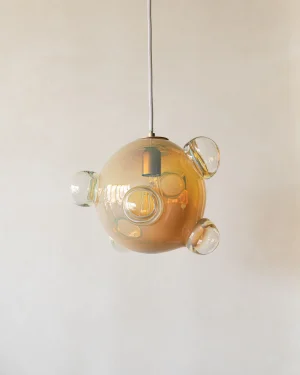 In stock
Bubble Pendant Lamp (Large) in Blown Glass
By Sticky Glass
€4.318 This product has multiple variants. The options may be chosen on the product page -
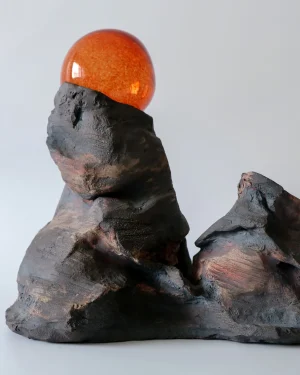 In stock
Abyss No. 12 Table Lamp in Stoneware
By Ceren Gürkan
€1.800 -

GP032 Chandelier in Brass and Blown Glass
By Naama Hofman
€6.500 -
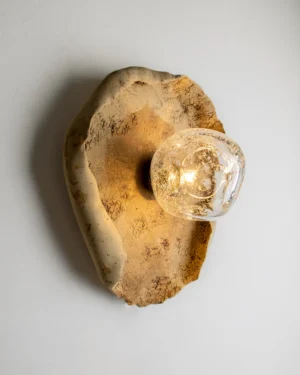 In stock
Asea No. 41 Wall Sconce in Stoneware and Blown Glass
By Ceren Gürkan
€1.000 -
 In stock
Nova Blue Wall Sconce in Blown Glass and Steel
By Ceren Gürkan
€700 -
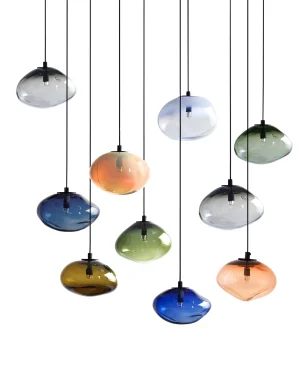
10 Starglow Pendant Lamp in Blown Glass
By ELOA - Unique Lights
€12.980 - €13.270 This product has multiple variants. The options may be chosen on the product page -

GP033 Chandelier in Brass and Blown Glass
By Naama Hofman
€4.200 -
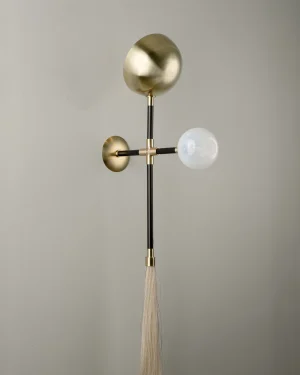
Gogo Wall Sconce in Brass, Blown Glass and Natural Fibers
By Isabel Moncada
€2.880 - €4.036 This product has multiple variants. The options may be chosen on the product page -
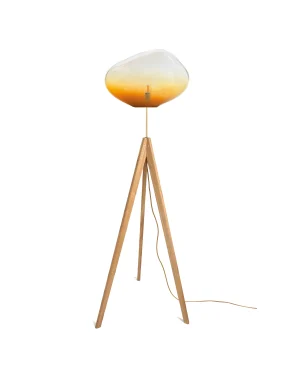
Statix Amber Iridescent Floor Lamp in Blown Glass
By ELOA - Unique Lights
€6.360 - €6.910 This product has multiple variants. The options may be chosen on the product page -
 In stock
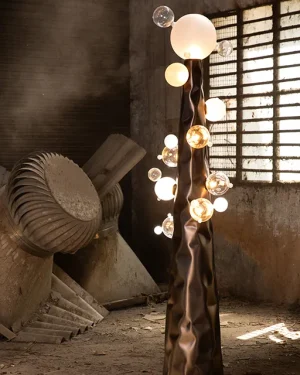
Molecule Floor Lamp in Stainless Steel and Blown Glass
By Nitush and Aroosh
€4.850 -
 In stock
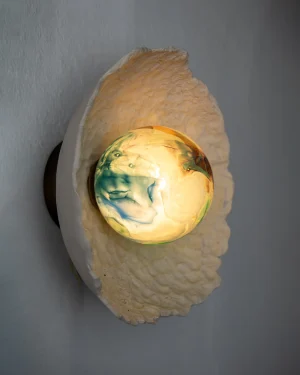
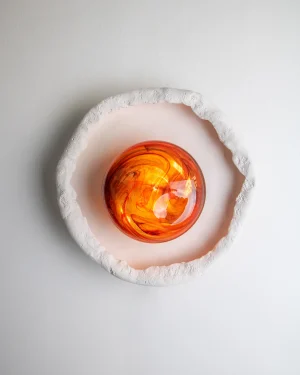
Asea No. 17 Wall Sconce in Stoneware and Blown Glass
By Ceren Gürkan
€900 -
 In stock
Asea No. 35 Wall Sconce in Porcelain and Blown Glass
By Ceren Gürkan
€1.200 -
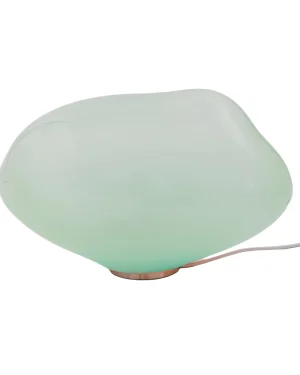
Haumea Convex Table Lamp in Salbei Opaque Glass
By ELOA - Unique Lights
€2.330 - €4.085 This product has multiple variants. The options may be chosen on the product page -
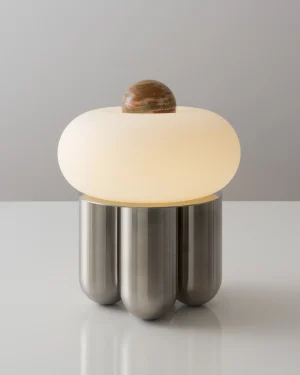
Capsula Table Lamp in Blown Glass, Onyx and Stainless Steel
By Noiro Studio
€1.320 -
 In stock
AnKa Colors of Dawn Table Lamp in Ceramic
By UAU Studio
€1.500 -
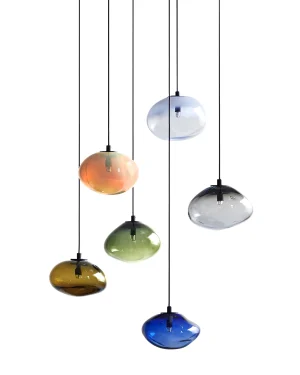
6 Starglow Pendant Lamp in Blown Glass
By ELOA - Unique Lights
€7.750 - €8.040 This product has multiple variants. The options may be chosen on the product page -
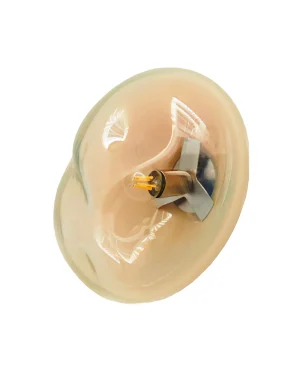
Haumea Amorph Wall Sconce in Amber Blown Glass
By ELOA - Unique Lights
€2.330 - €4.085 This product has multiple variants. The options may be chosen on the product page -
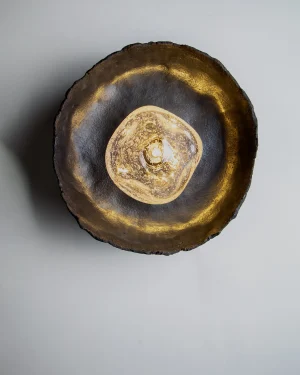 In stock
Asea No. 12 Wall Sconce in Stoneware and Blown Glass
By Ceren Gürkan
€800 -
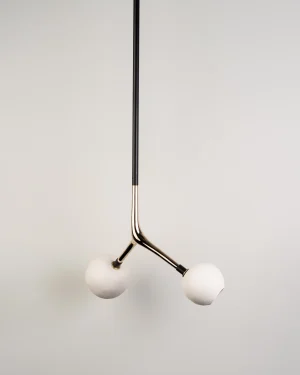
Dupla Pendant Lamp in Bronze, Brass and Glass
By Isabel Moncada
€3.217 - €3.744 This product has multiple variants. The options may be chosen on the product page -
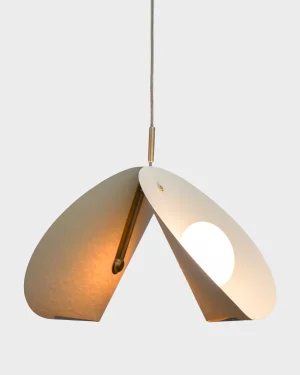
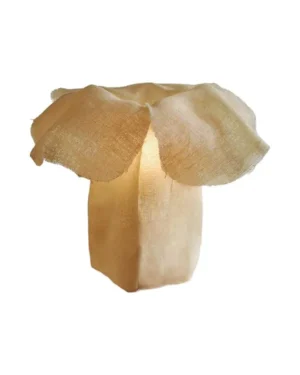
Concha Model 02 (Medium) Pendant Lamp in Paper and Brass
By MESEME by Riya Panchal
€434 This product has multiple variants. The options may be chosen on the product page -

Haumea Amorph Table Lamp in Amber Iridescent Glass
By ELOA - Unique Lights
€2.330 - €4.085 This product has multiple variants. The options may be chosen on the product page -
 In stock
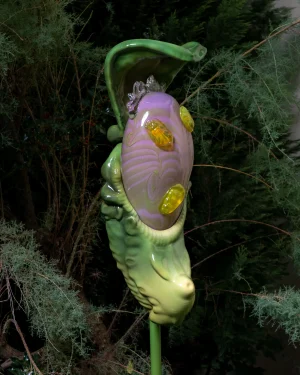
Lapas Paradiso Novo Series Floor Lamp in Blown Glass and PLA
By Anna Jožová
€9.500 -
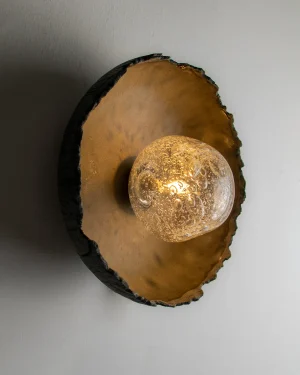
Asea No. 12 Moss Wall Sconce in Stoneware and Blown Glass
By Ceren Gürkan
€800 -
 In stock
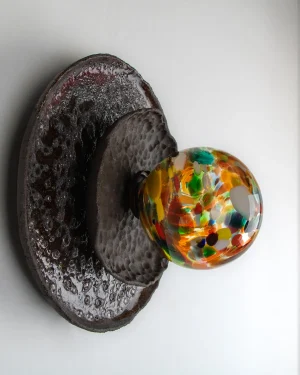
Asea No. 34 Wall Sconce in Stoneware and Blown Glass
By Ceren Gürkan
€1.000 -
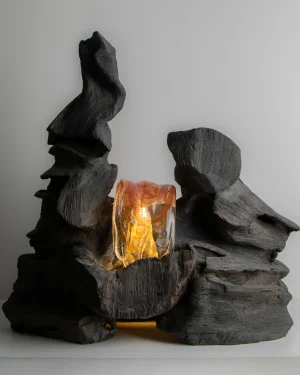 In stock
Abyss No. 33 Table Lamp in Stoneware
By Ceren Gürkan
€2.200 -
 In stock
Asea No. 35 Wall Sconce in Stoneware and Blown Glass
By Ceren Gürkan
€1.200 -
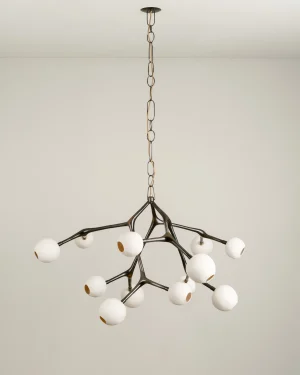
Maratus Chandelier in Bronze and Glass
By Isabel Moncada
€31.005 - €35.655 This product has multiple variants. The options may be chosen on the product page -
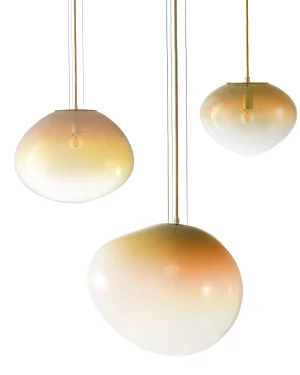
Sirius Pendant Lamp in Blown Glass
By ELOA - Unique Lights
€2.330 - €4.750 This product has multiple variants. The options may be chosen on the product page
Blown glass lighting is shaped while the material is still molten, gathered on a blowpipe and inflated into a bubble that a glassblower swells, turns and pulls into its final profile before it cools. Studios working this way build pendants, table lamps and sconces where the wall thickness, the bubbles trapped inside and the way light passes through the glass all come from the hand that shaped it at the furnace. No two pieces leave the workshop quite identical, even within the same run, because the material moves differently every time it is worked.
What makes blown glass behave the way it does
Glass is silica brought to a liquid state and then cooled fast enough that it never forms crystals, which is why it stays transparent rather than turning opaque like a fired ceramic. That same chemistry means it carries light instead of blocking it: a pendant in clear or lightly tinted glass throws a soft, directional glow, while a heavier or more colored piece holds the light inside its walls and reads almost like a lit stone. Thickness, color saturation and surface finish (polished, satin, ribbed) all change how much light escapes and in what direction, so two pieces with the same bulb can light a room in noticeably different ways.
The range of color, finish and edition
Among the glassblowing studios on ADORNO, amber, green, coral, pink and smoked or clear tones turn up most often, sometimes paired with brass, aluminum or blackened metal fittings that anchor the glass at the socket. Some pieces are open editions, repeated to a fixed design each time a studio returns to the furnace; others are unique, since no mold can fully control how a bubble of molten glass stretches by hand. For a fuller view of what is being blown right now, every blown glass piece on ADORNO sits together in one place, lamps and non-lighting objects included.
How to choose a piece
Start with scale before color: a single large globe reads as a sculptural object and wants space around it, while a cluster of smaller blown shades at different heights behaves more like a chandelier and suits a stair or dining table. Hang height matters as much as the fixture itself — a pendant over a dining table generally sits low enough to warm the tabletop without blocking sightlines across it, while one over a sofa or entry can sit higher and act as a quiet focal point.
- Clear or pale glass for a fixture that should disappear into the room during the day and only announce itself once lit.
- Amber, smoked or coral glass for a piece that reads as an object in its own right, lit or not.
- A metal or stoneware base for stability on a table lamp, since blown glass alone can be top-heavy.
If you are narrowing by shape rather than finish, the blown glass lamps made for tabletops sit apart from the blown glass ceiling lamps built to hang, and the two call for different thinking about scale and sightline.
Where it works in a room
Blown glass lighting suits rooms where it will be seen as well as used: a dining area, a hallway, a reading corner, anywhere a soft colored glow adds warmth rather than competing with daylight. In a living room it pairs naturally with low, layered light sources rather than a single overhead fixture, which is also where a lot of this glass ends up — the living room lighting gathered on ADORNO leans heavily on it for exactly that reason.
Living with and caring for it
Glass does not fade, absorb odors or wear the way wood or textile does, so the main task is keeping it clean and keeping it safe from impact. Dust with a soft, dry cloth, and wipe fingerprints with a barely damp one rather than spraying cleaner directly onto a fitting with exposed wiring. Because the walls can be thin where they were blown rather than molded, lift a piece by its base or frame rather than its shade, and avoid sudden temperature changes near a cold window or an open flame. For the full spread of lighting materials and finishes alongside glass, all lighting on ADORNO is organized by material, color and style for comparison.
How do I choose blown glass lighting?
Look at the glass first: thick, bubbled or tinted glass scatters light softly, while clear, thin glass throws a sharper glow. Match that quality to how bright you want the room to feel.
How do I clean and care for blown glass lighting?
Dust with a dry or barely damp cloth and avoid sudden temperature changes, which can crack glass. Keep bulbs within the fixture's rated wattage to prevent heat stress on the glass.
What size blown glass light do I need?
Pendants typically hang so the shade sits well above eye level, with larger globes suited to open or double-height rooms. The maker can confirm exact dimensions and hanging height on the piece's page.
Which rooms suit blown glass lighting?
Blown glass works wherever its glow and shape can be seen clearly: over dining tables, beside beds, or grouped in living rooms. Its transparency also suits smaller spaces, where it adds light without visual weight.
Is blown glass lighting fragile?
Glass is more fragile than metal or ceramic and can chip or crack from impact, but properly installed fixtures hold up well to normal daily use.
How does shipping, returns and authenticity work on ADORNO?
Shipping is insured and worldwide. Returns are accepted within 14 days, excluding made-to-order pieces, and every piece comes with a certificate of authenticity plus a lowest-price guarantee.