

















-
 In stock
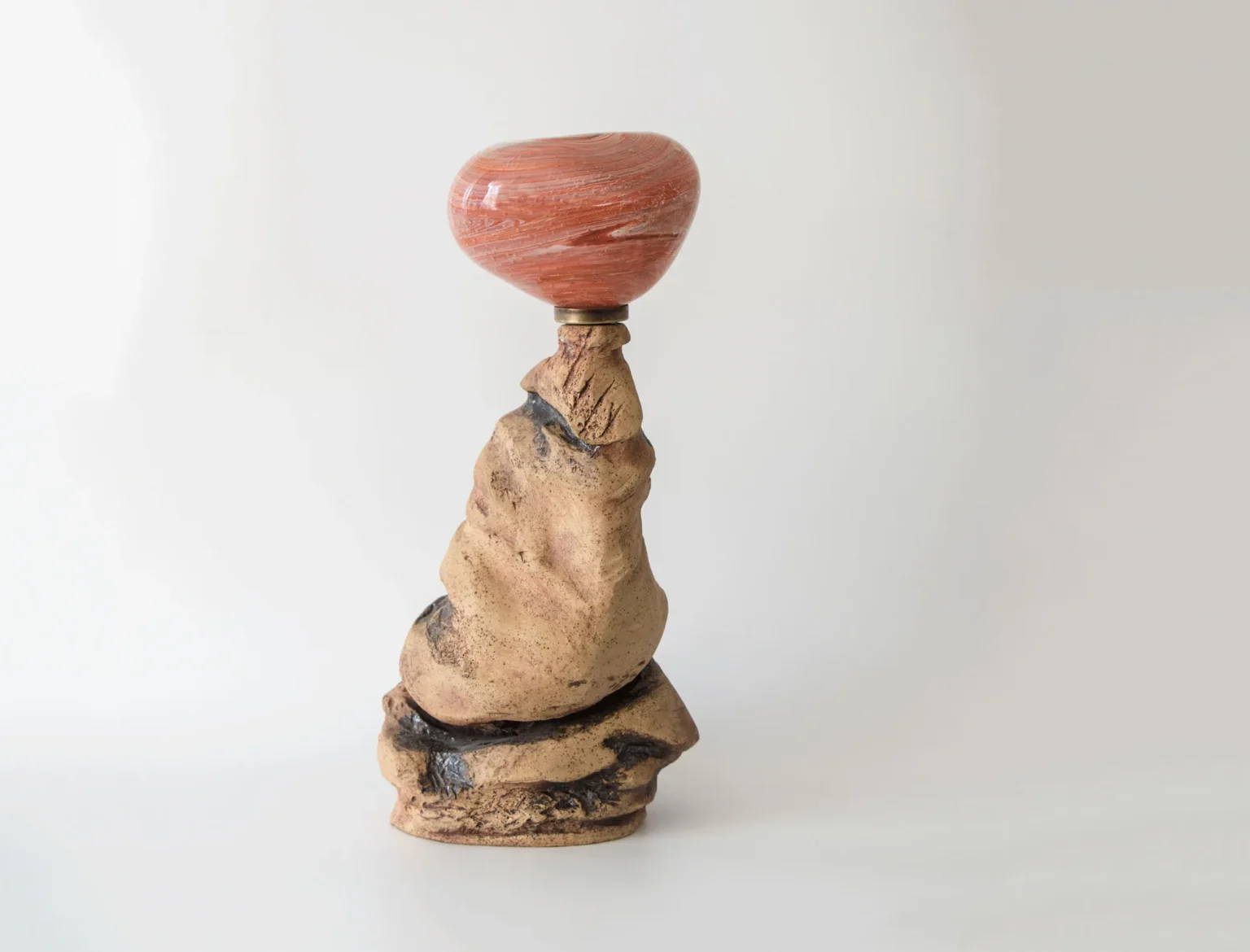
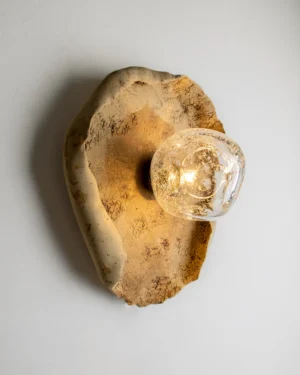
Asea No. 41 Wall Sconce in Stoneware and Blown Glass
By Ceren Gürkan
€1.000 -
 In stock
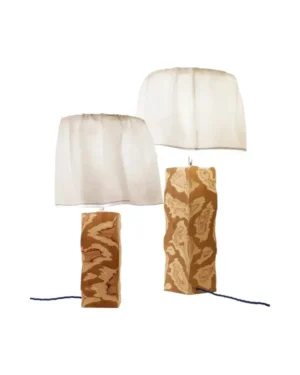
Less Pendant Lamp in Steel, Wood and Plaster
By Jordi Canudas Faura
€388 This product has multiple variants. The options may be chosen on the product page -
 In stock
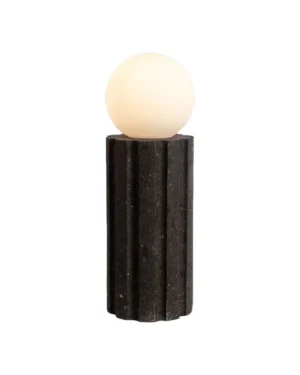
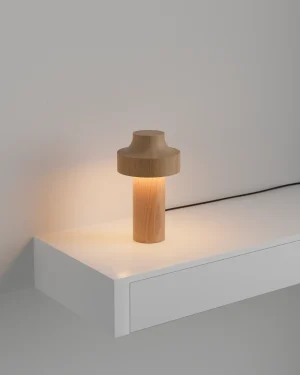
Monolith Table Lamp in Mexican Red Oak
By Sergio Enríquez Industrial Design Office
€800 -

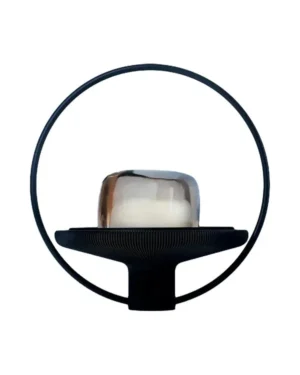
Black Wool Table Lamp in Biocomposite
By PletoStudio
€700 -
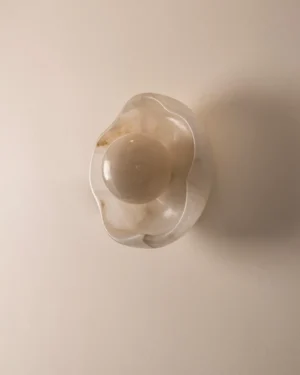
Flower Wall Sconce In Alabaster
By Harshita Jhamtani Designs
€688 -

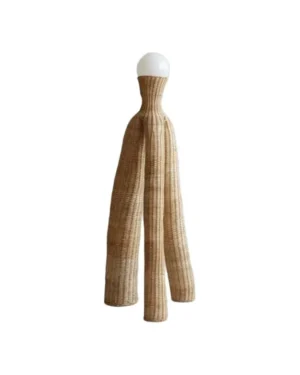
Sea Star Floor Lamp in Biocomposite and Cotton
By PletoStudio
€3.600 -

Laco Floor Lamp in Biocomposite and Linen
By PletoStudio
€3.600 -

Shadow Wool Floor Lamp in Biocomposite and Carpathian Wool
By PletoStudio
€2.200 -
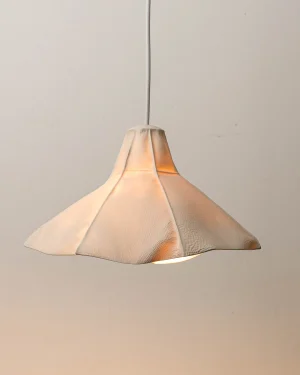
Kawa Series 04 – Ceramic Pendant Lamp
By Luft Tanaka Studio
€1.375 -

Onda Sconce in Raku White Ceramic
By arrived aliens
€2.200 -
 In stock
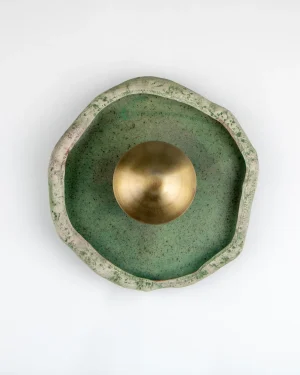
Asea No. 18 Green Wall Sconce in Porcelain and Brass
By Ceren Gürkan
€600 -
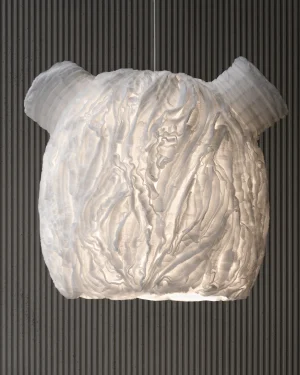
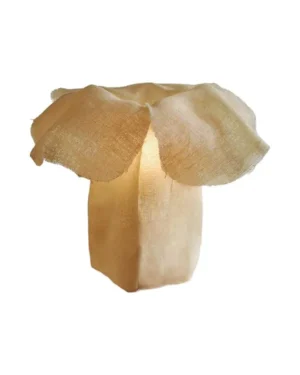
Dream Sluhach Pendant Lamp in Muslin and Metal
By FAINA
€1.950 -
 In stock
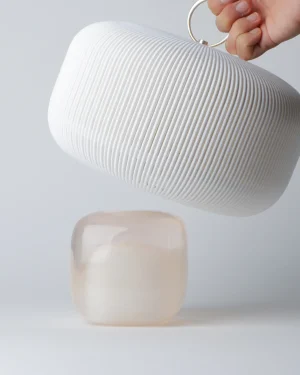
Lullaby And Promenade Low Table Lamp in Resin
By BDCI
€2.200 This product has multiple variants. The options may be chosen on the product page -
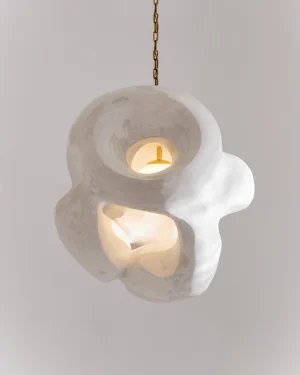
Ikigai Ceiling Lamp in Alabaster Gypsum
By Studio AOAO
€22.000 -
 In stock
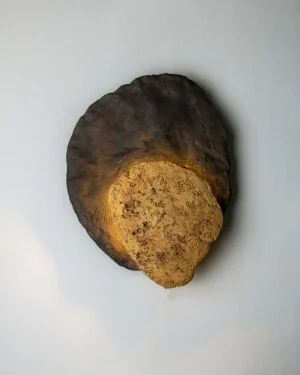
Asea No. 21 Wall Sconce in Stoneware
By Ceren Gürkan
€800 -

Bavo Floor Lamp in Biocomposite and Cotton
By PletoStudio
€1.400 -
 In stock
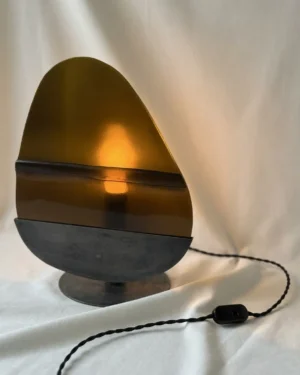
Veilleur Lp1 Table Lamp In Steel And Glass
By Louise Hurth
€1.600 -
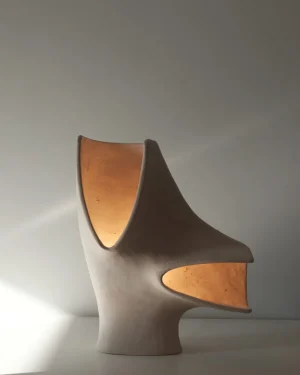
Taruh Table Lamp in Clay
By Andrei Clontea STUDIO
€900 -

My Stone Flower Ceramic Table Lamp
By Katia Langeard
€580 -

Ember Floor Lamp in Biocomposite and Raffia
By PletoStudio
€3.200 -

Wool Smola Table Lamp in Biocomposite
By PletoStudio
€800 -
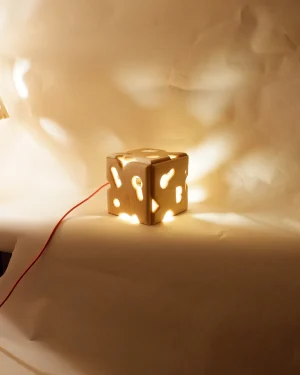
Cut Out Light Cube Table Lamp in Pine Wood
By Josh Page Studio
€310 -
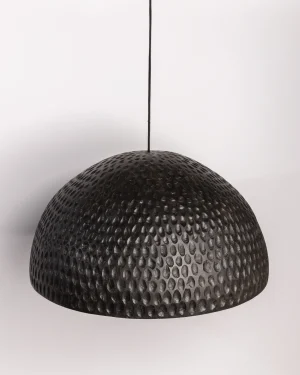
Chema Pendant Lamp in Parota Wood
By Daniel Orozco Estudio
€1.154 -
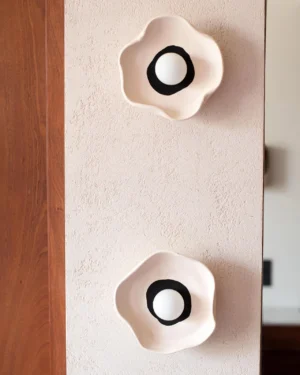
Flower Wall Sconce In Stoneware
By Harshita Jhamtani Designs
€348 -
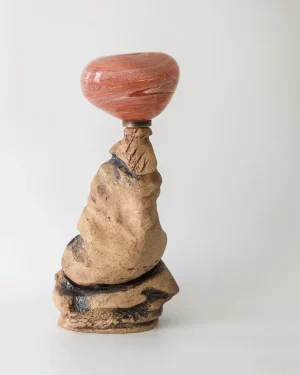 In stock
Abyss No. 8 Table Lamp in Stoneware
By Ceren Gürkan
€1.500 -
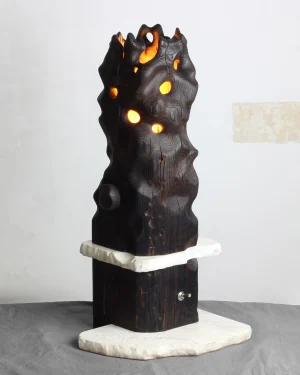
Volcano Table Lamp
By Gábor Góbi
€3.290 -
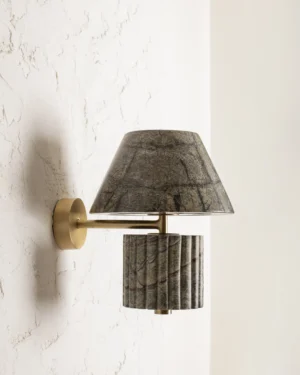
Rio Wall Lamp In Rainforest Marble And Brass
By Harshita Jhamtani Designs
€1.023 -
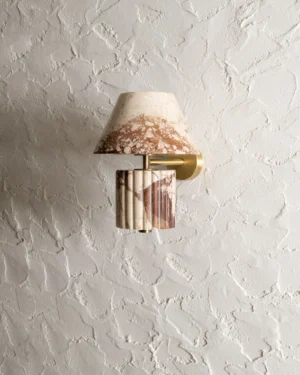
Rio Wall Lamp In Pizzato Marble And Brass
By Harshita Jhamtani Designs
€1.166 -
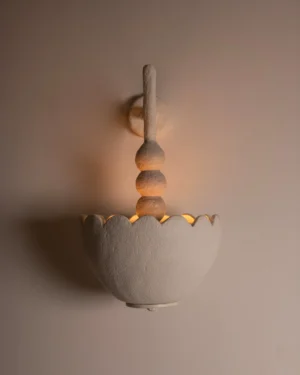
Scallop Wall Sconce in Stoneware and Clay
By Harshita Jhamtani Designs
€1.058 -
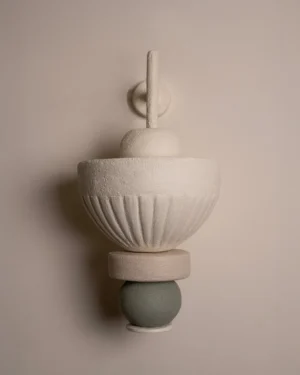
Pebble Wall Sconce in Stoneware and Clay
By Harshita Jhamtani Designs
€1.058 -
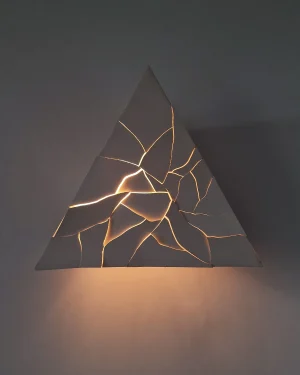 Sold
SoldMira Luminaire Wall Sconce in Jesmonite and Wood
By Catrinel Sabaciag
€2.500 -
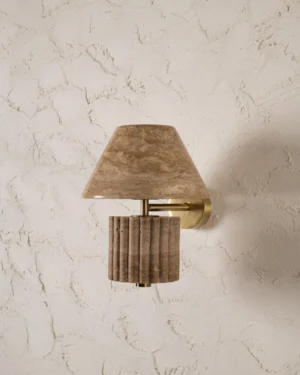
Rio Wall Lamp In Beige Travertine And Brass
By Harshita Jhamtani Designs
€1.023 -
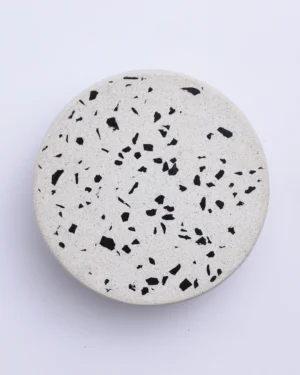
Wilo Mono Wall Sconce in Terrazzo, Aluminum and Silicone
By Harshita Jhamtani Designs
€214 -
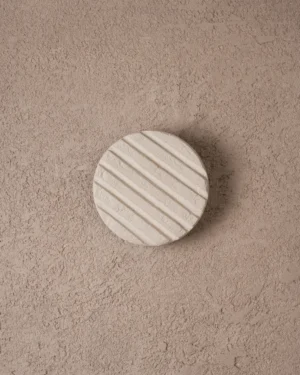
Wilo Fluted Egg White Wall Sconce in Clay and Aluminum
By Harshita Jhamtani Designs
€227 -
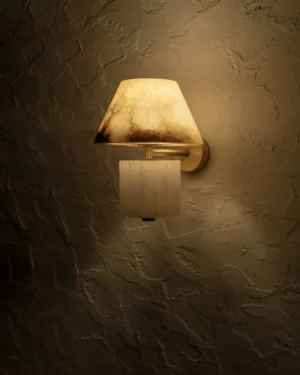
Rio Wall Lamp In Alabaster And Brass
By Harshita Jhamtani Designs
€1.023 -
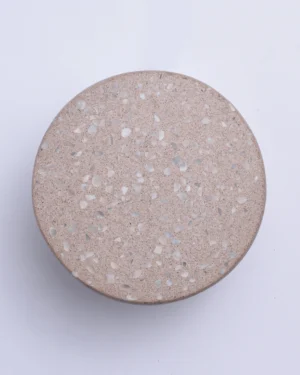
Wilo Nude Wall Sconce in Terrazzo, Aluminum and Silicone
By Harshita Jhamtani Designs
€214 -
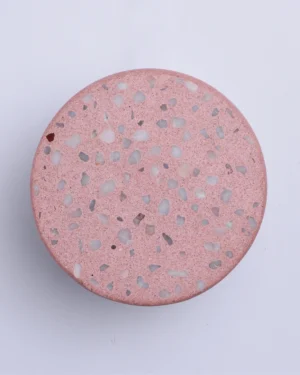
Wilo Blush Wall Sconce in Terrazzo, Aluminum and Silicone
By Harshita Jhamtani Designs
€214 -
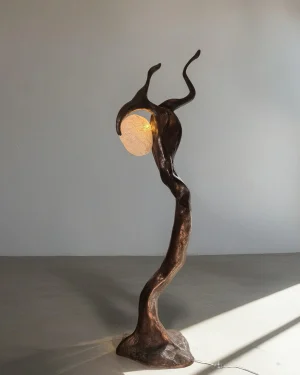 In stock
Untitled Ii Floor Lamp In Steel And Bronze
By aeny studio
Price Upon Request -
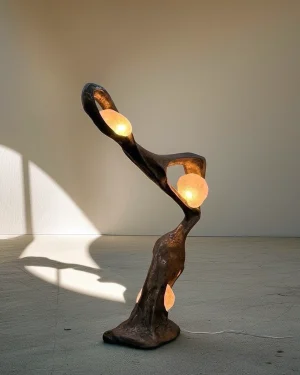
Untitled Iii Floor Lamp In Steel And Bronze
By aeny studio
Price Upon Request -
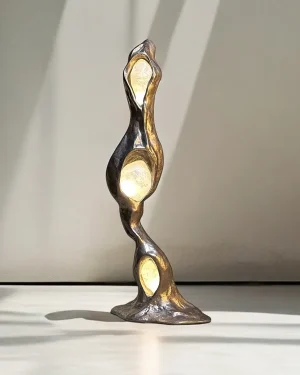
Untitled I Floor Lamp In Steel And Bronze
By aeny studio
Price Upon Request
Wabi-sabi lighting takes its character from materials that show the hand that shaped them: clay fired with small cracks left visible, stoneware glazed unevenly on purpose, brass left to darken, marble cut with the vein left intact. Independent studios working in these materials favor hand-building, stone carving and metalwork over machine precision, so no two shades or bases sit at quite the same angle. The result is light that looks settled rather than new, suited to rooms built around texture and age.
What makes a fixture wabi-sabi
The style rests on imperfection treated as a feature rather than a flaw. A stoneware base might carry a thumbprint from the maker's hand, or a terrazzo shade might set with uneven flecks of stone and glass. Color stays close to the earth: off-white, beige, matte black, the gray of unglazed clay. Symmetry is avoided; asymmetry and visible texture are the point.
Materials and techniques to expect
Lighting in this style on ADORNO is worked mainly in clay and stoneware, hand-built and glazed in small batches, alongside brass and aluminum pieces shaped through metalwork and left to patina. Marble and terrazzo appear in bases and shades, cut and set through stone carving and terrazzo making, their surfaces cool and faintly veined. Editions run from open editions, remade to the same method each time, to unique pieces where no exact repeat exists.
- Clay and stoneware, hand-built and glazed, in off-white, beige and black finishes
- Brass and aluminum, worked by hand and left to darken or oxidize
- Marble and terrazzo, carved or set, with visible natural variation
How to choose a wabi-sabi lamp or fixture
Start with scale: a stoneware table lamp should sit low enough that its shade falls below eye level when seated, while a floor piece needs enough height to clear a sofa arm without crowding it. Check the finish in daylight and in the evening, since matte glazes and oxidized metal read differently under a warm bulb than under a cool one. Placement matters as much as the piece itself — a single lamp in a corner does more for a room's mood than one bright fixture overhead, and pairing two modest sources at different heights tends to work better than a single dominant one. For fixtures worked in metal more generally, including pieces that sit outside the wabi-sabi style, the metal lighting range gives a sense of how brass and aluminum behave across finishes.
Where it sits well
These pieces suit rooms where other materials are already doing some of the work: linen, raw wood, stone floors. A stoneware lamp earns its place on a side table in a living room built around natural fiber and timber, where its glaze picks up the same warmth as the furniture around it. Bedrooms take the quieter pieces well, a single clay or alabaster-adjacent form giving low light without glare. For living spaces specifically, the living room lighting range shows how different heights and materials combine in one setting.
Caring for handmade finishes
Unglazed or lightly glazed clay and stoneware mark easily, so wipe with a dry or barely damp cloth and keep bases away from standing water. Brass left unlacquered will continue to darken with handling and air; this is normal aging, not damage, though occasional polishing will slow it if an even tone is preferred. Marble and terrazzo should be dusted rather than scrubbed, since acidic cleaners dull the surface and can etch the stone. For the full range of this material and finish, the wabi-sabi style pages cover pieces beyond lighting, and the wider lighting category is worth checking for pieces in glass, ceramic or steel that sit alongside a wabi-sabi scheme without matching it exactly. Those drawn to the glaze and clay work specifically will find more in ceramic lighting, while table and floor formats are gathered under wabi-sabi lamps.
How do I choose a wabi-sabi light fixture?
Look for materials that show their own process: hand-built clay, carved stone, folded or hammered metal with visible marks. Uneven glazes, rough edges and irregular forms carry the style more than any single shape does.
What materials are wabi-sabi lights usually made from?
Most are clay, stoneware or marble, worked by hand-building, glazing or stone carving, alongside brass or aluminum pieces with hammered or cast surfaces. Each material keeps the trace of how it was shaped.
How do I care for a wabi-sabi lamp or pendant?
Dust clay, stoneware and marble with a soft dry cloth, and keep them away from sudden temperature changes that can crack glazes or stone. Wipe metal fixtures with a dry cloth to keep natural patina intact.
What size and height should I pick for a wabi-sabi light?
Table and floor lamps generally sit between 12 and 30 inches tall, pendants hang low enough to pool light without blocking a sightline. Chat with the maker on a piece's page to confirm exact dimensions.
Which rooms suit wabi-sabi lighting best?
Living rooms, bedrooms and entryways benefit most, where a single warm, textured source can anchor a quiet corner. Wabi-sabi lighting works best alongside natural materials like wood, linen and stone.
How does shipping, returns and authenticity work at ADORNO?
Shipping is insured and worldwide. Returns are accepted within 14 days, though made-to-order pieces are excluded, and every piece arrives with a certificate of authenticity.