
-

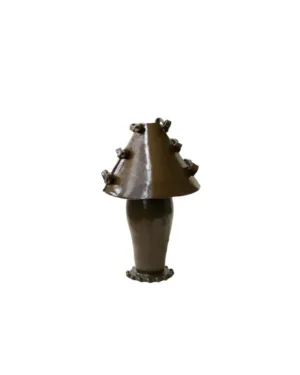
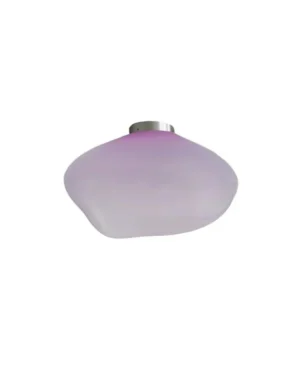
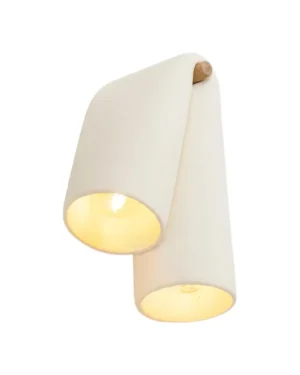
Onda Sconce In Raku White Ceramic
By arrived aliens
€2.200 -
 In stock
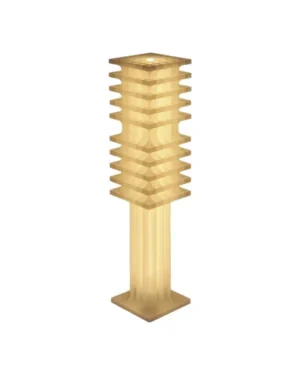
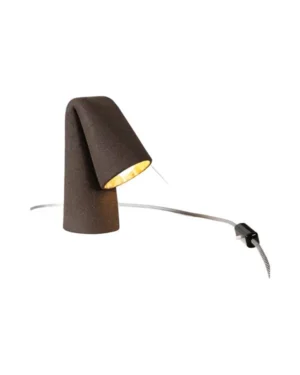
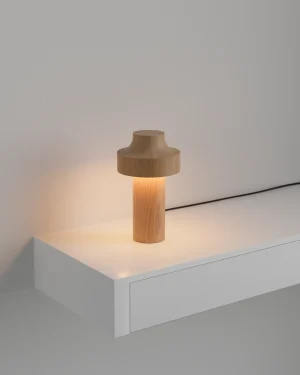
Monolith Table Lamp in Mexican Red Oak
By Sergio Enríquez Industrial Design Office
€800 -

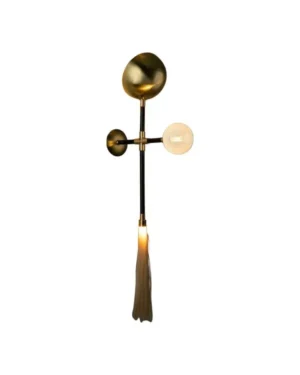
Asea No.40 Wall Sconce In Stoneware And Blown Glass
By Ceren Gürkan
€1.200€1.020 -
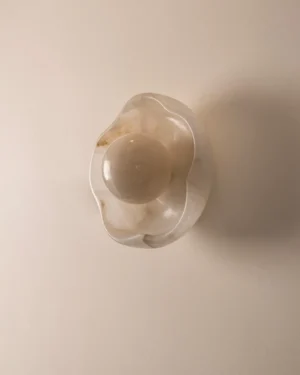
Flower Wall Sconce In Alabaster
By Harshita Jhamtani Designs
€700€630 -

Black Wool Table Lamp in Biocomposite
By PletoStudio
€700 -
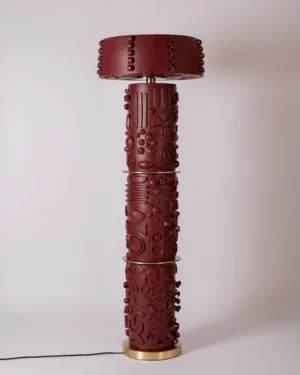
Sculpt Floor Lamp In Hand-built Stoneware
By Harshita Jhamtani Designs
€7.880 -
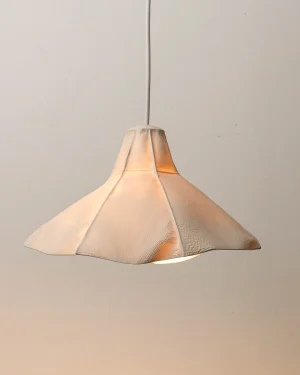
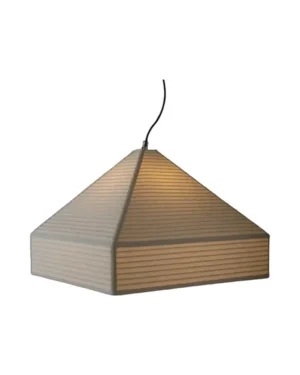
Kawa Series 04 – Ceramic Pendant Lamp
By Luft Tanaka Studio
€1.600 -

Laco Floor Lamp in Biocomposite and Linen
By PletoStudio
€3.600 -

Shadow Wool Floor Lamp in Biocomposite and Carpathian Wool
By PletoStudio
€2.200 -
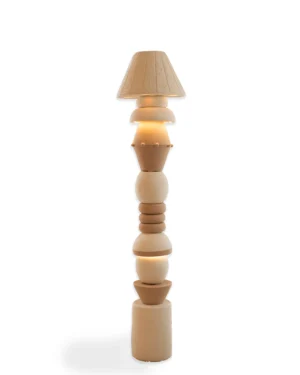
Totem Floor Lamp In Stoneware And Clay Paste
By Harshita Jhamtani Designs
€2.570 -
 In stock
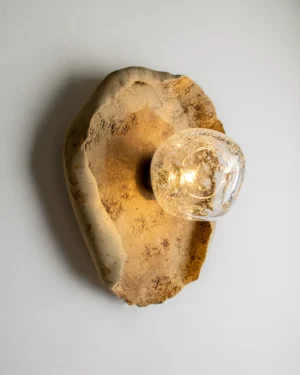
Onda Cosmic Wall Sconce In Glazed Ceramic
By arrived aliens
€2.200 -
 In stock
Asea No. 41 Wall Sconce in Stoneware and Blown Glass
By Ceren Gürkan
€1.000 -
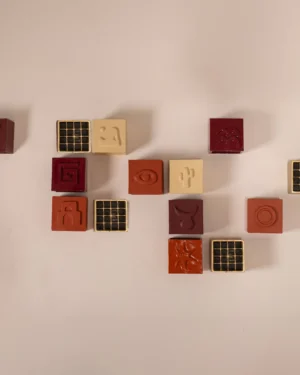
Oasis Wall Light In Hand-sculpted Stoneware
By Harshita Jhamtani Designs
€410 -
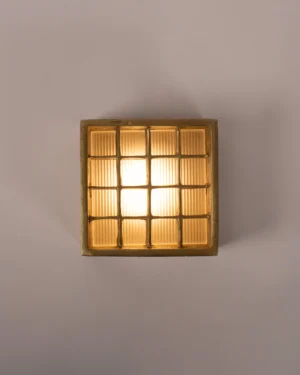
Oasis Mirage Wall Light In Cast Aluminum And Fluted Glass
By Harshita Jhamtani Designs
€620 -

Bavo Floor Lamp in Biocomposite and Cotton
By PletoStudio
€1.400 -
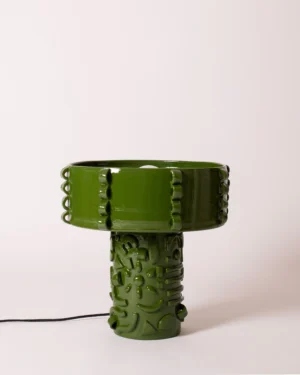
Sculpt Table Lamp In Glazed Stoneware
By Harshita Jhamtani Designs
€3.600 -

Sea Star Floor Lamp in Biocomposite and Cotton
By PletoStudio
€3.600 -
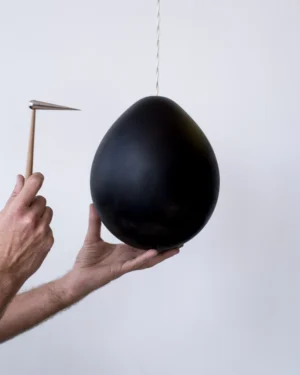 In stock
Less Pendant Lamp In Steel, Wood And Plaster
By Jordi Canudas Faura
€388 -
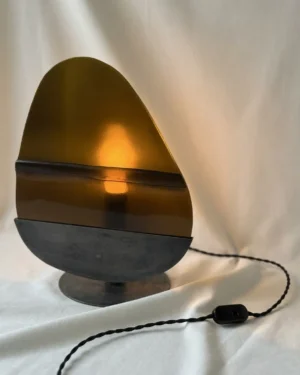 In stock
Veilleur Lp1 Table Lamp In Steel And Glass
By Louise Hurth
€1.600 -
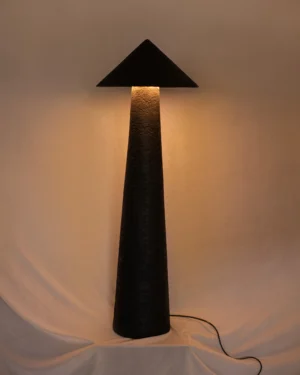
Kasa (m) Lamp In Clay Paste And Mild Steel
By Harshita Jhamtani Designs
€1.460 -
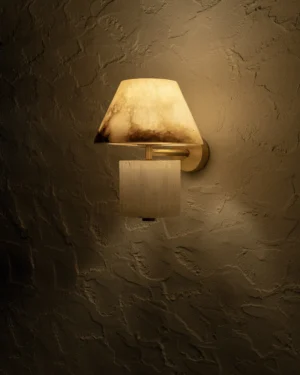
Rio Wall Lamp In Alabaster And Brass
By Harshita Jhamtani Designs
€1.150 -
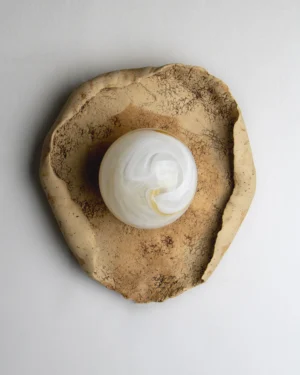 In stock
Asea No. 41 Pearl Wall Sconce in Stoneware and Blown Glass
By Ceren Gürkan
€1.000 -
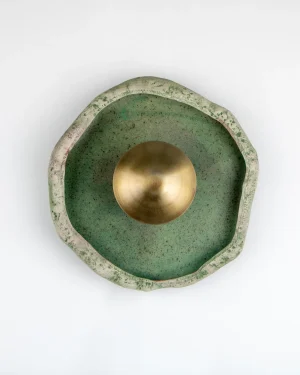 In stock
Asea No. 18 Green Wall Sconce In Porcelain And Brass
By Ceren Gürkan
€600 -
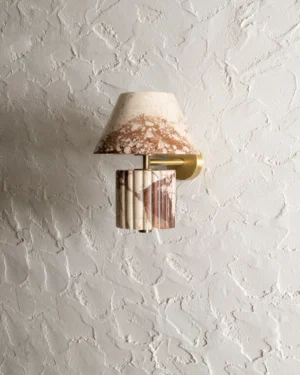
Rio Wall Lamp In Pizzato Marble And Brass
By Harshita Jhamtani Designs
€1.290 -
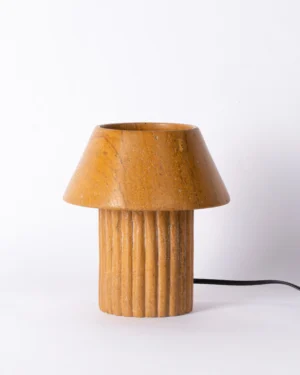
Rio (m) Table Lamp In Sandstone
By Harshita Jhamtani Designs
€690 -
 In stock
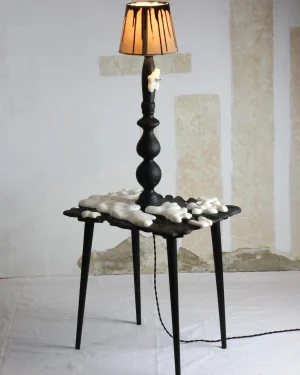
Tundra Floor Lamp
By Gábor Góbi
€4.990 -
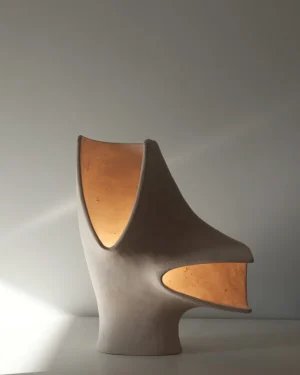
Taruh Table Lamp in Clay
By Andrei Clontea STUDIO
€900 -
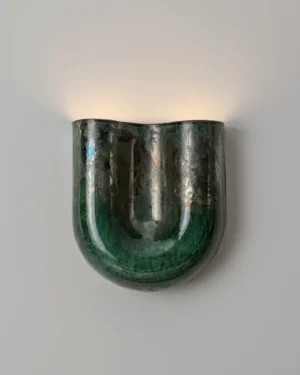
Onda Green Wall Sconce In Raku Ceramic
By arrived aliens
€2.200 -
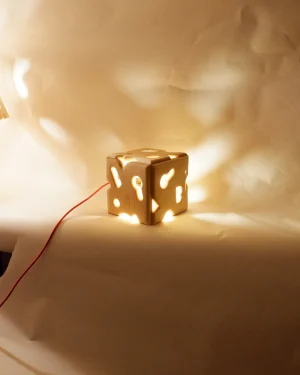
Cut Out Light Cube Table Lamp in Pine Wood
By Josh Page Studio
€310 -

Wool Smola Table Lamp in Biocomposite
By PletoStudio
€800 -
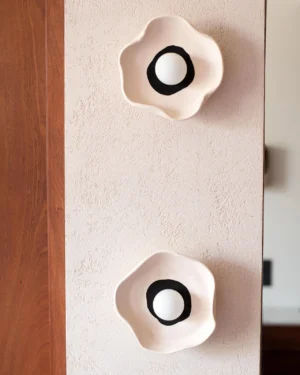
Flower Wall Sconce In Stoneware
By Harshita Jhamtani Designs
€360 -
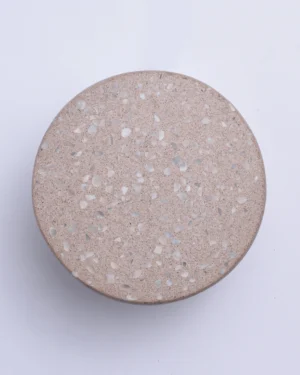
Wilo Nude Wall Sconce In Terrazzo, Aluminum And Silicone
By Harshita Jhamtani Designs
€220 -
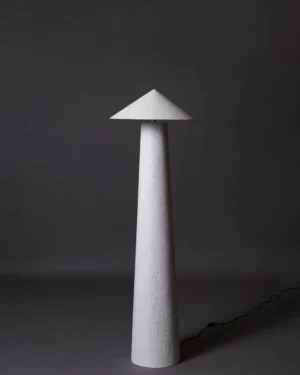
Kasa Floor Lamp In Clay Paste And Mild Steel
By Harshita Jhamtani Designs
€2.130 -
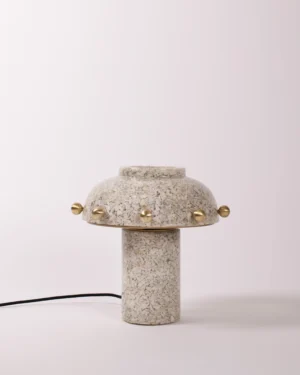
Second Tide Table Lamp In White Recycled Plastic And Brass
By Harshita Jhamtani Designs
€1.340 -
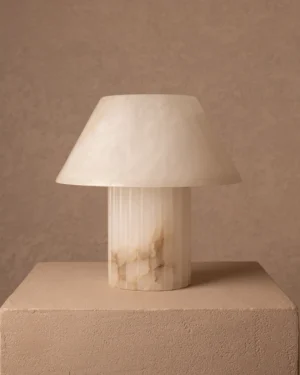
Rio (m) Table Lamp In Alabaster
By Harshita Jhamtani Designs
€800 -
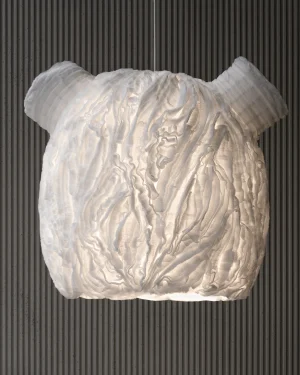
Dream Sluhach Pendant Lamp in Muslin and Metal
By FAINA
€1.950 -
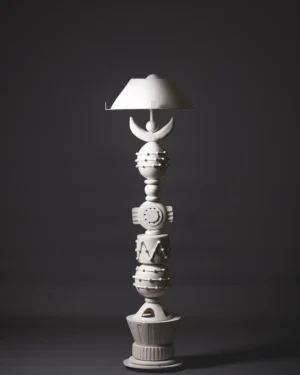
Asteroid Floor Lamp In Stoneware And Mild Steel
By Harshita Jhamtani Designs
€2.570 -
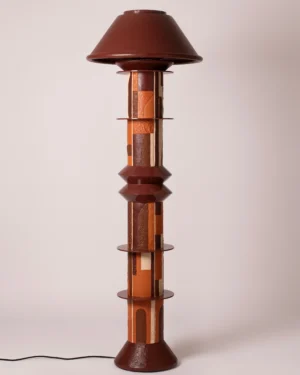
The Rouge Floor Lamp In Clay Paste And Metal
By Harshita Jhamtani Designs
€4.430 -
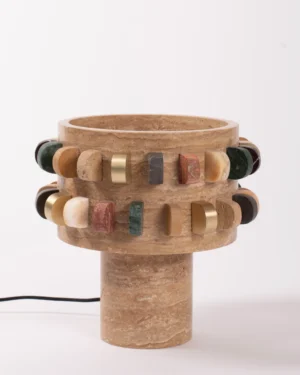
Outcasts Table Lamp In Marble And Travertine
By Harshita Jhamtani Designs
€2.140 -
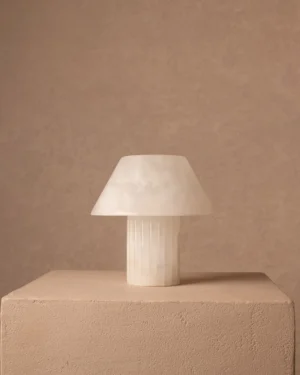
Rio (s) Table Lamp In Alabaster
By Harshita Jhamtani Designs
€430 -
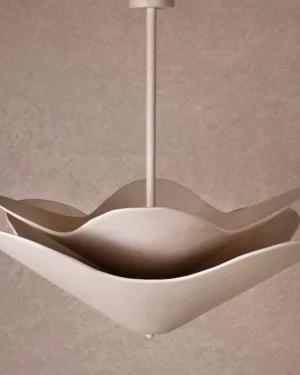
Iris Pendant In Clay Paste
By Harshita Jhamtani Designs
€1.180 -
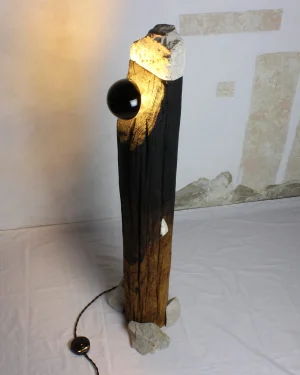 In stock
Totem Floor Lamp
By Gábor Góbi
€2.390 -
10% off
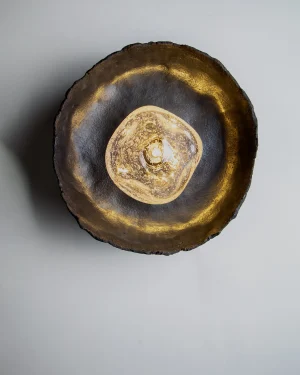
Asea No. 12 Wall Sconce In Stoneware And Blown Glass
By Ceren Gürkan
€800€720 -

Ember Floor Lamp in Biocomposite and Raffia
By PletoStudio
€3.200 -
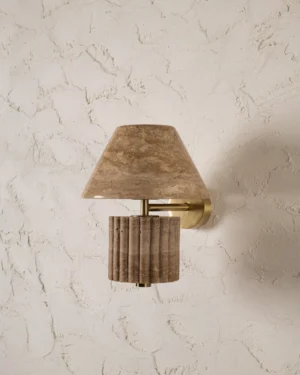
Rio Wall Lamp In Beige Travertine And Brass
By Harshita Jhamtani Designs
€1.150 -
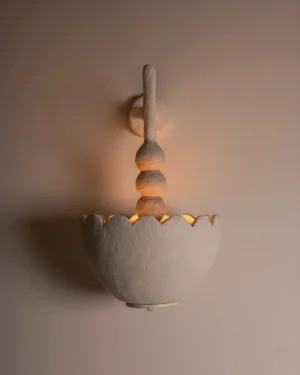
Scallop Wall Sconce In Stoneware And Clay
By Harshita Jhamtani Designs
€1.080 -
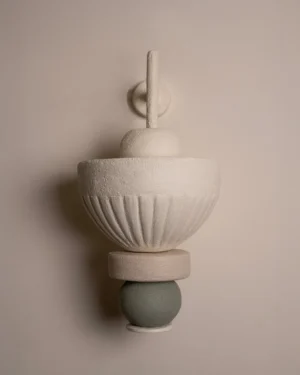
Pebble Wall Sconce In Stoneware And Clay
By Harshita Jhamtani Designs
€1.080 -
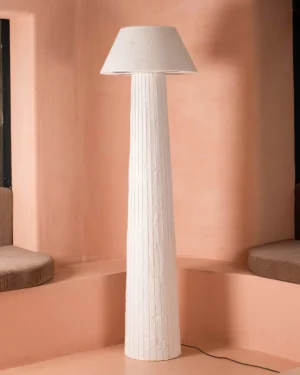
Rio Floor Lamp In Clay Paste And Mild Steel
By Harshita Jhamtani Designs
€2.270 -
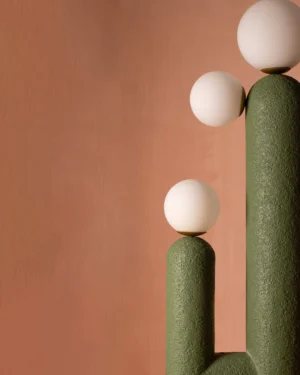
Cactus Floor Lamp In Clay Paste, Mild Steel And Glass
By Harshita Jhamtani Designs
€2.570 -
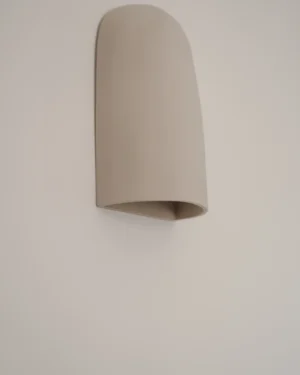 In stock
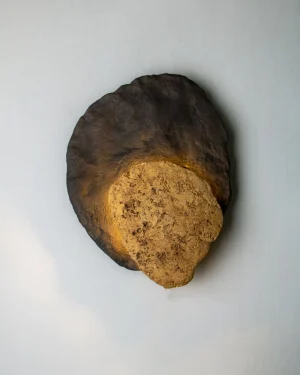
Arte Wall Sconce in Stoneware
By TERA CERAMIC
€290 -
 In stock
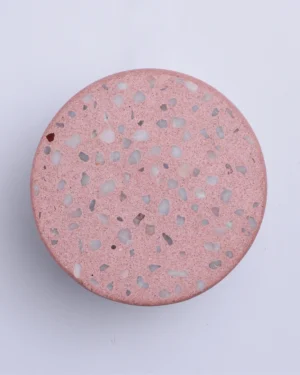
Asea No. 21 Wall Sconce In Stoneware
By Ceren Gürkan
€800 -
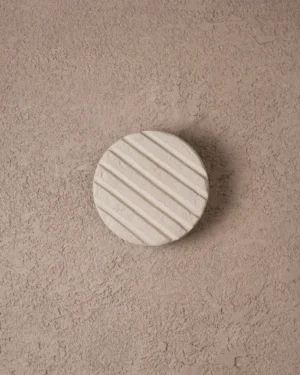
Wilo Blush Wall Sconce In Terrazzo, Aluminum And Silicone
By Harshita Jhamtani Designs
€220 -
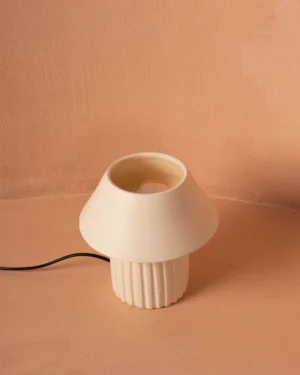
Wilo Fluted Egg White Wall Sconce In Clay And Aluminum
By Harshita Jhamtani Designs
€230 -
Rio (s) Table Lamp In Stoneware
By Harshita Jhamtani Designs
€200
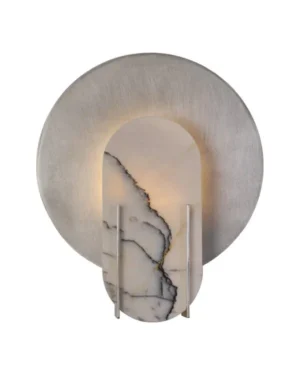
Wabi-sabi lamps gather studios working in carved alabaster and travertine, hand-built stoneware and ceramic, plastered composites and raw mild steel. The emphasis falls on material behavior over symmetry: a glaze that pools unevenly, a stone face left rough where the chisel stopped, a seam visible in a hand-built base. Each piece is made slowly, by hand, so no two lamps carry the same marks.
What makes a lamp wabi-sabi
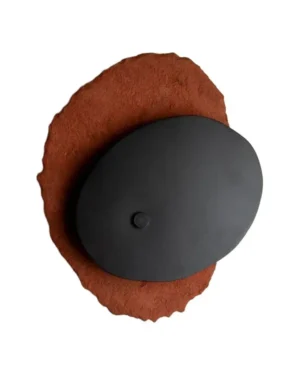
Wabi-sabi in lighting means the maker leaves evidence of process rather than erasing it. Raku firing produces a crackled, smoked surface that cannot be fully controlled, so each glaze result is particular to its firing. Hand-building in stoneware or ceramic leaves soft asymmetries in wall thickness and rim, while carved stone such as alabaster or travertine keeps the quarry's own striations and pitting.
These lamps work as sculpture by day because the surface asks to be touched and read, then shift at night as the light source moves attention from texture to glow. Alabaster and plaster composite bases often diffuse light through the material itself, giving a warm, uneven wash rather than a sharp beam. Stoneware and ceramic shades, by contrast, tend to direct light downward or sideways through a single opening, keeping the body of the lamp solid and shadowed.
Materials, finishes and techniques found here
The range spans stone carving in alabaster, travertine and red travertine; hand-building and glazing in stoneware and ceramic, sometimes finished with raku; plastering over composite forms; and metalwork in mild steel left with a matte or bronze patina. Color stays close to what the material gives naturally: white, off-white and beige-and-grey stone tones, gray and black ceramic glazes, bronze and matte metal. Most pieces are offered as open editions or as unique pieces, since hand-building and raku firing make exact repetition difficult.
- Stone carving: alabaster, travertine, red travertine
- Clay work: stoneware and ceramic, hand-built and glazed, some raku-fired
- Plaster and composite: cast and hand-finished surfaces
- Metal: mild steel in matte or bronze finish
Choosing a wabi-sabi lamp
Scale matters more than style here, since an irregular surface reads differently at table height than on the floor. A squat alabaster or travertine base suits a side table or console, where its weight and texture can be seen up close. Taller stoneware or steel floor lamps carry better in a living room corner or beside a reading chair, where the shade's glow can soften a larger space.
Check the finish before placement: raku and unglazed stoneware are porous and show fingerprints and water marks, so they suit a dry surface away from steam or splashes. Carved stone is heavy and stable but can chip at an edge if knocked, so it wants a spot with some clearance. Matte steel resists marking and tolerates more handling, making it a reasonable choice for a hallway or entry.
Rooms and care
These lamps suit rooms built around quiet, textured materials, bedroom and living room most often, where a single imperfect object can anchor an otherwise plain surface. Pair a stone or ceramic lamp with linen, raw wood and unglazed pottery rather than polished metal or glass, so the surfaces share a register.
Care stays simple: dust stone and plaster with a dry or barely damp cloth, since both can absorb liquid and stain. Wipe glazed stoneware and ceramic with a soft cloth and avoid abrasive cleaners that can dull a raku surface. Steel bases need only occasional wiping to keep a matte or bronze finish even.
For the wider range of pieces in this style, see every wabi-sabi piece on ADORNO, or move toward related wall and ceiling fixtures under wabi-sabi lighting. For other finishes within the same lamp category, browse all lamps or narrow by material with metal lamps. Those furnishing a bedroom specifically may prefer bedroom lamps.
How do I choose a wabi-sabi lamp?
Decide whether you want stone or ceramic for the base, since each reads differently by day. Look for a glaze or a chisel mark you want to live with, since that mark is the point of the piece.
How do you care for stone and ceramic lamps?
Dust alabaster and travertine with a dry or barely damp cloth, since both stones stain and etch with liquid or acid. Wipe stoneware and ceramic surfaces dry after cleaning and keep raku-fired pieces away from prolonged damp.
What size lamp suits a side table versus a floor?
Table lamps generally sit low enough to keep the shade below eye level when seated nearby, while floor lamps stand tall enough to light a chair or corner. Exact dimensions vary by piece, so chat with the maker on the piece's page to confirm.
Which rooms suit a wabi-sabi lamp?
Living rooms and bedrooms suit the warm, uneven wash these lamps give off, especially beside a reading chair or bed. Entryways and studies also work well, since the texture reads as sculpture in daylight and softens at night.
Are these lamps handmade and one of a kind?
Many are made slowly by hand, through stone carving, hand-building or raku firing, so surface and glaze vary piece to piece. Ask the maker on the piece's page to confirm whether a specific lamp is an open edition or a unique piece.
What are ADORNO's shipping and return policies?
Shipping is insured and worldwide, and most pieces can be returned within 14 days, though made-to-order pieces are excluded. Every lamp arrives with a certificate of authenticity, and ADORNO guarantees the lowest price.