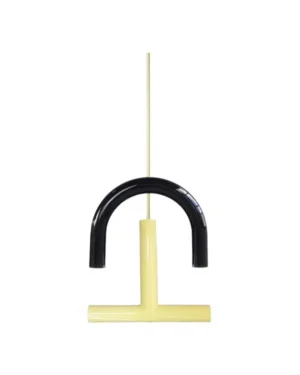
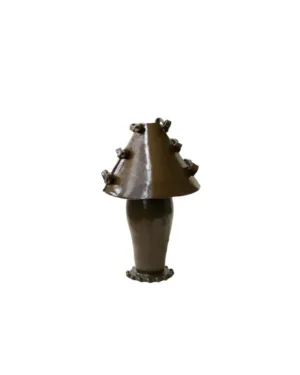
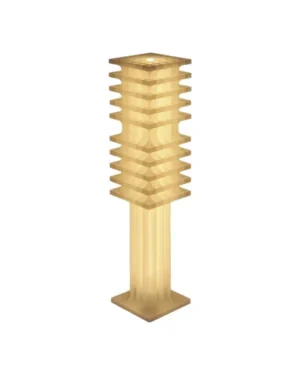
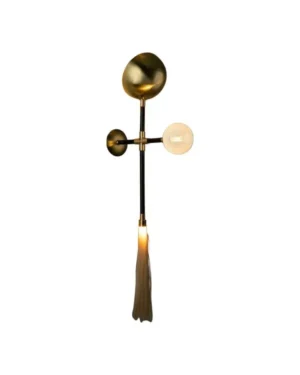













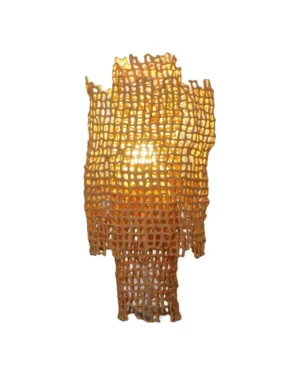
-

Coral Lamp – Clay Table Lamp
By Dzovag Kotchian
€900 -
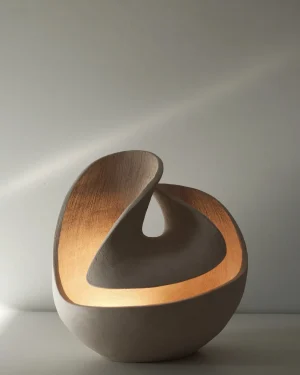
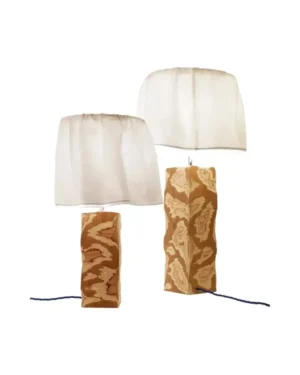
Athari Table Lamp in Ceramic
By Andrei Clontea STUDIO
€900 -
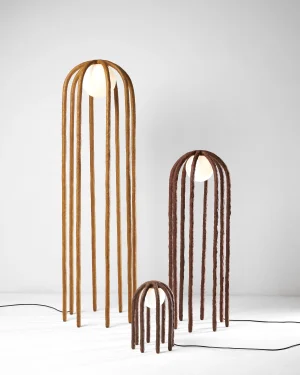 In stock
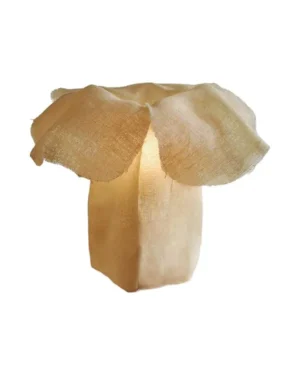
Açafrão and Urucum Floor Lamp in Anatto and Saffron
By Cultivado em Casa
€1.234 - €2.971 -
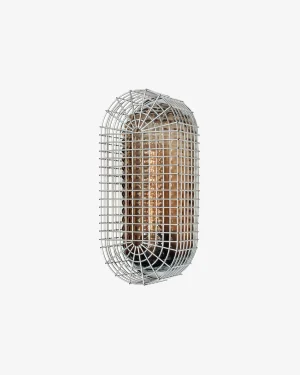
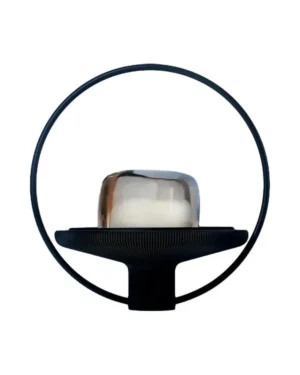
Chastity Wall Sconce In Stainless Steel And Handblown Glass
By Studio S II
€1.980 -

The Queen Ceiling Lamp in Gold-leaf and Rust Steel
By Mammalampa
€3.133 -

Drizzle Table Lamp in Acrylic
By Kajsa Melchior
€780 -
 In stock
Coral Wall Lamp – Clay Sconce
By Dzovag Kotchian
€900 -
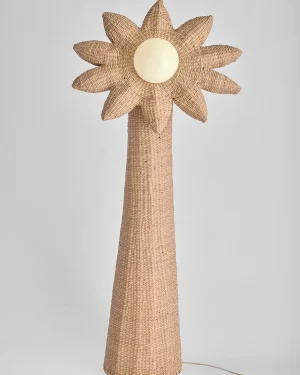
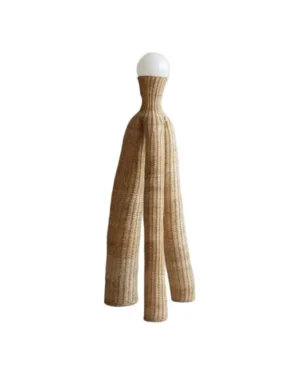
Kuni Floor Lamp in Rattan and Natural Fibers
By Joyful Objects, Yes!
€2.900 -

Falcon Floor Lamp in Brass and Oak Wood
By Nathan Chintala
€2.105 -
 In stock
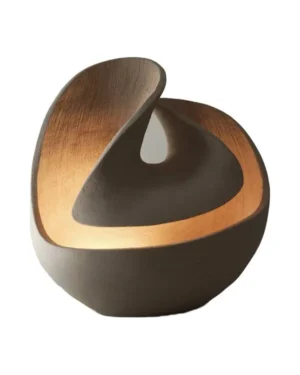
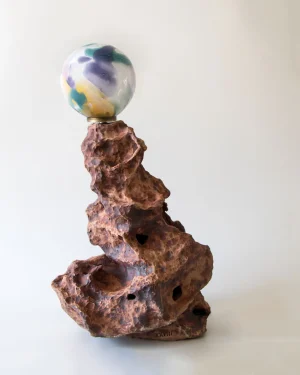
Abyss No. 28 Sculptural Table Lamp In Stoneware
By Ceren Gürkan
€1.400 -
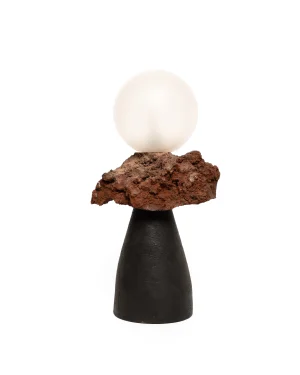
Hof Tezon Lamp
By Daniel Orozco Estudio
€475 -

Original Lamp 1 Floor Lamp in Parota Wood and Textile
By Daniel Orozco Estudio
€1.899 -
 In stock
Onda Cosmic Wall Sconce In Glazed Ceramic
By arrived aliens
€2.200 -
 In stock
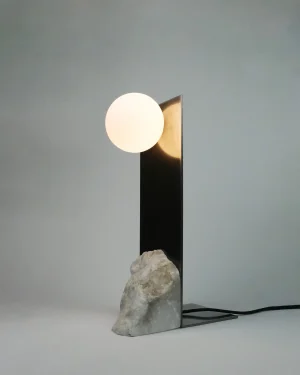
Himalaya Lunar Vertical Table Lamp in Alabaster
By HEAKO
€3.300 -

L’Été Ceramic Wall Light
By Katia Langeard
€380 -
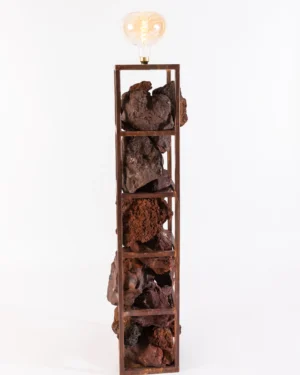
Zm Tezontle Floor Lamp in Metal and Volcanic Stone
By Daniel Orozco Estudio
€2.820 -
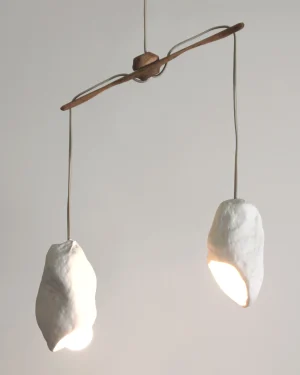
Maat Ceiling Lamp
By Dace Sūna
€1.200 -
 In stock
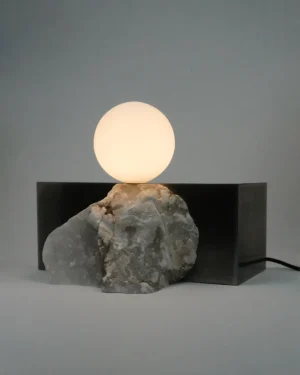
Himalaya Lunar Horizontal Table Lamp in Alabaster
By HEAKO
€3.200 -
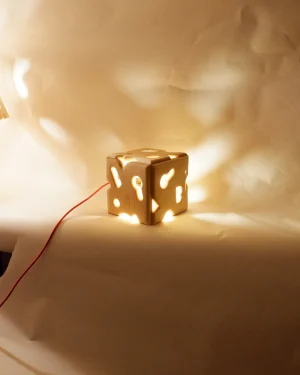
Cut Out Light Cube Table Lamp in Pine Wood
By Josh Page Studio
€310 -
 In stock
“Object 01” Lamp from the “Play” Collection
By Hot Wire Extensions
€1.890 -
 In stock
Tundra Floor Lamp
By Gábor Góbi
€4.990 -
 In stock
SONIAH Table Lamp in ZTISTA Biocomposite
By FAINA
€3.000 -
 In stock
Sun Vxs.04 – Contemporary Wall Lamp In Textured Quartz Sand
By Rollo Studio
€1.280 -
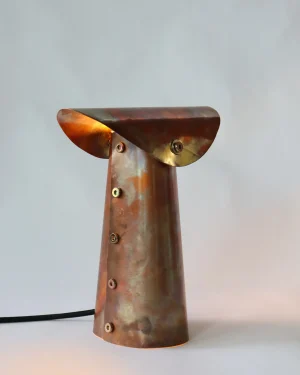
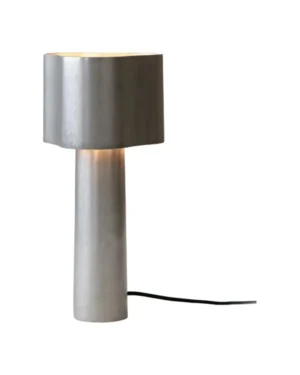
Luma Table Lamp in Oxidized Copper
By Emilia Tombolesi
€1.150 -
 In stock
Abyss No. 31 Sculptural Table Lamp In Stoneware
By Ceren Gürkan
€1.400 -
 In stock
Totem Floor Lamp
By Gábor Góbi
€2.390 -
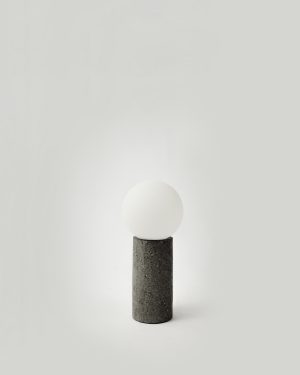
Fos 14 Table Lamp in Stone and Glass
By Daniel Orozco Estudio
€1.060 -
 In stock
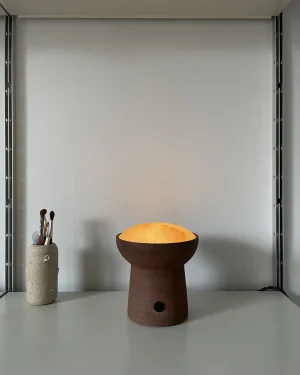
Stoneware Salt Lamp
By Isabella Artale
€600 -
 In stock
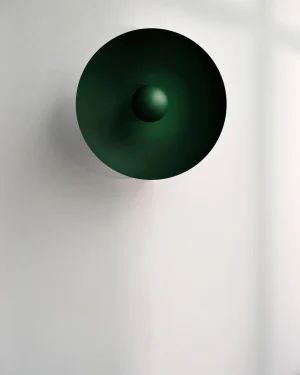
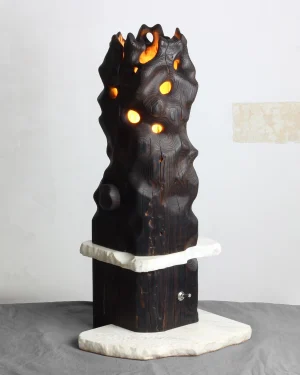
Green Moon Wall Lamp in Aluminum
By Anne Nowak
€1.675 -
 In stock
Volcano Table Lamp
By Gábor Góbi
€3.690 -
 In stock
Faro Table Lamp in Concrete and Glass
By AaltoAalto Studio
€1.600 -

Cypress #1 Floor Lamp in Cypress Wood
By Studio Kloak
€4.600 -
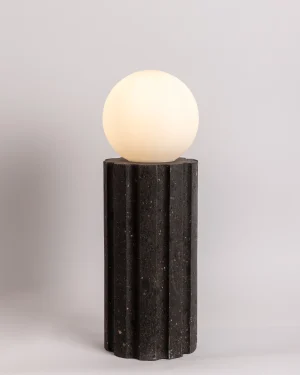
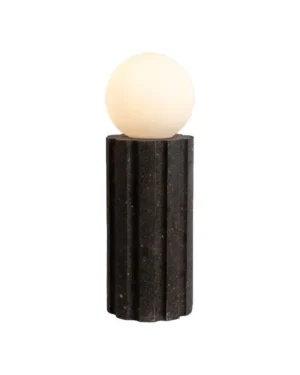
Cantera Table Lamp In Black Stone
By Daniel Orozco Estudio
€1.722 -

Lazo Floor Lamp
By Peca Mobiliario
Price Upon Request -

Citiez 0.1
By Niels Stoeltie
€2.521 - €2.893 -
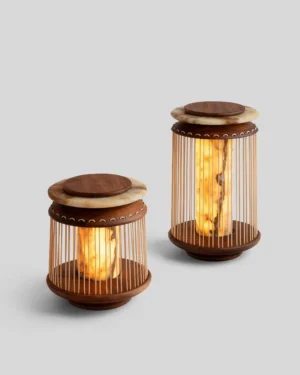
Ebtún Floor Lamp
By Juskani Alonso
€2.890 - €3.340 -
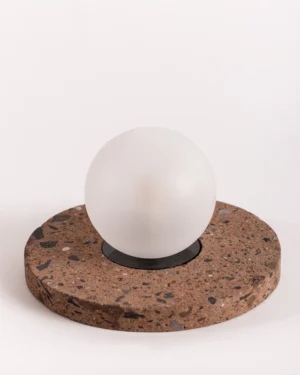
Saturn Floor Lamp in Volcanic Stone
By Daniel Orozco Estudio
€560 -

Chema Pendant Lamp in Parota Wood
By Daniel Orozco Estudio
€1.154 -
 In stock
Block Table Lamp
By Gábor Góbi
€1.190 -
 In stock
Ģipsis Table Lamp №5 In Plaster And Oak
By Dace Sūna
€850 -
 Sold
Puzzle Table Lamp
By Gábor Góbi
€1.390 -

Fos 05 Pendant Lamp in Wood and Marble
By Daniel Orozco Estudio
€1.390 -
 Sold
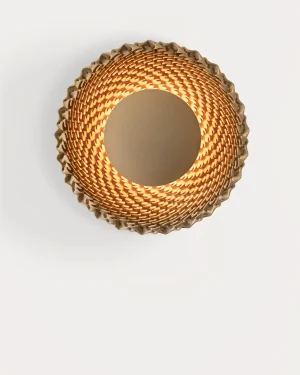
Sun V3-b – 3d Printed Sand Lamp
By Rollo Studio
€4.206 -

Ms Eclipse M (25cm) Pendant Lamp in Marbled Salts
By MARBLEDSALTS studio
Price Upon Request -
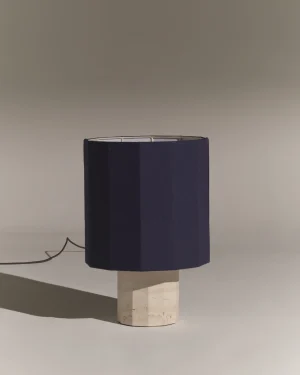
Roma Dodecagon Medium Table Lamp In White Travertine
By NASSI LAMPS
€1.205 -
 Sold
Sun V3 – 3d Printed Sand Lamp
By Rollo Studio
€4.404 -
 In stock
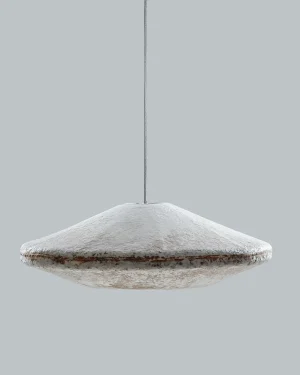
B Wise Pendant Lamp in Mycelium
By Myceen
Price Upon Request
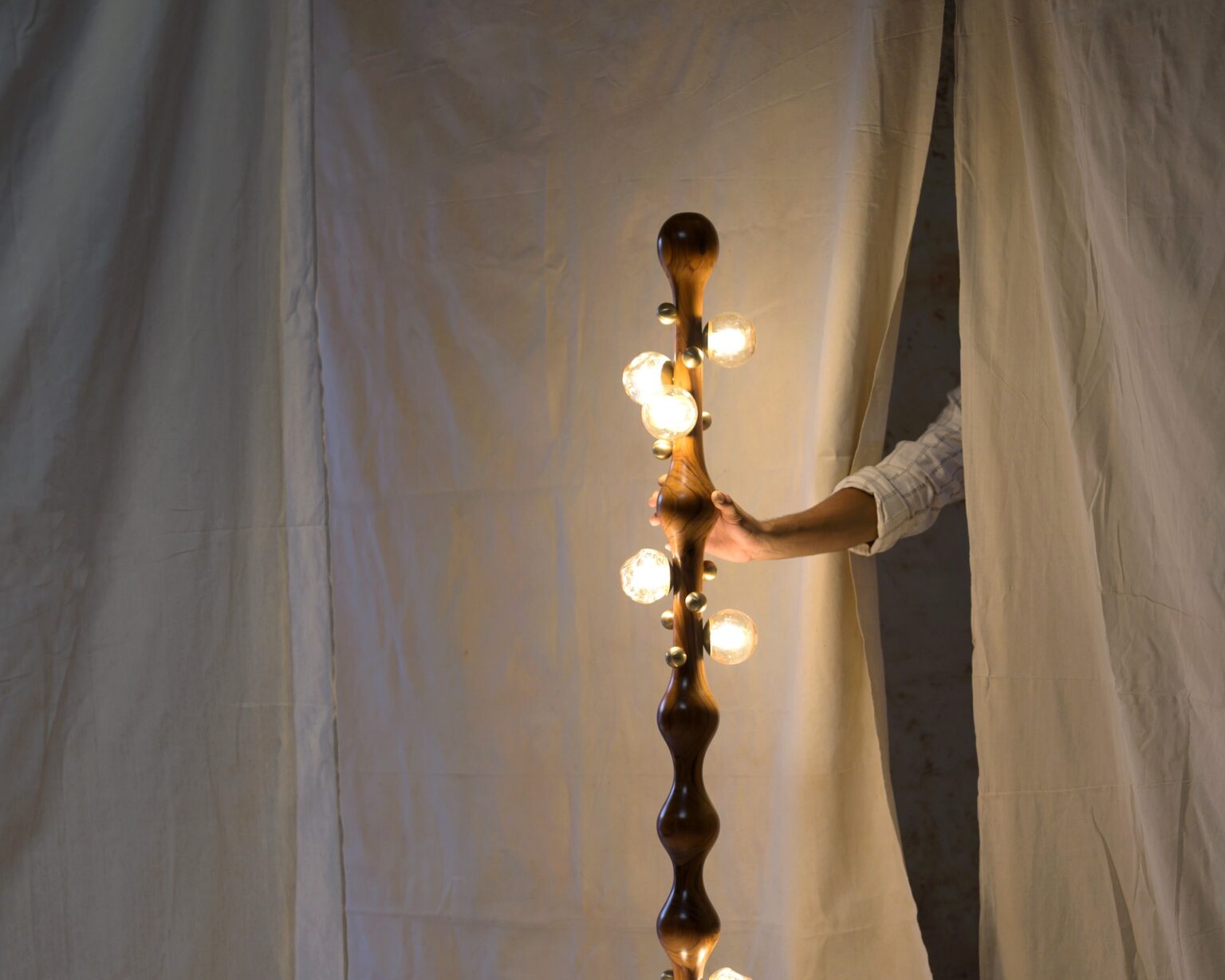
Rustic lighting brings together pieces shaped from clay, beaten or patinated metal, blown glass and plaited fiber, each one made by hand rather than stamped from a mold. Studios working in these materials favor visible process over polish: a thumbprint left in stoneware, a joint left raised, a fiber knot left showing. The result is a lamp that reads as made, not manufactured, and that carries warmth into a room through texture as much as through light.
What makes a lamp rustic
Rustic style starts with the material's own character rather than with symmetry or gloss. Hand-built ceramic and clay bases often keep a slight irregularity from the hand or the coil, so no two are perfectly alike even within the same design. Metal bases may be left to oxidize or treated with patination so the surface darkens unevenly over time, closer to bronze left outdoors than to lacquered steel.
Natural fiber shades, woven from rattan, seagrass or similar plant material, filter light rather than diffuse it evenly, casting soft shadow patterns across walls and ceilings. Stone bases, shaped by carving rather than casting, keep the quarry's own veining and weight. Across all of these, color stays close to the raw material: black, bronze, sand, beige, off-white and the clear or light yellow of hand-blown glass.
Materials and techniques in the range
The range on rustic lighting changes as pieces sell and new work arrives, but the methods behind it stay consistent. Hand-built ceramic and stone carving account for much of it, alongside metalwork finished through patination or left to rust on purpose. Glassblowing shows up in warmer, less uniform forms than machine-pressed glass, and weaving brings in the fiber shades and bases.
- Clay and stoneware, hand-built, often unglazed or lightly glazed
- Brass, bronze and rust steel, patinated or left to oxidize
- Blown glass in clear or pale tones, with visible bubbles or asymmetry
- Woven natural fiber shades and bases
- Carved natural stone, kept heavy and textured
Choosing a rustic lamp
Scale matters more than style once a lamp sits on a table or floor. A table lamp should sit roughly at eye level when seated nearby, so its glow falls where you read or sit rather than straight into your eyes. Floor lamps need enough base weight, especially in stone or thick ceramic, to stay stable against being knocked.
Finish should follow the rest of the room's materials rather than fight them. A patinated metal base reads well against wood and stone; a pale ceramic or woven fiber shade suits plaster, linen and other soft, matte surfaces. Placement near a reading chair, a console or a bedside table lets the texture of the base show at close range, which is where hand-building and patination are most visible.
Where it fits in the home
Rustic pieces work well wherever a room already leans toward natural materials: linen upholstery, oak or walnut furniture, stone or clay tile. A ceramic table lamp suits a living room seating area or a bedside table equally, since the light it gives is usually warm and low rather than bright and even. For a fuller sense of the style beyond lighting, pieces also appear across rustic furniture, tables, seating and decor on ADORNO.
Living with and caring for the materials
Unglazed ceramic and clay are porous and can mark if liquid sits on the surface, so keep them away from damp sills and wipe spills quickly. Patinated and rust-finished metal will keep changing color slightly with handling and humidity; a light wax can slow this if you want the current tone to hold. Woven fiber shades should stay out of direct, strong sun, which dries and fades plant fiber over time, and stone bases need only a dry cloth, since water can settle into veining and stain it. Those who want a harder-edged alternative in the same category can look at metal lighting, or stay within softer, handmade forms through rustic table and floor lamps and the wider lighting range.
How do I choose a rustic lamp?
Start with material: ceramic and clay bases read soft and matte, patinated metal brings weight and shadow, and fiber shades filter light unevenly. Match the surface to the room's other textures rather than its color scheme.
How do you care for rustic lighting materials?
Wipe ceramic, clay and stone bases with a dry or barely damp cloth, keeping them from standing water. Dust woven fiber shades gently and let patinated metal darken naturally rather than polishing it back.
Will a patinated or rusted metal lamp keep changing over time?
Yes, patinated and oxidized metal surfaces continue to shift and darken unevenly with light and handling, much like bronze left outdoors. This is part of the material, not a flaw.
What size or height of lamp works for my space?
Sizing depends on the individual piece, so check the listed dimensions before ordering. For anything specific, chat with the maker on the piece's page.
Which rooms suit rustic lighting best?
Living rooms and bedrooms take well to the soft, uneven glow of ceramic, clay and fiber shades, while entryways and dining spaces suit heavier stone or metal bases. The warmth works wherever texture matters.
What are ADORNO's shipping, returns and authenticity policies?
Shipping is insured and worldwide. Returns are accepted within 14 days, except on made-to-order pieces, and every lamp arrives with a certificate of authenticity. ADORNO also offers a lowest-price guarantee.