
-

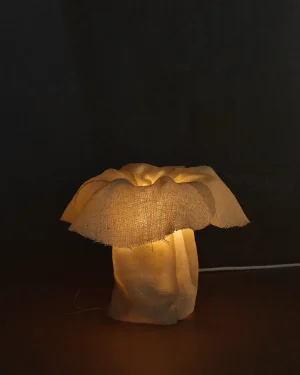
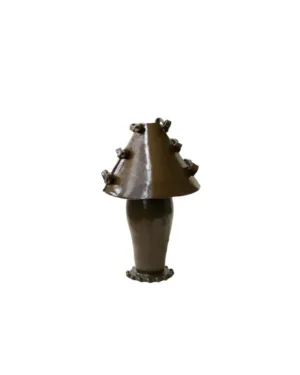
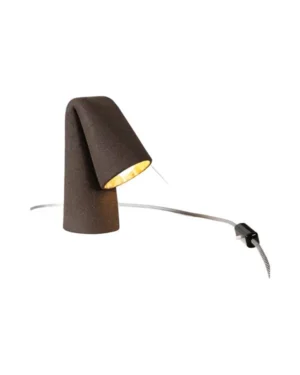
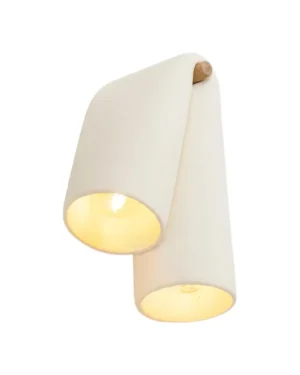
Coral Lamp – Clay Table Lamp
By Dzovag Kotchian
€900 -
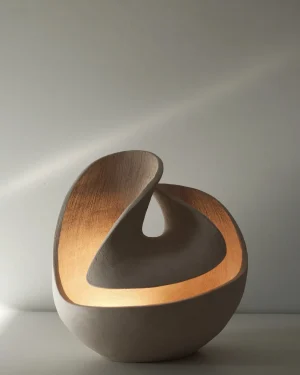
Athari Table Lamp in Ceramic
By Andrei Clontea STUDIO
€900 -
 In stock
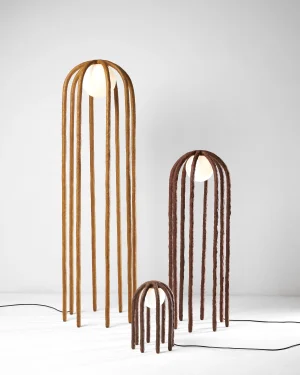
Açafrão and Urucum Floor Lamp in Anatto and Saffron
By Cultivado em Casa
€1.234 - €2.971 -
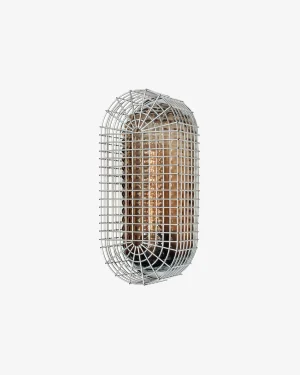
Chastity Wall Sconce In Stainless Steel And Handblown Glass
By Studio S II
€1.980 -

The Queen Ceiling Lamp in Gold-leaf and Rust Steel
By Mammalampa
€3.133 -

Drizzle Table Lamp in Acrylic
By Kajsa Melchior
€780 -
 In stock
Coral Wall Lamp – Clay Sconce
By Dzovag Kotchian
€900 -
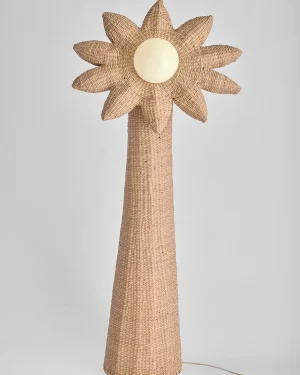
Kuni Floor Lamp in Rattan and Natural Fibers
By Joyful Objects, Yes!
€2.900 -

Falcon Floor Lamp in Brass and Oak Wood
By Nathan Chintala
€2.105 -
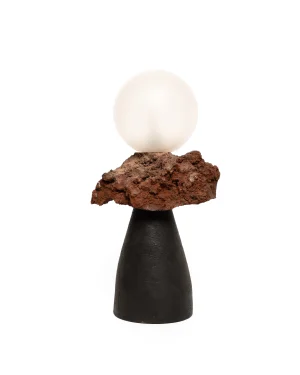
Hof Tezon Lamp
By Daniel Orozco Estudio
€475 -

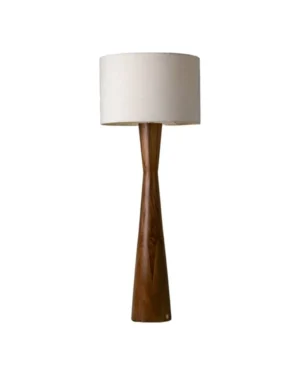
Original Lamp 1 Floor Lamp in Parota Wood and Textile
By Daniel Orozco Estudio
€1.899 -
 In stock
Onda Cosmic Wall Sconce In Glazed Ceramic
By arrived aliens
€2.200 -
 In stock
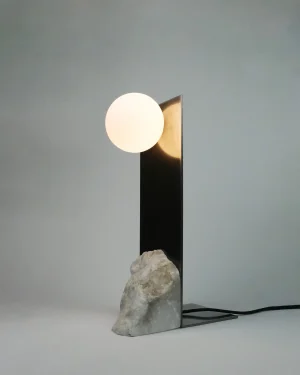
Himalaya Lunar Vertical Table Lamp in Alabaster
By HEAKO
€3.300 -
 In stock
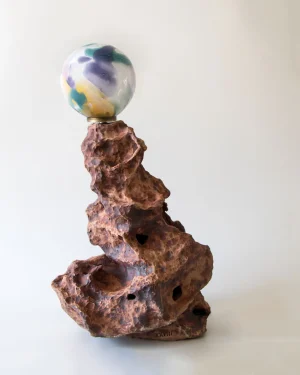
Abyss No. 28 Sculptural Table Lamp In Stoneware
By Ceren Gürkan
€1.400 -

My Stone Flower Ceramic Wall Light
By Katia Langeard
€380 -
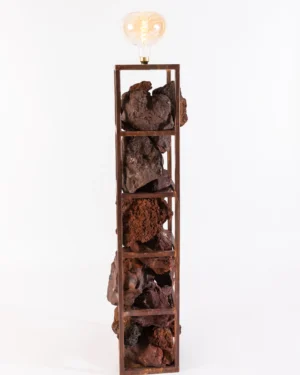
Zm Tezontle Floor Lamp in Metal and Volcanic Stone
By Daniel Orozco Estudio
€2.820 -
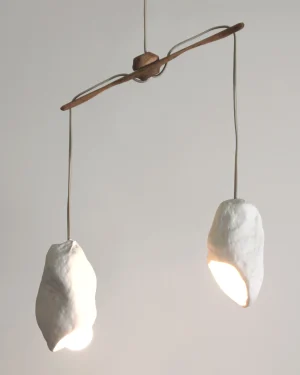
Maat Ceiling Lamp
By Dace Sūna
€1.200 -
 In stock
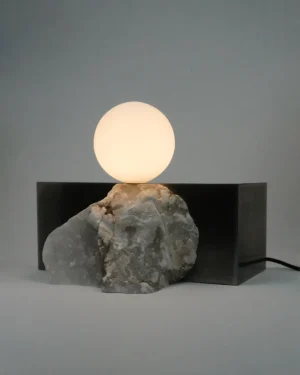
Himalaya Lunar Horizontal Table Lamp in Alabaster
By HEAKO
€3.200 -
 In stock
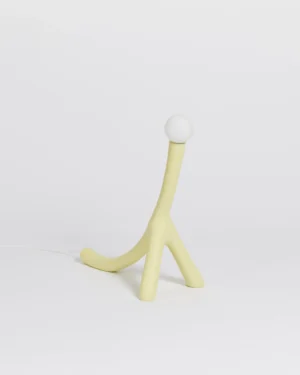
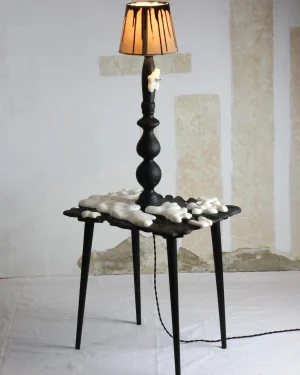
“Object 01” Lamp from the “Play” Collection
By Hot Wire Extensions
€1.890 -
 In stock
Tundra Floor Lamp
By Gábor Góbi
€4.990 -
 In stock
SONIAH Table Lamp in ZTISTA Biocomposite
By FAINA
€3.000 -
 In stock
Sun Vxs.04 – Contemporary Wall Lamp In Textured Quartz Sand
By Rollo Studio
€1.280 -
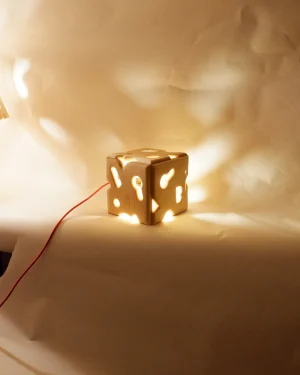
Cut Out Light Cube Table Lamp in Pine Wood
By Josh Page Studio
€310 -
 In stock
Abyss No. 31 Sculptural Table Lamp In Stoneware
By Ceren Gürkan
€1.400 -
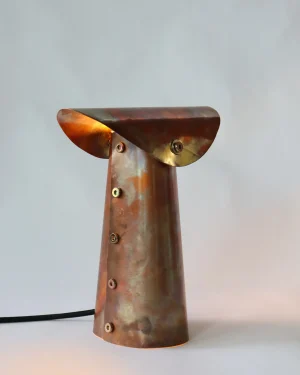
Luma Table Lamp in Oxidized Copper
By Emilia Tombolesi
€1.150 -
 In stock
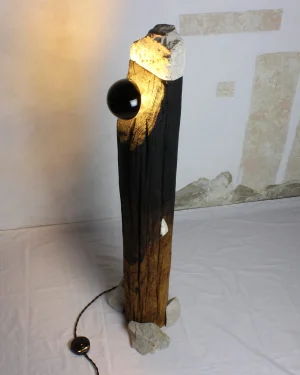
Totem Floor Lamp
By Gábor Góbi
€2.390 -
 In stock
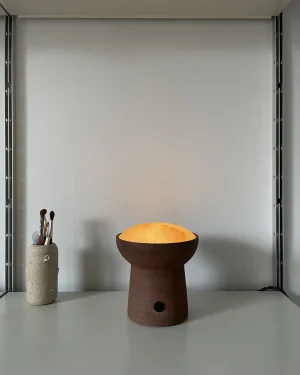
Stoneware Salt Lamp
By Isabella Artale
€600 -
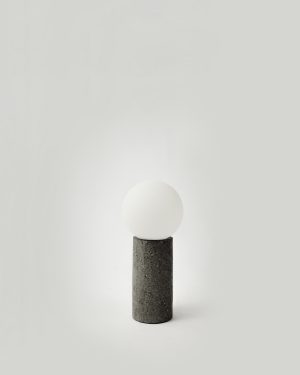
Fos 14 Table Lamp in Stone and Glass
By Daniel Orozco Estudio
€1.060 -
 In stock
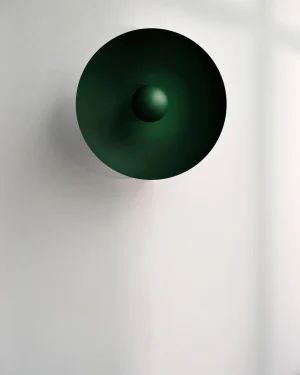
Green Moon Wall Lamp in Aluminum
By Anne Nowak
€1.675 -
 In stock
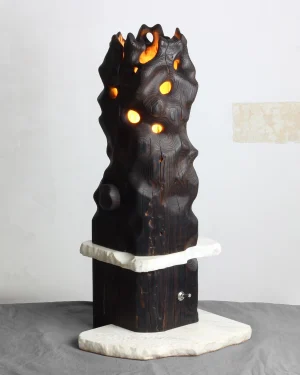
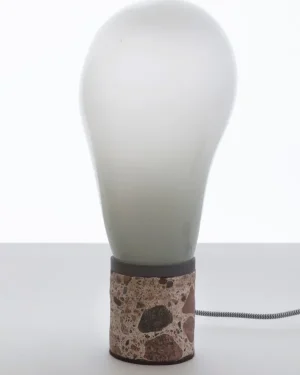
Volcano Table Lamp
By Gábor Góbi
€3.690 -
 In stock
Faro Table Lamp in Concrete and Glass
By AaltoAalto Studio
€1.600 -

Cypress #1 Floor Lamp in Cypress Wood
By Studio Kloak
€4.600 -
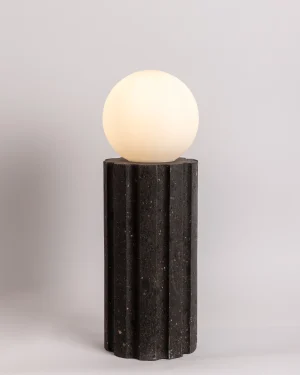
Cantera Table Lamp In Black Stone
By Daniel Orozco Estudio
€1.722 -

Citiez 0.1
By Niels Stoeltie
€2.521 - €2.893 -
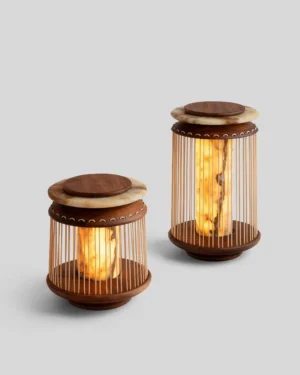
Ebtún Floor Lamp
By Juskani Alonso
€2.890 - €3.340 -
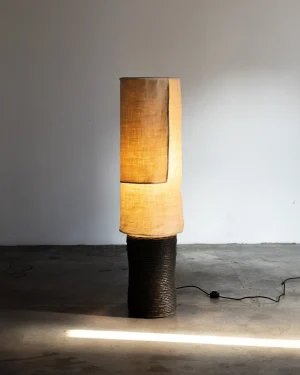
Lazo Floor Lamp
By Peca Mobiliario
Price Upon Request -
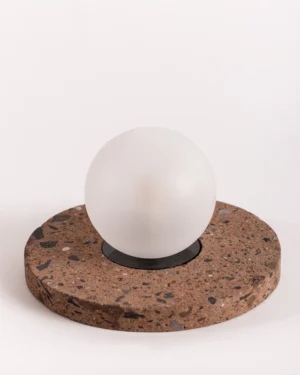
Saturn Floor Lamp in Volcanic Stone
By Daniel Orozco Estudio
€560 -

Chema Pendant Lamp in Parota Wood
By Daniel Orozco Estudio
€1.154 -
 In stock
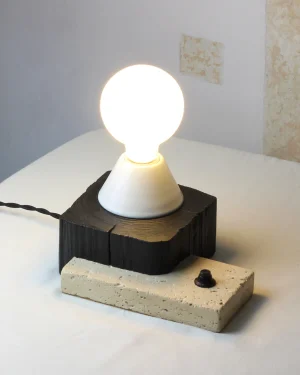
Block Table Lamp
By Gábor Góbi
€1.190 -
 In stock
Ģipsis Table Lamp №5 In Plaster And Oak
By Dace Sūna
€850 -
 Sold
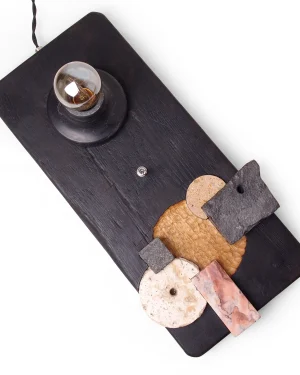
Puzzle Table Lamp
By Gábor Góbi
€1.390 -

Fos 05 Pendant Lamp in Wood and Marble
By Daniel Orozco Estudio
€1.390 -
 Sold
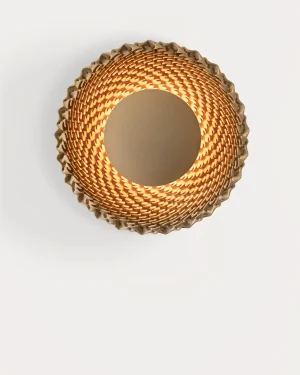
Sun V3-b – 3d Printed Sand Lamp
By Rollo Studio
€4.206 -

Ms Eclipse M (25cm) Pendant Lamp in Marbled Salts
By MARBLEDSALTS studio
Price Upon Request -
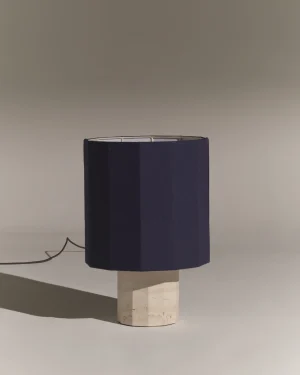
Roma Dodecagon Medium Table Lamp In White Travertine
By NASSI LAMPS
€1.205 -
 Sold
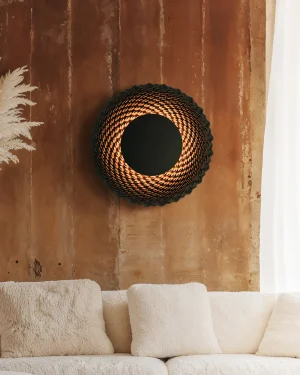
Sun V3 – 3d Printed Sand Lamp
By Rollo Studio
€4.404 -
 In stock
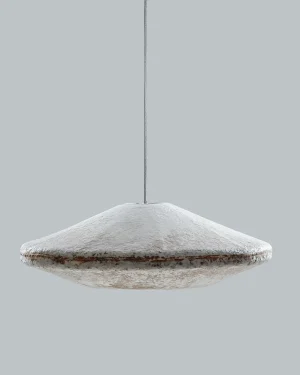
B Wise Pendant Lamp in Mycelium
By Myceen
Price Upon Request
Rustic lamps bring together hand-built ceramic, raw clay bodies, turned or joined wood, and metals left to show their own history rather than polished away. The studios working this way favor hand-building and wood and cabinetmaking over machine casting, so each base carries a trace of the hand that shaped it. Glazes pool and thin unevenly, grain runs in its own direction, and surfaces are left to weather rather than disguised, which is what gives these pieces their warmth.
What makes a lamp rustic
Rustic style starts with the material rather than the silhouette. Clay and stoneware are hand-built, then fired so the glaze settles unevenly across the surface, darker where it pools, thin and chalky where it is stretched over an edge. Wood bases are turned or joined by hand, their grain and knots left visible rather than filled, and some are charred using shou sugi ban, a technique that blackens the surface of the wood and protects it while leaving the texture of the burn.
The range of materials, finishes and editions
Within rustic lamps on ADORNO, the base material shifts between hand-built ceramic and clay, turned or charred solid wood, and metalwork in rust steel, brass or bronze finishes. Colors stay close to the earth: black, sand, beige, off-white and bronze dominate, with occasional clear or light yellow glass where a maker works in blown glass alongside clay or wood.
- Hand-building for ceramic and stoneware bases
- Wood and cabinetmaking, sometimes finished with charring, for turned or joined wood
- Metalwork and patination for steel, brass and bronze fittings
- Weaving for natural fiber shades and accents
Editions vary by maker: some lamps are produced as open editions in small batches, others as limited editions tied to a particular run, and a number exist as unique pieces, no two glazes or grain patterns quite the same. None of this is fixed from one season to the next, since the range depends on who is working and what they are making at the time.
How to choose a rustic lamp
Start with scale before finish. A lamp that reads as sculptural on a side table can overwhelm a nightstand, so check the base's footprint and the shade's diameter against the surface it will sit on, not just its listed height. Table lamps generally sit with their shade at or just below eye level when seated, which keeps the light source out of direct sightline.
Finish should answer the room's other materials rather than fight them. A charred wood base reads well against stone or concrete, while a pale stoneware glaze suits rooms already carrying light oak or linen. Bronze and rust-finished metal tend to ground a room that has a lot of white or off-white surface, giving it a point of weight.
Where these lamps work
Rustic lamps suit living rooms built around natural materials, stone, linen, raw wood, where the lamp continues a material language already in the room rather than introducing a new one. They also hold their own in bedrooms, where a single ceramic or wood lamp on a nightstand can carry the same earthy tone as the rest of the furniture.
Care for clay, wood and metal
Unglazed or partly glazed ceramic can absorb moisture and stain, so keep it away from damp surfaces and wipe spills quickly rather than letting them sit. Wood bases, especially charred ones, should stay out of direct sun, which dries and lightens the surface unevenly over years. Rust steel and bronze fittings are meant to darken and shift color with handling and time; a light wax, applied occasionally, slows this without stopping it.
For the full range of lamps in other styles and materials, see all lamps or step back to all lighting. Rustic style extends well beyond lamps, too, into rustic furniture, rustic lighting more broadly, and every rustic piece on ADORNO, for those building a room around the same earthy, handmade feel.
How do I choose a rustic lamp?
Look at the base material first: hand-built ceramic or clay for a softer, rounded form, turned or charred wood for grain and weight, patinated metal for an aged, industrial note. Let the room's existing materials guide the choice.
How do I care for a rustic lamp?
Dust ceramic and clay bases with a dry cloth and keep them away from damp, which can soften unglazed surfaces. Wipe wood with a dry or barely damp cloth, and let patinated or rust steel darken naturally rather than polishing it.
What size lamp do I need for a table or floor?
A table lamp usually sits between 24 and 34 inches tall, enough to light a surface without blocking sightlines. Floor lamps run from about 55 to 65 inches, tall enough to cast light down into a seating area.
Which rooms suit a rustic lamp?
Living rooms and bedrooms take to rustic lamps most naturally, where warmth and texture matter more than symmetry. A single rustic lamp also softens an otherwise modern or industrial room by contrast.
Can I order a rustic lamp in a custom size or finish?
Some studios take custom requests on glaze, wood finish, or scale. Chat with the maker on the piece's page to confirm what is possible.
What are ADORNO's shipping and return policies?
Shipping is insured and worldwide. Returns are accepted within 14 days, except on made-to-order pieces, and every lamp arrives with a certificate of authenticity.