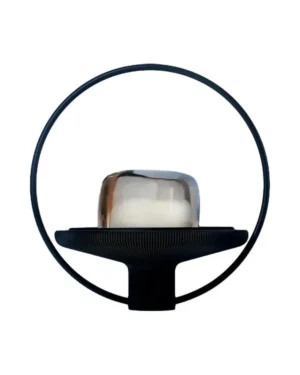
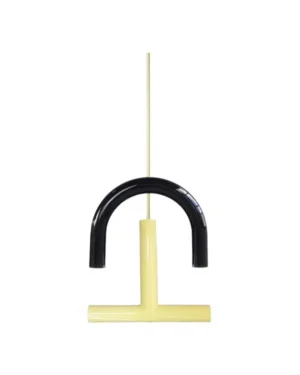
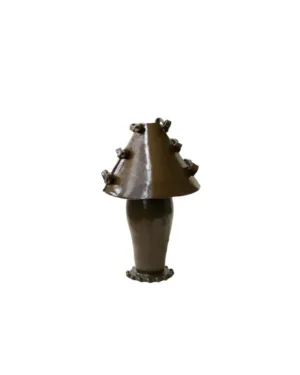
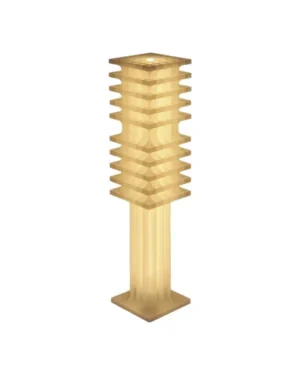

-
 In stock
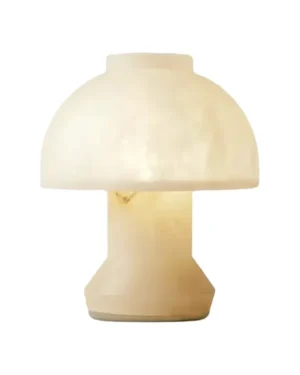
Lunel Table Lamp in Alabaster
By Mugen
€2.042 -
 In stock
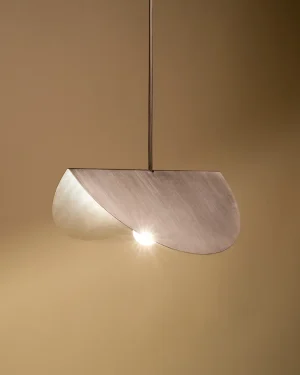
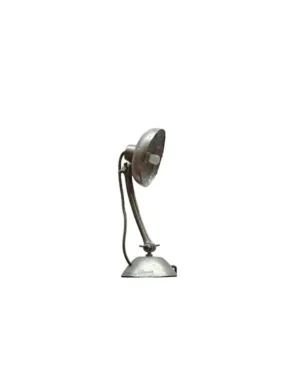
Hero Lamp Floor Lamp In Stainless Steel
By Panorammma Atelier
€4.850 -
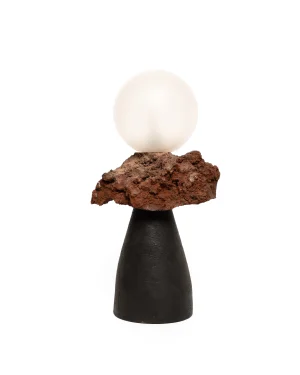
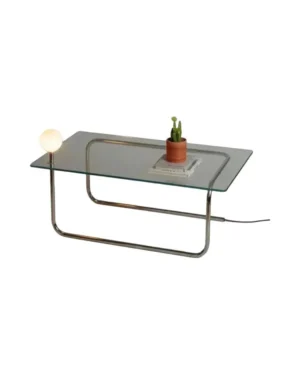
Hof Tezon Lamp
By Daniel Orozco Estudio
€475 -
 In stock
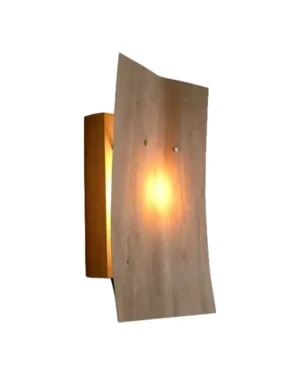
Blobo Table Lamp in Alabaster and Teak
By Mugen
€2.323 -
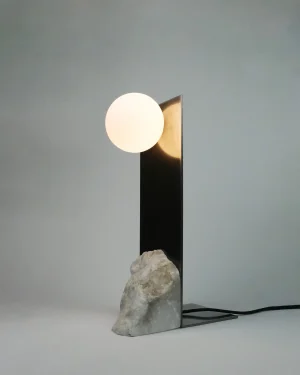 In stock
Himalaya Lunar Vertical Table Lamp in Alabaster
By HEAKO
€3.300 -
 In stock
Barq Table Lamp in Alabaster
By Mugen
€3.518 -
 In stock
Luma Table Lamp in Alabaster
By Mugen
€1.990 -
 In stock
Alba No. 2 Table Lamp in Alabaster
By Mugen
€953 -
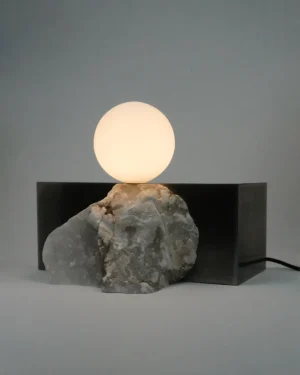 In stock
Himalaya Lunar Horizontal Table Lamp in Alabaster
By HEAKO
€3.200 -
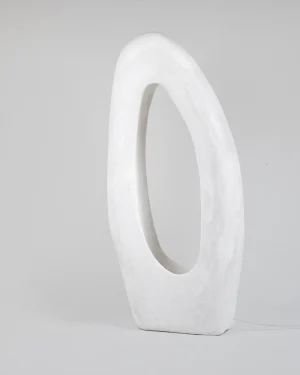
Lacuna Floor Lamp in Natural Stone
By Studio AOAO
€4.500 - €8.500 -
 In stock
Lira Table Lamp in Alabaster
By Mugen
€1.092 -
 In stock
Lucen Floor Lamp in Natural Stone
By Mugen
€6.778 -
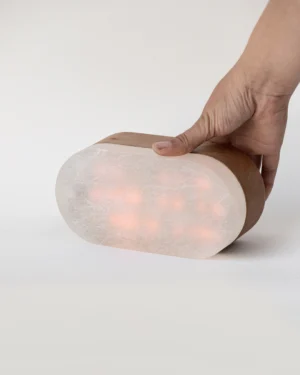 In stock
Cumulo Table Lamp in Alabaster and Oak Wood
By Valentine Maurice
€900 -
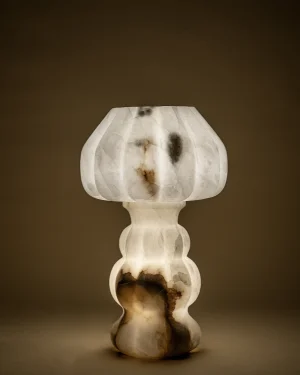 In stock
Noura Table Lamp in Alabaster
By Mugen
€3.455 -

Llar Table Lamp In Alabaster
By Luis Gimeno Design
€1.600 -
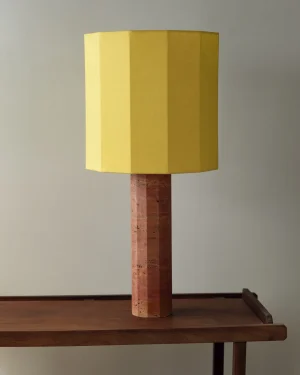
Roma Dodecagon Large Table Lamp In Red Travertine
By NASSI LAMPS
€1.721 -
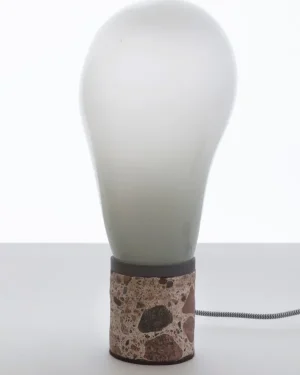 In stock
Faro Table Lamp in Concrete and Glass
By AaltoAalto Studio
€1.600 -
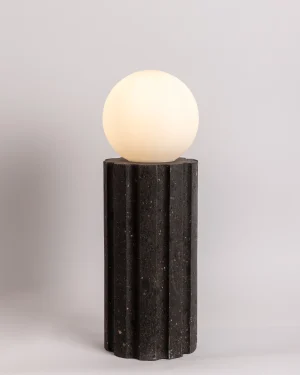
Cantera Table Lamp In Black Stone
By Daniel Orozco Estudio
€1.722 -

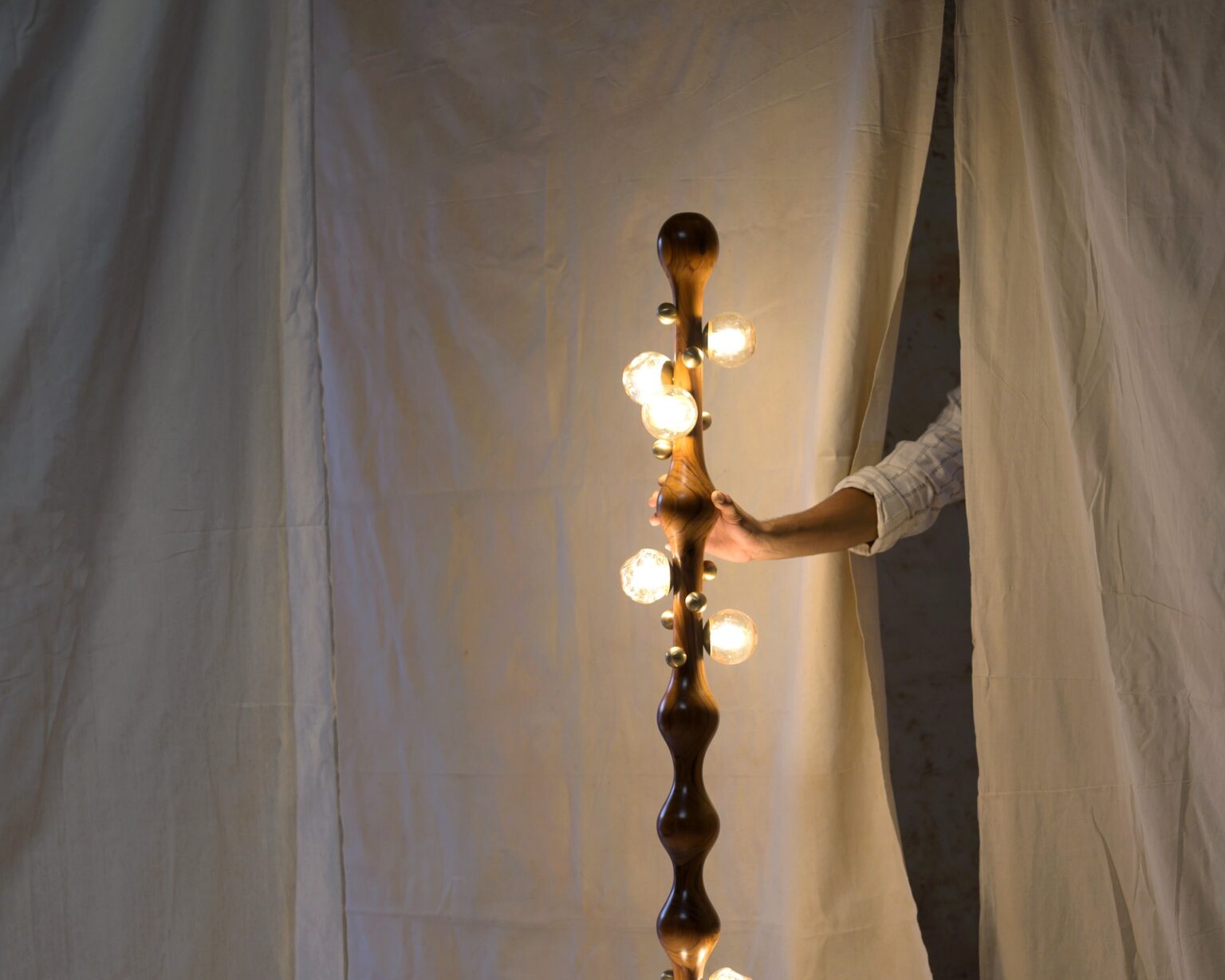
Uiara Floor Lamp In Travertine & Wood
By Estudio Leonardo Zanatta
€2.800 - €3.800 -
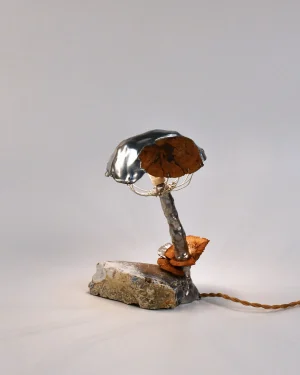 Sold
Mushroom Lamp No. 1 Table Lamp in Epoxy and Stone
By Jonghoo Jeong
Price Upon Request
Natural stone lighting groups lamps and fixtures cut, carved, and polished from quarried stone, made by studios working in marble, travertine, onyx, and other stone types rather than pressed from metal or glass alone. Each piece starts as a block, so the maker works with the veining and density already present in the stone instead of designing around a blank material. Metalwork or wiring is added afterward, but the stone itself carries the form and most of the weight.
What defines natural stone lighting
Stone lighting reads heavier and quieter than lighting in glass or resin. The surface stays cool to the touch even once a bulb warms it, and veining or fossil marks run through the base in patterns no cutting process can repeat exactly. Because the material is porous to varying degrees, color and markings can shift slightly from one block to the next, which is part of the appeal rather than a flaw.
Stone also sits still. A base cut from solid stone rarely tips, which matters in lighting more than in most furniture, given the cord and the bulb it has to support.
Finishes, techniques, and editions found here
Within the wider range, stone lighting varies by material, surface, and the way it is put together:
- Stone types: travertine, marble, and other quarried stone, often paired with brass, bronze, or steel fittings
- Finishes: honed or matte surfaces alongside polished and raw, split faces
- Techniques: stone carving for the body, metalwork or blacksmithing for fittings, and hand assembly to join the two
- Editions: unique pieces and limited editions are common, since no two blocks carve identically; open editions exist where a studio works from a repeatable template
Studios working mainly in metal instead of stone sit within metal lighting, for anyone drawn more to the fittings than to the stone body, and the fuller range of stone pieces, lamps included, can be found among every natural stone piece on ADORNO.
How to choose a stone lamp or fixture
Start with weight and scale. A table lamp cut from solid stone can run heavier than its glass or ceramic equivalent, so check it suits the surface it will sit on before placing it on a narrow shelf or an unsteady side table. A closer look at natural stone lamps shows how much the base alone can weigh compared with the shade or fitting above it.
Match the finish to the room's other surfaces. A honed, matte stone sits quietly next to raw wood and linen, while a polished finish picks up more reflected light and reads sharper against glass or steel. Consider also how the light behaves around the stone: some pieces glow faintly through thin, translucent sections, while others simply direct light from an exposed bulb or fitting above a solid base.
Where it fits in a room
Table and floor fixtures in stone suit living room lighting and entryways, where weight reads as a fixed point rather than something moved often. Smaller stone lamps also work on nightstands, where their mass keeps them steady within reach of a bed. For anyone furnishing a room around the material more broadly, the full range of fixtures sits inside all lighting on ADORNO, alongside other kinds of stone, metal, and wood pieces.
Caring for natural stone lighting
Dust stone lighting with a dry or barely damp cloth, since some finishes stain if left wet. Avoid acidic cleaners such as vinegar or citrus-based sprays on marble and travertine bases, since both react with the calcium in the stone and dull a polished surface over time. A honed or matte finish shows this kind of wear less than a glossy polish, worth weighing if the piece will sit near a kitchen counter or bar.
Keep stone pieces away from prolonged direct sun if their color variation is worth preserving, and check the bulb wattage recommended for the fixture, since stone holds heat rather than releasing it the way metal does.
How do I choose a natural stone light?
Start with the room and the base weight you can support, then let veining and finish guide you, since no two stone blocks read quite the same. Honed surfaces suit quieter rooms, polished stone catches more light.
How do you care for natural stone lighting?
Dust with a dry or barely damp cloth and avoid acidic cleaners, since stone is porous and can stain or etch. Keep polished surfaces away from standing liquids and oils.
What size and height should a stone lamp be?
Table lamps generally sit between 12 and 30 inches tall, floor lamps higher, but stone bases run heavier than glass or metal for the same height. Chat with the maker on the piece's page to confirm exact dimensions.
Which rooms suit natural stone lighting?
Living rooms and bedrooms carry the weight well, on consoles, side tables or the floor, since stone bases sit still and rarely tip. Bathrooms work too if the stone and fittings are sealed for moisture.
Does natural stone lighting come in limited editions?
Some pieces are one-offs or limited editions, shaped by the block of stone each maker starts with, while others are produced as open editions. Chat with the maker on the piece's page for specifics.
What about shipping, returns and authenticity at ADORNO?
Shipping is insured and worldwide, with a 14-day return policy except on made-to-order pieces. Every piece includes a certificate of authenticity, backed by ADORNO's lowest-price guarantee.