
-
 In stock
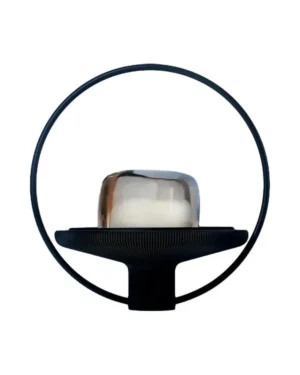
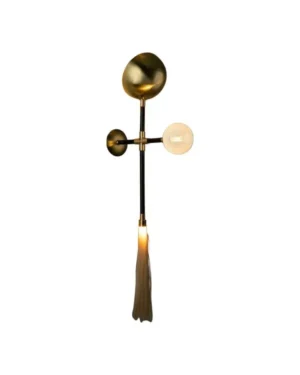
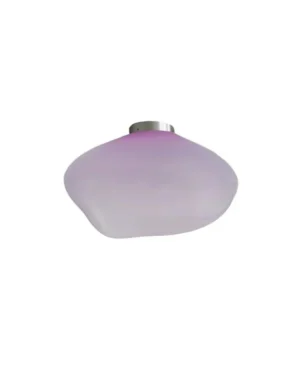
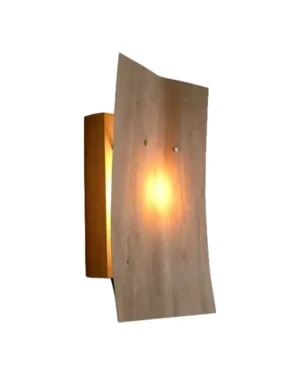
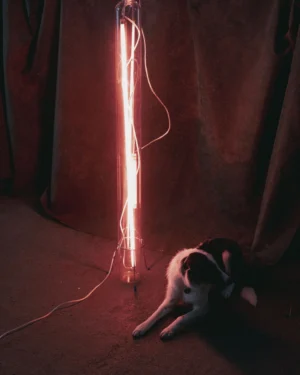
Äther Wall Lamp In Borosilicate Glass
By TUNK I Busra Tunc
€850 -
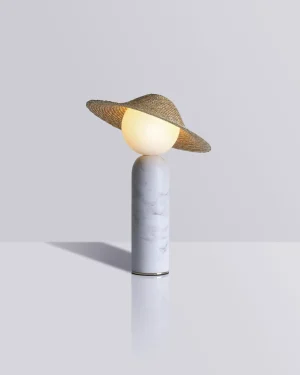 In stock
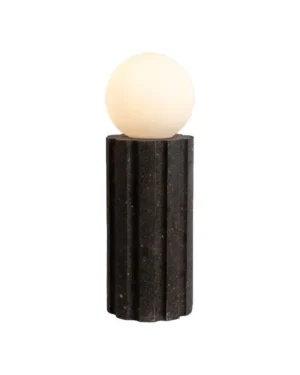
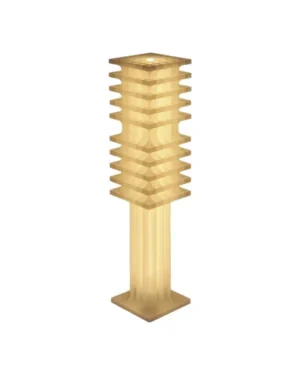
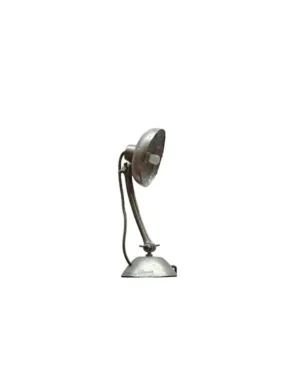
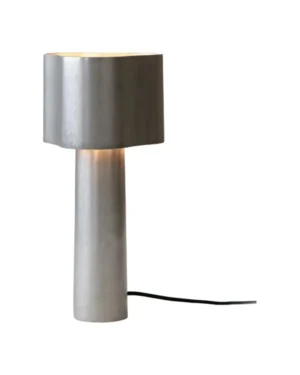
Théros 0.3 Table Lamp In Borosilicate Glass
By Studio Aristotelis Barakos
€1.100 -

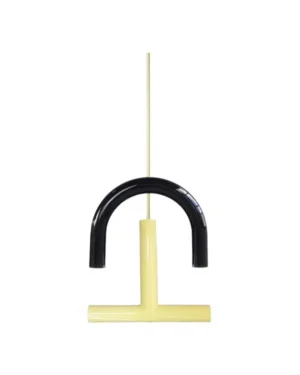
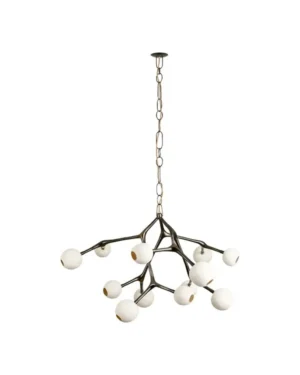
Marsha 02 Pendant Lamp in Blown Glass and Steel
By MESEME by Riya Panchal
€810 -
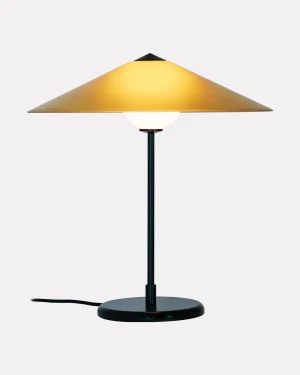
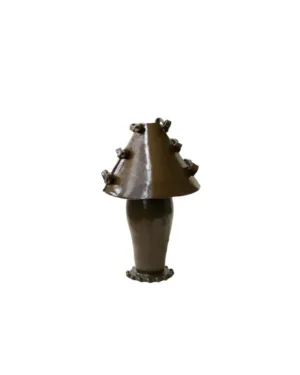
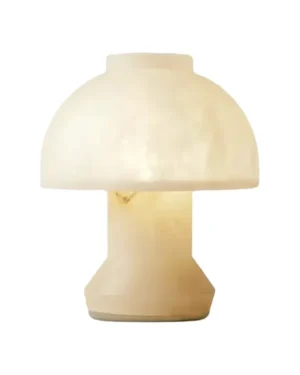
Marsha Table Lamp in Glass and Metal
By MESEME by Riya Panchal
€1.015 -
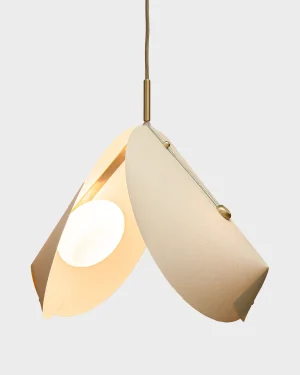 In stock
Concha Model 03 Pendant Lamp in Brass and Blown Glass
By MESEME by Riya Panchal
€434 -
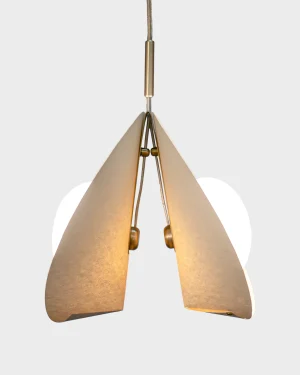 In stock
Concha Model 01 Pendant Lamp in Paper, Metals and Glass
By MESEME by Riya Panchal
€375 -

Marsha 01 Pendant Lamp in Glass and Steel
By MESEME by Riya Panchal
€839 -
 In stock
Root No. 3 Wall Sconce in Steel, Paper and Glass
By Natalie Dubrovska
€1.573 -
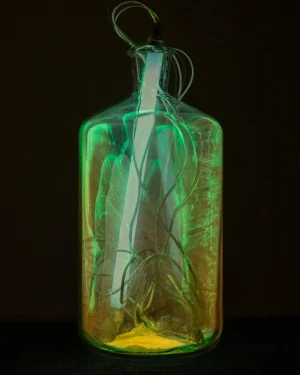 In stock
Äther Lucifer
By TUNK I Busra Tunc
€500 -
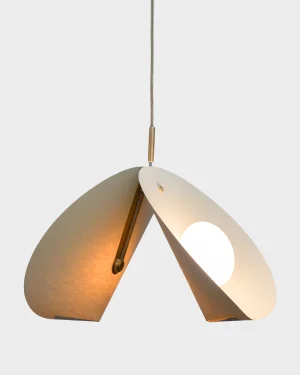
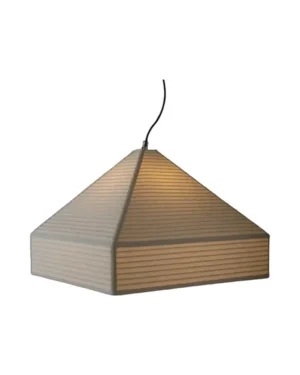
Concha Model 02 (Medium) Pendant Lamp in Paper and Brass
By MESEME by Riya Panchal
€434 -
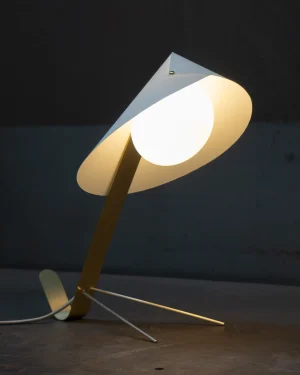
Mantis Table Lamp in Layered Paper and Brass
By MESEME by Riya Panchal
€405 -
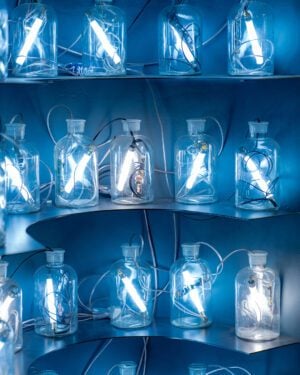 In stock
Äther 16
By TUNK I Busra Tunc
€2.200 -
Mantis Table Lamp in Layered Paper
By MESEME by Riya Panchal
€365 -
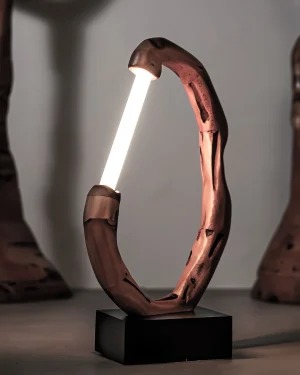
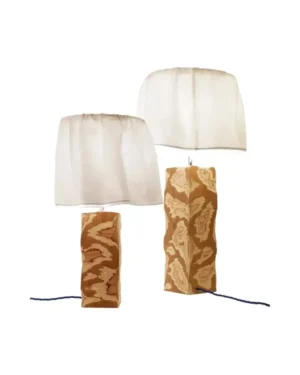
Cypress Table Lamp in Wood
By Studio Kloak
€2.000 -

Alma Table Lamp in Brass and Perspex
By MESEME by Riya Panchal
€1.215 -
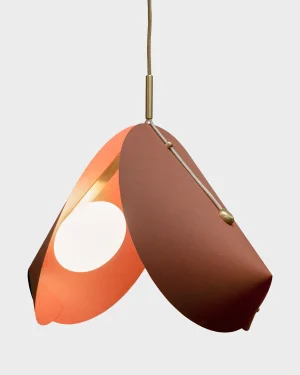
Concha Model 03 (Large) Pendant Lamp in Paper and Brass
By MESEME by Riya Panchal
€521 -
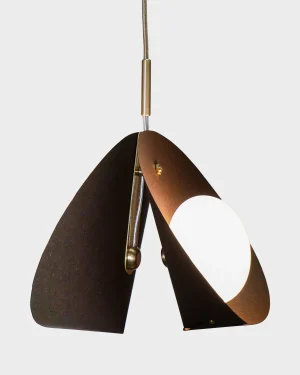
Concha Model 01 (Medium) Pendant Lamp in Paper and Brass
By MESEME by Riya Panchal
€434 -
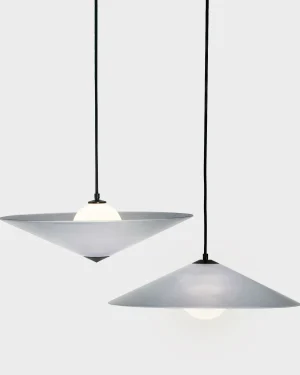
Marsha 01/02 Pendant Light Duo in Glass and Steel
By MESEME by Riya Panchal
€1.649 -
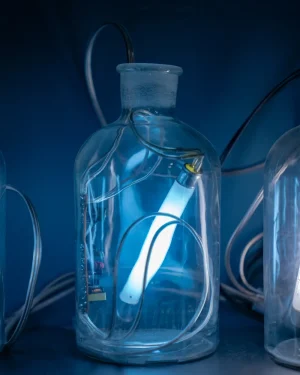 In stock
Äther Seul
By TUNK I Busra Tunc
€325 -
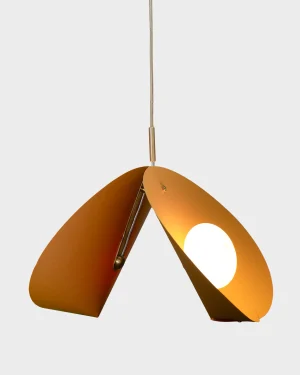
Concha Model 02 (Small) Pendant Lamp in Paper and Brass
By MESEME by Riya Panchal
€375 -
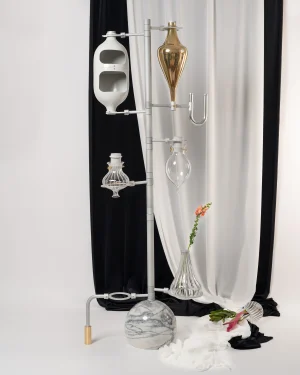 In stock
Emotional Lab Grey Floor Lamp In Marble And Aluminum
By Hania Jneid Design Studio
Price Upon Request -
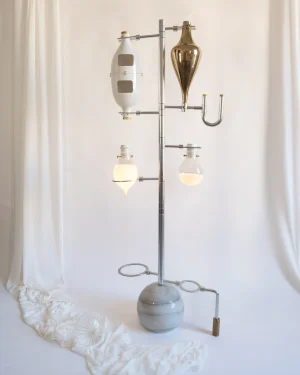 In stock
Emotional Lab White Floor Lamp In Stainless Steel And Glass
By Hania Jneid Design Studio
Price Upon Request -
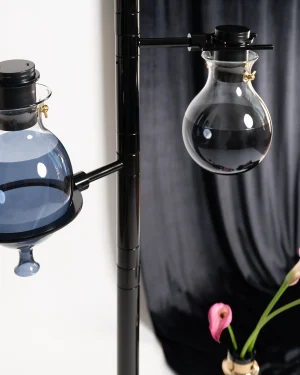 In stock
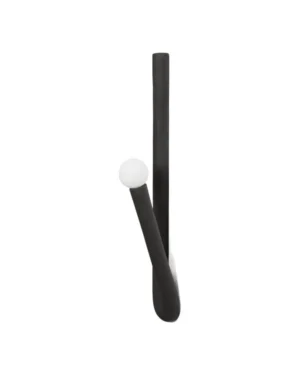
The Emotional Lab Light – Black
By Hania Jneid Design Studio
Price Upon Request
Borosilicate glass lighting is made from a glass formulated to shrug off rapid temperature swings, so it stays clear and stable even near a hot bulb or an open flame. Studios shape it mostly by glassblowing, working the molten glass into lamps, pendants and the occasional sculptural object rather than casting or pressing it. The result reads as precise and light-filled, closer to laboratory ware than to decorative crystal.
What sets borosilicate glass apart
Ordinary soda-lime glass expands and contracts quickly when heated, which is why it can crack under a hot filament or a sudden draft. Borosilicate glass resists that stress, holding its shape and clarity through heat cycles that would strain other glass. That stability is also why the material shows up often in heat lamps, oil lamps and pendants mounted close to warm light sources.
Because it is blown rather than molded, borosilicate glass lighting tends to carry the faint variation of hand work: a slightly uneven wall thickness, a seam where the glass was turned, small bubbles trapped in the melt. These are marks of the process, not flaws, and they catch light differently depending on the angle of view.
The range found in this material
Most borosilicate pieces on ADORNO stay close to clear glass, since clarity is the point of the material, but tinted runs do appear in amber, dark green and royal blue, along with black and gray glass for a heavier, more opaque look. Metal fittings in brass, steel or aluminum usually complete the piece, acting as base, cap or armature around the glass. Styles range from pared-back, contemporary forms to more eclectic or maximalist compositions where the glass becomes a sculptural centerpiece rather than a fixture.
Editions vary by studio and by piece. Some borosilicate glass lighting is produced in open runs, where the blown form is repeatable; other pieces come as limited editions or as unique, one-off objects where each blow produces a form that cannot be exactly repeated. None of this is fixed, since glassblowing by hand means output changes from one batch to the next.
Choosing a piece
Scale matters more with glass than with most lighting materials, since a blown form reads differently depending on how much empty space surrounds it. A small table lamp can sit close to a reading chair without competing for attention, while a larger pendant needs ceiling height and a clear sightline to carry its weight visually. Consider the finish of the metal fittings against existing hardware in the room, and check whether the glass is clear or tinted, since tinted glass changes the color and intensity of the light it casts.
- Table and floor lamps suit close, task-based lighting near seating or desks
- Pendants work best where ceiling height allows the form to hang free
- Wall-mounted pieces keep the glass fixed and protected in tighter spaces
- Sculptural, unlit forms function as objects rather than light sources
Where it works in the home
Borosilicate glass lighting suits living rooms and bedrooms where its clarity and the shadows it casts can be appreciated at close range, and it reads equally well in a living room setting or beside a bed as task lighting. Kitchens and bathrooms benefit from its resistance to heat and humidity, provided fittings are rated for damp conditions. Because the glass is transparent, it tends to add light without adding visual bulk, which makes it useful in smaller rooms.
Caring for borosilicate glass
Clean the glass with a soft cloth and a mild glass cleaner, avoiding abrasive pads that can dull its surface over time. Let hot glass cool before handling or cleaning it, since thermal shock from cold water on hot glass can still cause cracking despite the material's resistance. Dust metal fittings separately according to their finish, whether brass, steel or aluminum, to avoid tarnishing or scratching.
For the full range of lighting on ADORNO, see all lighting, or look specifically at every borosilicate glass piece across categories. Pieces that pair glass with metal fittings appear within metal lighting, while pared-back forms sit within contemporary lighting. Table and floor versions of this material are gathered under borosilicate glass lamps.
How do I choose a borosilicate glass light?
Start with how close the fixture sits to the bulb or flame, since this glass holds its clarity under that heat. From there, pick clear glass for an open feel or a tinted finish for a heavier look.
Is borosilicate glass lighting hard to care for?
No. Wipe it with a soft, dry cloth, and avoid abrasive cleaners that can dull the surface. Let the glass cool before cleaning if it sits near a hot bulb.
Will borosilicate glass crack from heat?
It resists cracking far better than ordinary glass, since it is formulated to handle rapid temperature swings near a hot filament or flame. That stability is why it suits lamps and pendants mounted close to warm light sources.
What size or height should I choose for a pendant?
Sizes vary by piece, so check the listing for exact dimensions and hanging height. The maker can confirm fit for a specific room using Chat with the maker on the piece's page.
Which rooms suit borosilicate glass lighting?
Its clarity and heat resistance work well over dining tables, near reading chairs or anywhere a bulb sits close to the glass. Tinted or opaque versions also hold their own as living room or bedroom accents.
How does buying lighting through ADORNO work?
Shipping is insured and worldwide, with a 14-day return policy excluding made-to-order pieces. Every piece comes with a certificate of authenticity, backed by a lowest-price guarantee.