

















-
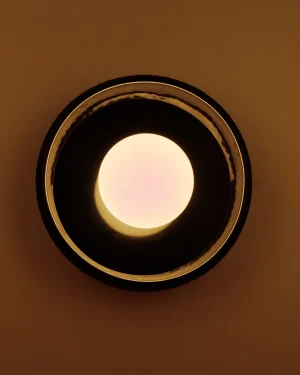
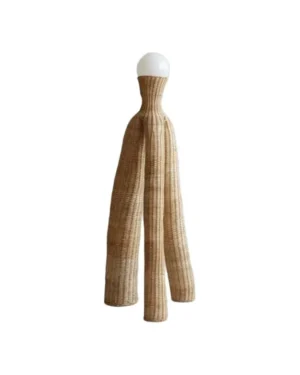
Macrame Wall Sconce in Ceramic
By Saadia Design
€332 -
 In stock
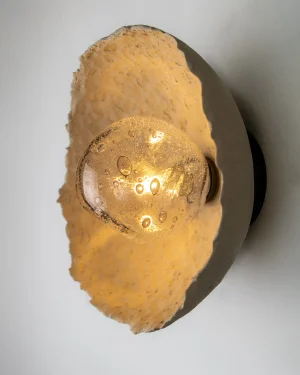
Asea No. 23 Wall Sconce in Stoneware and Blown Glass
By Ceren Gürkan
€800 -
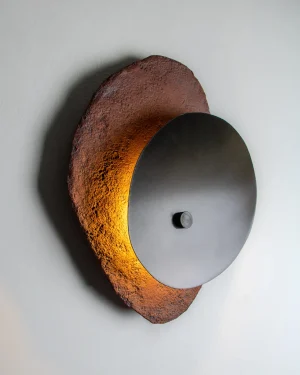
Asea No.1 Cherry Wall Sconce in Stoneware and Metal
By Ceren Gürkan
€1.000 -
 In stock
L’Été Ceramic Wall Light
By Katia Langeard
€350 This product has multiple variants. The options may be chosen on the product page -
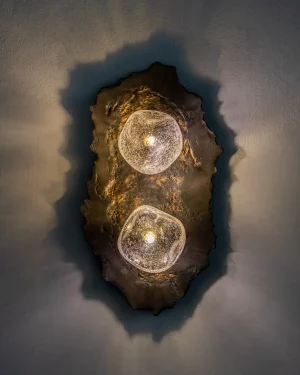
Asea No. 25 Wall Sconce in Blown Glass and Stoneware
By Ceren Gürkan
€1.100 -
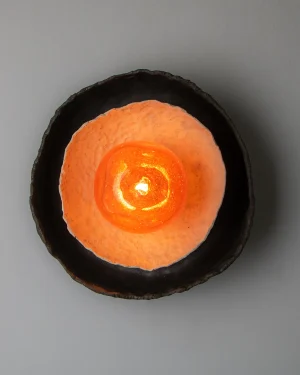
Asea No. 26 Red Wall Sconce in Blown Glass and Stoneware
By Ceren Gürkan
€1.100 -
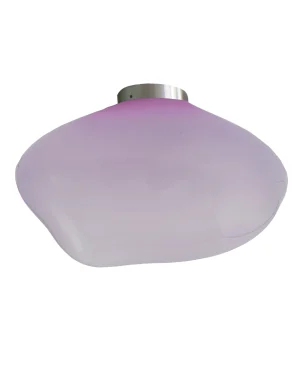
Haumea Convex Ceiling Lamp (Flieder Opaque) in Blown Glass
By ELOA - Unique Lights
€2.330 - €4.085 This product has multiple variants. The options may be chosen on the product page -
 In stock
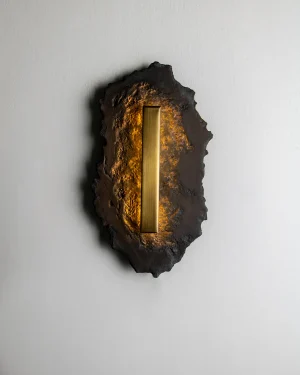
Asea No. 16 Wall Sconce in Stoneware and Brass
By Ceren Gürkan
€900 -
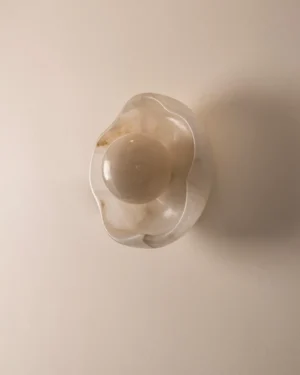
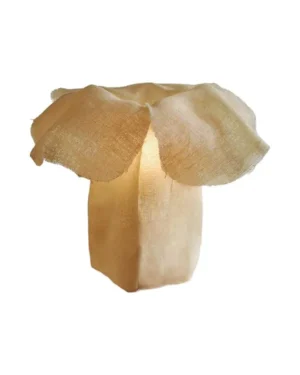
Flower Wall Sconce In Alabaster
By Harshita Jhamtani Designs
€688 -
 In stock
Nova Wall Sconce in Blown Glass and Steel
By Ceren Gürkan
€700 -
 In stock
Nova Blue Wall Sconce in Blown Glass and Steel
By Ceren Gürkan
€700 -
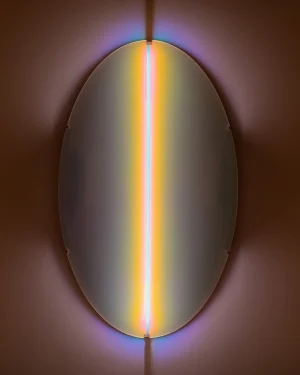
Aurora Gloss Wall Sconce in Acrylic and Aluminum
By Catrinel Sabaciag
€1.341 -
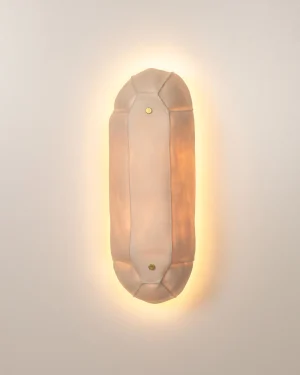
Kawa Series 01 Wall Sconce in Porcelain and Brass
By Luft Tanaka Studio
€1.600 -
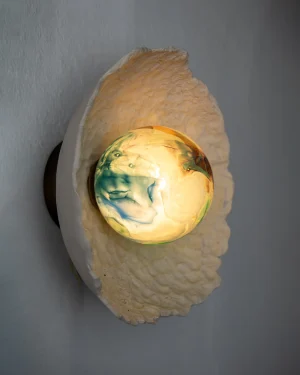 In stock
Asea No. 17 Wall Sconce in Stoneware and Blown Glass
By Ceren Gürkan
€900 -
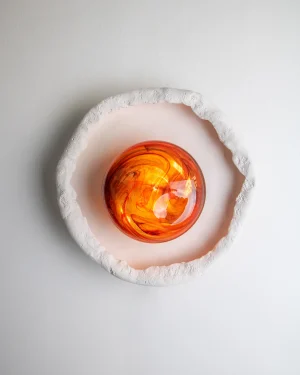 In stock
Asea No. 35 Wall Sconce in Porcelain and Blown Glass
By Ceren Gürkan
€1.200 -
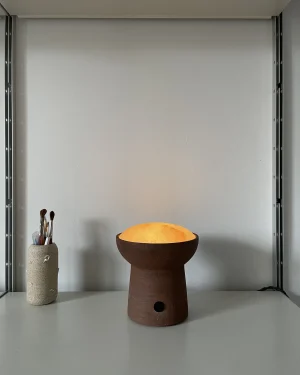 In stock
Stoneware Salt Lamp
By Isabella Artale
€600 -
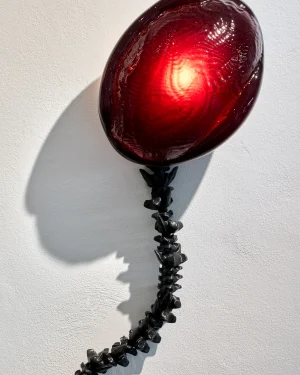 In stock
Dysplasio Wall Sconce in Blown Glass
By Anna Jožová
€2.000 - €3.300 This product has multiple variants. The options may be chosen on the product page -
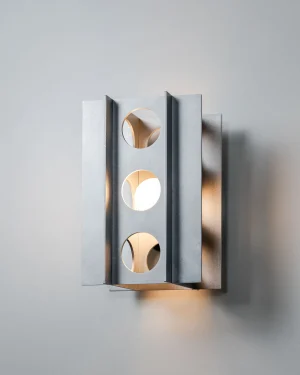
Tenfold 3T Satin Wall Sconce in Steel and Aluminum
By Luft Tanaka Studio
€865 -
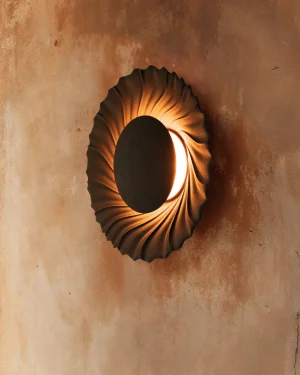 In stock
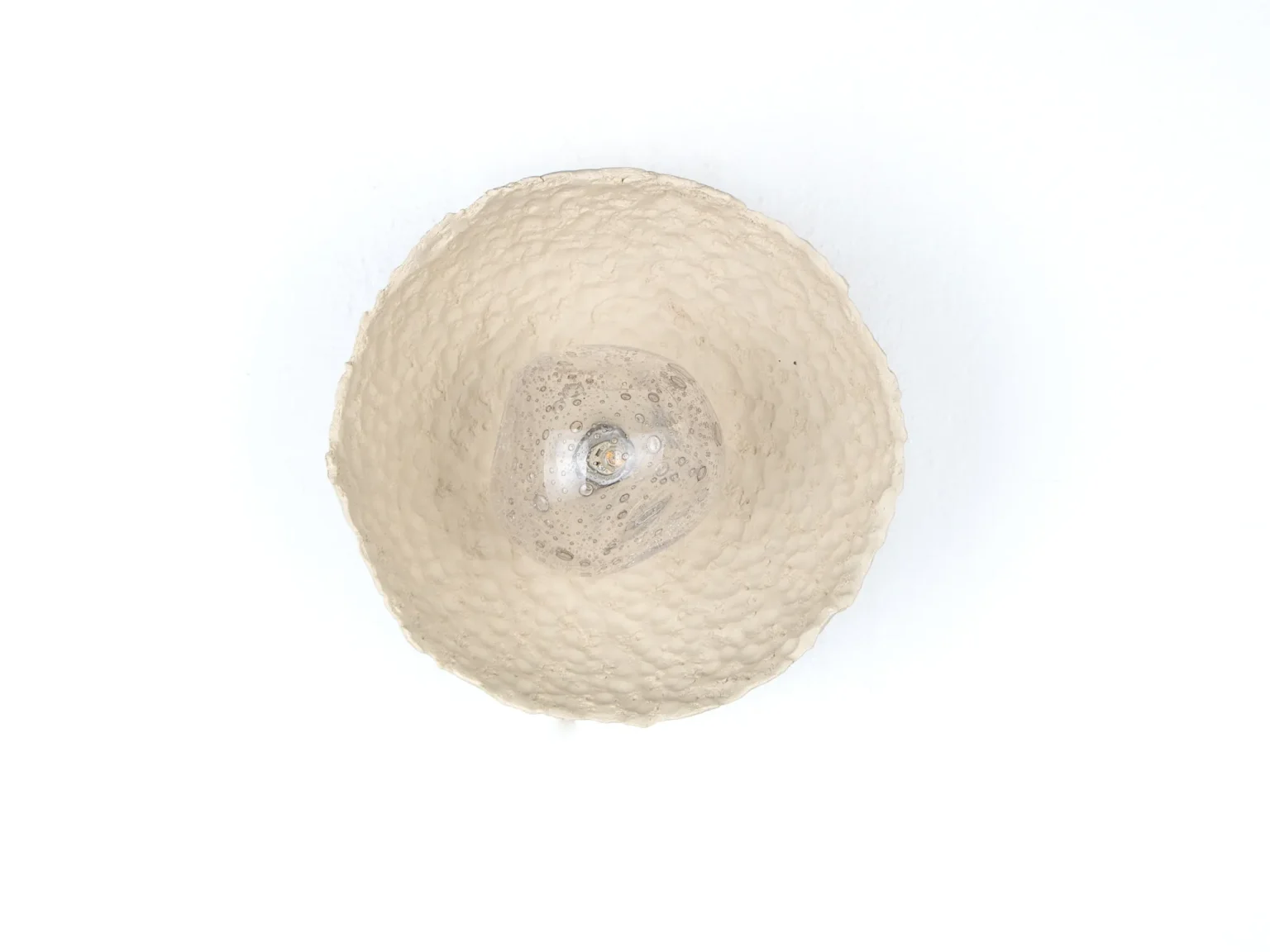
Sun Vxs 01 — Organic Sand Wall Light By Rollo Studio
By Rollo Studio
€880 -
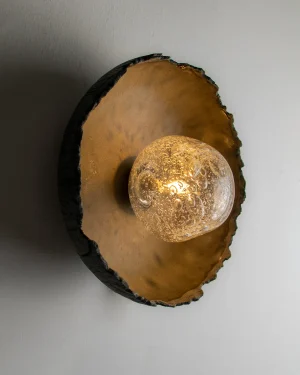
Asea No. 12 Moss Wall Sconce in Stoneware and Blown Glass
By Ceren Gürkan
€800 -
 In stock
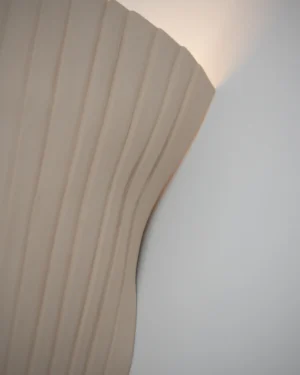
Tenderness Sconce | Large
By Studio Ēeme
€1.300 This product has multiple variants. The options may be chosen on the product page -
 In stock
Asea No. 35 Wall Sconce in Stoneware and Blown Glass
By Ceren Gürkan
€1.200 -
 In stock
Pearl Wall Sconce in Clay
By Dzovag Kotchian
€1.200 -
 In stock
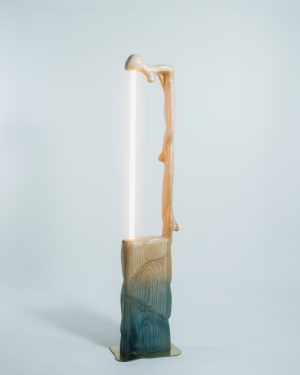
Blueprint Floor Lamp in Ash Wood
By Studio Kloak
€2.500 -
 In stock
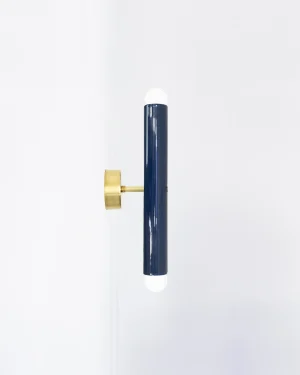
Asea No. 27 Blue Wall Sconce in Stoneware and Blown Glass
By Ceren Gürkan
€1.000 -
 In stock
Asea No. 26 Pink Wall Sconce in Stoneware and Blown Glass
By Ceren Gürkan
€1.000 -
 In stock
Trn Wall Sconce in Glazed Ceramic
By Pani Jurek STUDIO
€470 This product has multiple variants. The options may be chosen on the product page -
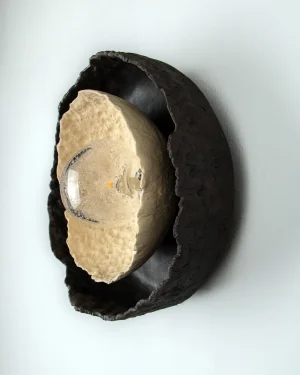 In stock
Asea No. 25 Wall Sconce in Porcelain and Blown Glass
By Ceren Gürkan
€1.100 -
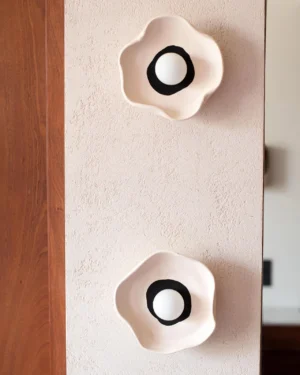
Flower Wall Sconce In Stoneware
By Harshita Jhamtani Designs
€348 -
 In stock
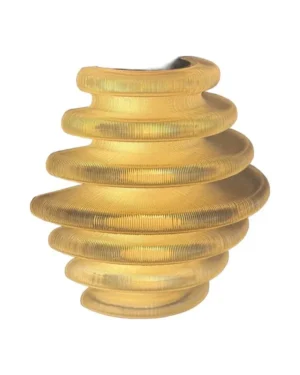
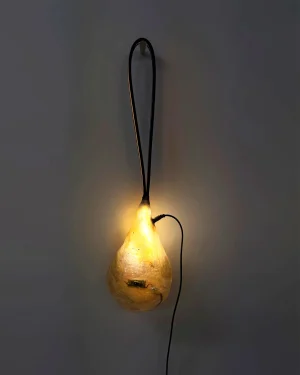
The Hive Wall Lamp in Bioplastic
By Sabrina Merayo Nuñez
€750 -
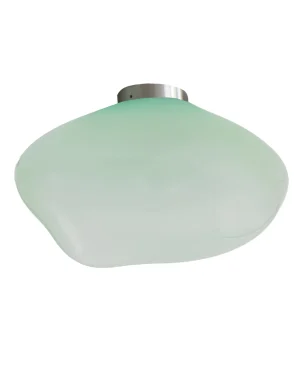
Haumea Convex Ceiling Lamp (Salbei Opaque) in Blown Glass
By ELOA - Unique Lights
€2.330 - €4.085 This product has multiple variants. The options may be chosen on the product page -

Desire Sluhach Pendant Lamp in Muslin and Metal
By FAINA
€1.950 -
 In stock
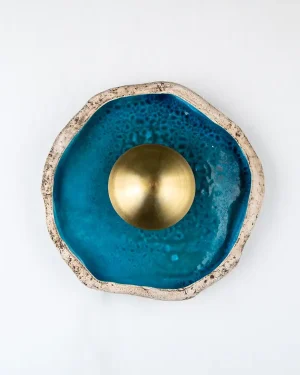
Asea No. 18 Blue Wall Sconce in Porcelain and Brass
By Ceren Gürkan
€600 -
 In stock
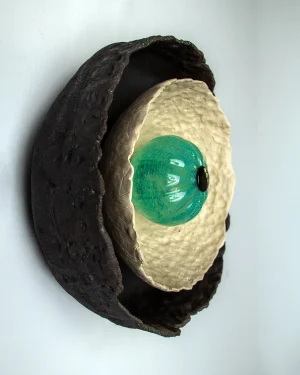
Asea No. 26 Eye Wall Sconce in Porcelain and Blown Glass
By Ceren Gürkan
€1.100 -
 In stock
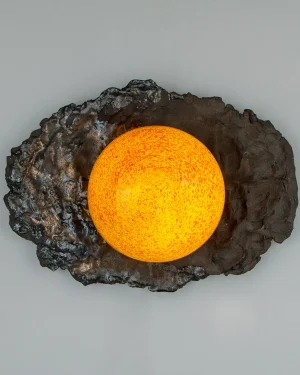
Asea No. 28 Wall Sconce in Stoneware and Blown Glass
By Ceren Gürkan
€1.200 -
 In stock
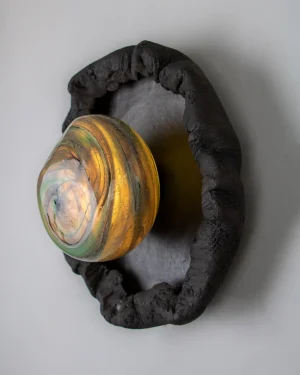
Asea No. 27 Wall Sconce in Stoneware and Blown Glass
By Ceren Gürkan
€1.000 -
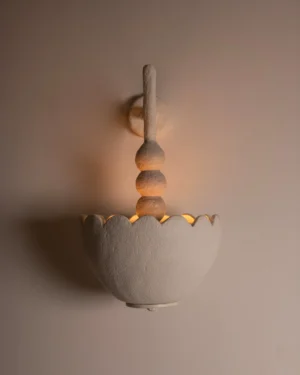
Scallop Wall Sconce in Stoneware and Clay
By Harshita Jhamtani Designs
€1.058 -
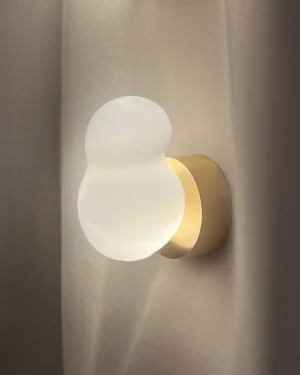
Vv Applique Wall Sconce in Brass and Blown Glass
By Clara Viladecans
€451 This product has multiple variants. The options may be chosen on the product page -
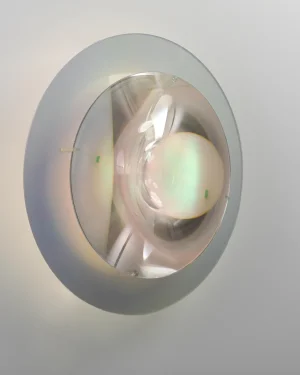
Noosphere Wall Sconce in Aluminum and Acrylic Glass
By Catrinel Sabaciag
€1.072 - €1.112 This product has multiple variants. The options may be chosen on the product page -
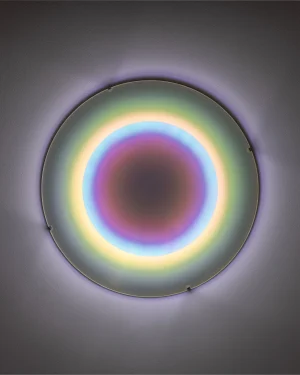
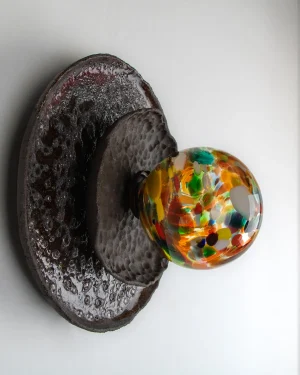
Event Horizon S : Eclipse Gradient Acrylic Glass Lamp
By Catrinel Sabaciag
€981 -
 In stock
Asea No. 34 Wall Sconce in Stoneware and Blown Glass
By Ceren Gürkan
€1.000 -
 In stock
Asea No. 14 Wall Sconce in Stoneware and Metal
By Ceren Gürkan
€900 -
 In stock
Asea No. 35 Moss Wall Sconce in Stoneware and Blown Glass
By Ceren Gürkan
€1.200 -
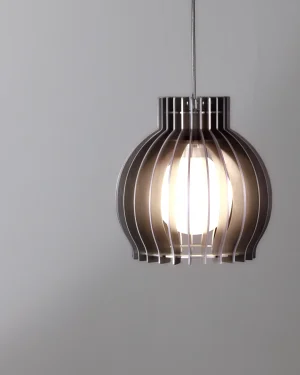
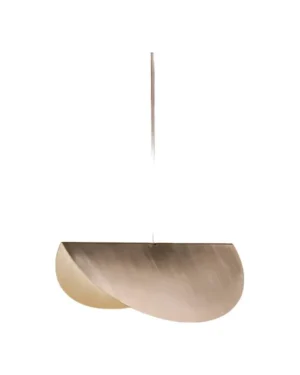
Flower Drop – Metal Pendant Lamp
By Jochen Lavéno Mangelsdorff Studio & Objects
€756 -
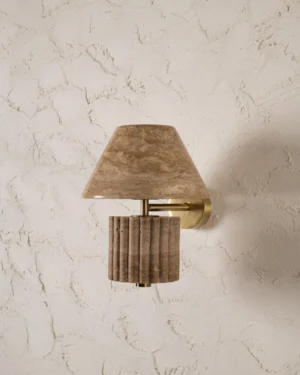
Rio Wall Lamp In Beige Travertine And Brass
By Harshita Jhamtani Designs
€1.023 -
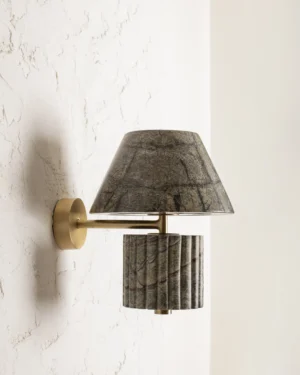
Rio Wall Lamp In Rainforest Marble And Brass
By Harshita Jhamtani Designs
€1.023 -
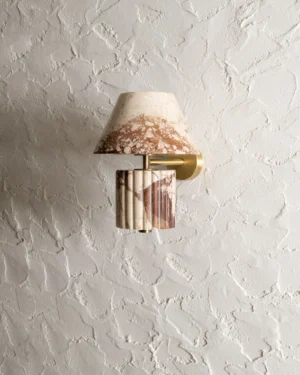
Rio Wall Lamp In Pizzato Marble And Brass
By Harshita Jhamtani Designs
€1.166 -
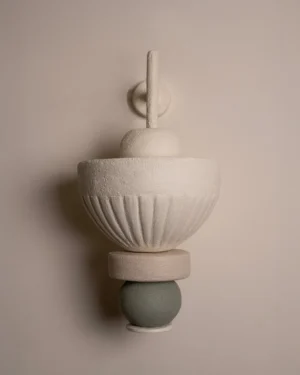
Pebble Wall Sconce in Stoneware and Clay
By Harshita Jhamtani Designs
€1.058 -
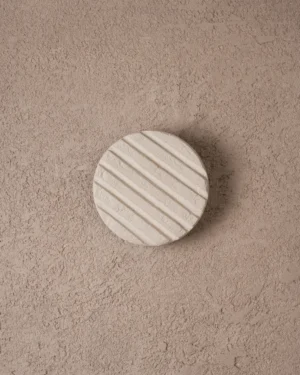
Wilo Fluted Egg White Wall Sconce in Clay and Aluminum
By Harshita Jhamtani Designs
€227 -
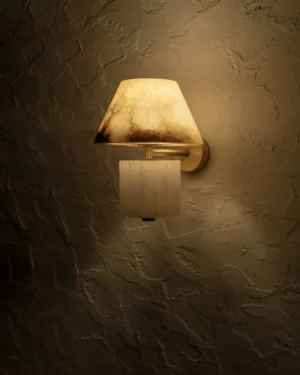
Rio Wall Lamp In Alabaster And Brass
By Harshita Jhamtani Designs
€1.023 -
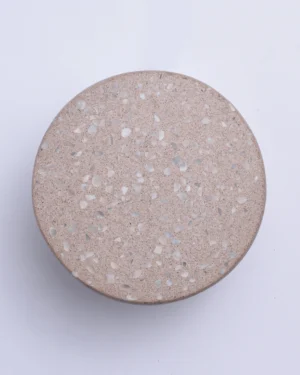
Wilo Nude Wall Sconce in Terrazzo, Aluminum and Silicone
By Harshita Jhamtani Designs
€214 -
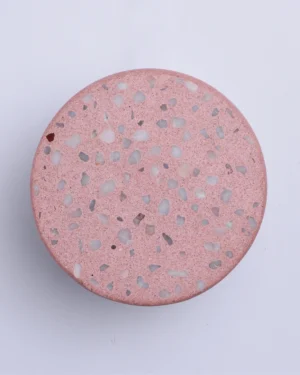
Wilo Blush Wall Sconce in Terrazzo, Aluminum and Silicone
By Harshita Jhamtani Designs
€214 -
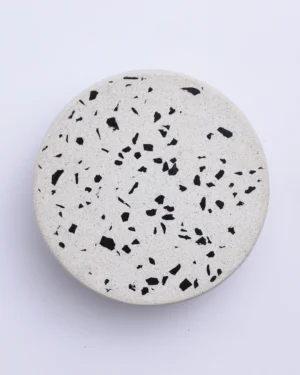
Wilo Mono Wall Sconce in Terrazzo, Aluminum and Silicone
By Harshita Jhamtani Designs
€214 -
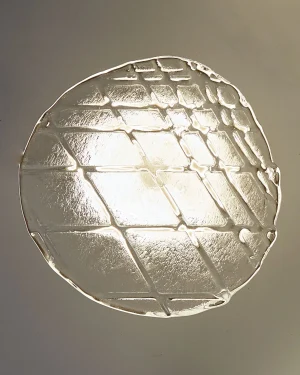
Hot Casted Rhombus Wall Sconce in Brass and Glass
By Pablo Ejarque-González
Price Upon Request
Bathroom lighting on ADORNO comes from studios working in brass, stainless steel, aluminum, stoneware, marble and blown glass, materials chosen because they tolerate steam and splash without dulling or corroding. Some pieces are hand-thrown or hand-blown, others are cast, carved or metalworked, so the finish and the weight of a fixture vary even within a single material. What they share is a resistance to damp air and a restraint in scale that suits a room people use quickly, at close range, usually in front of a mirror.
What a bathroom asks of a light fixture
A bathroom is a small, humid, reflective room, and a fixture has to survive that before it can look good in it. Brass and stainless steel resist corrosion and take a damp cloth without spotting, which is why metalworked sconces and strip fixtures turn up so often near sinks and mirrors. Glazed stoneware and blown glass are sealed against moisture by their own surface, so they hold up equally well, while raw or unsealed stone needs more care in a wet setting.
The materials and techniques found here
The range runs from hand-built stoneware shades with a matte or glazed surface, through cast and folded brass and aluminum, to stone-carved marble bases and glass shaped by casting or glassblowing. Finishes lean toward white, off-white, beige and sage, with black-and-white and pink showing up where a studio wants more contrast against tile or plaster. Styles span minimalist and contemporary fixtures with plain geometry, wabi-sabi pieces that keep a visible hand in the surface, and occasional art deco or mid-century modern references in the metalwork.
- Materials: stoneware, brass, aluminum, clay, silicone, marble, stainless steel, blown glass
- Techniques: hand-building, metalwork, stone carving, glassblowing, glass casting, wood carving, glazing
- Editions: open editions for everyday use, limited editions for a smaller run
Most pieces are produced as open editions, made to a standing design so a replacement is easy to find later. A smaller number are limited editions, where the run is capped and the piece carries more weight as an object in its own right.
Choosing a fixture for scale and placement
Start with where the light needs to fall: a wall sconce either side of a mirror gives even light across the face, while a single fixture mounted above tends to cast shadows under the brow and chin. Keep the scale modest against the wall or ceiling it sits on, since bathrooms read small and a fixture that would suit a hallway can crowd a mirror or a vanity. Match the metal or glaze to the room's other hardware, taps, mirror frame, or any bathroom accessories already in place, so the finishes sit together rather than compete.
Placing it alongside the rest of the room
A bathroom rarely needs more than two or three light sources: one at the mirror, one general, and sometimes a lower accent near a tub or shower recess. The same studios making these fixtures often work across bathroom lamps and bathroom wall lamps, so a pairing in the same material or finish is usually possible within one room. For a broader look at the metalwork and glazed pieces that hold up well in damp rooms, the full lighting range and the bathroom pieces across other categories are worth setting side by side.
Keeping the finish
Brass left unlacquered will darken and spot with humidity over time, which some owners prefer as a sign of age and others choose to polish back. Stainless steel and sealed stoneware need only a wipe with a damp cloth. Marble bases should be dried after splashes, since standing water and acidic cleaners can mark the stone's surface permanently.
How do I choose bathroom lighting?
Favor fixtures rated for damp spaces, then layer light at different heights rather than relying on one overhead source. Metal, glass and stoneware fixtures all suit bathrooms, provided finishes resist moisture and condensation.
What materials are used in bathroom lighting and how do I care for them?
Brass, aluminum and stainless steel resist moisture well and wipe clean easily. Glass and stoneware shades need gentle dusting, while unsealed metals may develop a patina over time with exposure to humidity.
What size and height should bathroom lighting be?
Height depends on placement: sconces beside a mirror typically sit at eye level, while ceiling fixtures need enough clearance to avoid shadows on the face. The maker can confirm exact dimensions on the piece's page.
Can bathroom lighting be used in other rooms too?
Many fixtures made for bathrooms, especially sealed or damp-rated ones, work equally well in kitchens, hallways or living rooms. Material and finish matter more than the room label.
Does ADORNO offer custom bathroom lighting orders?
Some studios take made-to-order or custom requests. Chat with the maker on the piece's page to ask directly.
What is ADORNO's shipping and return policy for bathroom lighting?
Shipping is insured and worldwide, with a 14-day return policy, though made-to-order pieces are excluded. Each piece ships with a certificate of authenticity, and ADORNO offers a lowest-price guarantee.