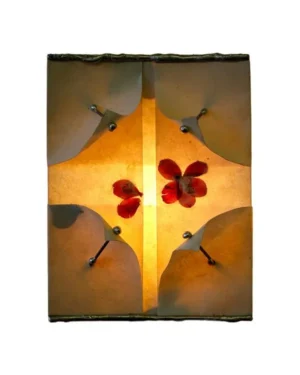
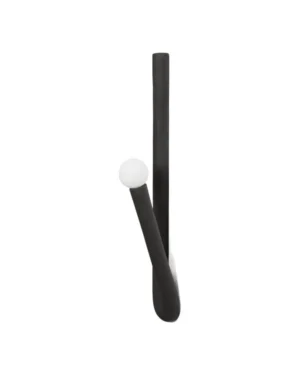
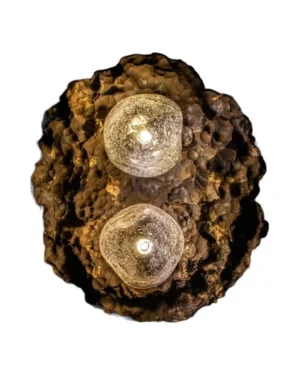
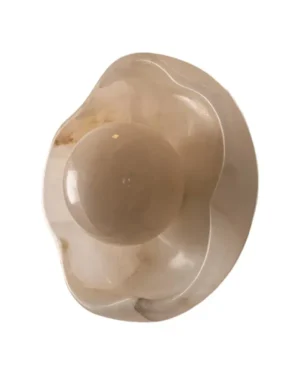
-
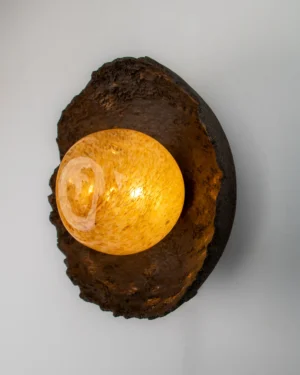 In stock
Asea No. 23 Dark Honey Wall Sconce in Stoneware and Glass
By Ceren Gürkan
€800 -
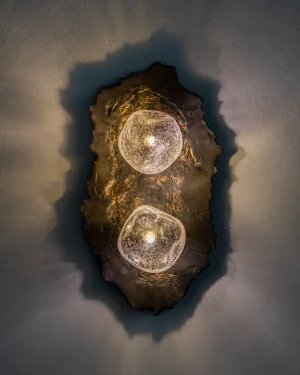 In stock
Asea No. 25 Wall Sconce In Blown Glass And Stoneware
By Ceren Gürkan
€1.100 -
Black Friday −15%
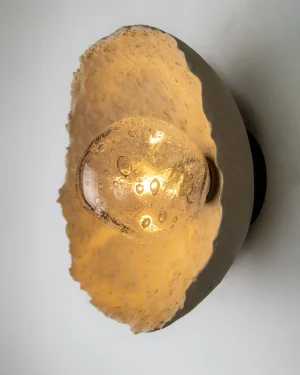
Asea No. 23 Wall Sconce In Stoneware And Blown Glass
By Ceren Gürkan
€800 15% applied at checkout -
 In stock
Coral Wall Lamp – Clay Sconce
By Dzovag Kotchian
€900 -
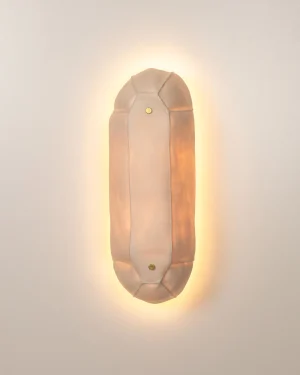
Kawa Series 01 Wall Sconce in Porcelain and Brass
By Luft Tanaka Studio
€1.600 -
 In stock
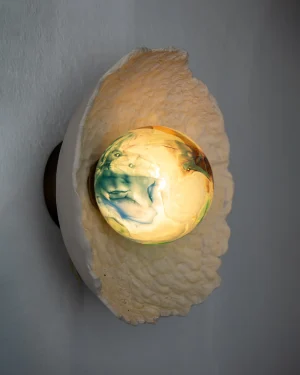
Asea No.16 Wall Sconce In Stoneware And Blown Glass
By Ceren Gürkan
€900 -
 In stock
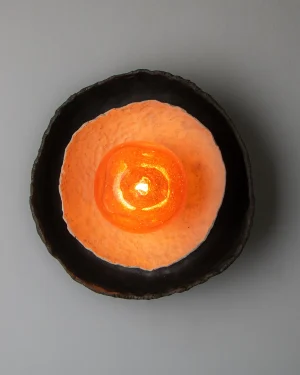
Asea No. 26 Red Wall Sconce In Blown Glass And Stoneware
By Ceren Gürkan
€1.100 -
Black Friday −9%

Orb Wall Sconce In Stainless Steel
By T44 design studio
€148 9% applied at checkout -
Black Friday −10%
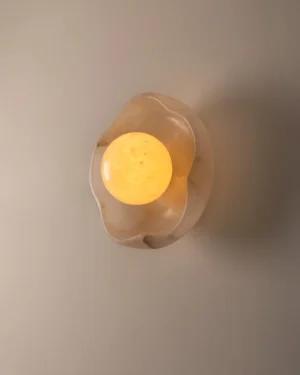
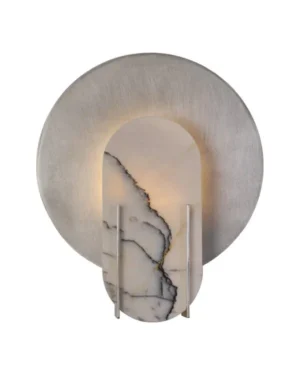
Flower Wall Sconce In Alabaster
By Harshita Jhamtani Designs
€700 10% applied at checkout -
10% off

Versa Wall Sconce In Stainless Steel
By T44 design studio
€215€194 -
10% off

Obli Wall Sconce In Stainless Steel
By T44 design studio
€148€134 -

Motion — Sculptural Wall Light In Ceramics
By Katia Langeard
€700 -
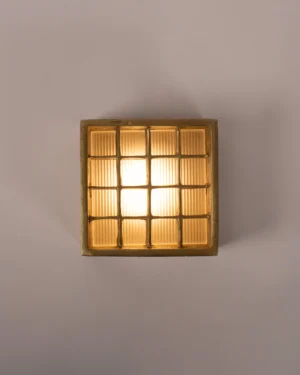
Oasis Mirage Wall Light In Cast Aluminum And Fluted Glass
By Harshita Jhamtani Designs
€620 -
 In stock
Nova Wall Sconce In Blown Glass And Steel
By Ceren Gürkan
€700 -
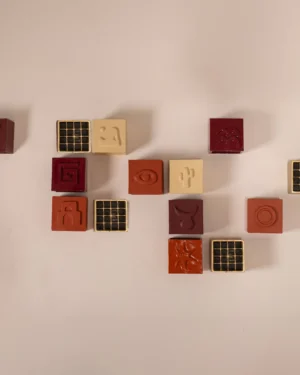
Oasis Wall Light In Hand-sculpted Stoneware
By Harshita Jhamtani Designs
€410 -
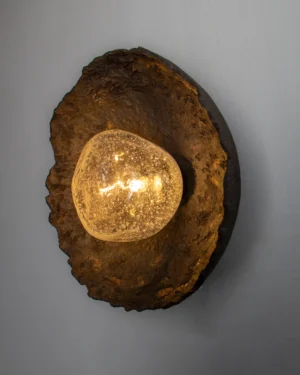 In stock
Asea No. 23 Dark Wall Sconce in Stoneware and Blown Glass
By Ceren Gürkan
€800 -
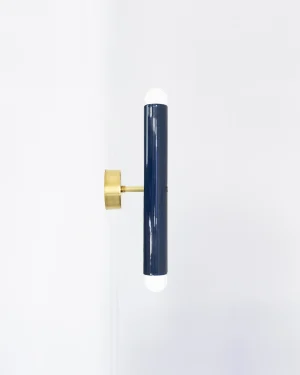 In stock
Trn Wall Sconce In Glazed Ceramic
By Pani Jurek STUDIO
€470 -
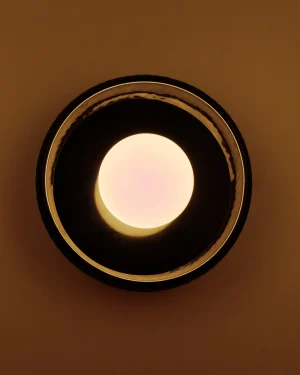
Macrame Wall Sconce in Ceramic
By Saadia Design
€332 -
10% off
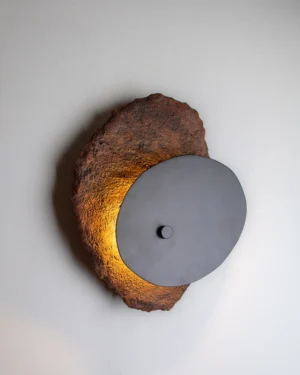
Asea No. 1 Cherry Dark Wall Sconce in Stoneware and Metal
By Ceren Gürkan
€1.000€900 -
 In stock
Asea No. 26 Pink Wall Sconce In Stoneware And Blown Glass
By Ceren Gürkan
€1.000 -
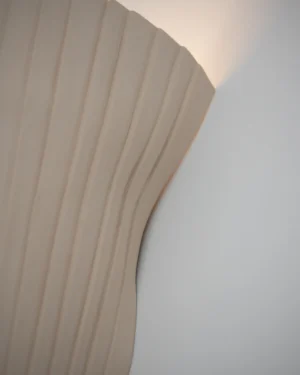 In stock
Tenderness Sconce | Large
By Studio Ēeme
€1.300 -

My Stone Flower Ceramic Wall Light
By Katia Langeard
€380 -
10% off
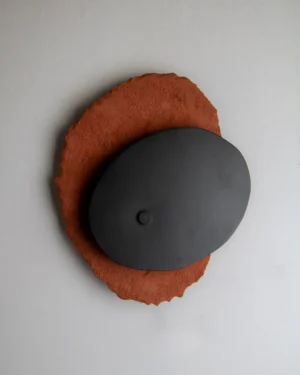
Asea No.1 Cherry Wall Sconce In Stoneware And Metal
By Ceren Gürkan
€1.000€900 -
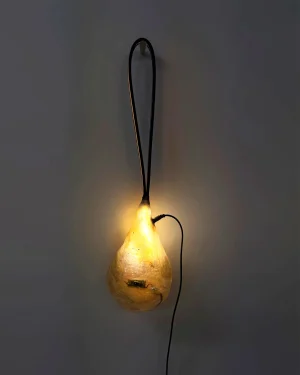 In stock
The Hive Wall Lamp in Bioplastic
By Sabrina Merayo Nuñez
€750 -
 In stock
Nova Blue Wall Sconce In Blown Glass And Steel
By Ceren Gürkan
€700 -
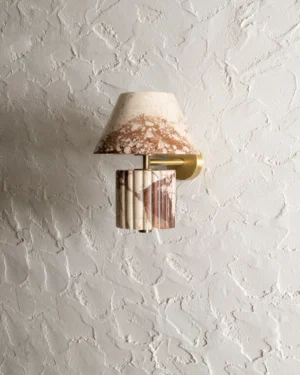
Rio Wall Lamp In Pizzato Marble And Brass
By Harshita Jhamtani Designs
€1.290 -
 In stock
Pearl Wall Lamp – Clay Sconce
By Dzovag Kotchian
€1.200 -
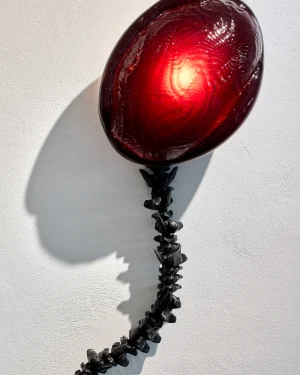 In stock
Dysplasio Wall Sconce in Blown Glass
By Anna Jožová
€2.000 - €3.300 -
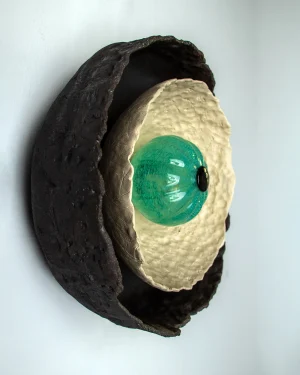 In stock
Asea No. 26 Eye Wall Sconce In Porcelain And Blown Glass
By Ceren Gürkan
€1.100 -
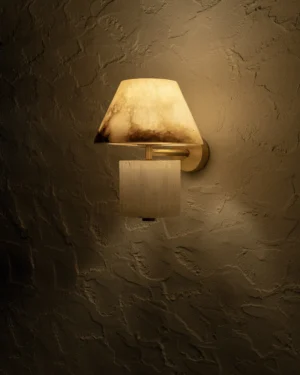
Rio Wall Lamp In Alabaster And Brass
By Harshita Jhamtani Designs
€1.150 -
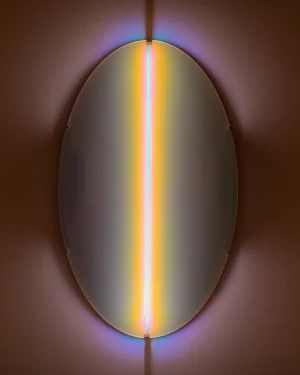
Aurora Gloss Wall Sconce in Acrylic and Aluminum
By Catrinel Sabaciag
€1.341 -
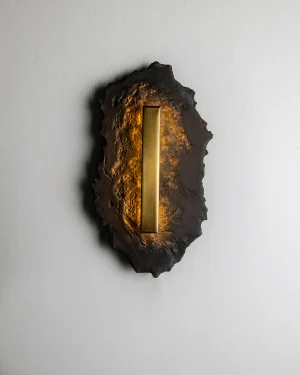 In stock
Asea No. 3l Wall Sconce In Stoneware And Brass
By Ceren Gürkan
€900 -
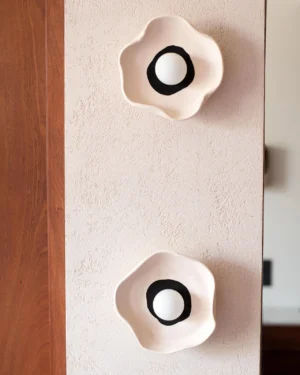
Flower Wall Sconce In Stoneware
By Harshita Jhamtani Designs
€360 -
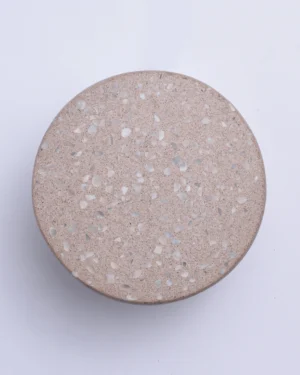
Wilo Nude Wall Sconce In Terrazzo, Aluminum And Silicone
By Harshita Jhamtani Designs
€220 -
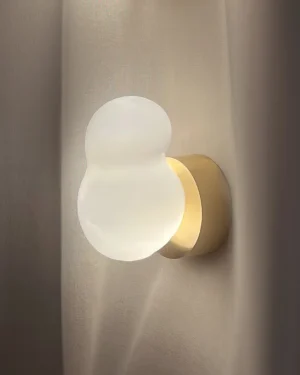
Vv Applique Wall Sconce in Brass and Blown Glass
By Clara Viladecans
€451 -
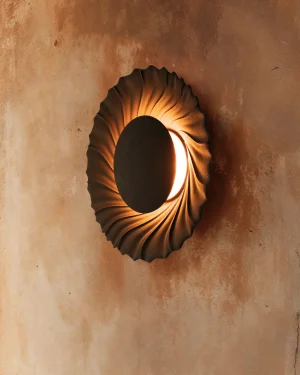 In stock
Sun Vxs 01 — Organic Sand Wall Light By Rollo Studio
By Rollo Studio
€880 -
 In stock
Asea No. 35 Moss Wall Sconce In Stoneware And Blown Glass
By Ceren Gürkan
€1.200 -
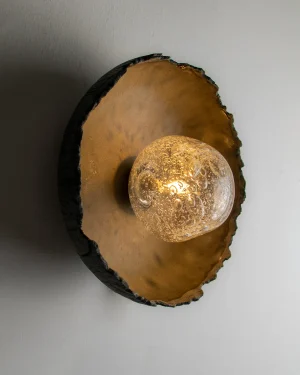 In stock
Asea No. 12 Moss Wall Sconce In Stoneware And Blown Glass
By Ceren Gürkan
€800 -
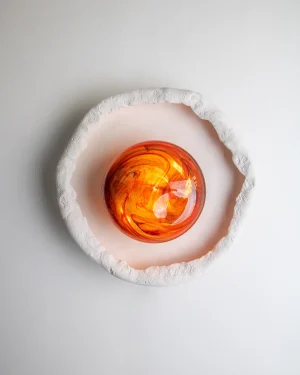 In stock
Asea No. 35 Wall Sconce In Porcelain And Blown Glass
By Ceren Gürkan
€1.200 -
 In stock
Asea No. 14 Wall Sconce In Stoneware And Metal
By Ceren Gürkan
€900 -
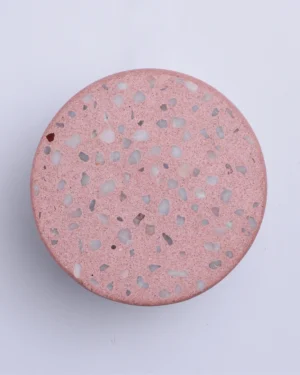
Wilo Blush Wall Sconce In Terrazzo, Aluminum And Silicone
By Harshita Jhamtani Designs
€220 -
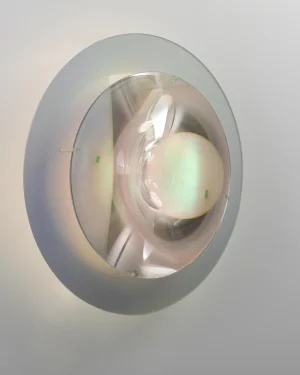
Noosphere Wall Sconce in Aluminum and Acrylic Glass
By Catrinel Sabaciag
€1.072 - €1.112 -
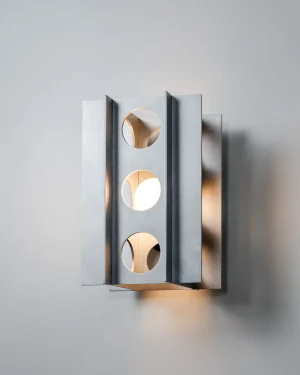
Tenfold 3T Satin Wall Sconce in Steel and Aluminum
By Luft Tanaka Studio
€865 -
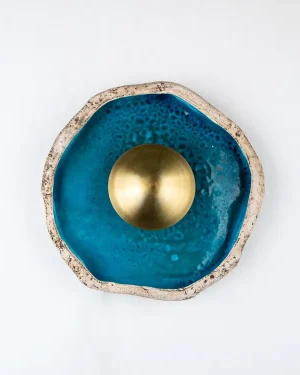 In stock
Asea No. 18 Blue Wall Sconce In Porcelain And Brass
By Ceren Gürkan
€600 -
10% off
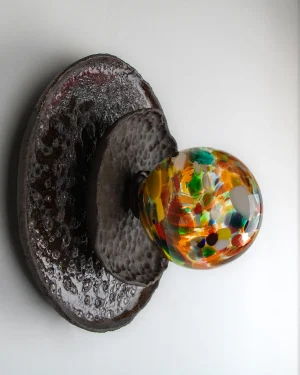
Asea No. 34 Wall Sconce In Stoneware And Blown Glass
By Ceren Gürkan
€1.000€900 -
 In stock
Asea No. 35 Wall Sconce In Stoneware And Blown Glass
By Ceren Gürkan
€1.000 -
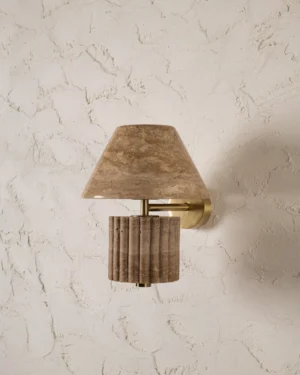
Rio Wall Lamp In Beige Travertine And Brass
By Harshita Jhamtani Designs
€1.150 -
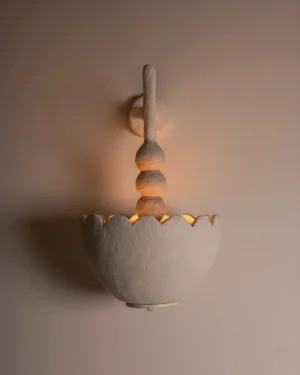
Scallop Wall Sconce In Stoneware And Clay
By Harshita Jhamtani Designs
€1.080 -
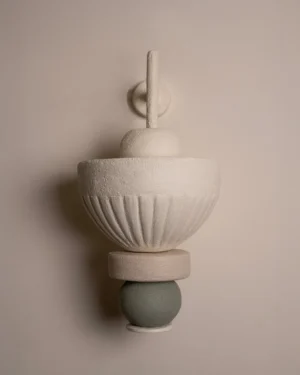
Pebble Wall Sconce In Stoneware And Clay
By Harshita Jhamtani Designs
€1.080 -
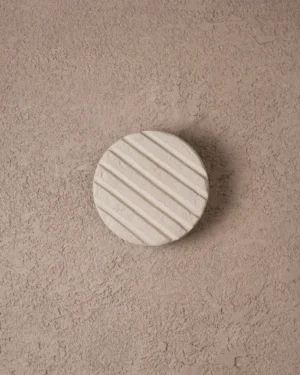
Wilo Fluted Egg White Wall Sconce In Clay And Aluminum
By Harshita Jhamtani Designs
€230 -
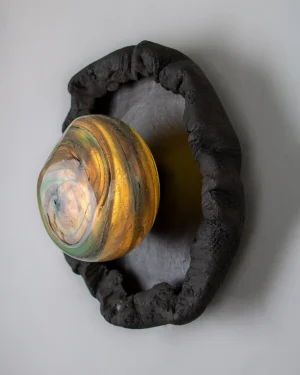 In stock
Asea No. 27 Wall Sconce In Stoneware And Blown Glass
By Ceren Gürkan
€1.000 -
 In stock
Asea No. 27 Blue Wall Sconce In Stoneware And Blown Glass
By Ceren Gürkan
€1.000 -
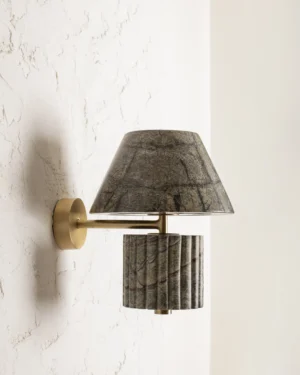
Rio Wall Lamp In Rainforest Marble And Brass
By Harshita Jhamtani Designs
€1.150 -
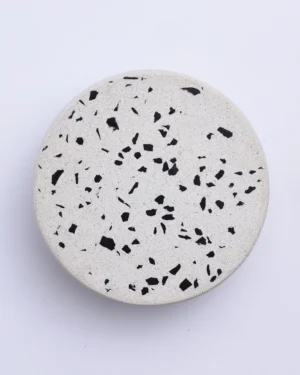
Wilo Mono Wall Sconce In Terrazzo, Aluminum And Silicone
By Harshita Jhamtani Designs
€220
Bathroom wall lamps answer a room built around a mirror and a basin rather than a ceiling rose, and they put light exactly at the level a face needs it, flanking the glass instead of flooding it from above. Independent studios build them from hand-blown glass, cast brass, glazed stoneware and sealed metals, choosing methods and finishes that hold up to steam, splash and daily condensation. The housing carries as much weight as the bulb inside it, since this is a fixture seen up close, every day, at arm's length.
What makes a wall lamp fit for a bathroom
Moisture is the real test. A fixture rated for a bedroom or hallway will often fail here, so bathroom wall lamps depend on sealed sockets, damp-rated wiring and materials that do not warp, pit or cloud at close range. Blown glass stays the most common choice because it is non-porous and wipes clean; cast brass and steel follow, usually lacquered or left to take on a soft patina rather than a raw shine.
Stone and ceramic appear less often but hold their own near a basin, provided the glaze or finish is sealed. Anything in uncoated iron or untreated wood belongs elsewhere in the house, where it will not meet condensation on a daily basis.
Materials, finishes and techniques found here
- Blown and cast glass, often in a soft white or beige wash that diffuses rather than glares across the mirror
- Brass and steel, hand-finished through metalwork or metal casting, in gold, burgundy or brushed tones
- Stoneware and ceramic, hand-built, in off-white and white glazes that read as quiet rather than clinical
Styles run from contemporary and art deco, where brass tends to take a sharper, more geometric line, to wabi-sabi and coastal pieces that favor irregular glass and matte stone. Some studios work in open editions, producing a steady run of the same form; others release limited editions, where small batches and hand variation mean no two lamps catch the light in quite the same way.
Choosing a wall lamp for a bathroom
Scale matters more than it first appears. A pair of small sconces set at roughly eye level either side of a mirror does more for a face than a single large fixture mounted above it, which tends to cast shadows under the brow and chin.
Finish should answer the fittings already in the room: a brushed or polished metal to match the faucet, a warm glass tone against a stone basin, a glazed ceramic shade where the walls are tiled rather than painted. Where a single lamp sits above the mirror instead, choose a wider, softer shade so the light spreads evenly rather than pooling in the center.
Where else these lamps belong
Many of the same forms do equally well outside the bathroom. A glass or brass wall lamp built for steam and splash will also suit a kitchen sink or a utility room, and the gentler, diffused versions move easily into a hallway or a reading corner. For the full range of wall-mounted lighting across every room, see the wall lamps collection, or look at the wider world of fittings made for washrooms and powder rooms under bathroom lighting.
Those drawn to a lower-profile, flush-mounted option might also look at bathroom wall sconces, while anyone set on brass or steel specifically can narrow further through metal wall lamps. For a cleaner, more geometric line, contemporary wall lamps covers that ground. Every one of these sits within the broader set of pieces gathered for the bathroom, from stools and side tables to mirrors and small objects.
Caring for glass, brass and ceramic near water
Glass needs only a wipe with a dry or barely damp cloth; avoid ammonia-based cleaners, which can dull a hand-blown surface over time. Brass left unlacquered will darken and spot near a basin, which most owners allow as part of its character, while lacquered brass should be cleaned with a soft cloth alone. Glazed stoneware and ceramic tolerate water well but should be dried promptly if splashed, since standing moisture can work into any hairline in the glaze over years of daily use.
How do I choose a bathroom wall lamp?
Start with the fixture's rating for damp conditions, then its position against the mirror. Glass diffuses light evenly across a face, while brass or steel throws a warmer, more directional glow.
What material is best for a bathroom wall lamp?
Blown glass is the safest choice since it is non-porous and wipes clean. Cast brass and steel hold up too, usually lacquered against condensation, while sealed stoneware and ceramic also perform well near a basin.
How do I clean and maintain a bathroom wall lamp?
Wipe glass, sealed stoneware or lacquered metal with a dry or barely damp cloth, and avoid abrasive cleaners that can dull a finish. Check the fixture stays sealed where it meets the wall.
How high should a bathroom wall lamp be mounted?
Most sit at eye level, flanking the mirror rather than above it, so light falls evenly across the face instead of casting shadows from overhead. The maker can confirm exact mounting height on the piece's page.
Can I use a bathroom wall lamp in another room?
Yes, a damp-rated fixture works anywhere, though its sealed housing and often simpler lines suit a hallway or utility space as well as a bedroom or living room.
What are ADORNO's shipping, returns and authenticity policies?
Shipping is insured and worldwide. Returns are accepted within 14 days, except for made-to-order pieces, and every piece comes with a certificate of authenticity plus a lowest-price guarantee.