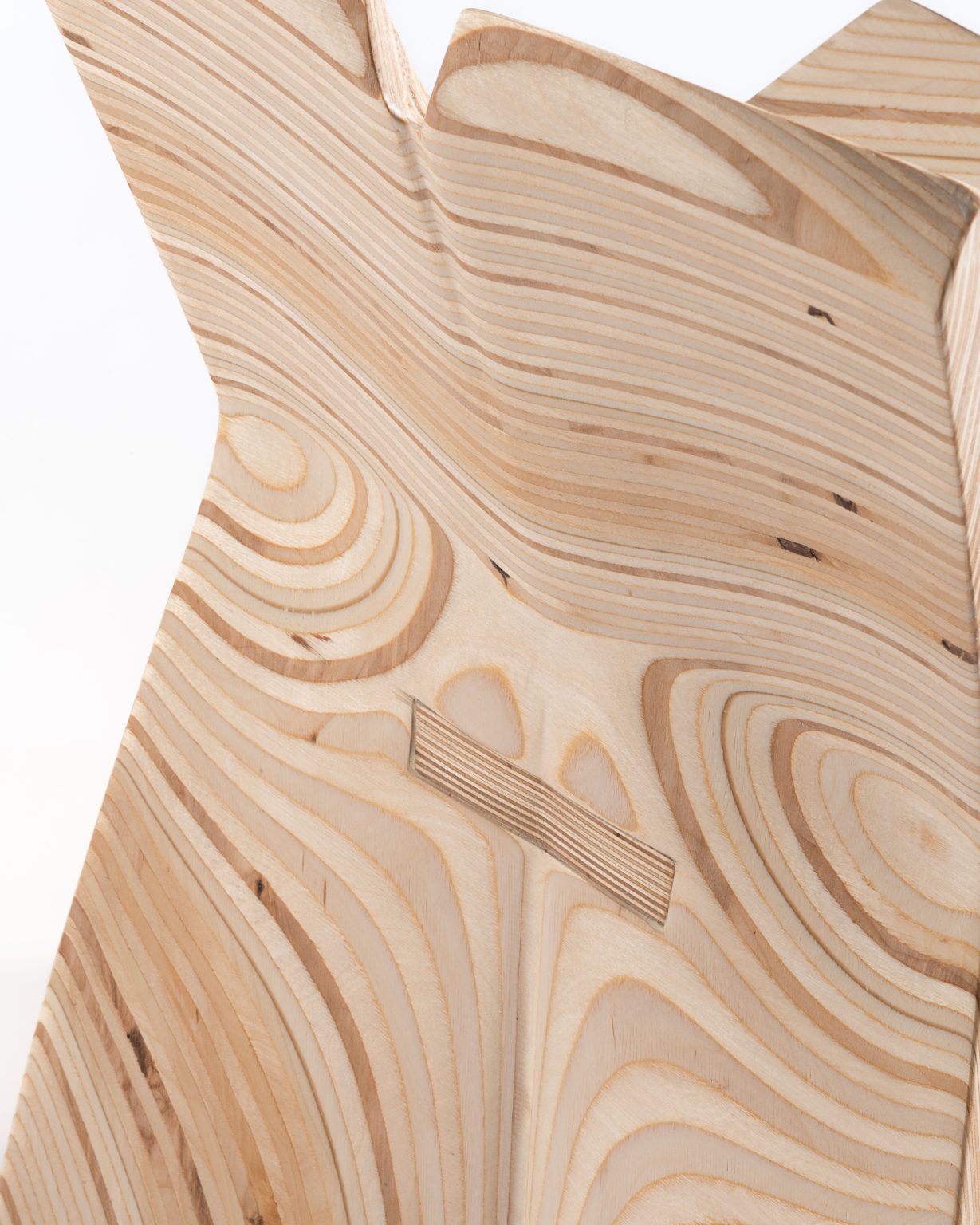










-
 In stock
Block Lounge
By Heaps & Woods
€4.250 - €4.475 This product has multiple variants. The options may be chosen on the product page -

Heimatlos Chair
By em ef studio
€1.600 -
 In stock
Boni Dining Chair
By Heaps & Woods
€2.750 - €2.937 This product has multiple variants. The options may be chosen on the product page -

Sitting Bull – Stainless Steel Accent Chair
By ORFEO STUDIO
€5.800 - €6.200 This product has multiple variants. The options may be chosen on the product page -
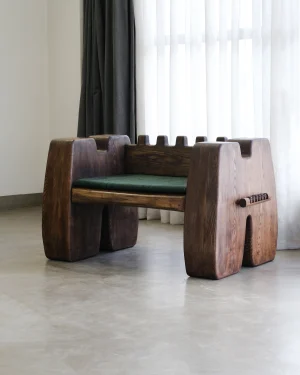
Takhat Armchair
By Shivangi Vasudeva
€5.000 -
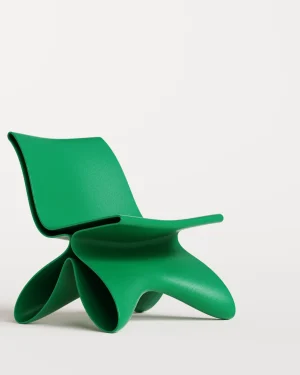
Sprout Lounge Chair
By noknok
€2.075 -
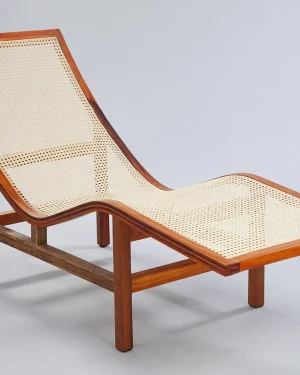
Chaise Sossego
By am.o atelier
€2.956 -
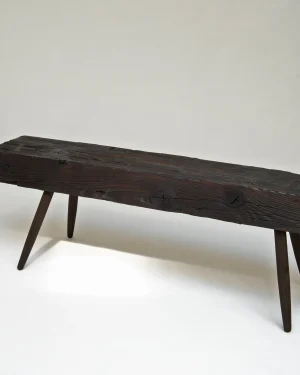
Bimschtal No 2 – Wooden Bench
By StorqueStudios
€1.457 -

Charcoal-drawn Papier-mâché Chair
By David Čáp
€1.000 -
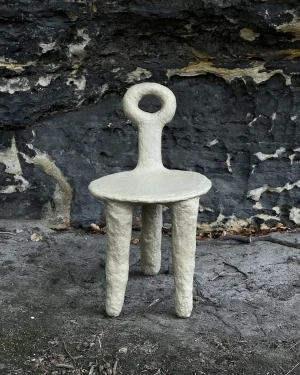
Sandstone Chair
By David Čáp
€1.000 -
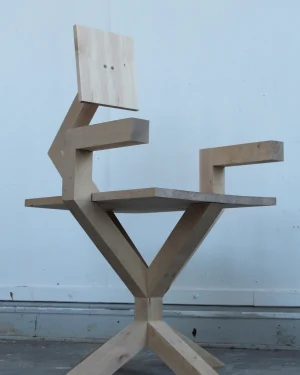
Björn Office Chair
By Olle Sahlqvist
€6.000 -
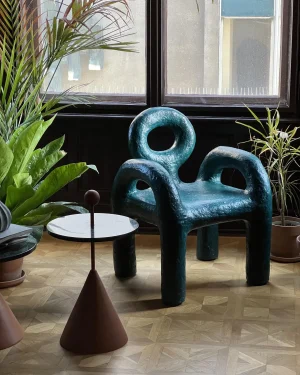
Aoa Armchair Dark Turquoise
By David Čáp
€1.500 -

Trigon Chair
By Mokko
€3.280 - €4.410 This product has multiple variants. The options may be chosen on the product page -
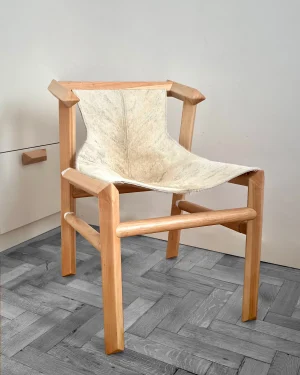
Hairy Leather Dining Chair
By espina corona
€990 -

Silver Dough Chair
By David Čáp
€1.000 -

Chunky Armchair Dark Turquoise
By David Čáp
€1.500 -
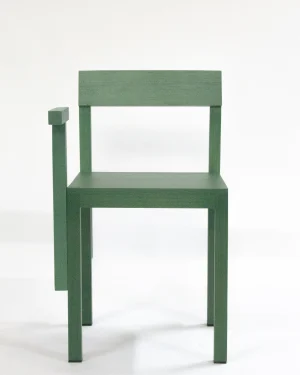
Sm1 – Tauari Colored Wood Chair
By Luiz Solano
€1.400 - €1.500 This product has multiple variants. The options may be chosen on the product page -

La Linea – Accent Chair
By Mike Wirthensohn
€2.800 -

Frog Chair – Orange Matte
By David Čáp
€1.000 -

Twig – Recycled Birch Plywood Chair
By Yuxuan Huang Studio
Price Upon Request -
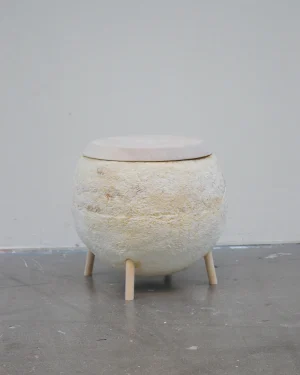
Spore – Mycelium Stool
By Olle Sahlqvist
€2.214 -

Insect Lounger – Recycled Cast Aluminum
By BY JAMPS
Price Upon Request -
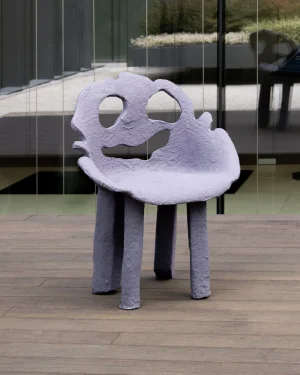
Violetta Accent Chair
By Jonathan Bocca
Price Upon Request -

“Kau” Chair
By Angela Damman
€10.600 -
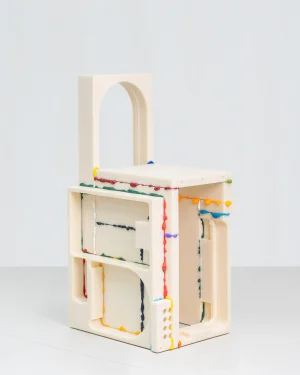
B. S. P Series “the Original”
By Atelier SOHN
Price Upon Request -
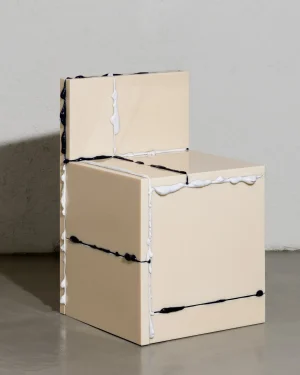
B. S. P Series – Recycled Plastic Chair
By Atelier SOHN
Price Upon Request
Sustainable accent chairs bring recycled and renewable material into a piece that still has to carry weight, hold a line and age well in daily use. Studios working in this space choose wood from responsibly managed forests, paper pulp pressed into rigid shells, rattan woven by hand, or plastic and other recycled material reformed into seating. The making shows in the chair itself: a visible weave, a grain left unfinished, a surface that tells you what it was before.
What makes a chair sustainable
The claim sits in the material and the process, not in a finish applied afterward. Wood and cabinetmaking studios favor teak, walnut or lighter domestic species, often left with an oil or wax finish rather than paint, so the grain stays visible and the piece can be sanded back rather than replaced. Paper pulp and papier-mâché chairs are hand-built in layers, light to move and surprisingly rigid once cured. Recycled plastic and other recycled material get reheated and pressed into seat shells, sometimes finished smooth, sometimes left with the mottled surface that comes from mixed input stock.
Aluminum and metalwork
Aluminum frames, worked through standard metalwork processes, resist rust outright and carry a light weight for their strength, which suits chairs that get moved often between a reading corner and a dining table. Left raw or given a matte powder coat, aluminum ages with little more than a wipe-down. Studios working in this material often pair it with woven seats or pulp shells, since the frame can bear the load while the surface stays light.
Color, weave and surface
Color on these chairs tends toward the tones the material gives naturally: sand, ivory, off-white, beige, the gray-green a weathered teak takes on outdoors. Black and green appear as pigment added to recycled plastic or as a dye worked into rattan before weaving. Turquoise and transparent show up mostly in cast or molded recycled material, where color is part of the batch rather than a coat on top. Weaving, whether in rattan or a plant-fiber cord, adds texture and a little give to the seat that a solid shell does not have.
How to choose a sustainable accent chair
Start with how the chair will be used: a chair that gets sat in daily, near a dining table, wants a sturdier frame and a seat height close to standard dining proportions, while a chair for a reading corner can sit lower and lighter. Scale against the room comes next, since a chair with a wide woven back needs clearance to swing out from a wall.
- Wood and aluminum frames suit chairs that move often between rooms.
- Paper pulp and molded recycled material suit a fixed spot, since they are lighter but less suited to being dragged across floors.
- Woven rattan or fiber seats add texture where the rest of the room is plain.
- Open editions suit everyday use; limited editions and unique pieces suit a chair meant to stand alone in a room.
Where these chairs sit in a room
A single sustainable accent chair works as a reading seat in a bedroom corner, as the odd chair at the end of a dining table, or as extra seating pulled into a living room for guests. Pieces with lighter frames and woven or pulp seats read well against plainer sustainable furniture, letting the chair's material carry the detail. For a full dining setup, pair one with the rest of the dining room accent chairs, or keep to a single statement seat among the broader range of accent chairs.
Care by material
Oiled wood wants an occasional reapplication to keep the surface from drying and the grain from raising; walnut and teak darken slightly with light exposure over years, which is normal rather than a fault. Paper pulp and papier-mâché should stay away from standing water, since the fiber will soften if soaked, though a dry cloth handles most dust. Rattan benefits from being kept out of direct, constant sun, which otherwise dries the fiber and makes it brittle. Aluminum needs only a wipe, and recycled plastic shells clean with mild soap and water. For other rooms built on the same material logic, the sustainable accessories, sustainable decor, and sustainable lighting ranges follow the same thinking in smaller objects and fixtures.
How do I choose a sustainable accent chair?
Look at what the material is doing: reclaimed wood or recycled plastic for durability, paper pulp or rattan for lightness. Match that logic to how the chair will be used and how often it will move.
What materials make an accent chair sustainable?
Reclaimed or certified wood, recycled plastics and metals, paper pulp, and rattan are common choices, since they reduce virgin material use or come from fast-renewing plants. Each ages and wears differently, so care depends on the specific material.
How do I care for a sustainable accent chair?
Wood and rattan want a dry room and occasional wiping with a damp cloth, away from direct heat. Recycled plastic and paper pulp pieces need only a wipe down, since they resist moisture better than untreated wood.
What size is a standard accent chair?
Most sit around 17 to 19 inches from the floor, close to standard dining height, with seat widths between 20 and 30 inches. The maker can confirm exact dimensions with Chat with the maker on the piece's page.
Which rooms suit a sustainable accent chair?
Living rooms, bedrooms and reading corners all take well to an accent chair, since its scale is smaller than a sofa and it can stand alone or pair with other seating. Entryways and home offices work too, where one chair carries the room.
Does ADORNO ship sustainable accent chairs worldwide and offer returns?
Yes, shipping is insured and worldwide, and a 14-day return policy applies, excluding made-to-order pieces. Every chair arrives with a certificate of authenticity, and ADORNO offers a lowest-price guarantee.