
-
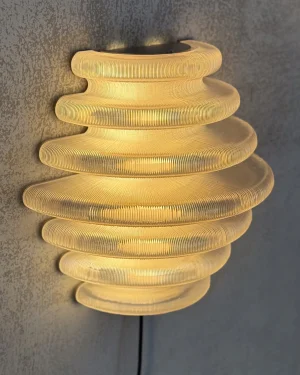
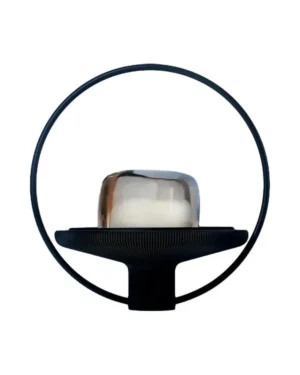
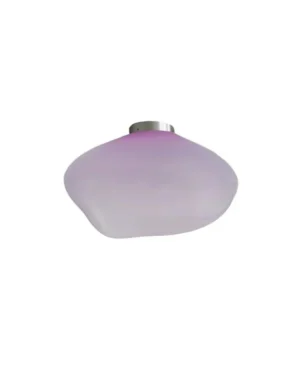
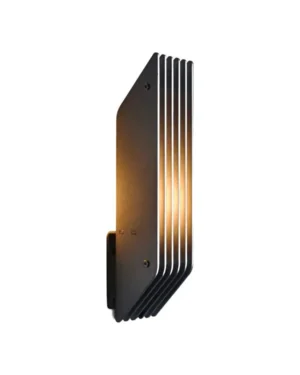
Hive Wall Lamp In Recycled Plastic And Stainless Steel
By Stijn van Aardenne
€805 -
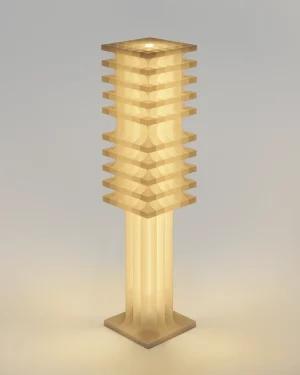
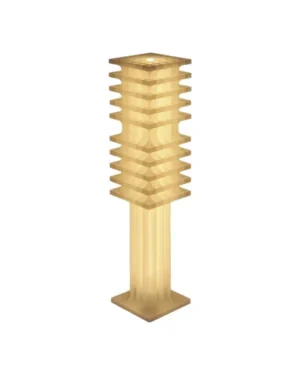
Citadel Floor Lamp in 3D Printed PLA
By Ultramar Studio
€1.400 -
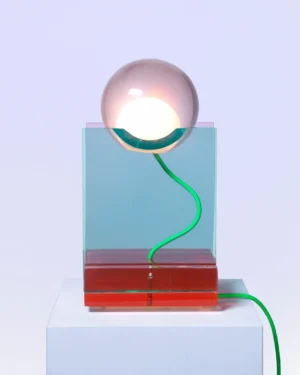
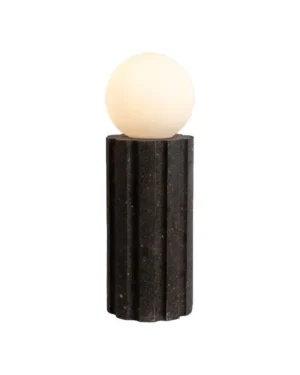
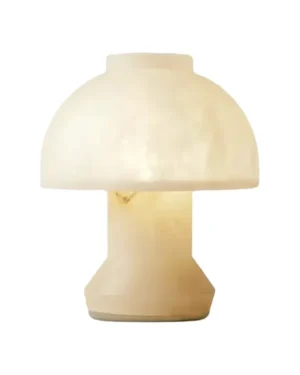
Rotonda Table Lamp in Resin
By Adrian Cruz
€2.420 -
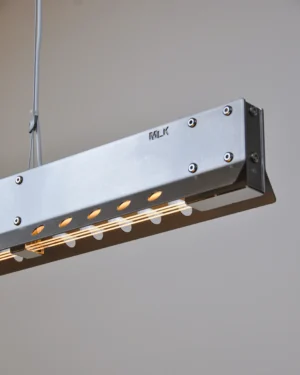
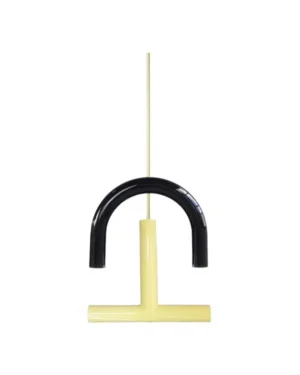
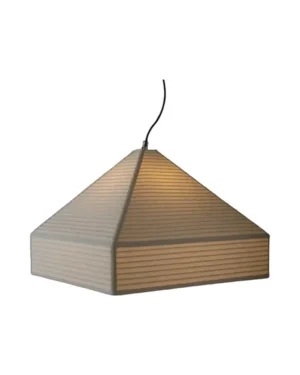
Ne1250/145 Pendant Lamp In Steel And Acrylic
By MLK Furniture
€1.390 -
 In stock
Blampa30 Table Lamp in Bio Plastic
By BLUBA Studio
€203 -
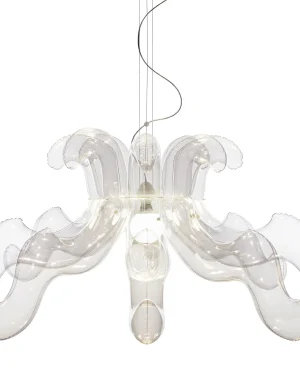
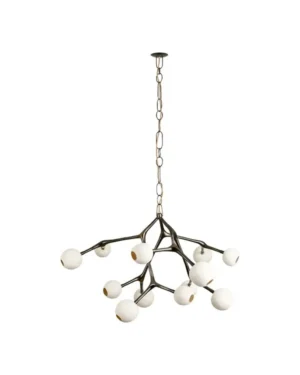
Lullaby No.2 Chandelier in PVC and Acrylic
By PUFF-BUFF
€640 -

Citadel Table Lamp in 3D printed PLA
By Ultramar Studio
€1.100 -
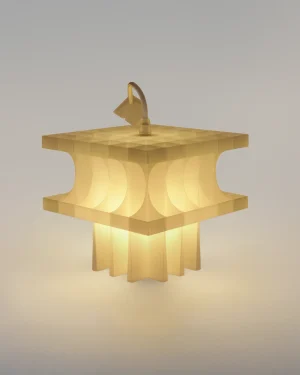 In stock
Citadel Small Table Lamp In 3d Printed Pla
By Ultramar Studio
€850 -
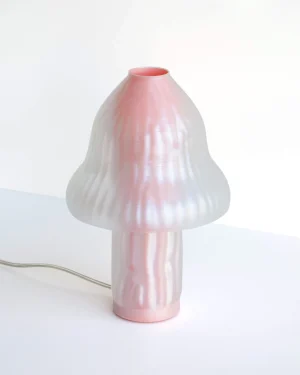 In stock
Lampamodelé Pink Table Lamp In 3d Printed Pla
By BehaghelFoiny Studio
€99 -
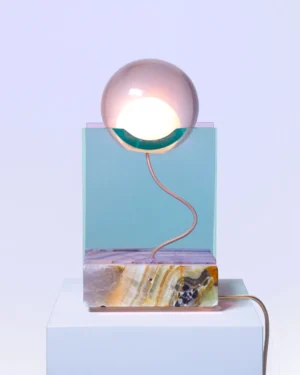
Rotonda Table Lamp in Resin
By Adrian Cruz
€2.380 -
 In stock
Sluren Table Lamp in Blown Glass
By Sara Sjöbäck
€1.450 - €1.850 -
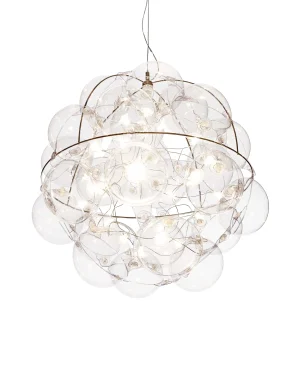 In stock
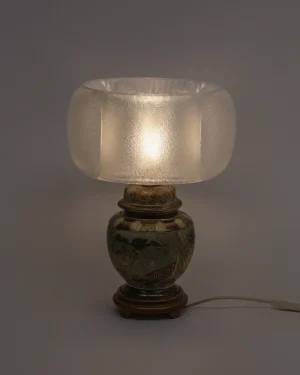
Starlette Chandelier in PVC and Stainless Steel
By PUFF-BUFF
€830 -
 In stock
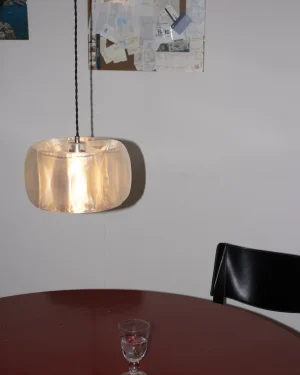
Pascal Table Lamp in Plastics
By 91-92
€193 -
 In stock
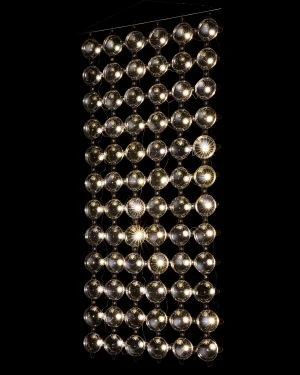
Pascal Pendant Lamp in Plastic
By 91-92
€306 - €459 -
Bubbles Lighting Divider, Pendant Lamp In Air-filled Pvc
By PUFF-BUFF
€1.190 -

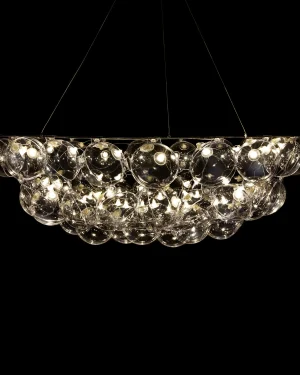
Citadel Large Lantern Light Sculpture
By Ultramar Studio
€1.250 -
 In stock
Half-superstar Ceiling/ Pendant Lamp In Pvc And Steel
By PUFF-BUFF
€1.190 -
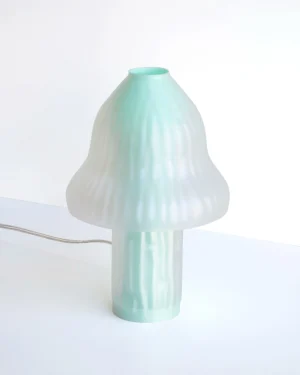 In stock
Lampamodelé Blue Table Lamp In 3d Printed Pla
By BehaghelFoiny Studio
€99 -
 In stock
Blampa90 M Floor Lamp
By BLUBA Studio
€570 -
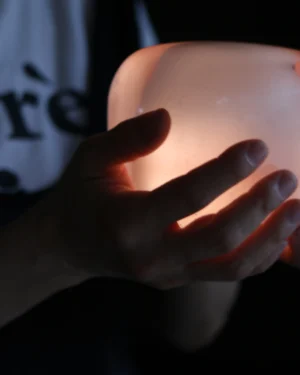 In stock
Lullaby And The Ring Cradle Table Lamp in Resin
By BDCI
€570 -
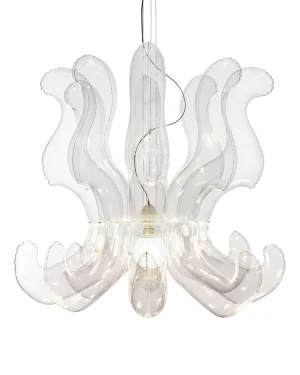
Lullaby No.1 Chandelier in PVC and Acrylic
By PUFF-BUFF
€640 -

Bella Pupa Floor Lamp in PVC and Stainless Steel
By PUFF-BUFF
€2.130 -
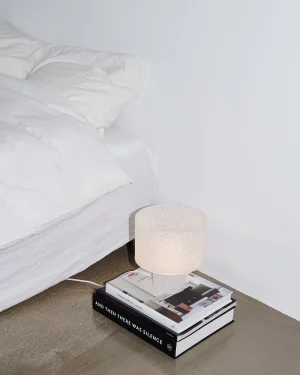 In stock
December Table Lamp
By 91-92
€235 - €419 -
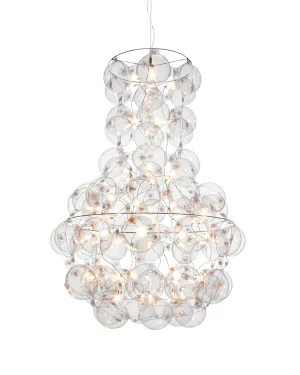
Prince’s Chandelier in PVC and Stainless Steel
By PUFF-BUFF
€1.160 -
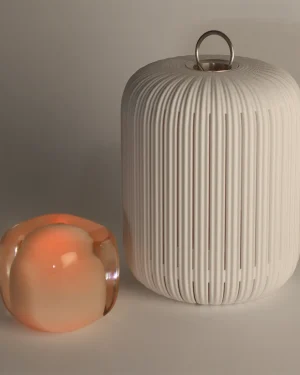 In stock
Lullaby and Promenade High Table Lamp in Resin
By BDCI
€2.200 -
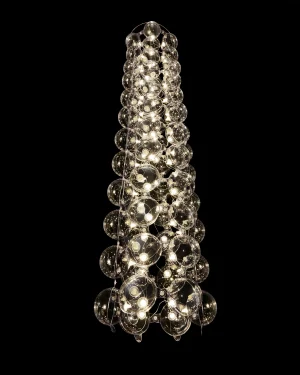
High Tower Pendant Lamp In Air-filled Pvc And Steel
By PUFF-BUFF
€1.480 -
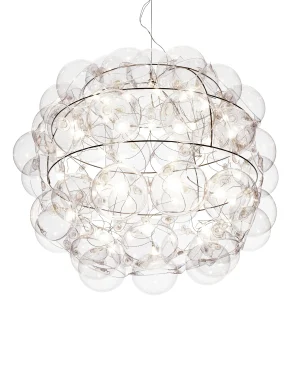 In stock
Star Chandelier in PVC and Stainless Steel
By PUFF-BUFF
€1.040 -
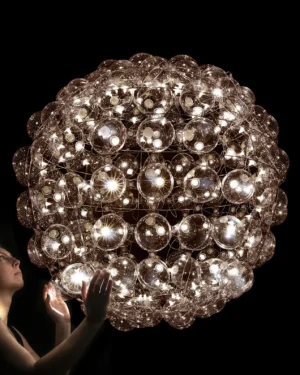
Superstar Chandelier in PVC and Stainless Steel
By PUFF-BUFF
€2.360 -
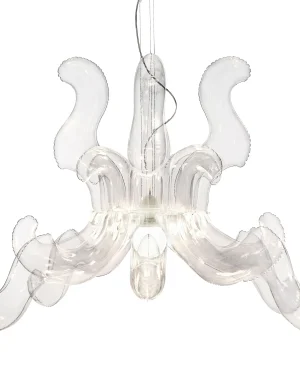
Lullaby No.3 Chandelier in PVC and Acrylic
By PUFF-BUFF
€640 -
 In stock
Lullaby and Hygge Pendant Lamp in Resin and Steel
By BDCI
€1.400 -

Queen’s Chandelier in PVC and Stainless Steel
By PUFF-BUFF
€2.360 -

Wind Pendant Lamp in Aluminum, Copper & Recycled Plastic
By SIGNATURE OBJECTS
€1.200 -

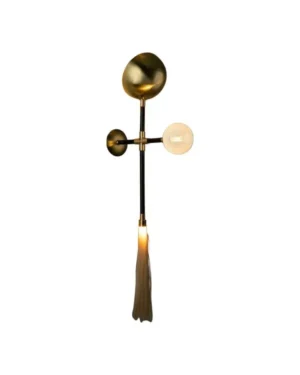
Dyptich Wall Sconce in Brass and Recycled Plastic
By SIGNATURE OBJECTS
€1.800 -
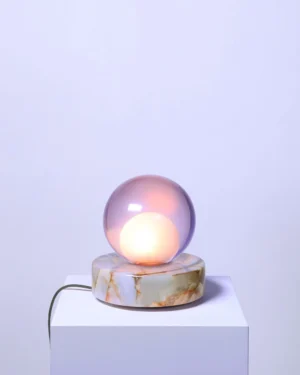
Bulbe Table Lamp in Resin and Onyx
By Adrian Cruz
€1.580 -
 In stock
Lullaby And Hygge Standing Table Lamp in Resin
By BDCI
€1.550 -
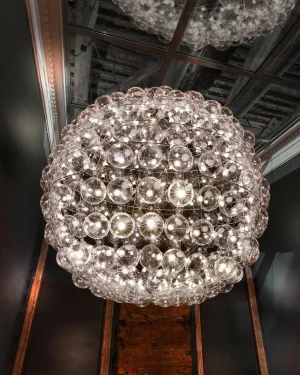
Megastar Chandelier in PVC and Stainless Steel
By PUFF-BUFF
€4.360 -
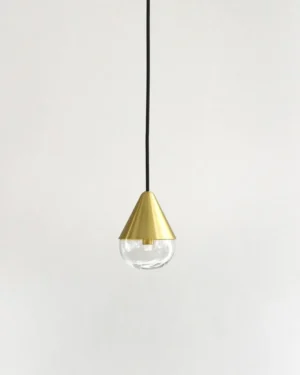 In stock
Gota Pendant Lamp in Glass and Brass
By Tributo
€382 -
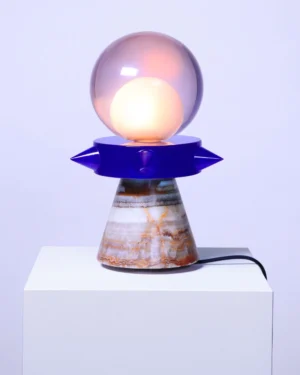
Tona Table Lamp in Onyx and Resin
By Adrian Cruz
€2.420 -
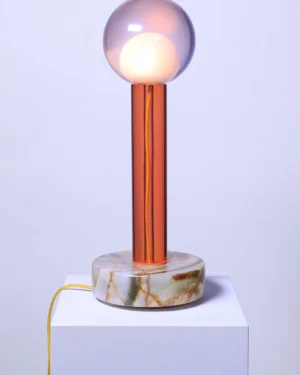
Tallo Table Lamp in Resin and Onyx
By Adrian Cruz
€2.380 -
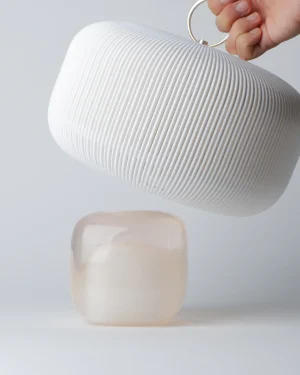 In stock
Lullaby And Promenade Low Table Lamp in Resin
By BDCI
€2.200 -
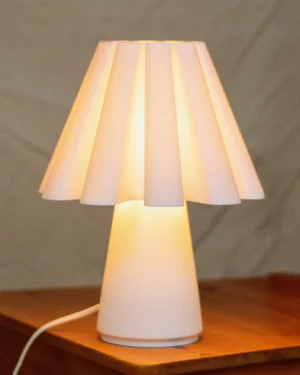
Ruff Table Lamp In Recycled Pla
By Mina Wright
€238 -
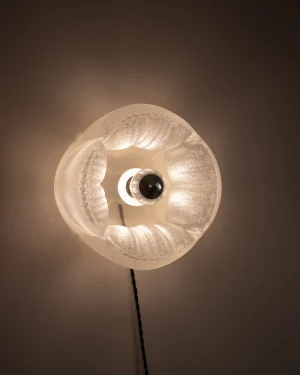
Pascal Wall Lamp
By 91-92
€306
Transparent lighting is defined by what it does not hide: the wiring, the diffuser, the way light moves through a body of acrylic, resin or blown glass before it reaches a room. Studios working in these materials favor cast resin, molded acrylic, vacuum-formed plastic and hand-blown or hand-cut glass, often pressed into service through 3D printing or digital fabrication as much as traditional glassblowing. Some pieces are produced as open editions, others in limited runs or as one-of-a-kind objects, so the making itself is part of what is on offer.
What makes a material read as transparent
True transparency is optical honesty: the material neither absorbs nor scatters much light, so a lamp body all but disappears while the bulb or diffuser takes center stage. Cast resin and molded acrylic achieve this through dense, bubble-free pours and precise molds; blown glass does it through controlled annealing that keeps the surface even. Any one of these can shift toward translucency with texture, sandblasting or a tint, which softens the glow without losing the see-through quality that defines the group.
The range of materials, finishes and techniques
Across transparent lighting, acrylic and cast resin dominate for their ability to be poured, printed or vacuum-formed into geometric or organic shapes that would be difficult in glass. Blown and cut glass remain the more traditional route, prized for the way it holds a slight waver or bubble from hand work. Bioplastic and recycled plastic show up increasingly among studios working toward sustainable practice, proof that clarity does not require virgin material.
- Clear acrylic and PVC, often paired with metal or stainless steel fittings for structure
- Cast and poured resin, sometimes tinted at the edges while the center stays clear
- Hand-blown or hand-cut glass, with visible seams or facets from the making process
- Open editions for everyday use alongside limited and one-of-a-kind pieces for collectors
How to choose a transparent lamp or fixture
Because these pieces let light travel rather than block it, scale matters more than it does with opaque lighting. A pendant or table lamp in clear acrylic will visually recede, so sizing slightly larger than you would for a solid-colored piece keeps proportions in a room correct. Pay attention to the finish on exposed hardware, since visible wiring and fittings in a clear body become part of the design rather than something to conceal behind a shade.
Placement benefits from the same logic. Transparent pieces work well layered in front of a window, a mirror or a patterned wall, where the play of light and reflection adds depth that a single-color fixture cannot. They suit a living room seating group, a bedside table or a console, anywhere the goal is ambient light without visual weight.
Care for acrylic, resin and glass
Acrylic and resin scratch more easily than glass, so dust with a soft, dry cloth and avoid household glass cleaners, which can cloud the surface over time. Blown and cut glass can be wiped with a mild solution and dried immediately to prevent water spotting. All three materials benefit from being kept out of direct, prolonged sun, since UV exposure can yellow clear plastics faster than it affects glass.
Where to look next
For the full range of fixtures beyond color and material, the lighting category covers every finish on ADORNO, while the dedicated page for transparent pieces across categories extends the look to tableware and objects. Within lighting specifically, contemporary lighting and transparent table lamps narrow the search further, whether the aim is a fixture for a reading corner or a sculptural piece that carries weight on its own.
How do I choose a transparent lamp?
Look at how the material handles light: dense cast resin or molded acrylic gives a crisp glow, while blown glass carries slight waver and bubble from hand work. Pick based on whether you want that optical clarity or a softer, textured transparency.
How do you clean and care for transparent lighting?
Dust acrylic and resin with a soft, dry cloth, since paper towels and solvents can scratch or cloud the surface. Glass can take a damp cloth, but let it dry fully before switching the light back on.
Does transparent acrylic or resin yellow or scratch over time?
Acrylic and cast resin can pick up fine scratches with abrasive cleaning and may yellow slightly with years of direct sun. Keeping pieces out of constant, harsh light slows both effects.
What size or height should I get for a transparent lamp?
Sizing follows the same logic as any lighting: pendants hang clear of sightlines, table lamps sit near eye level when seated, and floor lamps match the height of nearby furniture. A maker can confirm exact dimensions through Chat with the maker on the piece's page.
Which rooms suit transparent lighting best?
Because the body all but disappears, transparent pieces work well where you want light without visual weight, living rooms, entryways and bedrooms especially. They also pair easily with other materials since they rarely compete for attention.
What should I know about buying transparent lighting from ADORNO?
Every piece ships insured worldwide and arrives with a certificate of authenticity. Returns are accepted within 14 days, except made-to-order pieces, and ADORNO offers a lowest-price guarantee.