













-

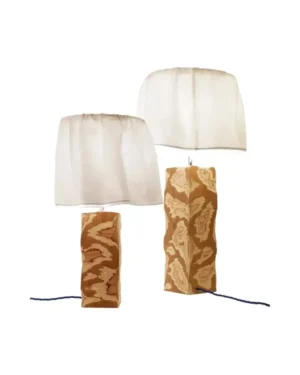
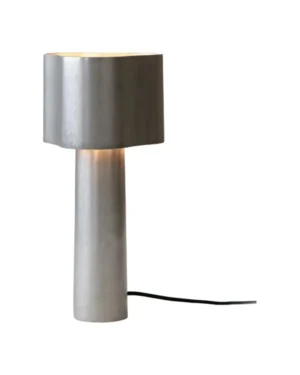
Maze Table Lamp in Recycled Plastic
By Stijn van Aardenne
€227€205 -

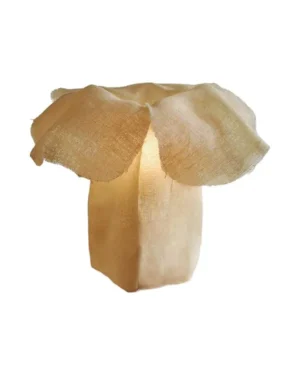
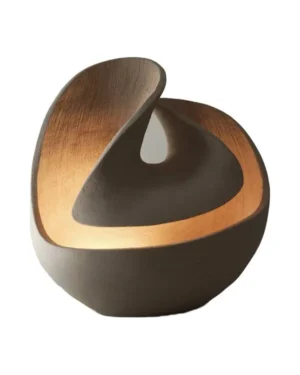
Athari Table Lamp in Ceramic
By Andrei Clontea STUDIO
€900 -

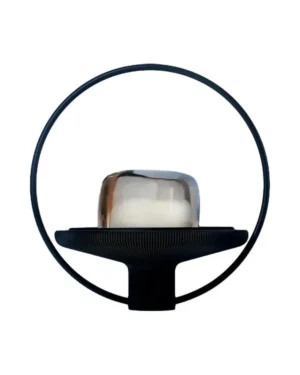
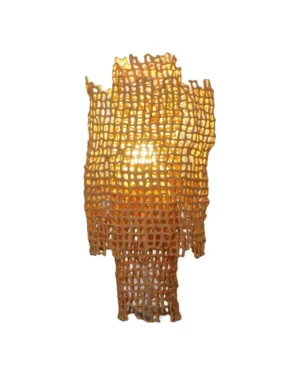
Held In Tension No. 01 Wall Sconce In Metal And Paper
By Aysenur Dagdelen
€170€153 -
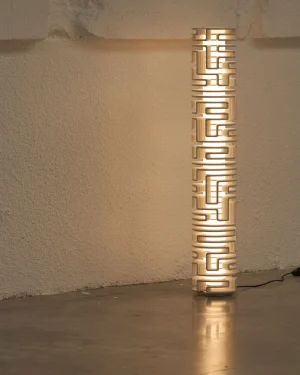
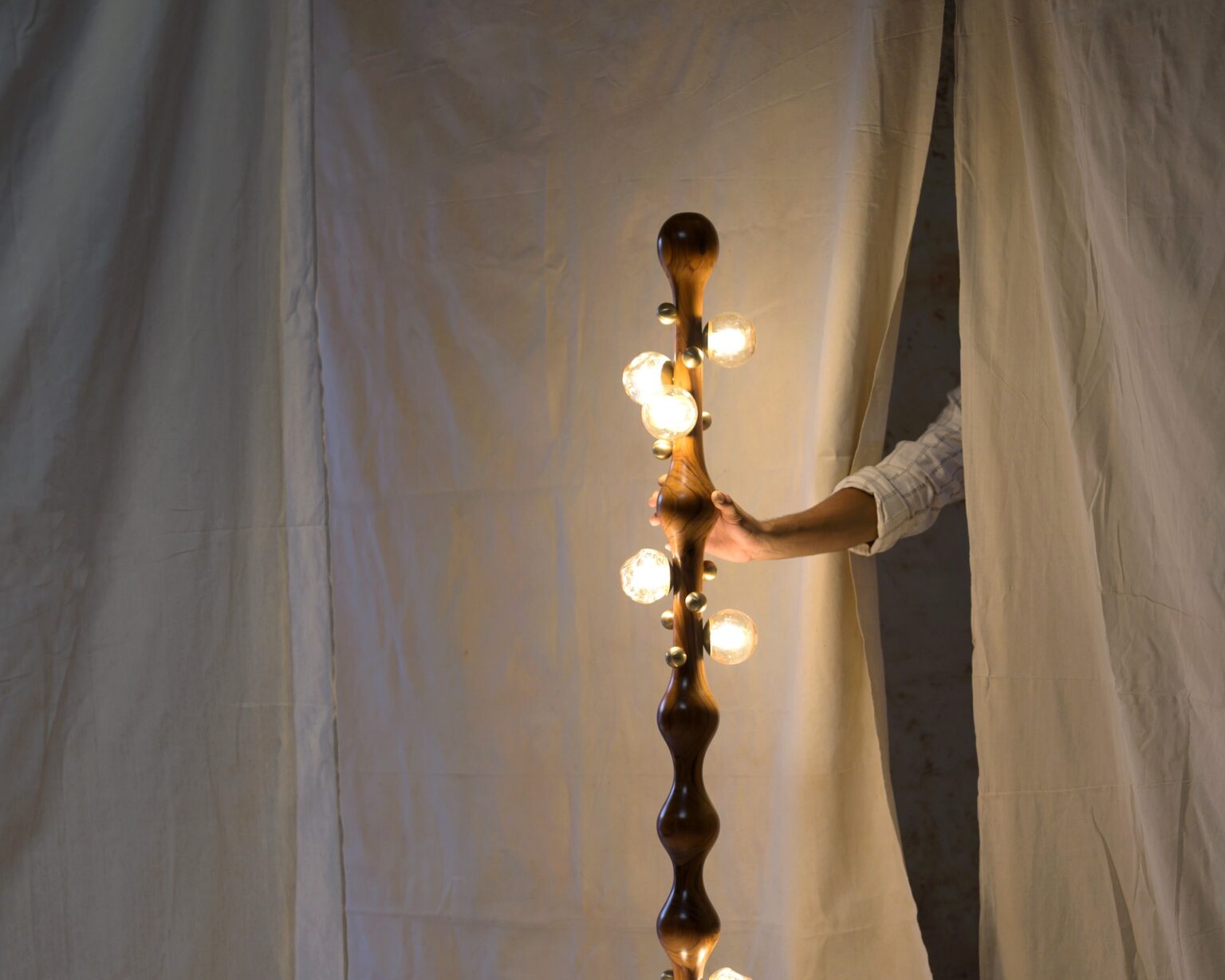
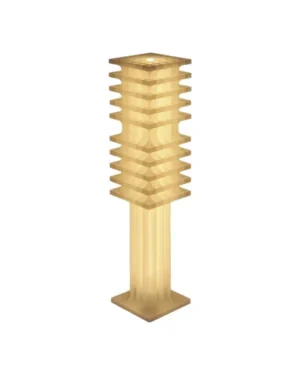
Maze Floorstander Floor Lamp in Recycled Plastic
By Stijn van Aardenne
€1.447 -
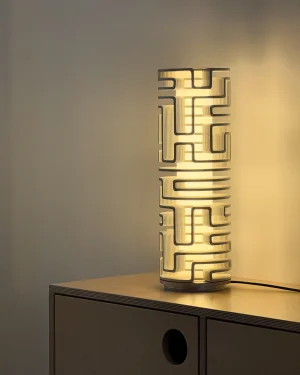
Maze Medium Table Lamp in Recycled Plastic
By Stijn van Aardenne
€579 -
 In stock
Object 09 Sconce in Nylon and Sand
By Hot Wire Extensions
€1.145 - €1.163 -

Onda Sconce In Raku White Ceramic
By arrived aliens
€2.200 -
 In stock
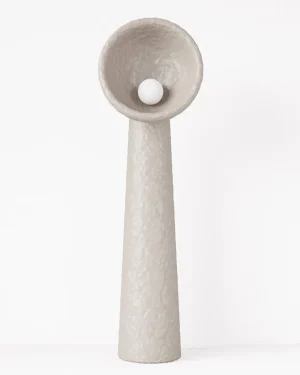
Soniah Floor Lamp in ZTISTA
By FAINA
€7.000 -
 In stock
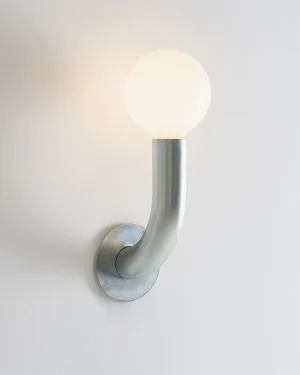
Curva Wall Sconce in Zinc
By Cultivado em Casa
€512 -
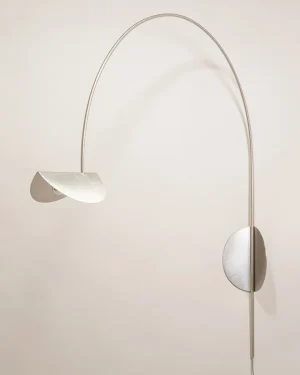
Wall Lamp 1 in Stainless Steel
By Georgiev Kiril
€1.250 -
 In stock
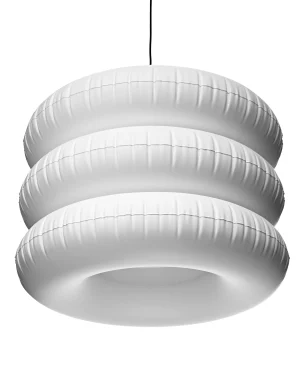
Big Puff Pendant Lamp in Polyurethane
By PUFF-BUFF
€650 -
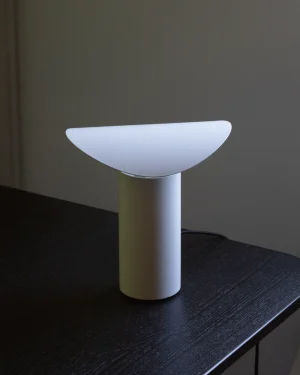
Beam Table Lamp in Steel
By Sergio Enríquez Industrial Design Office
€600 -

Knotto_01 Table Lamp In Glazed Stoneware And Synthetic Fibers
By Catalin Filip
€800 -
 In stock
Axile Table Lamp in Bio Plastic
By Errance.
€335 -
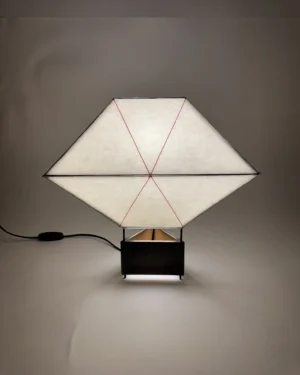
Biiit 005 Table Lamp In Paper And Brass
By Bo Ah Kim
€1.750 -
 In stock
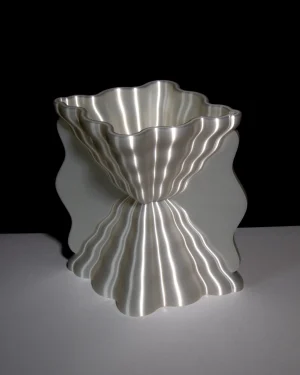
Galéa Table Lamp in Bio Plastic
By Errance.
€250 -

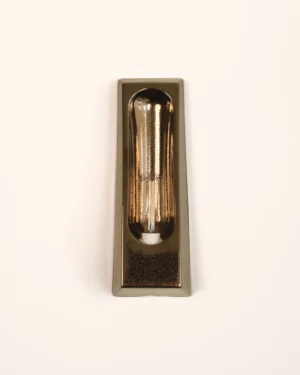
Biiit 010 Wall Sconce in Paper and Brass
By Bo Ah Kim
€1.400 -
 In stock
Alcove European Wall Sconce In Glazed Ceramic
By Violaine d'Harcourt Lighting Design
€252 -
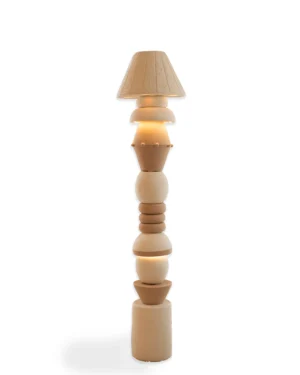
Totem Floor Lamp In Stoneware And Clay Paste
By Harshita Jhamtani Designs
€2.570 -

Too 60 Sculptural Ceramic Floor Lamp
By Katia Langeard
€1.200 -
 In stock
Biiit 001 Table Lamp In Paper And Brass
By Bo Ah Kim
€2.100 -
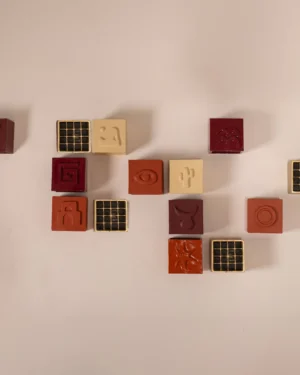
Oasis Wall Light In Hand-sculpted Stoneware
By Harshita Jhamtani Designs
€410 -
 In stock
Lolli Table Lamp in Blown Glass
By Studio Monsoleil
€700 - €900 -
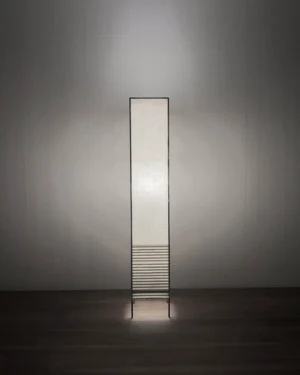
Biiit 003 Floor Lamp in Paper and Brass
By Bo Ah Kim
€1.900 -
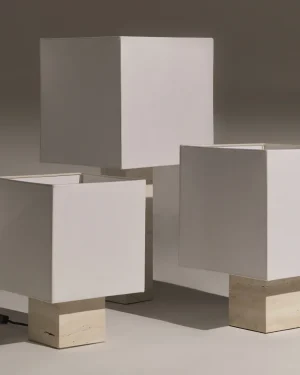
Roma Squared Table Lamp In White Travertine
By NASSI LAMPS
€946 - €1.369 -

My Stone Flower Ceramic Wall Light
By Katia Langeard
€380 -
 In stock
Apapuchi Table Lamp In Earthenware And Cotton
By Aileen De La Ree Valencia
€1.200 -
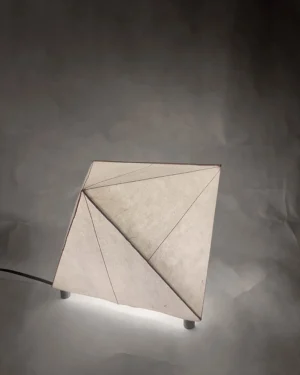
Biiit 006 Table Lamp In Paper And Brass
By Bo Ah Kim
€1.100 -
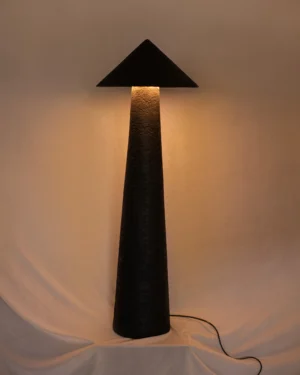
Kasa (m) Lamp In Clay Paste And Mild Steel
By Harshita Jhamtani Designs
€1.460 -
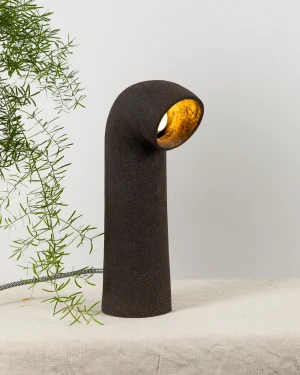
Melo C Table Lamp In Black Ceramic
By Catalin Filip
€270 -
 In stock
Peony Floor Lamp In Fiber-cement
By Donatas Žukauskas
€2.450 -

Cetus Table Lamp in Ceramics and Natural Fibers
By Andrei Clontea STUDIO
€1.000 -

Biiit 011 Wall Sconce in Paper and Brass
By Bo Ah Kim
€2.100 -
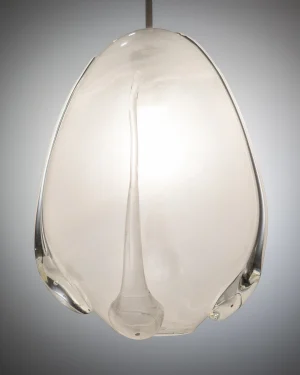
Glass Drops Frosty White Pendant Lamp in Blown Glass
By Georgiev Kiril
€1.300 -

Bella Pupa Floor Lamp in PVC and Stainless Steel
By PUFF-BUFF
€2.130 -
20% off

My Stone Flower 2 Ceramic Table Lamp
By Katia Langeard
€1.000€800 -
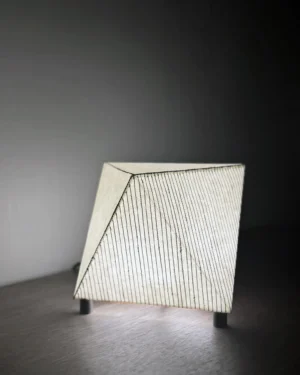
Biiit 007 Table Lamp In Paper And Brass
By Bo Ah Kim
€1.000 -
 In stock
Mora Table Lamp in Sapele Wood and Recycled Paper
By MESEME by Riya Panchal
€1.397 -
 In stock
“Object 03” Lamp from the “Play” Collection
By Hot Wire Extensions
€1.670 -
 In stock
SONIAH Table Lamp in ZTISTA Biocomposite
By FAINA
€3.000 -

Soniah Medium Floor Lamp in ZTISTA
By FAINA
€6.300 -

Taruh Table Lamp in Clay
By Andrei Clontea STUDIO
€900 -
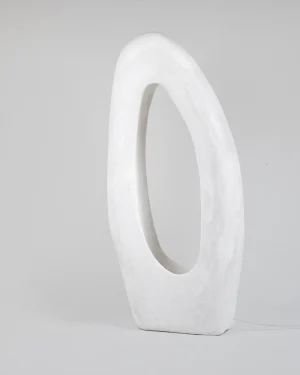
Lacuna Floor Lamp in Natural Stone
By Studio AOAO
€4.500 - €8.500 -
 In stock
Phobos Table Lamp in Aluminum
By Joana Teixeira
€480 -
 In stock
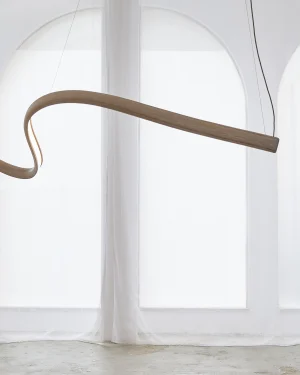
Brisa Pendant Lamp in White Ash Wood
By Poémia
€5.750 -
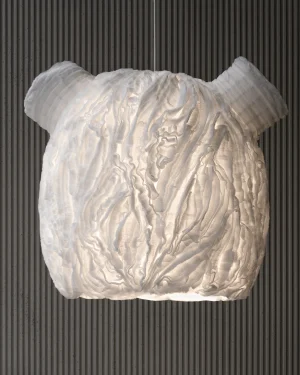
Dream Sluhach Pendant Lamp in Muslin and Metal
By FAINA
€1.950 -
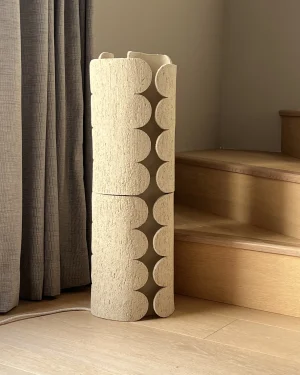
My Stone Flower – Ceramic Floor Lamp Medium
By Katia Langeard
€900 -
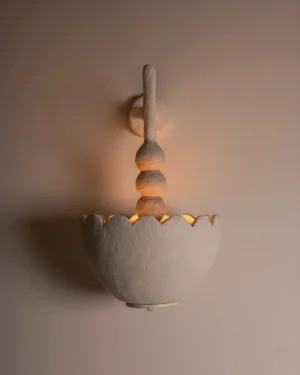
Scallop Wall Sconce In Stoneware And Clay
By Harshita Jhamtani Designs
€1.080 -

Iris Pendant In Clay Paste
By Harshita Jhamtani Designs
€1.180 -
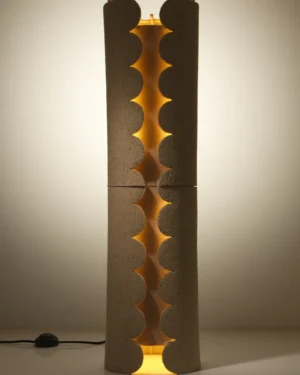
My Stone Flower Large Floor Lamp in Stoneware
By Katia Langeard
€2.330 -
 In stock
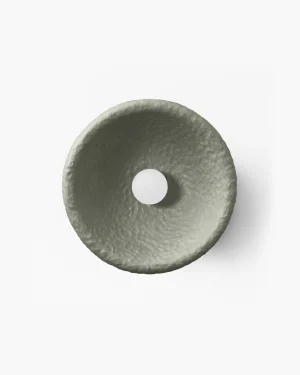
Soniah Wall Sconce in ZTISTA
By FAINA
€1.050 - €1.250 -
 In stock
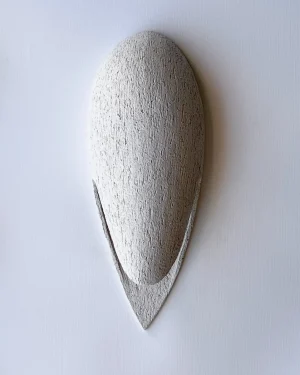
Inverted Drop Exterior Sconces In Ceramics
By Katia Langeard
€380 -
 In stock
Totem Balance Ceramic Table Lamp
By Katia Langeard
€800 -
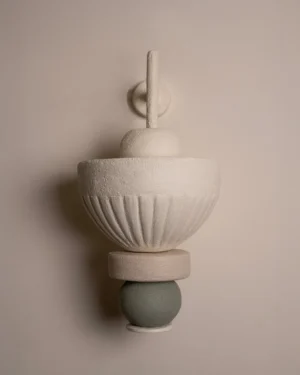
Pebble Wall Sconce In Stoneware And Clay
By Harshita Jhamtani Designs
€1.080
Off-white lighting gathers lamps and fixtures made by studios working in ceramic, stoneware and metal, their surfaces finished in a chalky neutral that sits between white and sand. Some are hand-built and glazed piece by piece, others shaped in metal and powder-coated to the same soft tone, and most are offered as open editions, with a smaller number produced as limited runs or one-offs. What holds the group together is not a single material but a shared color logic: a warm, matte neutral that reads as quiet rather than stark.
What defines the off-white tone
Materials and techniques behind these pieces
Within off-white lighting, the material and the method tend to travel together. Ceramic and stoneware forms are usually hand-built, thrown or press-molded, then glazed and fired, which is why no two pieces from the same design are ever perfectly identical. Metal shades and bases are cut, shaped and finished to match the same neutral family. A smaller number of pieces bring in paper, textile or recycled plastic shades, chosen for how they diffuse light rather than for color alone, and some studios use 3D printing or other digital fabrication to shape bases and shades before finishing.
- Hand-built or glazed ceramic and stoneware, fired to a matte or softly reflective off-white
- Metalwork in steel or other metals, powder-coated or painted to the same neutral range
- Paper, textile or recycled-plastic shades used for diffusion alongside off-white bases
- Pieces offered as open editions, limited editions or unique, one-off works
How to choose an off-white lamp or fixture
Start with scale before finish: a table lamp should sit roughly at eye level when seated nearby, while a floor lamp needs enough height to clear a sofa arm or reading chair without crowding it. Glazed ceramic tends to read heavier and more grounded, good for anchoring a console or sideboard, while powder-coated metal reads lighter and suits a desk or bedside table where the fixture needs to stay visually quiet. Matte finishes absorb light and soften a room, where satin or lightly glazed surfaces will pick up a little reflection from the bulb itself. If you already own warm woods or stone in a neutral palette, off-white lighting tends to sit alongside them without competing, which is part of why it shows up so often in contemporary lighting schemes built around restraint rather than contrast.
Where it fits in a room
Because the tone is calm rather than attention-seeking, off-white lighting works as a base layer: a floor lamp beside a reading chair, a pair of table lamps flanking a bed, a pendant over a dining table where the shade should fade into the ceiling rather than announce itself. It is a natural fit for living room lighting, where a glazed ceramic base can sit near books and textiles without clashing, and for bedrooms, where a soft, non-reflective finish is easier to live with at night than polished chrome or bright white. For a kitchen or bathroom, a metal fixture in the same off-white tone can handle moisture better than an unglazed ceramic one.
Caring for ceramic, stoneware and metal finishes
Glazed ceramic and stoneware should be dusted with a dry or barely damp cloth; abrasive cleaners can dull the glaze or scratch a matte surface over time. Keep unglazed or low-fired ceramic away from standing water, since it can absorb moisture and stain. Powder-coated or painted metal is more forgiving and can be wiped with a mild soap solution, though harsh solvents will eventually wear the finish thin. Across all of them, avoiding direct, prolonged sunlight will keep the off-white tone from yellowing or fading unevenly.
To see the full range of neutral-toned pieces, the off-white color collection spans furniture and objects beyond lighting, while the broader lighting category covers every material and color on offer. For a narrower look, metal lighting and off-white table lamps both sit within this same neutral family.
How do I choose an off-white lamp for my room?
Look at the base material first: ceramic and stoneware bring slight surface variation, while powder-coated metal reads flatter and more even. Match that texture to the room's other finishes before you look at shape or size.
How do you clean and care for off-white lighting?
Dust ceramic and stoneware with a dry or barely damp cloth, since glazes can mark if scrubbed. Powder-coated metal wipes clean easily but should avoid abrasive cleaners that dull the matte finish.
What size or height should an off-white lamp be?
Size depends on the fixture type and where it sits, so check the listed dimensions on each piece. For specific placement questions, chat with the maker on the piece's page.
Which rooms suit off-white lighting best?
The warm neutral tone works in living rooms, bedrooms and hallways where a softer light fixture is wanted instead of a stark white one. It also pairs easily with wood, linen and other warm materials.
Is off-white lighting handmade or produced in limited numbers?
Ceramic and stoneware pieces are usually hand-built, thrown or press-molded, then glazed and fired by hand. Most are offered as open editions, with a smaller number made as limited runs or one-offs.
What are ADORNO's shipping, returns and authenticity policies?
Shipping is insured and worldwide. Returns are accepted within 14 days, though made-to-order pieces are excluded, and every piece comes with a certificate of authenticity.