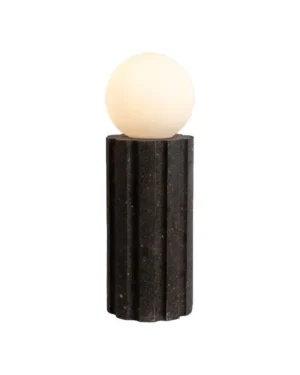
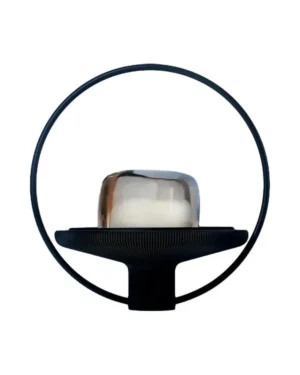
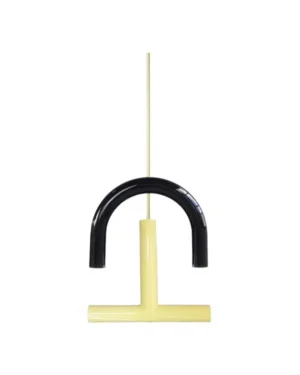
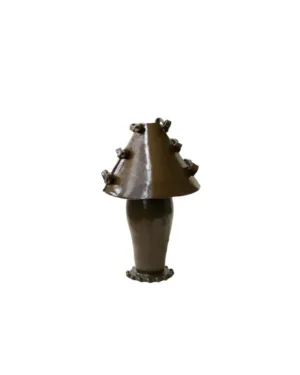
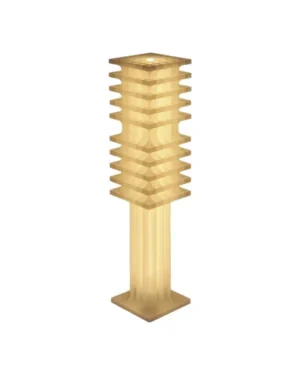
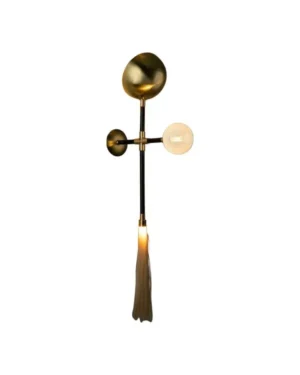
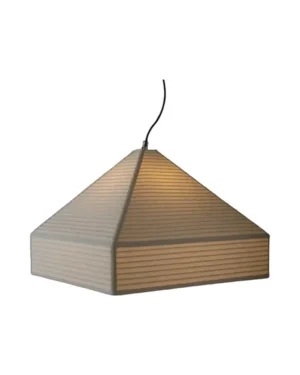
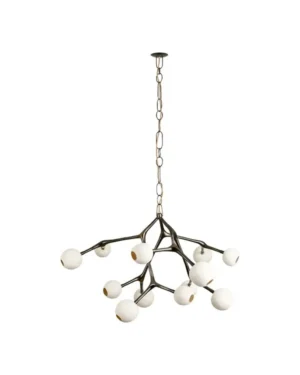


-
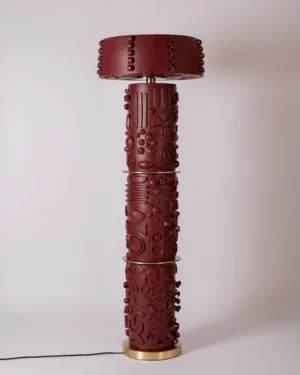
Sculpt Floor Lamp In Hand-built Stoneware
By Harshita Jhamtani Designs
€7.880 -
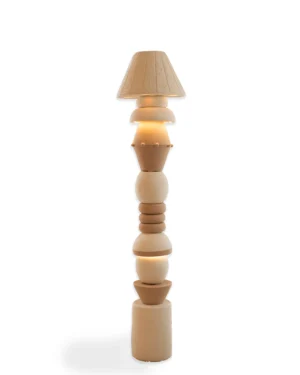
Totem Floor Lamp In Stoneware And Clay Paste
By Harshita Jhamtani Designs
€2.570 -
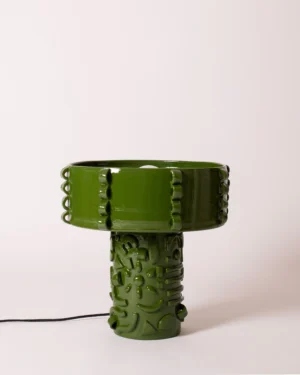
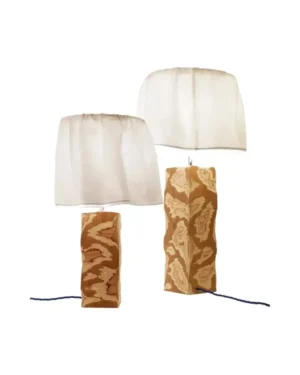
Sculpt Table Lamp In Glazed Stoneware
By Harshita Jhamtani Designs
€3.600 -
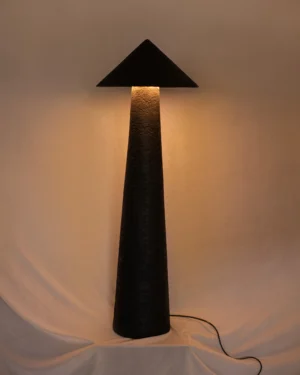
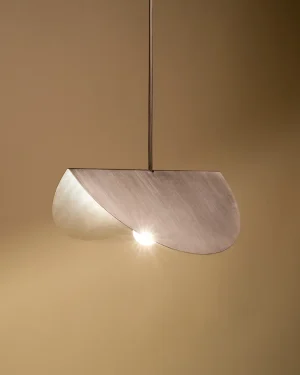
Kasa (m) Lamp In Clay Paste And Mild Steel
By Harshita Jhamtani Designs
€1.460 -
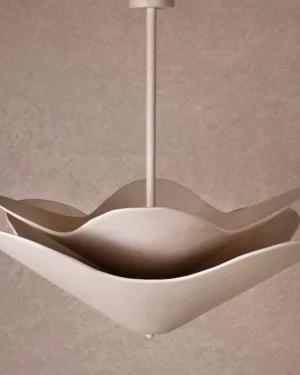
Iris Pendant In Clay Paste
By Harshita Jhamtani Designs
€1.180 -
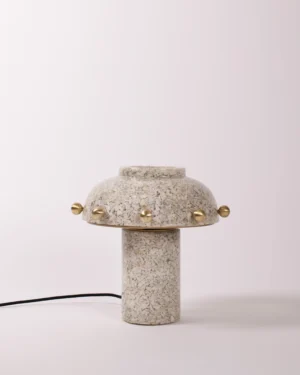
Second Tide Table Lamp In White Recycled Plastic And Brass
By Harshita Jhamtani Designs
€1.340 -
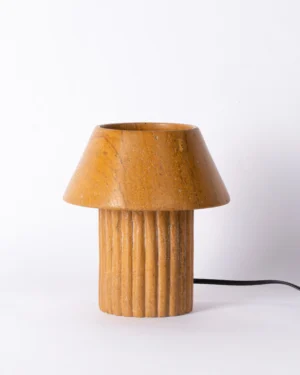
Rio (m) Table Lamp In Sandstone
By Harshita Jhamtani Designs
€690 -
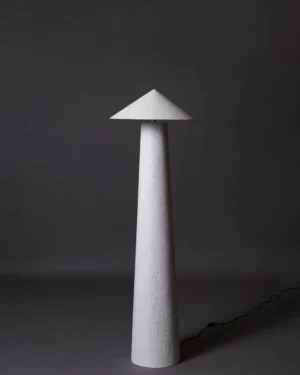
Kasa Floor Lamp In Clay Paste And Mild Steel
By Harshita Jhamtani Designs
€2.130 -
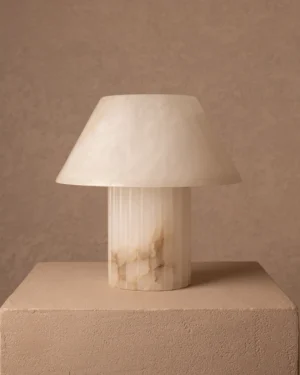
Rio (m) Table Lamp In Alabaster
By Harshita Jhamtani Designs
€800 -
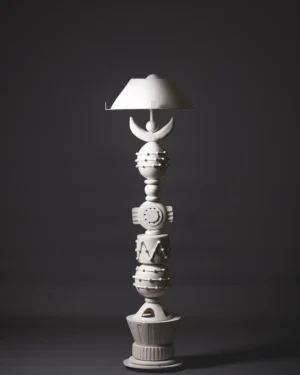
Asteroid Floor Lamp In Stoneware And Mild Steel
By Harshita Jhamtani Designs
€2.570 -
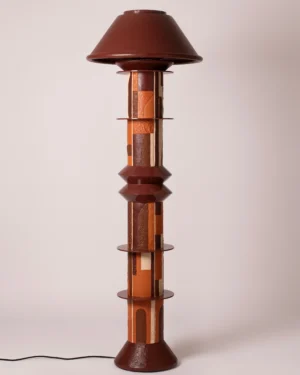
The Rouge Floor Lamp In Clay Paste And Metal
By Harshita Jhamtani Designs
€4.430 -
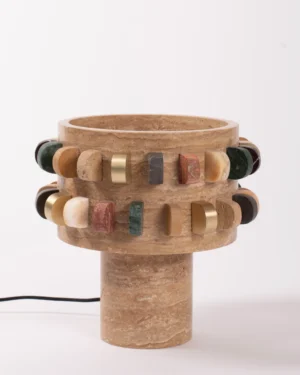
Outcasts Table Lamp In Marble And Travertine
By Harshita Jhamtani Designs
€2.140 -
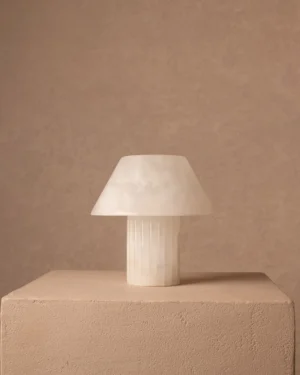
Rio (s) Table Lamp In Alabaster
By Harshita Jhamtani Designs
€430 -
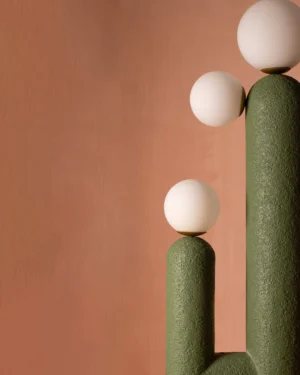
Cactus Floor Lamp In Clay Paste, Mild Steel And Glass
By Harshita Jhamtani Designs
€2.570 -
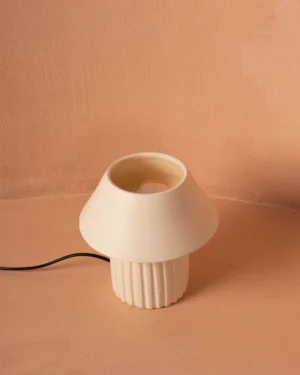
Rio (s) Table Lamp In Stoneware
By Harshita Jhamtani Designs
€200 -
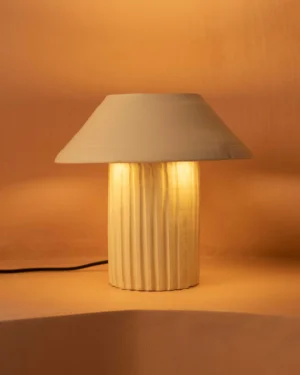
Rio (m) Table Lamp In Stoneware
By Harshita Jhamtani Designs
€360 -
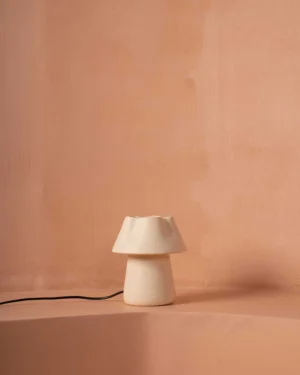
Bloom (m) Table Lamp In Stoneware
By Harshita Jhamtani Designs
€360 -
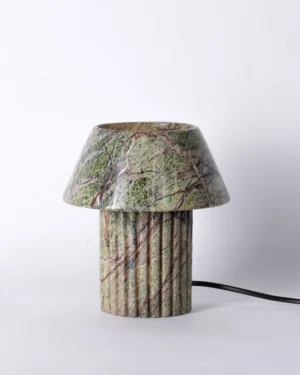
Rio (s) Table Lamp In Green Rainforest Marble
By Harshita Jhamtani Designs
€360 -
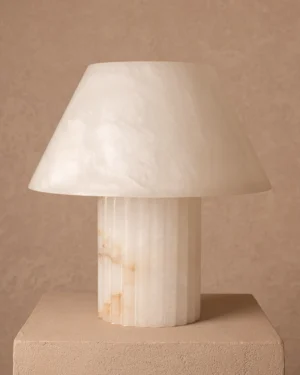
Rio (l) Table Lamp In Alabaster
By Harshita Jhamtani Designs
€1.340 -
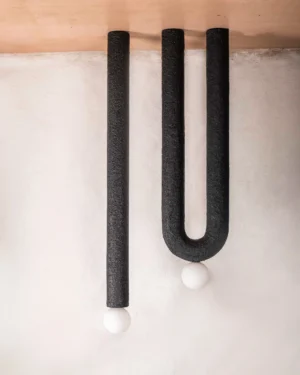
U And I Ceiling Light Set In Clay Paste And Glass
By Harshita Jhamtani Designs
€1.680 -
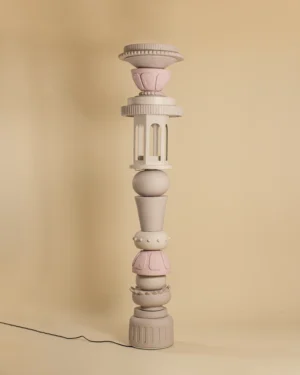
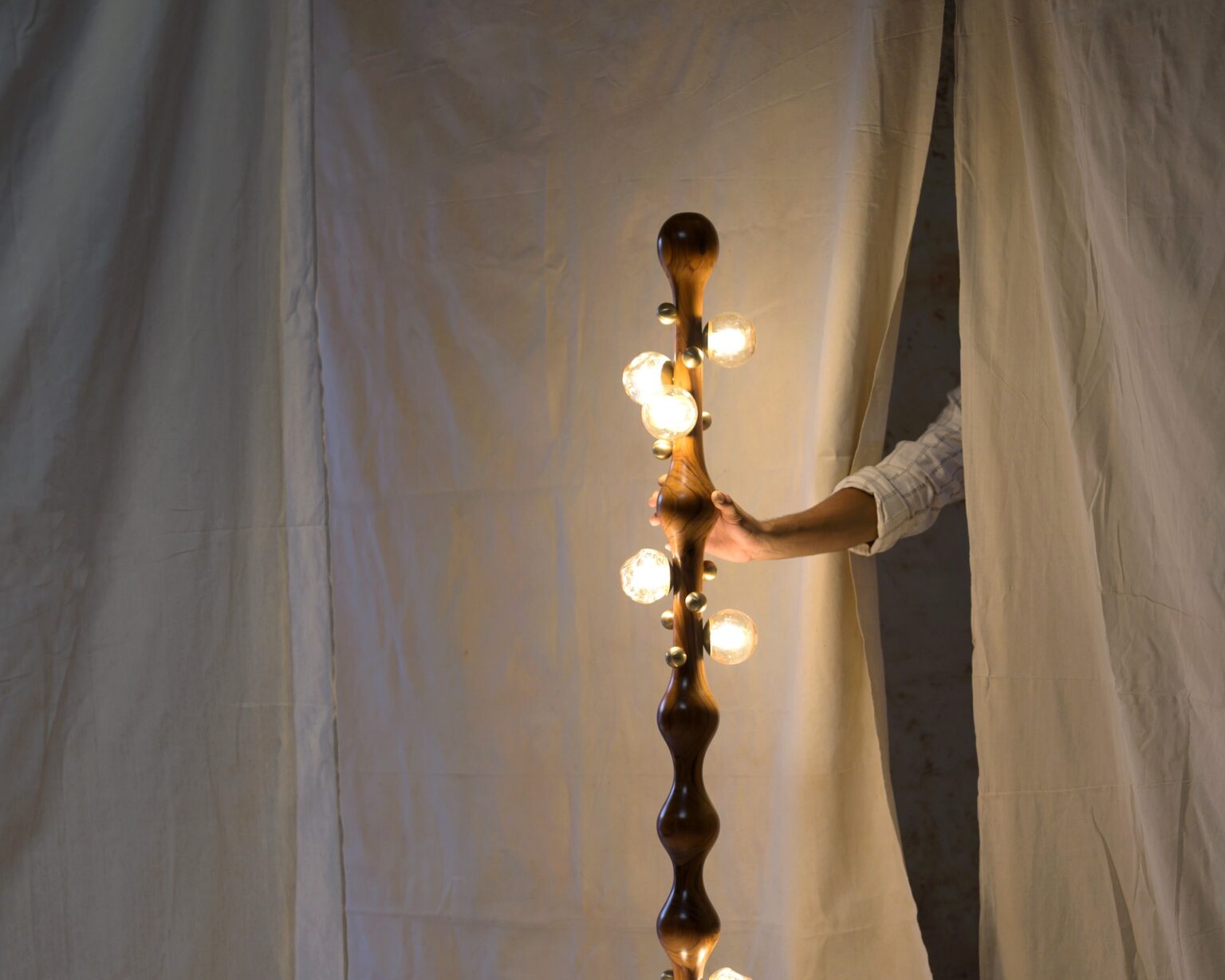
Pillar Of Ties Totem Floor Lamp In Stoneware, Clay Paste And Wood
By Harshita Jhamtani Designs
€3.780 -
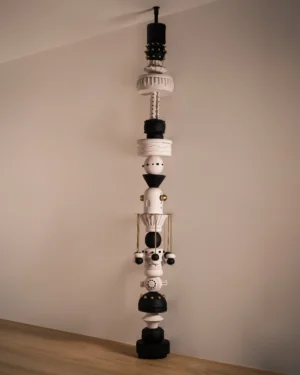
Asteroid Floor-to-ceiling Totem In Stoneware And Brass
By Harshita Jhamtani Designs
€6.900 -
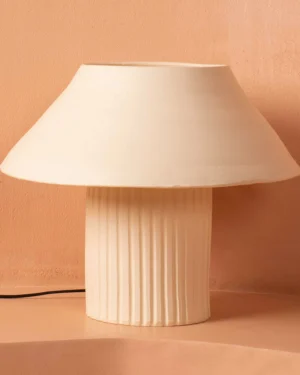
Rio (l) Table Lamp In Stoneware
By Harshita Jhamtani Designs
€560 -
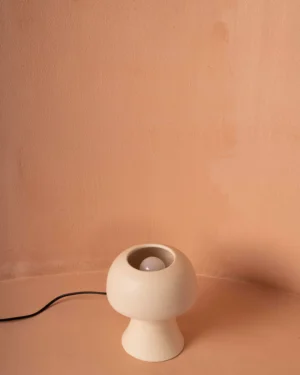
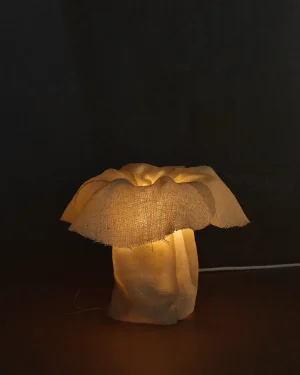
Shroom (l) Table Lamp In Stoneware
By Harshita Jhamtani Designs
€560 -
Bloom (s) Table Lamp In Stoneware
By Harshita Jhamtani Designs
€200 -
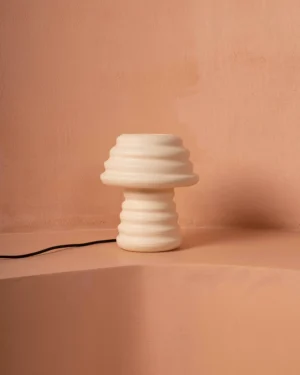
Flab (s) Table Lamp In Stoneware
By Harshita Jhamtani Designs
€200 -
Rio (l) Table Lamp In Green Rainforest Marble
By Harshita Jhamtani Designs
€1.160 -
Rio (s) Table Lamp In Sandstone
By Harshita Jhamtani Designs
€360 -
Rio (l) Table Lamp In Sandstone
By Harshita Jhamtani Designs
€1.160 -
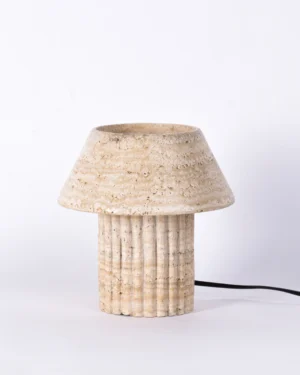
Rio (m) Table Lamp In Beige Travertine
By Harshita Jhamtani Designs
€800 -
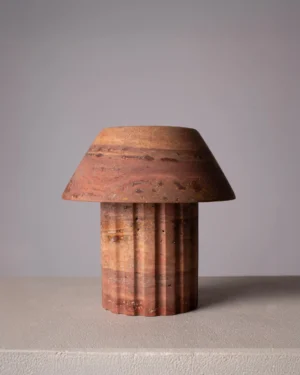
Rio (s) Table Lamp In Red Travertine
By Harshita Jhamtani Designs
€430 -
Rio (m) Table Lamp In Red Travertine
By Harshita Jhamtani Designs
€800 -
Rio (l) Table Lamp In Red Travertine
By Harshita Jhamtani Designs
€1.340 -

Clay Cone Pendant In Textured Black Clay Paste And Mild Steel
By Harshita Jhamtani Designs
€1.820 -
Rio (s) Table Lamp In Beige Travertine
By Harshita Jhamtani Designs
€430 -
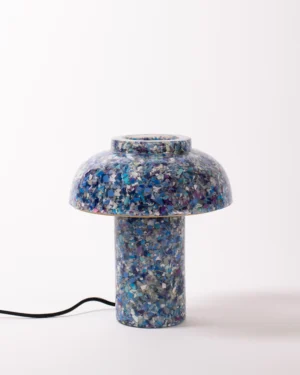
Second Tide Table Lamp In Blue Recycled Plastic And Brass
By Harshita Jhamtani Designs
€1.340 -
Bloom (l) Table Lamp In Stoneware
By Harshita Jhamtani Designs
€560 -
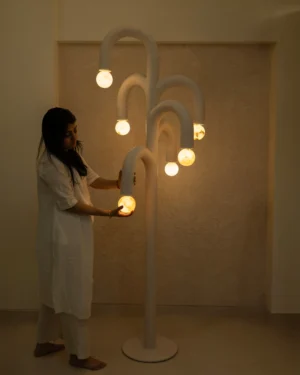
Big Cactus Floor Lamp In Clay Paste, Mild Steel And Alabaster
By Harshita Jhamtani Designs
€3.310 -
Rio (l) Table Lamp In Beige Travertine
By Harshita Jhamtani Designs
€1.340 -
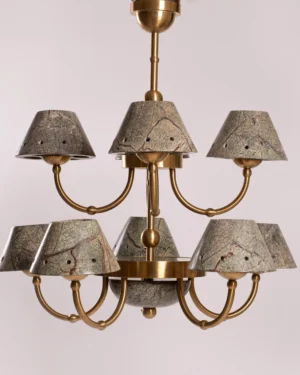
The Marble Chandelier In Rainforest Marble And Brass
By Harshita Jhamtani Designs
€9.030 -
Flab (m) Table Lamp In Stoneware
By Harshita Jhamtani Designs
€360 -
Flab (l) Table Lamp In Stoneware
By Harshita Jhamtani Designs
€560 -
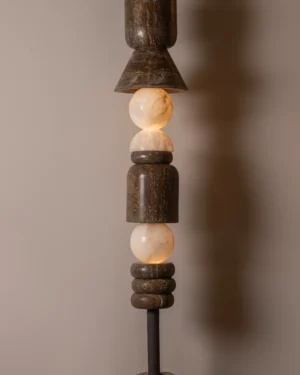
Titan Travertine Totem Floor Lamp In Travertine And Alabaster
By Harshita Jhamtani Designs
€3.070 -
Rio (m) Table Lamp In Green Rainforest Marble
By Harshita Jhamtani Designs
€690 -
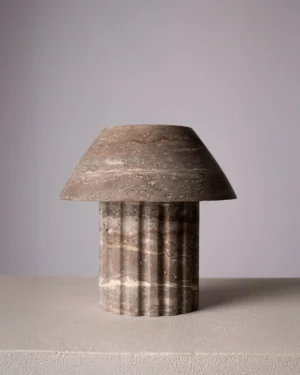
Rio (s) Table Lamp In Titanium Travertine
By Harshita Jhamtani Designs
€430 -
Shroom (s) Table Lamp In Stoneware
By Harshita Jhamtani Designs
€200 -
Rio (m) Table Lamp In Titanium Travertine
By Harshita Jhamtani Designs
€800 -
Shroom (m) Table Lamp In Stoneware
By Harshita Jhamtani Designs
€360 -
Rio (l) Table Lamp In Titanium Travertine
By Harshita Jhamtani Designs
€1.340
Japandi lighting brings together travertine, alabaster, plaster composite and the occasional run of mild steel, shaped by studios who carve stone by hand or build plaster forms in molds, then leave the surface to show its own texture. The pairing softens Scandinavian line with the quiet, uneven character that Japanese craft prizes. What results are lamps that sit low in a room, give light that pools rather than beams, and age without needing much from the people who own them.
Within the lighting category, these pieces stand apart for their weight and their restraint: no chrome, no high gloss, nothing that competes for attention. Anyone drawn to this pared-back mood can see the full range on every Japandi piece on ADORNO, where the same palette of stone and clay runs across tables, seating and objects, not only lamps.
What the material does
Travertine and its red and sandstone-toned relatives carry small pits and mineral streaks that no two blocks repeat exactly, so a lamp carved from one will always read as particular to its stone. Alabaster, by contrast, is denser and often semi-translucent, so light passed through a shade or base glows rather than shines outward. Plaster composite behaves differently again: cast or hand-built rather than carved, it takes a chalky, matte finish that softens further with age, and it is considerably lighter to lift than solid stone. A smaller number of pieces work in mild steel, usually left in a blackened or raw finish that grounds a stone shade or base with a thin, structural line.
Finishes, techniques and editions found here
Most japandi lighting on ADORNO is worked by hand, through stone carving that removes material slowly to reach a final form, or hand-building and plastering that add material in layers instead. Colors stay close to the earth: white, off-white, beige and gray dominate, with occasional black, green, yellow or red where a stone's natural vein or a pigmented plaster calls for it. Because shaping stone or plaster by hand resists exact repetition, studios tend to work in open editions rather than large manufactured runs, so each lamp carries slight variation even within the same design.
Choosing a piece for scale and placement
Stone holds weight, so check what a base or shade needs to sit on before bringing one home: a travertine table lamp can be heavier than it looks and wants a surface that can bear it without shifting. Height matters more than it first appears. A squat alabaster lamp reads as sculpture on a low console, while a taller form standing on the floor can anchor a reading corner the way a side table would. Keep finishes consistent with what already surrounds the piece; a chalky plaster base will look at odds beside glossy lacquer, but settles easily near raw oak, linen or unglazed ceramic. For smaller surfaces, Japandi table lamps offer the same material language at a scale suited to a nightstand or sideboard, while Japandi floor lamps carry more presence for an empty corner or the foot of a sofa.
Where it suits the home
These lamps are built for rooms meant to slow down rather than perform. Living room lighting in stone or plaster works well beside low seating and natural textiles, giving ambient pools of light rather than task brightness. The same restraint suits bedroom lighting, where a soft-edged alabaster or plaster form beside the bed gives enough glow for winding down without the glare of a reading lamp.
Living with stone and plaster
Travertine, alabaster and sandstone are porous, so they stain if liquid sits on the surface and should be wiped dry rather than left wet. Dust with a soft, dry cloth; avoid household cleaners, which can dull the natural sheen of alabaster or leave marks on unsealed stone. Plaster composite is more forgiving of light knocks but chips if struck hard, so it is better placed where it will not be brushed against often. None of these materials need polishing or oiling, only a steady hand and a dry cloth over the years that japandi lighting is meant to last.
How do I choose a Japandi lamp?
Decide whether you want light that pools or glows: travertine and sandstone give uneven, textured light, while alabaster's density lets light pass through and soften. Plaster composite pieces sit lighter in weight and read more matte.
How do I care for stone or plaster lighting?
Wipe travertine, sandstone and marble with a dry or barely damp cloth, since these stones can stain or etch with moisture or acids. Plaster composite needs only a soft, dry cloth and should stay away from damp rooms.
How tall are Japandi lamps?
Most sit low by design, closer to table or floor height than to tall overhead fixtures, so they cast pools of light rather than beams. Exact dimensions vary by piece and studio.
Which rooms suit Japandi lighting?
Living rooms and bedrooms take to the low, glowing light best, though entryways and reading corners work too. The weight and restraint of the material make it suited to quiet corners rather than bright task lighting.
Does ADORNO ship Japandi lighting worldwide?
Yes, shipping is insured and reaches worldwide, with a certificate of authenticity included for every piece.
Can I return a Japandi lamp if it does not suit the room?
ADORNO offers a 14-day return policy, though made-to-order pieces are excluded. For questions about a specific lamp, use Chat with the maker on its page.