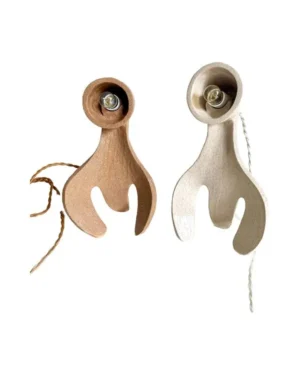
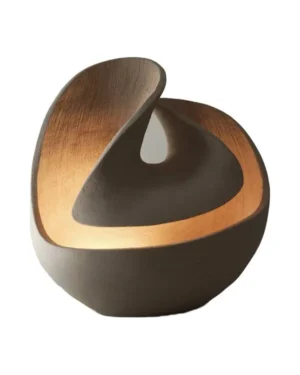
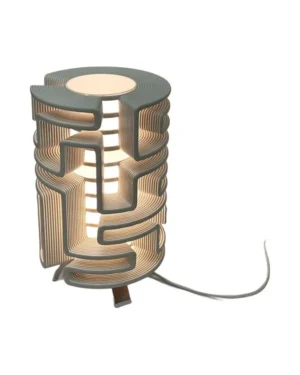
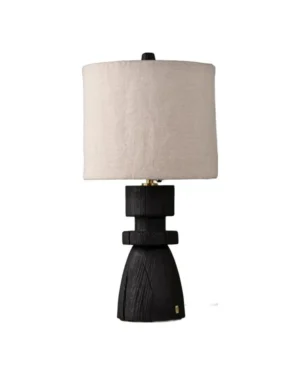
-
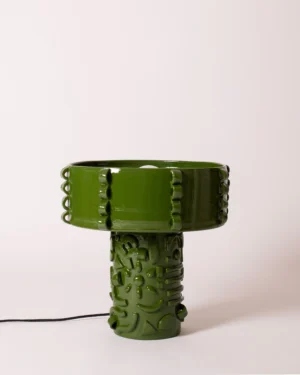
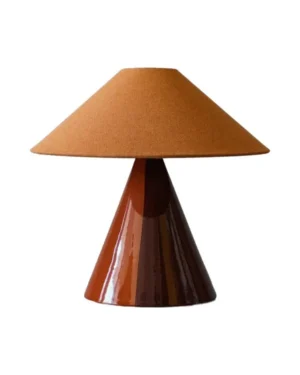
Sculpt Table Lamp In Glazed Stoneware
By Harshita Jhamtani Designs
€3.600 -
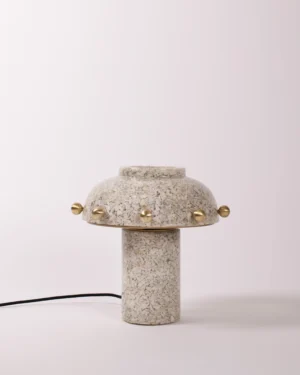
Second Tide Table Lamp In White Recycled Plastic And Brass
By Harshita Jhamtani Designs
€1.340 -
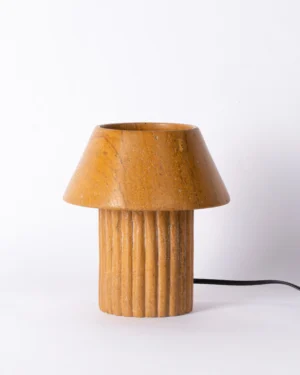
Rio (m) Table Lamp In Sandstone
By Harshita Jhamtani Designs
€690 -
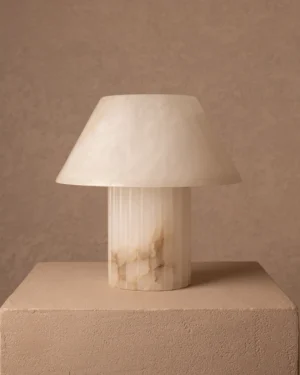
Rio (m) Table Lamp In Alabaster
By Harshita Jhamtani Designs
€800 -
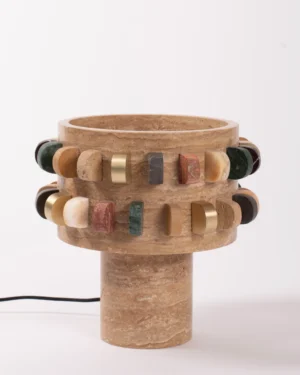
Outcasts Table Lamp In Marble And Travertine
By Harshita Jhamtani Designs
€2.140 -
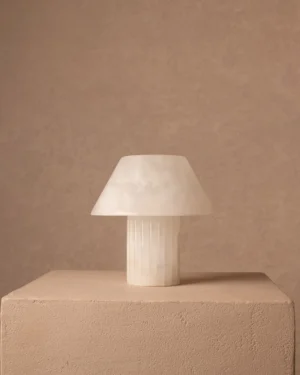
Rio (s) Table Lamp In Alabaster
By Harshita Jhamtani Designs
€430 -
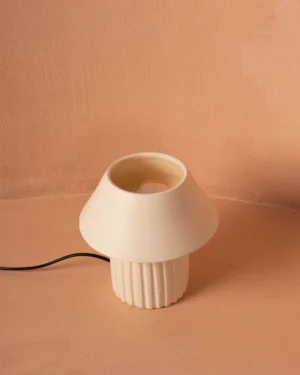
Rio (s) Table Lamp In Stoneware
By Harshita Jhamtani Designs
€200 -
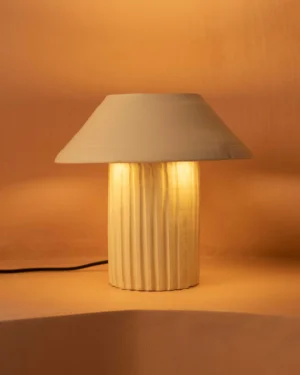
Rio (m) Table Lamp In Stoneware
By Harshita Jhamtani Designs
€360 -
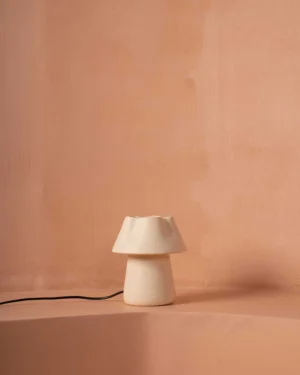
Bloom (m) Table Lamp In Stoneware
By Harshita Jhamtani Designs
€360 -
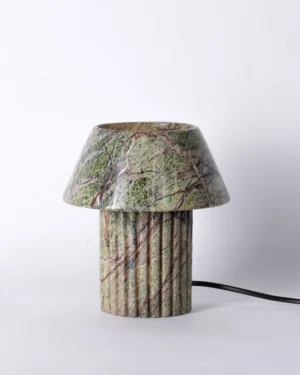
Rio (s) Table Lamp In Green Rainforest Marble
By Harshita Jhamtani Designs
€360 -
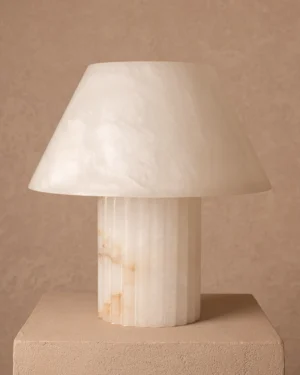
Rio (l) Table Lamp In Alabaster
By Harshita Jhamtani Designs
€1.340 -
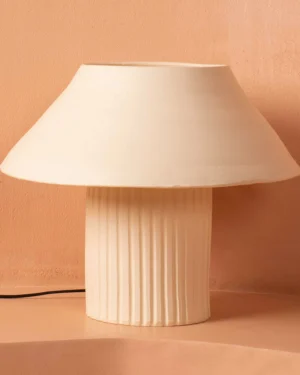
Rio (l) Table Lamp In Stoneware
By Harshita Jhamtani Designs
€560 -
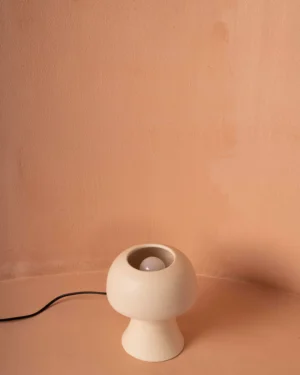
Shroom (l) Table Lamp In Stoneware
By Harshita Jhamtani Designs
€560 -
Bloom (s) Table Lamp In Stoneware
By Harshita Jhamtani Designs
€200 -
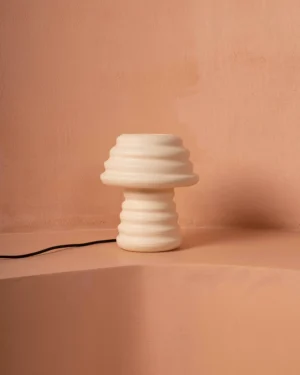
Flab (s) Table Lamp In Stoneware
By Harshita Jhamtani Designs
€200 -
Rio (l) Table Lamp In Green Rainforest Marble
By Harshita Jhamtani Designs
€1.160 -
Rio (s) Table Lamp In Sandstone
By Harshita Jhamtani Designs
€360 -
Rio (l) Table Lamp In Sandstone
By Harshita Jhamtani Designs
€1.160 -
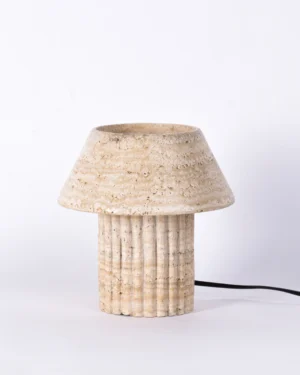
Rio (m) Table Lamp In Beige Travertine
By Harshita Jhamtani Designs
€800 -
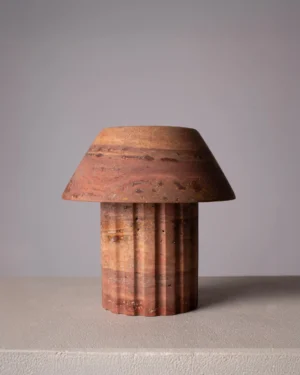
Rio (s) Table Lamp In Red Travertine
By Harshita Jhamtani Designs
€430 -
Rio (m) Table Lamp In Red Travertine
By Harshita Jhamtani Designs
€800 -
Rio (l) Table Lamp In Red Travertine
By Harshita Jhamtani Designs
€1.340 -
Flab (l) Table Lamp In Stoneware
By Harshita Jhamtani Designs
€560 -
Rio (m) Table Lamp In Green Rainforest Marble
By Harshita Jhamtani Designs
€690 -
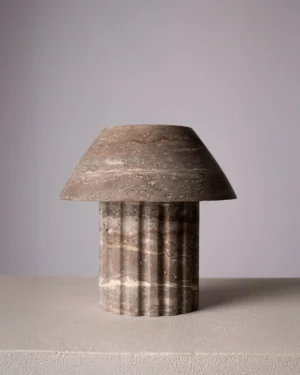
Rio (s) Table Lamp In Titanium Travertine
By Harshita Jhamtani Designs
€430 -
Shroom (s) Table Lamp In Stoneware
By Harshita Jhamtani Designs
€200 -
Rio (m) Table Lamp In Titanium Travertine
By Harshita Jhamtani Designs
€800 -
Shroom (m) Table Lamp In Stoneware
By Harshita Jhamtani Designs
€360 -
Rio (l) Table Lamp In Titanium Travertine
By Harshita Jhamtani Designs
€1.340 -
Rio (s) Table Lamp In Beige Travertine
By Harshita Jhamtani Designs
€430 -
Bloom (l) Table Lamp In Stoneware
By Harshita Jhamtani Designs
€560 -
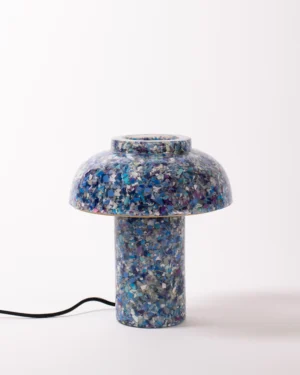
Second Tide Table Lamp In Blue Recycled Plastic And Brass
By Harshita Jhamtani Designs
€1.340 -
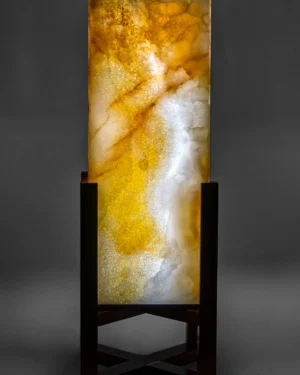 In stock
Aurean Light Table Lamp in Onyx and Iroko Wood
By Markos Vasilakis
€3.800 -
Rio (l) Table Lamp In Beige Travertine
By Harshita Jhamtani Designs
€1.340 -
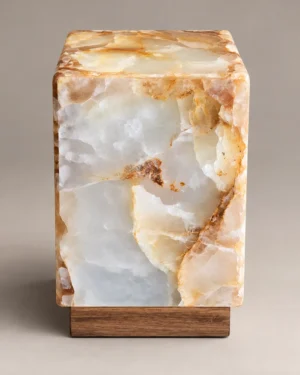 In stock
Auric Storm Table Lamp in Onyx and Wood
By Markos Vasilakis
€1.900 -
Flab (m) Table Lamp In Stoneware
By Harshita Jhamtani Designs
€360
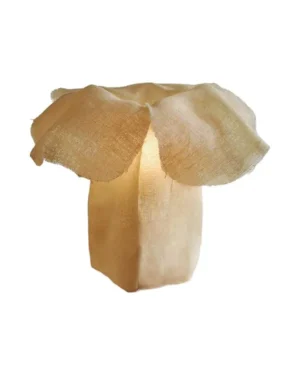
Japandi table lamps bring together two restrained traditions: the quiet material language of Japanese craft and the pared-back function of Scandinavian design. Studios working in this style turn to travertine, alabaster, sandstone and stoneware, carving stone bases by hand or building clay forms by hand, then leaving the surface close to its natural state. The result is a light source that reads as an object first and a fixture second.
What defines the Japandi style in a table lamp
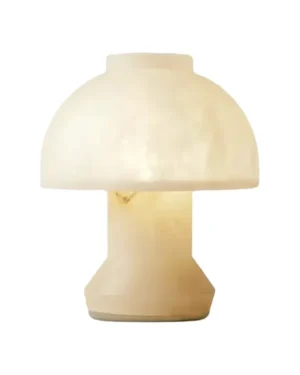
Japandi favors material over ornament. A travertine base keeps its pitted, sedimentary surface instead of being polished flat; alabaster is shaped thin enough to glow when lit, its veining visible from the side; stoneware is hand-built and fired, so no two bases carry the exact same weight or thumbprint. Color stays close to what the stone or clay gives naturally — white, gray, beige, sandy yellow, sometimes a deeper red travertine or a black stoneware glaze — so the lamp settles into a room rather than announcing itself.
The range of stone and clay table lamps on ADORNO
Within japandi table lamps, the variation sits in material and technique rather than silhouette. You'll find:
- Stone-carved bases in travertine, red travertine, alabaster, sandstone and marble, each cut and sanded by hand to keep the stone's natural pitting or veining visible.
- Hand-built stoneware bases, thrown or coil-built and fired, with a glazed or raw matte surface.
- Open editions, made to the same design as needed rather than numbered or capped, so the form stays available even as individual pieces sell.
Shades tend to follow the same restraint — linen, paper or a second ceramic form — so the base, not the shade, carries the visual weight. For a wider view of the style across lighting, the Japandi lighting works alongside these lamps make the same material choices in pendants and floor lights.
How to choose a Japandi table lamp
Scale and height matter more than decoration here. A stone base sitting on a console or sideboard can afford more presence than one meant for a nightstand, where a low, rounded form keeps the light close to the surface and out of the eyeline when lying down. Check the finish in person or in detailed photos if you can: raw stone shows tool marks and natural pitting, while a honed or polished surface reads smoother and catches more light. Placement also decides how much the material shows — alabaster rewards a spot where it can be seen lit from the side, while a dense travertine base reads better as a daytime object, its grain visible even switched off.
Where these lamps sit well
Stone and stoneware table lamps suit rooms built around calm more than brightness: a living room corner, a bedside surface, a reading chair with a low side table nearby. Paired with oak, linen or pale plaster, they carry the same unforced, natural register. For room-specific options, the living room table lamps and bedroom table lamps both include pieces in this style, scaled for their settings.
Caring for stone and clay lamps
Travertine, alabaster and sandstone are porous and will mark if liquid sits on them, so keep these lamps away from damp glasses or vases and wipe spills quickly. A dry or barely damp cloth is enough for regular dusting; avoid acidic or abrasive cleaners, which can dull or etch the surface. Stoneware with a glaze is more forgiving but should still be lifted rather than dragged, since unglazed footings can scratch wood surfaces over time.
To see the style across other materials and forms, the full range of Japandi pieces on ADORNO extends from lighting into seating and tables, and the broader table lamps category covers every material and style working on a single surface.
How do I choose a japandi table lamp?
Look at the base material first: travertine and sandstone bring weight and texture, alabaster glows when lit, stoneware carries a handmade surface. Pick the one whose color and finish sit quietly against your existing surfaces.
How do you care for a stone or stoneware table lamp?
Dust with a dry or barely damp cloth and keep travertine, sandstone and alabaster away from standing water, which can stain or dull the surface. Stoneware with a fired glaze wipes clean; raw matte surfaces should stay dry.
What size table lamp works for a side table or sideboard?
A lamp should sit a little below eye level when seated nearby, with its base wide enough to feel stable rather than perched. For exact dimensions, chat with the maker on the piece's page.
Which rooms suit a japandi table lamp?
Living rooms, bedrooms and entryways all suit the style, since the light reads as an object first and a fixture second. Place it on a console, nightstand or sideboard where its material can be seen up close.
Can I get a japandi table lamp in a custom color or size?
Some makers take custom requests for size, glaze or stone selection. Chat with the maker directly on the piece's page to ask.
What are ADORNO's shipping and return policies?
Shipping is insured and worldwide. Returns are accepted within 14 days, except on made-to-order pieces, and every lamp arrives with a certificate of authenticity.