



-
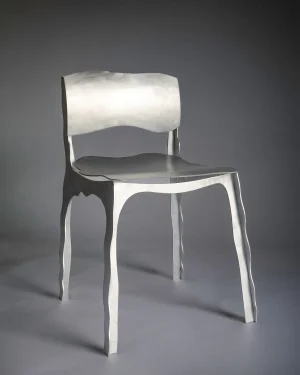
Contemporary Vanity Chair V2
By Six Dots Design
€920 -
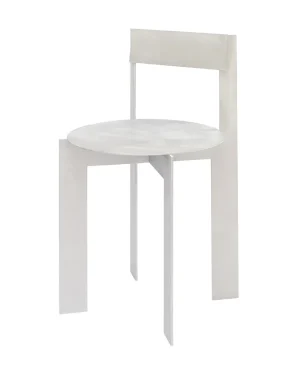
Object111 – Aluminum Chair
By NG DESIGN
€333 -
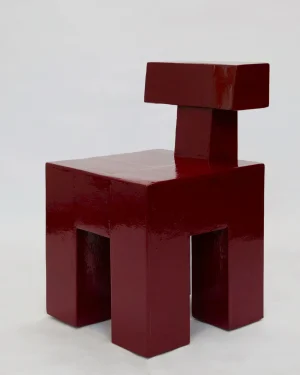
The Practice Chair
By Studio Fabius Clovis
€2.200 This product has multiple variants. The options may be chosen on the product page -
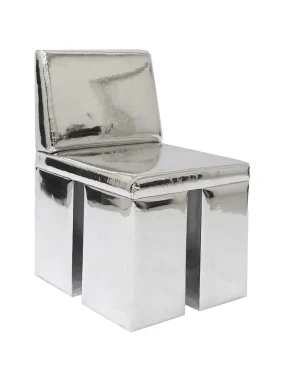
Object106 – Upholstered Chairs
By NG DESIGN
€585 - €1.115 This product has multiple variants. The options may be chosen on the product page -
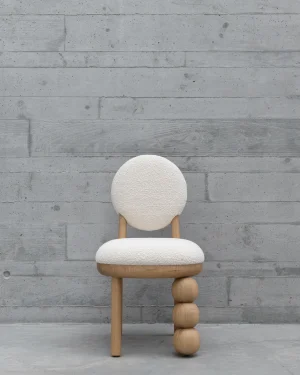
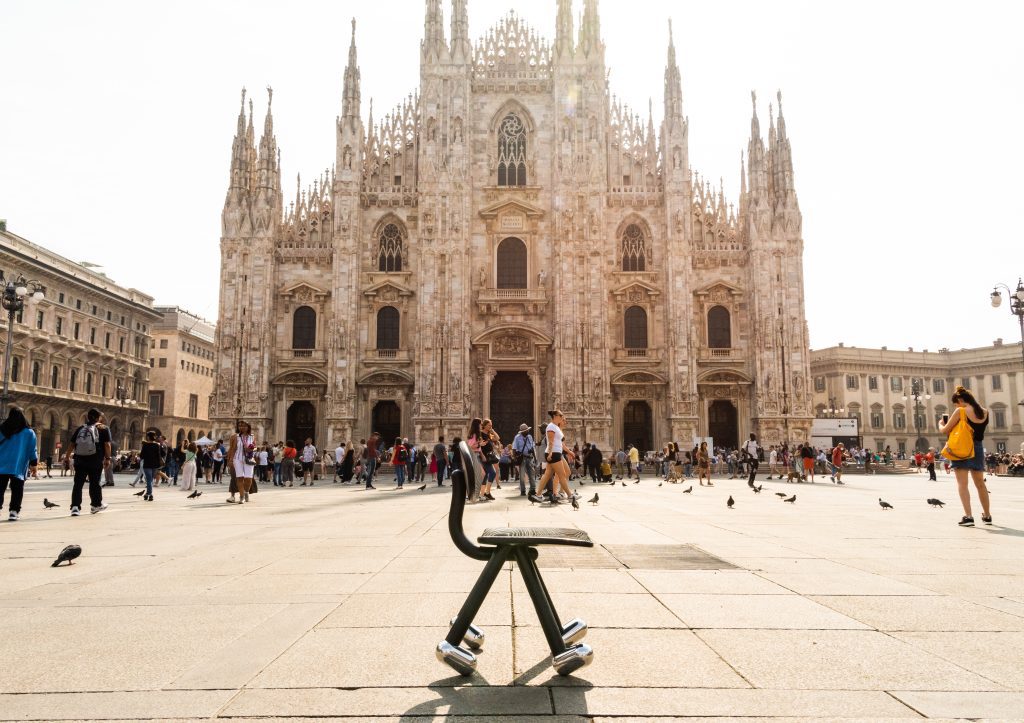
The Three Ball Leg Chair
By Joana Teixeira
€2.200 -
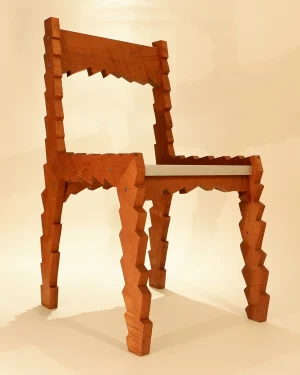
Shocking Chair – Stained Oak Wood Dining Chair
By Josh Page Studio
€940 -
 In stock
Splitted Dining Chair
By Teun Zwets
€1.765 This product has multiple variants. The options may be chosen on the product page -
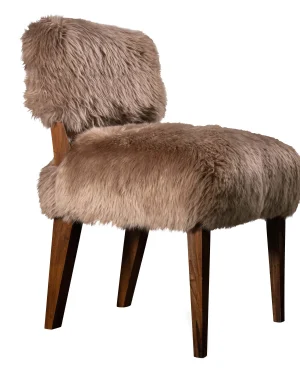
Bruno Ovino – Modern Dining Chair In Exotic Wood And Sheepskin
By Costantini Design
€1.748 -

Mid-century Heart Chair In Plushy Bordeaux, Dedar,europe, 1960s
By Vintola Studio
€1.050 -
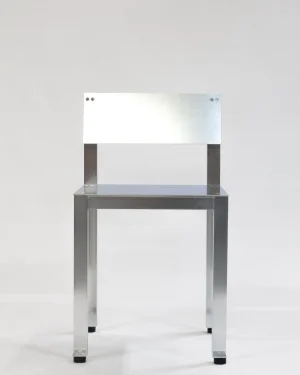
Canto – Aluminum Dining Chair
By Luiz Solano
€840 -

Dessert – Steel Chair
By SALAK Studio
€790 -

A_forma Chair
By AROUND
€900 -

Vintola Studio Dining Chair, Casamance Nimbus Leopard Fabric
By Vintola Studio
€1.400 -

Bold Shkam Chair – Yellow
By SHAPE & SHADE
€333 -
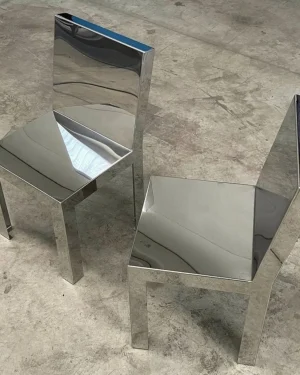
Sedia 1 – Mirror Polished Stainless Steel Chair
By Julia Chiaramonti
€5.500 -
 In stock
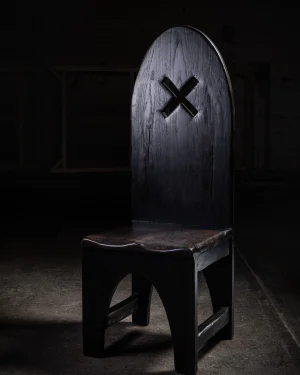
The X Chair
By NO AGE STUDIO
€2.500 -
 In stock
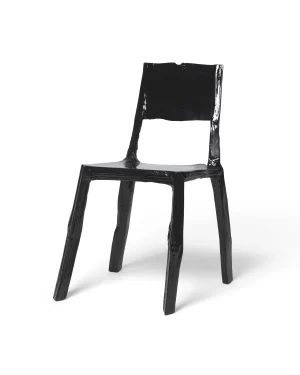
Splitted Dining Chair Black
By Teun Zwets
€1.765 -
 In stock
Vintola Dining Chair, Tiger Mountain Velvet – Dedar, Walnut Wood
By Vintola Studio
€1.400 -
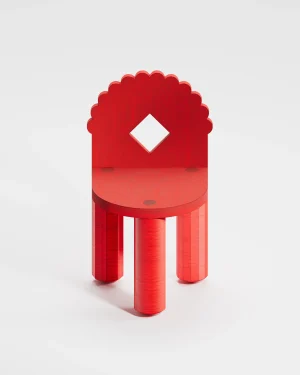
Bold Shkam Chair – Red
By SHAPE & SHADE
€333 -
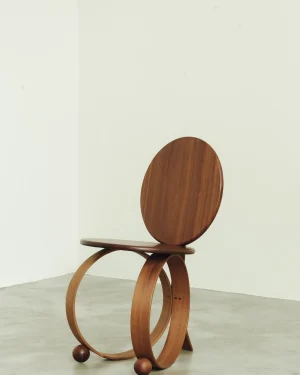
Yara – Bent Wood Chair
By PROSA
€3.200 -
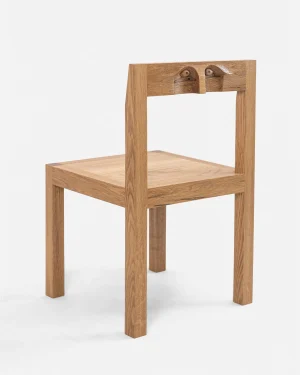
Stele – Oak Wood Chair
By Molor Tumen-Ulzii
€3.000 -
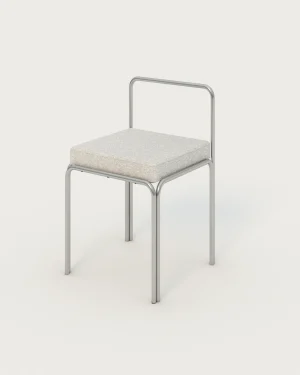
Sali – Upholstered Chair
By SALAK Studio
€620 This product has multiple variants. The options may be chosen on the product page -
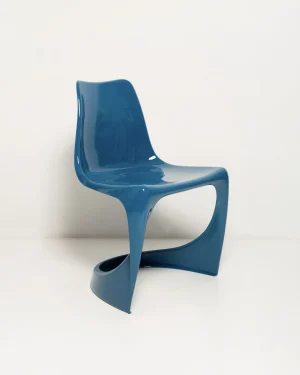
Sea Blue Cado Chair
By Vintola Studio
€900 -

Cas Chair
By Daniel Couttolenc
€2.250 - €2.450 This product has multiple variants. The options may be chosen on the product page -
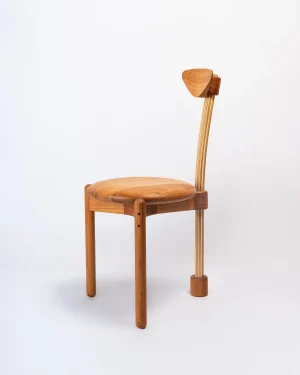
Pipa – Peroba Do Campo Wood Chair
By Estúdio Simbiose
€1.450 -
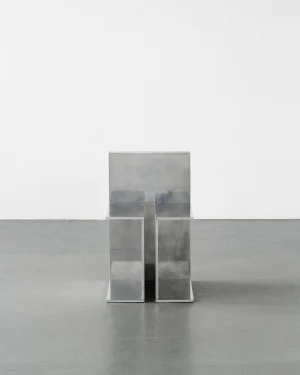
Lille Split Chair
By Thomas Gayet
€2.300 -
 In stock
Pneumatic Chair 2
By Szostak Atelier
€5.990 This product has multiple variants. The options may be chosen on the product page -
 In stock
Luna Chair
By Arbore x Cezar Moldovan
€1.988 -
 In stock
Ciénega Chair
By Tana Karei
€2.397 -
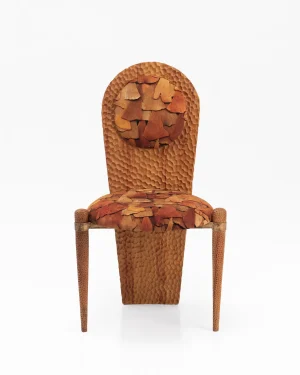
Naughty By Nature – Sculptural Chair
By Odditi
€1.180 -
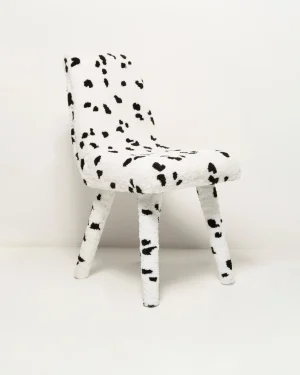
Cruella Dalmatian Chair
By Vintola Studio
€1.600 -
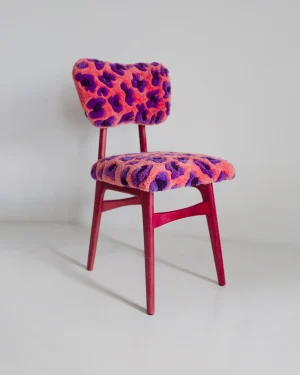
Butterfly Chair Pink Leopard Tufting Wool
By Vintola Studio
€1.600 -

Ruva Chair
By AEXIO
€825 -
 In stock
Vintola Dining Chair, Jacquard Velvet, Vintola Studio
By Vintola Studio
€1.400 -
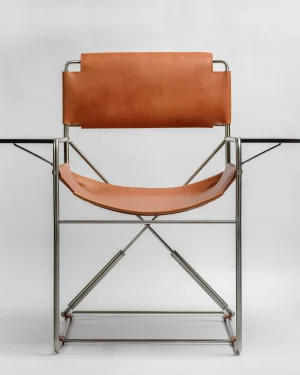
Pneumatic Chair – Unique Piece
By Szostak Atelier
€9.000 -

Poppy – Sculptural Oak Chair
By Deya
€1.640 -

Honey – Squiggle Oak Wood Chair
By Deya
€1.492 -
 In stock
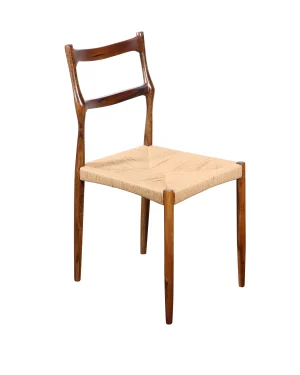
Liviana – Carved Wood Slatted Dining Chair With Woven Rush Seat
By Costantini Design
€2.450 -
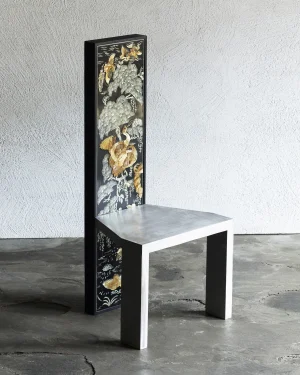
Narrative 001 – Stainless Steel / Wood Chair
By STUDIO KIMBYUNGSUB
€8.000 -
 In stock
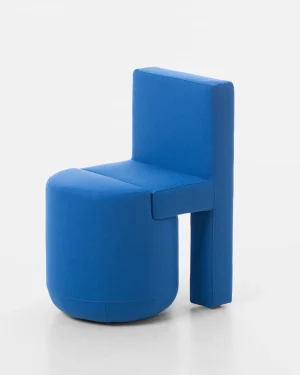
Miki Dining Chair
By Heaps & Woods
€1.531 - €1.625 This product has multiple variants. The options may be chosen on the product page -
 In stock
Fossil Dining Chair
By oitoproducts
€1.534 -

Mid Century Mushroom Chair, Amoir Fou, Dedar, By J. Kedziorek, 1960s
By Vintola Studio
€1.050 -
 In stock
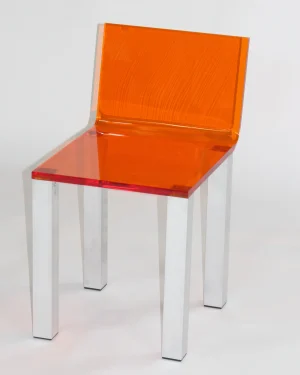
Acrilar – Acrylic Chair I
By Luiz Solano
€840 This product has multiple variants. The options may be chosen on the product page -
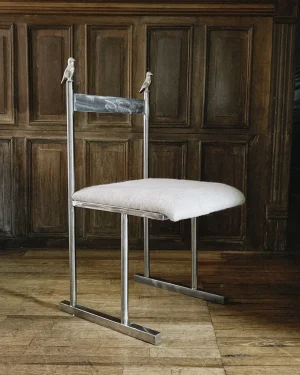
School Chair – Upcycled Materials
By Around the Studio
€1.500 -
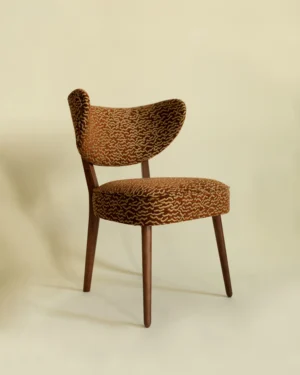 In stock
Dining Chair, Le Chant Des Dunes Pierre Frey, Walnut Wood, Vintola Studio
By Vintola Studio
€1.400 -
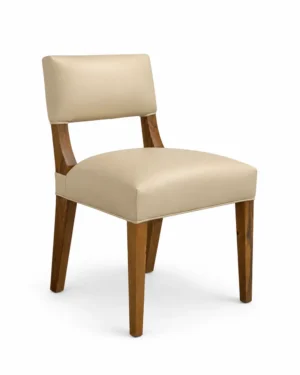 In stock
Bruno – Modern Dining Chair In Argentine Exotic Wood & Leather
By Costantini Design
€1.850 -
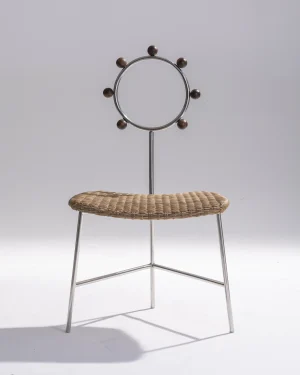
Sol – Stainless Steel And Wicker Chair
By Giácomo Tomazzi Studio
€1.350 -
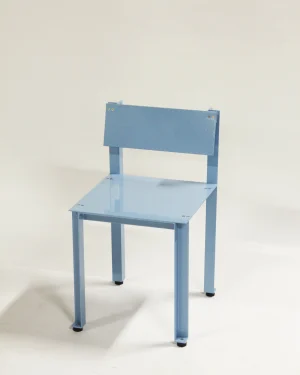
Colored Canto Aluminum Chair
By Luiz Solano
€1.000 This product has multiple variants. The options may be chosen on the product page -
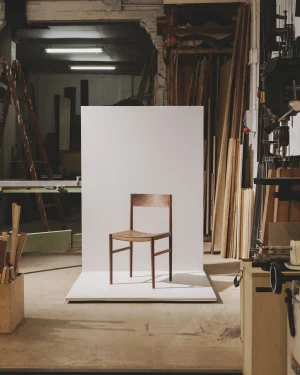
Fina Chair
By Mike Hausmann
€1.850 - €1.950 This product has multiple variants. The options may be chosen on the product page -
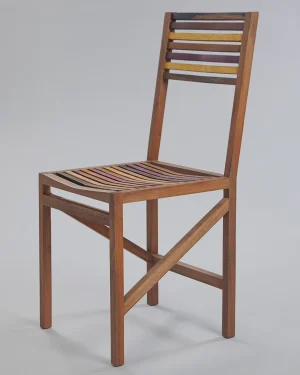
Moza Chair
By am.o atelier
€1.052 -
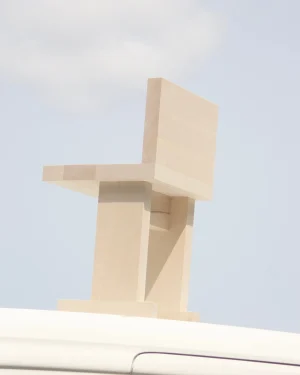 In stock
Trestle Chair
By Vital Lainé
€1.000 -
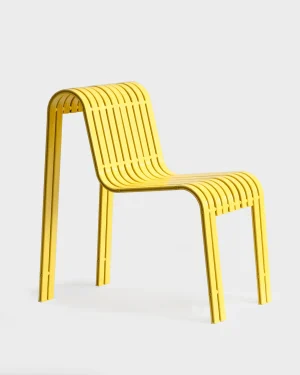
Slide Chair
By Studio Yann Gandon
€1.250 -
 In stock
Dining Chair, Leopard Velvet By Edmond Petit, Walnut Wood
By Vintola Studio
€1.300 -
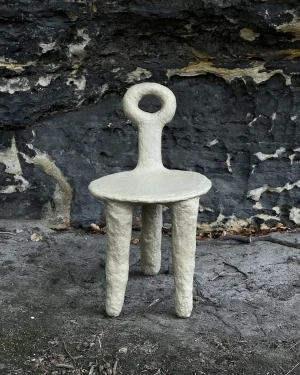
Sandstone Chair
By David Čáp
€1.000
Modern dining chairs bring a pared-down structure to the table: straight or gently curved frames in wood, aluminum or welded metal, seats upholstered in cotton, textile or viscose, finishes kept to matte black, bronze, beige or off-white. Studios working across cabinetmaking, metalwork, upholstery and tufting build them one at a time or in open editions, favoring line and proportion over ornament. The result is a seat that reads as sculpture at rest and holds up under daily use.
What defines a modern dining chair
The style sets itself apart by subtraction. Legs taper rather than turn, joints sit flush, and surfaces stay honest about what they are, oiled oak, brushed aluminum, a single run of stitched textile. Ornament gives way to proportion: the angle of a backrest, the thickness of a seat edge, the way a frame meets the floor.
Color tends toward restraint, amber and bronze metals, beige and off-white textiles, black lacquer or matte steel, so the chair can sit against almost any table without competing with it. Where pattern appears, it comes from the weave of the cotton or the grain of the wood rather than from print.
Materials and techniques found in this range
Wood remains the most common starting point, oak worked through traditional cabinetmaking into frames that take on color slowly and can be sanded back when they dull. Aluminum and other metals follow close behind, welded or bent into frames that stay light to lift and resist the seasonal movement that wood shows.
Upholstery adds another layer: cotton, polyester and viscose stretched or tufted over foam, sometimes laser cut for pattern, sometimes left plain. A few pieces are hand-built or finished with papier-mâché detailing, which keeps them closer to the studio than to the factory line. Editions run from open runs, replaced as they sell, to unique pieces made once and not repeated.
- Frames: oak and other woods, aluminum, welded metal
- Seating surfaces: cotton, polyester, viscose, mixed textile
- Finishes: matte black, bronze, amber, beige, off-white
- Making: wood and cabinetmaking, metalwork, upholstery, tufting, laser cutting, hand-building
How to choose one
Seat height for dining use generally runs close to eighteen inches, measured to clear a table set around twenty-eight to thirty inches high; leave a few inches between seat and tabletop so knees and arms have room. Check the width of the frame against your table's edge, armchairs need more clearance than side chairs, especially around corners.
Match frame material to how the chair will be used. Metal and lacquered wood wipe clean and suit chairs pulled out often; woven cotton or viscose seats read softer but ask for more care. If you already own wooden dining chairs or a wood table, matching tone, or deliberately contrasting it with metal dining chairs, both read as considered choices within the style.
Where these chairs work
They suit dining rooms built for daily meals as readily as open-plan kitchens, since the pared-back frames don't crowd a sightline the way heavier historical forms can. Used around a kitchen island or a dining room table, they hold their own without needing a matching set; mixing finishes across a table is common in this style and rarely looks accidental.
The same restraint carries them into living rooms used for occasional dining, studies doubling as workspaces, or anywhere a single extra seat is needed that won't look out of place. Pieces with closer ties to minimalist dining chairs work particularly well in smaller rooms, where fewer visual breaks make a space feel larger.
Care by material
Oak and other wood frames benefit from a yearly wipe with a damp cloth and an occasional oil or wax, kept away from direct heat and standing water to avoid warping. Aluminum and painted metal need little beyond dusting and a soft cloth for fingerprints, though scratches in matte finishes should be touched up to prevent corrosion at the exposed edge.
Textile and cotton seats should be vacuumed regularly and spot-cleaned rather than soaked; viscose in particular can water-stain, so blot spills immediately. For the full range of forms and materials working in this idiom, see all dining chairs or everything filed under modern style across ADORNO.
How do I choose a modern dining chair?
Start with how the frame is made: oak and other hardwoods suit a table used daily, while metal and molded forms suit a sparer room. Match the seat height to the table and check arm clearance before adding upholstery or color.
What materials are modern dining chairs made from?
Most are built from oak or other hardwoods, aluminum or welded metal, with seats in cotton, polyester or viscose textile. Finishes range from matte wood tones to bronze or black metal frames.
How do I care for a modern dining chair?
Wipe wood frames with a dry or barely damp cloth and keep them from direct heat to avoid drying or warping. Vacuum textile seats regularly and treat stains promptly, since cotton and viscose absorb liquid quickly.
What is the standard height for a dining chair?
Seat heights typically run between 17 and 19 inches, pairing with tables around 28 to 30 inches tall. Leave about 10 to 12 inches between seat and tabletop for comfortable knee clearance.
Which rooms suit modern dining chairs?
They anchor dining rooms and open-plan kitchens, but lighter wood or metal frames also work well pulled up to a desk or placed in a living room for extra seating.
Does ADORNO offer worldwide shipping and returns on dining chairs?
Shipping is insured and worldwide. Returns are accepted within 14 days, except for made-to-order pieces, and every chair arrives with a certificate of authenticity.