








-
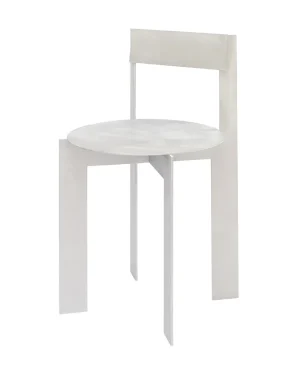
Object111 – Aluminum Chair
By NG DESIGN
€333 -
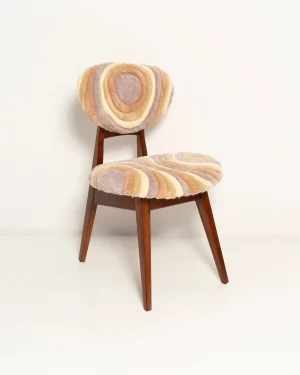
Mid Century Mushroom Chair Hand Tufting Beige Wool
By Vintola Studio
€1.600 -
 In stock
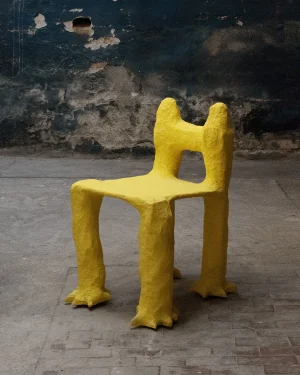
Zampa
By Jonathan Bocca
€2.700 -
 In stock
Camber – Stainless Steel Chair
By Paul Coenen
€1.121 -
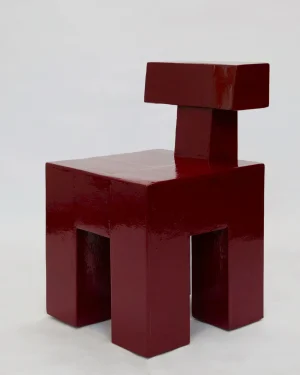
The Practice Chair
By Studio Fabius Clovis
€2.200 This product has multiple variants. The options may be chosen on the product page -
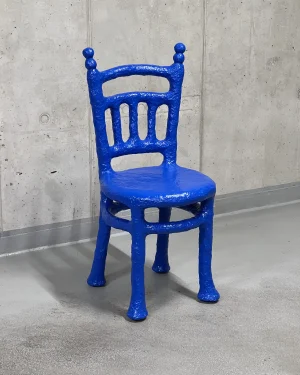
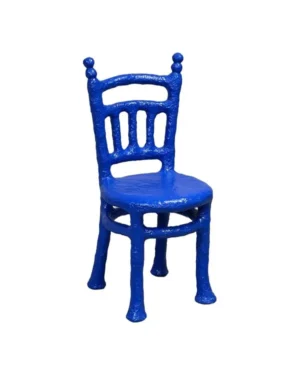
Blue Papier-mâché Chess Chair
By David Čáp
€1.000 -
5% off
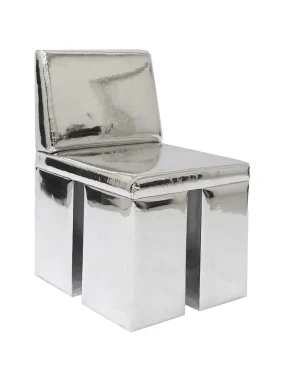
Object106 – Upholstered Chairs
By NG DESIGN
€585 - €1.115€556 - €1.060 This product has multiple variants. The options may be chosen on the product page -
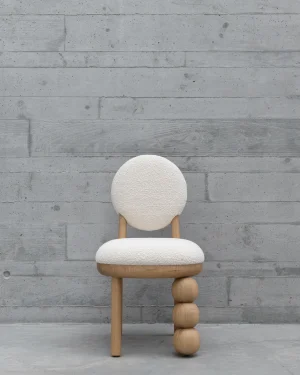
The Three Ball Leg Chair
By Joana Teixeira
€2.200 -
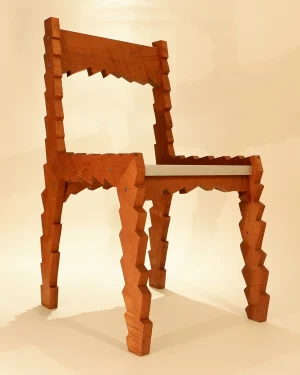
Shocking Chair – Stained Oak Wood Dining Chair
By Josh Page Studio
€940 -
 In stock
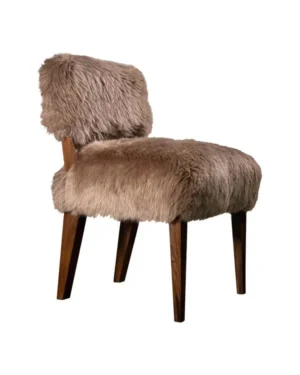
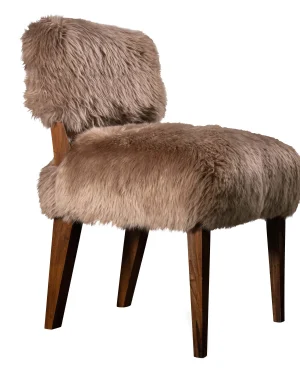
Bruno Ovino – Modern Dining Chair In Exotic Wood And Sheepskin
By Costantini Design
€1.748 -

Dessert – Steel Chair
By SALAK Studio
€790 -
 In stock
Sedia 1 – Mirror Polished Stainless Steel Chair
By Julia Chiaramonti
€5.500 -
 In stock
The X Chair
By NO AGE STUDIO
€2.500 -
 In stock
Vintola Dining Chair, Tiger Mountain Velvet – Dedar, Walnut Wood
By Vintola Studio
€1.400 -
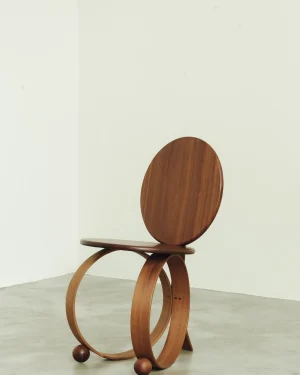
Yara – Bent Wood Chair
By PROSA
€3.200 -
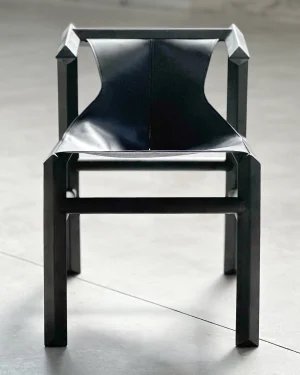
1901 – Black Leather And Wood Dining Chair
By espina corona
€890 -

Elefante- Brazilian Wood Chair
By Estúdio Ramiros
€2.456 -
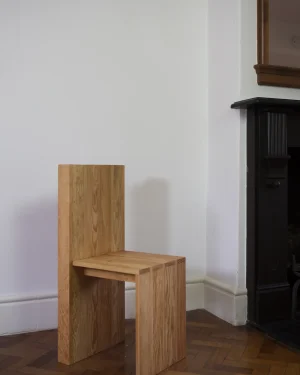
La Curva – Minimalist Wood Chair
By Jaclyn Pappalardo
€940 -
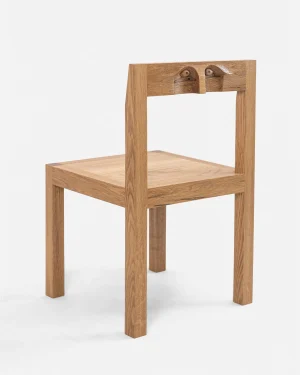
Stele – Oak Wood Chair
By Molor Tumen-Ulzii
€3.000 -
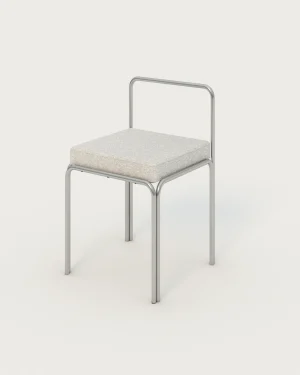
Sali – Upholstered Chair
By SALAK Studio
€620 This product has multiple variants. The options may be chosen on the product page -
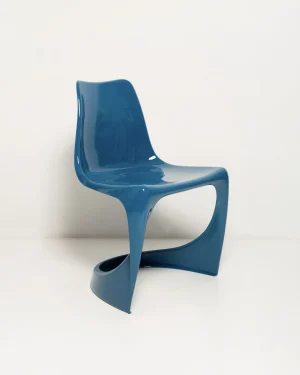 In stock
Sea Blue Cado Chair
By Vintola Studio
€900 -

Cas Chair
By Daniel Couttolenc
€2.250 - €2.450 This product has multiple variants. The options may be chosen on the product page -
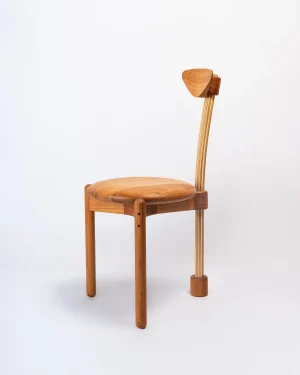
Pipa – Peroba Do Campo Wood Chair
By Estúdio Simbiose
€1.450 -
 In stock
Lille Split Chair
By Thomas Gayet
€2.300 -
 In stock
Pneumatic Chair 2
By Szostak Atelier
€5.990 This product has multiple variants. The options may be chosen on the product page -
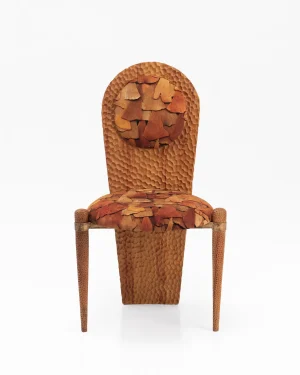
Naughty By Nature – Sculptural Chair
By Odditi
€1.180 -
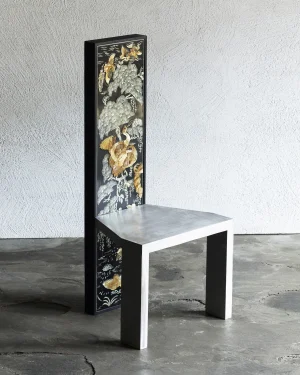 In stock
Narrative 001 – Stainless Steel / Wood Chair
By STUDIO KIMBYUNGSUB
€8.000 -
 In stock
Ciénega Chair
By Tana Karei
€2.397 -
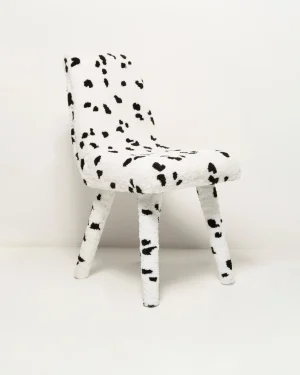 In stock
Cruella Dalmatian Chair
By Vintola Studio
€1.600 -
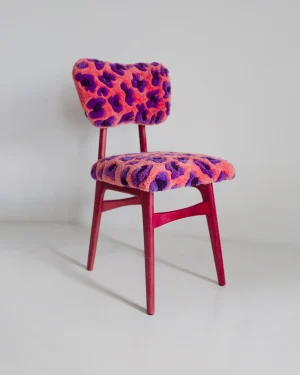 In stock
Butterfly Chair Pink Leopard Tufting Wool
By Vintola Studio
€1.600 -
 In stock
Miki Dining Chair
By Heaps & Woods
€1.531 - €1.625 This product has multiple variants. The options may be chosen on the product page -
 In stock
Vintola Dining Chair, Jacquard Velvet, Vintola Studio
By Vintola Studio
€1.400 -
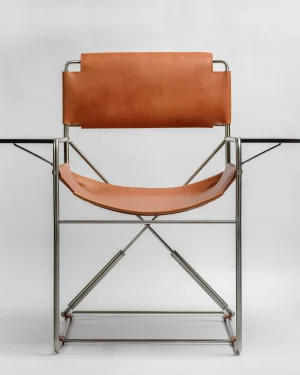 In stock
Pneumatic Chair – Unique Piece
By Szostak Atelier
€9.000 -

Poppy – Sculptural Oak Chair
By Deya
€1.640 -

Honey – Squiggle Oak Wood Chair
By Deya
€1.492 -
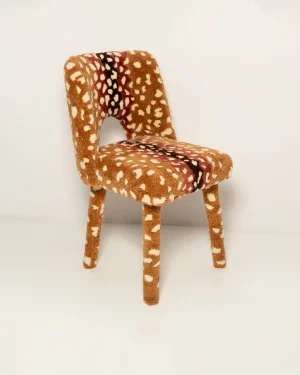 In stock
Bambi Wool Chair
By Vintola Studio
€1.600 -
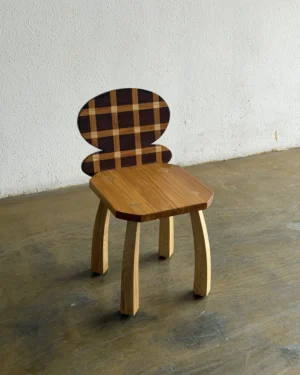
Bend Chair
By STUDIO KALLANG
€2.900 -
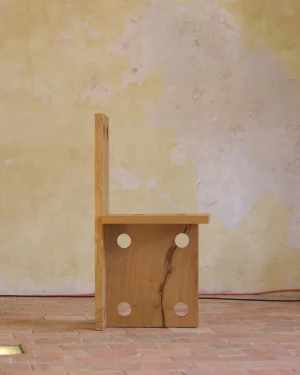 In stock
Sensitive Wood – Domino Chair
By Vital Lainé
€1.000 -

Crispy Chicken Light Orange Papier-mâché Chair
By David Čáp
€1.000 -
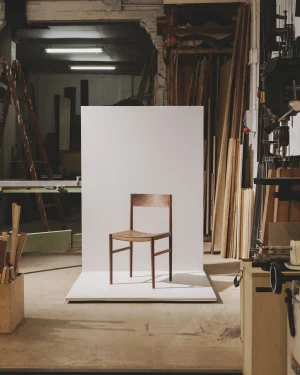
Ash Fina Chair
By Mike Hausmann
€2.400 -
 In stock
Gi Armchair
By PROSA
€1.900 This product has multiple variants. The options may be chosen on the product page -
 In stock
Pink Papier-mâché Chair
By David Čáp
€1.000 -
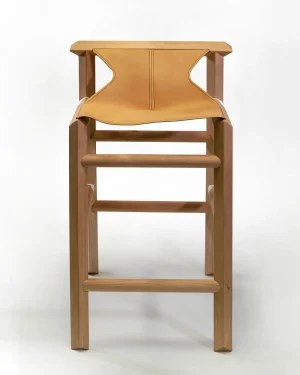
1903 – Cognac Leather And Wood Barstool
By espina corona
€890 -
 In stock
Trestle Chair
By Vital Lainé
€1.000 -
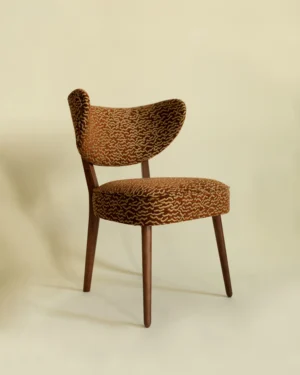 In stock
Dining Chair, Le Chant Des Dunes Pierre Frey, Walnut Wood, Vintola Studio
By Vintola Studio
€1.400 -
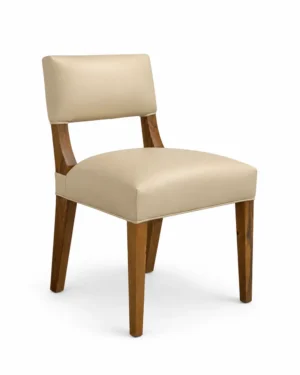 In stock
Bruno – Modern Dining Chair In Argentine Exotic Wood & Leather
By Costantini Design
€1.850 -
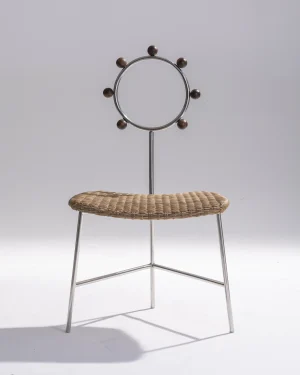
Sol – Stainless Steel And Wicker Chair
By Giácomo Tomazzi Studio
€1.350 -
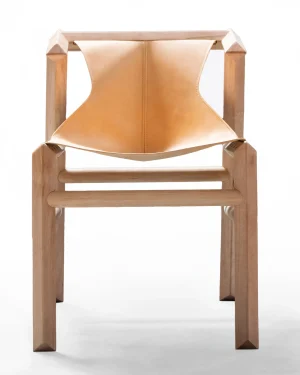
1901 – Cognac Leather And Wood Dining Chair
By espina corona
€890 -

Rian Bullhorn Chair
By Semigood Design
€3.229 This product has multiple variants. The options may be chosen on the product page -

T Wood Chair
By NO AGE STUDIO
€950 -
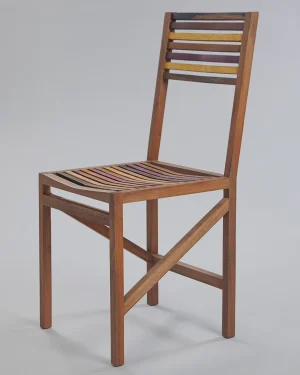
Moza Chair
By am.o atelier
€1.052 -
 In stock
Dining Chair, Leopard Velvet By Edmond Petit, Walnut Wood
By Vintola Studio
€1.300 -

Sedia 2
By Julia Chiaramonti
€3.200 -
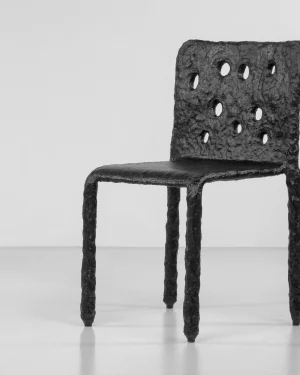 In stock
ZTISTA Chair
By FAINA
€1.900 This product has multiple variants. The options may be chosen on the product page
Living room dining chairs sit at the edge of two habits: eating and lounging. They come from studios working in solid oak, walnut, aluminum and stainless steel, some upholstered in wool, some left bare to show joinery or metalwork, each piece built to hold its own in a room that also has to rest and receive guests.
What sets a living room dining chair apart</2>
Unlike a chair made only for a formal dining room, a living room dining chair has to read well from a distance and up close. Studios often soften the silhouette with a wider seat, a slightly reclined back, or a tufted wool cushion, so the chair does not look purely functional once the table is cleared. Frames in oak or walnut carry the warmth of a living space, while aluminum and stainless steel bring a cooler, more architectural note that suits a modern dining chairs pairing or a brutalist console.
Materials, finishes and techniques found here
Oak and walnut dominate, worked through wood and cabinetmaking or wood carving to keep joints tight and grain visible. Paper pulp and papier-mâché appear in lighter, sculptural seats, pressed and dried rather than cut. Metalwork gives stainless steel and aluminum frames their thin profiles, often paired with upholstery or textilework in wool for the seat pad.
- Colors run from beige, off-white and cognac through to black, brown and green, with beige-and-brown combinations common in wool upholstery.
- Styles span mid-century modern, minimalist, contemporary, eclectic, futuristic and maximalism, so a single living room can mix a carved oak chair with a stainless steel one without clashing.
- Editions include open runs, limited editions and unique pieces, depending on how a studio chooses to produce a given design.
How to choose one for a living room
Start with seat height: a standard dining chair sits close to eighteen inches, which works against most dining and console tables but can feel low next to a taller bar-height surface. Scale matters more in a living room than in a dedicated dining room, since the chair is seen alongside sofas and low tables rather than only at mealtimes. A slim aluminum or stainless steel frame keeps an open plan feeling light, while a solid oak or walnut chair with a wide seat anchors a room with less furniture around it.
Finish should answer to use. A lacquered or oiled wood frame resists daily wear better than a raw one, and a wool seat pad in a darker brown or black will show less than off-white under regular use. If the chairs double as extra seating when guests arrive, choose a design that stacks or tucks under a console rather than one built strictly for a fixed dining set.
Where these chairs sit well
Living room dining chairs work at a console behind a sofa, around a low coffee table doubling as a dining surface, or pulled up to a kitchen island that opens into a living space. They suit open-plan rooms where the dining area borrows light and sightlines from the seating area, and they pair naturally with other pieces in living room furniture or with the broader range of living room seating, from armchairs to benches.
Care, by material
Oak and walnut want a stable indoor climate, away from direct heat and standing water, with an occasional wipe and, for oiled finishes, a yearly reapplication. Stainless steel and aluminum resist corrosion but show fingerprints, so a soft cloth and mild soap keep them clean without scratching the surface. Wool upholstery benefits from regular brushing and prompt blotting of spills, since wool resists stains but not neglect.
For the wider range of dining seating, the full set of dining chairs on ADORNO covers dining-room-specific designs as well, and every piece placed for a living space can be found under living room pieces. Those drawn to a single material might also look at wooden dining chairs or metal dining chairs for a narrower starting point.
How do I choose a dining chair for a living room?
Look at how the chair reads against your existing seating, in wood, metal or upholstery, and whether its scale suits a table used daily or just for gatherings. Weight and finish matter as much as shape once it sits beside a sofa.
What is the best material for living room dining chairs?
Oak and walnut wear well and age with use, metal holds a sharper, cooler line, and upholstered seats in wool or textile add softness. Each material asks for different care, so choose based on daily handling.
How do I care for wood, metal or upholstered dining chairs?
Wipe wood with a damp cloth and oil it occasionally to stop drying, keep metal dry to avoid corrosion, and vacuum upholstery regularly, treating spills right away so they do not set into the fibers.
What height should a dining chair be for a living room table?
Standard dining tables sit around 28 to 30 inches high, so chairs with a seat height near 18 inches leave enough clearance for knees and armrests without crowding the table.
Can living room dining chairs work in other rooms too?
Yes, a chair built for a living room dining setup can move easily to a kitchen table, home office or reading corner, since the proportions and materials are not tied to one room alone.
What is ADORNO's shipping and return policy for dining chairs?
Shipping is insured and worldwide, with a 14-day return policy, though made-to-order pieces are excluded. Each chair arrives with a certificate of authenticity and a lowest-price guarantee.