








-
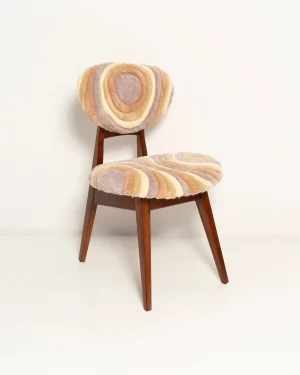
Mid Century Mushroom Chair Hand Tufting Beige Wool
By Vintola Studio
€1.600 -

Mid-century Heart Chair In Plushy Bordeaux, Dedar,europe, 1960s
By Vintola Studio
€1.050 -
 In stock
Vintola Studio Dining Chair, Casamance Nimbus Leopard Fabric
By Vintola Studio
€1.400 -
 In stock
Vintola Dining Chair, Tiger Mountain Velvet – Dedar, Walnut Wood
By Vintola Studio
€1.400 -
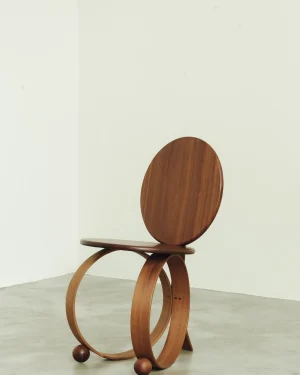
Yara – Bent Wood Chair
By PROSA
€3.200 -
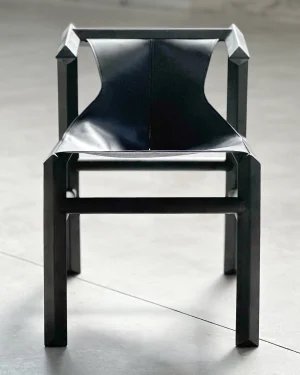
1901 – Black Leather And Wood Dining Chair
By espina corona
€890 -
 In stock
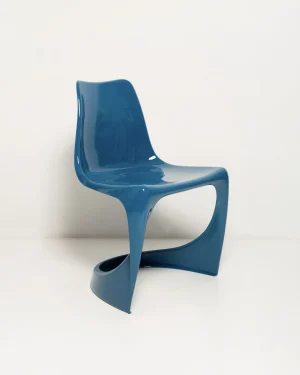
Sea Blue Cado Chair
By Vintola Studio
€900 -
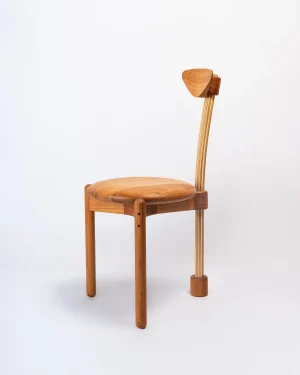
Pipa – Peroba Do Campo Wood Chair
By Estúdio Simbiose
€1.450 -
 In stock
Pneumatic Chair 2
By Szostak Atelier
€5.990 This product has multiple variants. The options may be chosen on the product page -
 In stock
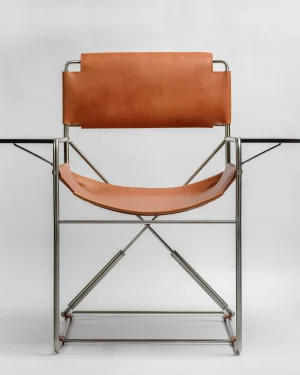
Vintola Dining Chair, Jacquard Velvet, Vintola Studio
By Vintola Studio
€1.400 -
 In stock
Pneumatic Chair – Unique Piece
By Szostak Atelier
€9.000 -
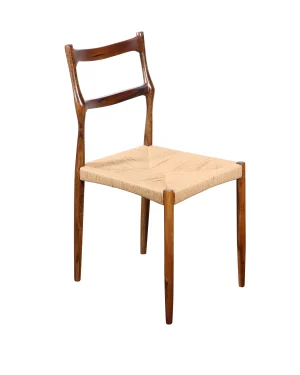 In stock
Liviana – Carved Wood Slatted Dining Chair With Woven Rush Seat
By Costantini Design
€2.450 -
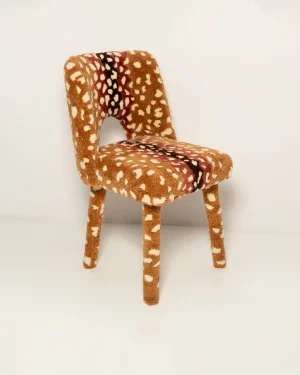 In stock
Bambi Wool Chair
By Vintola Studio
€1.600 -
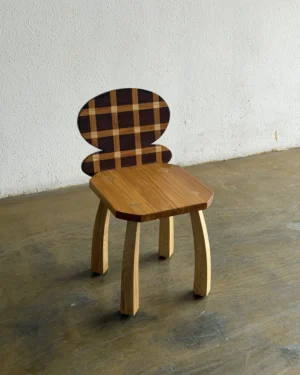
Bend Chair
By STUDIO KALLANG
€2.900 -
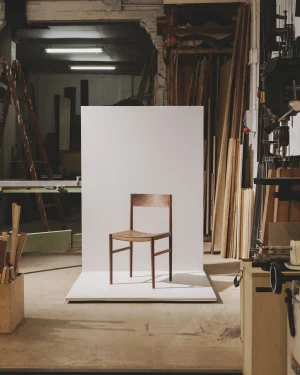
Ash Fina Chair
By Mike Hausmann
€2.400 -
 In stock
Mid Century Mushroom Chair, Amoir Fou, Dedar, By J. Kedziorek, 1960s
By Vintola Studio
€1.050 -
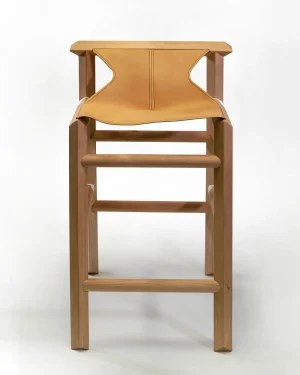
1903 – Cognac Leather And Wood Barstool
By espina corona
€890 -
 In stock
Trestle Chair
By Vital Lainé
€1.000 -
 In stock
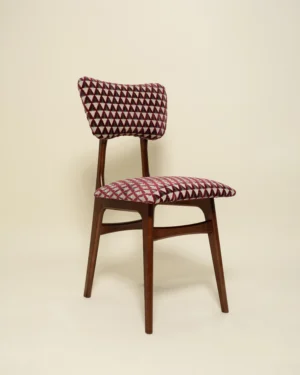
Mid Century Butterfly Chair, Amuleto Rubino, Dedar, 1960
By Vintola Studio
€1.050 -
 In stock
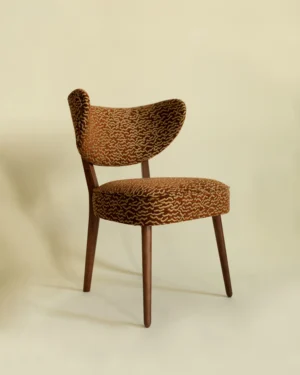
Dining Chair, Le Chant Des Dunes Pierre Frey, Walnut Wood, Vintola Studio
By Vintola Studio
€1.400 -
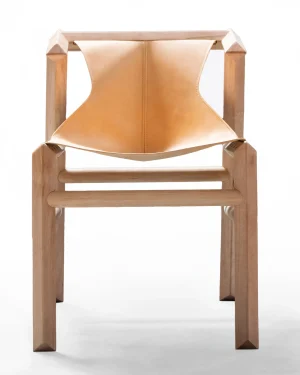
1901 – Cognac Leather And Wood Dining Chair
By espina corona
€890 -

Rian Bullhorn Chair
By Semigood Design
€3.229 This product has multiple variants. The options may be chosen on the product page -
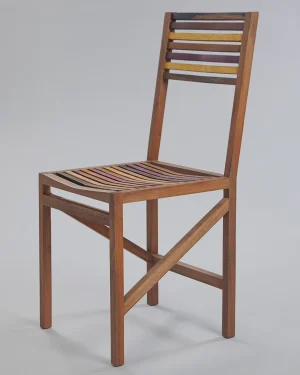
Moza Chair
By am.o atelier
€1.052 -
 In stock
Dining Chair, Leopard Velvet By Edmond Petit, Walnut Wood
By Vintola Studio
€1.300 -
 In stock
Vintola Dining Chair, Camel Boucle, Walnut Wood, Vintola Studio
By Vintola Studio
€1.200 -
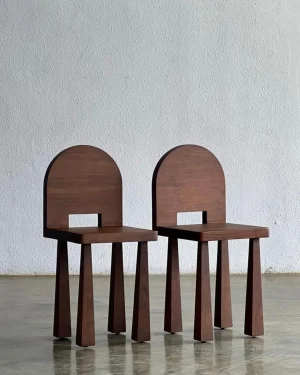
Luna – Teak Dining Chair
By STUDIO KALLANG
€1.025 -
 In stock
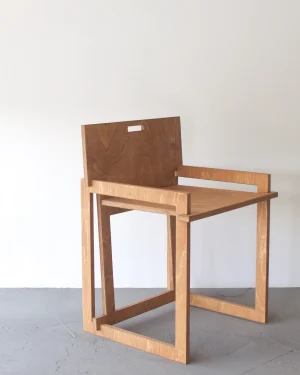
Sedia Quadra Natural
By Edoardo Lietti Studio
€790 -
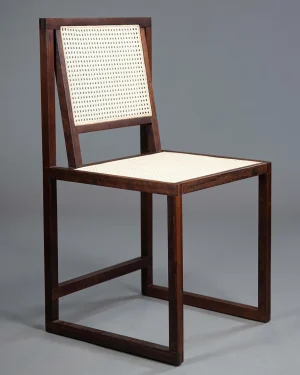
The Square Chair
By am.o atelier
€985 -
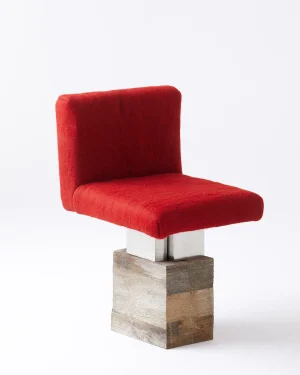
Tbilisi Street Chair – Upcycled Materials
By Around the Studio
€1.500 -
 In stock
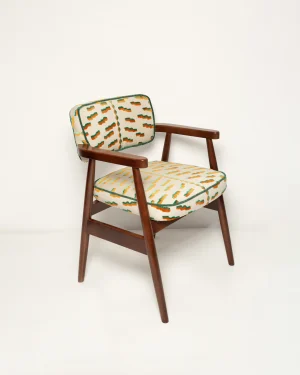
Classic Dining Chair
By Vintola Studio
€1.250 -
 In stock
Mid Century Mushroom Chair, Nouvelles Vagues Rubins Velvet, Dedar, By J. Kedziorek, 1960s
By Vintola Studio
€1.050 -
 In stock
Mid Century Butterfly Chair, Bacara Bordeaux, Dedar, 1960
By Vintola Studio
€1.050 -
 In stock
Dining Chair, Leopard Jacquard By Edmond Petit, Walnut Wood, Vintola Studio
By Vintola Studio
€1.300 -
 In stock
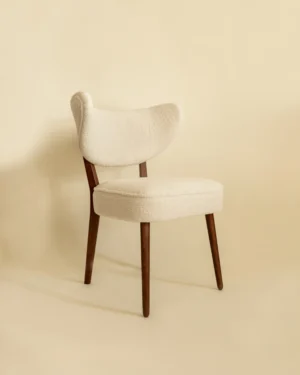
Vintola Dining Chair, Ivory White Boucle, Walnut Wood
By Vintola Studio
€1.200 -
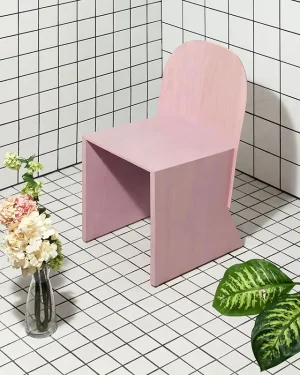
Florist Chair
By Calen Knauf Studio
€1.196 This product has multiple variants. The options may be chosen on the product page -
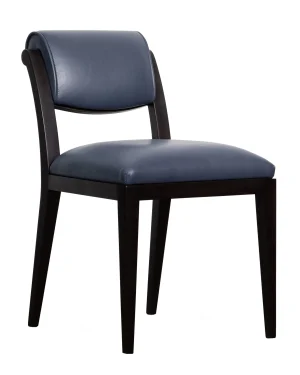 In stock
Gianni – Contemporary Art Deco Style Leather Dining Chair
By Costantini Design
€1.970 -
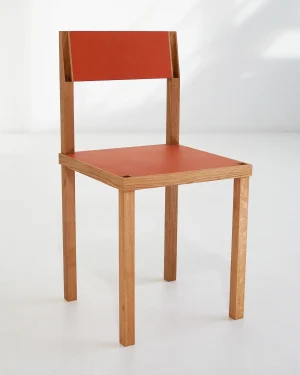
Kan Chair
By Benjamin Nordsmark
€800 -
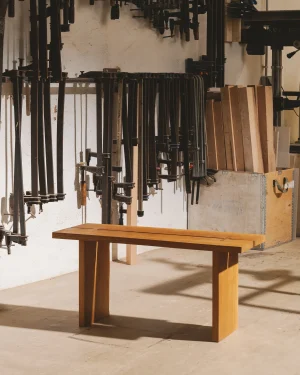 In stock
Kidake Bench
By Mike Hausmann
€2.150 -
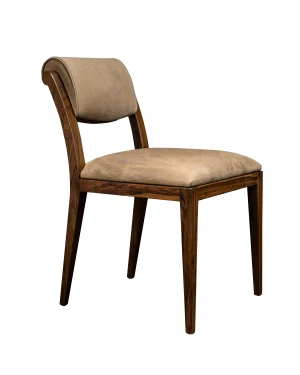
Gianni – Art Deco Dining Chair
By Costantini Design
€1.502 -
 In stock
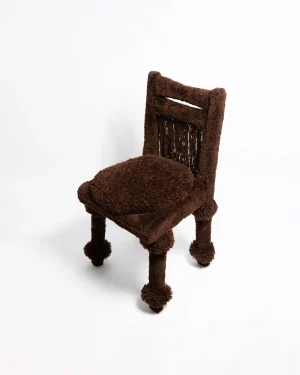
Poodle Tufting Chair
By Vintola Studio
€1.600 -
 In stock
Vintola Dining Chair, Schwarzwald Linen – Dedar, Walnut Wood
By Vintola Studio
€1.400 -
 In stock
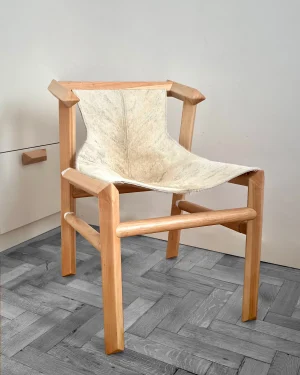
Hairy Leather Dining Chair
By espina corona
€990 -
 In stock
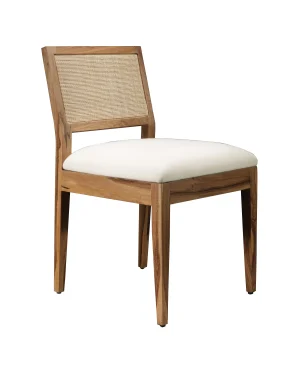
Recoleta – Modern Seating Chair In Argentine Rosewood
By Costantini Design
€1.730 -
 In stock
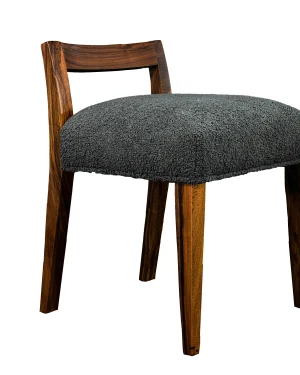
Umberto – Modern Low Side Chair In Exotic Wood & Fabric Upholstery
By Costantini Design
€1.490 -
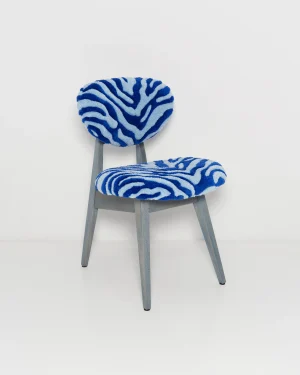 In stock
Mushroom Chair In Zebra Blue Wool
By Vintola Studio
€1.500 -
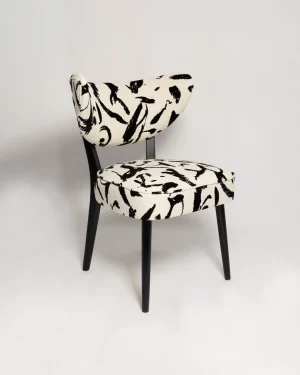
Retro Dining Chair
By Vintola Studio
€1.200 -
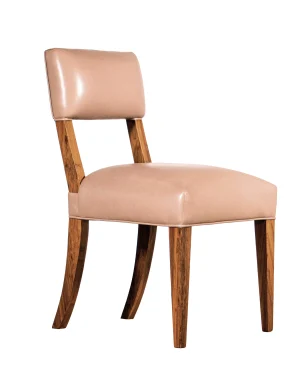
Neto – Transitional Wood Dining Chair
By Costantini Design
€1.331 -
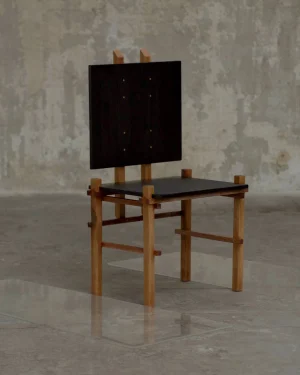 In stock
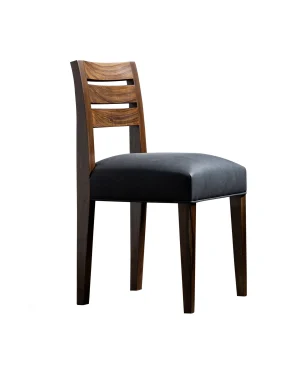
Lava – Symmetrical Wooden Chair
By Jaclyn Pappalardo
€1.285 -
 In stock
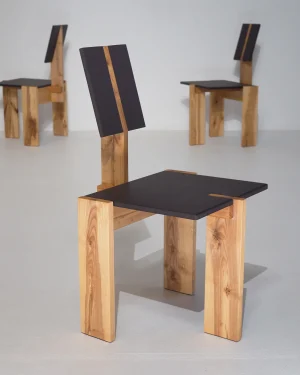
Renzo – Contemporary Exotic Wood And Leather Side Chair
By Costantini Design
€1.456 -
 In stock
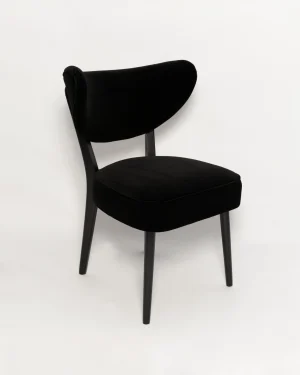
Knast – Ash Wood Dining Chair
By Benjamin Nordsmark
€700 -
 In stock
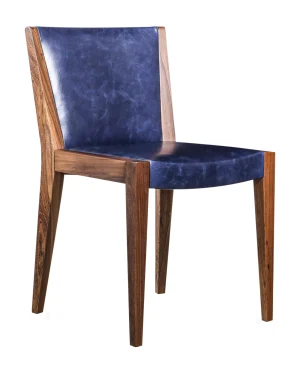
Retro Dining Chair
By Vintola Studio
€1.160 - €1.200 This product has multiple variants. The options may be chosen on the product page -
Giovanni – Wood And Wrapped Leather Dining Chair
By Costantini Design
€1.720 This product has multiple variants. The options may be chosen on the product page -
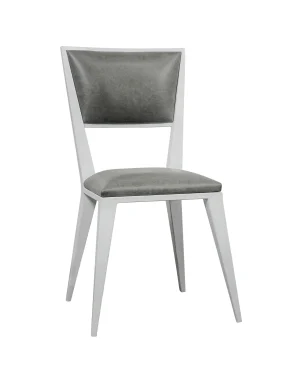
Rodelio Bianco Chair – Lacquered Metal And Leather Chair
By Costantini Design
€1.330 -
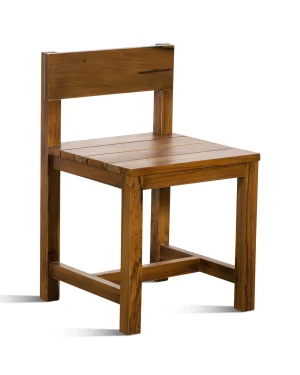
Serrano – Rosewood Dining Chair
By Costantini Design
€1.030
Mid-century modern dining chairs take their shape from a design language that favored honest joinery, tapered legs, and a frame light enough to read as sculpture around a table. Studios working in this idiom lean on walnut and beech wood, finished to show grain rather than hide it, paired with upholstery in wool, cotton, or leather. The result is a chair built for daily use that still carries the restraint of its original era.
What defines the mid-century modern style in a dining chair
The style rests on a few recurring choices: slim, often tapered legs set at a slight splay, seat shells or backrests shaped to the body, and joinery left visible rather than concealed under trim. Wood and cabinetmaking techniques from this period favored steam-bent or gently curved forms, which is why many of these chairs still look sculptural from the side as well as the front.
Color tends toward warm, natural tones: amber, cognac, brown, and dark brown wood finishes, sometimes paired with beige or beige-and-brown textiles that soften the silhouette without competing with the grain. Where upholstery appears, it is usually wool, cotton, or leather, chosen for how it ages alongside the wood rather than for pattern.
Materials and techniques found in this range
On ADORNO, mid-century modern dining chairs appear in a few recurring combinations. Solid walnut or beech frames, worked through traditional wood and cabinetmaking, form the structural core. Seats and backs are finished through upholstery or textilework, in wool, cotton, or leather, with some studios using tufting to define the seat pan.
- Wood frames in walnut or beech, left exposed at the legs and arms
- Upholstery in wool, cotton, or leather, in beige, brown, cognac, or green
- Leatherwork details on seats, arms, or piping
- Unique pieces and open editions, depending on the studio and the run
Editions vary by maker: some chairs are produced as open editions, repeatable over time, while others surface as unique pieces, each one carrying small variations in grain or stitching that will not be repeated. Neither is better; they simply suit different intentions, whether you want six matching chairs or one chair that reads as singular.
How to choose a dining chair in this style
Start with seat height relative to your table: most dining tables sit around 28 to 30 inches, which calls for a seat height near 18 inches so knees clear the apron comfortably. Check the chair's width and depth against your table's spacing, especially if you are seating people on three or four sides, since mid-century frames often flare slightly at the base and need a few extra inches to avoid knocking into neighbors.
Arm height matters more than it first appears. If your table has a thick apron or drawer rail, confirm that any armchairs in the set can slide fully under, or plan to use them only at the heads of the table. Finish is the other variable worth weighing: a lighter beech frame reads differently in a room than a darker walnut one, and either will shift tone depending on the wood floor or rug beneath it.
Where these chairs sit well
Mid-century modern dining chairs suit rooms built around natural materials and uncluttered lines, which is why they turn up as often in open-plan kitchens as in formal dining rooms. Their slim profile also makes them workable in smaller spaces, where a heavier upholstered chair would crowd the table. For a fuller sense of how the style extends into sofas, lounge chairs, and dining tables, see the broader range of mid-century modern furniture, or look at mid-century modern seating for pieces beyond the dining room.
Caring for wood and upholstered finishes
Solid wood frames benefit from a stable indoor humidity and a wipe with a dry or barely damp cloth; direct sun will gradually lighten walnut and deepen beech, so rotating chairs around a table evens out the fade. Avoid placing legs directly over heating vents, which can dry and crack wood over years.
Textile and leather seats should be vacuumed or brushed regularly to keep grit from working into the weave. Leather benefits from an occasional conditioning treatment to keep it supple, while wool and cotton upholstery should be spot-cleaned rather than soaked. For other wood-forward options, the full range of wooden dining chairs and the complete set of dining chairs are worth comparing for finish and proportion before you settle on a set.
How do I choose a mid-century modern dining chair?
Look at the frame first: walnut or beech wood joinery signals the style's core, while a woven cane or upholstered seat adds texture. Match the proportions and leg angle to your table and the rest of the room.
What materials are mid-century modern dining chairs made from?
Most pair a solid wood frame, often walnut or beech, with a seat in leather, wool, cotton or woven textile. Wood and cabinetmaking or upholstery techniques give the joints and padding their lasting shape.
How do I care for a wood and upholstered dining chair?
Wipe wood frames with a dry or barely damp cloth and keep them from direct heat or sun, which dries and cracks the grain. Vacuum textile or leather seats regularly and treat spills right away.
What is the standard height for dining chairs?
Seat heights typically run between 17 and 19 inches, suited to dining tables around 28 to 30 inches tall. Check the maker's listed dimensions to confirm the fit with your own table.
Which rooms suit mid-century modern dining chairs?
Their wood frames and clean lines anchor dining rooms and open-plan kitchens, and work equally well pulled up to a desk or console in a living space.
What are ADORNO's shipping, returns and authenticity policies?
Shipping is insured and worldwide. Returns are accepted within 14 days, except on made-to-order pieces, and every purchase includes a certificate of authenticity backed by a lowest-price guarantee.