









-

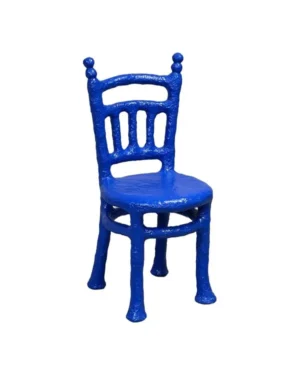
Dessert – Steel Chair
By SALAK Studio
€790 -

A_forma Chair
By AROUND
€900 -
 In stock
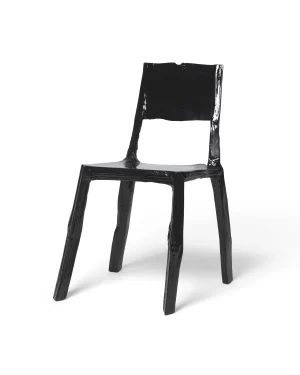
Splitted Dining Chair Black
By Teun Zwets
€1.765 -
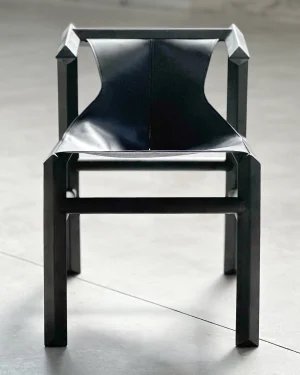
1901 – Black Leather And Wood Dining Chair
By espina corona
€890 -
 In stock
Boni Dining Chair
By Heaps & Woods
€2.750 - €2.937 This product has multiple variants. The options may be chosen on the product page -
 In stock
Pneumatic Chair 2
By Szostak Atelier
€5.990 This product has multiple variants. The options may be chosen on the product page -
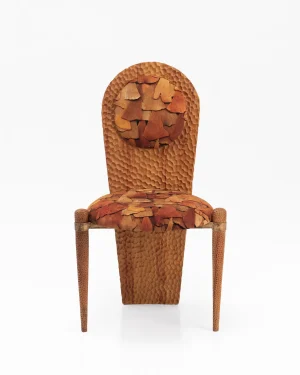
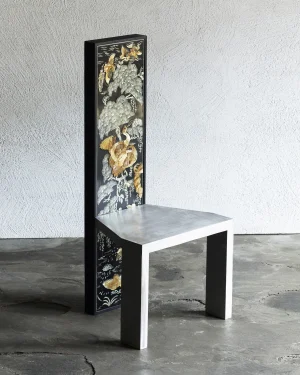
Naughty By Nature – Sculptural Chair
By Odditi
€1.180 -
 In stock
Narrative 001 – Stainless Steel / Wood Chair
By STUDIO KIMBYUNGSUB
€8.000 -
 In stock
Luna Chair
By Arbore x Cezar Moldovan
€1.988 -
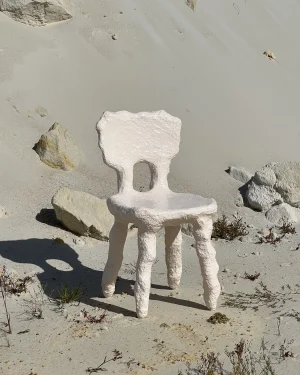
Crispy Chicken Light Orange Papier-mâché Chair
By David Čáp
€1.000 -
 In stock
Post & Rung Chair
By Luke Crouch Studio
€1.550 -
 In stock
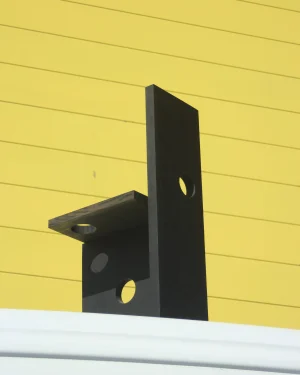
Charcoal-drawn Papier-mâché Chair
By David Čáp
€1.000 -
 In stock
O Chair – Oak Dining Chair
By Vital Lainé
€800 -
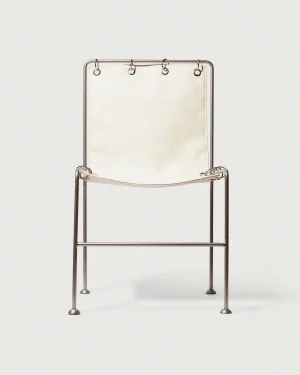
Institution Sculptural Chair, White Lamb Leather
By Panorammma Atelier
€1.990 -
 In stock
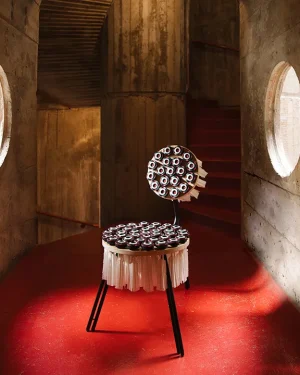
56 Petecas Chair
By Cultivado em Casa
€3.590 -
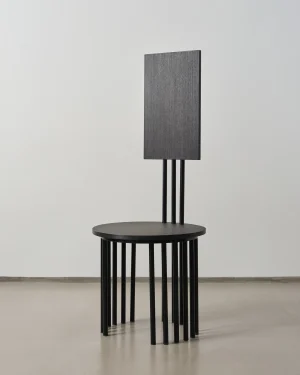
Reina Chair
By Studio Mohs
€1.614 -
 In stock
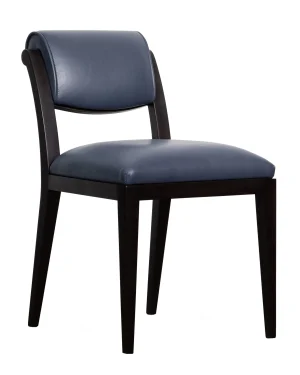
Gianni – Contemporary Art Deco Style Leather Dining Chair
By Costantini Design
€1.970 -
 In stock
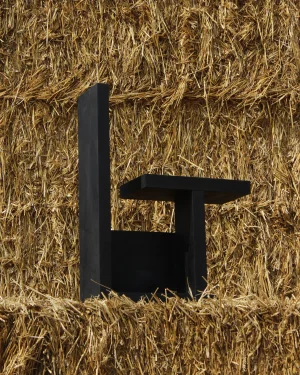
Mutation Chair – Maple
By Vital Lainé
€900 -
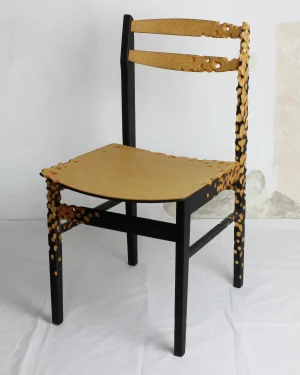
N1 Chair
By Gábor Góbi
€1.990 -
 In stock
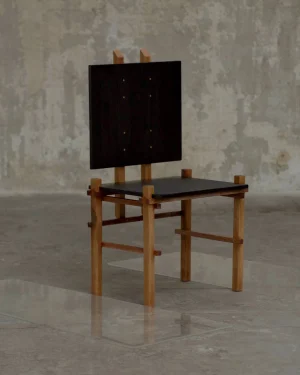
Alux Chair
By Spero Furniture
€530 -
 In stock
Lava – Symmetrical Wooden Chair
By Jaclyn Pappalardo
€1.285 -

Black Dough Chair
By David Čáp
€1.000 -
 In stock
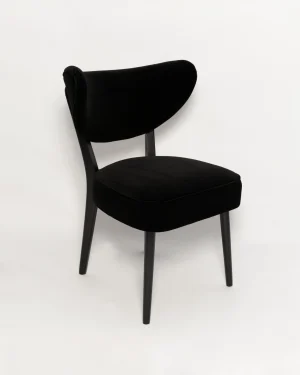
Samples Kit
By espina corona
€90 -
 In stock
Retro Dining Chair
By Vintola Studio
€1.160 - €1.200 This product has multiple variants. The options may be chosen on the product page -
 Sold
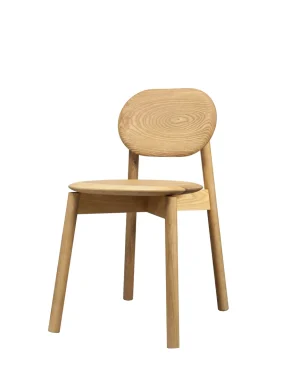
SoldBlack Grill Papier-mâché Chair
By David Čáp
€1.000 -
 Sold
SoldRua Cha – Minimalist Ash Wood Chair
By Clementine Caurier
€360 This product has multiple variants. The options may be chosen on the product page -
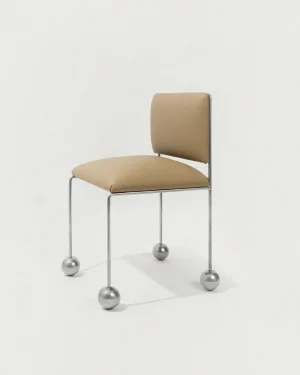
Ball Foot Sculptural Chair, Vegan Leather
By Panorammma Atelier
€2.100 This product has multiple variants. The options may be chosen on the product page -
 Sold
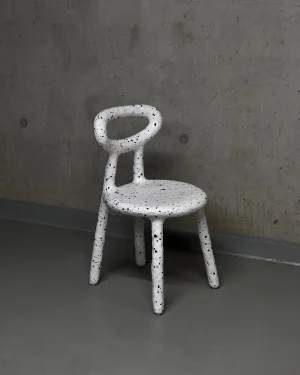
SoldStracciatella Papier-mâché Chair
By David Čáp
€1.000 -
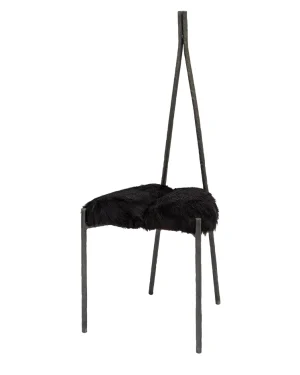
Object117 – Sculptural Chair
By NG DESIGN
Price Upon Request -

The Walky Chair
By Design VA
€3.995 - €5.740 This product has multiple variants. The options may be chosen on the product page -
 Sold
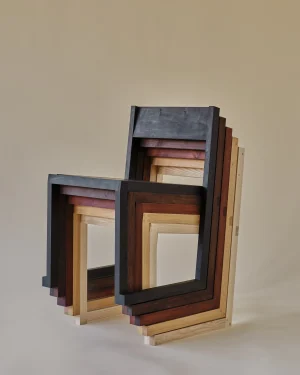
SoldStacking Chair
By Mock Studio
€1.200
Black dining chairs hold a room without demanding attention, built from oak, walnut and maple finished dark, from steel and aluminum lacquered or powder-coated, or from leather and woven fiber stretched over a frame. Studios working in wood and cabinetmaking, metalwork and lacquering, leatherwork and weaving all turn to black for the same reason: it sharpens a silhouette instead of softening it. The pieces found under dining chairs in this finish range from solid timber frames to welded steel structures, each behaving differently at the table.
What gives black dining chairs their character
Black is not one surface but several. A stained or ebonized oak or walnut chair keeps its grain visible under the dark finish, so the wood still reads as wood, just deepened. A lacquered chair, by contrast, closes the grain entirely and returns a flatter, more graphic black, while powder-coated steel and aluminum frames carry a slightly textured, matte black that resists fingerprints better than gloss.
Leather upholstery in black ages by catching light differently as it softens, developing a patina rather than wearing out. Woven black fiber or cane, stretched across a frame, reads lighter in appearance even in a dark color, since the open weave lets air and light pass through it.
The range of materials, finishes and techniques
Across the kinds of black dining chairs found on ADORNO, a few approaches recur. Solid wood frames, often oak, walnut or maple, are joined and finished through traditional joinery and wood carving, then sealed in a dark stain or lacquer. Steel and aluminum chairs are shaped through metalwork, welded or bent into legs and frames, then powder-coated or lacquered black for a surface that resists scratching.
- Upholstered seats and backs in black leather or woven textile, built through upholstery and leatherwork
- Molded or pressed seats in wood or metal, left bare or lacquered for a uniform black surface
- Mixed-material chairs pairing a wood or metal frame with a leather or woven seat
Editions vary by studio: some chairs are produced as open editions meant for daily use across a household, others as limited editions or one-off, unique pieces where the maker's hand is more visible in the finish or joinery. Styles span modern and contemporary lines, mid-century silhouettes, neo-industrial frames in raw-looking steel, and sparer, minimalist forms that strip the chair back to seat, back and legs.
How to choose one
Start with scale. A dining chair generally sits with its seat around eighteen inches from the floor, low enough to tuck under a standard table but high enough to clear the knees comfortably; armrests, where present, need to pass under the table's apron. Measure the chair's width at the widest point, usually across the arms or seat edges, and allow space for shoulders to clear the next chair.
Finish matters as much as form. A matte lacquered or powder-coated black resists glare under overhead light, while a glossier lacquer or polished leather will pick up reflections from windows or pendant lights nearby. Where chairs surround a pale or marble-topped table, black legs and frames tend to read as a clear outline against the lighter surface; against a dark wood table, a black chair with visible wood grain will blend rather than contrast.
Where black dining chairs sit well
These pieces suit a dining room built around a long table, where a run of matching black chairs reads as one continuous line, but they carry equally well as a mismatched set gathered from a few makers. In open-plan spaces, a black dining chair can also serve double duty near a sofa or sideboard, working as extra seating pulled from the living room dining chairs into the main dining area when needed.
Caring for black finishes
Lacquered and powder-coated black surfaces wipe clean with a damp cloth; abrasive cleaners dull the sheen over time, so a mild soap is safer. Oiled or stained black wood benefits from an occasional reapplication of oil to keep the surface from drying out and graying at the edges. Black leather seats should stay away from direct sun, which fades and stiffens the hide, and take a leather conditioner every so often to keep the surface supple. For the wider range of tones and materials beyond this one, every black piece on ADORNO sits together, alongside black furniture more broadly for anyone furnishing a room around this one color.
How do I choose a black dining chair?
Consider the frame material first: black oak or walnut reads warm and textural, black steel or aluminum reads crisp and architectural. Match that weight to your table and the rest of the room, then check seat height against your table for proper clearance.
How do you care for black dining chairs?
Wood frames benefit from occasional oiling or waxing to keep the black finish even and prevent drying. Metal frames need only a soft, dry cloth, while black leather or upholstered seats should be wiped with a damp cloth and kept from direct sun to avoid fading.
What is the standard height for a black dining chair?
Most dining chairs sit between 17 and 19 inches at the seat, built to pair with tables around 28 to 30 inches tall, leaving roughly 10 to 11 inches of clearance for comfortable knee room.
Which rooms suit black dining chairs?
Black grounds a dining room or open-plan kitchen against lighter walls and wood tones, and works equally in a living room used for dining, where it reads as a quiet anchor rather than a bright accent.
Can I order a black dining chair in a custom finish or size?
Some makers offer custom finishes, sizes or upholstery on request. Chat with the maker on the piece's page to confirm what is possible before ordering.
How does shipping, returns and authenticity work when buying from ADORNO?
Shipping is insured and worldwide, with a 14-day return policy excluding made-to-order pieces. Every order includes a certificate of authenticity, and ADORNO offers a lowest-price guarantee.