



-
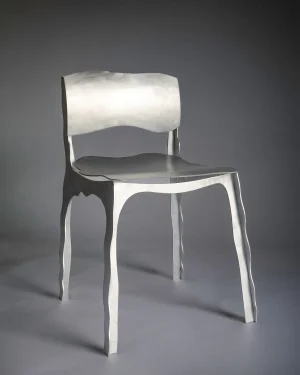
Contemporary Vanity Chair V2
By Six Dots Design
€920 -
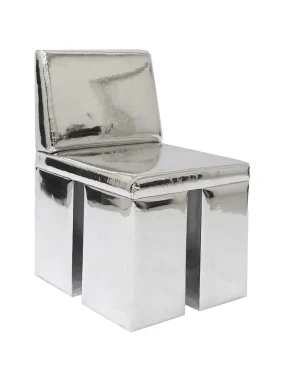
Object106 – Upholstered Chairs
By NG DESIGN
€585 - €1.115 This product has multiple variants. The options may be chosen on the product page -

Dessert – Steel Chair
By SALAK Studio
€790 -

A_forma Chair
By AROUND
€900 -
 In stock
Vintola Dining Chair, Tiger Mountain Velvet – Dedar, Walnut Wood
By Vintola Studio
€1.400 -

Elefante- Brazilian Wood Chair
By Estúdio Ramiros
€2.456 -
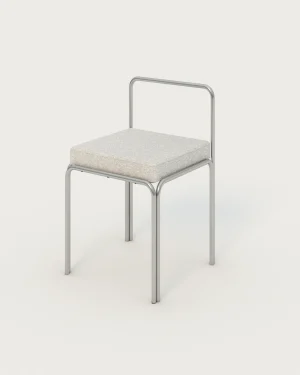
Sali – Upholstered Chair
By SALAK Studio
€620 This product has multiple variants. The options may be chosen on the product page -

Cas Chair
By Daniel Couttolenc
€2.250 - €2.450 This product has multiple variants. The options may be chosen on the product page -
 In stock
Boni Dining Chair
By Heaps & Woods
€2.750 - €2.937 This product has multiple variants. The options may be chosen on the product page -
 In stock
Pneumatic Chair 2
By Szostak Atelier
€5.990 This product has multiple variants. The options may be chosen on the product page -
 In stock
Luna Chair
By Arbore x Cezar Moldovan
€1.988 -
 In stock
Ciénega Chair
By Tana Karei
€2.397 -
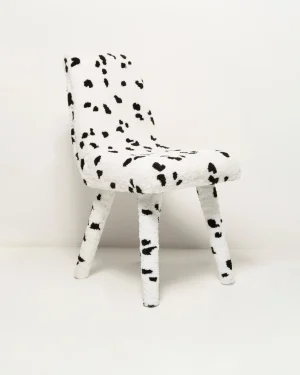
Cruella Dalmatian Chair
By Vintola Studio
€1.600 -
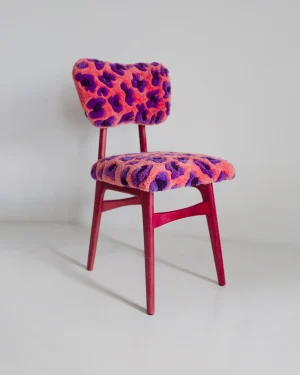
Butterfly Chair Pink Leopard Tufting Wool
By Vintola Studio
€1.600 -

Ruva Chair
By AEXIO
€825 -
 In stock
Vintola Dining Chair, Jacquard Velvet, Vintola Studio
By Vintola Studio
€1.400 -
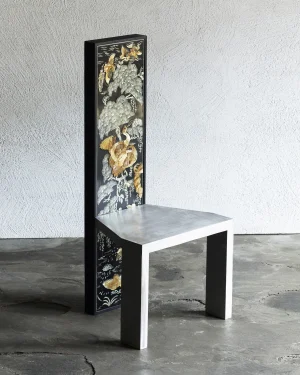
Narrative 001 – Stainless Steel / Wood Chair
By STUDIO KIMBYUNGSUB
€8.000 -
 In stock
Miki Dining Chair
By Heaps & Woods
€1.531 - €1.625 This product has multiple variants. The options may be chosen on the product page -
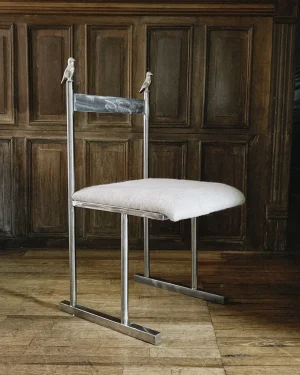
School Chair – Upcycled Materials
By Around the Studio
€1.500 -
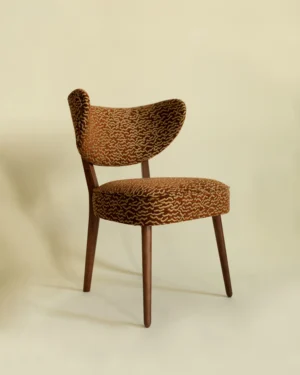 In stock
Dining Chair, Le Chant Des Dunes Pierre Frey, Walnut Wood, Vintola Studio
By Vintola Studio
€1.400 -
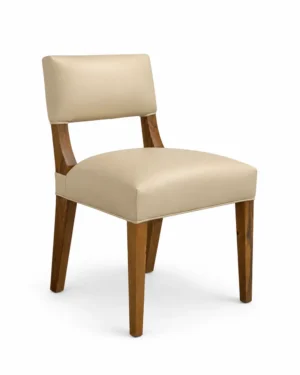 In stock
Bruno – Modern Dining Chair In Argentine Exotic Wood & Leather
By Costantini Design
€1.850 -
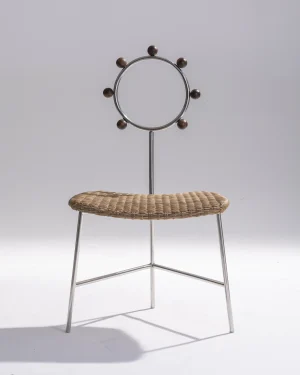
Sol – Stainless Steel And Wicker Chair
By Giácomo Tomazzi Studio
€1.350 -

T Wood Chair
By NO AGE STUDIO
€950 -
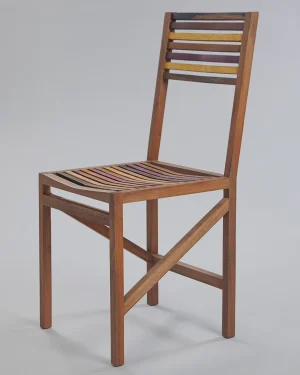
Moza Chair
By am.o atelier
€1.052 -
 In stock
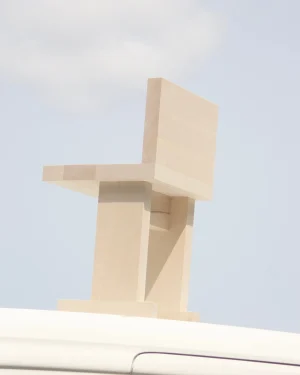
Trestle Chair
By Vital Lainé
€1.000 -
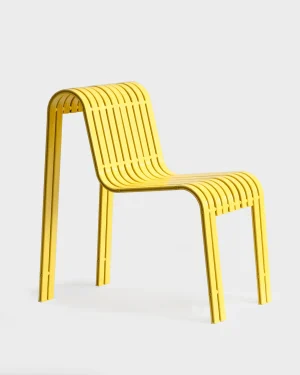
Slide Chair
By Studio Yann Gandon
€1.250 -
 In stock
Dining Chair, Leopard Velvet By Edmond Petit, Walnut Wood
By Vintola Studio
€1.300 -
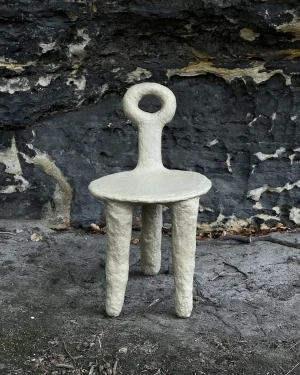
Sandstone Chair
By David Čáp
€1.000 -
 In stock
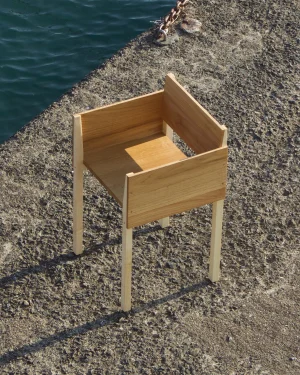
Accueil Armchair
By Vital Lainé
€1.150 -
 In stock
Cowgirl Oxidized Steel Chair
By Toro Manifesto
€3.918 -
 In stock
Pitufi Dining Low Chair
By Heaps & Woods
€1.500 - €1.613 This product has multiple variants. The options may be chosen on the product page -
 In stock
Vintola Dining Chair, Camel Boucle, Walnut Wood, Vintola Studio
By Vintola Studio
€1.200 -
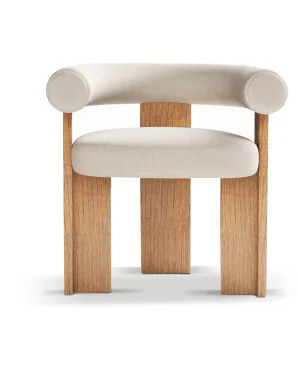
Cassette – Upholstered Armchair
By Alter Ego Studio
€2.215 -
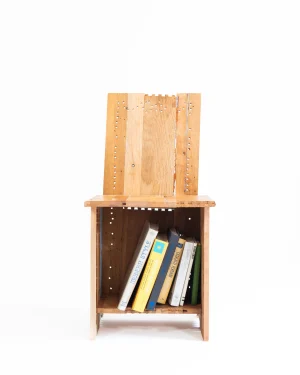
Chair 1 – Deconstructed Wood
By Yuxuan Huang Studio
€2.470 -
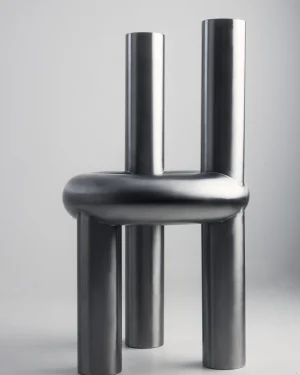
Chunk Chair – Stainless Steel
By Obscure Objects
€6.303 -

Finepianta 02 – Dining Chair
By FINEPIANTA
€1.785 -
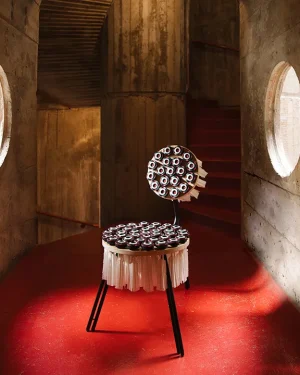
56 Petecas Chair
By Cultivado em Casa
€3.590 -
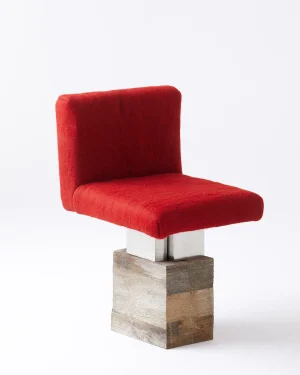
Tbilisi Street Chair – Upcycled Materials
By Around the Studio
€1.500 -
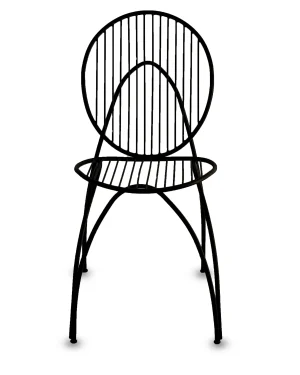
Petalo Dining Chair
By Pablo Sinan Design
€1.700 -
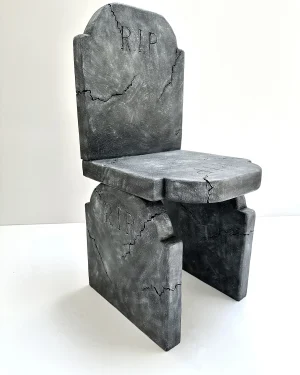 In stock
Resting Piece 2
By Theo A. Rosenblum
€4.300 -

Dream Chair
By Six Dots Design
€1.500 -
 In stock
Dining Chair, Leopard Jacquard By Edmond Petit, Walnut Wood, Vintola Studio
By Vintola Studio
€1.300 -
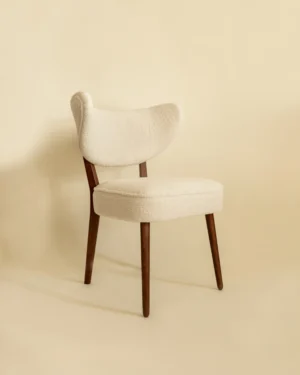 In stock
Vintola Dining Chair, Ivory White Boucle, Walnut Wood
By Vintola Studio
€1.200 -
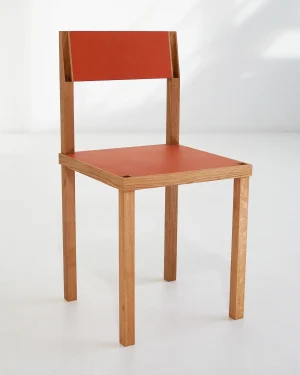
Kan Chair
By Benjamin Nordsmark
€800 -
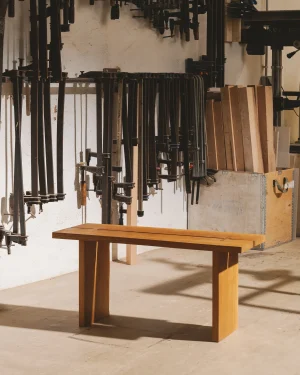 In stock
Kidake Bench
By Mike Hausmann
€2.100 -
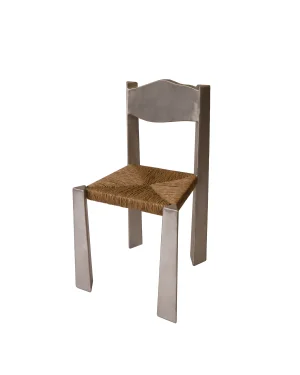
‘woven Chair’ – Aluminum & Paper Cord Chair
By Six Dots Design
€2.375 -
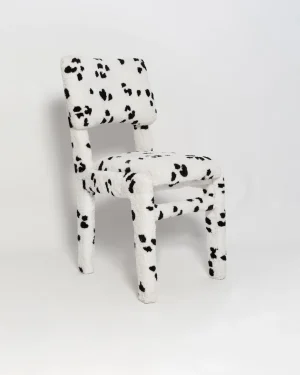
Cruella Dalmatian Chair Tufting Wool
By Vintola Studio
€1.600 -
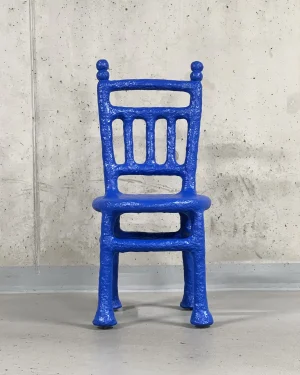
Chess Chair 2 Blue
By David Čáp
€1.000 -
 In stock
Mutation Chair – Maple
By Vital Lainé
€900 -

Twisted Hand Carved Dining Chair
By Deya
€1.562 -
 In stock
Vintola Dining Chair, Schwarzwald Linen – Dedar, Walnut Wood
By Vintola Studio
€1.400 -
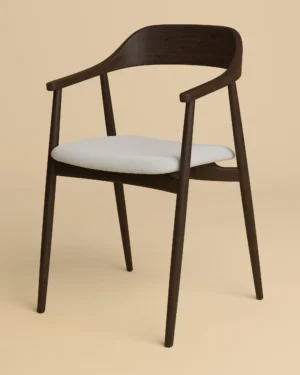
Wooden Dining Chair – Mikura Series In Smoked Oak
By Lebanto
€1.450 -

Random Chair – Upcycled Materials
By Around the Studio
€1.400 -

Silver Dough Chair
By David Čáp
€1.000
Contemporary dining chairs bring together studios working across wood, metal, and upholstered textile, each one choosing a material for how it meets the body and the table rather than for ornament. Oak and other hardwoods arrive turned, bent, or joined by cabinetmakers; aluminum and steel are welded or laser cut into frames that stay light on the floor; wool, cotton, and viscose are woven, tufted, or upholstered over padded seats. What unites them is restraint: a chair built to hold its line through years of meals, not a single season of fashion.
What defines a contemporary dining chair
Where a mid-century chair leans on turned legs and a minimalist one strips a frame to its bare structure, a contemporary dining chair tends to sit between the two. Lines stay clean, but a maker will allow one gesture, a curved backrest, a visible weld, a seam in the upholstery, to carry the whole design. The result reads as considered rather than decorative, built for daily use at a table rather than for display alone.Proportion does most of the work. A seat pitched for comfort, a back height that supports without boxing in the shoulders, armrests set low enough to slide under a table apron: these details separate a chair that works at a dining table from one that only looks the part. Studios working in wooden dining chairs and those building in metal dining chairs arrive at the same proportions through different means, one by joinery and grain, the other by frame and weld.
Materials, finishes, and editions
Oak and other hardwoods show up most often, left in a natural tone or finished to a smoked brown that darkens the grain without hiding it. Aluminum and steel frames carry reflective or matte finishes, often paired with cotton, wool, or viscose upholstery in beige, sand, amber, or off-white. Some seats are tufted or hand-built in textile, a technique that gives the surface a soft, slightly irregular face rather than a flat one.- Wood and cabinetmaking for solid frames and joined seats
- Metalwork and laser cutting for slender, load-bearing structures
- Weaving, tufting, and upholstery for seats finished in wool, cotton, or viscose
Editions vary by maker: some chairs come as open editions, produced on an ongoing basis, others as unique pieces, each one handmade and slightly different from the next. Either way, a contemporary dining chair is bought to be used, not set aside.
Choosing a chair for scale and placement
Start with the table. A seat height around 45 to 46 centimeters suits most dining tables, but armrests need to clear the underside of the apron, so measure before adding a chair with arms to an existing set. Where a room seats six or more, a lighter frame in aluminum or steel keeps the table from feeling crowded; where only two or four chairs are needed, a heavier oak frame can anchor the space instead.Finish matters as much as form. A smoked or dark oak reads heavier in a room with pale walls and floors, while a natural or sand-toned wood keeps a small dining area feeling open. Reflective metal finishes catch light and work well near a window or pendant fixture, where a matte frame recedes into the background.
Where these chairs sit in a home
Most contemporary dining chairs are chosen for the room their name suggests, but they move easily. A set upholstered in wool or cotton can double as extra seating in a living room, and a single sculptural chair in metal or wood often stands alone as an accent piece away from the table. For chairs selected specifically with the dining room in mind, the dining room dining chairs group narrows the range further.Caring for wood, metal, and textile
Oak and other hardwoods benefit from a stable indoor humidity and an occasional pass with a wood-appropriate oil or wax to keep the grain from drying out. Aluminum and steel frames need only a dry or lightly damp cloth, since moisture left to sit can mark some finishes over time. Woven, tufted, or upholstered seats should be kept out of direct sun, which fades wool and cotton unevenly, and vacuumed on a low setting to lift dust from the weave without pulling at it.For the full range of seating in this style, the contemporary style pieces on ADORNO extend beyond the dining table, and the complete set of dining chairs covers every material and period alongside the pieces described here. Those drawn to a quieter frame might also look at minimalist dining chairs, where the same restraint is taken a step further.
How do I choose a contemporary dining chair?
Start with the material and how it will sit against your table and floor, then check seat height and depth for comfort. A contemporary chair should read as part of the room, not apart from it.
What materials are contemporary dining chairs made from?
Wood, metal, and upholstered textiles are most common, often combined: an oak or aluminum frame with a woven, tufted, or wool seat. Wipe hard surfaces clean and vacuum upholstery regularly to keep both looking sharp.
What is the standard height for a dining chair?
Seat height typically runs between 17 and 19 inches, matched to a table around 28 to 30 inches tall. Contemporary designs hold to this range even when the silhouette is unconventional.
Do contemporary dining chairs work outside the dining room?
Yes, their sculptural frames and varied materials suit living rooms, home offices, and entryways as accent seating. A single chair can anchor a corner as easily as it completes a table setting.
Does ADORNO ship these chairs worldwide, and what if I need to return one?
Shipping is insured and worldwide, with a 14-day return policy (made-to-order pieces are excluded). Every chair arrives with a certificate of authenticity and ADORNO's lowest-price guarantee.
Can I order a contemporary dining chair in a custom size or material?
Some studios accept custom requests for finish, fabric, or dimensions. Use Chat with the maker on the piece's page to confirm what is possible for that specific chair.