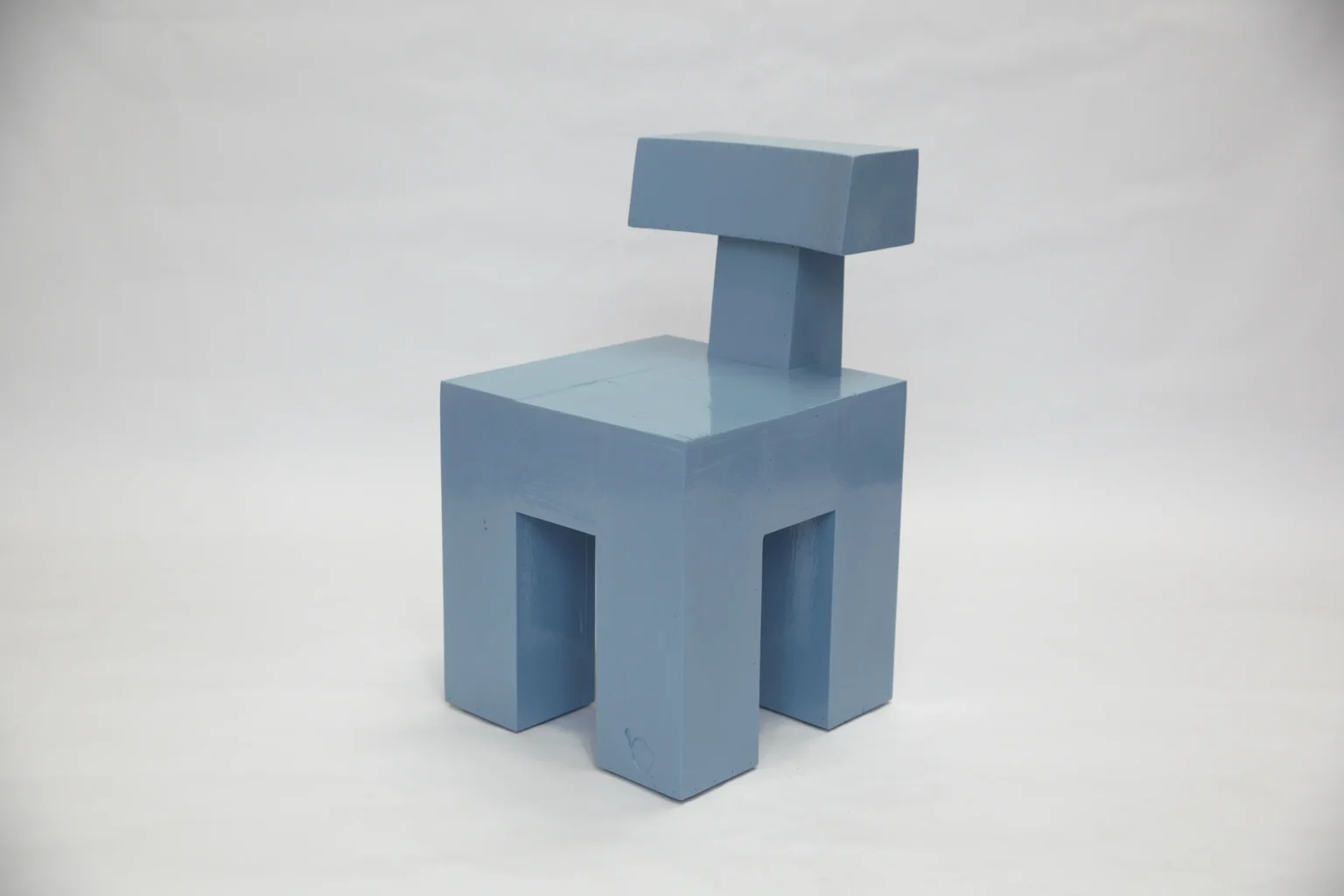




-
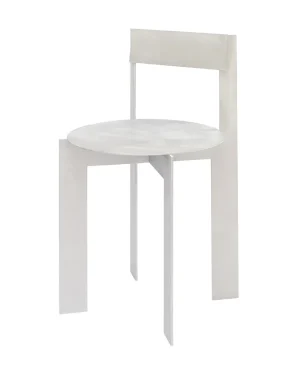
Object111 – Aluminum Chair
By NG DESIGN
€333 -

Camber – Stainless Steel Chair
By Paul Coenen
€1.121 -
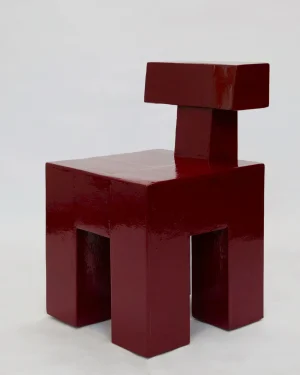
The Practice Chair
By Studio Fabius Clovis
€2.200 This product has multiple variants. The options may be chosen on the product page -
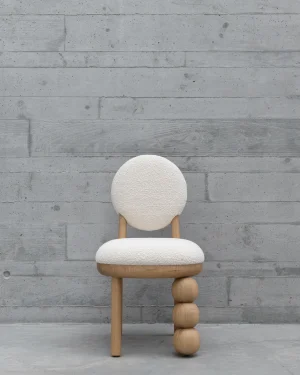
The Three Ball Leg Chair
By Joana Teixeira
€2.200 -
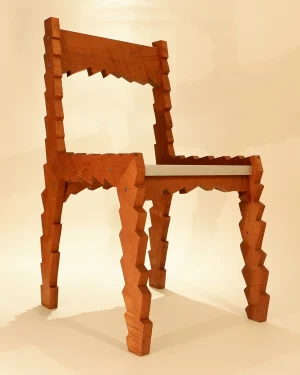
Shocking Chair – Stained Oak Wood Dining Chair
By Josh Page Studio
€940 -
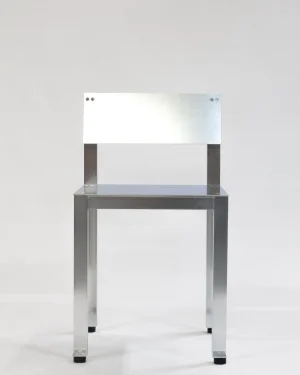
Canto – Aluminum Dining Chair
By Luiz Solano
€840 -

Dessert – Steel Chair
By SALAK Studio
€790 -

A_forma Chair
By AROUND
€900 -

Bold Shkam Chair – Yellow
By SHAPE & SHADE
€333 -
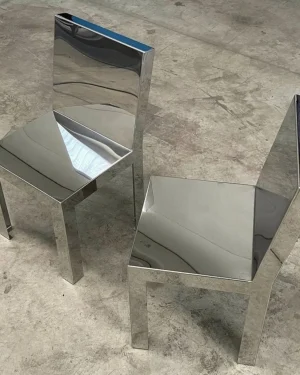
Sedia 1 – Mirror Polished Stainless Steel Chair
By Julia Chiaramonti
€5.500 -
 In stock
Vintola Dining Chair, Tiger Mountain Velvet – Dedar, Walnut Wood
By Vintola Studio
€1.400 -
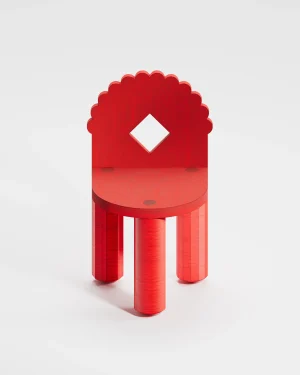
Bold Shkam Chair – Red
By SHAPE & SHADE
€333 -
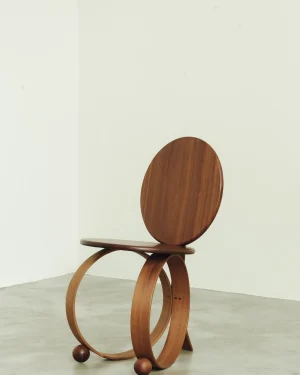
Yara – Bent Wood Chair
By PROSA
€3.200 -
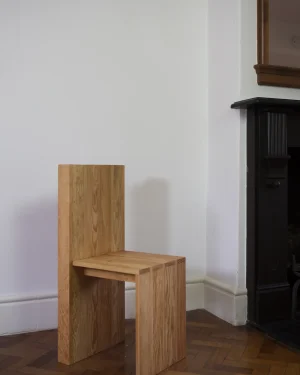
La Curva – Minimalist Wood Chair
By Jaclyn Pappalardo
€940 -
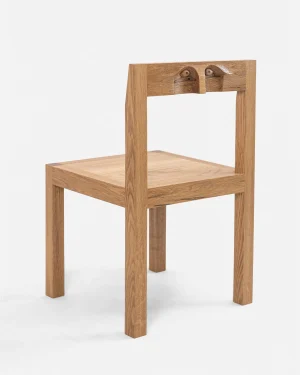
Stele – Oak Wood Chair
By Molor Tumen-Ulzii
€3.000 -
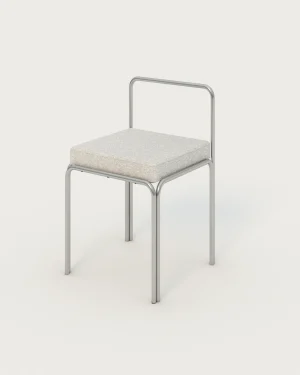
Sali – Upholstered Chair
By SALAK Studio
€620 This product has multiple variants. The options may be chosen on the product page -

Cas Chair
By Daniel Couttolenc
€2.250 - €2.450 This product has multiple variants. The options may be chosen on the product page -
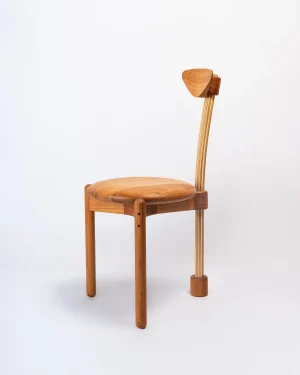
Pipa – Peroba Do Campo Wood Chair
By Estúdio Simbiose
€1.450 -
 In stock
Boni Dining Chair
By Heaps & Woods
€2.750 - €2.937 This product has multiple variants. The options may be chosen on the product page -
 In stock
Pneumatic Chair 2
By Szostak Atelier
€5.990 This product has multiple variants. The options may be chosen on the product page -
 In stock
Luna Chair
By Arbore x Cezar Moldovan
€1.988 -
 In stock
Ciénega Chair
By Tana Karei
€2.397 -
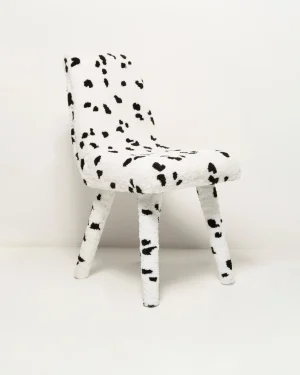
Cruella Dalmatian Chair
By Vintola Studio
€1.600 -
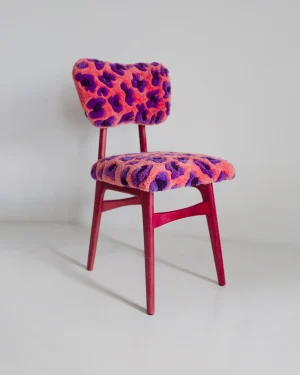
Butterfly Chair Pink Leopard Tufting Wool
By Vintola Studio
€1.600 -

Ruva Chair
By AEXIO
€825 -
 In stock
Vintola Dining Chair, Jacquard Velvet, Vintola Studio
By Vintola Studio
€1.400 -
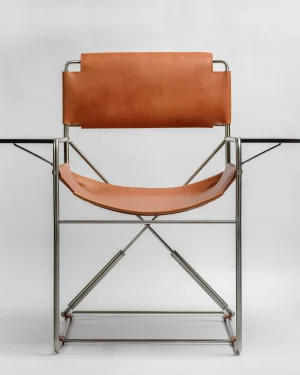
Pneumatic Chair – Unique Piece
By Szostak Atelier
€9.000 -
 In stock
Miki Dining Chair
By Heaps & Woods
€1.531 - €1.625 This product has multiple variants. The options may be chosen on the product page -
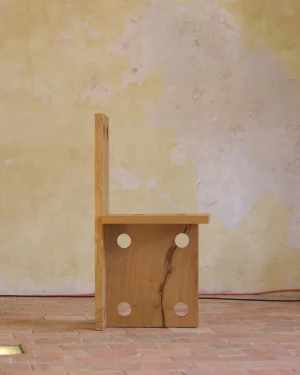
Sensitive Wood – Domino Chair
By Vital Lainé
€1.000 -
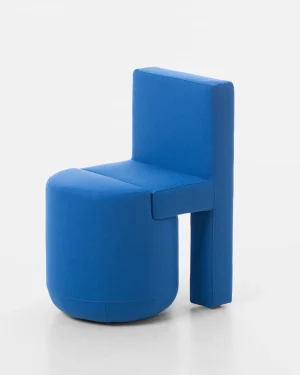 In stock
Fossil Dining Chair
By oitoproducts
€1.534 -

Post & Rung Chair
By Luke Crouch Studio
€1.550 -
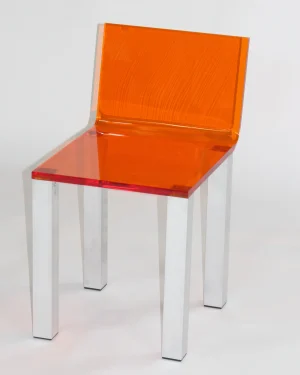 In stock
Acrilar – Acrylic Chair I
By Luiz Solano
€840 This product has multiple variants. The options may be chosen on the product page -
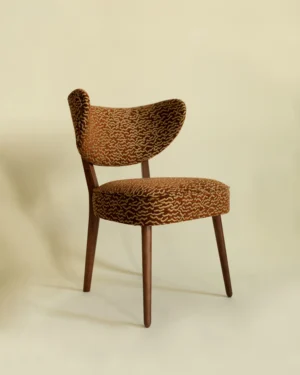 In stock
Dining Chair, Le Chant Des Dunes Pierre Frey, Walnut Wood, Vintola Studio
By Vintola Studio
€1.400 -
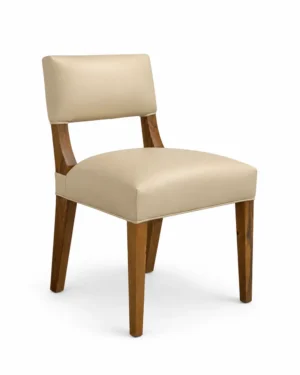 In stock
Bruno – Modern Dining Chair In Argentine Exotic Wood & Leather
By Costantini Design
€1.850 -
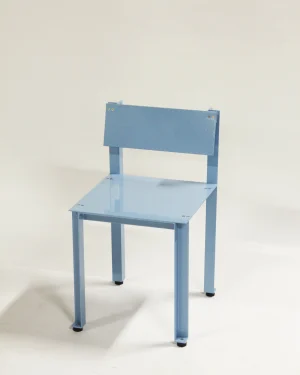
Colored Canto Aluminum Chair
By Luiz Solano
€1.000 This product has multiple variants. The options may be chosen on the product page -
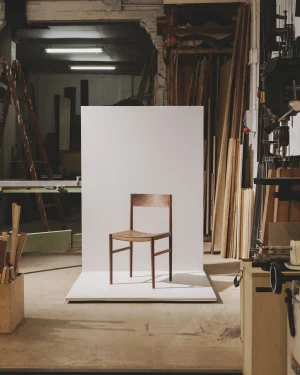
Fina Chair
By Mike Hausmann
€1.850 - €1.950 This product has multiple variants. The options may be chosen on the product page -
 In stock
Trestle Chair
By Vital Lainé
€1.000 -
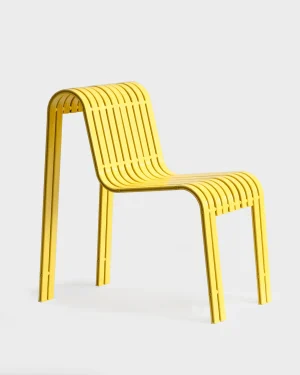
Slide Chair
By Studio Yann Gandon
€1.250 -
 In stock
Dining Chair, Leopard Velvet By Edmond Petit, Walnut Wood
By Vintola Studio
€1.300 -

Rounded Edges Aluminum Chair
By LESORR
€1.273 This product has multiple variants. The options may be chosen on the product page -
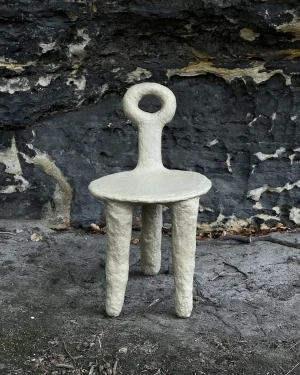
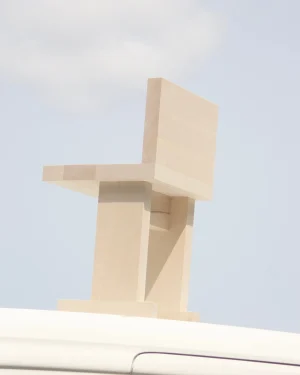
Sandstone Chair
By David Čáp
€1.000 -
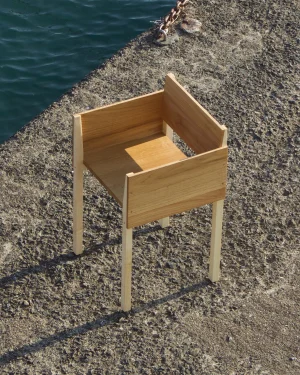 In stock
Accueil Armchair
By Vital Lainé
€1.150 -
 In stock
Vintola Dining Chair, Camel Boucle, Walnut Wood, Vintola Studio
By Vintola Studio
€1.200 -
 In stock
Toptun Chair
By FAINA
€1.980 This product has multiple variants. The options may be chosen on the product page -

Gavrinis – Oak Wood Chair
By Vital Lainé
€1.000 -

Fly Chair
By Tiago Curioni
€1.920 -
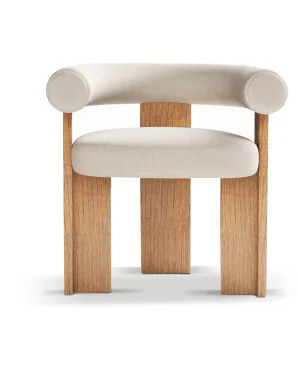
Cassette – Upholstered Armchair
By Alter Ego Studio
€2.215 -
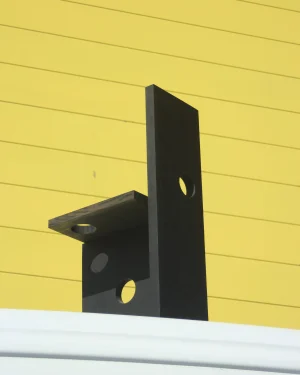
O Chair – Oak Dining Chair
By Vital Lainé
€800 -
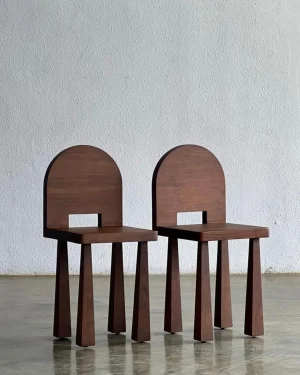
Luna – Teak Dining Chair
By STUDIO KALLANG
€1.025 -

Finepianta 02 – Dining Chair
By FINEPIANTA
€1.785 -

Bold Shkam Chair – Blue
By SHAPE & SHADE
€333 -
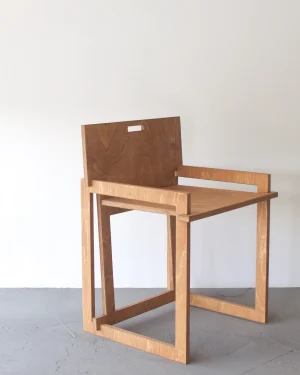
Sedia Quadra Natural
By Edoardo Lietti Studio
€790 -
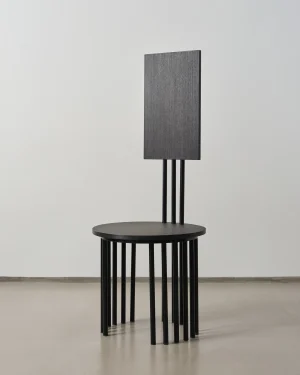
Reina Chair
By Studio Mohs
€1.614 -
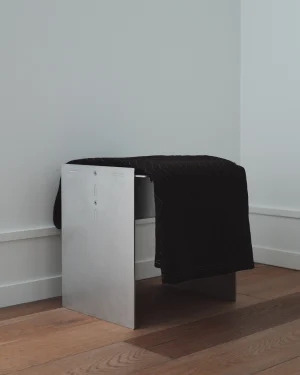
Flat Metals – Seat 01
By Estudio Material
€900
Minimalist dining chairs reduce seating to its essential structure: a frame, a seat, a back, and as little else as the material allows. The studios working in this style favor oak and other hardwoods, welded steel, spun aluminum, and woven or upholstered textiles, letting joinery, metalwork or stitching show rather than hiding it under decoration. The result is a chair that reads as one clear gesture around a dining table rather than a collection of parts.
What makes a dining chair minimalist
A pared-back dining chair keeps its silhouette tight: straight or gently tapered legs, a back that supports without framing the sitter in scrollwork or carving, and a seat pan sized for one body rather than for show. Joints are cut flush, welds ground smooth, and upholstery stretched taut so the eye reads surface before it reads stitching. Color stays close to the material itself, so beige cloth, amber-toned oak and brushed steel appear far more often than saturated hue.
The materials and techniques behind the range
Wood dominates, usually oak worked through standard cabinetmaking: mortise-and-tenon joints, steam-bent backs, or legs turned on a lathe and left with a clear or oiled finish that lets grain show. Metal chairs lean on stainless steel or aluminum, cut and welded into frames that stay thin because the material can carry load without bulk. Upholstered versions wrap foam or webbing in cotton or viscose cloth, often in neutral or two-tone combinations such as beige and brown, applied through conventional upholstery rather than quilting or trim. A smaller number of pieces are produced as open editions, made to a standing design, alongside occasional unique pieces finished or assembled by hand.
Choosing a chair for your table
When choosing minimalist dining chairs for your table, start with seat height: most dining chairs sit between 17 and 19 inches, measured to clear the underside of a standard table. Check the width of the seat and the spread of the legs against your table's apron and against the chair beside it, since pared-back frames often tuck in closer than upholstered or carved ones. Match finish to the rest of the room rather than to the table alone: a pale oak chair reads differently next to a dark walnut top than it does on its own, and a steel frame will pick up the cool or warm cast of any nearby lighting.
- Wood grain and tone against your existing furniture and floor
- Metal finish, polished or brushed, against hardware elsewhere in the room
- Textile color and weave, since cotton and viscose wear differently under daily use
If you are furnishing a table from the ground up, the wider range of dining chairs on ADORNO covers softer and more decorated styles for comparison, and minimalist tables follow the same restraint in line and surface.
Where these chairs sit well
Minimalist dining chairs suit rooms where the table is already the main gesture: an open kitchen, a dining room with little else on the walls, or a living space where the table doubles as a desk. Their low visual weight keeps a small room from feeling crowded, and their plain lines let a patterned rug, a sculptural pendant or a set of ceramics carry the color in the room instead. For anyone building a look piece by piece, the full range of minimalist design on ADORNO extends the same approach to lighting, tables and objects.
Caring for wood, metal and upholstered chairs
Oak and other hardwoods want a stable room, away from direct heat or damp, and a wipe with a dry or barely damp cloth; oiled finishes can be refreshed every year or two, while lacquered ones mainly need dusting. Stainless steel and aluminum resist rust but show fingerprints and water spots, so a soft cloth and mild soap keep the surface even. Cotton and viscose upholstery should be vacuumed regularly and spot-cleaned rather than soaked, since repeated wetting can mark or shrink a woven cover. For wood-specific guidance across styles, the wooden dining chairs range and the metal dining chairs range both show how finish changes upkeep.
How do I choose a minimalist dining chair?
Look at the frame first: a single material, oak, steel or aluminum, usually signals the pared-back lines minimalist chairs are known for. Match its scale and tone to your table rather than to other seating in the room.
What materials are minimalist dining chairs made from, and how do I care for them?
Most are wood, stainless steel, aluminum or metal, sometimes paired with cotton or textile upholstery. Wipe metal frames dry after cleaning, oil oak occasionally, and vacuum fabric seats rather than scrubbing them.
What size and height should a dining chair be?
Standard dining chairs sit between 18 and 19 inches from floor to seat, leaving 10 to 12 inches of clearance under a table apron. Confirm exact measurements with the maker on the piece's page before ordering.
Do minimalist dining chairs suit small spaces?
Their pared-back frames and light materials, aluminum, steel or slender wood, take up less visual room than heavily upholstered chairs, which helps them sit easily in smaller dining areas or open-plan rooms.
Can minimalist dining chairs be used outside of the dining room?
Yes, their simple forms work equally well as occasional seating in a living room or study. Check the specific material's durability and finish with the maker if you plan to move it between rooms often.
How does shipping, returns and authenticity work when buying through ADORNO?
Shipping is insured and worldwide. Returns are accepted within 14 days, except on made-to-order pieces, and every purchase comes with a certificate of authenticity plus a lowest-price guarantee.