




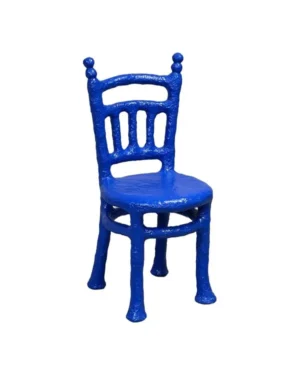





-
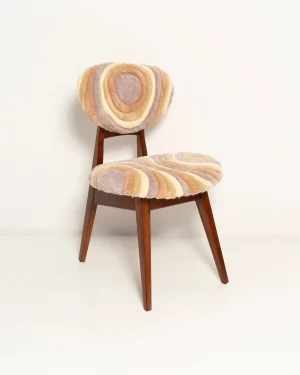
Mid Century Mushroom Chair Hand Tufting Beige Wool
By Vintola Studio
€1.600 -
5% off
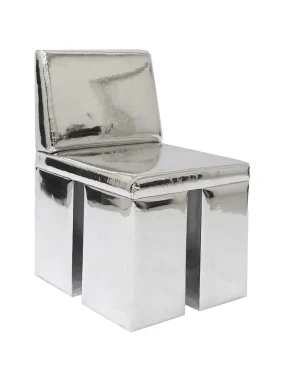
Object106 – Upholstered Chairs
By NG DESIGN
€585 - €1.115€556 - €1.060 This product has multiple variants. The options may be chosen on the product page -
 In stock
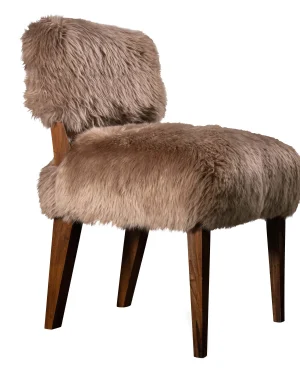
Bruno Ovino – Modern Dining Chair In Exotic Wood And Sheepskin
By Costantini Design
€1.748 -

Mid-century Heart Chair In Plushy Bordeaux, Dedar,europe, 1960s
By Vintola Studio
€1.050 -
 In stock
Vintola Studio Dining Chair, Casamance Nimbus Leopard Fabric
By Vintola Studio
€1.400 -
 In stock
Vintola Dining Chair, Tiger Mountain Velvet – Dedar, Walnut Wood
By Vintola Studio
€1.400 -

Emma Chair
By Tana Karei
€2.050 -
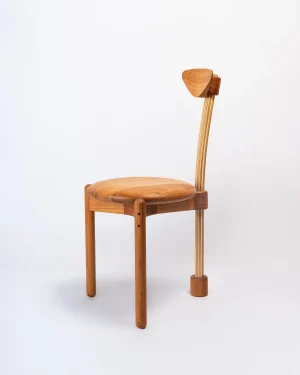
Pipa – Peroba Do Campo Wood Chair
By Estúdio Simbiose
€1.450 -
 In stock
Boni Dining Chair
By Heaps & Woods
€2.750 - €2.937 This product has multiple variants. The options may be chosen on the product page -
 In stock
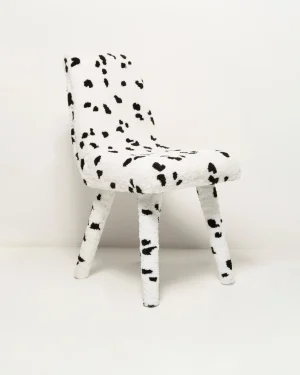
Cruella Dalmatian Chair
By Vintola Studio
€1.600 -
 In stock
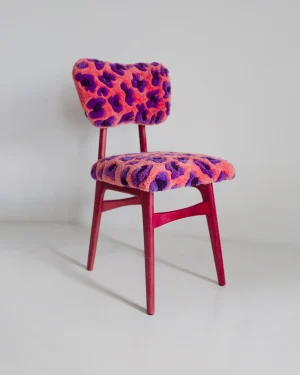
Butterfly Chair Pink Leopard Tufting Wool
By Vintola Studio
€1.600 -
 In stock
Miki Dining Chair
By Heaps & Woods
€1.531 - €1.625 This product has multiple variants. The options may be chosen on the product page -
 In stock
Vintola Dining Chair, Jacquard Velvet, Vintola Studio
By Vintola Studio
€1.400 -
 In stock
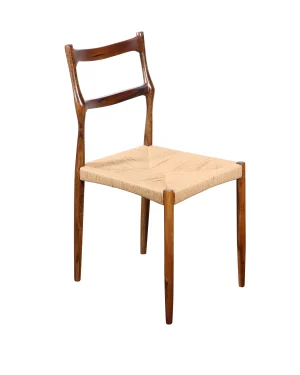
Liviana – Carved Wood Slatted Dining Chair With Woven Rush Seat
By Costantini Design
€2.450 -
 In stock
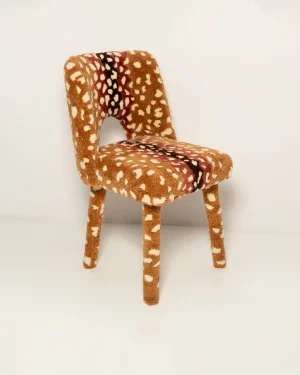
Bambi Wool Chair
By Vintola Studio
€1.600 -
 In stock
Mid Century Mushroom Chair, Amoir Fou, Dedar, By J. Kedziorek, 1960s
By Vintola Studio
€1.050 -
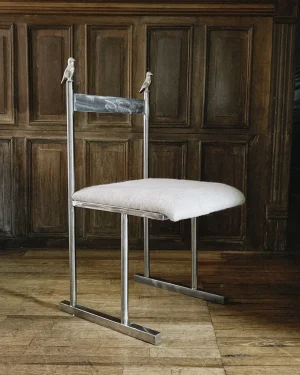
School Chair – Upcycled Materials
By Around the Studio
€1.500 -
 In stock
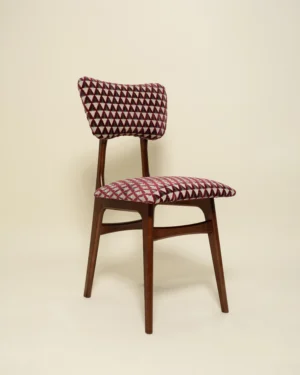
Mid Century Butterfly Chair, Amuleto Rubino, Dedar, 1960
By Vintola Studio
€1.050 -
 In stock
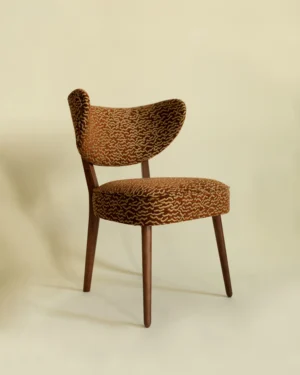
Dining Chair, Le Chant Des Dunes Pierre Frey, Walnut Wood, Vintola Studio
By Vintola Studio
€1.400 -
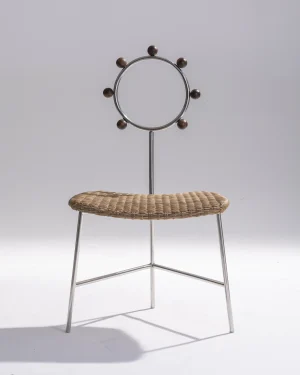
Sol – Stainless Steel And Wicker Chair
By Giácomo Tomazzi Studio
€1.350 -

Rian Bullhorn Chair
By Semigood Design
€3.229 This product has multiple variants. The options may be chosen on the product page -
 In stock
Dining Chair, Leopard Velvet By Edmond Petit, Walnut Wood
By Vintola Studio
€1.300 -
 In stock
Mid Century Heart Chair
By Vintola Studio
€1.050 -
 In stock
Pitufi Dining Low Chair
By Heaps & Woods
€1.500 - €1.613 This product has multiple variants. The options may be chosen on the product page -
 In stock
Vintola Dining Chair, Camel Boucle, Walnut Wood, Vintola Studio
By Vintola Studio
€1.200 -
 In stock
Toptun Chair
By FAINA
€1.980 This product has multiple variants. The options may be chosen on the product page -
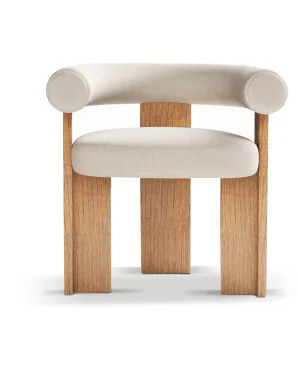
Cassette – Upholstered Armchair
By Alter Ego Studio
€2.215 -
 In stock
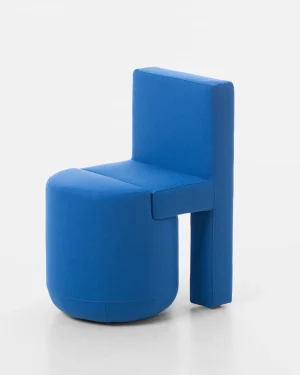
Fossil Dining Chair
By oitoproducts
€1.534 -

1907 Wood And Felted Wool Lounge Chair
By espina corona
€1.050 -
 In stock
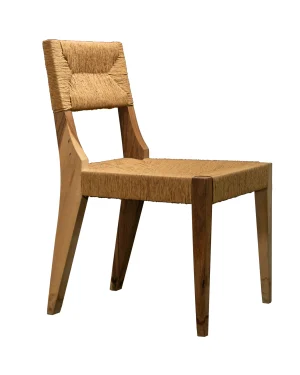
Bruno Intreccio – Modern Woven Dining Chair In Solid Wood
By Costantini Design
€1.490 -
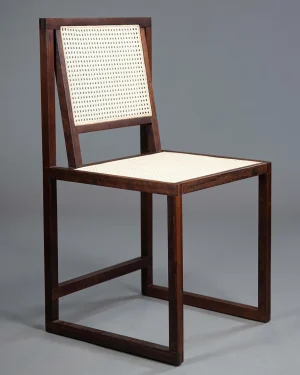
The Square Chair
By am.o atelier
€985 -
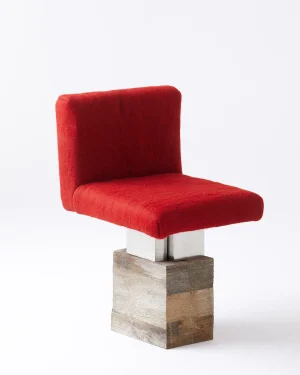
Tbilisi Street Chair – Upcycled Materials
By Around the Studio
€1.500 -
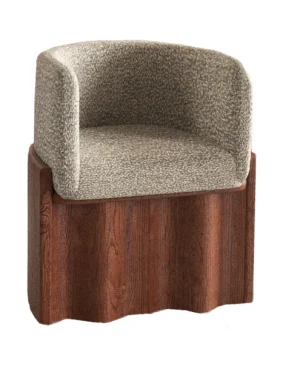
Plisse Dining Chair
By Alter Ego Studio
€3.800 -
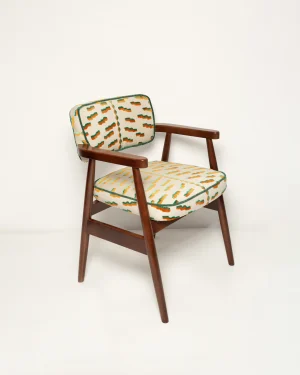 In stock
Classic Dining Chair
By Vintola Studio
€1.250 -
 In stock
Mid Century Mushroom Chair, Nouvelles Vagues Rubins Velvet, Dedar, By J. Kedziorek, 1960s
By Vintola Studio
€1.050 -
 In stock
Mid Century Butterfly Chair, Bacara Bordeaux, Dedar, 1960
By Vintola Studio
€1.050 -
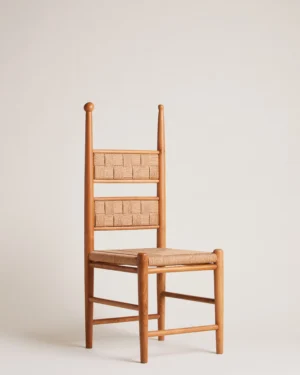 In stock
Pitufi Dining Chair
By Heaps & Woods
€1.575 - €1.850 This product has multiple variants. The options may be chosen on the product page -
 In stock
Dining Chair, Leopard Jacquard By Edmond Petit, Walnut Wood, Vintola Studio
By Vintola Studio
€1.300 -
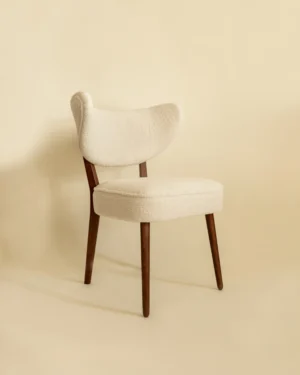 In stock
Vintola Dining Chair, Ivory White Boucle, Walnut Wood
By Vintola Studio
€1.200 -
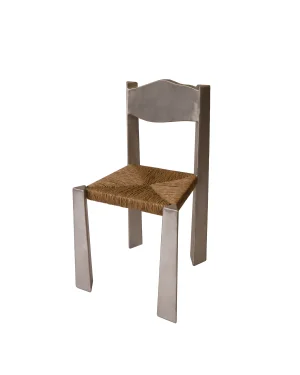
‘woven Chair’ – Aluminum & Paper Cord Chair
By Six Dots Design
€2.375 -
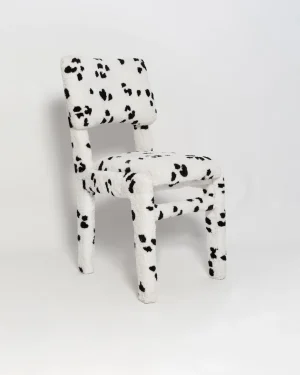 In stock
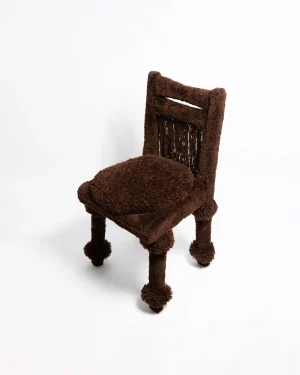
Cruella Dalmatian Chair Tufting Wool
By Vintola Studio
€1.600 -
 In stock
Poodle Tufting Chair
By Vintola Studio
€1.600 -
 In stock
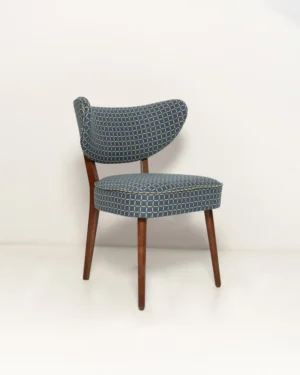
Vintola Dining Chair, Schwarzwald Linen – Dedar, Walnut Wood
By Vintola Studio
€1.400 -
 In stock
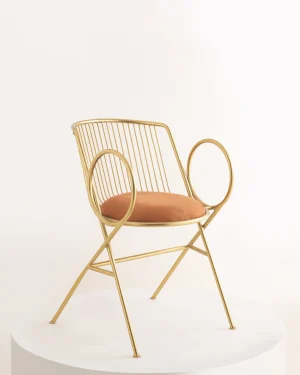
Vintola Dining Chair, Blue Jacquard, Walnut Wood
By Vintola Studio
€1.250 -
 In stock
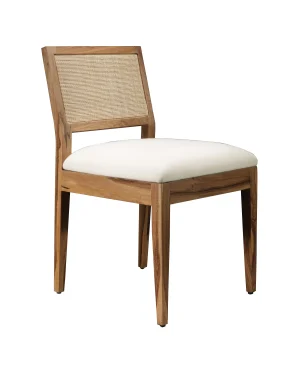
O2 – Padded Iron Chair
By Nama Home
€1.450 This product has multiple variants. The options may be chosen on the product page -
 In stock
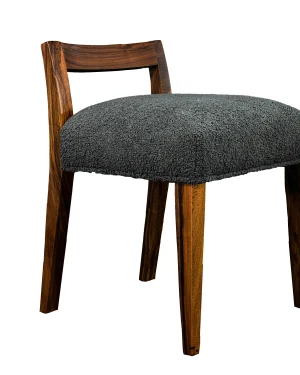
Recoleta – Modern Seating Chair In Argentine Rosewood
By Costantini Design
€1.730 -
 In stock
Umberto – Modern Low Side Chair In Exotic Wood & Fabric Upholstery
By Costantini Design
€1.490 -

Random Chair – Upcycled Materials
By Around the Studio
€1.400 -
 In stock
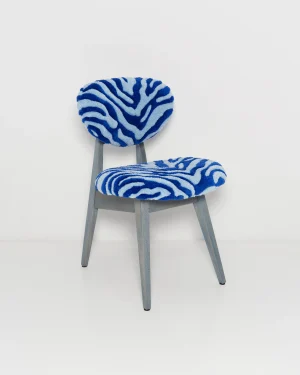
Mushroom Chair In Zebra Blue Wool
By Vintola Studio
€1.500 -
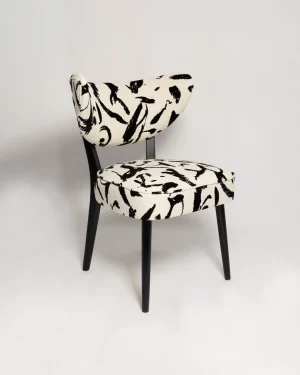
Retro Dining Chair
By Vintola Studio
€1.200 -

Tube Chair
By hakankemal studio
€960 -
 In stock
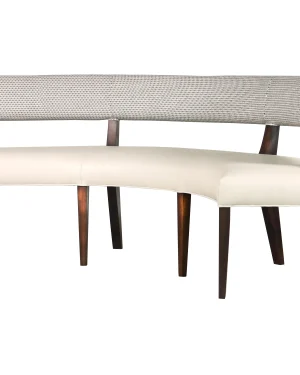
Bruno – Modern Exotic Wood Booth Seating
By Costantini Design
€14.276 -
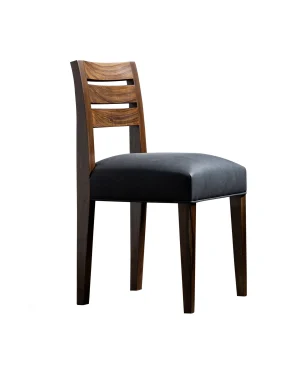 In stock
Renzo – Contemporary Exotic Wood And Leather Side Chair
By Costantini Design
€1.456 -
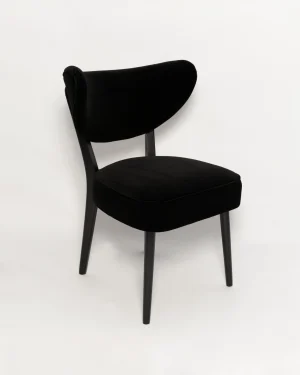 In stock
Retro Dining Chair
By Vintola Studio
€1.160 - €1.200 This product has multiple variants. The options may be chosen on the product page
Textile dining chairs bring a layer of softness to the table, built by studios who work in wool, cotton, viscose and polyester alongside woven paper rope and other natural fibers. Some stretch a single piece of fabric over a molded shell, others tuft or weave by hand, and a few work with biofabricated materials that behave like textile without coming from an animal or a plant in the usual sense. What ties them together is touch: a seat and back that give slightly under weight, in colors from beige and brown to green, amber, blue and multicolor.
What defines a textile dining chair
The fabric or fiber is structural as well as visual. Wool and cotton upholstery is stretched over foam or webbing and stitched or tufted to hold its shape through years of use, while woven paper rope is wound around a wood or metal frame so the seat itself becomes the weave. Viscose and polyester blends are often chosen for their color stability and resistance to fading, which matters near a window where dining tables tend to sit.
Textilework and upholstery are the most common techniques, but weaving and tufting show up often, especially on chairs with paper rope or rush-style seats. A smaller group of makers use biofabrication, growing or forming material that stands in for leather or textile. Editions vary by studio: some chairs are open editions produced on demand, others are limited editions or unique pieces where the upholstery or weave is finished by hand.
The range on ADORNO
Within textile dining chairs, frames are usually wood, often beech, chosen for its strength in thin, turned legs, though metal frames also appear under woven or upholstered seats. Styles range from mid-century modern silhouettes with tapered legs to contemporary, minimalist and maximalist pieces, with occasional futuristic or space age shapes where the upholstery wraps a sculptural shell. Anyone drawn to a harder surface rather than fabric can compare wood on wooden dining chairs or steel and aluminum on metal dining chairs, and the full span of textile and natural fiber work across furniture types sits under textile and natural fiber pieces.
How to choose a textile dining chair
Seat height for a standard dining table runs close to eighteen inches, so check that figure against your table's underside clearance before adding an upholstered seat, which sits slightly higher once padding compresses. Scale matters at the table edge: a chair with wide woven arms needs more room between place settings than a slim, upholstered side chair.
- Match fabric weight to how often the chair will be used: tightly woven wool or cotton upholstery holds up to daily meals better than loosely woven fiber.
- Pick a finish, matte or textured, that reads well against your existing table top, whether that is wood, stone or lacquer.
- Consider color against the floor and walls rather than the table alone, since a dining chair is seen as much from the side as from above.
Where textile dining chairs sit well
These chairs suit a dining room built for lingering, where fabric softens the acoustics of a hard floor and a long table. They also work in open-plan kitchens and in a dining room that doubles as a work or reading space, since an upholstered seat is comfortable enough to hold someone for longer than a meal.
Caring for textile upholstery
Vacuum fabric seats regularly with a soft brush attachment to stop fibers from compacting with dust, and blot spills immediately rather than rubbing them in. Keep woven paper rope and natural fiber seats away from direct, sustained sun, which dries and weakens the fiber over time, and away from standing damp, which can warp the weave.
How do I choose a textile dining chair?
Look at the weave or upholstery weight first: wool and heavy cotton hold shape and resist wear, while lighter weaves suit occasional use. Match the frame, wood or metal, to your table and consider arm height for comfortable seating.
How do you clean and care for textile dining chairs?
Vacuum fabric regularly and blot spills immediately rather than rubbing. Wool and cotton covers tolerate light spot cleaning, but check the maker's guidance before using water or solvents on tufted or woven surfaces.
What is the standard height for a dining chair?
Most dining chairs sit between 18 and 19 inches from floor to seat, pairing with tables around 29 to 30 inches tall. Chat with the maker on a piece's page to confirm exact measurements.
Do textile dining chairs work in small dining rooms?
Yes, woven or upholstered seats often read lighter than solid wood or metal chairs, especially in pale or neutral tones. Choose slim frames and avoid bulky padding to keep a small room feeling open.
Can fabric dining chairs handle daily use and spills?
Tightly woven textiles like wool and cotton blends stand up well to daily dining, though they are not stain-proof. For households prone to spills, ask the maker about removable or treated covers via Chat with the maker.
What are ADORNO's shipping, returns and authenticity policies?
Shipping is insured and worldwide. Returns are accepted within 14 days, excluding made-to-order pieces. Every piece comes with a certificate of authenticity, backed by a lowest-price guarantee.