








-
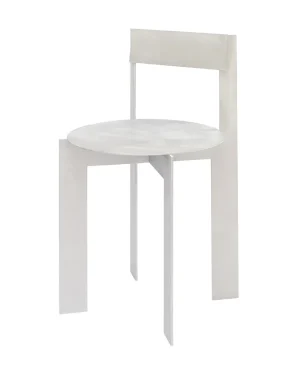
Object111 – Aluminum Chair
By NG DESIGN
€333 -
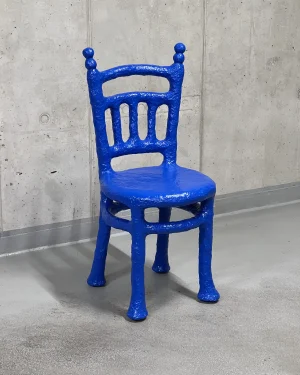
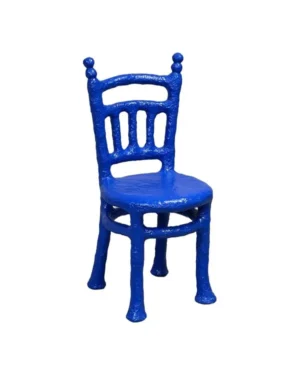
Blue Papier-mâché Chess Chair
By David Čáp
€1.000 -

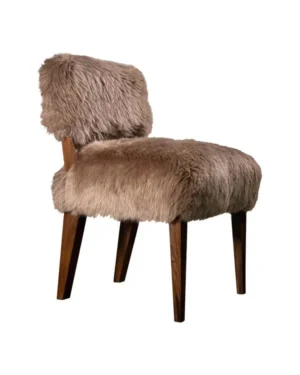
Mid-century Heart Chair In Plushy Bordeaux, Dedar,europe, 1960s
By Vintola Studio
€1.050 -

A_forma Chair
By AROUND
€900 -
 In stock
Vintola Studio Dining Chair, Casamance Nimbus Leopard Fabric
By Vintola Studio
€1.400 -
 In stock
Vintola Dining Chair, Tiger Mountain Velvet – Dedar, Walnut Wood
By Vintola Studio
€1.400 -
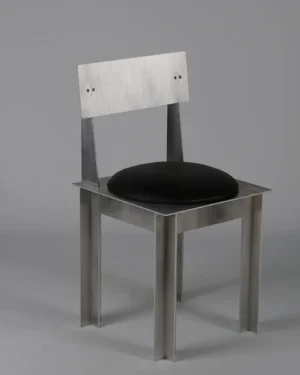 In stock
Plus Chair
By 301 Design Studio
€1.000 -
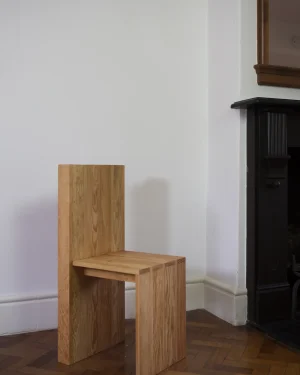
La Curva – Minimalist Wood Chair
By Jaclyn Pappalardo
€940 -
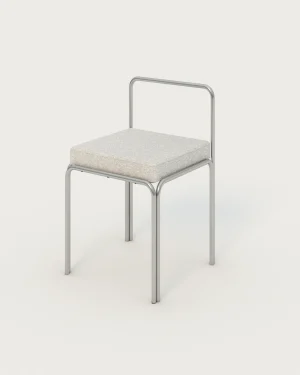
Sali – Upholstered Chair
By SALAK Studio
€620 This product has multiple variants. The options may be chosen on the product page -
 In stock
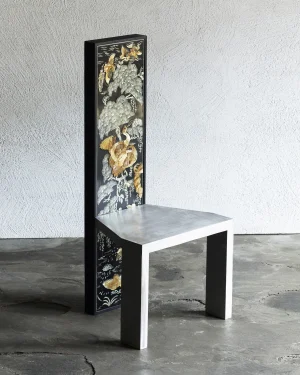
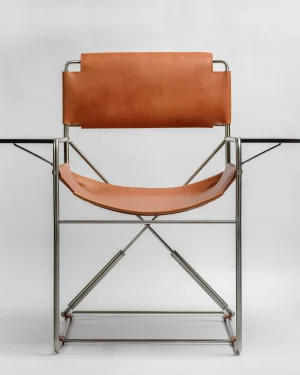
Narrative 001 – Stainless Steel / Wood Chair
By STUDIO KIMBYUNGSUB
€8.000 -
 In stock
Vintola Dining Chair, Jacquard Velvet, Vintola Studio
By Vintola Studio
€1.400 -
 In stock
Pneumatic Chair – Unique Piece
By Szostak Atelier
€9.000 -
 In stock
Mid Century Mushroom Chair, Amoir Fou, Dedar, By J. Kedziorek, 1960s
By Vintola Studio
€1.050 -
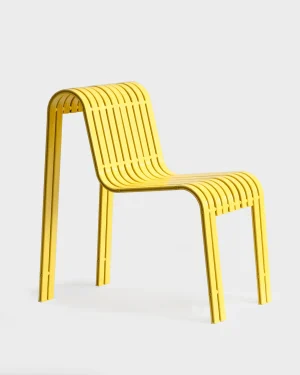
Slide Chair
By Studio Yann Gandon
€1.250 -
 In stock
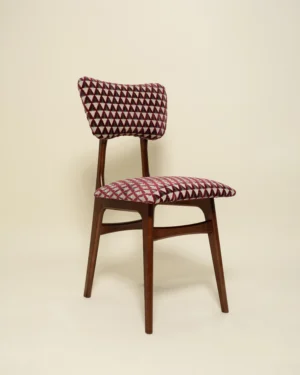
Mid Century Butterfly Chair, Amuleto Rubino, Dedar, 1960
By Vintola Studio
€1.050 -
 In stock
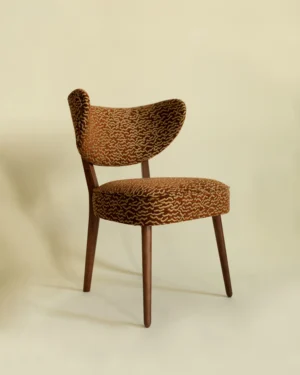
Dining Chair, Le Chant Des Dunes Pierre Frey, Walnut Wood, Vintola Studio
By Vintola Studio
€1.400 -
 In stock
Dining Chair, Leopard Velvet By Edmond Petit, Walnut Wood
By Vintola Studio
€1.300 -
 In stock
Charcoal-drawn Papier-mâché Chair
By David Čáp
€1.000 -
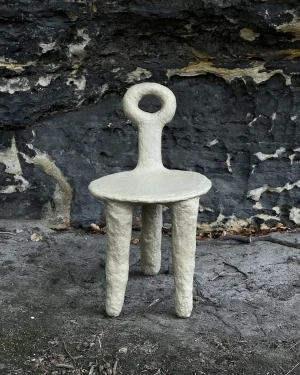
Sandstone Chair
By David Čáp
€1.000 -
 In stock
Cowgirl Oxidized Steel Chair
By Toro Manifesto
€3.918 -
 In stock
Mid Century Heart Chair
By Vintola Studio
€1.050 -
 In stock
Vintola Dining Chair, Camel Boucle, Walnut Wood, Vintola Studio
By Vintola Studio
€1.200 -
 In stock
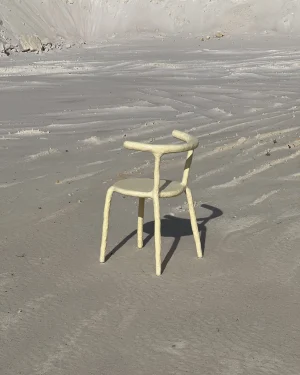
Light Yellow Papier-mâché Chair
By David Čáp
€1.000 -
 In stock
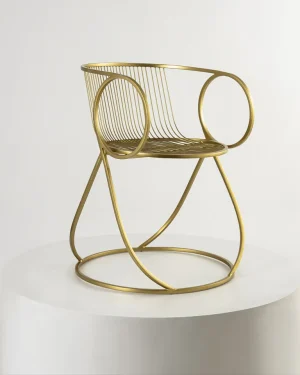
Ohio – Iron Sculptural Chair
By Nama Home
€1.360 - €1.450 This product has multiple variants. The options may be chosen on the product page -
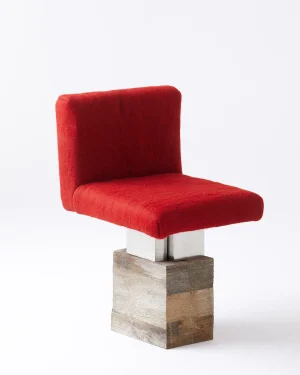
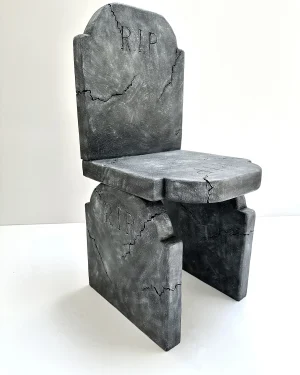
Tbilisi Street Chair – Upcycled Materials
By Around the Studio
€1.500 -
 In stock
Resting Piece 2
By Theo A. Rosenblum
€4.300 -
 In stock
Curvy Dining Chair
By Heaps & Woods
€1.725 -
 In stock
Mid Century Mushroom Chair, Nouvelles Vagues Rubins Velvet, Dedar, By J. Kedziorek, 1960s
By Vintola Studio
€1.050 -
 In stock
Mid Century Butterfly Chair, Bacara Bordeaux, Dedar, 1960
By Vintola Studio
€1.050 -
 In stock
Dining Chair, Leopard Jacquard By Edmond Petit, Walnut Wood, Vintola Studio
By Vintola Studio
€1.300 -
 In stock
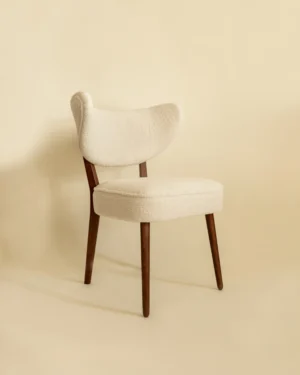
Vintola Dining Chair, Ivory White Boucle, Walnut Wood
By Vintola Studio
€1.200 -
 In stock
Vintola Dining Chair, Schwarzwald Linen – Dedar, Walnut Wood
By Vintola Studio
€1.400 -
 In stock
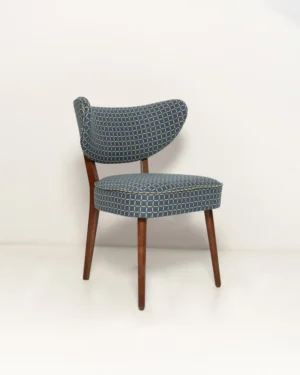
Vintola Dining Chair, Blue Jacquard, Walnut Wood
By Vintola Studio
€1.250 -
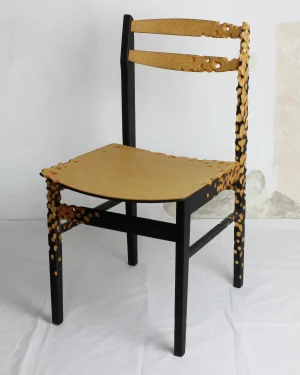
N1 Chair
By Gábor Góbi
€1.990 -
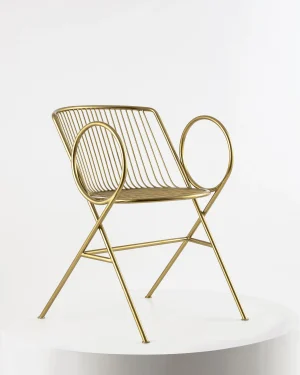 In stock
O2 – Iron Chair
By Nama Home
€1.360 This product has multiple variants. The options may be chosen on the product page -
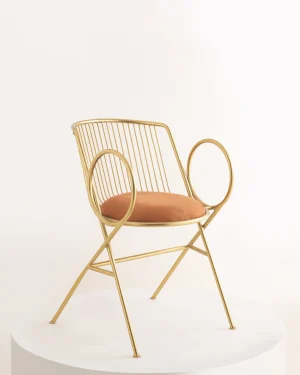 In stock
O2 – Padded Iron Chair
By Nama Home
€1.450 This product has multiple variants. The options may be chosen on the product page -
 In stock
Alux Chair
By Spero Furniture
€530 -

Andhrímnir Chair In Grey Walnut
By Brett Paulin
€1.831 -

Tube Chair
By hakankemal studio
€960 -
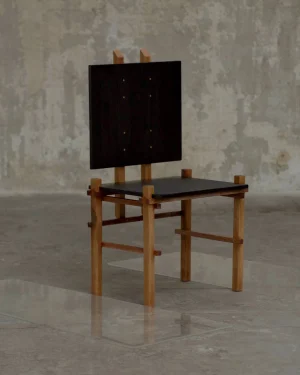 In stock
Lava – Symmetrical Wooden Chair
By Jaclyn Pappalardo
€1.285 -
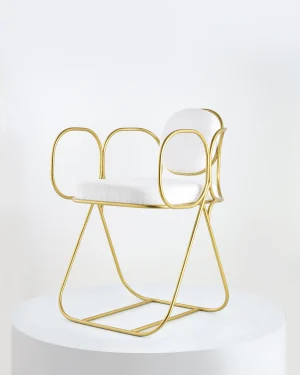 Sold
SoldLisa – Upholstered Iron Chair
By Nama Home
€1.450 This product has multiple variants. The options may be chosen on the product page -
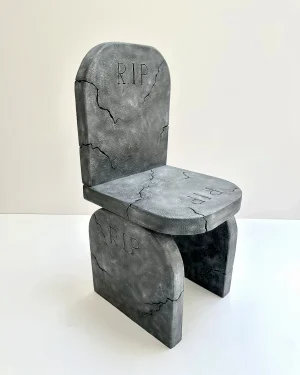 In stock
Resting Piece 1
By Theo A. Rosenblum
€4.300 -
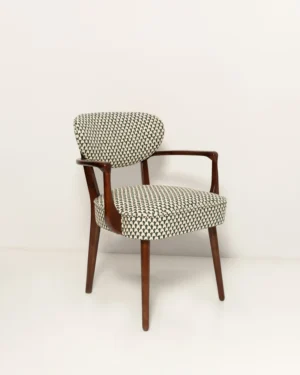 In stock
Vintola Studio Hug Chair In Jacquard Fabric
By Vintola Studio
€1.850 -
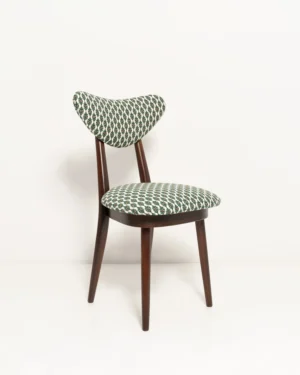 In stock
Mid Century Heart Chair, White And Green Art Deco Jacquard
By Vintola Studio
€900 -
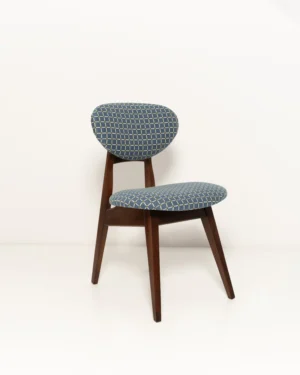 In stock
Mid Century Mushroom Chair, Blue Jacquard
By Vintola Studio
€900 -
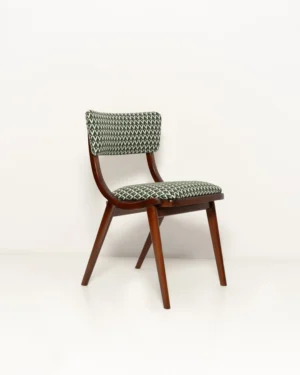 In stock
Mid Century Modern Boomerang Chair, White And Green Jacquard
By Vintola Studio
€950 -
 Sold
SoldBlack Grill Papier-mâché Chair
By David Čáp
€1.000 -
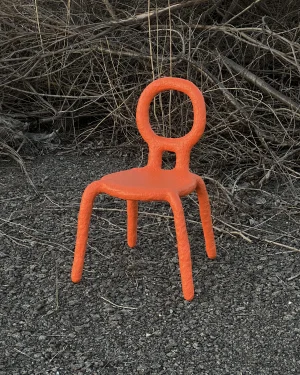 Sold
SoldFrog Chair – Orange Matte
By David Čáp
€1.000 -
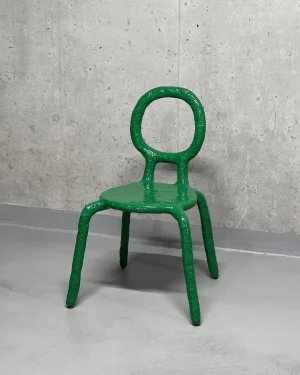 Sold
SoldFrog Chair Green Gloss
By David Čáp
€1.000 -
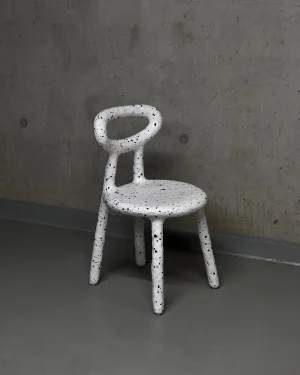 Sold
SoldStracciatella Papier-mâché Chair
By David Čáp
€1.000 -
 Sold
Sold“standard” Chair
By Tributo
€1.263 -
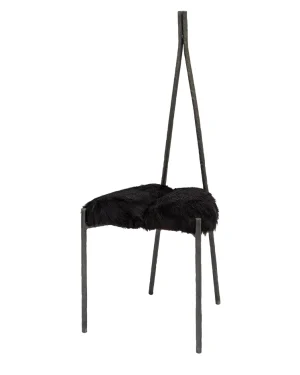
Object117 – Sculptural Chair
By NG DESIGN
Price Upon Request -
 In stock
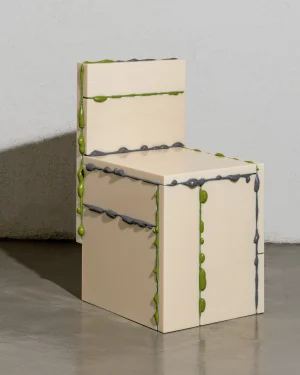
B. S. P Series – Recycled Plastic Chair
By Atelier SOHN
Price Upon Request -
 In stock
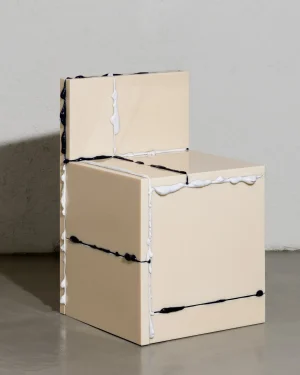
B. S. P Series – Recycled Plastic Chair
By Atelier SOHN
Price Upon Request
Unique dining chairs are one-off pieces, each shaped by a single studio rather than pulled from a production run. They come from independent makers working in wood, metal, textile and paper pulp, using hand-building, weaving, upholstery and digital fabrication to turn a chair into a standalone work. No two are identical, and the grain, weld line or stitch pattern on one will not repeat on the next.
What sets a one-off chair apart
A unique dining chair carries the marks of its making. A seat hand-built in paper pulp will show the slight unevenness of a mold pressed and dried by hand. A frame welded in aluminum will carry the faint heat marks of the torch. These are not flaws to hide; they are the record of a single sitting, by a single maker, rather than a repeatable process.
Because each piece is made once, studios can take risks that a production run would not allow: an asymmetric backrest, a seat carved from a single offcut, a textile woven in a pattern that will not be rewoven. The result sits closer to sculpture than to standard seating, without losing the comfort a dining chair still has to deliver.
Materials, finishes and techniques found here
The range changes as pieces sell and new studios arrive, but certain materials and ways of working recur. Among them:
- Wood, worked through cabinetmaking into frames and seats that darken and mellow with age
- Aluminum, shaped by metalwork into light, cool-touch frames that resist rust
- Textile, cotton, wool, viscose and polyester, applied through upholstery, textilework or weaving for seats and backs
- Paper pulp, hand-built or molded, left in its natural amber, sand or off-white tone
Color tends to stay close to the material: beige, brown, sand and off-white where wood, paper and undyed textile are left alone, with blue or green appearing where a studio has chosen to dye or paint. Styles run from mid-century modern proportions to neo-industrial frames and contemporary, sustainable approaches that favor offcuts and natural fiber over new material.
How to choose one for your table
Start with the table height. A standard dining table sits around 29 to 30 inches high, so a chair with a seat around 18 inches keeps knees and table edge clear. Measure the width across the arms, too, if the chair has them, since a one-off frame will not always match the narrow footprint of a standard model.
Finish matters as much as shape. A pale, off-white or sand chair reads lighter against a dark table and recedes less than a brown or amber one. Where seating will be used daily, choose an upholstery weight, cotton or wool over a thinner weave, that can take repeated contact without flattening.
Where these chairs sit well
A single one-off chair placed at the head of a table marks it apart from the set around it, a common way to use these pieces without replacing an entire dining suite. In a smaller space, a paper pulp or lightweight aluminum chair can move easily between a dining table and a desk, extending its use beyond mealtimes. For a fuller look at seating built for everyday meals, the full range of dining chairs runs from these singular pieces to standard sets.
Living with and caring for the piece
Wood frames benefit from a dry room and an occasional wipe with a damp cloth; avoid placing them directly against a heat source, which can crack a solid seat over time. Aluminum wants only a cloth and mild soap, since water will not rust it. Textile seats should be vacuumed rather than scrubbed, and kept out of direct sun, which fades wool and cotton unevenly. Paper pulp pieces are the most sensitive to moisture and sit best away from steam or splashes.
For other one-off pieces beyond the dining table, the wider unique furniture range includes case goods and seating made the same way, one piece at a time. Those drawn to a particular material can also look at wooden dining chairs, metal dining chairs or pared-back minimalist dining chairs for a narrower starting point before weighing a one-off choice.
How do I choose a unique dining chair?
Start with the material a chair is made from and how it is built, since that determines weight, feel, and how it ages. Then consider how it sits alongside your table and the rest of the room.
How do I care for a one-off dining chair?
Care follows the material: wood wants steady humidity and occasional oiling or waxing, textiles benefit from regular brushing and prompt attention to spills, and metal needs only a dry cloth. Check with the maker for specifics on a given piece.
What is the standard height for a dining chair?
Seat heights typically run between 17 and 19 inches, matching standard table heights of 28 to 30 inches. Exact dimensions for a given piece can be confirmed with the maker.
Which rooms suit a unique dining chair?
Dining chairs anchor dining rooms and open-plan kitchens, but a sculptural one-off also holds its own as an accent seat in a living room or study.
Are these dining chairs one-off pieces?
Yes, each is a unique piece, made as a single work rather than part of a production run, so no two are identical.
What are ADORNO's shipping and return policies?
Shipping is insured and worldwide. Returns are accepted within 14 days, except for made-to-order pieces, and every chair arrives with a certificate of authenticity.