-
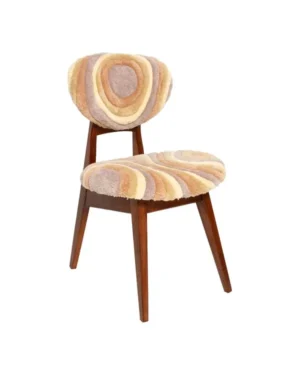
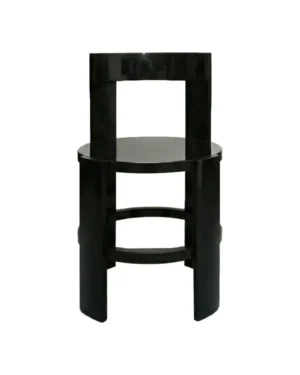
Contemporary Vanity Chair V2
By Six Dots Design
€920 -
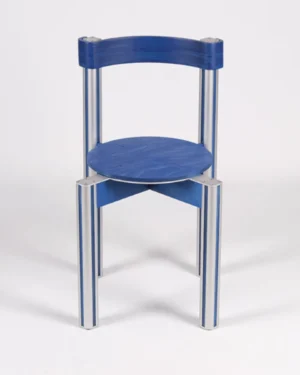 In stock
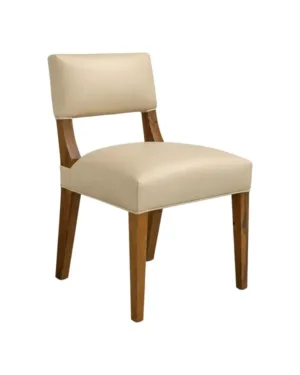
Sigma Chair
By 301 Design Studio
€1.200 -
 In stock
Camber – Stainless Steel Chair
By Paul Coenen
€1.121 -
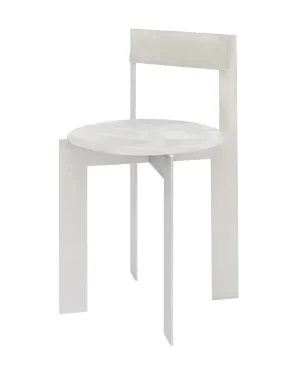
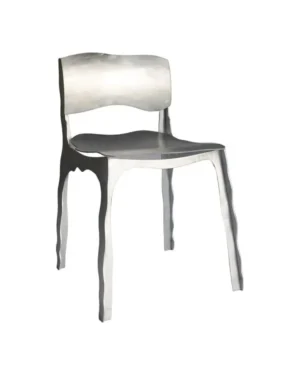
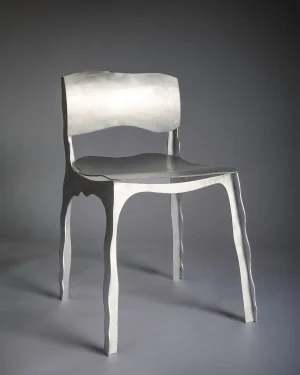
Object111 – Aluminum Chair
By NG DESIGN
€333 -
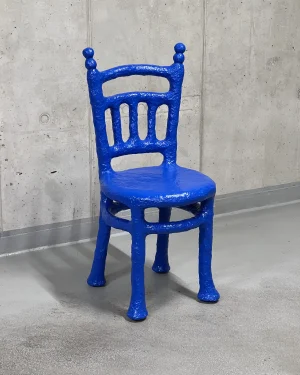
Blue Papier-mâché Chess Chair
By David Čáp
€1.000 -
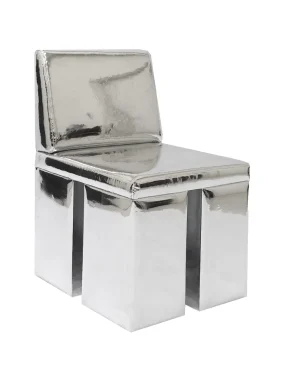
Object106 – Upholstered Chairs
By NG DESIGN
€585 - €1.115 -
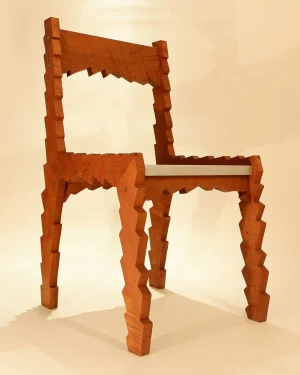
Shocking Chair – Stained Oak Wood Dining Chair
By Josh Page Studio
€940 -
 In stock
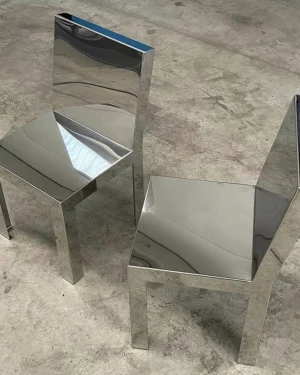
Sedia 1 – Mirror Polished Stainless Steel Chair
By Julia Chiaramonti
€5.500 -
 In stock
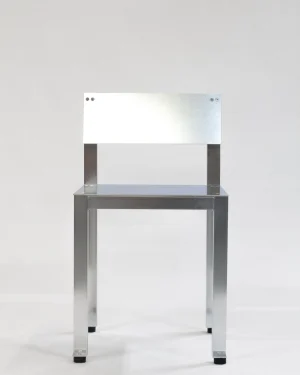
Canto – Aluminum Dining Chair
By Luiz Solano
€840 -
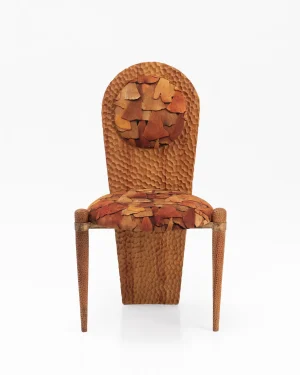
Naughty By Nature – Sculptural Chair
By Odditi
€1.180 -

J O H N | Chair | Stainless Steel
By N I S H
€1.250 - €1.500 -
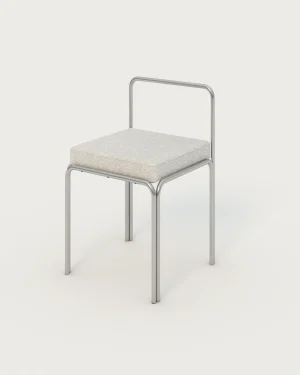
Sali – Upholstered Chair
By SALAK Studio
€620 -
 In stock
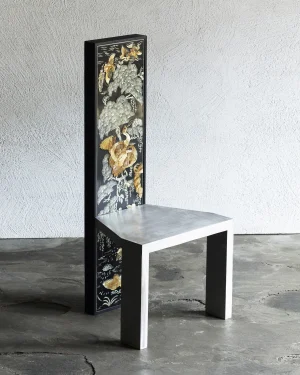
Narrative 001 – Stainless Steel / Wood Chair
By STUDIO KIMBYUNGSUB
€8.000 -
 In stock
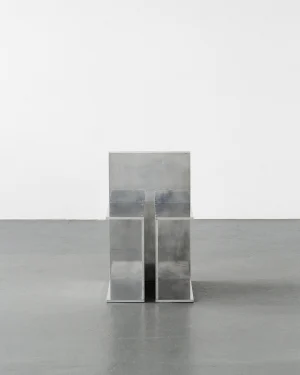
Lille Split Chair
By Thomas Gayet
€2.300 -
10% off
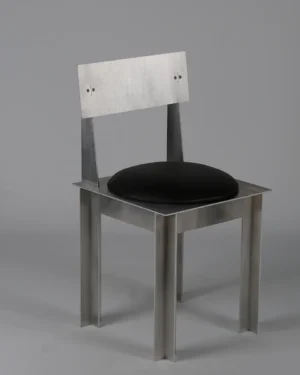
Plus Chair
By 301 Design Studio
€1.000€900 -
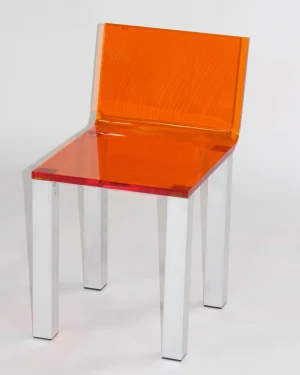 In stock
Acrilar – Acrylic Chair I
By Luiz Solano
€840 -
 In stock
Pink Papier-mâché Chair
By David Čáp
€1.000 -

Rounded Edges Aluminum Chair
By LESORR
€1.273 -

Dessert – Steel Chair
By SALAK Studio
€790 -
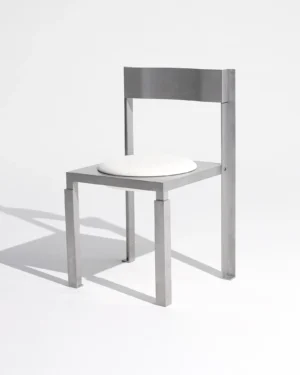
Strut Chair
By Yet Design Studio
€1.250 -
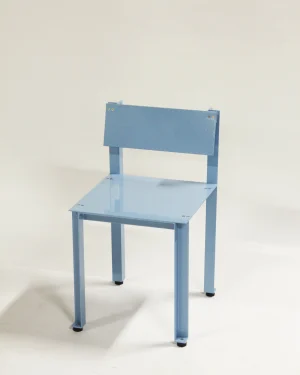
Colored Canto Aluminum Chair
By Luiz Solano
€1.000 -
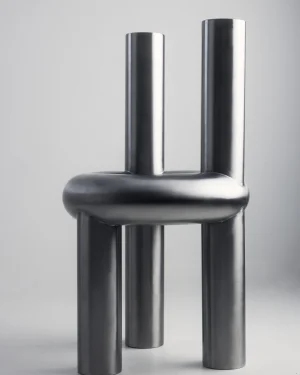
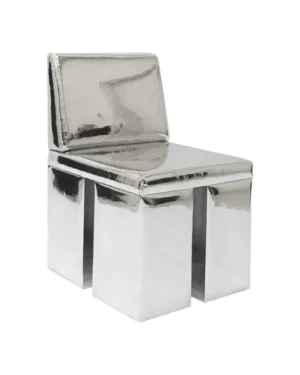
Chunk Chair – Stainless Steel
By Obscure Objects
€6.303 -
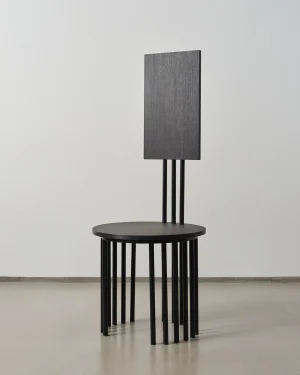
Reina Chair
By Studio Mohs
€1.614 -
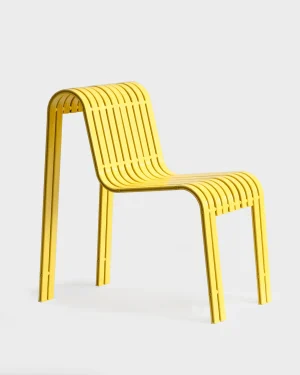
Slide Chair
By Studio Yann Gandon
€1.250 -

Finepianta 02 – Dining Chair
By FINEPIANTA
€1.785 -
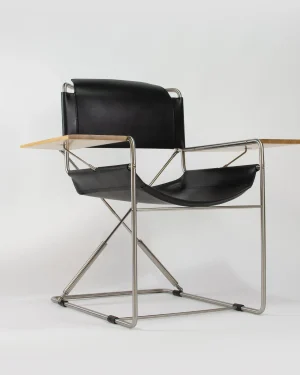 In stock
Pneumatic Chair 2
By Szostak Atelier
€5.990 -
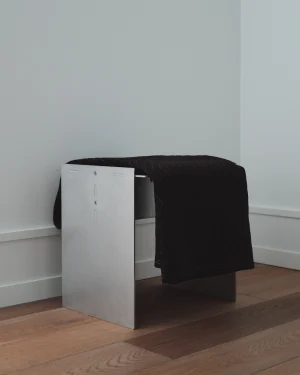
Flat Metals – Seat 01
By Estudio Material
€900 -
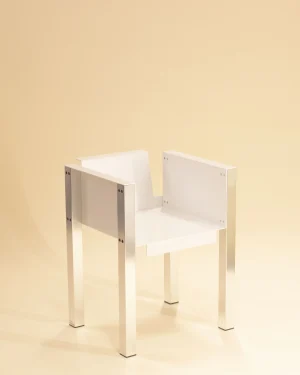
A2 – Aluminum Armchair
By Luiz Solano
€1.250 -
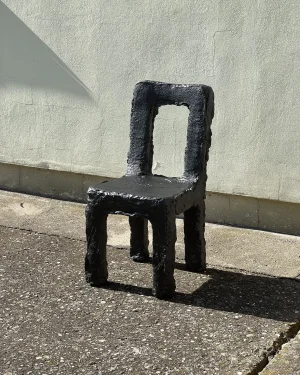
Black Dough Chair
By David Čáp
€1.000 -
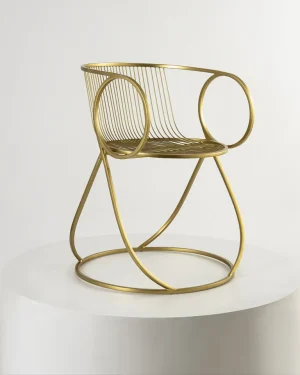 In stock
Ohio – Iron Sculptural Chair
By Nama Home
€1.360 - €1.450 -
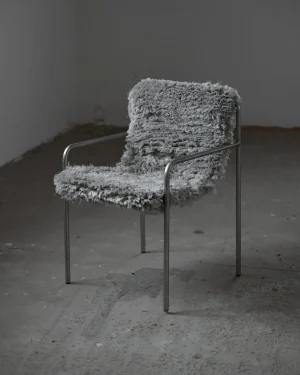
Dessert Shaggy – Steel Chair With Handmade Fabric
By SALAK Studio
€1.500 -
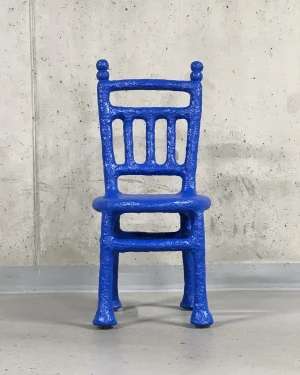 In stock
Chess Chair 2 Blue
By David Čáp
€1.000 -
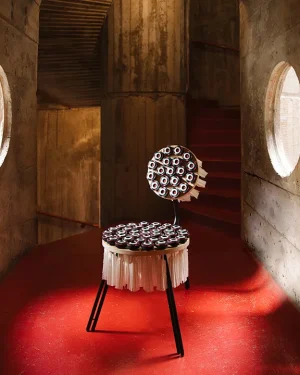 In stock
56 Petecas Chair
By Cultivado em Casa
€3.590 -
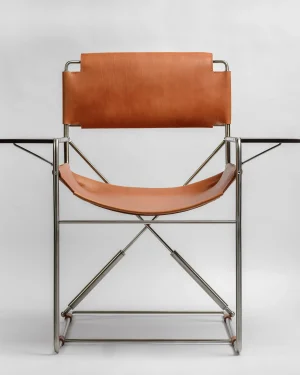 In stock
Pneumatic Chair – Unique Piece
By Szostak Atelier
€9.000 -
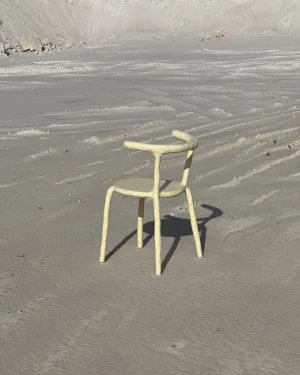 In stock
Light Yellow Papier-mâché Chair
By David Čáp
€1.000 -
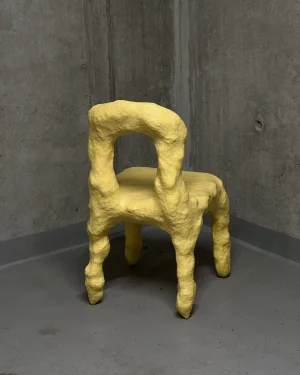
Textured Yellow Papier-mâché Chair
By David Čáp
€1.000 -
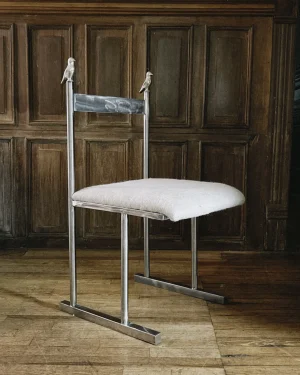
School Chair – Upcycled Materials
By Around the Studio
€1.500 -
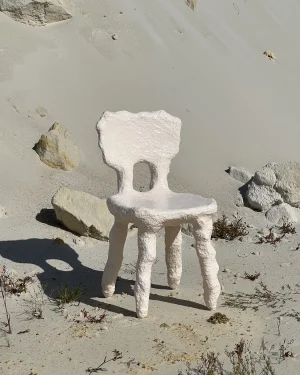
Crispy Chicken Light Orange Papier-mâché Chair
By David Čáp
€1.000 -
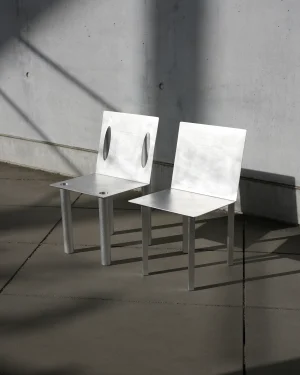
Master And Margarita 2 In 1 Chair
By STUDIO VON SCHOENEBECK
€8.600 -
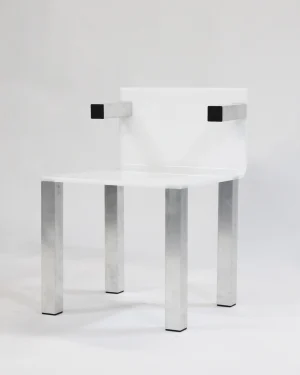
Acrilar – Acrylic Chair With Aluminum Armrest
By Luiz Solano
€1.250 -
 In stock
Charcoal-drawn Papier-mâché Chair
By David Čáp
€1.000 -
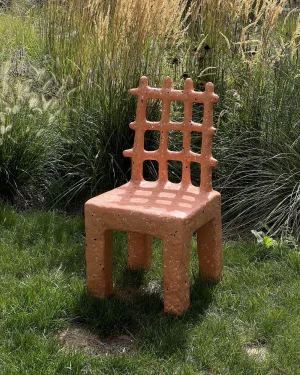
“terazzo” Brick Chair
By David Čáp
€1.500 -
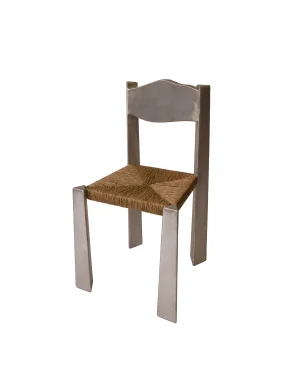
‘woven Chair’ – Aluminum & Paper Cord Chair
By Six Dots Design
€2.375 -
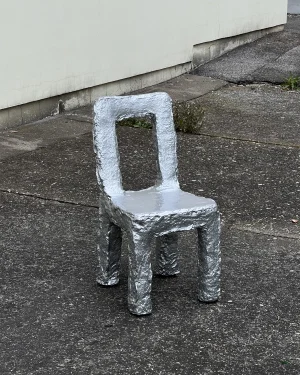 In stock
Silver Dough Chair
By David Čáp
€1.000 -
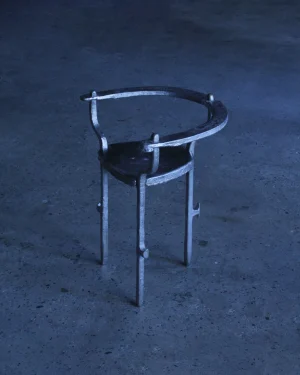 In stock
Aluminum Chair
By kyunchul kim
€1.300 -

Dream Chair
By Six Dots Design
€1.500 -
 In stock
Church Chair – Dining Chair
By Kari Kadak
€5.000 -
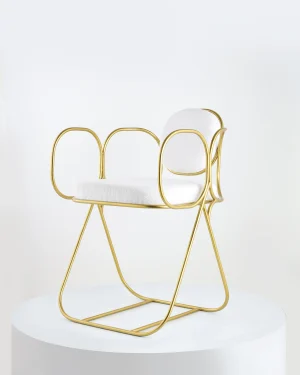 Sold
Lisa – Upholstered Iron Chair
By Nama Home
€1.450 -

Random Chair – Upcycled Materials
By Around the Studio
€1.400 -
 In stock
Alux Chair
By Spero Furniture
€530 -
 In stock
Cowgirl Oxidized Steel Chair
By Toro Manifesto
€3.918 -
 In stock
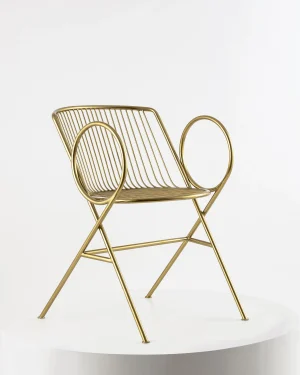
O2 – Iron Chair
By Nama Home
€1.360 -
 In stock
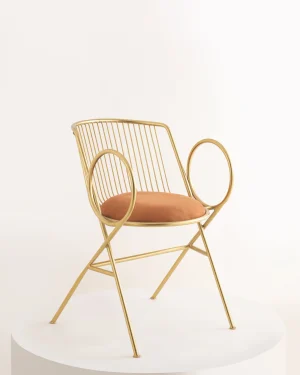
O2 – Padded Iron Chair
By Nama Home
€1.450 -
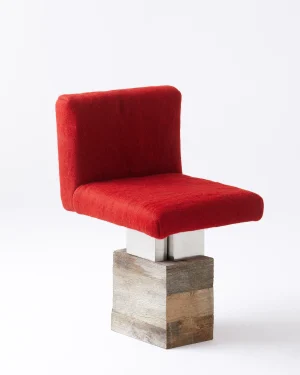
Tbilisi Street Chair – Upcycled Materials
By Around the Studio
€1.500
Metal dining chairs bring a cool, structural presence to the table, built from aluminum, steel, chrome or raw aluminum by studios working in metalwork, welding and sand casting. Some are bent from a single sheet, others welded from tube or cast in sections, and the material stays visible in the seam lines, the temperature of the surface, the way light sits on a polished or brushed finish. Where wood dining chairs soften a room, these sharpen it.
What defines a metal dining chair
The frame carries the weight, and the metal does not flex the way wood or plastic does, so joints are welded or bolted rather than glued. Thickness and gauge matter more than they do in other materials: a thin aluminum shell reads as light and almost drawn in space, while a heavier steel frame reads as fixed, almost architectural. Studios choose their metal partly for what it allows technically, aluminum for lightness, steel for rigidity, chrome for a reflective skin over a stronger core.
Finishes and ways of making
Within metal dining chairs the range runs from raw aluminum left with its mill marks to chrome polished to a mirror, from matte powder coats in black, off-white or cobalt blue to patinated surfaces that have been chemically aged for depth and variation. Laser cutting lets a studio open a seat or backrest into pattern without weakening it, while sand casting produces heavier, almost sculptural forms with a slight grain to the surface. Paper pulp and papier-mâché sometimes appear as seat inserts or linings against a metal frame, textilework the same way, so the chair reads as part metal, part something softer.
Editions vary by studio and by run: some chairs are produced as open editions, made and remade as ordered, others are limited editions in fixed numbers, and a smaller group are unique pieces, each one differing slightly from the next because of how the metal was formed or finished by hand. None of this is fixed to one supplier, so what is available at any time shifts as pieces sell and studios introduce new work; the full range sits under every metal piece on ADORNO.
How to choose a metal dining chair
Start with seat height relative to the table: most dining chairs sit close to eighteen inches from floor to seat, and a metal frame gives little if the proportion is off, so measure before ordering rather than after. Scale matters more with metal than with upholstered forms, since a slim tube frame can look underweight next to a heavy table, while a solid cast base can crowd a small one. Consider finish against the rest of the room: polished chrome throws reflections and reads as more exposed than a matte or patinated surface, which absorbs light instead.
- Match frame weight to table mass, light aluminum with light tables, heavier steel with substantial ones
- Choose a warm finish such as bronze or patinated metal in a room with wood floors or warm light
- Keep polished chrome or raw aluminum for rooms with harder, cooler surfaces already in play
Where metal dining chairs work
They suit dining rooms where a table needs definition without bulk, and work equally in open kitchens or living spaces where the dining area borders a sitting one. A neo-industrial or contemporary room takes to them naturally, but a single metal chair also reads well pulled up to a wood or stone table in a more eclectic room, where the contrast of material does the work a matching set would not. For a broader look at how dining seating behaves across settings, see the full range of dining chairs, or narrow by room with dining room dining chairs.
Caring for metal dining chairs
Wipe frames with a dry or barely damp cloth; standing water on steel or raw aluminum encourages spotting and, on unsealed surfaces, eventual corrosion. Chrome holds its shine with occasional polishing but marks easily with abrasive cleaners, so a soft cloth is enough. Patinated finishes are meant to shift slightly over years and should not be polished back to bare metal, since the aging is part of the surface, not a flaw in it. If pattern and softer material appeal alongside metal, wooden dining chairs or pieces drawn from metal furniture more broadly sit alongside this group for comparison.
How do I choose a metal dining chair?
Look at how the metal is worked, welded frames read industrial, cast or laser-cut forms read more sculptural, then match that language to your table and room.
How do you care for a metal dining chair?
Wipe with a dry or slightly damp cloth, avoid abrasive cleaners, and dry chrome or steel surfaces promptly to prevent water spotting.
Will a metal chair rust or corrode over time?
Stainless steel and chrome resist rust well indoors, while raw or patinated aluminum and steel can develop surface change with humidity, which often adds character rather than damage.
What height and seat size fits a standard dining table?
Most dining chairs sit with seats around 18 inches from the floor to clear a standard 28 to 30 inch table, but the maker can confirm exact measurements with Chat with the maker on the piece's page.
Do metal dining chairs work in small or every day dining rooms?
Yes, their slim profiles and reflective or matte finishes suit tight spaces and everyday use, and pair easily with wood, marble or glass tables.
What are ADORNO's shipping, returns and authenticity policies?
Shipping is insured and worldwide, returns are accepted within 14 days excluding made-to-order pieces, and every piece includes a certificate of authenticity along with a lowest-price guarantee.