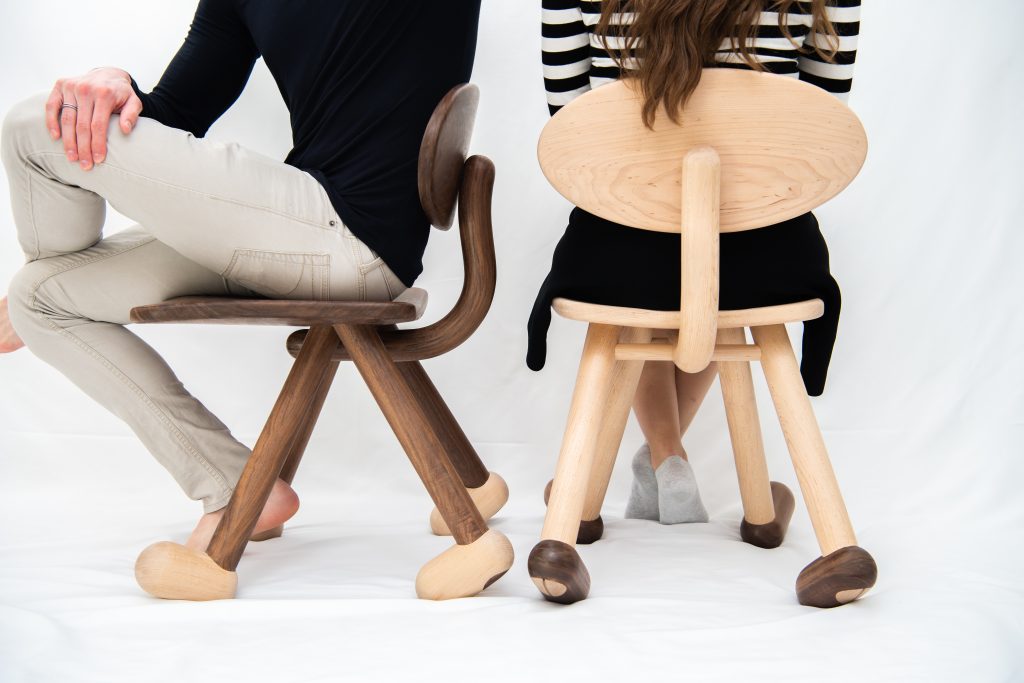




-
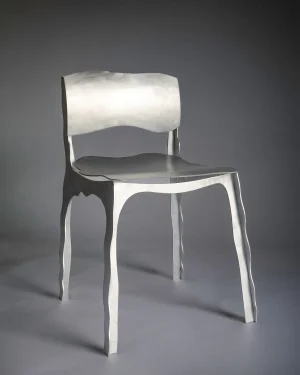
Contemporary Vanity Chair V2
By Six Dots Design
€920 -
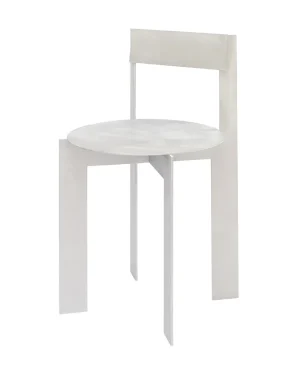
Object111 – Aluminum Chair
By NG DESIGN
€333 -
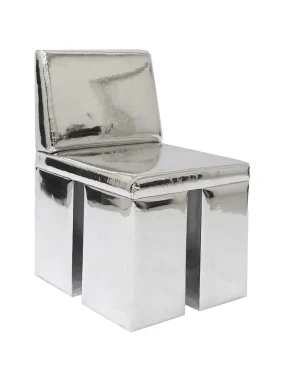
Object106 – Upholstered Chairs
By NG DESIGN
€585 - €1.115 This product has multiple variants. The options may be chosen on the product page -
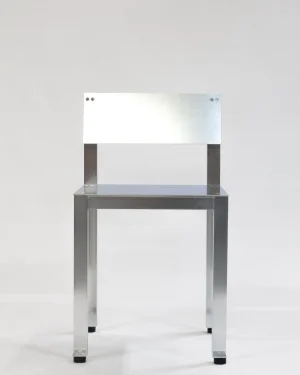
Canto – Aluminum Dining Chair
By Luiz Solano
€840 -
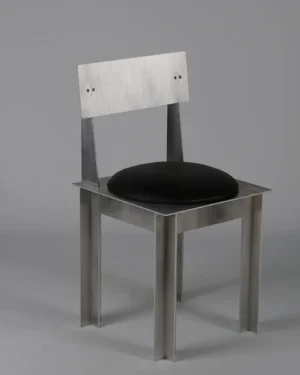
Plus Chair
By 301 Design Studio
€1.000 -
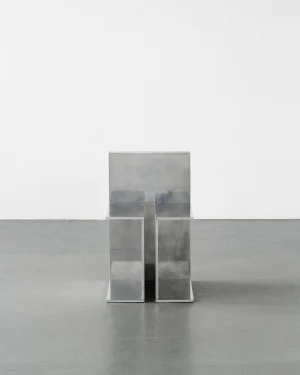
Lille Split Chair
By Thomas Gayet
€2.300 -
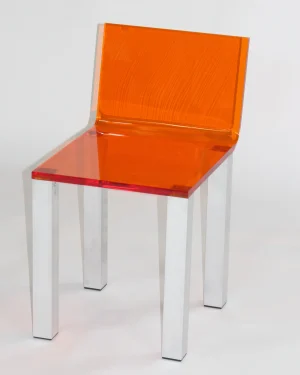 In stock
Acrilar – Acrylic Chair I
By Luiz Solano
€840 This product has multiple variants. The options may be chosen on the product page -
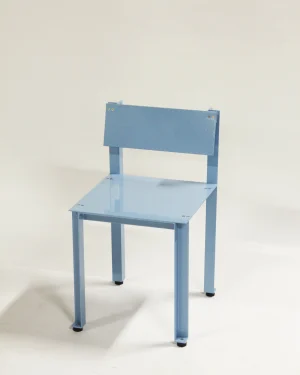
Colored Canto Aluminum Chair
By Luiz Solano
€1.000 This product has multiple variants. The options may be chosen on the product page -
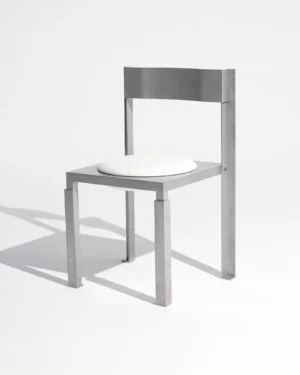
Strut Chair
By Yet Design Studio
€1.250 -
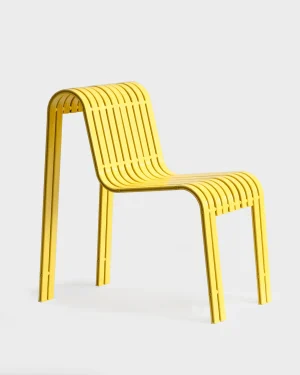
Slide Chair
By Studio Yann Gandon
€1.250 -

Rounded Edges Aluminum Chair
By LESORR
€1.273 This product has multiple variants. The options may be chosen on the product page -
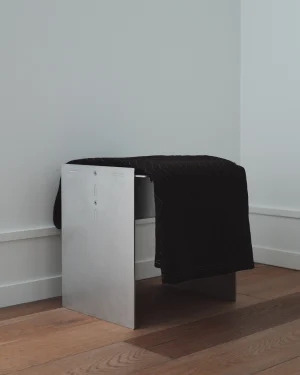
Flat Metals – Seat 01
By Estudio Material
€900 -

Dream Chair
By Six Dots Design
€1.500 -
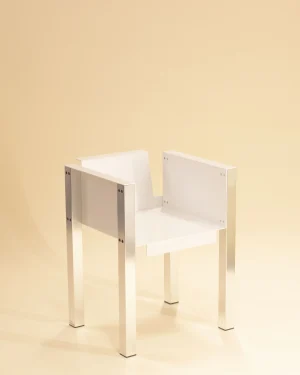
A2 – Aluminum Armchair
By Luiz Solano
€1.250 -
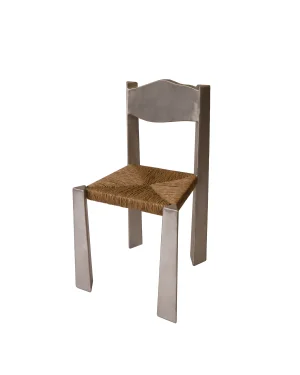
‘woven Chair’ – Aluminum & Paper Cord Chair
By Six Dots Design
€2.375 -

Alux Chair
By Spero Furniture
€530 -
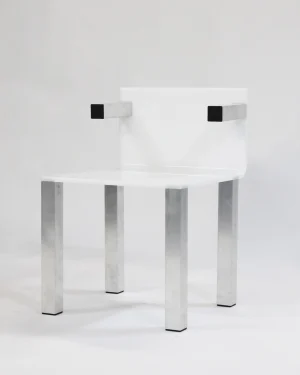
Acrilar – Acrylic Chair With Aluminum Armrest
By Luiz Solano
€1.250 -
 In stock
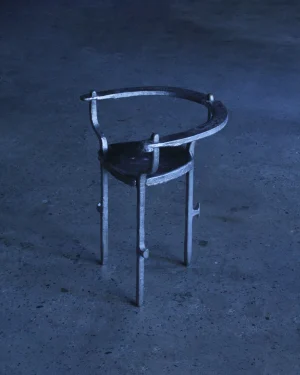
Aluminum Chair
By kyunchul kim
€1.300 -

The Walky Chair
By Design VA
€3.995 - €5.740 This product has multiple variants. The options may be chosen on the product page -
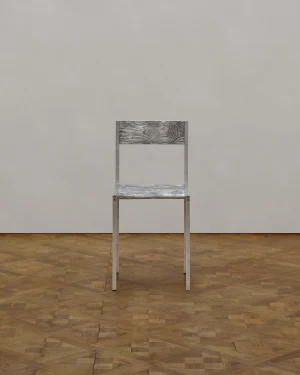
Aluminum Veneer Chair
By Bureau.parso
Price Upon Request
Aluminum dining chairs take their character from a metal that is light to lift, resistant to rust, and able to hold a sharp edge or a rounded one with equal ease. Studios working in sheet aluminum, cast aluminum, and extruded aluminum shape frames, shells, and legs that stay slim without losing the strength a chair needs under daily use. Some pieces are welded and finished by hand in small runs, others come from molds that let a studio repeat a form precisely across an open edition.
What aluminum brings to a dining chair
Aluminum does not warp with humidity the way wood can, and it carries none of the weight of cast iron or solid steel. A chair built from it can have a thin backrest or a perforated seat and still carry weight across years of use. Raw aluminum shows the brushed or sanded marks of its shaping; polished aluminum throws back light and reads closer to chrome without the plating.
Because the metal takes color and texture well, the same frame can appear in silver, black, bronze, or off-white depending on how a studio treats the surface. Powder coating adds a matte, scratch-resistant layer in solid color; anodizing seals the metal in a thin oxide skin that can run from a soft bronze to a near-black finish. Both change how a chair sits in a room without changing how it performs.
The range of making behind the pieces
Across the dining chairs worked in metal, aluminum sits alongside stainless steel, bronze, and metal-wood pairings such as maple seats on cast legs. Techniques vary by studio and by piece:
- Sand casting and metal casting, which let a designer pour the metal into a mold for a seat shell or a sculptural leg
- Laser cutting, used for perforated backs or precise joins between flat sections
- Welding and metalwork, for frames built from tube or bar stock
- Powder coating and anodizing, the two most common ways of fixing color onto the surface
- Upholstery, added over an aluminum frame where a seat pad or full cover is wanted
Editions run from open runs, where a studio keeps the mold or jig and produces chairs to order, to unique pieces finished individually by hand. Styles span neo-industrial frames left raw, Bauhaus-leaning geometry in powder-coated color, and more eclectic or radical forms that treat the chair as a small sculpture. For a wider view of the metal across other chair types, the metal dining chairs group sits one step up from aluminum alone, and the aluminum seating group covers lounge and occasional forms built from the same material.
Choosing a chair for scale and table height
Seat height for dining chairs generally falls between seventeen and nineteen inches, which should clear a table's apron by ten to twelve inches for knee room. Aluminum chairs with low, open backs suit tables with a visible edge or a glass top, since the frame will not block the line of the table. Chairs with wider seats or added upholstery need more clearance around the table to pull out and sit down without striking a neighboring chair.
Finish matters as much as shape. A polished or anodized chair catches light and works as a repeated form around a long table, while a powder-coated chair in a flat color reads quieter and mixes more easily with wood or stone surfaces. Pieces with a pared-back, geometric frame are gathered under minimalist dining chairs, useful where a room already carries pattern or color elsewhere.
Where these chairs sit well
Aluminum's light weight makes it practical anywhere chairs get moved often: a kitchen table reset for guests, a dining room that doubles as a workspace, an outdoor-adjacent room that gets direct sun through a window. The metal will not swell or crack the way timber can near heat or damp air, so it tolerates rooms with shifting temperature better than most wood frames.
Caring for an aluminum chair
Wipe surfaces down with a damp cloth and a mild detergent; avoid abrasive pads on polished or anodized finishes, since they will dull the surface over time. Raw aluminum can show fine scratches with use, which tends to even out into a soft, consistent sheen rather than a flaw. For the full range of aluminum pieces beyond seating, the aluminum material page brings together chairs, tables, and lighting worked in the same metal.
How do I choose an aluminum dining chair?
Look at how the seat meets the frame: welded or cast joints read as sturdier, while bent or pressed sheet forms sit lighter. Consider finish too, polished aluminum stays bright, raw or powder-coated surfaces soften with handling.
Is aluminum a good material for dining chairs?
Aluminum resists rust, holds up against humidity, and stays light enough to move easily around a table. It will not warp or crack the way wood can, making it suited to daily use indoors or in covered outdoor spaces.
How do I clean and care for aluminum dining chairs?
Wipe with a damp cloth and mild soap, then dry to avoid water spots. Avoid abrasive pads on polished surfaces, and check powder-coated finishes periodically for chips that could expose bare metal.
What is the standard height for a dining chair?
Most dining chairs measure around 18 inches from floor to seat, pairing with tables roughly 28 to 30 inches high. Aluminum frames hold this height well since the metal will not sag or settle over time.
Which rooms suit aluminum dining chairs?
Their light weight and resistance to moisture suit kitchens, dining rooms, and covered patios alike. Polished or anodized finishes read sharper in contemporary rooms, while raw or matte aluminum sits comfortably in industrial or eclectic ones.
What are ADORNO's shipping, returns and authenticity policies?
Shipping is insured and worldwide. Returns are accepted within 14 days, excluding made-to-order pieces. Every piece comes with a certificate of authenticity, and ADORNO offers a lowest-price guarantee.