


















-
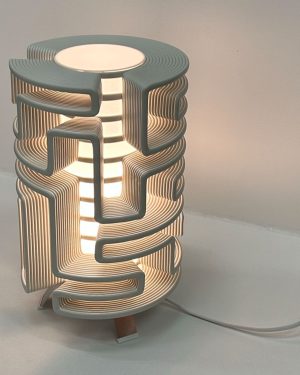
Maze Table Lamp in Recycled Plastic
By Stijn van Aardenne
€227 -
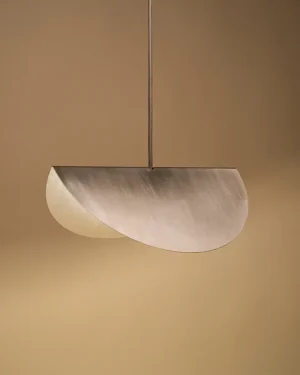
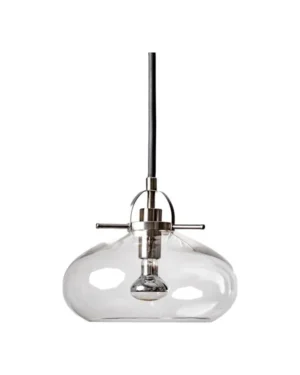
Two Circles Pendant Lamp in Stainless Steel
By Georgiev Kiril
€490 -
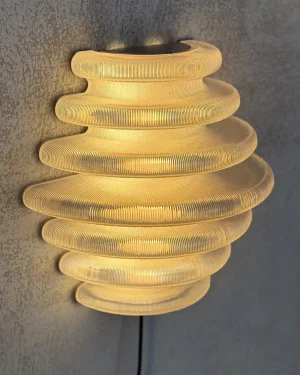
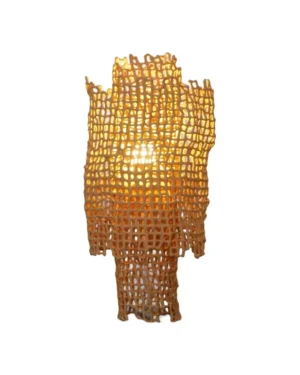
Hive Wall Lamp In Recycled Plastic And Stainless Steel
By Stijn van Aardenne
€805 -
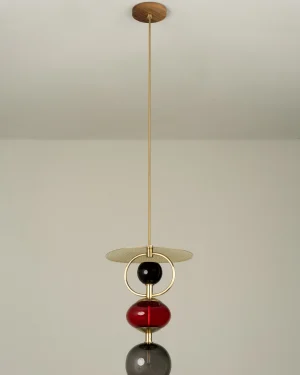
Vitrea Pendant Lamp in Glass and Brass
By Isabel Moncada
€3.802 This product has multiple variants. The options may be chosen on the product page -
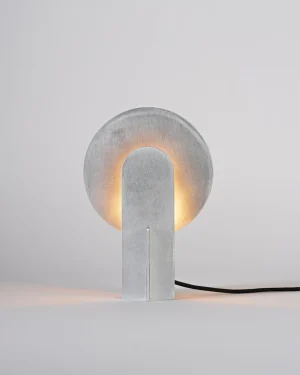
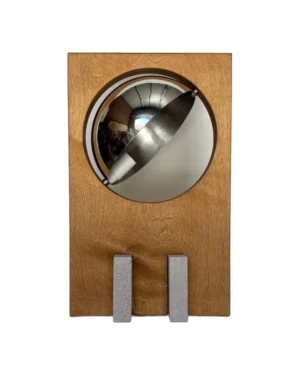
Aurora Medium Eclipse Table Lamp in Brushed Aluminum
By Hasik Design Studio
€675 -
 In stock
Pe 02 Table Lamp In Polished Aluminum
By BuRRo
€110 -
 In stock
Less Pendant Lamp in Steel, Wood and Plaster
By Jordi Canudas Faura
€388 This product has multiple variants. The options may be chosen on the product page -
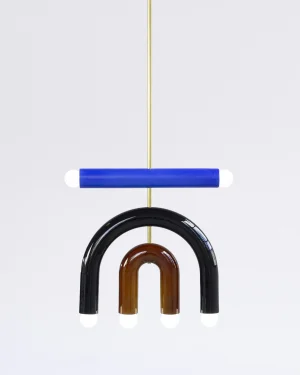
Trn / Model D1 Pendant Lamp in Ceramic
By Pani Jurek STUDIO
€1.080 This product has multiple variants. The options may be chosen on the product page -

Trn / Model A1 Pendant Lamp in Ceramic
By Pani Jurek STUDIO
€470 This product has multiple variants. The options may be chosen on the product page -
 In stock
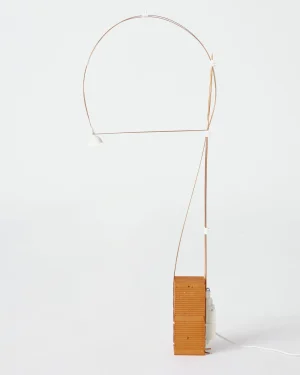
B.A.R.E Series Table Lamp in Brick and Copper
By Lucas Muñoz Muñoz
€250 -
 In stock
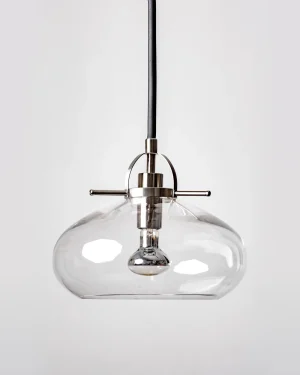
Art Deco Pendant Lamp in Glass and Stainless Steel
By Szostak Atelier
€1.000 This product has multiple variants. The options may be chosen on the product page -
 In stock
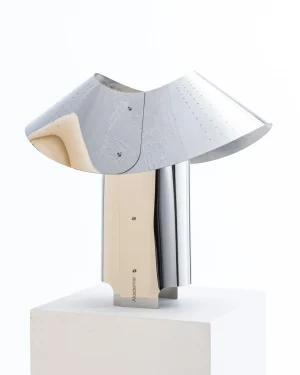
Fold Table Lamp In Stainless Steel
By Akademie
€1.200 -
 In stock
Coral Table Lamp in Clay and Ceramic
By Dzovag Kotchian
€900 -
 In stock
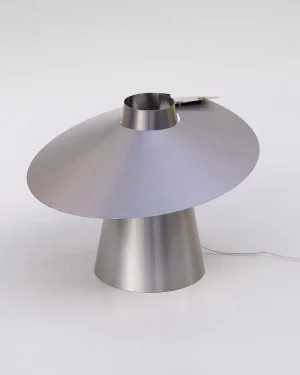
Pa 02 Table Lamp In Polished Aluminum
By BuRRo
€110 -

Arc Table Lamp in Stainless Steel
By Paul Coenen
€479 -
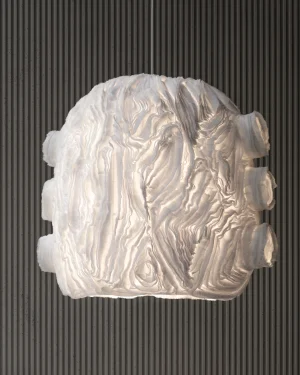
Idea Sluhach Pendant Lamp in Muslin and Metal
By FAINA
€1.950 -
 In stock
O.f.i.s Series Table Lamp in Pipe, Rod And Brick
By Lucas Muñoz Muñoz
€280 -

Light Bucket Challenge II Floor Lamp in Metal and Thread
By Severija Inčirauskaitė-Kriaunevičienė
€4.500 -

Trn / Model D2 Pendant Lamp in Ceramic
By Pani Jurek STUDIO
€1.080 This product has multiple variants. The options may be chosen on the product page -
 In stock
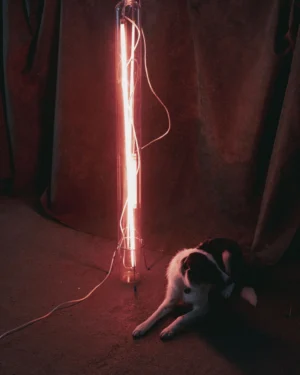
Äther Wall Lamp In Borosilicate Glass
By TUNK I Busra Tunc
€850 -
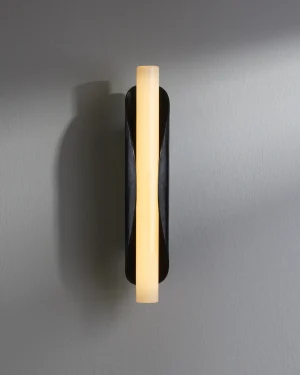
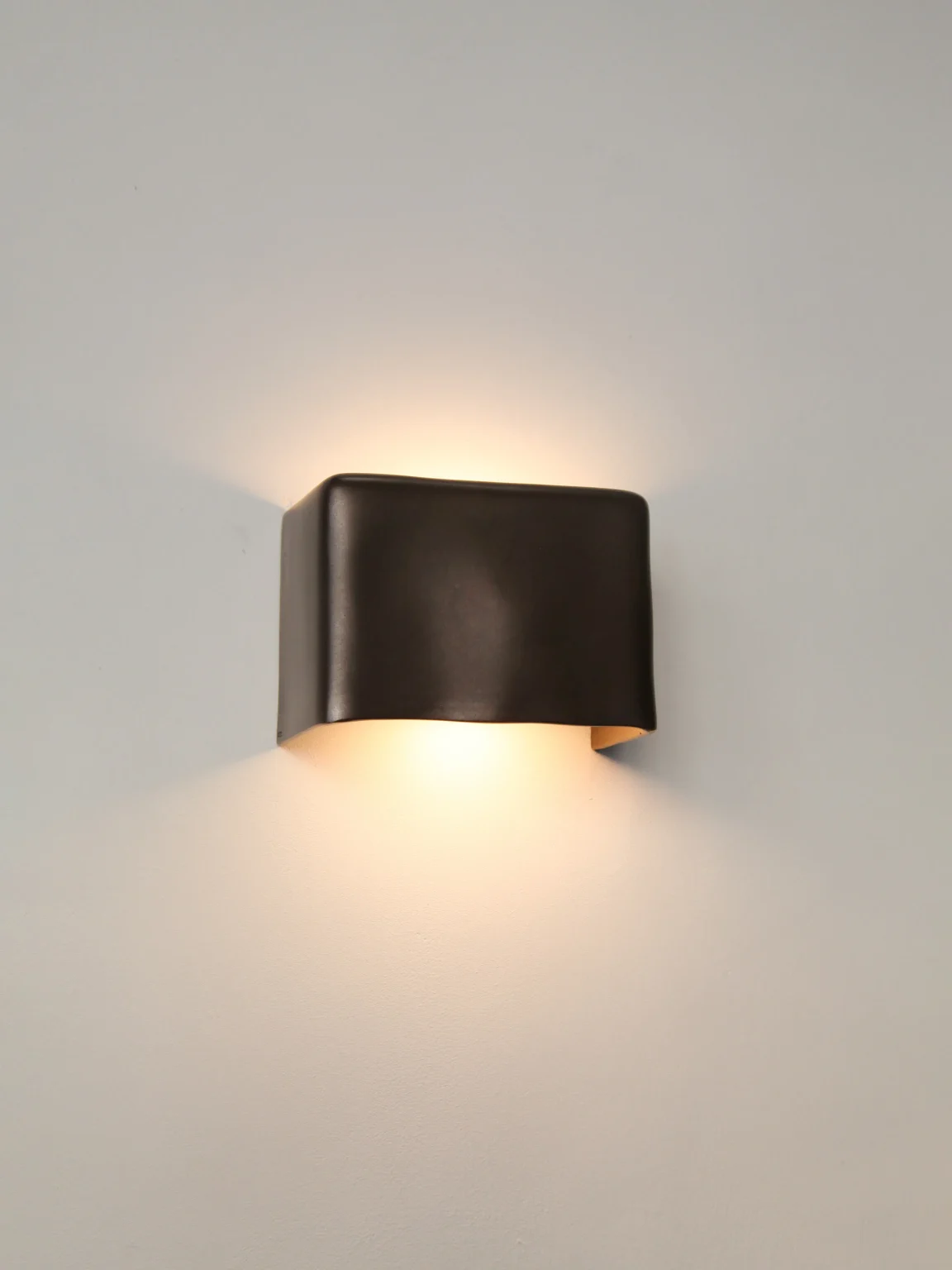
Taco De Luz Wall Sconce in Black Patinated Brass
By Studio Aristotelis Barakos
€980 -

Trn / Model E1 Pendant Lamp in Ceramic
By Pani Jurek STUDIO
€1.430 This product has multiple variants. The options may be chosen on the product page -
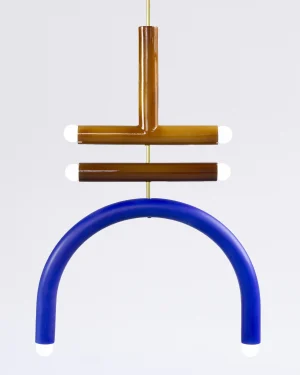
Trn / Model F2 Pendant Lamp in Ceramic
By Pani Jurek STUDIO
€1.600 This product has multiple variants. The options may be chosen on the product page -
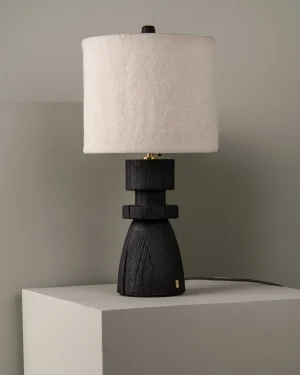
Mezquite Table Lamp in Burned Pinewood and Natural Linen
By Isabel Moncada
€2.925 -
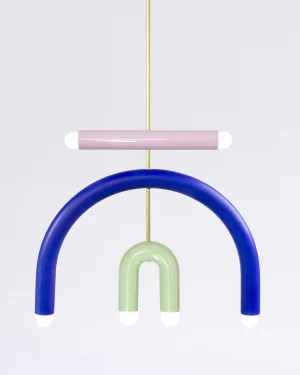
Trn / Model F3 Pendant Lamp in Ceramic
By Pani Jurek STUDIO
€1.600 This product has multiple variants. The options may be chosen on the product page -
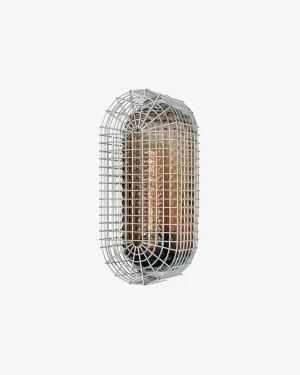
Chastity Wall Sconce in Stainless Steel and Blown Glass
By Studio S II
€1.946 -
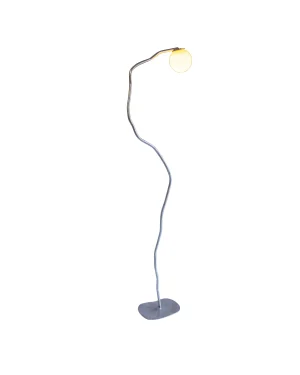
Free Form Floor Lamp in Aluminum
By Six Dots Design
€1.400 -
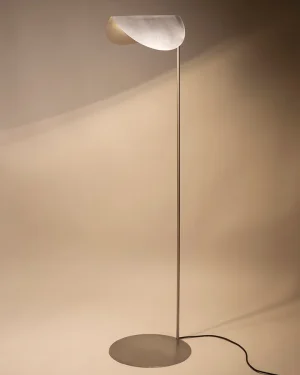
Two Circles No. 1 Floor Lamp in Stainless Steel
By Georgiev Kiril
€995 -
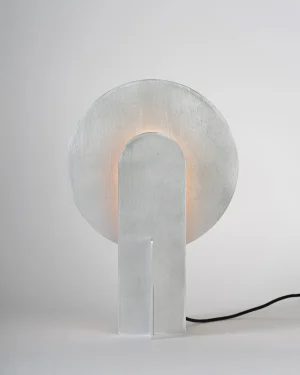
Aurora Table Lamp in Aluminum
By Hasik Design Studio
€700 -
 In stock
Y30 Ceiling Lamp in Blown Glass and Brass
By Clara Viladecans
€786 This product has multiple variants. The options may be chosen on the product page -

Trn / Model C2 Pendant Lamp in Ceramic
By Pani Jurek STUDIO
€880 This product has multiple variants. The options may be chosen on the product page -
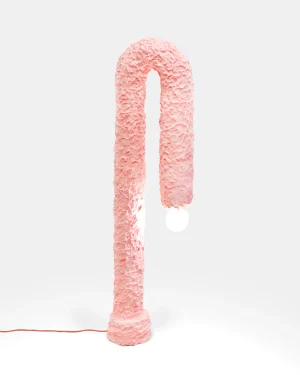 In stock
Lampadulure Pink Floor Lamp in Metal
By BehaghelFoiny Studio
€1.700 -
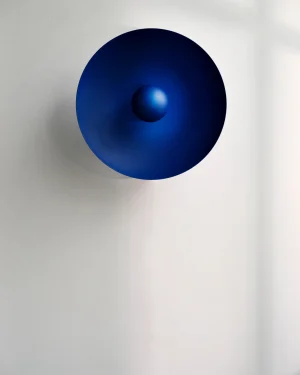 In stock
Blue Moon Wall Lamp in Aluminum
By Anne Nowak
€1.675 -
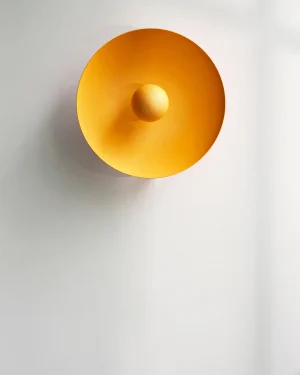 In stock
Sun Wall Lamp in Aluminum
By Anne Nowak
€1.340 -

Trn / Model B2 Pendant Lamp in Ceramic
By Pani Jurek STUDIO
€625 This product has multiple variants. The options may be chosen on the product page -

Trn / Model B3 Pendant Lamp in Ceramic
By Pani Jurek STUDIO
€625 This product has multiple variants. The options may be chosen on the product page -

Deas Floor Lamp In Aluminum And Rattan
By Calen Knauf Studio
€1.360 -
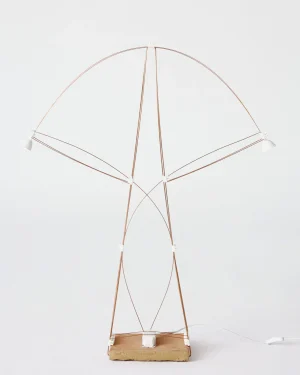 In stock
B.a.r.e Series Table Lamp in Brick, Copper and Plastics
By Lucas Muñoz Muñoz
€300 -
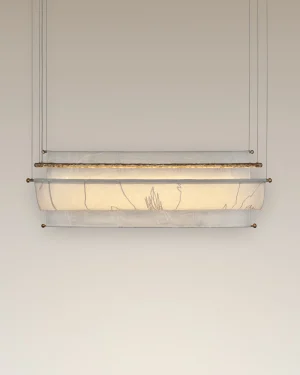
Aria Pendant Lamp In Brass
By Stem
€4.150 -
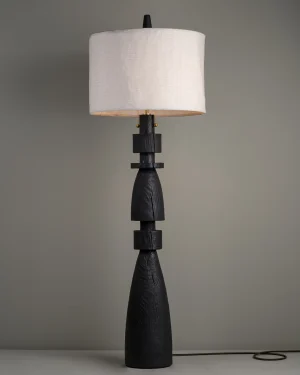
Mezquite Floor Lamp in Pinewood, Linen and Brass
By Isabel Moncada
€4.095 -
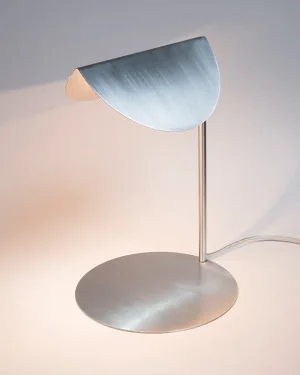
Two Circles Table Lamp in Stainless Steel
By Georgiev Kiril
€690 -

Falcon Floor Lamp in Brass and Oak Wood
By Nathan Chintala
€2.105 -
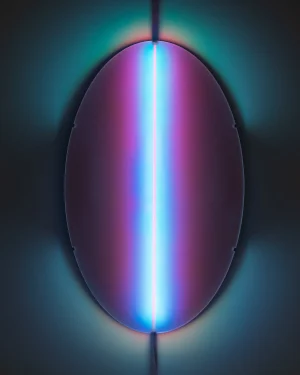 In stock
Aurora Frosted Wall Sconce in Acrylic and Aluminum
By Catrinel Sabaciag
€1.352 -
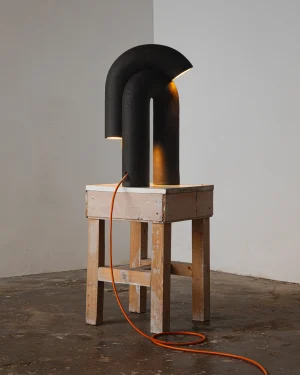
Pendulū Table Lamp In Ceramics And Gold-leaf
By Catalin Filip
€950 -
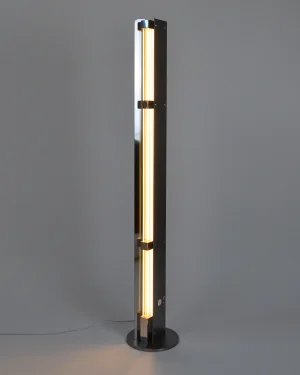 In stock
Ne1200/145 Floor Lamp in Acrylic and Stainless Steel
By MLK Furniture
€1.490 -
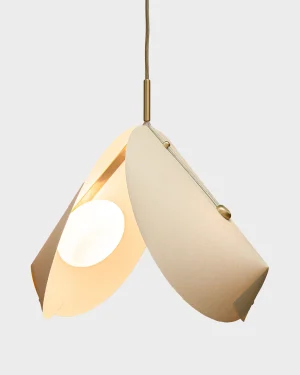 In stock
Concha Model 03 Pendant Lamp in Brass and Blown Glass
By MESEME by Riya Panchal
€434 This product has multiple variants. The options may be chosen on the product page -
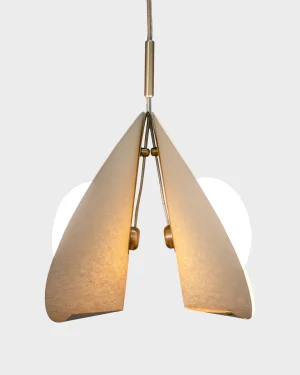 In stock
Concha Model 01 Pendant Lamp in Paper, Metals and Glass
By MESEME by Riya Panchal
€375 This product has multiple variants. The options may be chosen on the product page -
 In stock
Voguing No. 2 Floor Lamp in Cast Aluminum
By BY JAMPS
€2.500 -
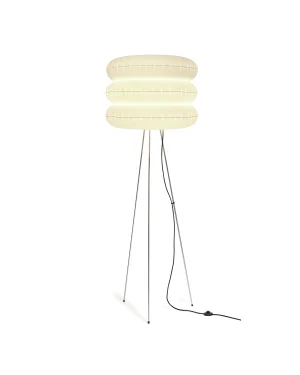 In stock
Big Puff Tripod Floor Lamp in Polyurethane and Steel
By PUFF-BUFF
€800 -
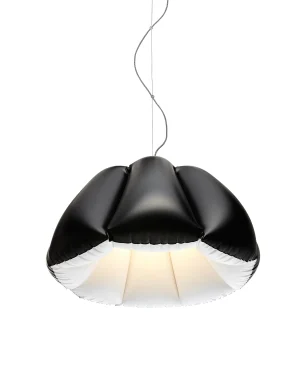 In stock
Orca Pendant Lamp in Galvanised Steel and PVC
By PUFF-BUFF
€430 -
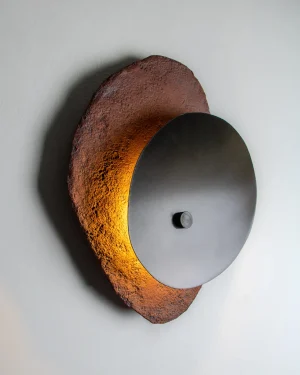
Asea No.1 Cherry Wall Sconce in Stoneware and Metal
By Ceren Gürkan
€1.000 -
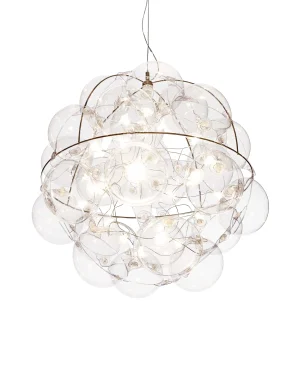 In stock
Starlette Chandelier in PVC and Stainless Steel
By PUFF-BUFF
€830 -
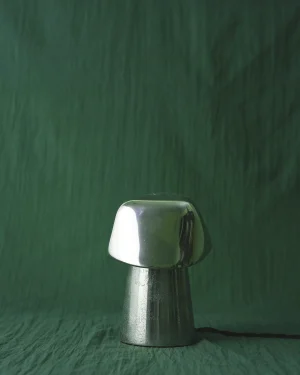
Iris Table Lamp in Aluminum
By MANUHITA
€295 This product has multiple variants. The options may be chosen on the product page -
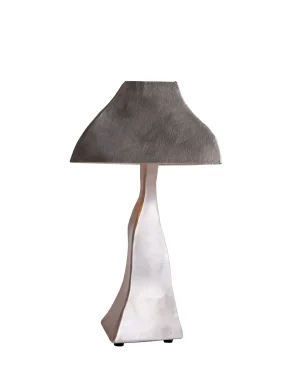
Paper Table Lamp in Aluminum
By Six Dots Design
€920
Metal lamps gather brass, steel and aluminum into forms built by casting, metalwork and patination, made by independent studios who treat the base as sculpture rather than housing. Some pour molten metal into sand molds, some fold and weld sheet, others finish a cast form by hand so the surface carries the mark of the maker. The result is a lamp that holds its shape in daylight and changes character once the bulb is lit.
How brass, steel and aluminum behave
Brass carries warmth even unlit, and it darkens with handling unless a studio seals or lacquers the surface. Steel reads cooler and holds a sharper edge, suited to forms built from flat sheet or tube. Aluminum is the lightest of the three, taking anodized or powder-coated finishes well, which is why it turns up in pieces aiming for a flatter, more graphic color than brass or steel allow.
Finishes, techniques and editions
Sand casting gives a base its heft and a slightly textured skin, since the mold leaves a trace that polishing only partly removes. Patination pushes that further, forcing color and tarnish into the metal deliberately rather than leaving it to decades of handling. Sculpting and metalwork cover the shaping itself, by hand or by machine, while some studios turn to 3D printing and digital fabrication to cut forms that welding alone could not produce.
What is on offer runs across open editions made in ongoing runs, limited editions produced in fixed numbers, and unique pieces where no two lamps are quite alike. Color ranges from near-black steel and raw aluminum to brass left bright, with cobalt blue, denim and green turning up as applied finishes over the metal rather than as properties of the metal itself. Styles span mid-century modern silhouettes, art deco fan shapes and stepped bases, neo-industrial pieces that leave their joins visible, and space age or futuristic forms built from curved sheet and sphere-like diffusers.
Choosing a metal lamp for scale and placement
Weight is part of the decision with metal: a cast brass base sits low and stable, while a thin steel or aluminum stem needs a wider foot to balance a shade overhead. Measure the surface it will stand on before the lamp, since a table lamp built from heavy cast metal needs more depth than one in painted aluminum. Floor versions in welded steel tend to read as furniture in their own right, so they ask for a clear patch of floor rather than a crowded corner.
Finish should answer the room's other metals. A brass lamp beside chrome hardware will compete for attention, while a patinated or blackened steel base tends to recede next to warmer wood and textile. For anyone assembling a fuller scheme, it helps to look across metal lighting as a whole, since pendants and sconces in the same family of finishes can be set against a single lamp rather than left to clash with it.
Rooms that suit metal lighting
A cast or patinated base holds its own on a console or sideboard, where its weight reads as intentional rather than incidental. Slimmer steel and aluminum forms work well as reading light beside a chair or sofa, and anyone furnishing that space specifically might start with living room lamps before narrowing by material. Contemporary interiors tend to favor the flatter, more graphic forms in anodized aluminum or matte steel, a direction covered further among contemporary lamps.
Caring for brass, steel and aluminum
Unlacquered brass will tarnish; wipe it with a soft cloth and a mild brass cleaner only if an even, aged patina is not wanted, since repeated polishing will eventually thin the surface. Steel and aluminum finishes generally need only dusting, though powder coating can be marked by abrasive cleaners. Keep any unsealed metal base away from damp surfaces, since moisture trapped underneath will corrode a finish faster than open air ever would.
For the wider range of bases, shades and finishes across the type, the full set of lamps on ADORNO sits alongside every other metal piece the gallery carries, from lighting through to furniture and smaller objects worked in the same brass, steel and aluminum.
How do I choose a metal lamp?
Consider finish and weight before form: brass and copper warm a room with reflected light, while steel and aluminum read cooler and more graphic. Match the base's footprint to the surface it sits on, and check with the maker if beam direction or bulb type matters to you.
How do you care for a metal lamp?
Dust with a dry or barely damp cloth, and keep raw brass or copper away from damp spots if you want the patina to develop slowly rather than spot unevenly. Avoid abrasive cleaners, which can strip lacquer or alter a finish.
What size or height should a metal lamp be?
Table lamps generally sit between knee and shoulder height when you are seated nearby, so the bulb stays out of direct sightline. Floor lamps should clear the furniture around them; check exact dimensions with the maker on the piece's page.
Which rooms suit metal lamps?
Metal holds its shape under heat and handling, so these lamps work well anywhere light is adjusted often: living rooms, studies and bedside tables. Darker, patinated finishes tend to suit moodier spaces, while polished steel or aluminum reads cleaner in work areas.
Are metal lamps handmade or produced in limited runs?
Some are shaped through hand metalwork, sand casting or patination in small batches, others are open editions; details vary by maker. Check the specific piece's page for its edition and technique.
How does shipping, returns and authenticity work at ADORNO?
Shipping is insured and sent worldwide. Returns are accepted within 14 days, except for made-to-order pieces, and every lamp arrives with a certificate of authenticity alongside ADORNO's lowest-price guarantee.