

















-
 In stock
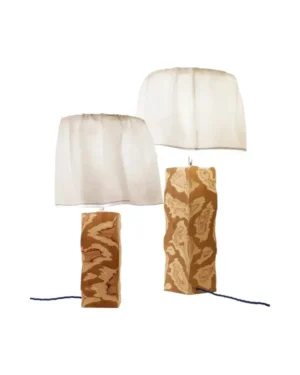
Less Pendant Lamp in Steel, Wood and Plaster
By Jordi Canudas Faura
€388 This product has multiple variants. The options may be chosen on the product page -

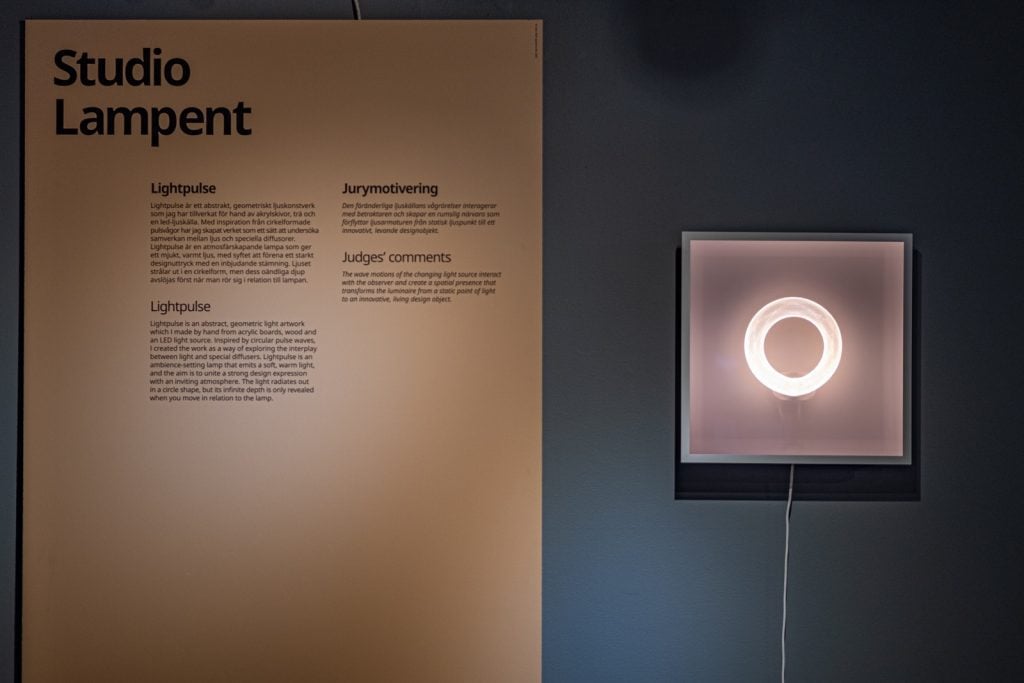
Lightpulse Wall Lamp in Oak Wood and Acrylic
By Studio Lampent
€1.400 -
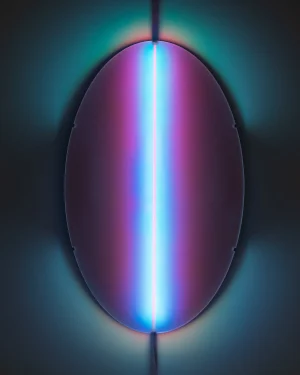 In stock
Aurora Frosted Wall Sconce in Acrylic and Aluminum
By Catrinel Sabaciag
€1.352 -
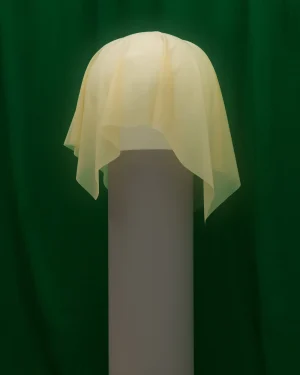 In stock
Fetish Carnmarina Floor Lamp in Plastics
By Pierre Klein
€1.250 -
 In stock
Voguing No. 2 Floor Lamp in Cast Aluminum
By BY JAMPS
€2.500 -

Trn / Model A2 Pendant Lamp in Ceramic
By Pani Jurek STUDIO
€470 This product has multiple variants. The options may be chosen on the product page -
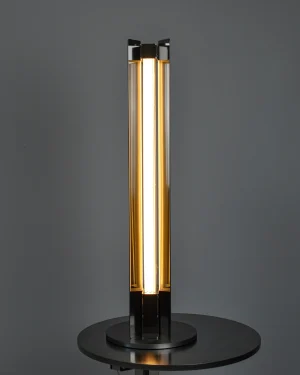 In stock
Ne600/145 – Mat Stainless Steel & Acrylic Lamp
By MLK Furniture
€990 -
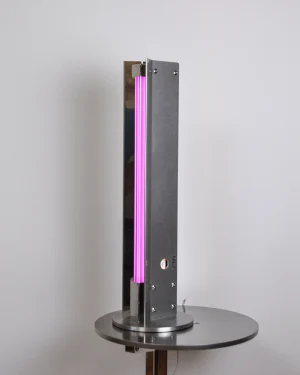
Ne600/145 Floor Lamp in Stainless Steel and Purple Acrylic
By MLK Furniture
€1.090 -
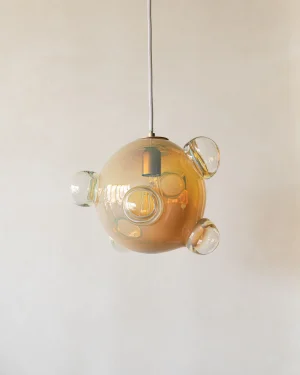 In stock
Bubble Pendant Lamp (Large) in Blown Glass
By Sticky Glass
€4.318 This product has multiple variants. The options may be chosen on the product page -
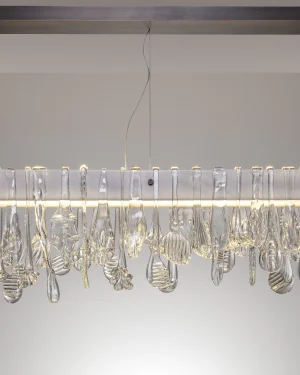 In stock
Pingente Pendant Lamp
By Carol Gay
€8.000 -
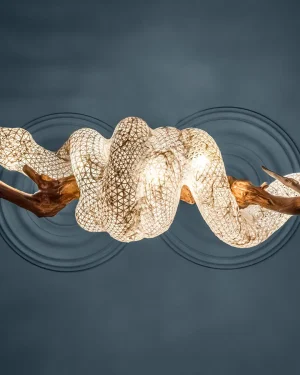
The Staff of Asclepius Chandelier in PLA and Wool
By Danik Uderbekov
€2.500 -
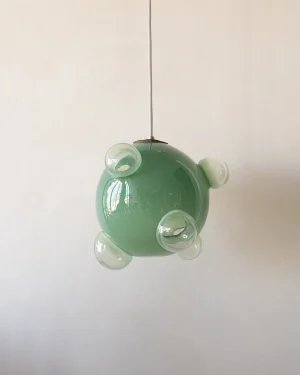 In stock
Bubble Pendant Lamp (Small) in Glass
By Sticky Glass
€2.480 This product has multiple variants. The options may be chosen on the product page -

Cetus Table Lamp in Ceramics and Natural Fibers
By Andrei Clontea STUDIO
€1.000 -
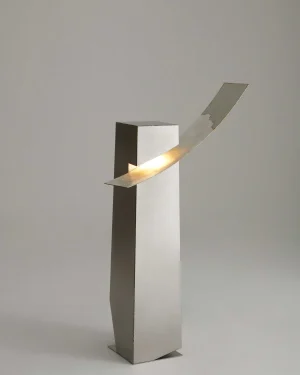
Shining No.2302 Floor Lamp in Stainless Steel
By Park Eunchong Studio
€3.200 -
 In stock
M–Lamp*S
By Studio Kuhlmann
€1.240 -
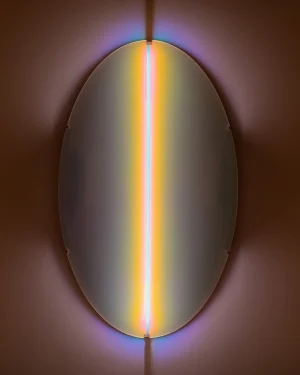
Aurora Gloss Wall Sconce in Acrylic and Aluminum
By Catrinel Sabaciag
€1.341 -
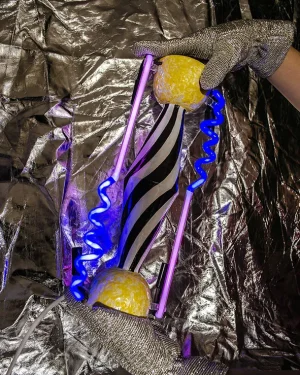 In stock
AnKa Colors of Dawn Table Lamp in Ceramic
By UAU Studio
€1.500 -
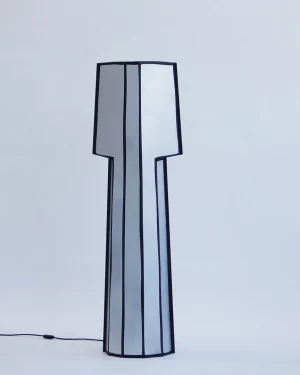
Hex Floor Lamp in Aluminum
By STUDIO GUILTY
€1.256 -
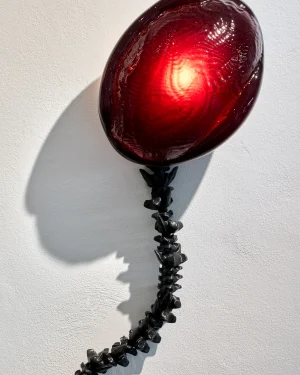 In stock
Dysplasio Wall Sconce in Blown Glass
By Anna Jožová
€2.000 - €3.300 This product has multiple variants. The options may be chosen on the product page -
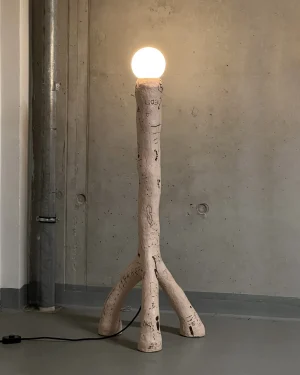 In stock
Tattooed Shining Creature Floor Lamp in Paper and Steel
By David Čáp
€1.400 -
 In stock
Abyss No. 1 Pendant Lamp in Stoneware
By Ceren Gürkan
€900 -

Luna Nova Table Lamp in Oak Wood
By HEIKE BUCHFELDER
€3.294 -
 In stock
Y–Lamp Table Lamp in Glass and Stainless Steel
By Studio Kuhlmann
€2.260 -
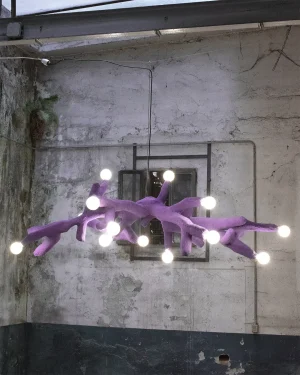
Corallo Chandelier in Alder Wood
By Jonathan Bocca
€13.500 -

Limbus – Wall Light Sculpture
By Studio Lampent
€1.492 -
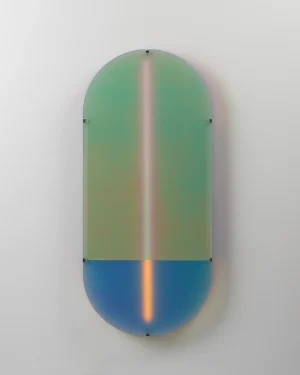
Totem Wall Sconce in Aluminum and Acrylic Glass
By Catrinel Sabaciag
€1.326 -
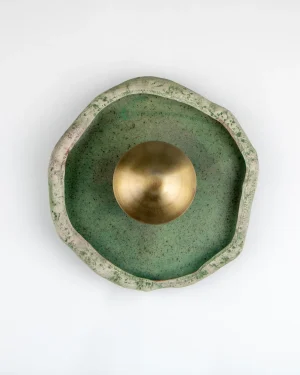 In stock
Asea No. 18 Green Wall Sconce in Porcelain and Brass
By Ceren Gürkan
€600 -
 In stock
“Chanka-Hanka” Mobile Chandelier in Stoneware and Metal
By UAU Studio
€2.000 This product has multiple variants. The options may be chosen on the product page -
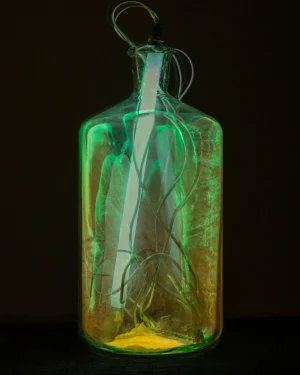 In stock
Äther Lucifer
By TUNK I Busra Tunc
€500 -
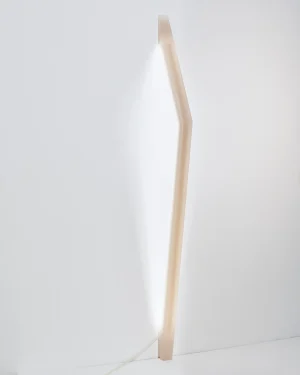 In stock
Vanishing Point Wall Lamp in Epoxy Resin
By Ragna Ragnarsdottir
€4.000 - €4.400 This product has multiple variants. The options may be chosen on the product page -
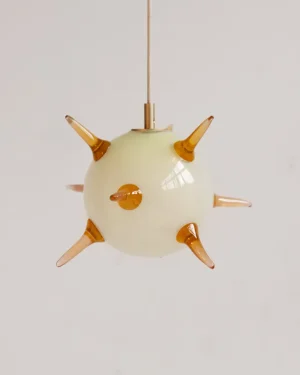 In stock
Pokie Pendant Lamp (Small) in Glass
By Sticky Glass
€2.664 -
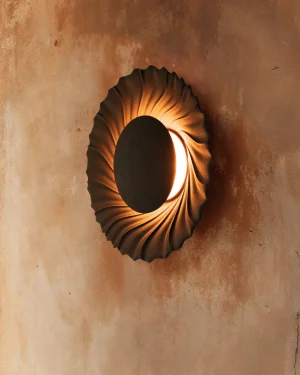 In stock
Sun Vxs 01 — Organic Sand Wall Light By Rollo Studio
By Rollo Studio
€880 -
 In stock
Sigil Crest Wall Sconce in Stainless Steel and Selenite
By Nitush and Aroosh
€1.800 -
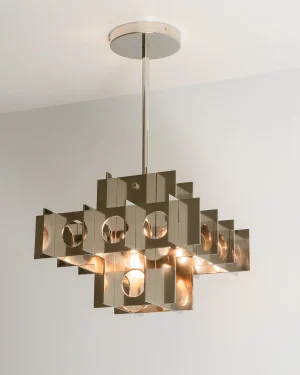
Tenfold 3 T B Pendant Lamp in Stainless Steel and Aluminum
By Luft Tanaka Studio
€2.895 - €8.675 This product has multiple variants. The options may be chosen on the product page -
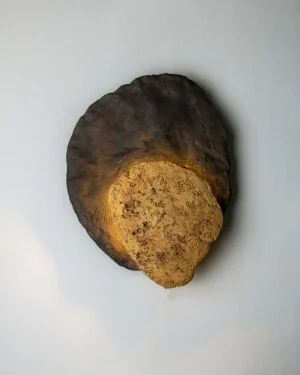 In stock
Asea No. 21 Wall Sconce in Stoneware
By Ceren Gürkan
€800 -
 In stock
Green Lovers Floor Lamp in Fur
By Masha Volkova
€2.100 -

Lampadulure Purple Floor Lamp in Metal and Plaster Composite
By BehaghelFoiny Studio
€3.000 -
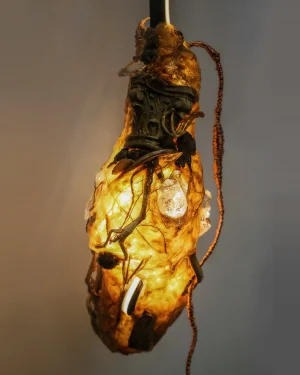
Weaver Nest Pendant Lamp in Bio Plastic
By Sabrina Merayo Nuñez
€3.500 -
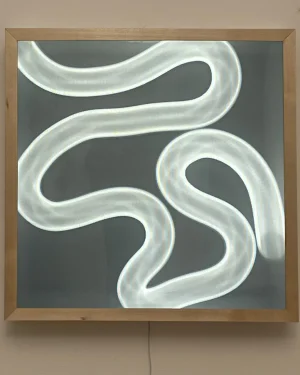
Aramse 01 Wall Light Sculpture
By Studio Lampent
€3.300 -
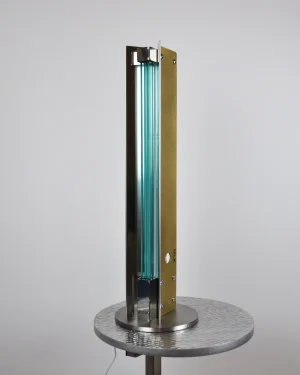 In stock
Ne600/145 Table Lamp in Brass and Blue Acrylic
By MLK Furniture
€1.190 -
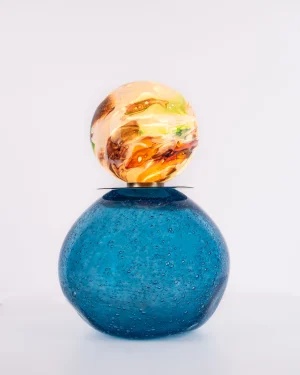 In stock
Soul Table Lamp in Handblown Glass
By Ceren Gürkan
€630 -
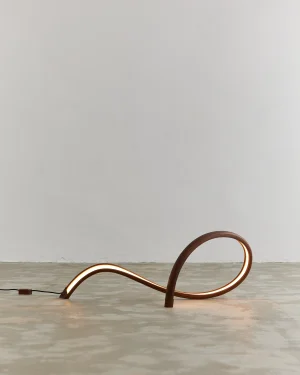 In stock
Maré Table Lamp in Walnut Wood
By Poémia
€3.600 -
 In stock
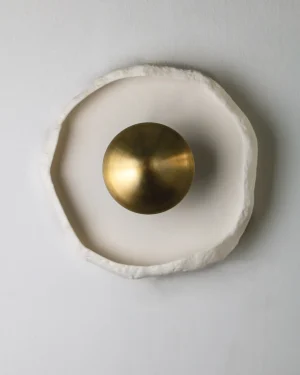
Asea No. 18 White Wall Sconce in Porcelain and Brass
By Ceren Gürkan
€600 -
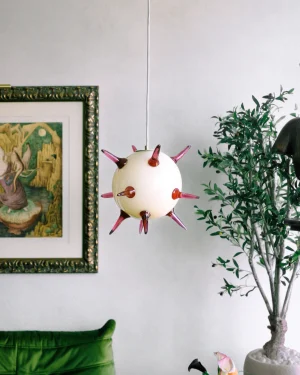
Pokie Pendant Lamp (Large) in Blown Glass
By Sticky Glass
€4.500 -

Cirrus – Wall Light Sculpture
By Studio Lampent
€2.020 -

Étendu – Wall Light Sculpture
By Studio Lampent
€2.020 -
 In stock
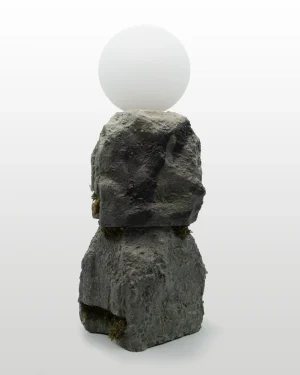
La Cauna Tesa Table Lamp in Concrete
By Pierre Klein
€800 -
 In stock
Big Puff Floor Lamp Outdoor
By PUFF-BUFF
€790 -
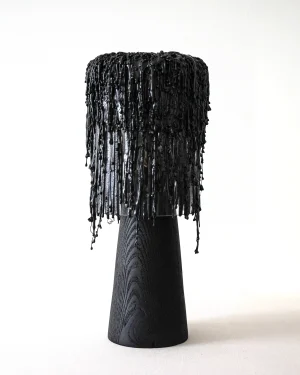
Leaky Lamp III Table Lamp in Ash Wood and Biomaterial
By Pablo Ejarque-González
€1.085 -
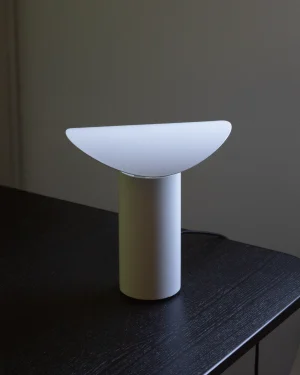
Beam Table Lamp in Steel
By Sergio Enríquez Industrial Design Office
€600 -
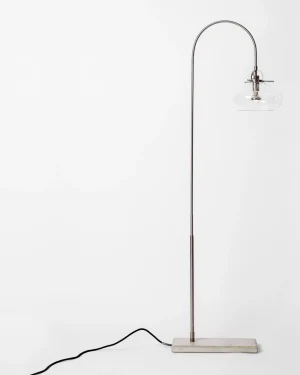
Art Deco Floor Lamp in Glass, Stainless Steel and Concrete
By Szostak Atelier
€2.100 -
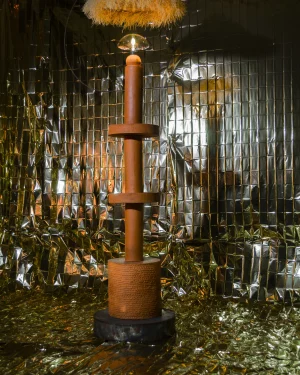 In stock
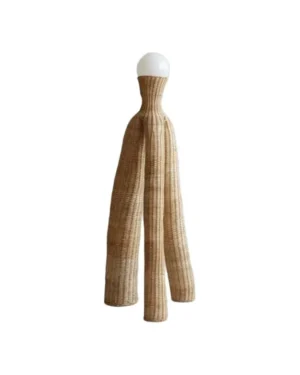
Badru Floor Lamp in Ceramic and Rattan
By UAU Studio
€3.400 -
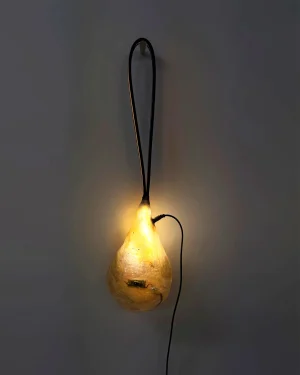 In stock
The Hive Wall Lamp in Bioplastic
By Sabrina Merayo Nuñez
€750 -
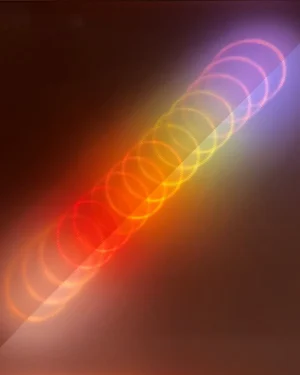
Dhaze – Wall Light Sculpture
By Studio Lampent
€2.700
Radical lighting treats a lamp as an argument rather than a utility: shapes that question proportion, colors that refuse to blend in, materials pushed toward their own limits. The studios working this way draw on the Italian radical design movements of the 1960s and 70s, where furniture and lighting became a way to challenge taste itself. Expect metal, brass, molded plastic and glass handled with a kind of plain defiance, built to throw light and opinion in equal measure.
What makes lighting radical
Radical pieces tend to exaggerate one idea rather than balance several. A shade might be oversized against its base, a cord left exposed as part of the design, a bulb shown rather than hidden. Geometry is blunt: cones, discs, blocks, cylinders, often in a single bright color or in black and white with no attempt to soften the contrast.
Where most lighting tries to disappear into a room, radical pieces ask to be looked at. That does not mean they fail at the job of lighting a space; it means the fixture itself is part of what gets lit.
Materials and finishes found in this range
Metal and brass appear often, sometimes powder coated in flat, saturated color, sometimes left raw to pick up marks over time. Plastic shows up where it was once considered a radical material in its own right, molded into forms that older, heavier materials could not manage. Borosilicate glass, blown or shaped by hand, gives some pieces a transparency that plays against their boxier metal counterparts, and porcelain or ash wood turn up where a studio wants weight or warmth to ground the statement.
- Metalwork and powder coating for bold, matte or glossy color
- Hand-building and glassblowing for softer, more irregular forms
- Wood carving or cabinetmaking for bases and structural elements
Editions vary by studio: some pieces are produced as open editions, made to a standing design; others are limited editions or unique pieces, where small batches or one-offs carry the maker's hand more visibly.
How to choose a radical lamp
Scale matters more here than with quieter lighting. A piece built around one strong shape needs enough clear wall, shelf or floor space to read as a statement rather than clutter; crowding it among smaller objects dulls the effect it is built for.
Height and placement decide how much of the form is seen. A table lamp sits at eye level when seated, so its silhouette becomes part of the view across a room; a floor lamp reads from across the space and works better as a single anchor than in a pair. Check the finish against what already surrounds it: a gloss black cylinder behaves differently next to raw brass than it does against matte white walls.
Where it belongs in a room
Radical lighting suits rooms that can hold a strong single gesture: a living room with one deliberately bare wall, a reading corner with little else going on, an entryway where a visitor sees the piece before anything else. It tends to argue with other loud shapes, so it is usually best given its own territory rather than placed among several other sculptural pieces.
For interiors built around a calmer backdrop, pairing one radical fixture with simpler minimalist lighting elsewhere in the room lets the statement piece carry the room's visual weight. In open living areas, a single radical floor or table lamp among more settled living room lighting does the same job without raising the volume everywhere at once.
Care and upkeep
Powder-coated and painted metal needs only a dry or lightly damp cloth; abrasive cleaners dull the color. Blown or cast glass shades should be dusted gently and never struck against a hard edge, since thin walls chip easily. Bases in ash wood benefit from the same care as any oiled or lacquered wood: away from direct heat, wiped rather than soaked.
For the full range of shapes, colors and materials working in this spirit, see every radical piece on ADORNO, or look across all lighting for quieter counterparts. The same attitude carries into other rooms too, through radical furniture and radical accessories, for anyone building a space around the same set of ideas.
How do I choose a radical lighting piece?
Look for a shape that breaks from the expected cone or dome, since radical lighting treats light as sculpture first. Pick a form that holds its own when switched off, then let the room build around it.
What is radical lighting made from and how do I care for it?
Pieces turn up in cast metal, blown glass, molded plastic and hand-built ceramic, often combined. Wipe metal and glass with a dry or barely damp cloth, dust ceramic shades, and keep bulbs within the stated wattage to protect finishes.
What size or height should a radical light be?
Pendants usually hang with their base thirty to thirty-six inches above a table or counter, lower over seating areas, higher in hallways. A floor or table lamp should sit roughly at or just below eye level when seated nearby.
Which rooms suit radical lighting?
Living rooms and entryways carry its sculptural scale well, where it reads as an object rather than just a light source. Smaller radical pieces work on side tables or shelves in bedrooms and studies too.
Does ADORNO ship radical lighting worldwide and can I return it?
Shipping is insured and sent worldwide. Pieces can be returned within fourteen days, except made-to-order lighting, which is excluded from returns.
Can I get a radical light fixture in a custom size or finish?
Some makers take custom requests on finish, color or scale. Use Chat with the maker on the piece's page to ask directly about options.